First edition, first printing of Helmut Richard Niebuhr’s landmark treatise on Christian ethics. Published in 1929 by Henry Holt and Company. Richard Niebuhr (1894-1962) was a Protestant minister and theologian considered one of the most important Christian ethicists in 20th century America. In the present work, his first published book, he argues that the denominational divisions in the Christian (and especially Protestant) Church are a result of social, economic, and political forces rather than purely theological differences. He calls for a Christianity that transcends class and race and a renewal of the church’s unity grounded in the ethic of brotherly love. 8vo (6” x 8.75”), hardcover, 304 pages. With a half-page dedication on the FFE to the author’s older brother, the renowned American theologian Reinhold Niebuhr, reading “To Reinie—If these pages could speak, they’d bear testimony to inspiration by you in every chapter and in every line and call me a mere amanuensis. The faults are all my own, what’s not so bad, if there be any of that, is yours. Here it is and you may thank the Lord that you don’t have to read it again—Helmut.” A scarce and important book, enhanced by the extraordinary inscription and association. Slight lean to spine. Front hinge mostly split. Light bumping and some soiling to extremities. Some pencil marks and notations, possibly by one or the other Niebuhr.
First edition, first printing of Helmut Richard Niebuhr’s landmark treatise on Christian ethics. Published in 1929 by Henry Holt and Company. Richard Niebuhr (1894-1962) was a Protestant minister and theologian considered one of the most important Christian ethicists in 20th century America. In the present work, his first published book, he argues that the denominational divisions in the Christian (and especially Protestant) Church are a result of social, economic, and political forces rather than purely theological differences. He calls for a Christianity that transcends class and race and a renewal of the church’s unity grounded in the ethic of brotherly love. 8vo (6” x 8.75”), hardcover, 304 pages. With a half-page dedication on the FFE to the author’s older brother, the renowned American theologian Reinhold Niebuhr, reading “To Reinie—If these pages could speak, they’d bear testimony to inspiration by you in every chapter and in every line and call me a mere amanuensis. The faults are all my own, what’s not so bad, if there be any of that, is yours. Here it is and you may thank the Lord that you don’t have to read it again—Helmut.” A scarce and important book, enhanced by the extraordinary inscription and association. Slight lean to spine. Front hinge mostly split. Light bumping and some soiling to extremities. Some pencil marks and notations, possibly by one or the other Niebuhr.

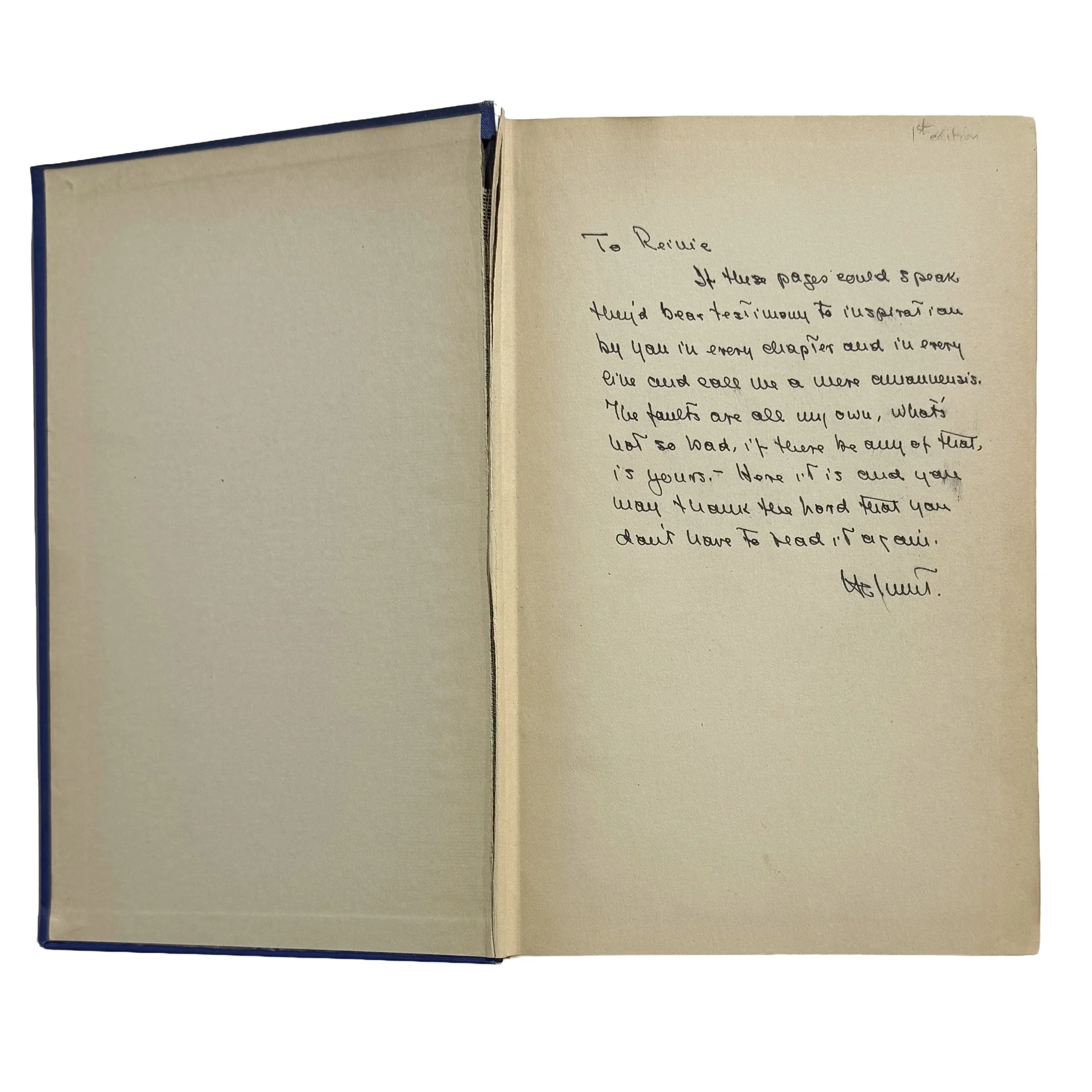 Image 1 of 8
 Image 2 of 8
 Image 3 of 8
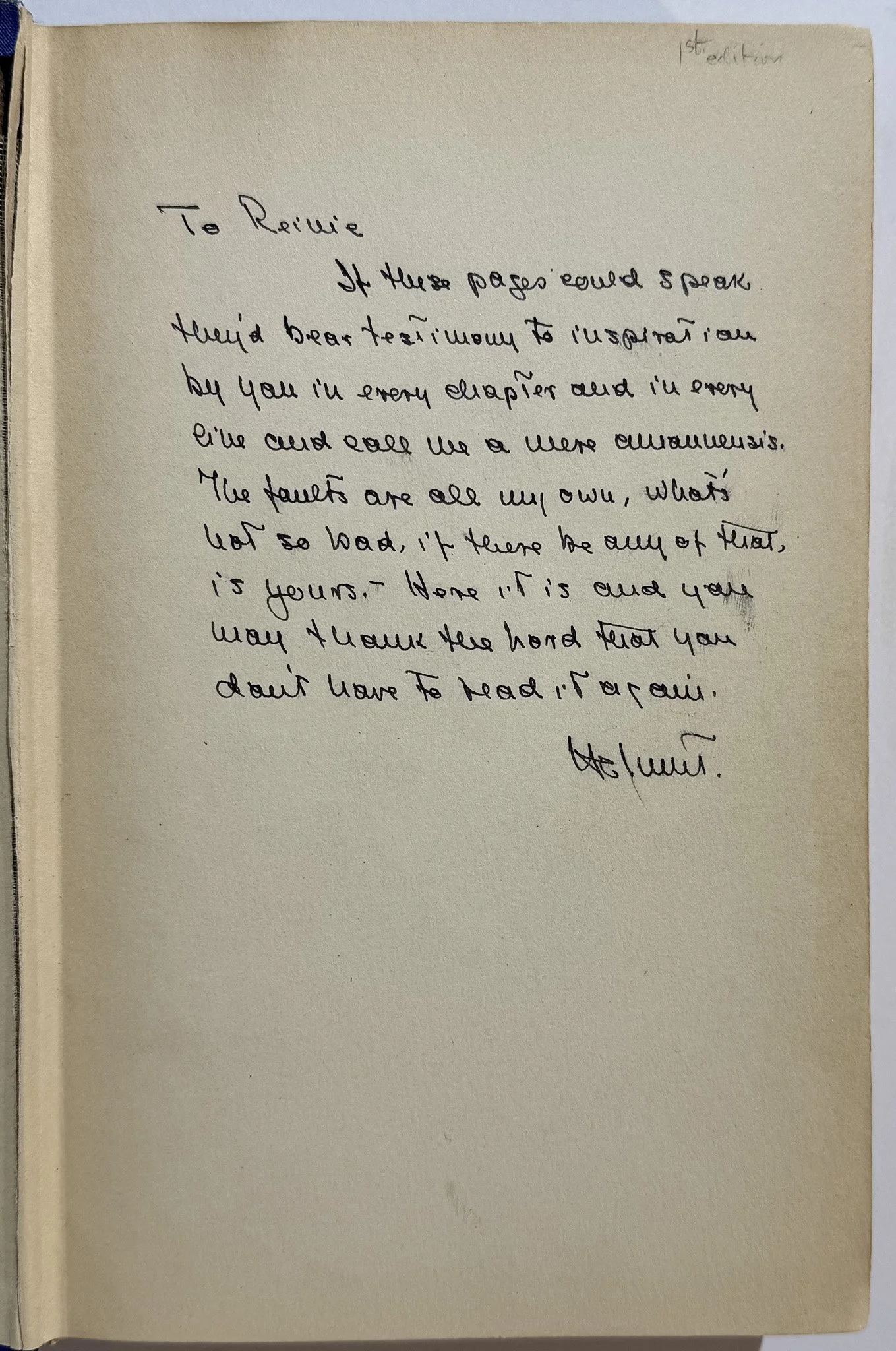 Image 4 of 8
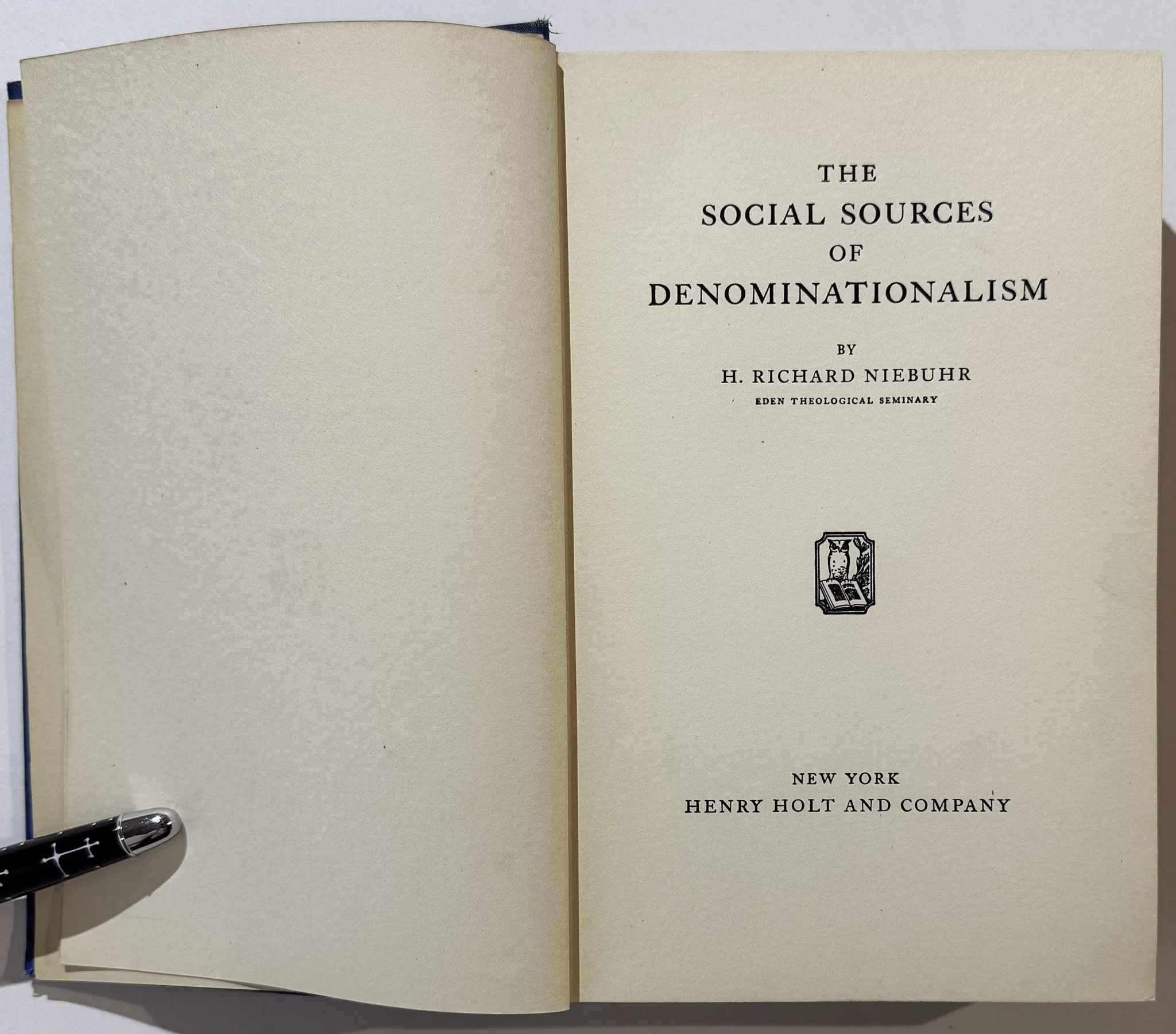 Image 5 of 8
 Image 6 of 8
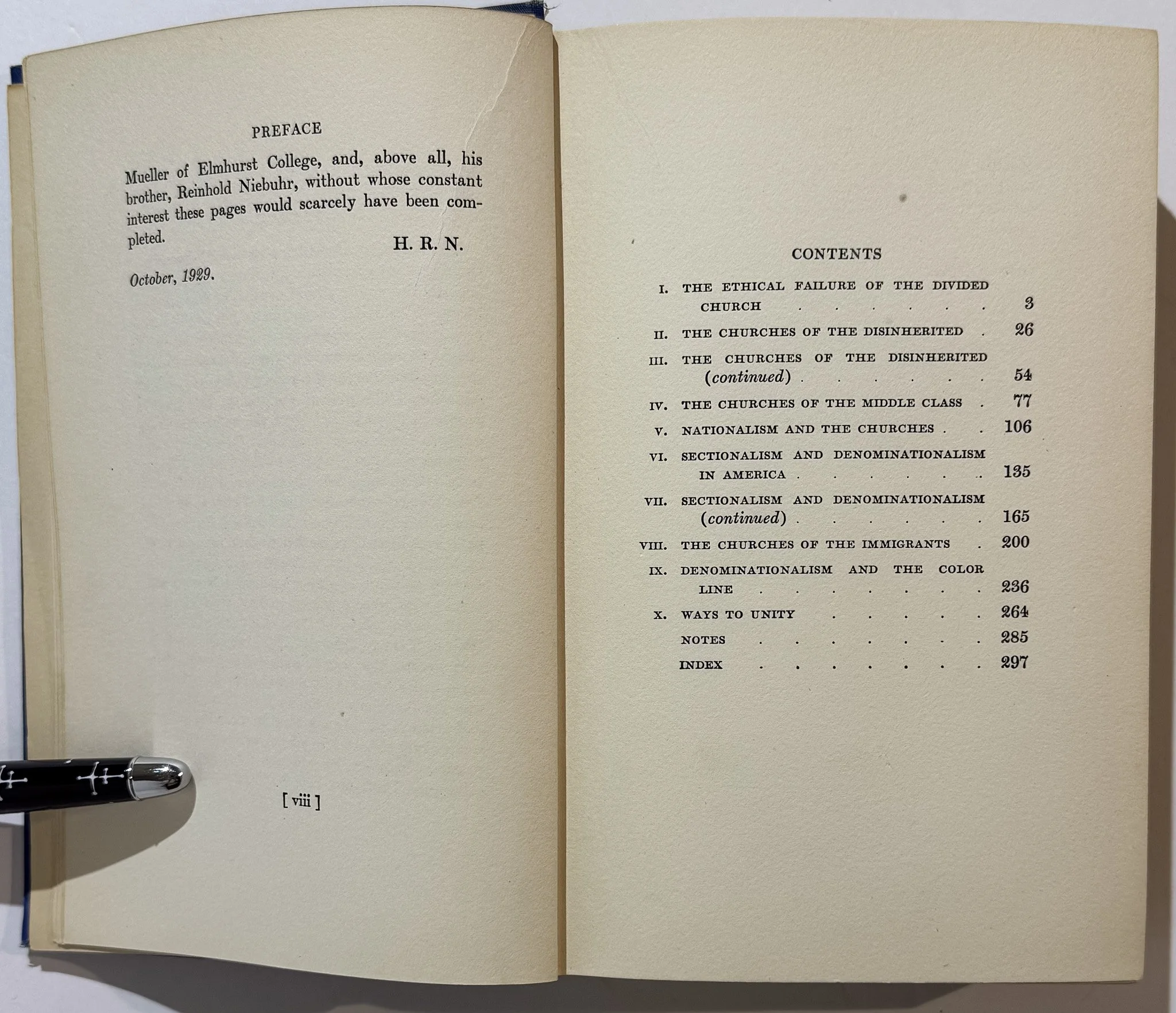 Image 7 of 8
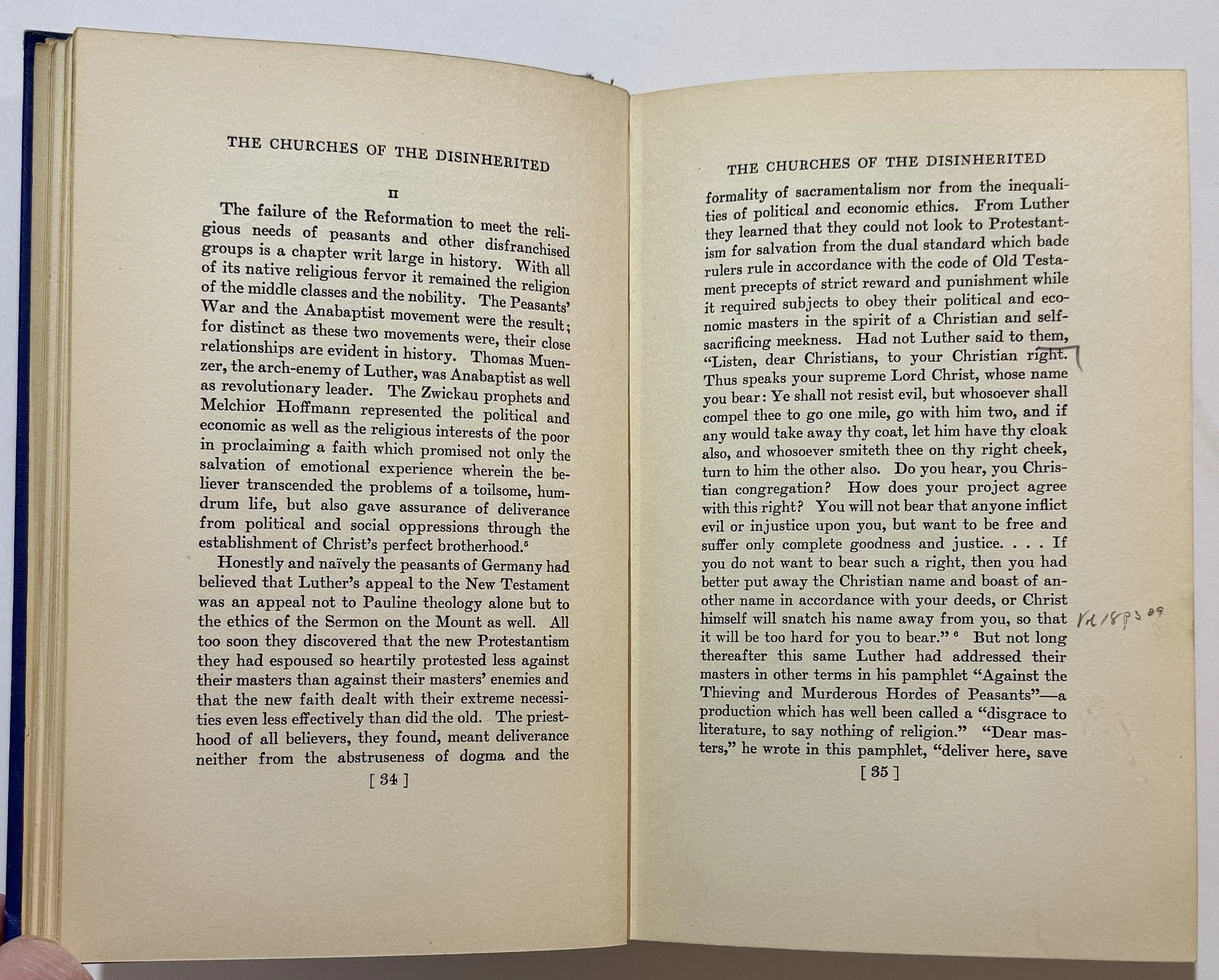 Image 8 of 8



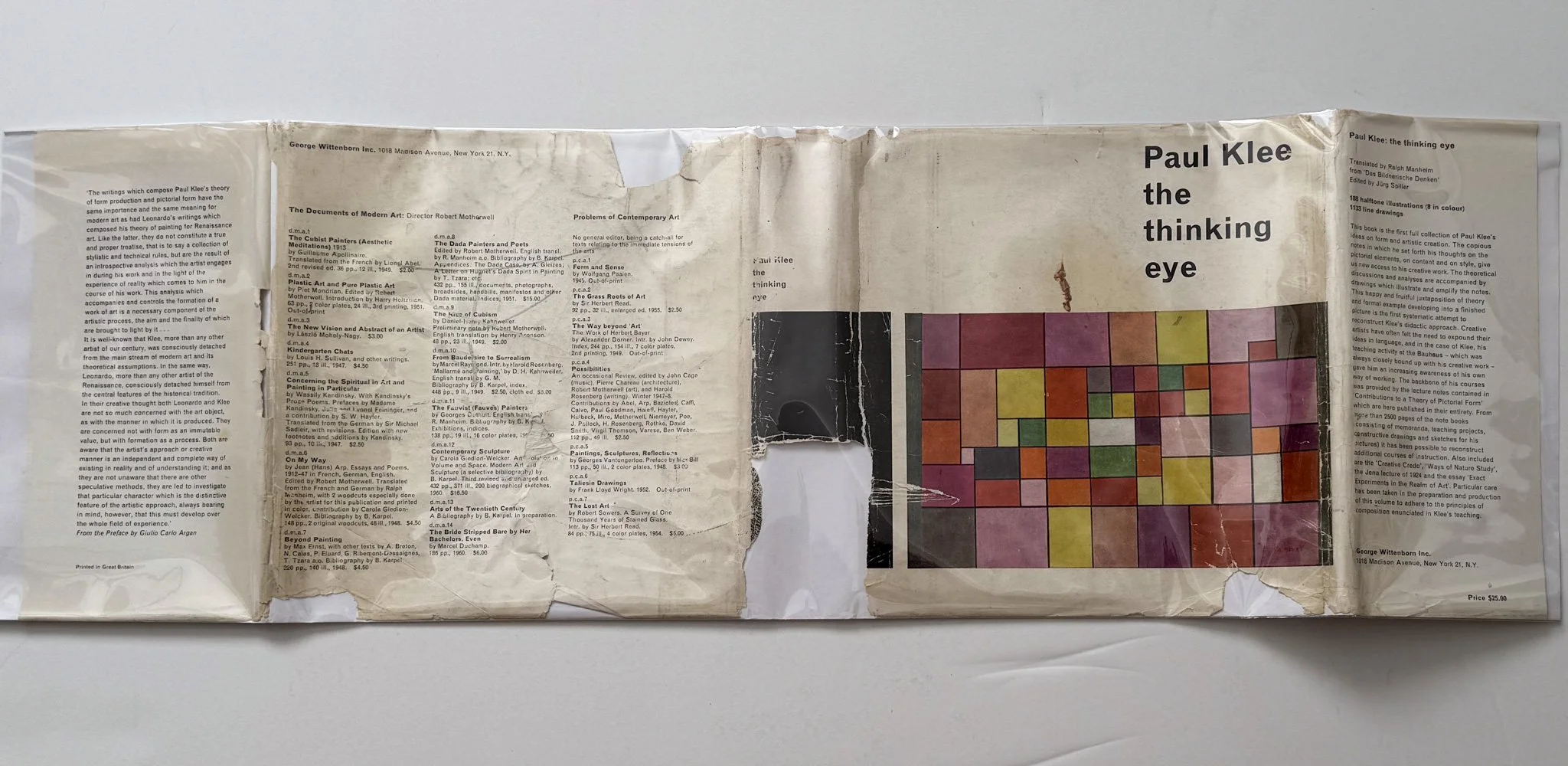
![[1st American ed] Paul Klee: the thinking eye (the notebooks of Paul Klee)](https://images.squarespace-cdn.com/content/v1/61dc97a529892d0e352a9423/faaa9ae8-6356-453f-9398-900e326193fe/f_46150602_1754407509140_bg_processed.jpg.webp)



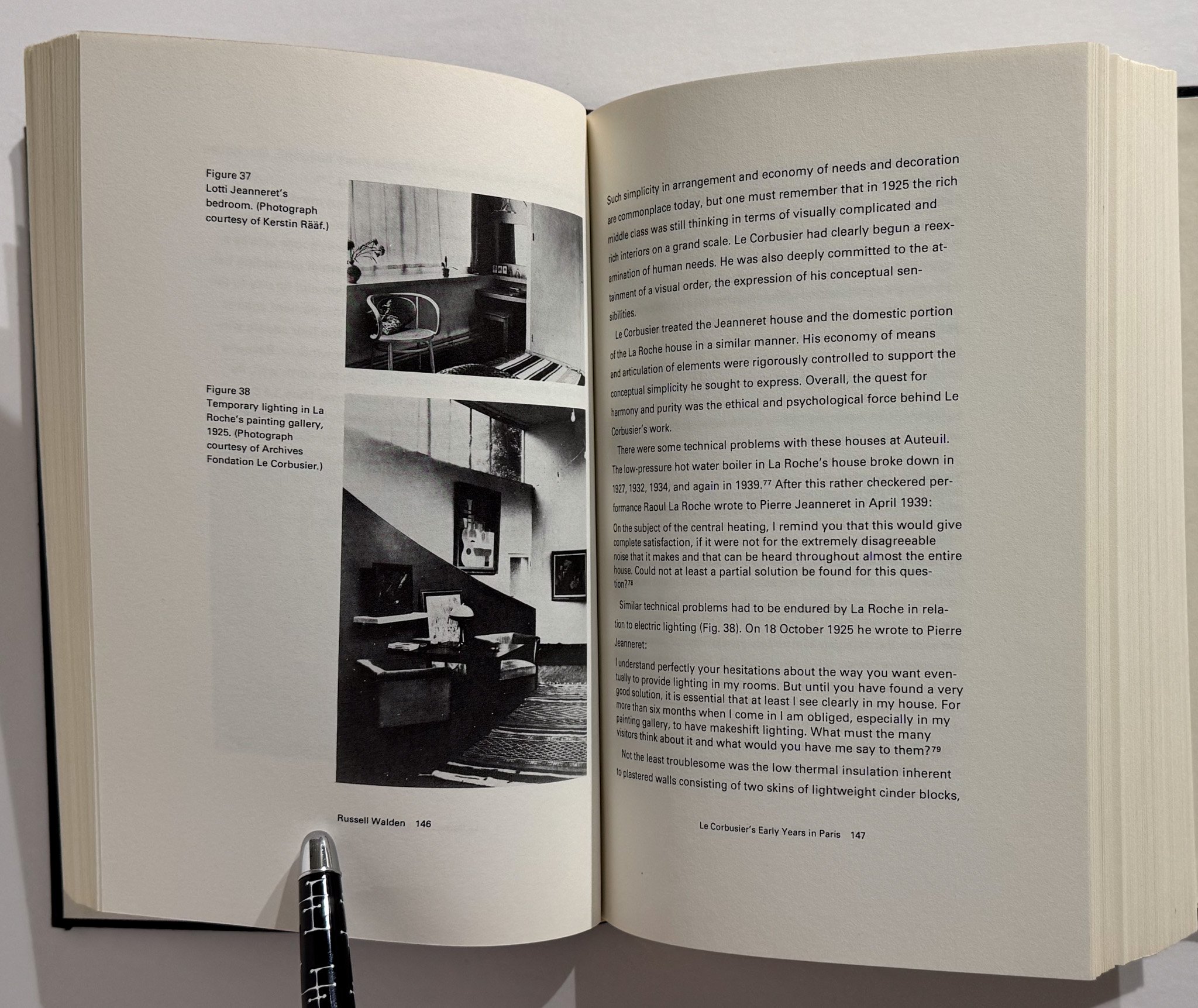
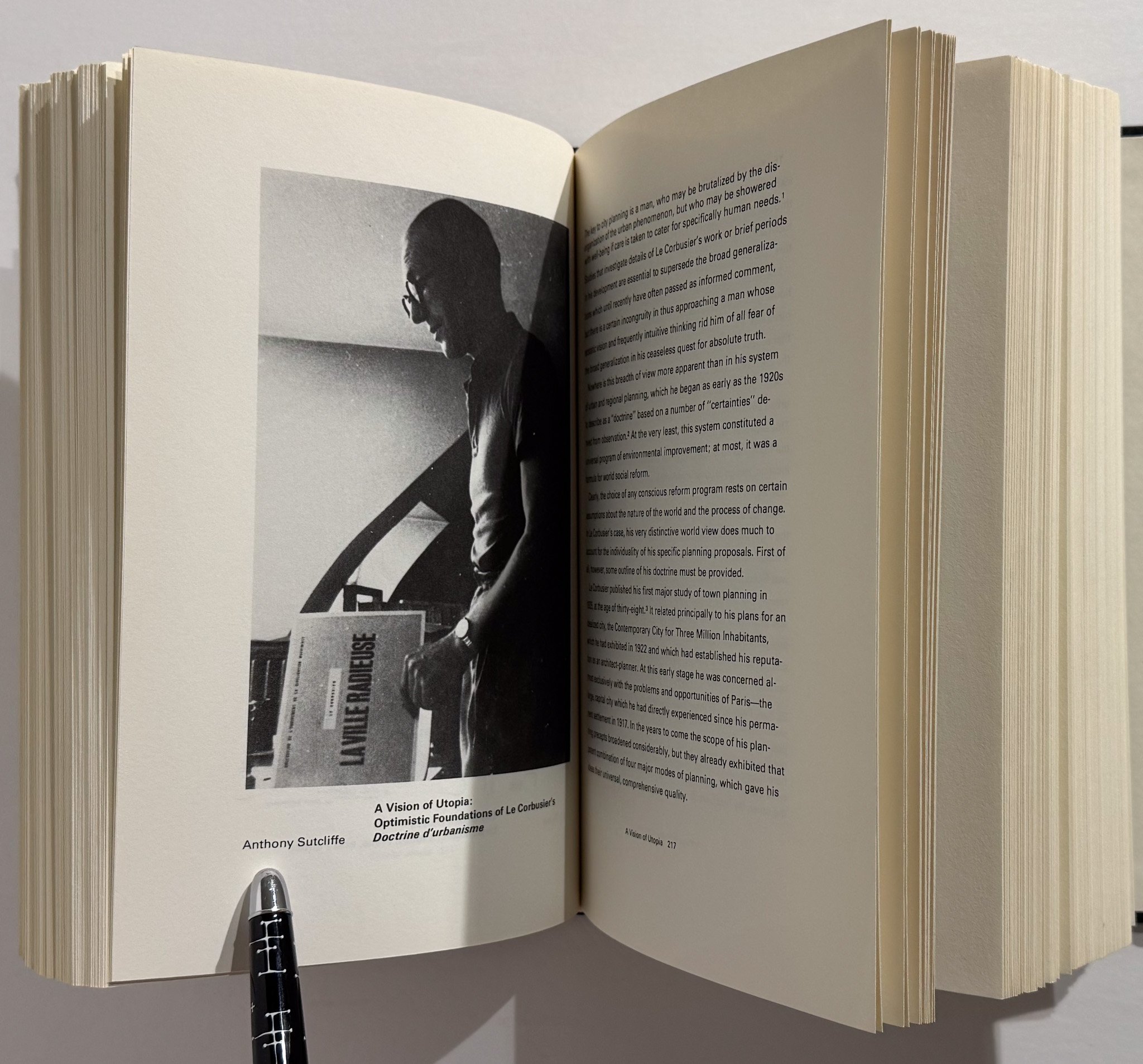
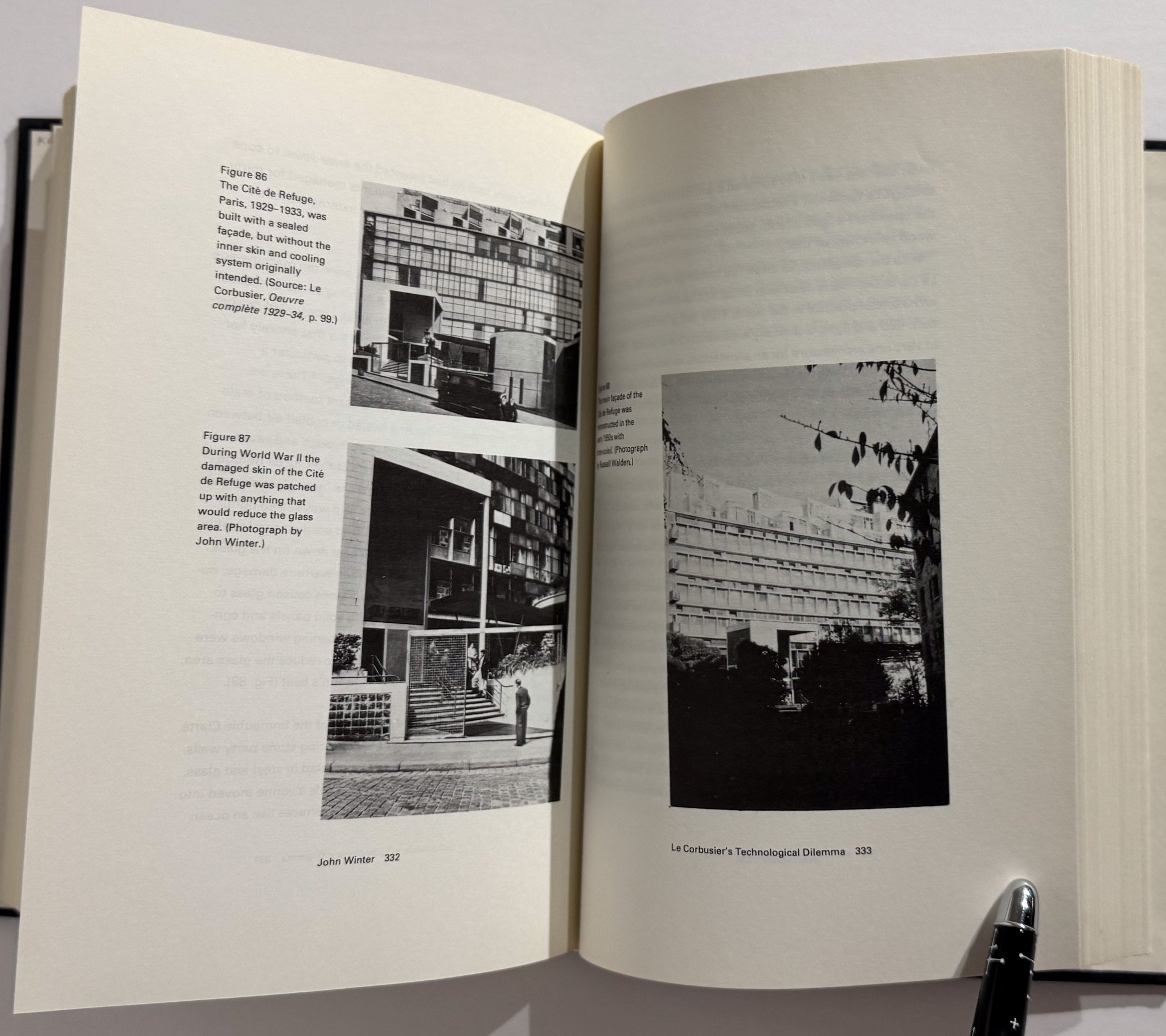
![[1st ed] The Open Hand: Essays on Le Corbusier](https://images.squarespace-cdn.com/content/v1/61dc97a529892d0e352a9423/3779fe2e-20d8-48ee-9fdc-fe56a9a8a33b/IMG_7409+lead.jpg)