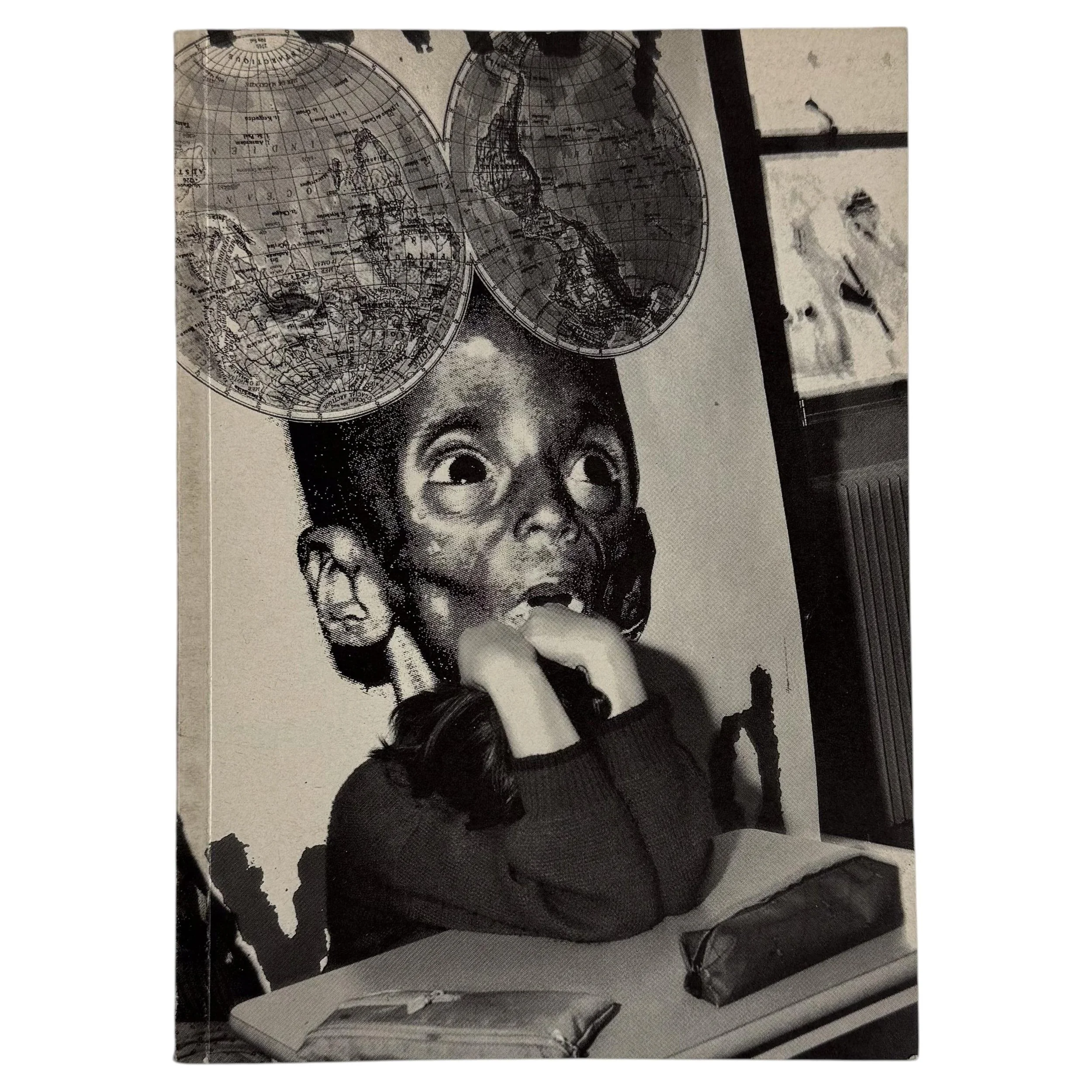
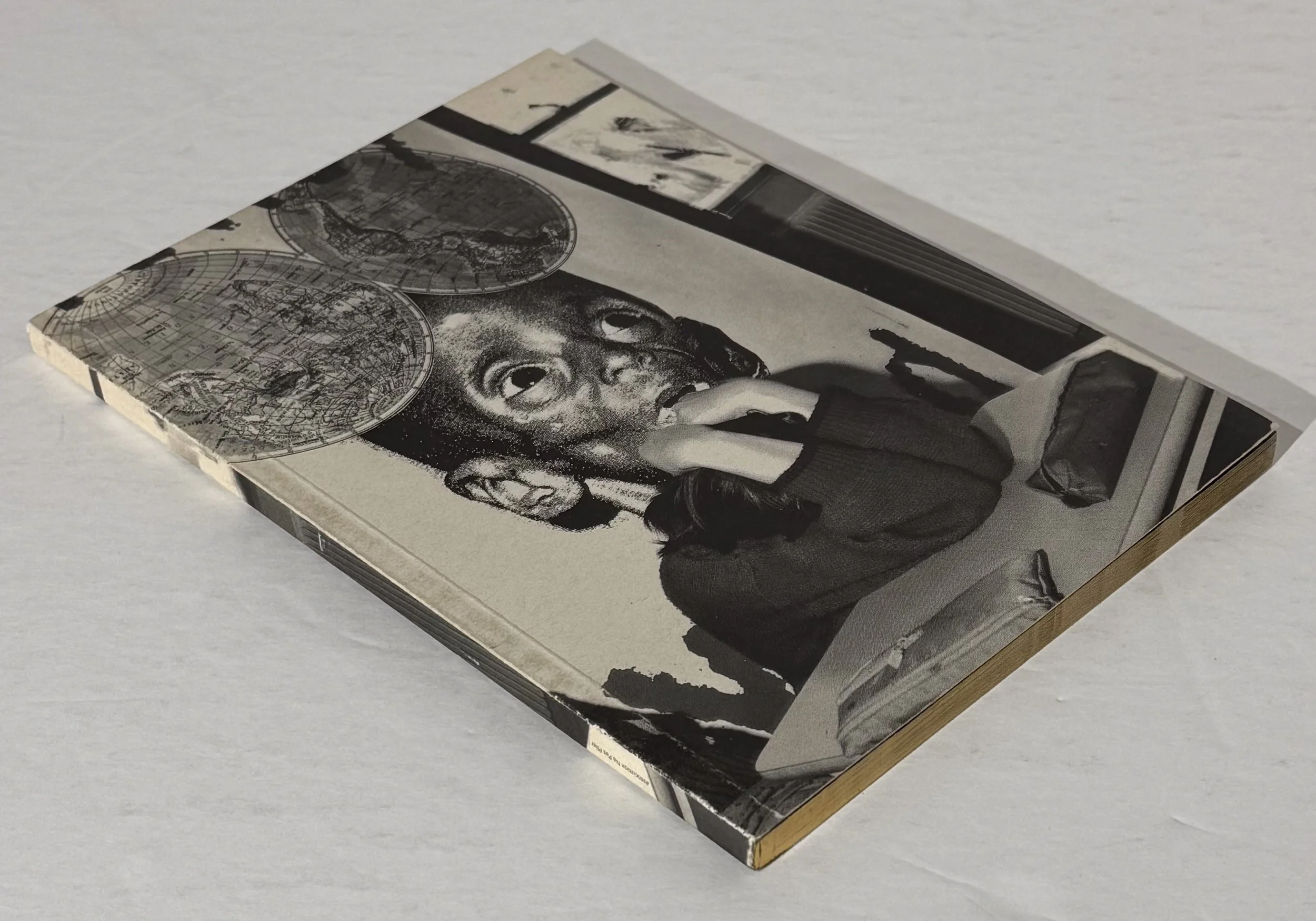
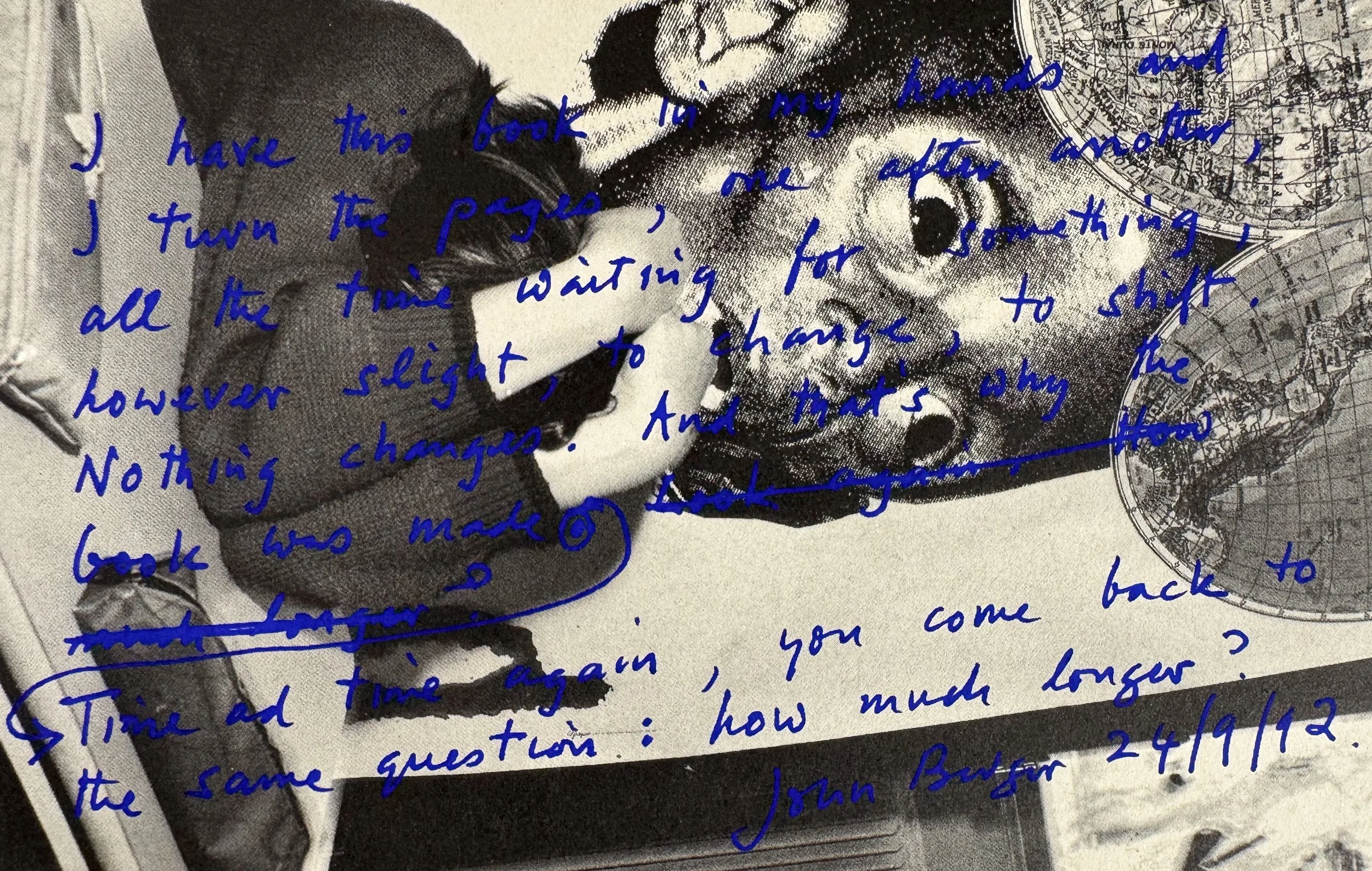
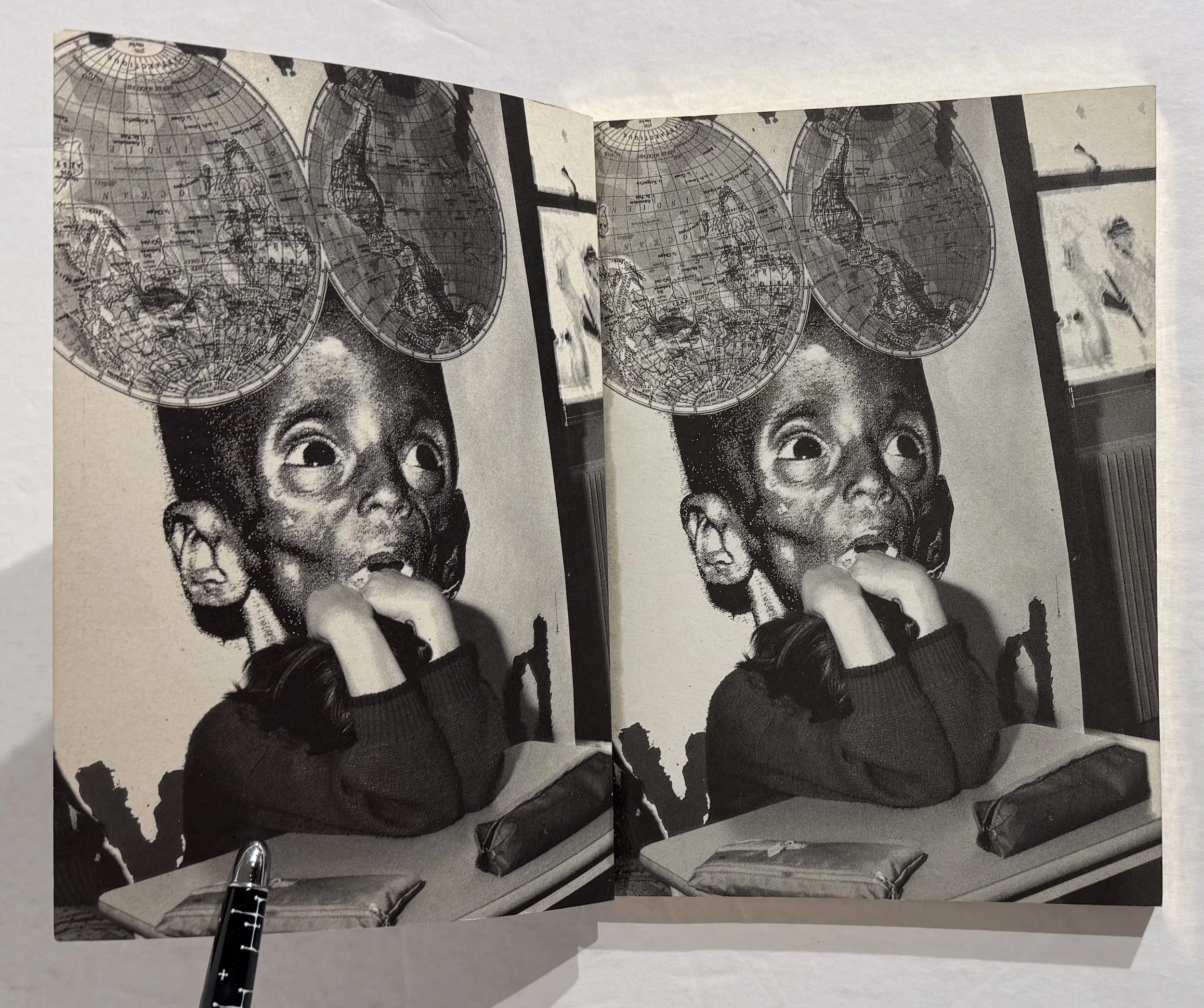
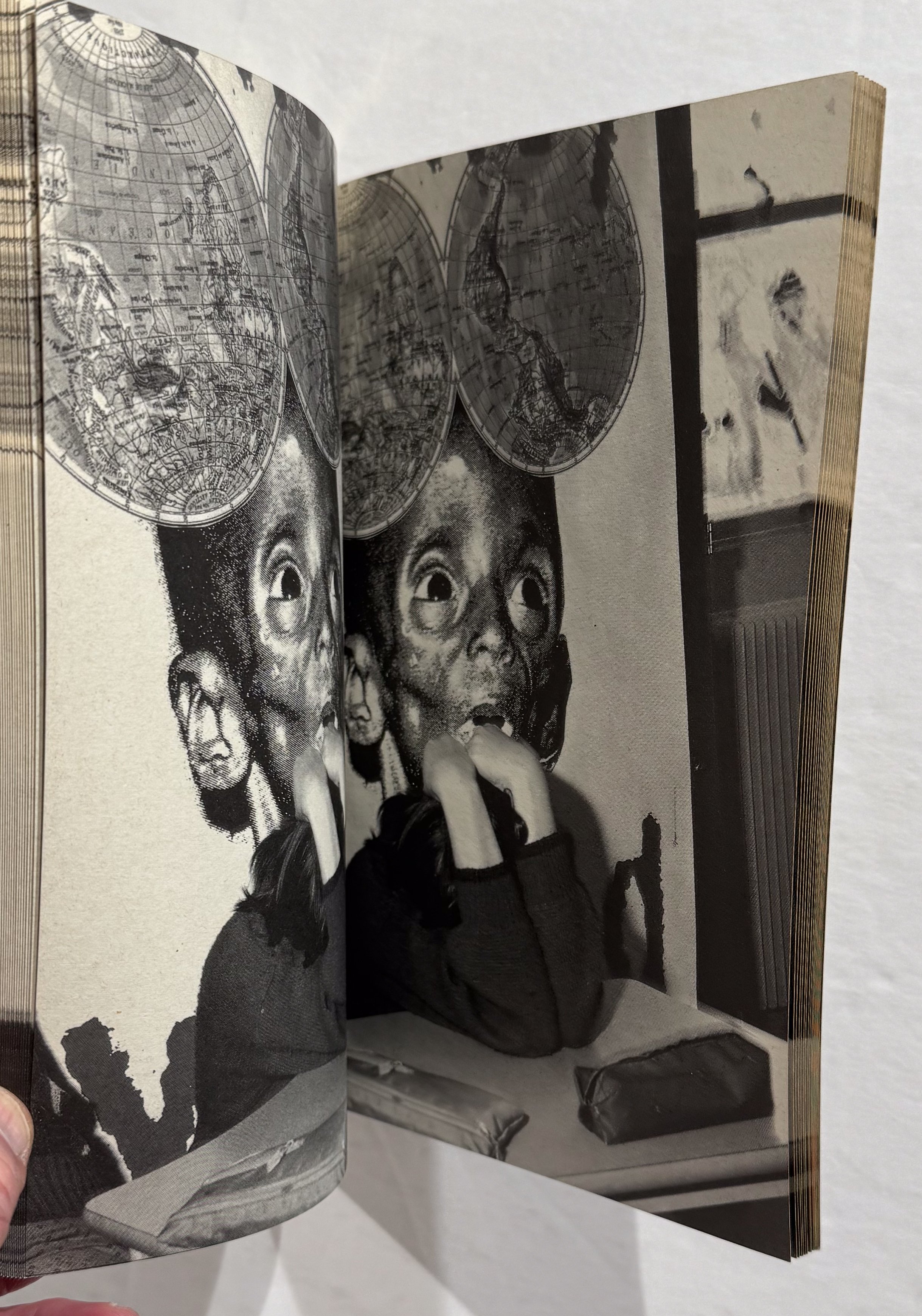
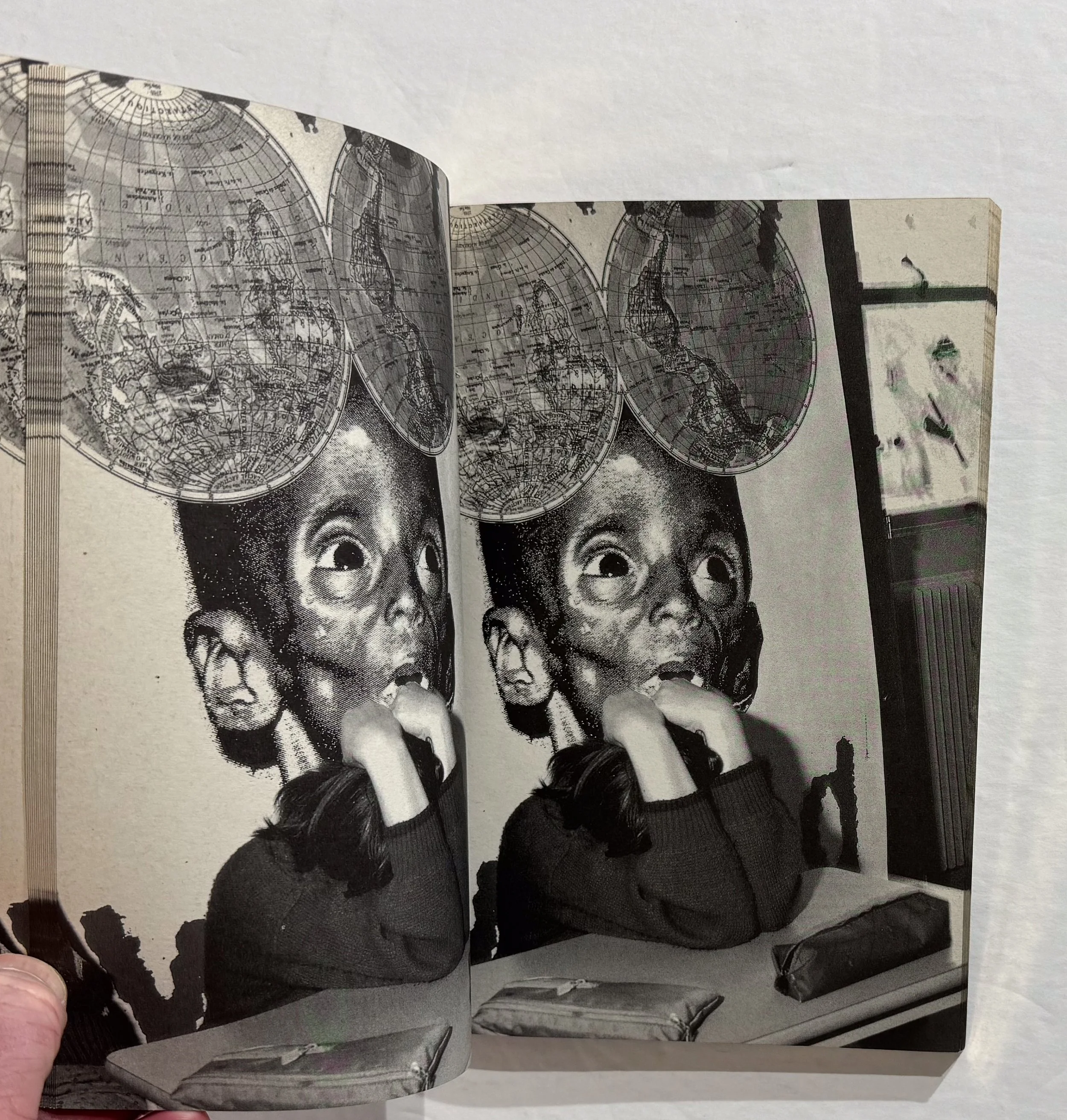
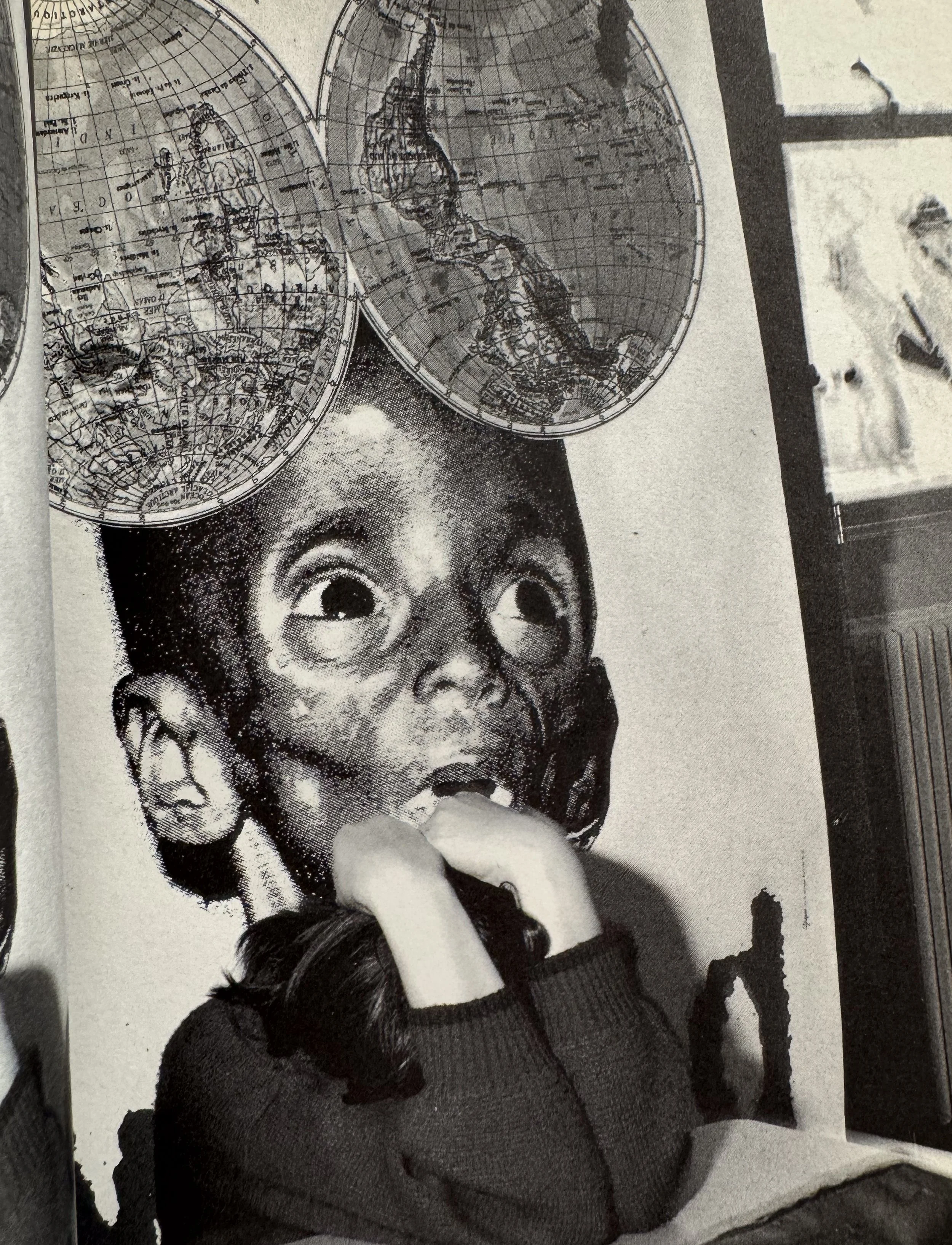
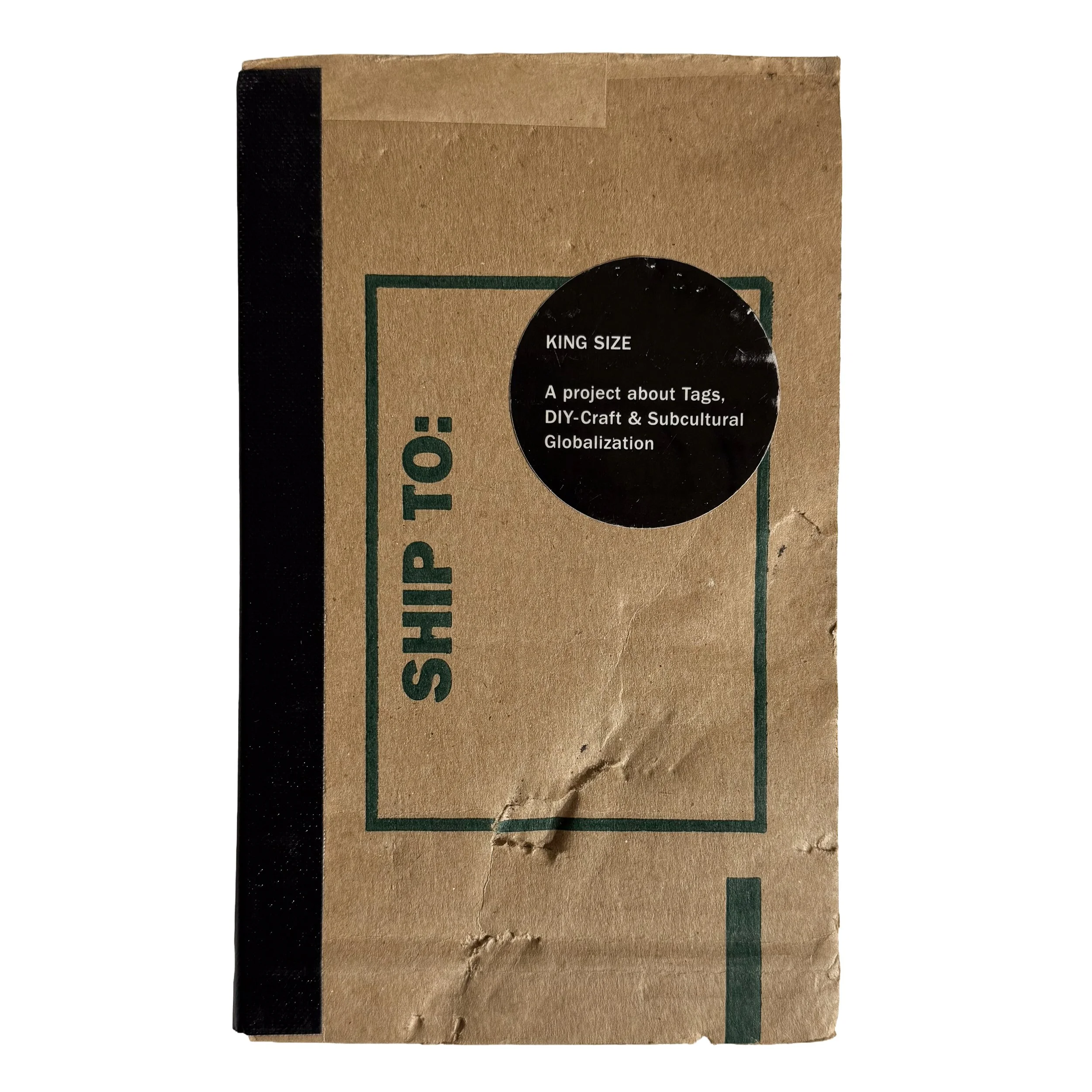
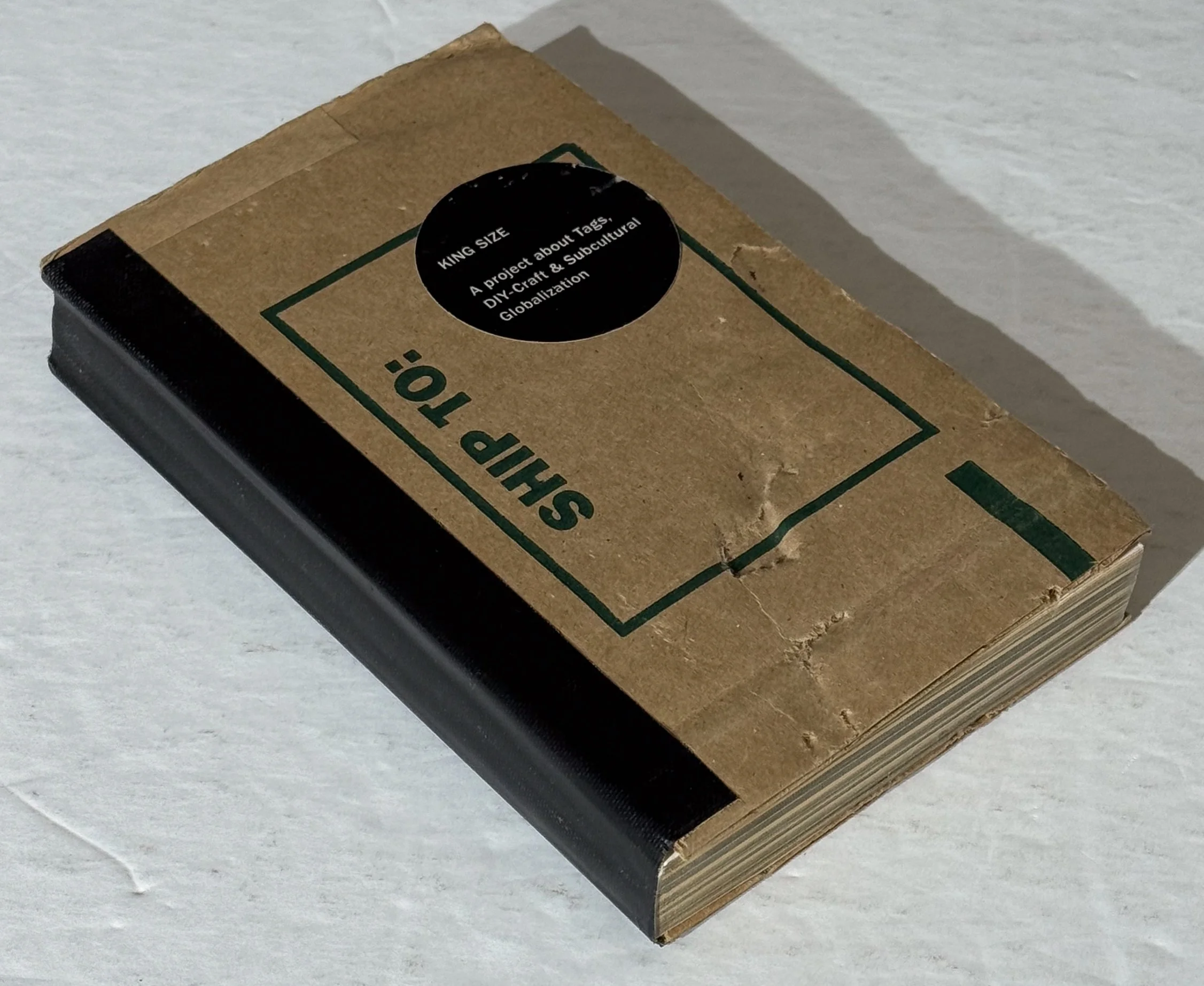
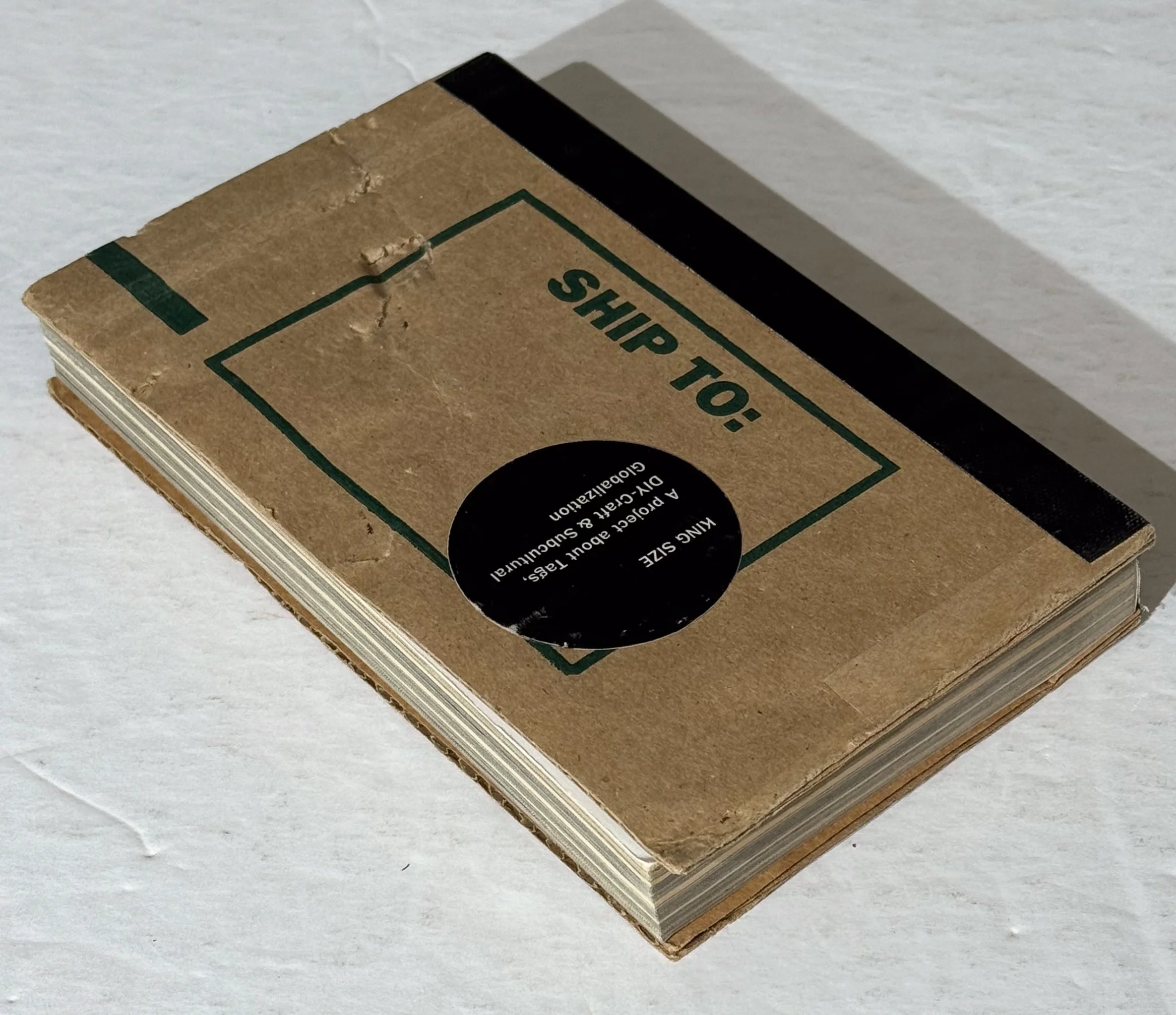
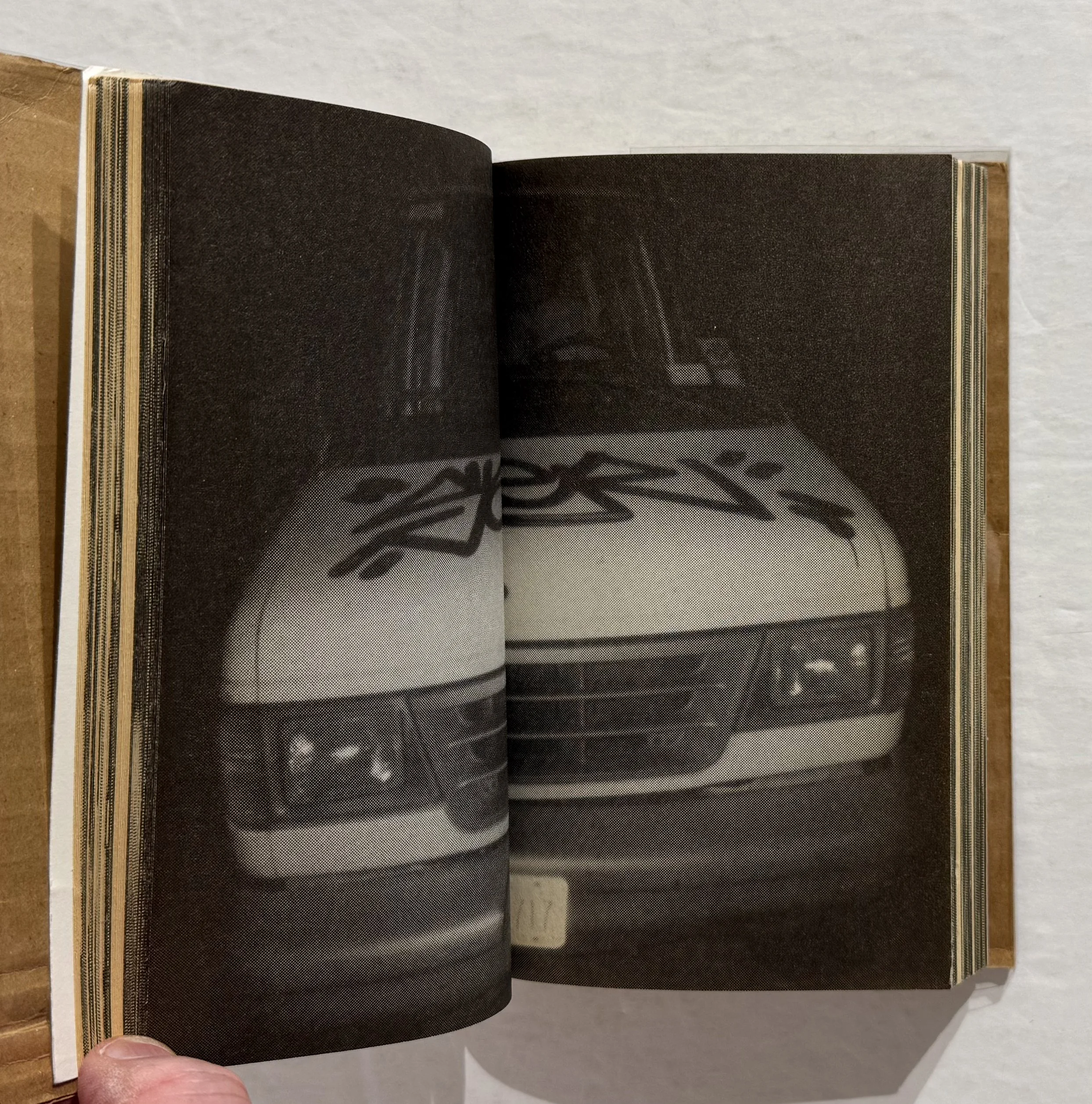
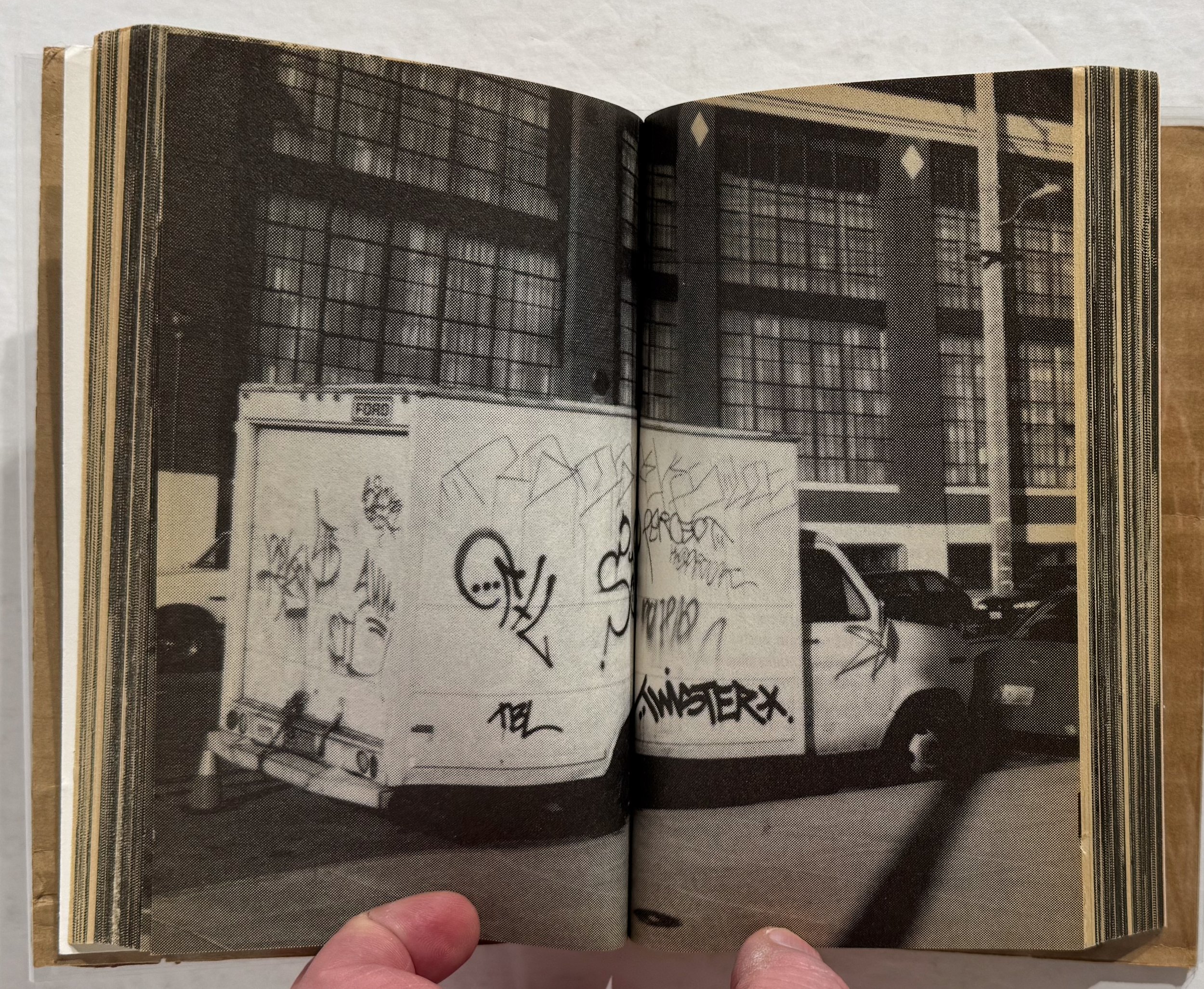
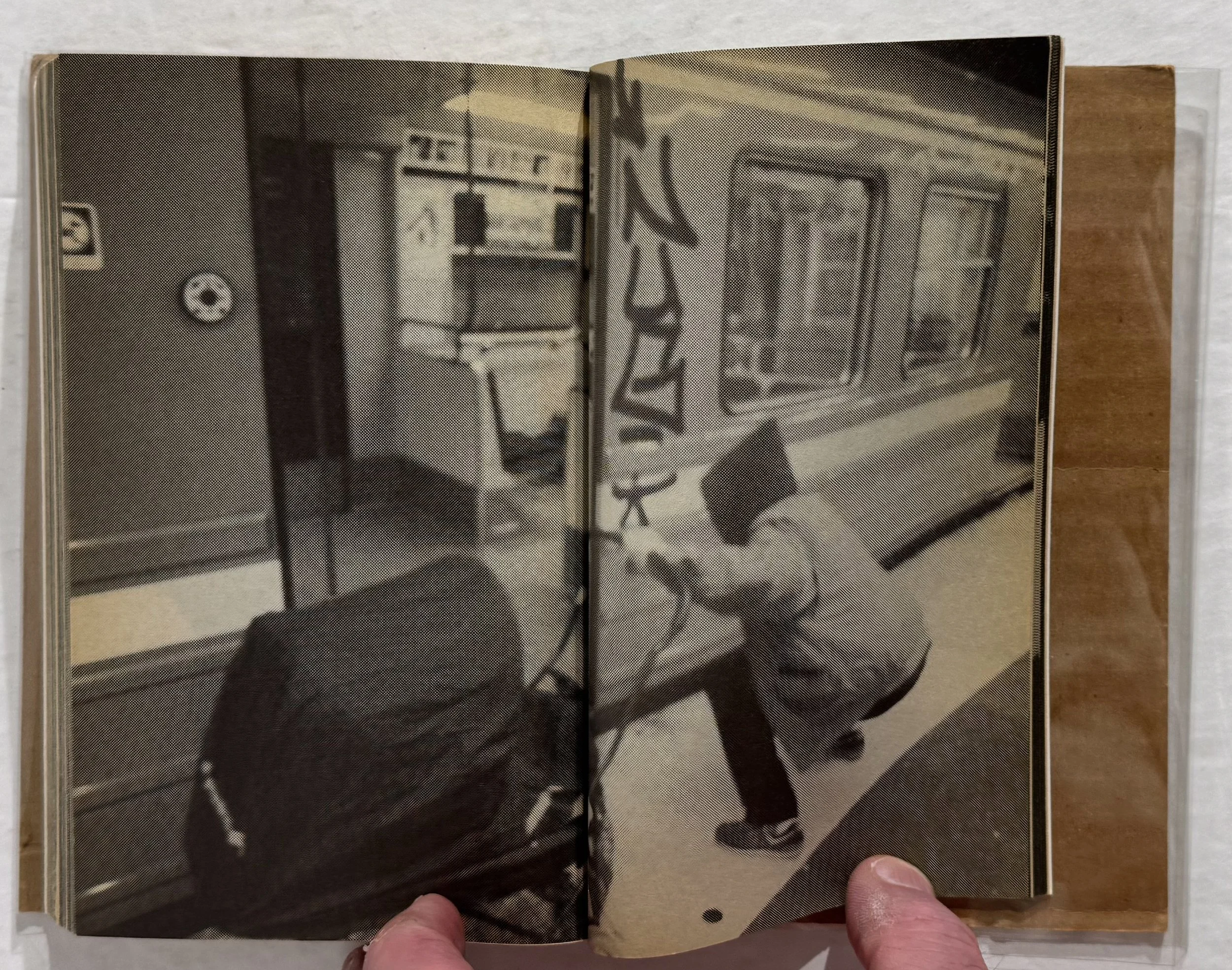
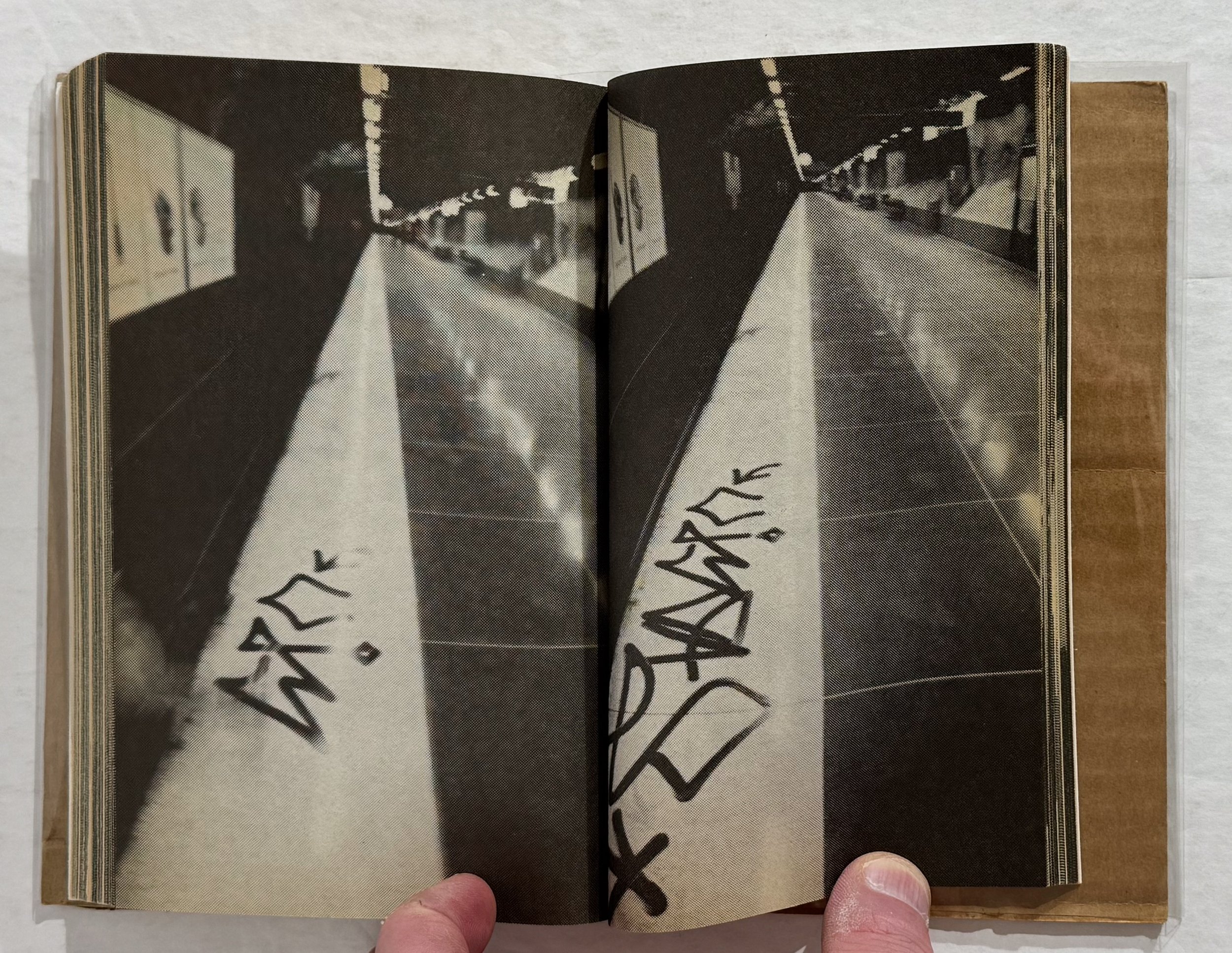
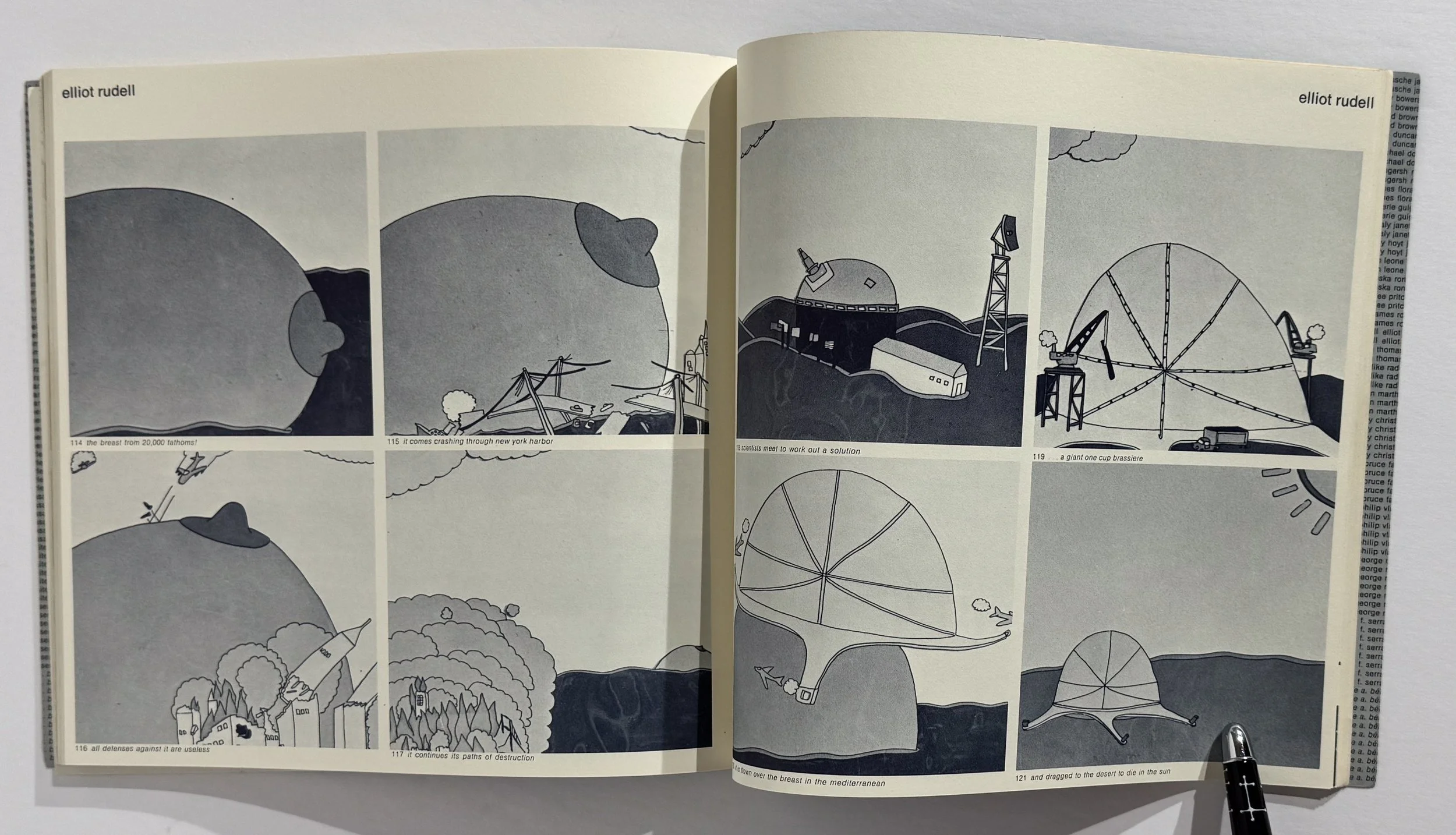
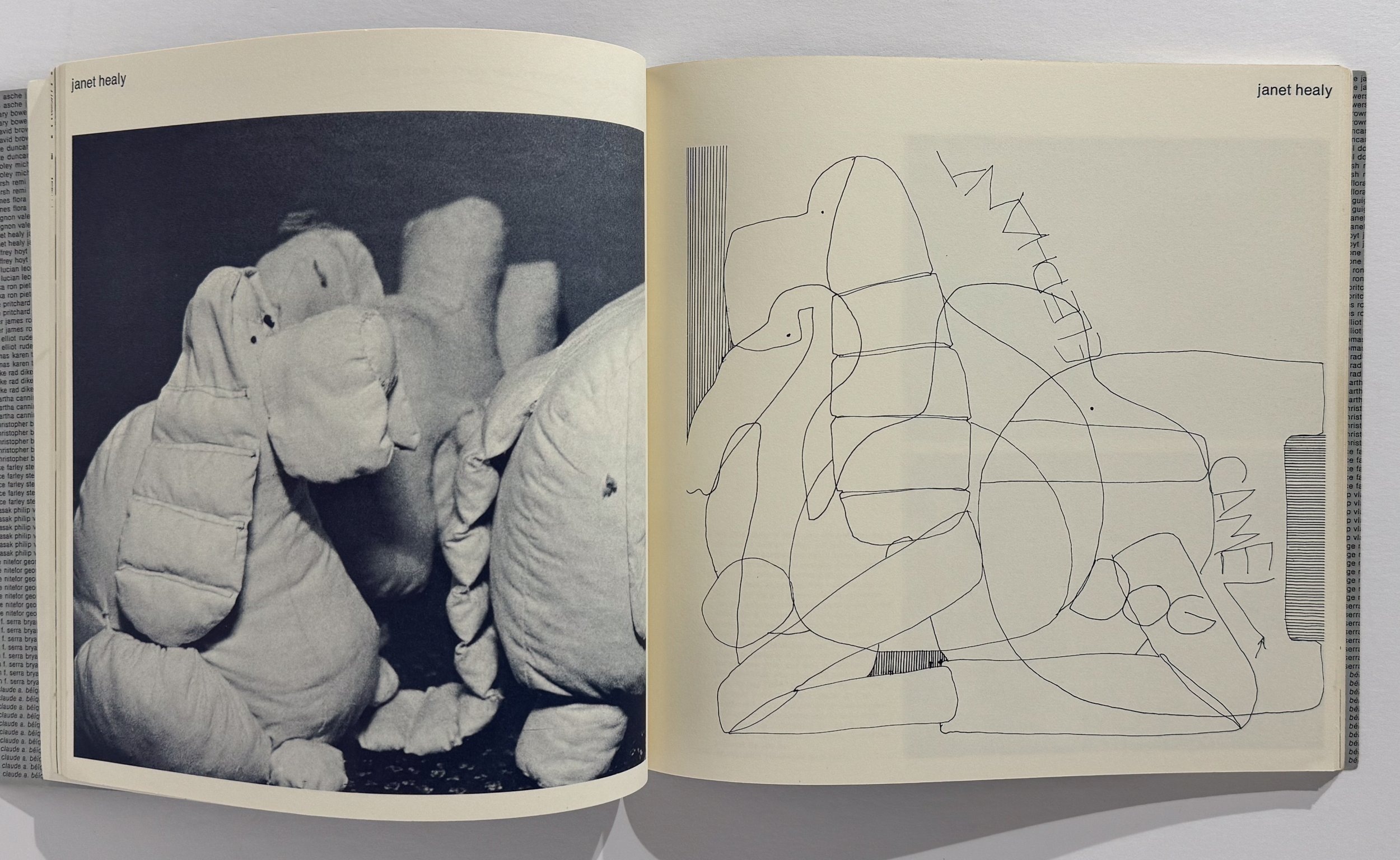
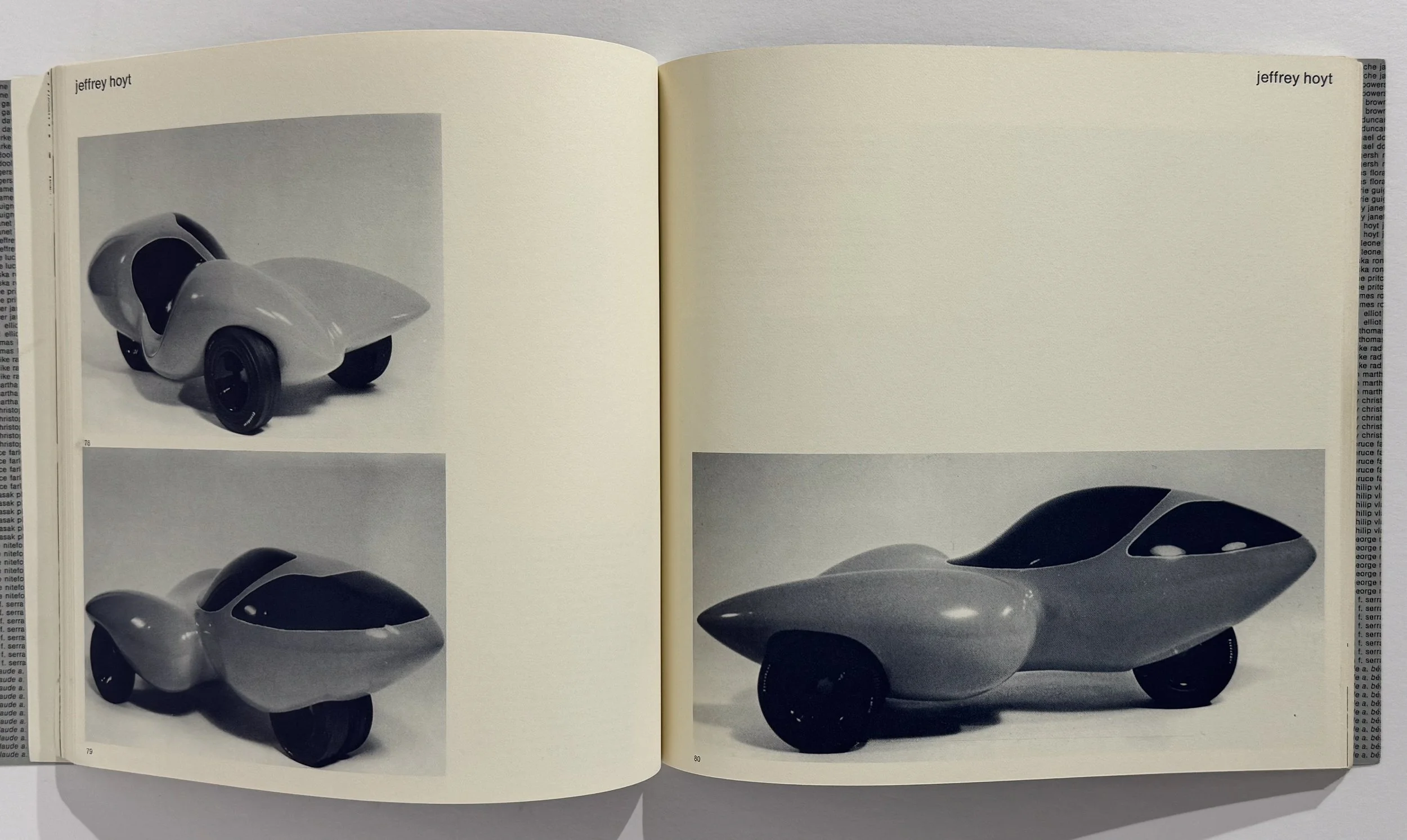
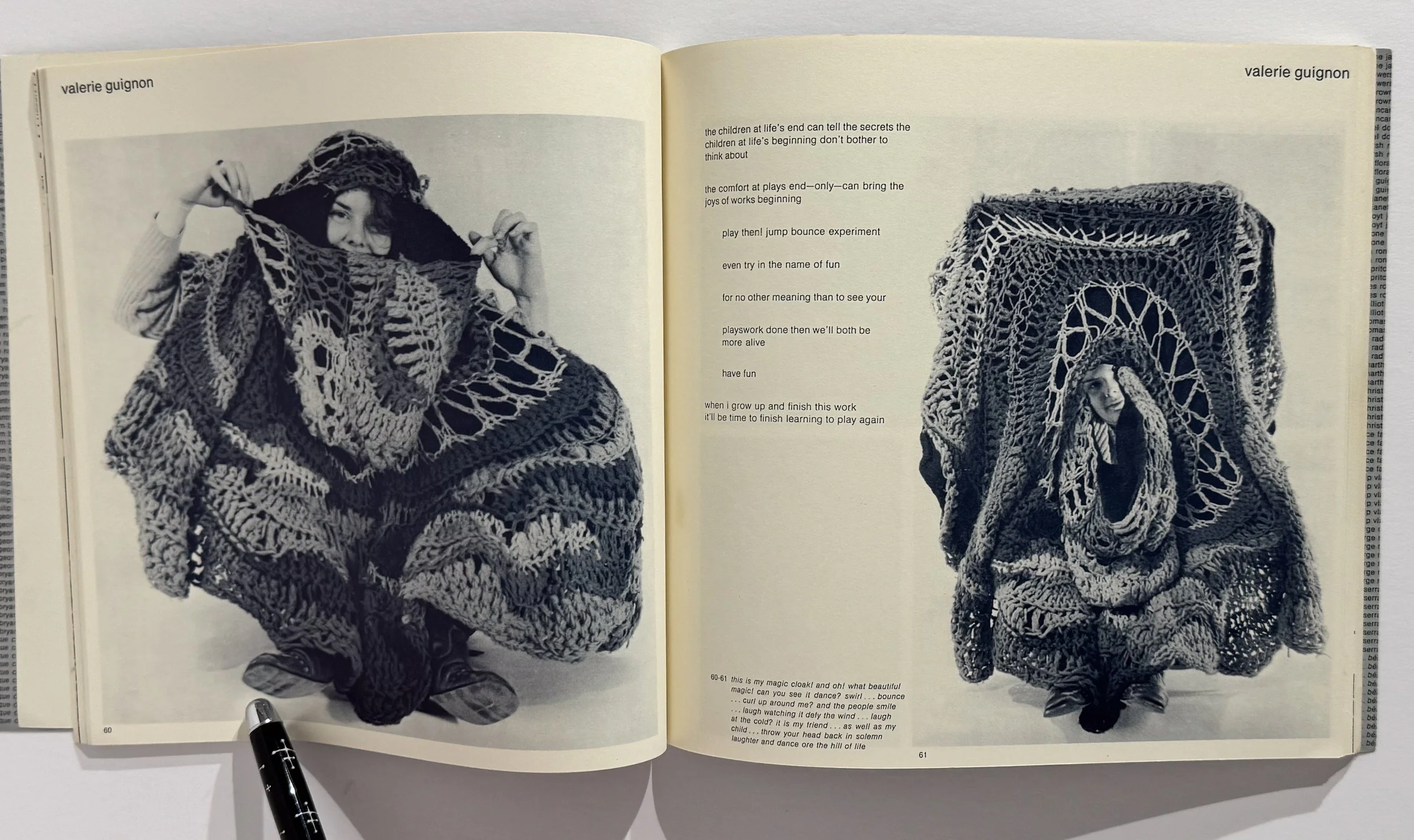
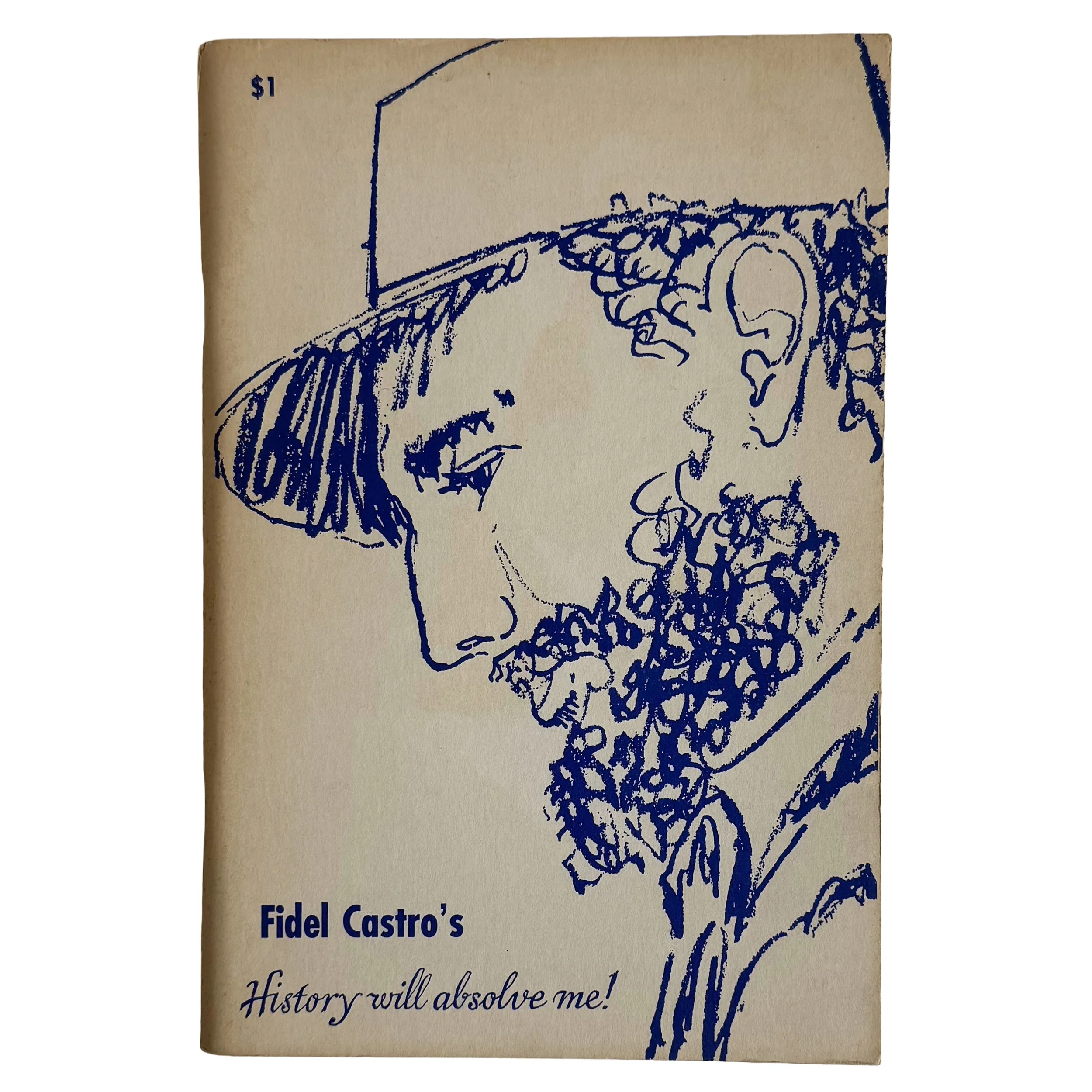
First edition, first printing of the inaugural number of editor and contributor Ken Kesey’s idiosyncratic post-counterculture literary magazine, bringing together writers and fellow travelers including Wendell Berry, Margo St. James, Lee Quarnstrom, Paul Krassner, Henry Crow Dog, Ken Babbs, Eve Merriam, and Kesey himself. The issue is subtitled “Old in the Streets” and was published in Pleasant Hill, Oregon in 1974 by Intrepid Trips Information Service; a second printing followed in 1977. 8vo (5.5 × 8.5 inches), pictorial wrappers, 127 pages.
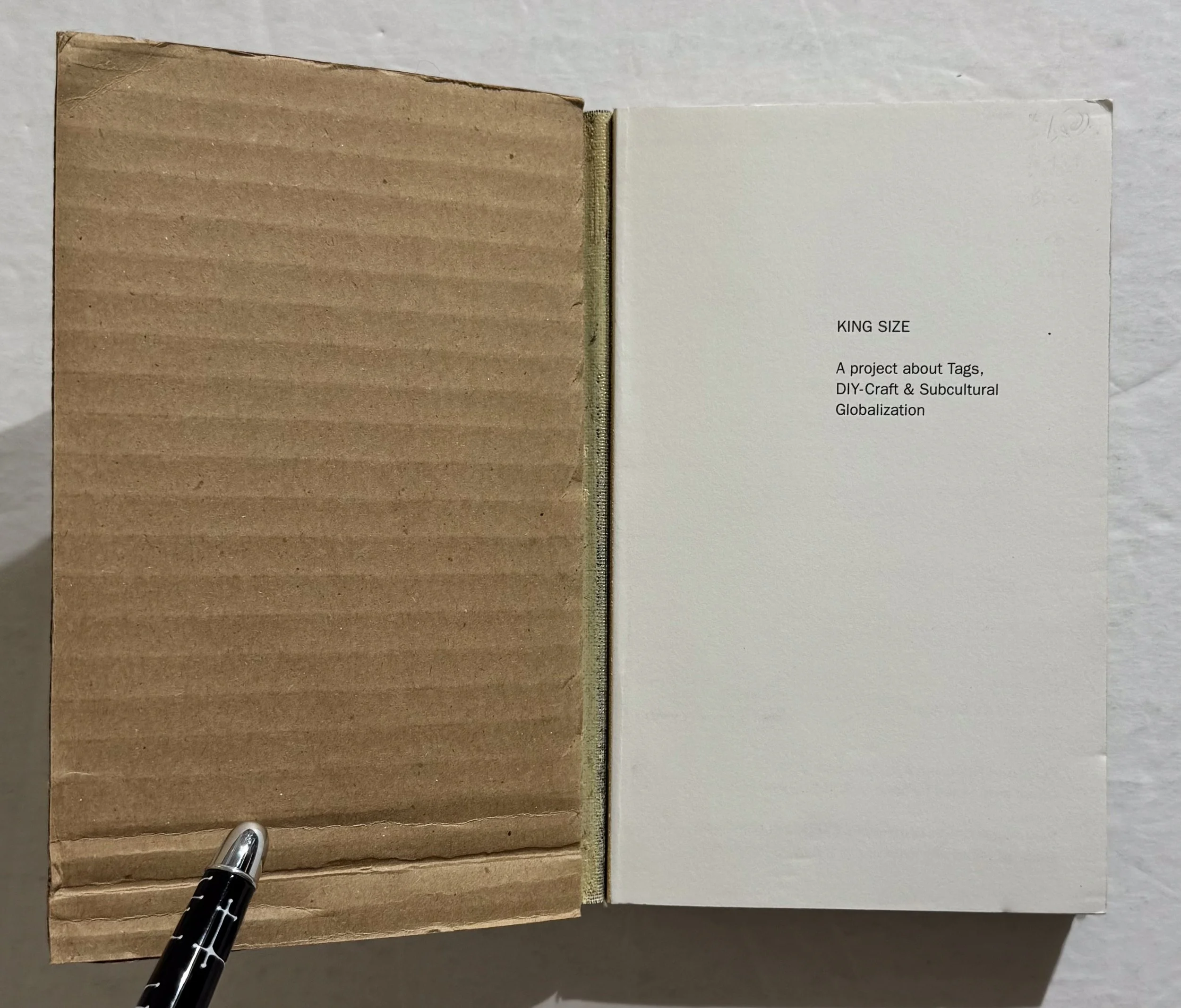
Inscribed by Kesey on the inside front wrapper: “Dear Jane—You'll be happy to hear our 3rd issue is all Female—Tentative theme ‘Frisco Chicks’ [notation]—Ken.” An unusually substantive inscription that functions as a piece of informal editorial correspondence. Kesey tells Howard of his plans for a forthcoming number devoted entirely to women, even supplying its tentative theme. The projected issue did not materialize as described: the eventual third issue appeared in 1977 under the entirely different theme Communication With Higher Intelligence, guest-edited by Timothy Leary. Kesey's inscription thus preserves evidence, in his own hand, of an abandoned editorial conception for Spit in the Ocean.
The recipient makes the communication particularly resonant. Jane Howard (1935–1996) was a longtime Life journalist, author and interviewer whose subjects included many of the major literary and countercultural figures of her generation. Her landmark 1973 book A Different Woman examined the ways in which the contemporary women's movement was reshaping the lives of American women. It had appeared only a year before this inaugural issue of Spit in the Ocean. Kesey therefore would have been addressing a journalist already conspicuously identified with contemporary feminism when he wrote, “You'll be happy to hear” of his projected “all Female” issue. The message may also be read as an effort to interest a well-connected journalist in the proposed number—and perhaps to generate advance attention or publicity for it—though Kesey's precise intention cannot be established from the inscription alone.
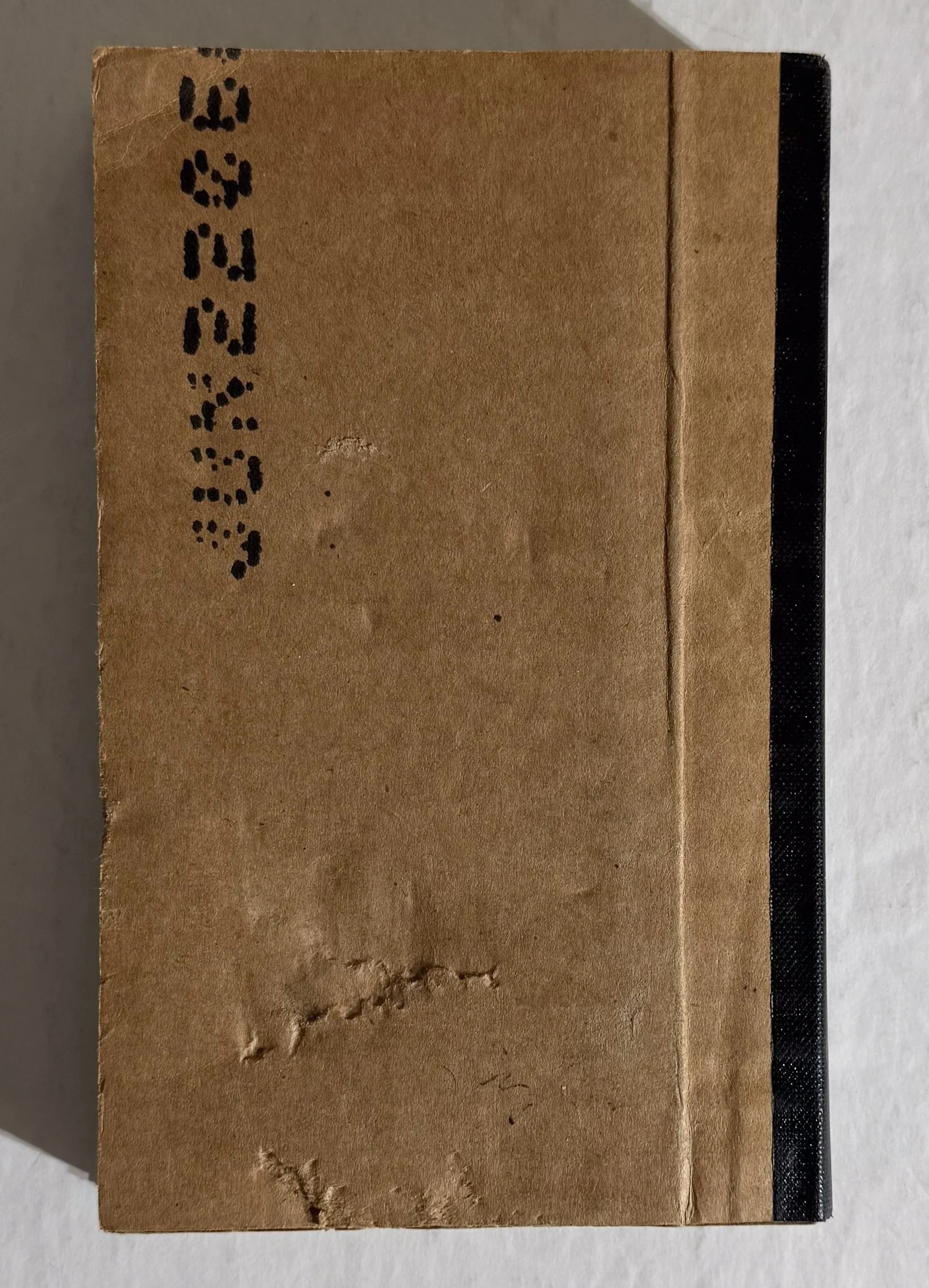
The association is independently embodied in the copy itself. The rear wrapper retains its original mailing label addressed to “Jane Howard / 54 Riverside Dr. / N.Y. 10024,” together with postage and postal cancellation. This was Howard's actual mailed copy, not a copy subsequently brought to Kesey for inscription. Howard and Kesey were acquainted and corresponded; Kesey material is preserved among the Jane Howard Papers at Columbia University.
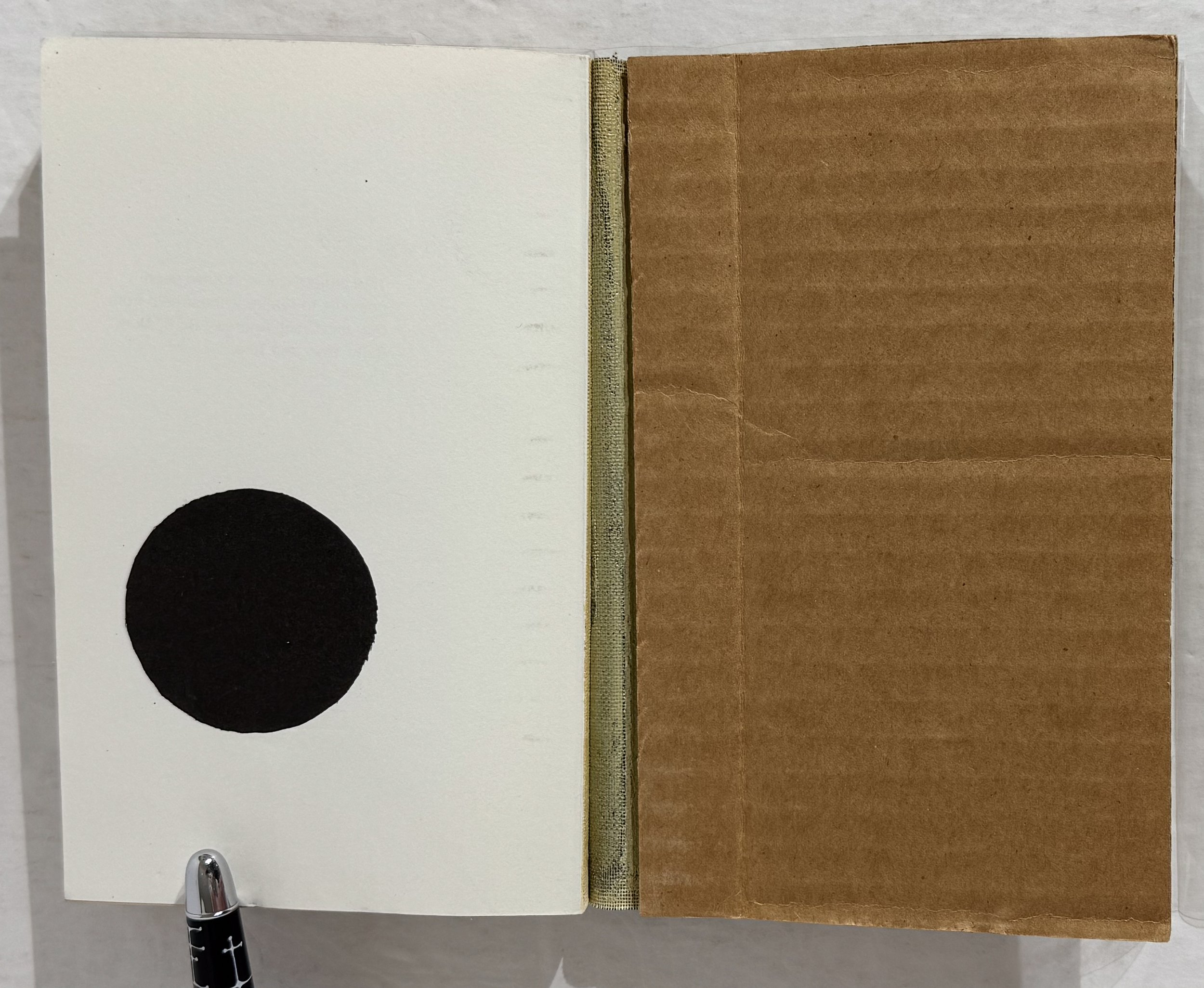
Front hinge weakened; binding shaken. Bumping and rubbing to extremities, with chipping to spine tail. Mild damp staining to bottom edge of wrappers, not affecting interior. A particularly rich Kesey–Howard association: the first issue of Kesey's post-counterculture literary experiment, mailed to one of the period's prominent feminist journalists and inscribed to her with advance word of a projected all-women issue that was never realized. A notable convergence of association, provenance and unpublished editorial history preserved on the object itself.
First edition, first printing of the inaugural number of editor and contributor Ken Kesey’s idiosyncratic post-counterculture literary magazine, bringing together writers and fellow travelers including Wendell Berry, Margo St. James, Lee Quarnstrom, Paul Krassner, Henry Crow Dog, Ken Babbs, Eve Merriam, and Kesey himself. The issue is subtitled “Old in the Streets” and was published in Pleasant Hill, Oregon in 1974 by Intrepid Trips Information Service; a second printing followed in 1977. 8vo (5.5 × 8.5 inches), pictorial wrappers, 127 pages.
Inscribed by Kesey on the inside front wrapper: “Dear Jane—You'll be happy to hear our 3rd issue is all Female—Tentative theme ‘Frisco Chicks’ [notation]—Ken.” An unusually substantive inscription that functions as a piece of informal editorial correspondence. Kesey tells Howard of his plans for a forthcoming number devoted entirely to women, even supplying its tentative theme. The projected issue did not materialize as described: the eventual third issue appeared in 1977 under the entirely different theme Communication With Higher Intelligence, guest-edited by Timothy Leary. Kesey's inscription thus preserves evidence, in his own hand, of an abandoned editorial conception for Spit in the Ocean.
The recipient makes the communication particularly resonant. Jane Howard (1935–1996) was a longtime Life journalist, author and interviewer whose subjects included many of the major literary and countercultural figures of her generation. Her landmark 1973 book A Different Woman examined the ways in which the contemporary women's movement was reshaping the lives of American women. It had appeared only a year before this inaugural issue of Spit in the Ocean. Kesey therefore would have been addressing a journalist already conspicuously identified with contemporary feminism when he wrote, “You'll be happy to hear” of his projected “all Female” issue. The message may also be read as an effort to interest a well-connected journalist in the proposed number—and perhaps to generate advance attention or publicity for it—though Kesey's precise intention cannot be established from the inscription alone.
The association is independently embodied in the copy itself. The rear wrapper retains its original mailing label addressed to “Jane Howard / 54 Riverside Dr. / N.Y. 10024,” together with postage and postal cancellation. This was Howard's actual mailed copy, not a copy subsequently brought to Kesey for inscription. Howard and Kesey were acquainted and corresponded; Kesey material is preserved among the Jane Howard Papers at Columbia University.
Front hinge weakened; binding shaken. Bumping and rubbing to extremities, with chipping to spine tail. Mild damp staining to bottom edge of wrappers, not affecting interior. A particularly rich Kesey–Howard association: the first issue of Kesey's post-counterculture literary experiment, mailed to one of the period's prominent feminist journalists and inscribed to her with advance word of a projected all-women issue that was never realized. A notable convergence of association, provenance and unpublished editorial history preserved on the object itself.

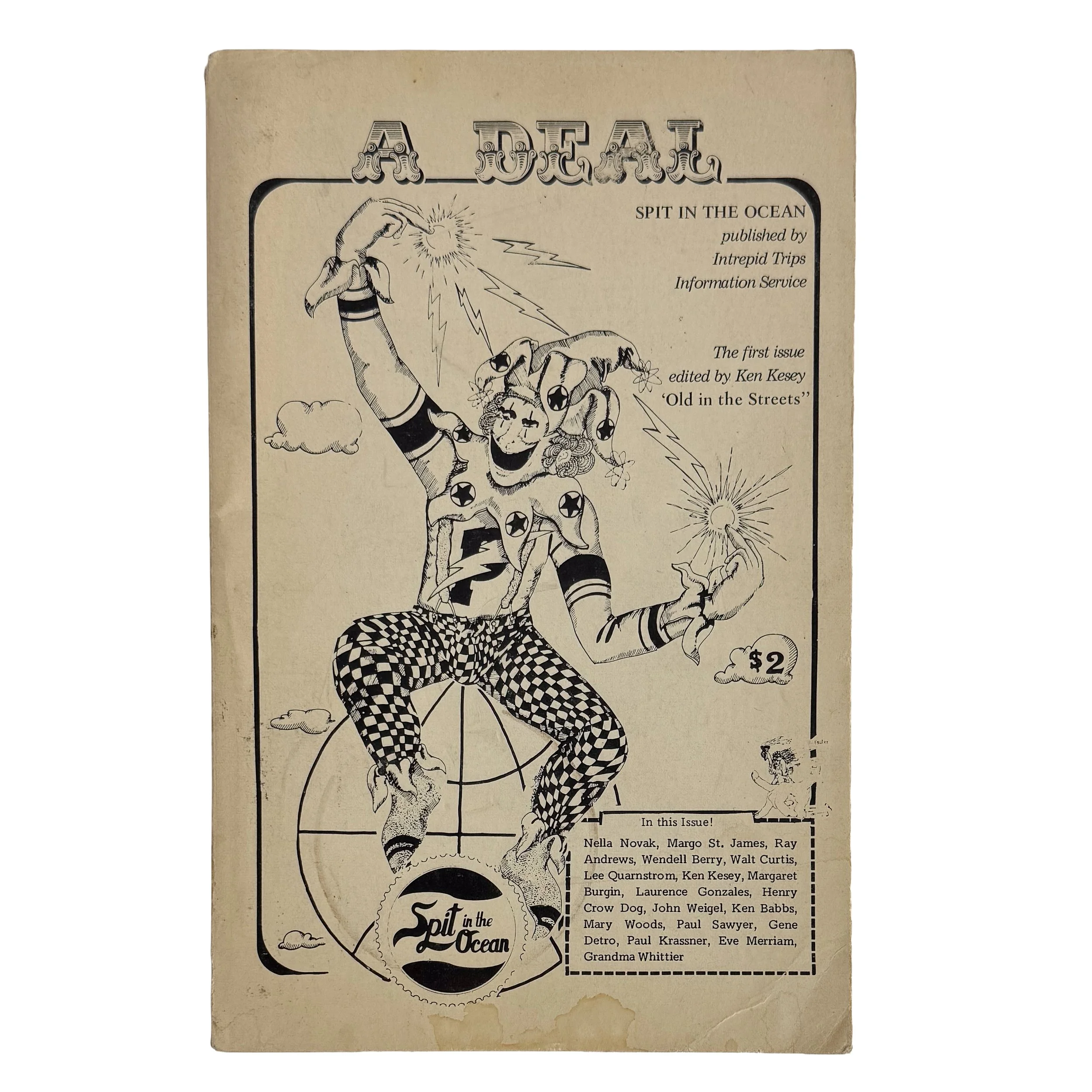 Image 1 of 7
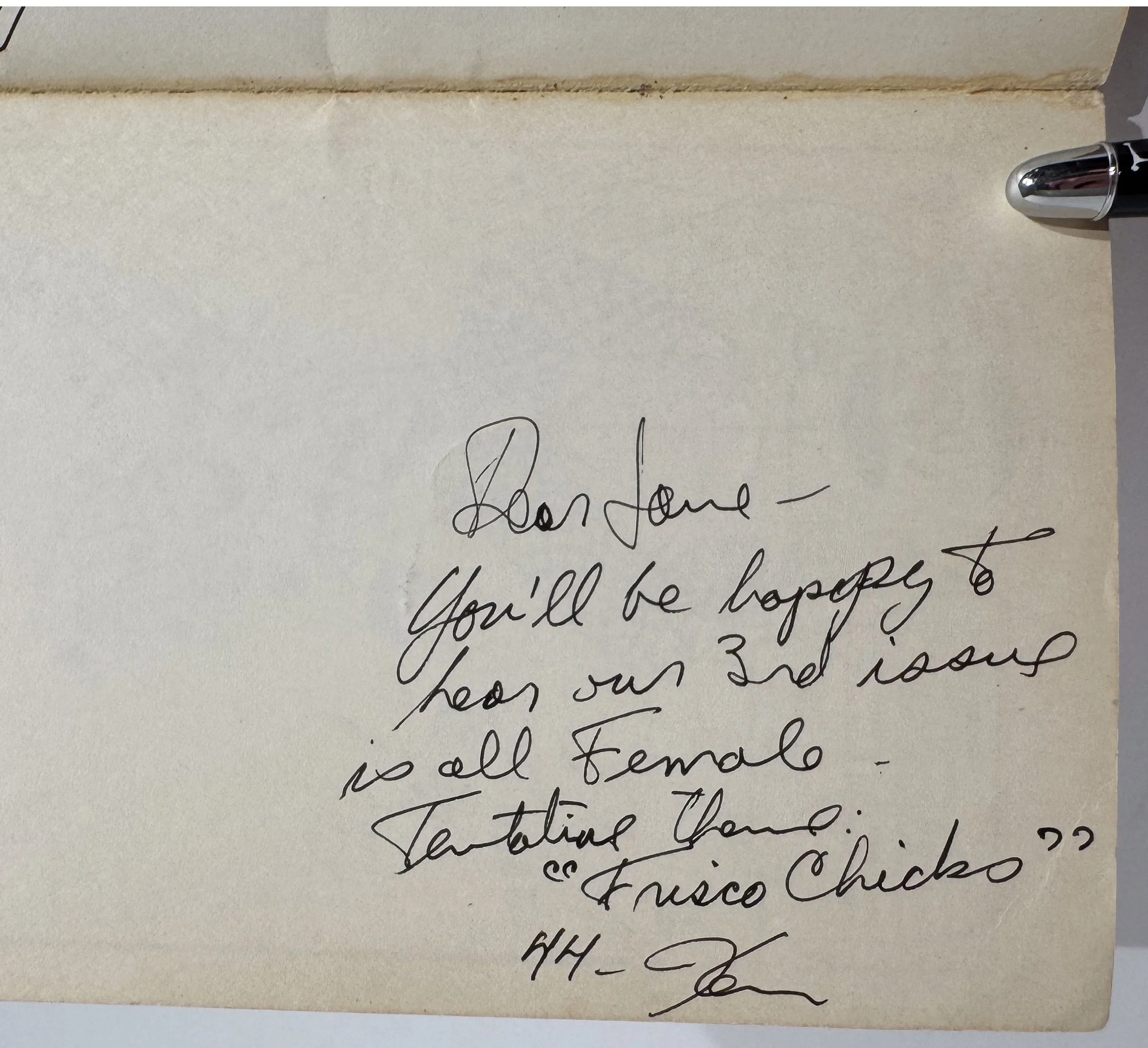 Image 2 of 7
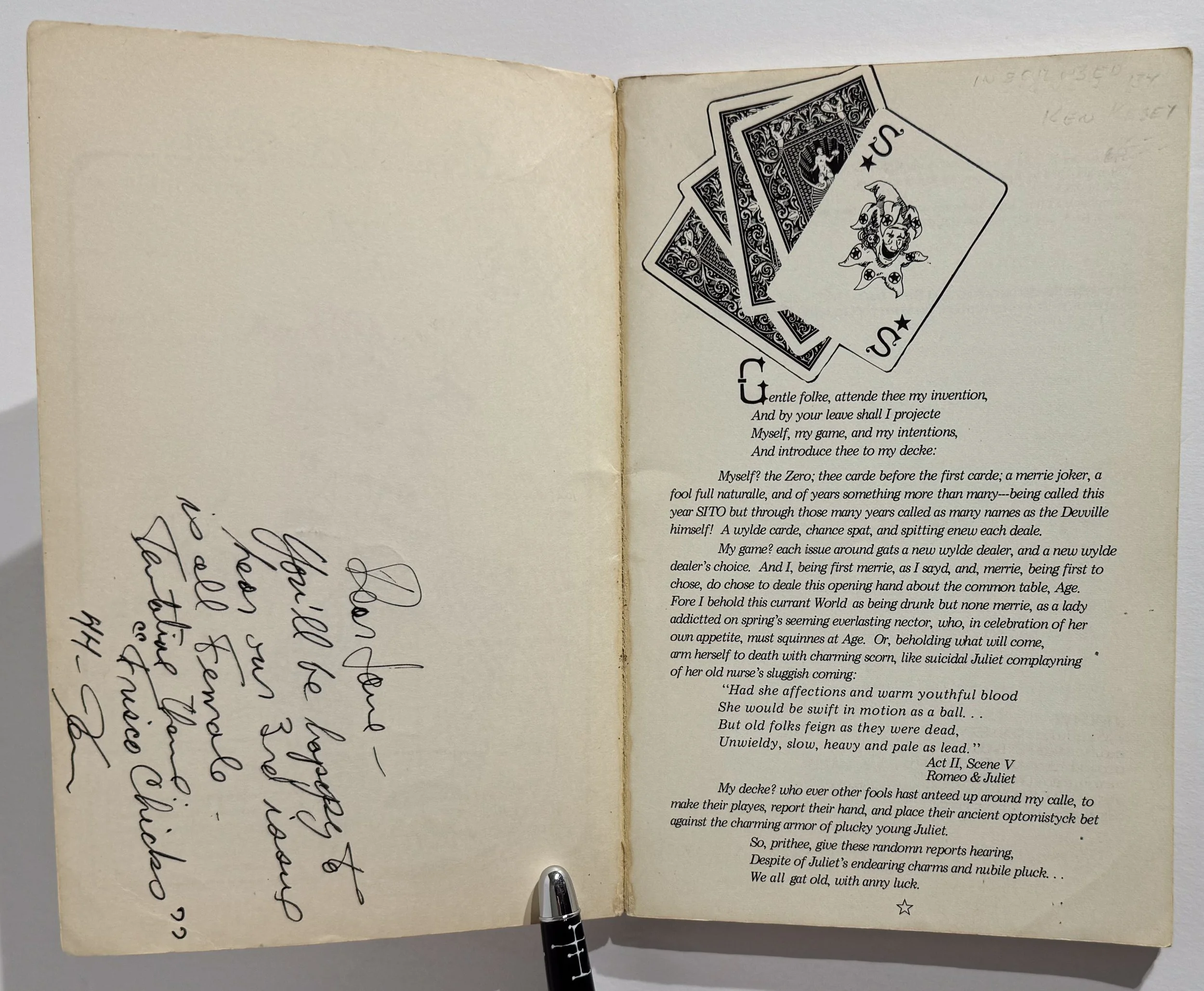 Image 3 of 7
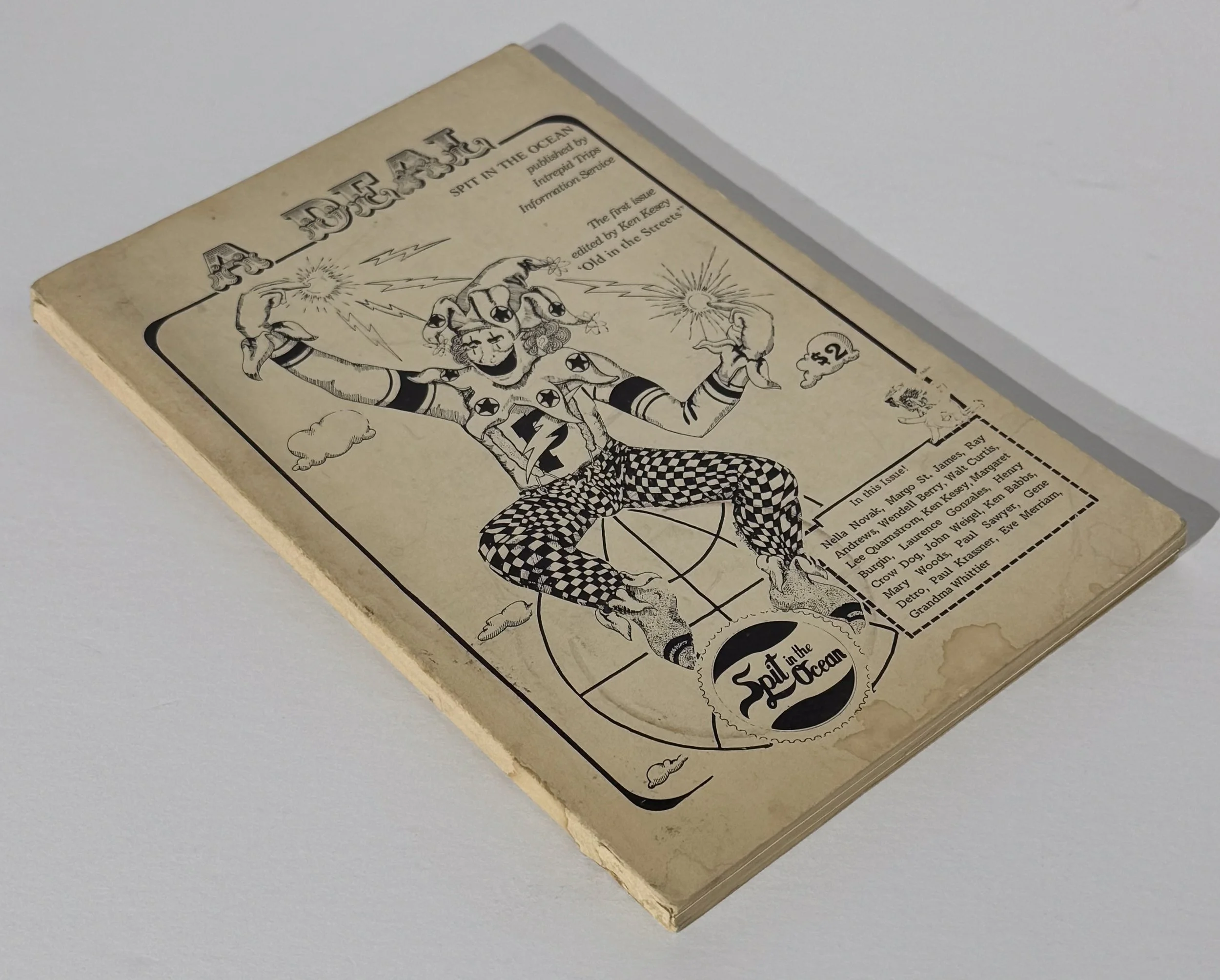 Image 4 of 7
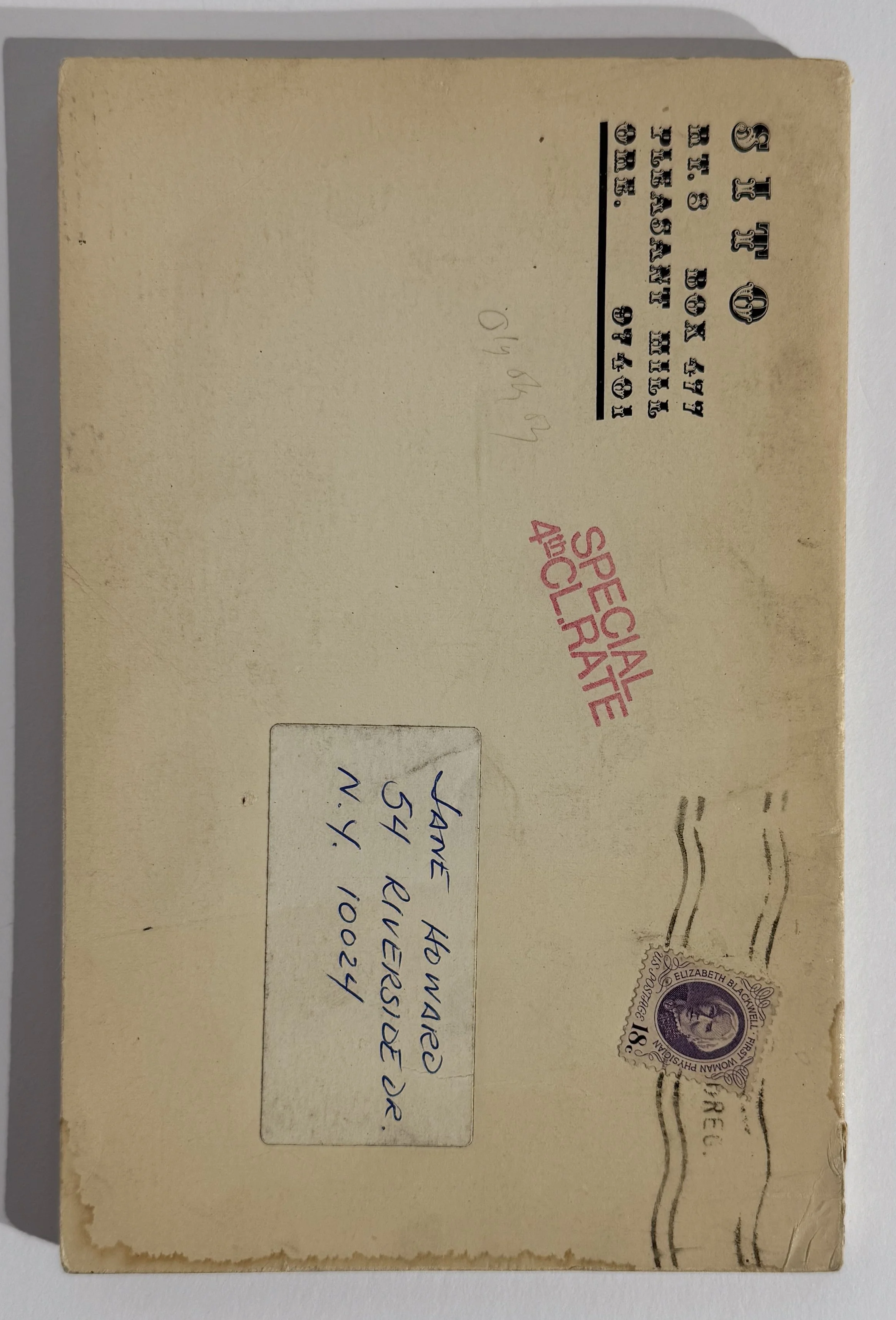 Image 5 of 7
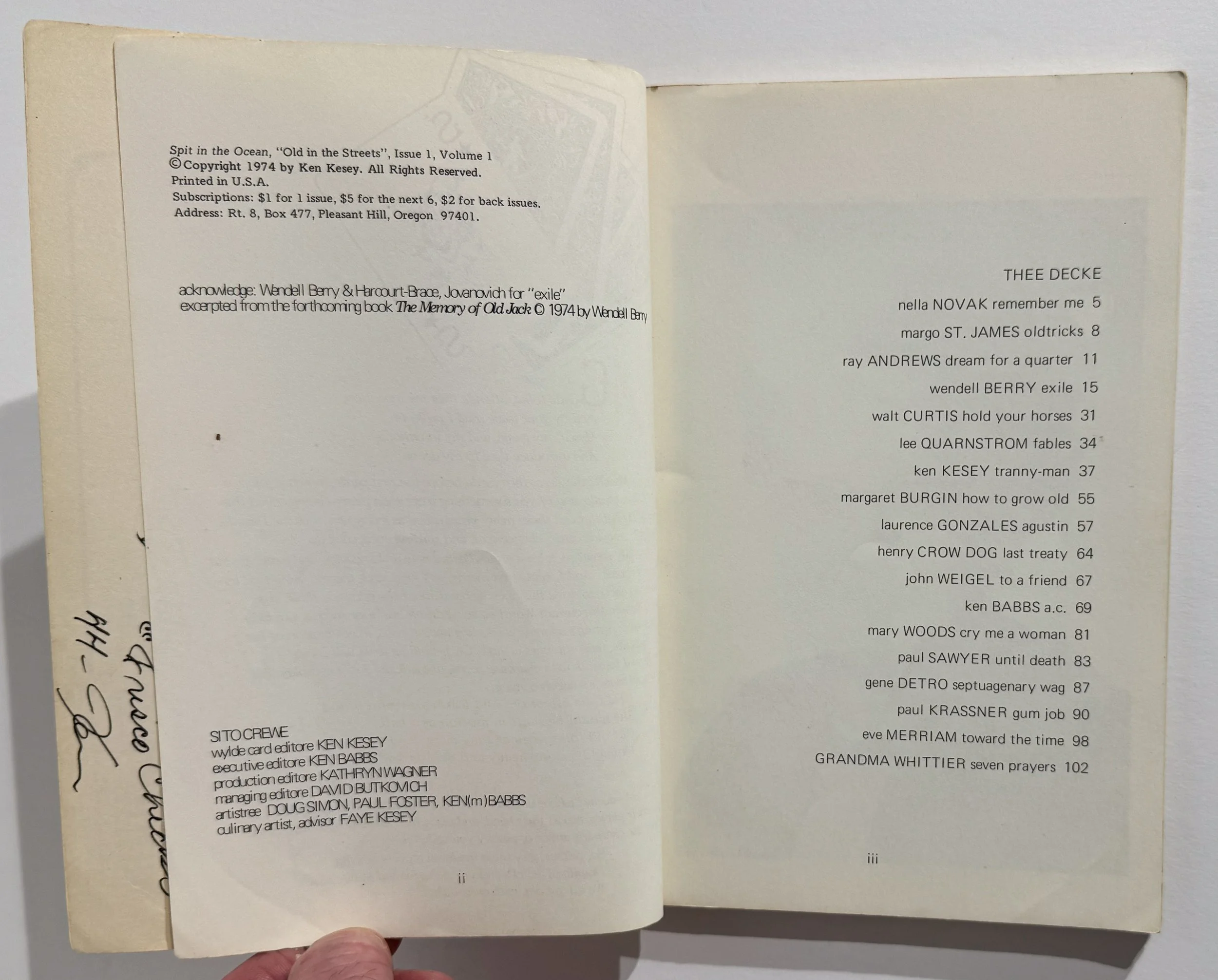 Image 6 of 7
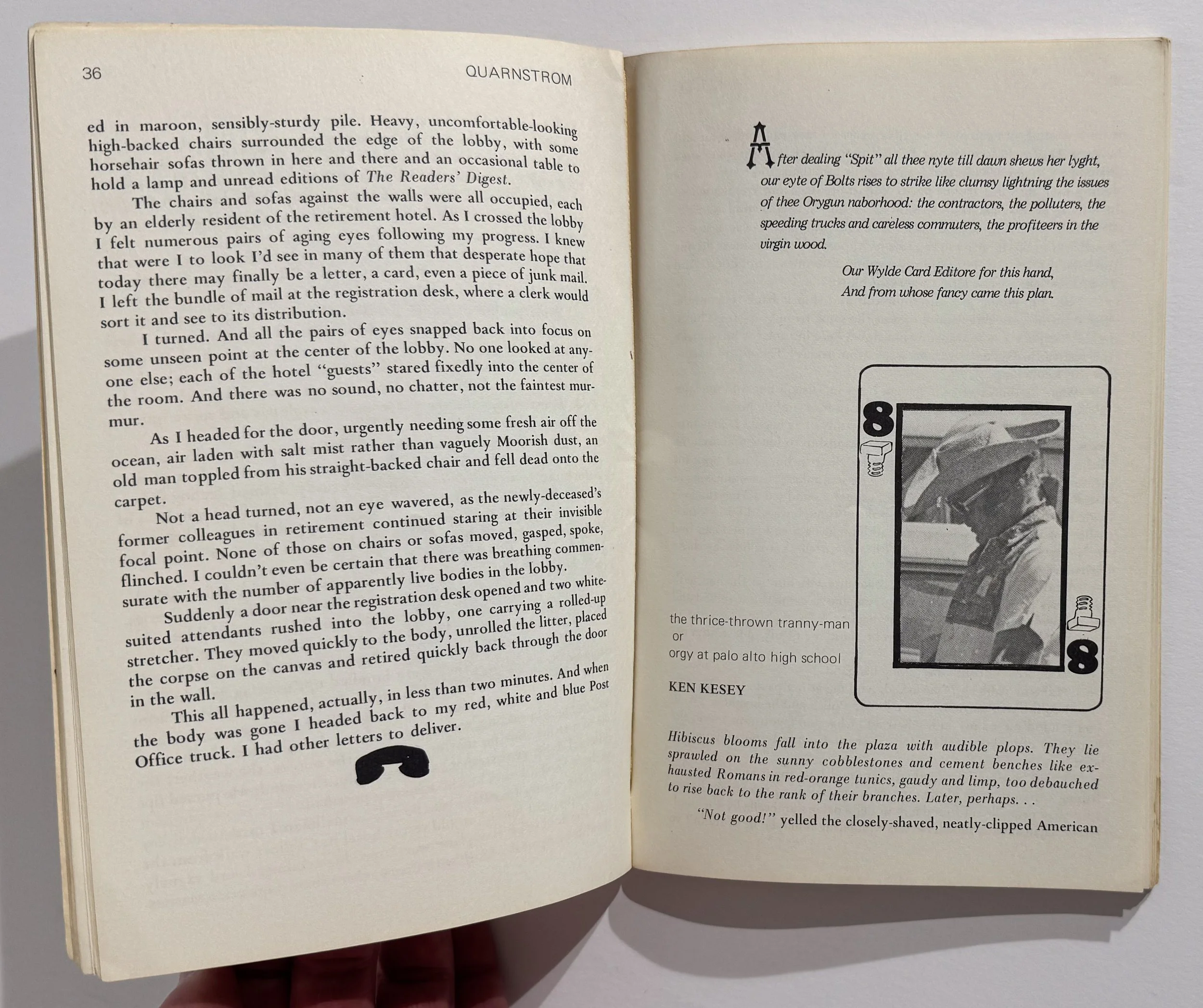 Image 7 of 7