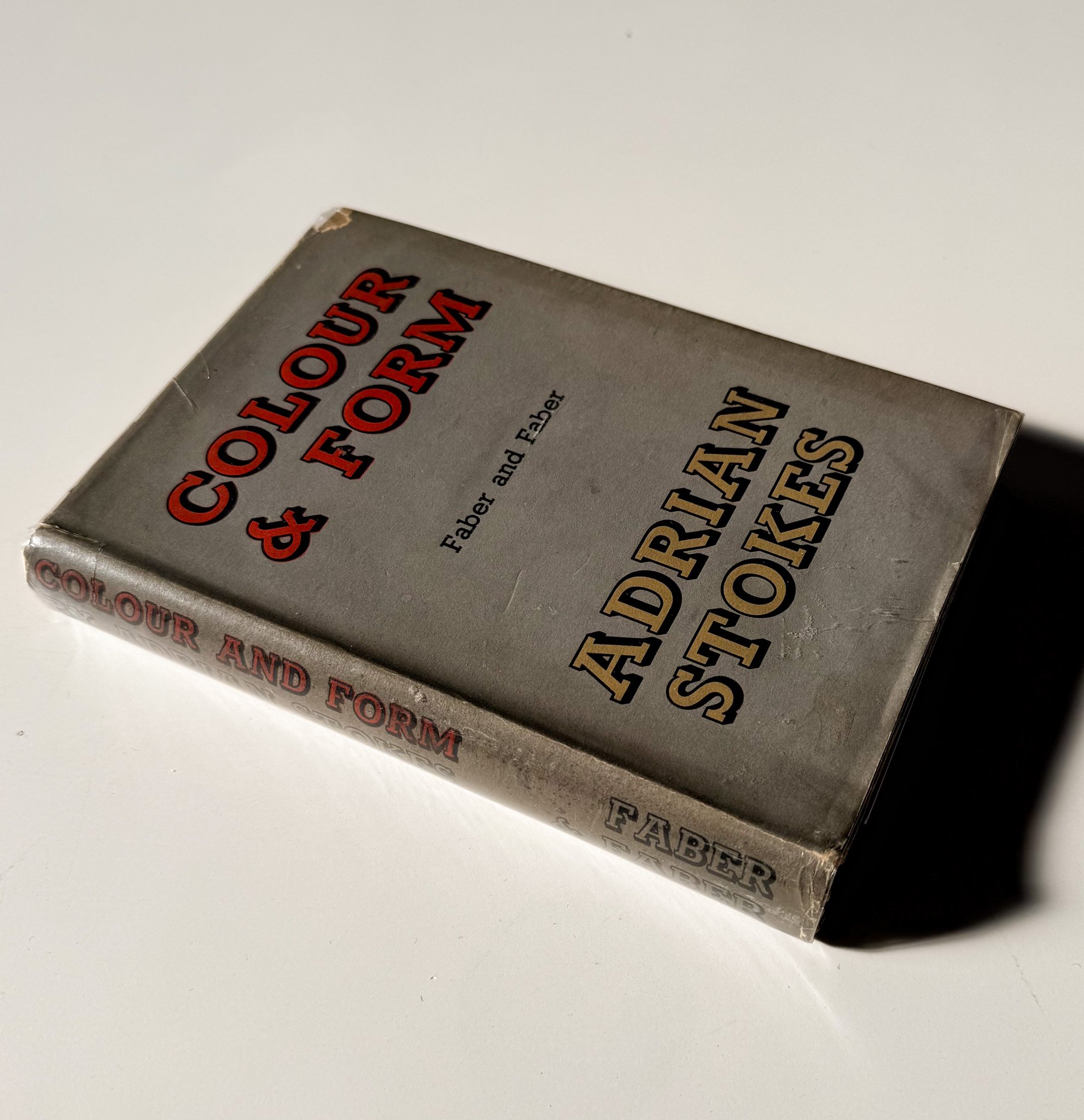
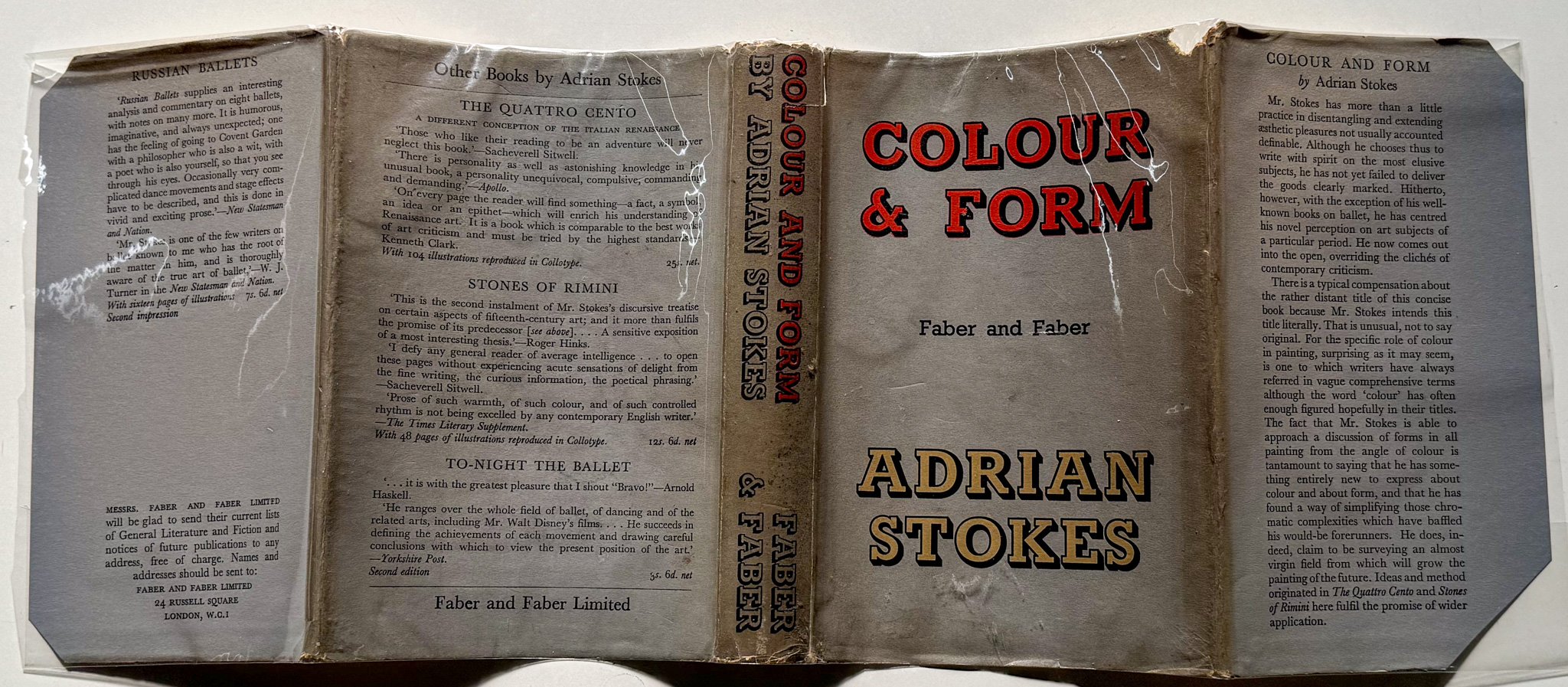
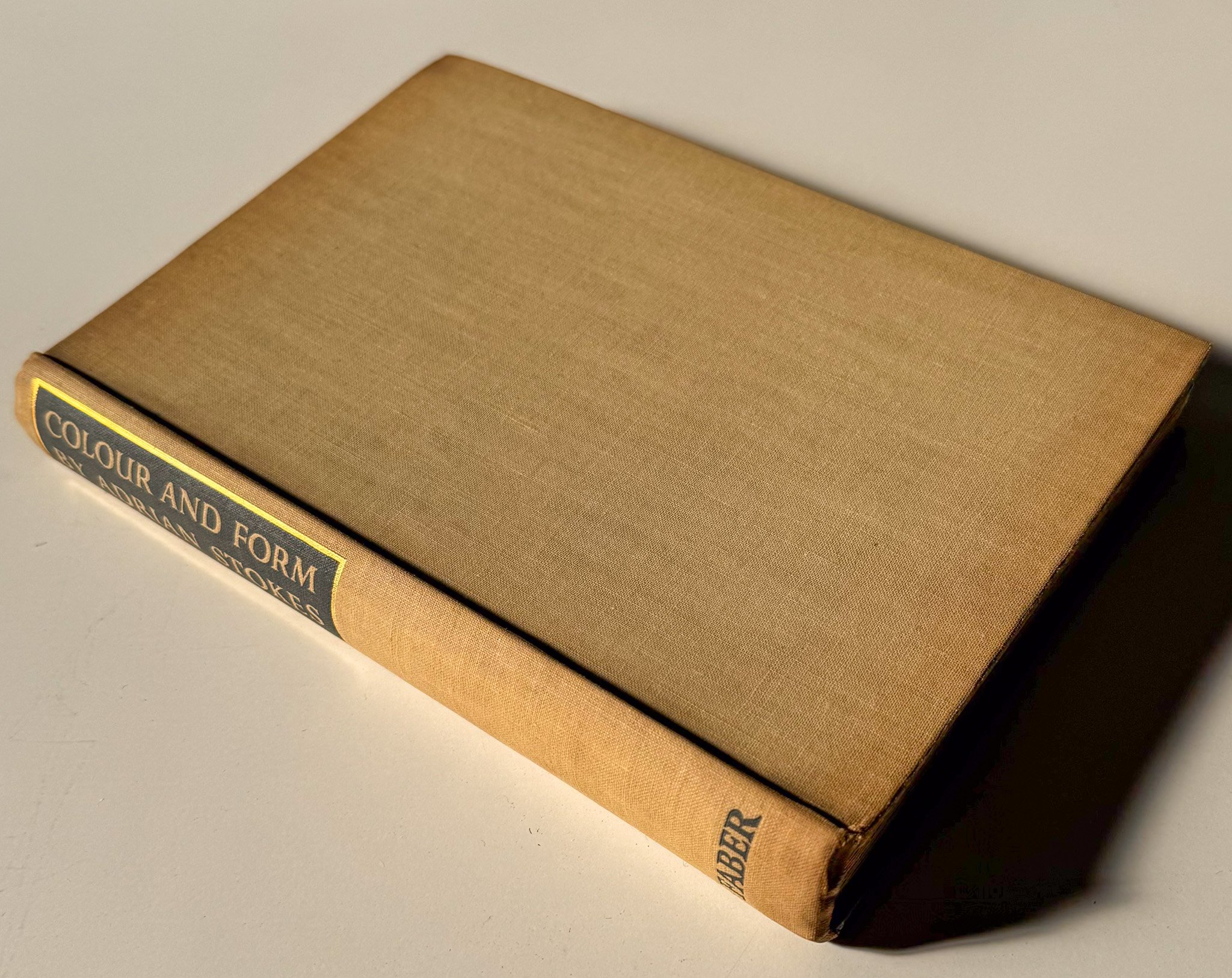
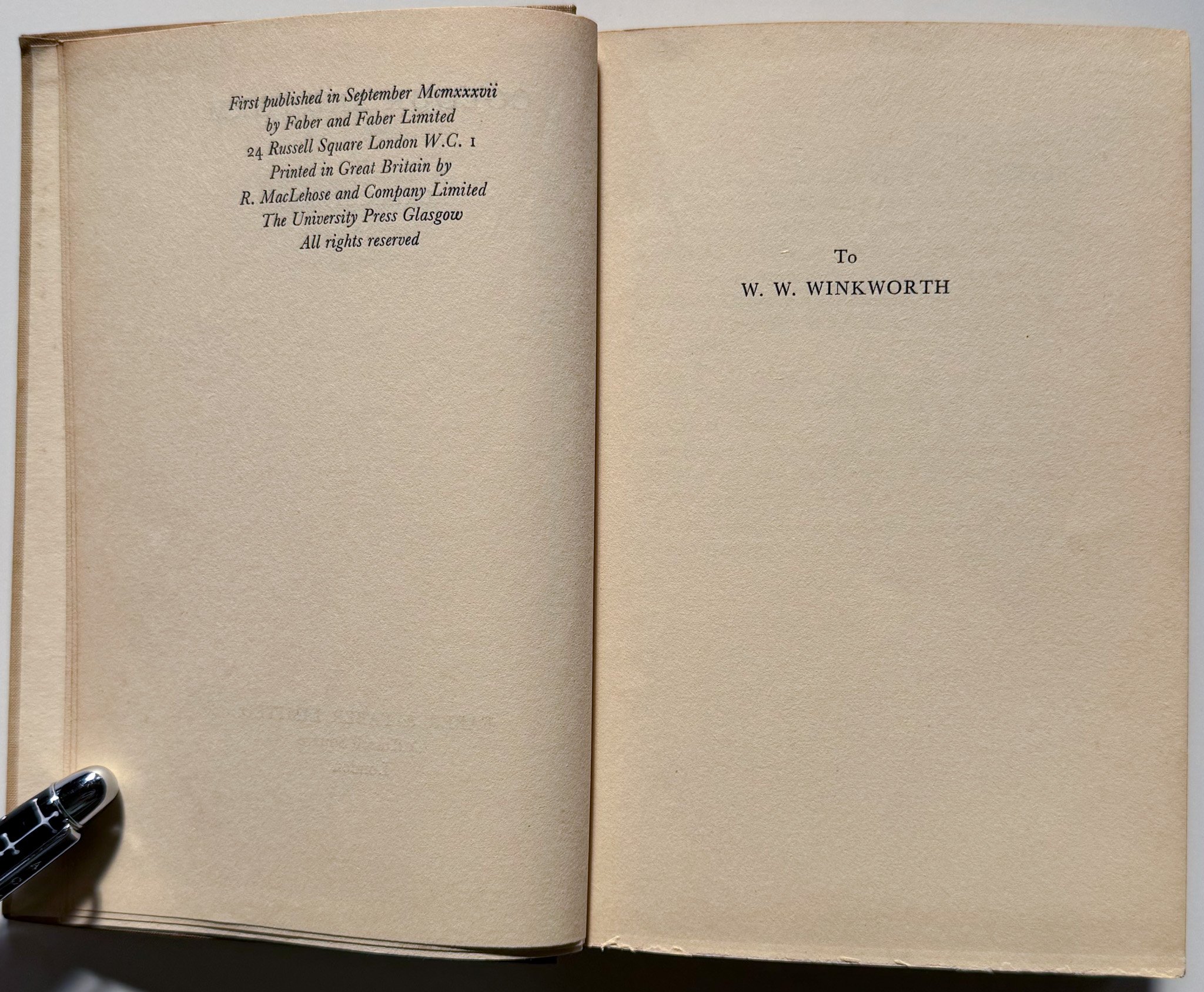
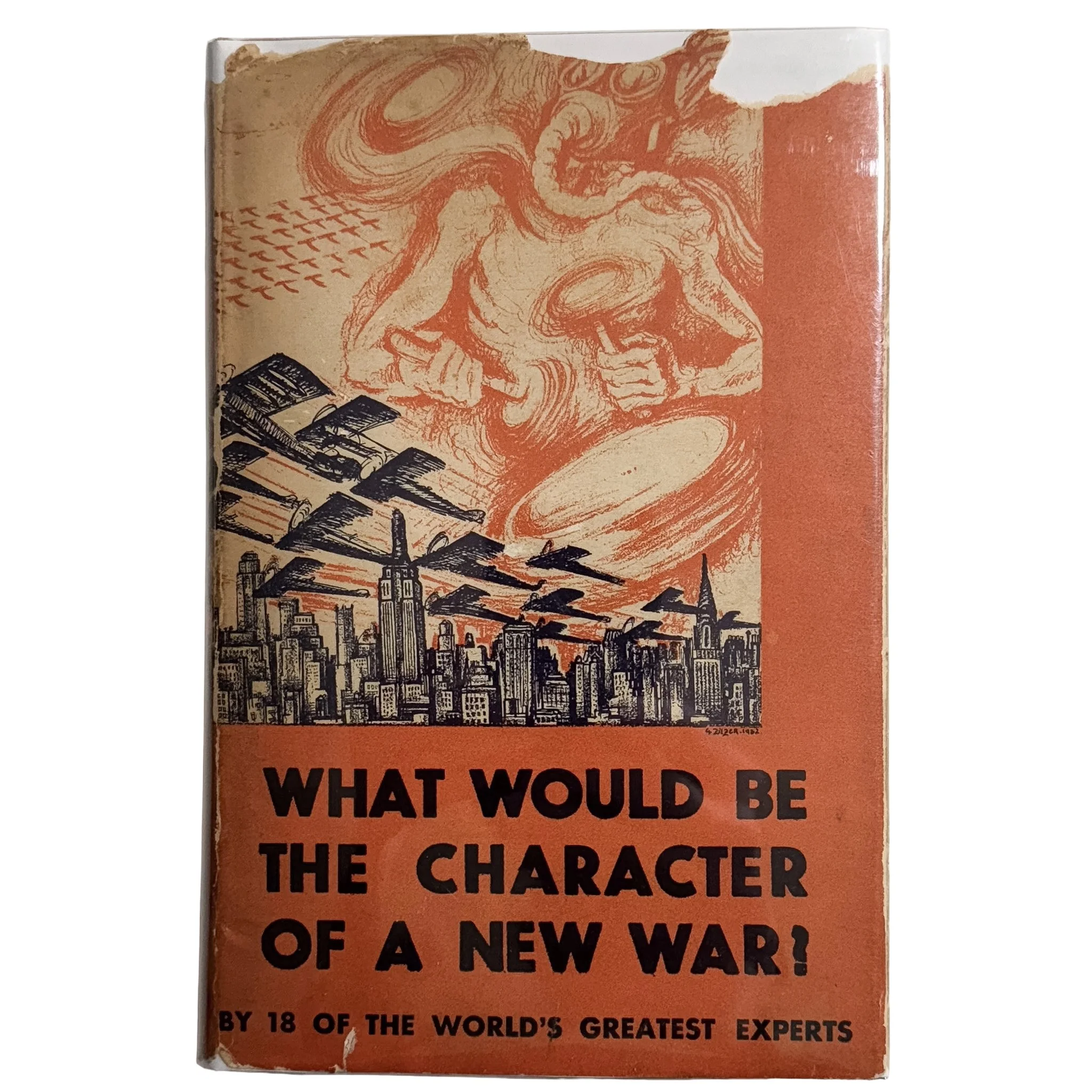
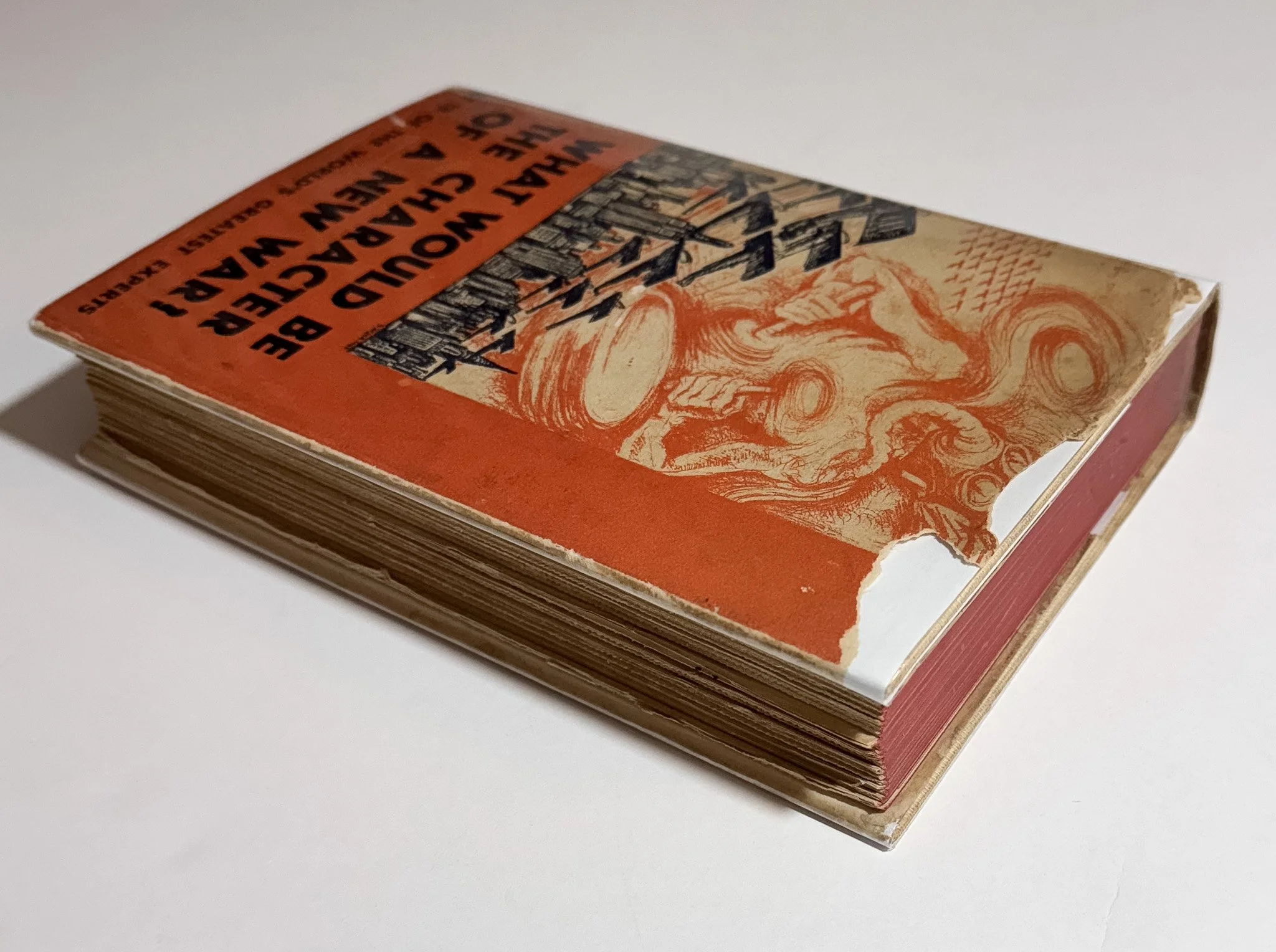
First edition of American Protestant minister, pacifist, and political activist Norman Thomas’s shot across the bow of FDR’s New Deal. Thomas (1884-1968) was a six-time Socialist Party of America candidate for President between 1928-1948 and a co-founder of the National Civil Liberties Bureau, a precursor of the ACLU. The present economic and political critique argues that the New Deal implemented temporary palliatives insufficient to solve the Great Depression, that it propped up rather than transformed capitalism, and that a restructuring toward Democratic Socialism was necessary. Published in 1936 by The Macmillan Company. 8vo (5.75” x 8”), green cloth boards with black lettering, 244 pages. With the highly elusive and high-style dust jacket—a striking piece of Art Deco graphic design in green, yellow, black, and white. Slight lean to spine. Light foxing to edges of textblock and endpapers. Moderate rubbing and light foxing to dj. Gentle bumping and light chipping to edges, with discreet closed and open tears. Mild damp stain to front cover, not affecting board.
First edition of American Protestant minister, pacifist, and political activist Norman Thomas’s shot across the bow of FDR’s New Deal. Thomas (1884-1968) was a six-time Socialist Party of America candidate for President between 1928-1948 and a co-founder of the National Civil Liberties Bureau, a precursor of the ACLU. The present economic and political critique argues that the New Deal implemented temporary palliatives insufficient to solve the Great Depression, that it propped up rather than transformed capitalism, and that a restructuring toward Democratic Socialism was necessary. Published in 1936 by The Macmillan Company. 8vo (5.75” x 8”), green cloth boards with black lettering, 244 pages. With the highly elusive and high-style dust jacket—a striking piece of Art Deco graphic design in green, yellow, black, and white. Slight lean to spine. Light foxing to edges of textblock and endpapers. Moderate rubbing and light foxing to dj. Gentle bumping and light chipping to edges, with discreet closed and open tears. Mild damp stain to front cover, not affecting board.

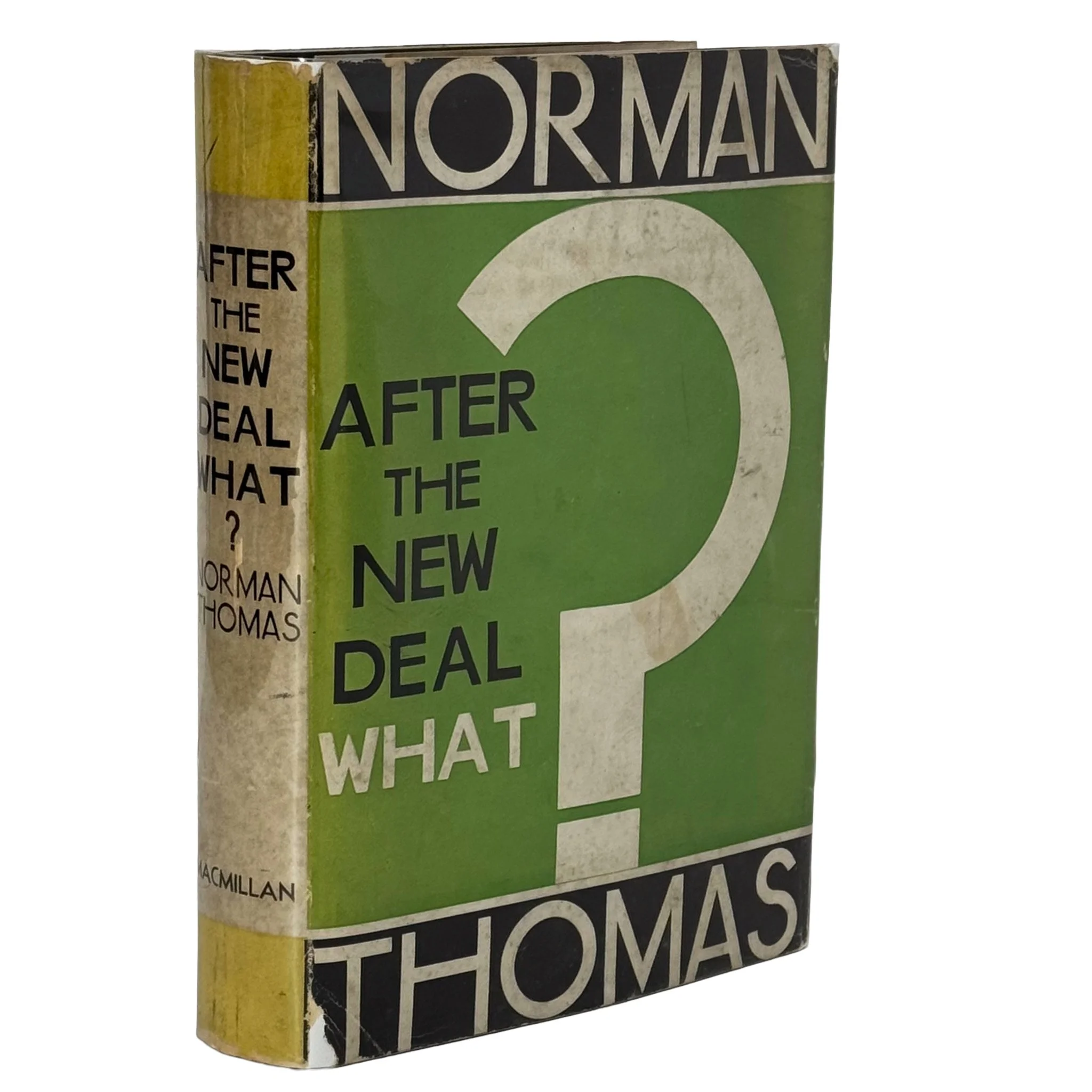 Image 1 of 9
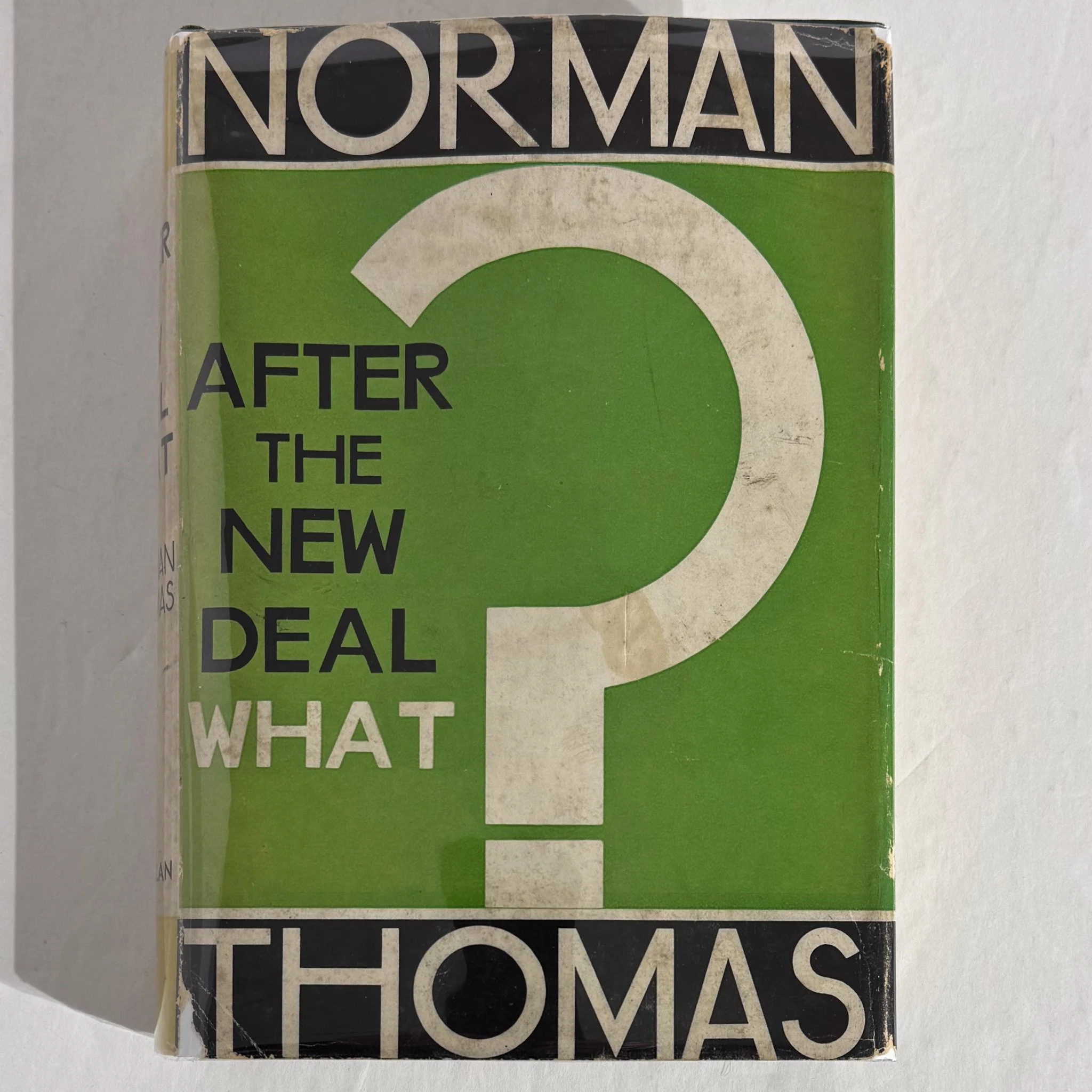 Image 2 of 9
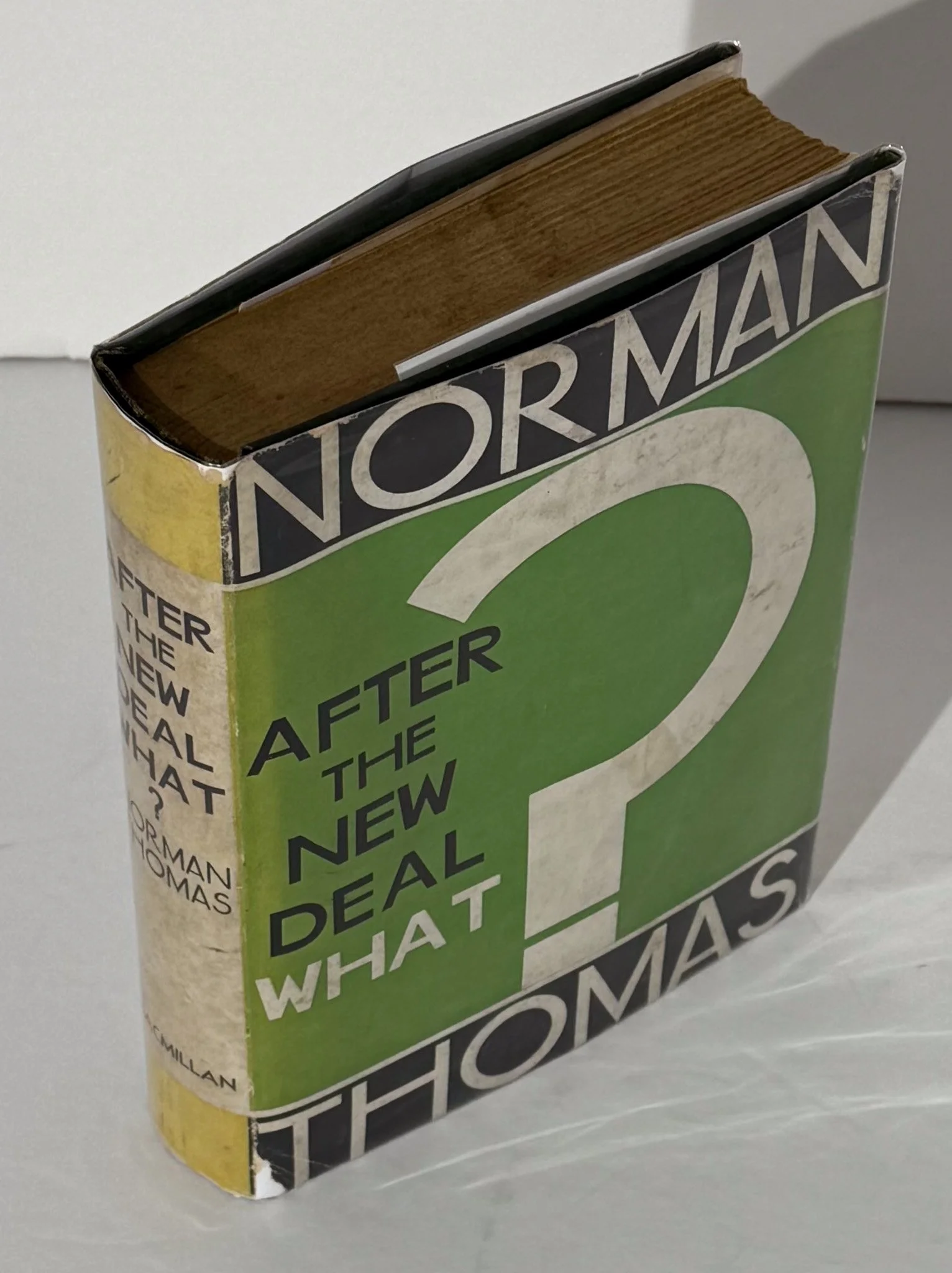 Image 3 of 9
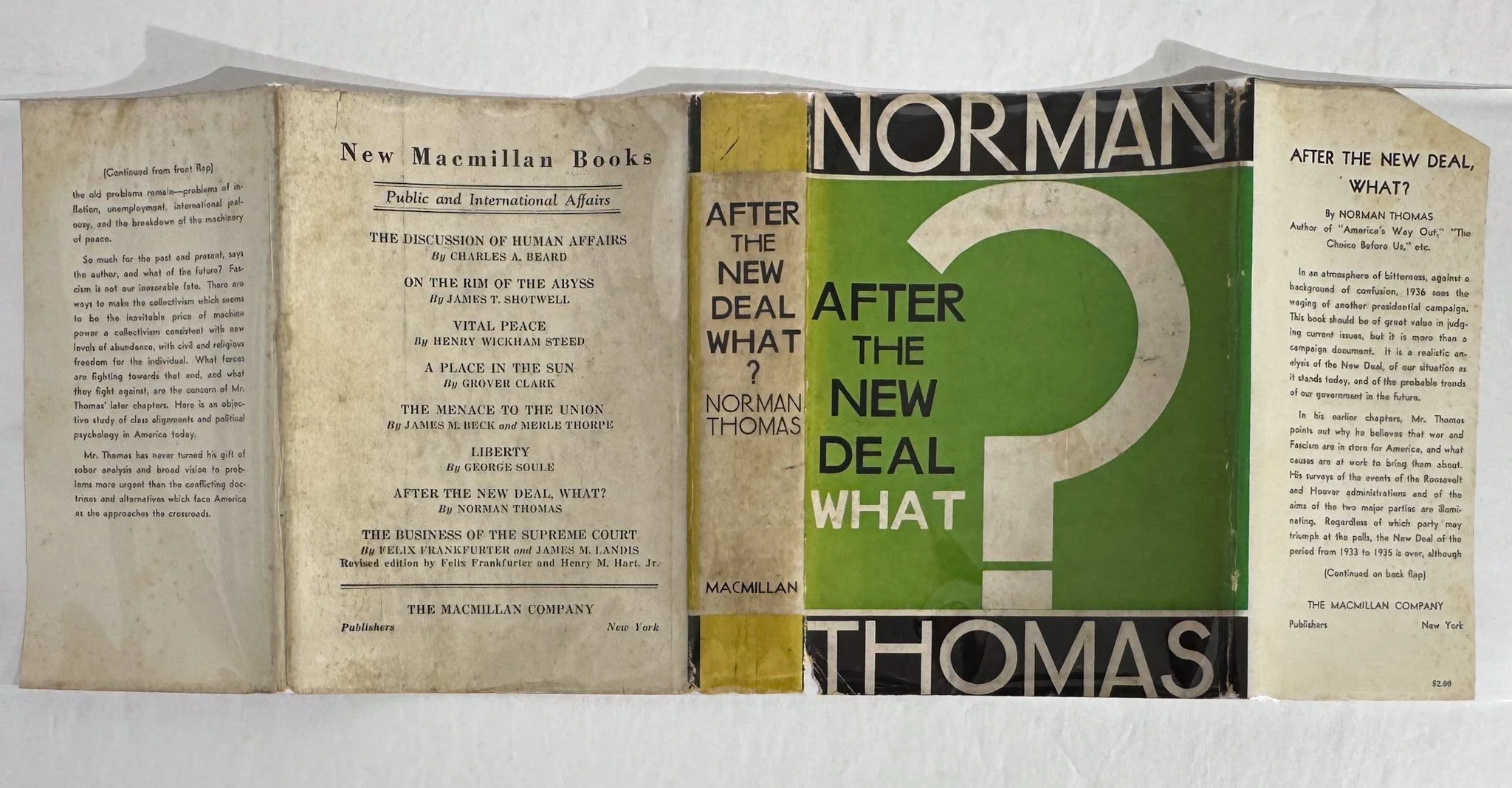 Image 4 of 9
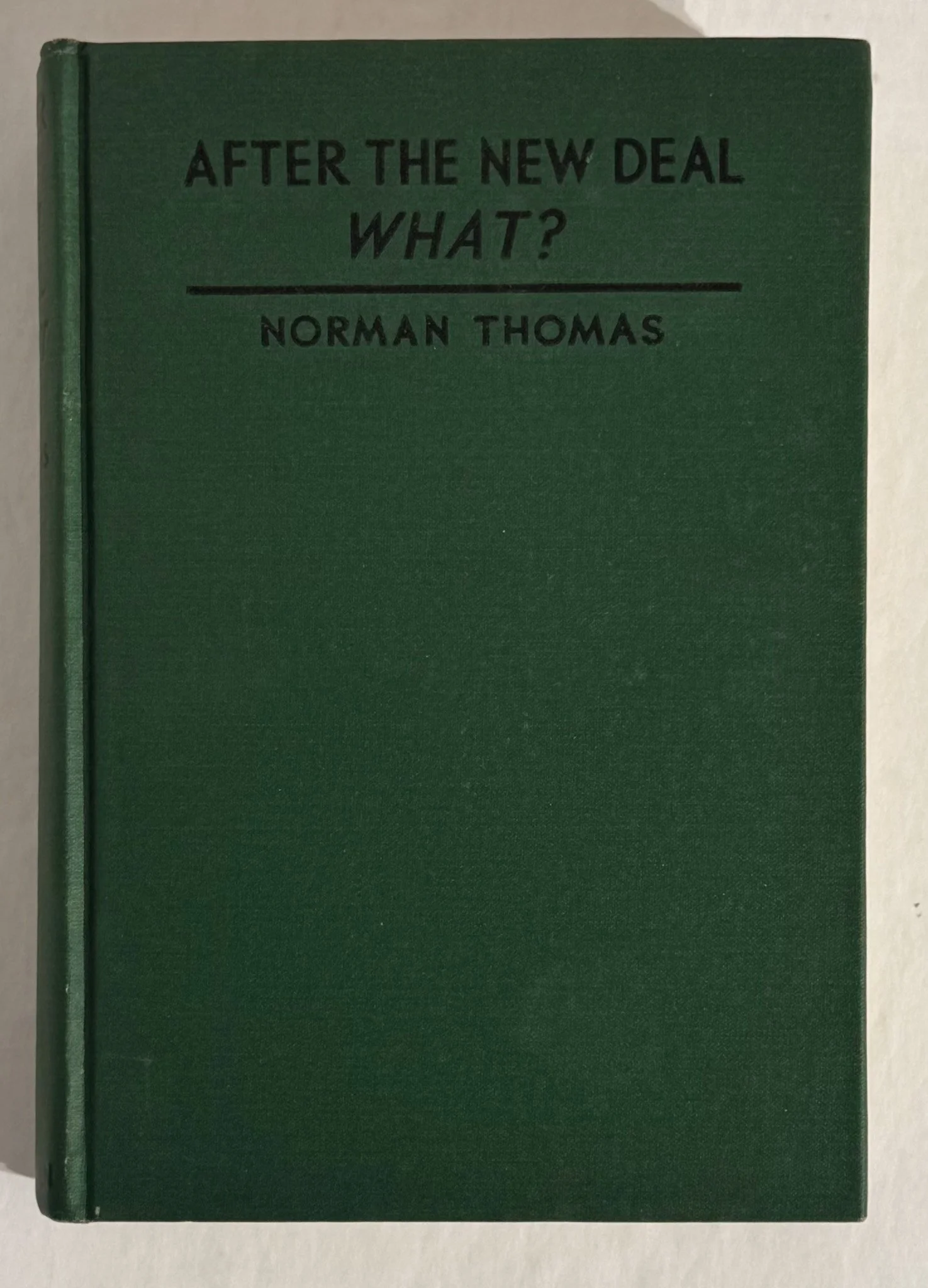 Image 5 of 9
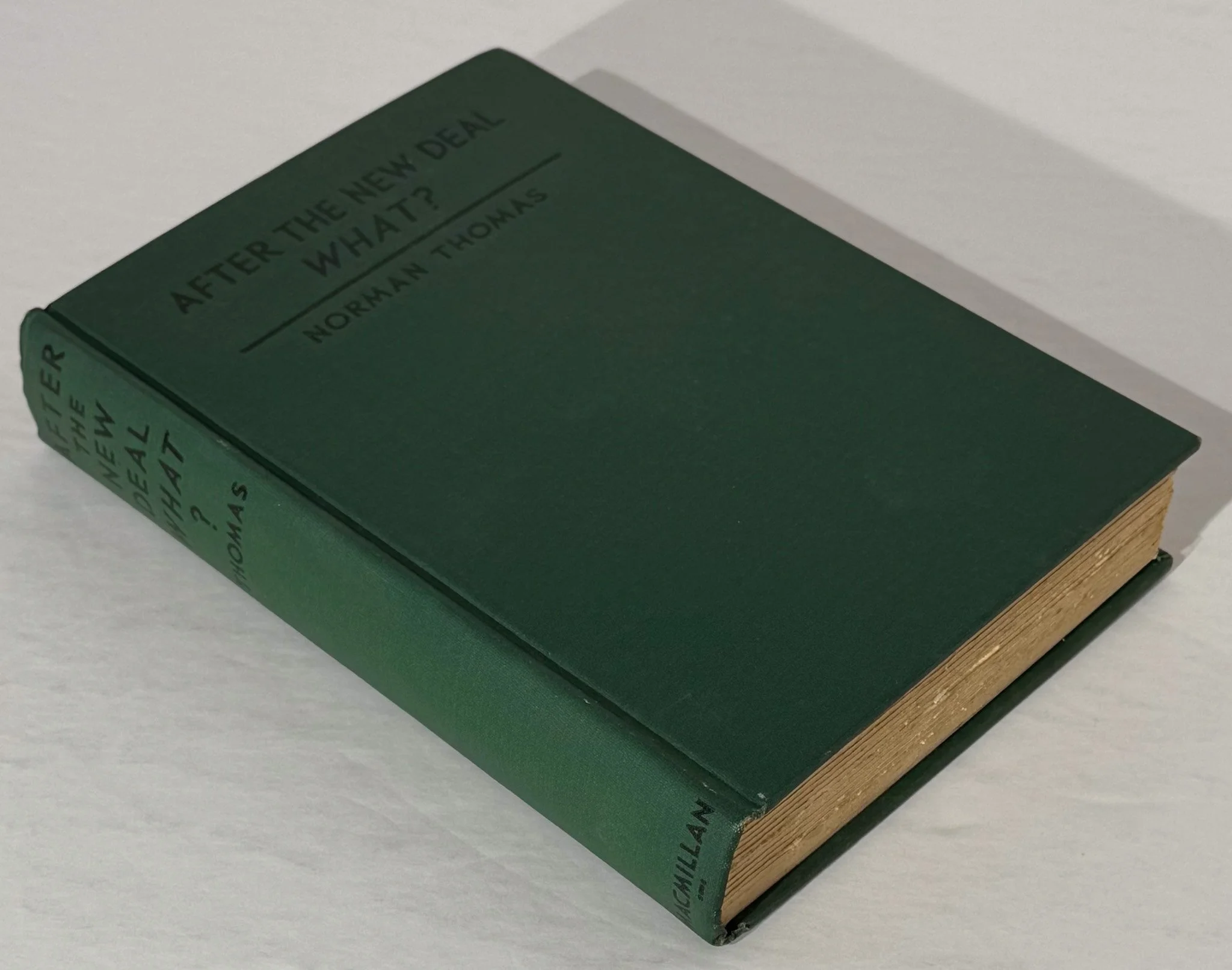 Image 6 of 9
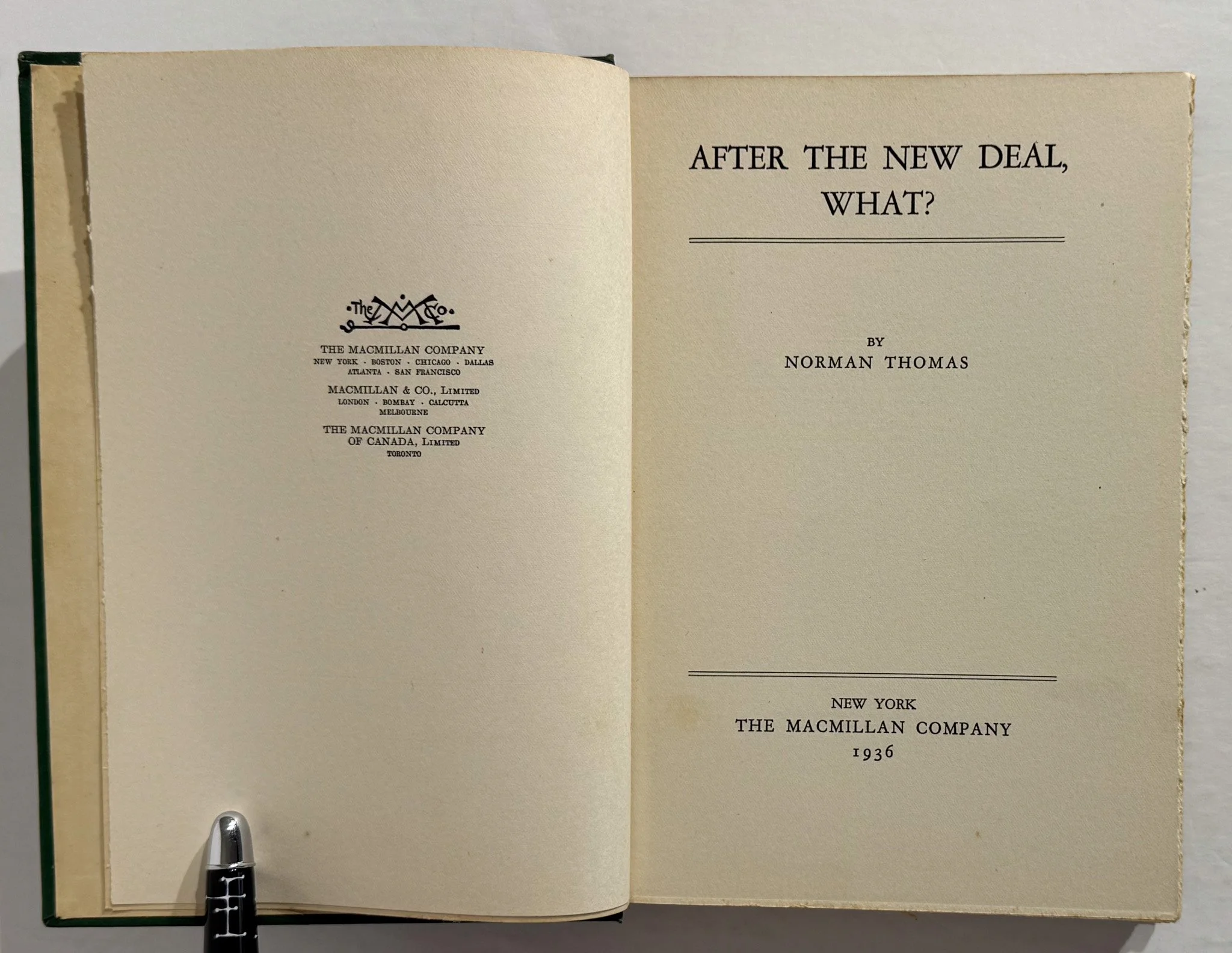 Image 7 of 9
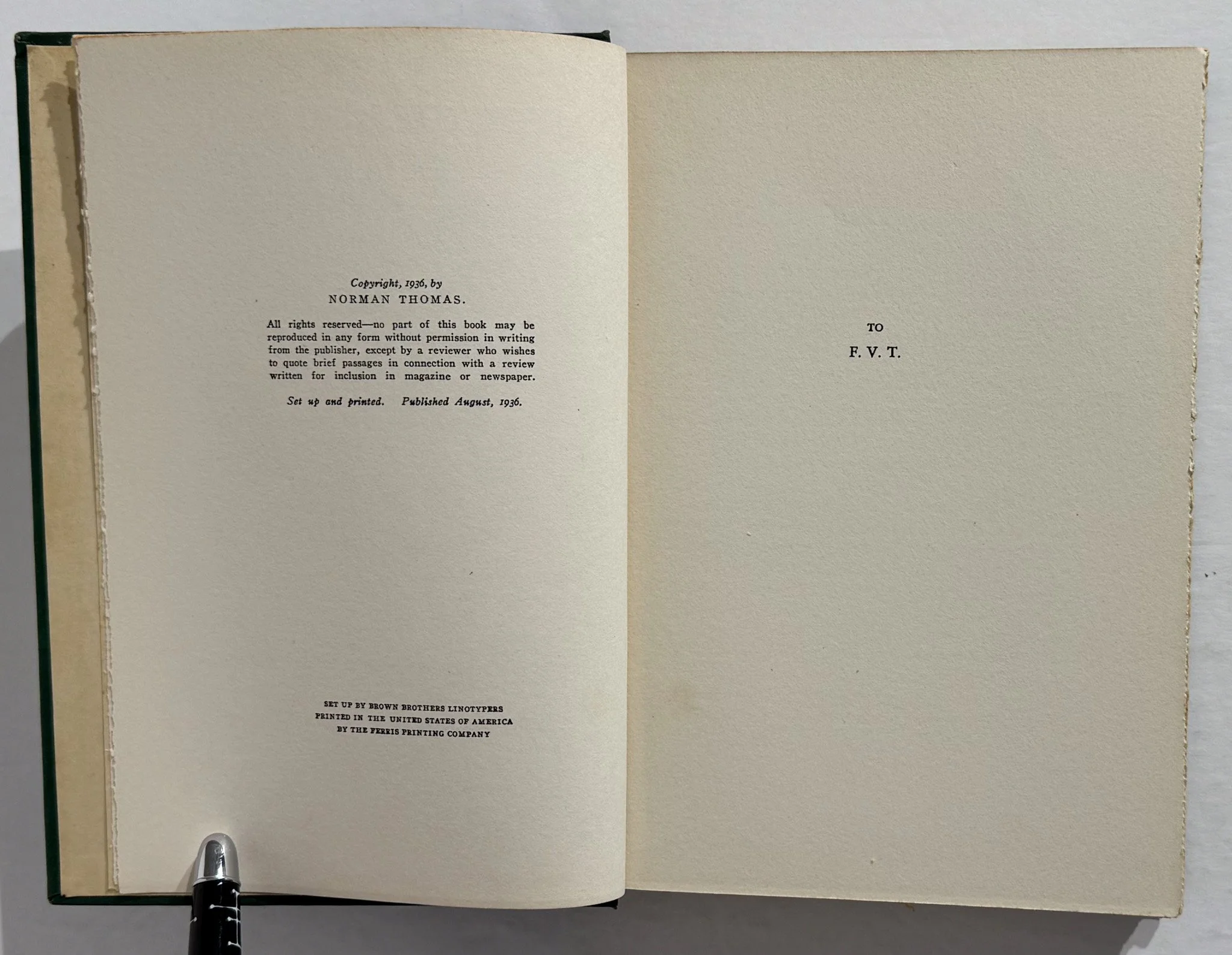 Image 8 of 9
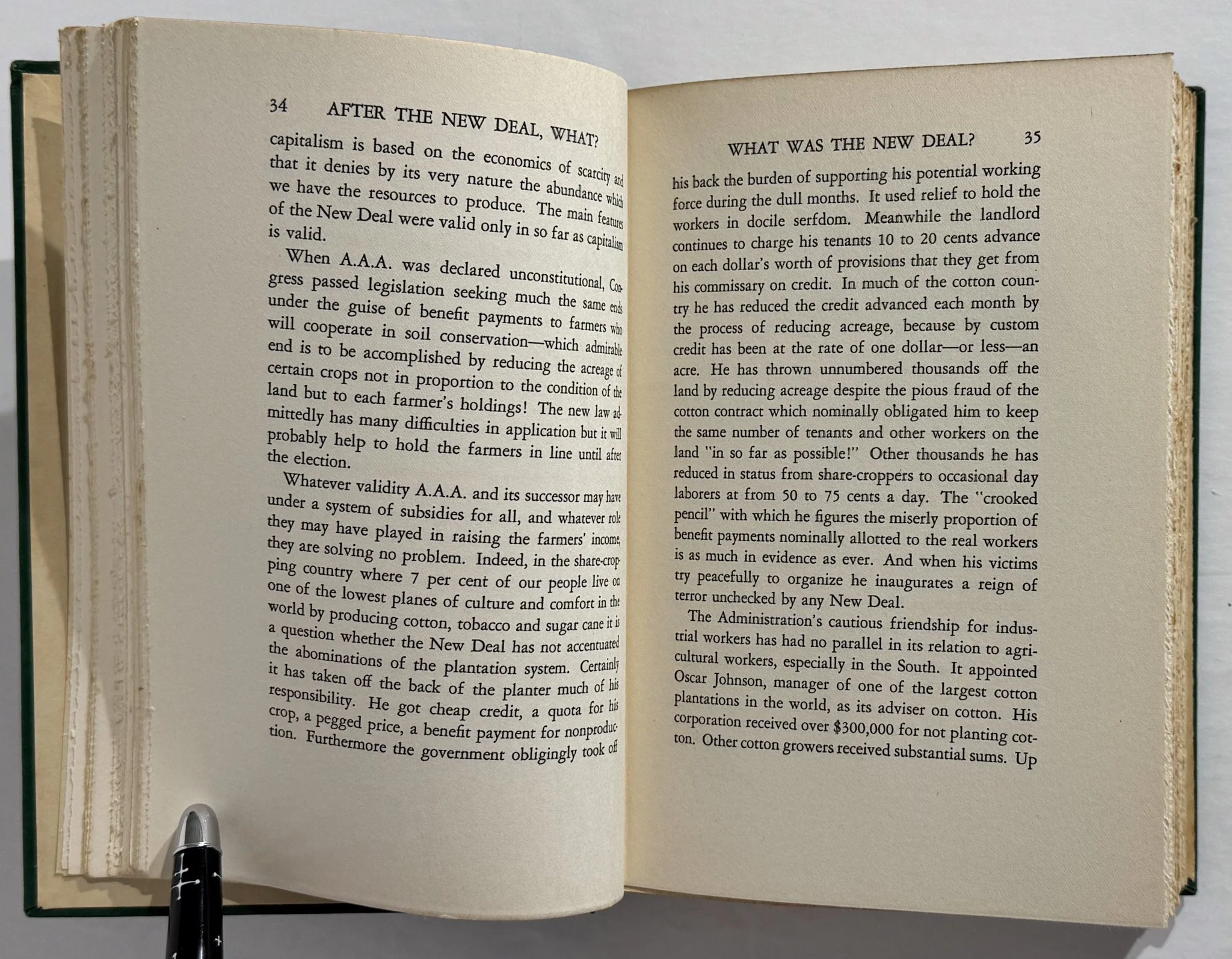 Image 9 of 9



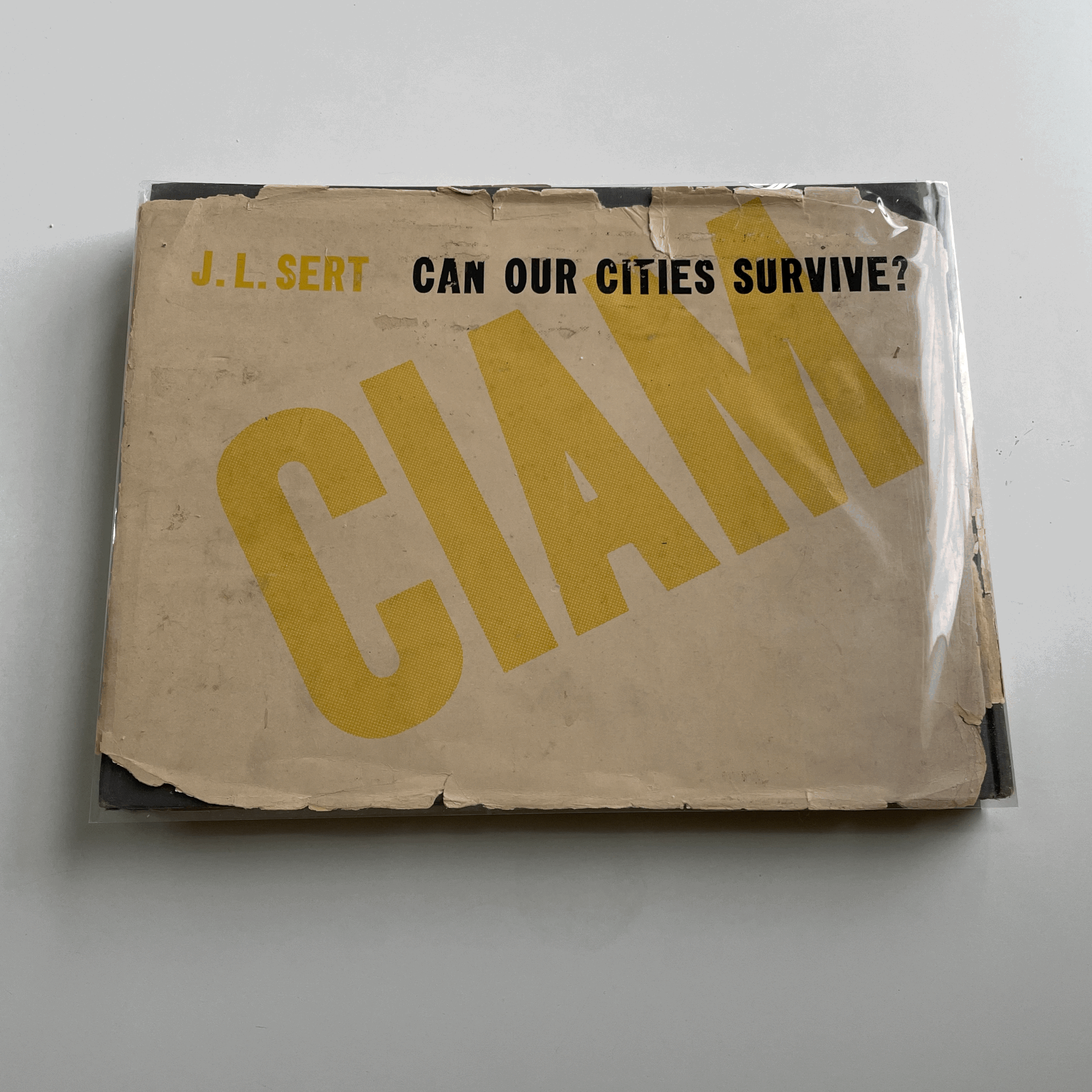
![[1ST ED] Can Our Cities Survive? -- an ABC of urban problems, their analysis, their solutions -- based on the proposals formulated by the C.I.A.M.](https://images.squarespace-cdn.com/content/v1/61dc97a529892d0e352a9423/1658079639277-ELZWQYYOGIYPV7LHLRK1/IMG_2746.JPG)












![[1st ed] Colour & Form](https://images.squarespace-cdn.com/content/v1/61dc97a529892d0e352a9423/d6d22f02-2440-4b9b-a6fb-d8cb05ef03e3/IMG_8371.jpg)