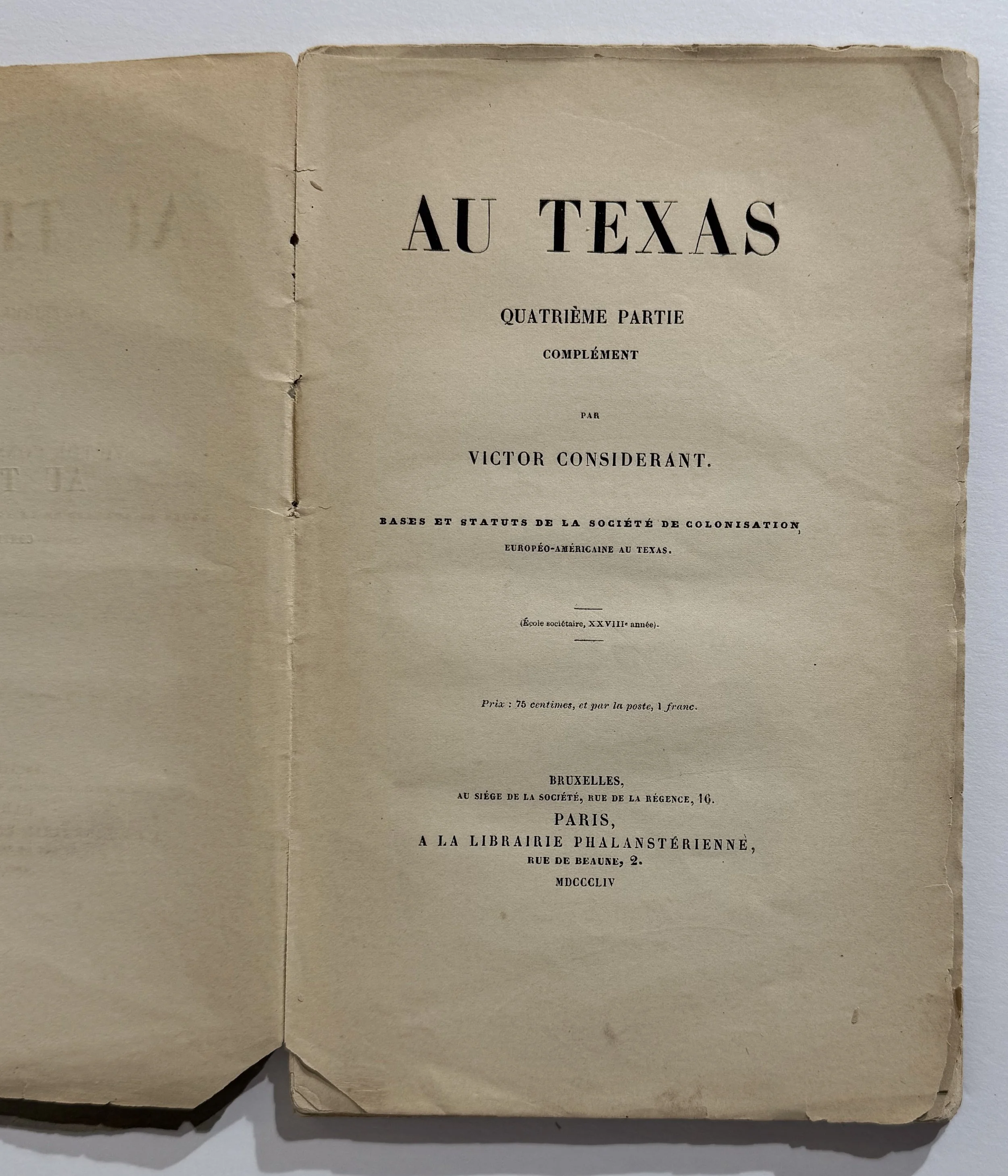
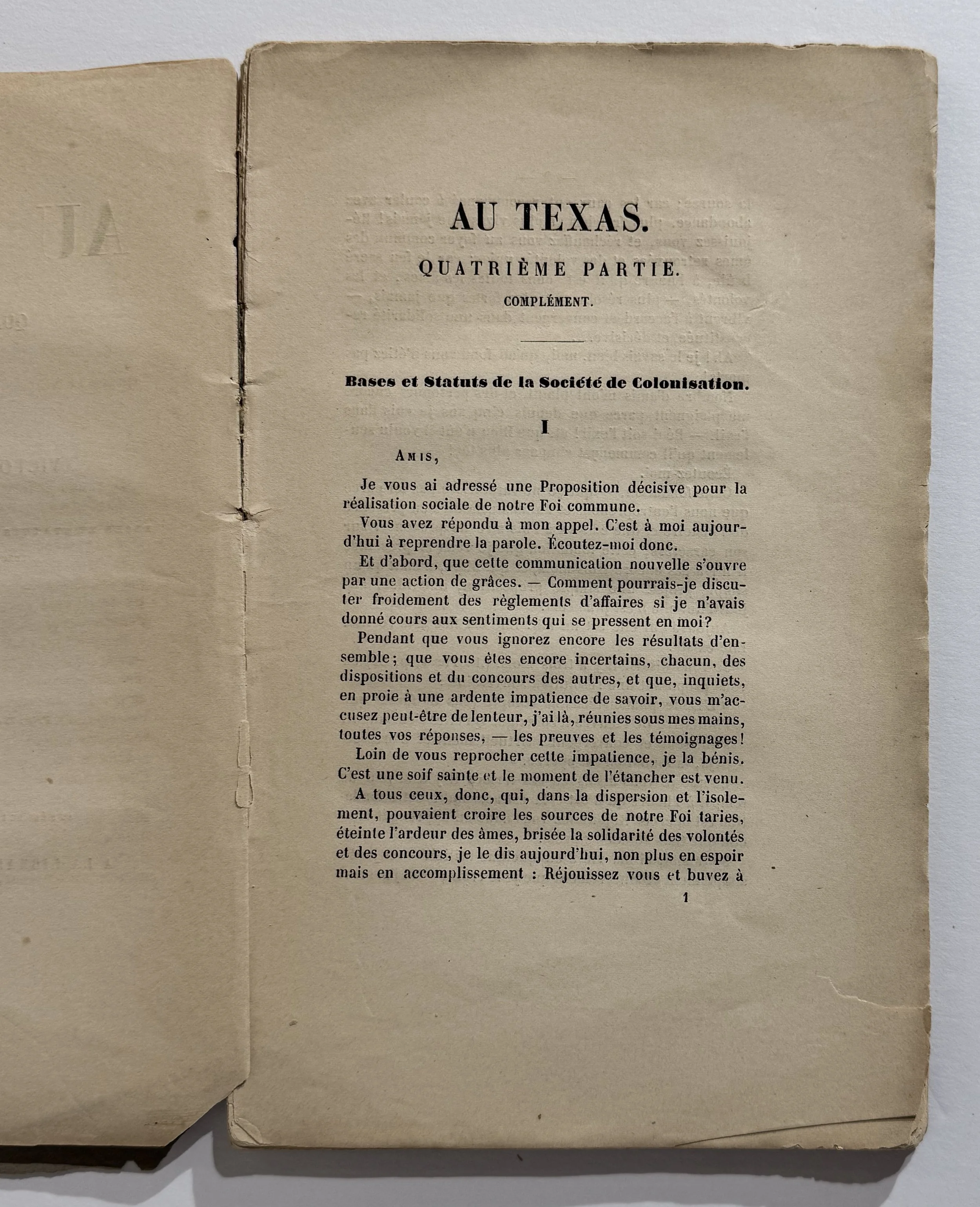
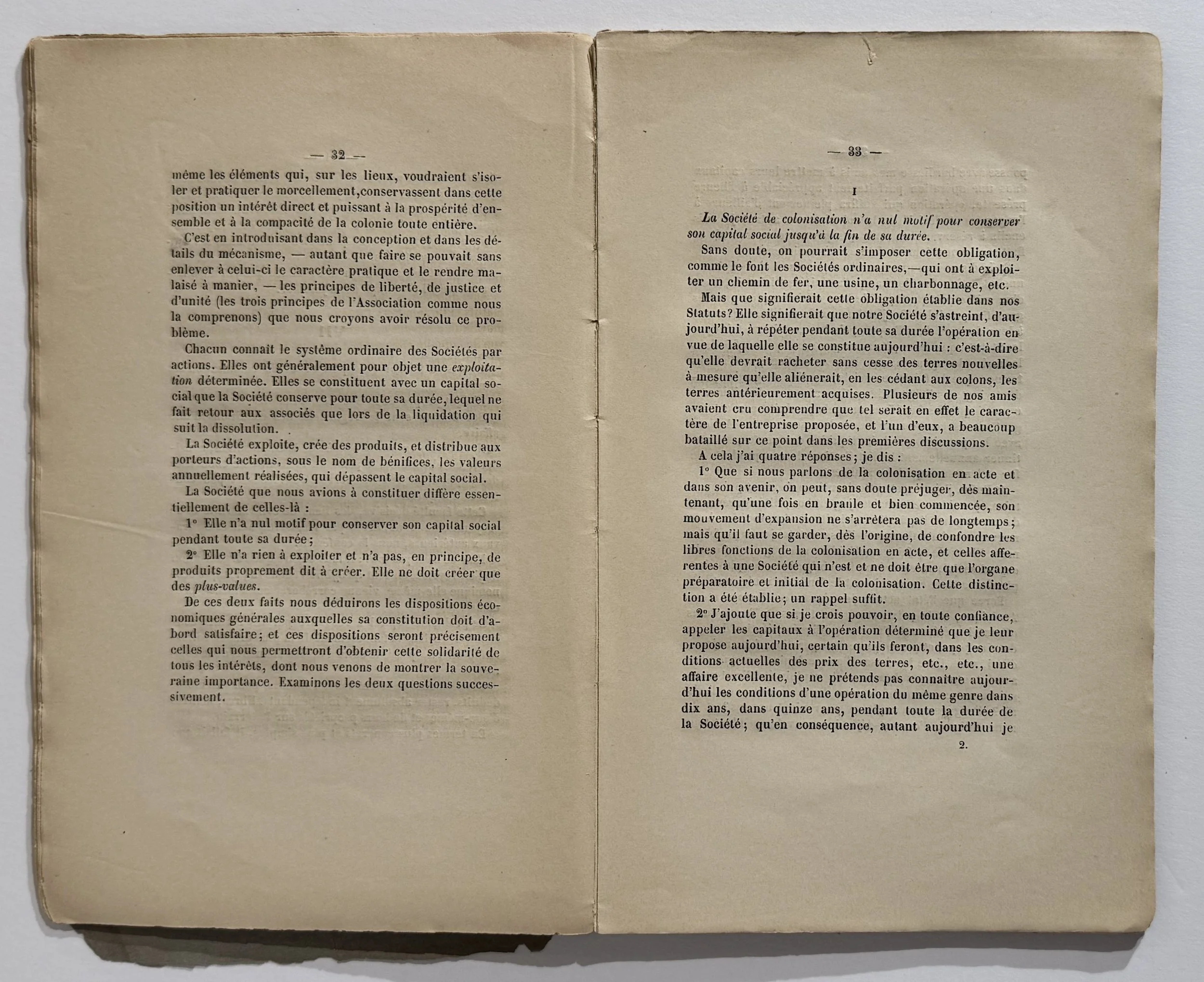
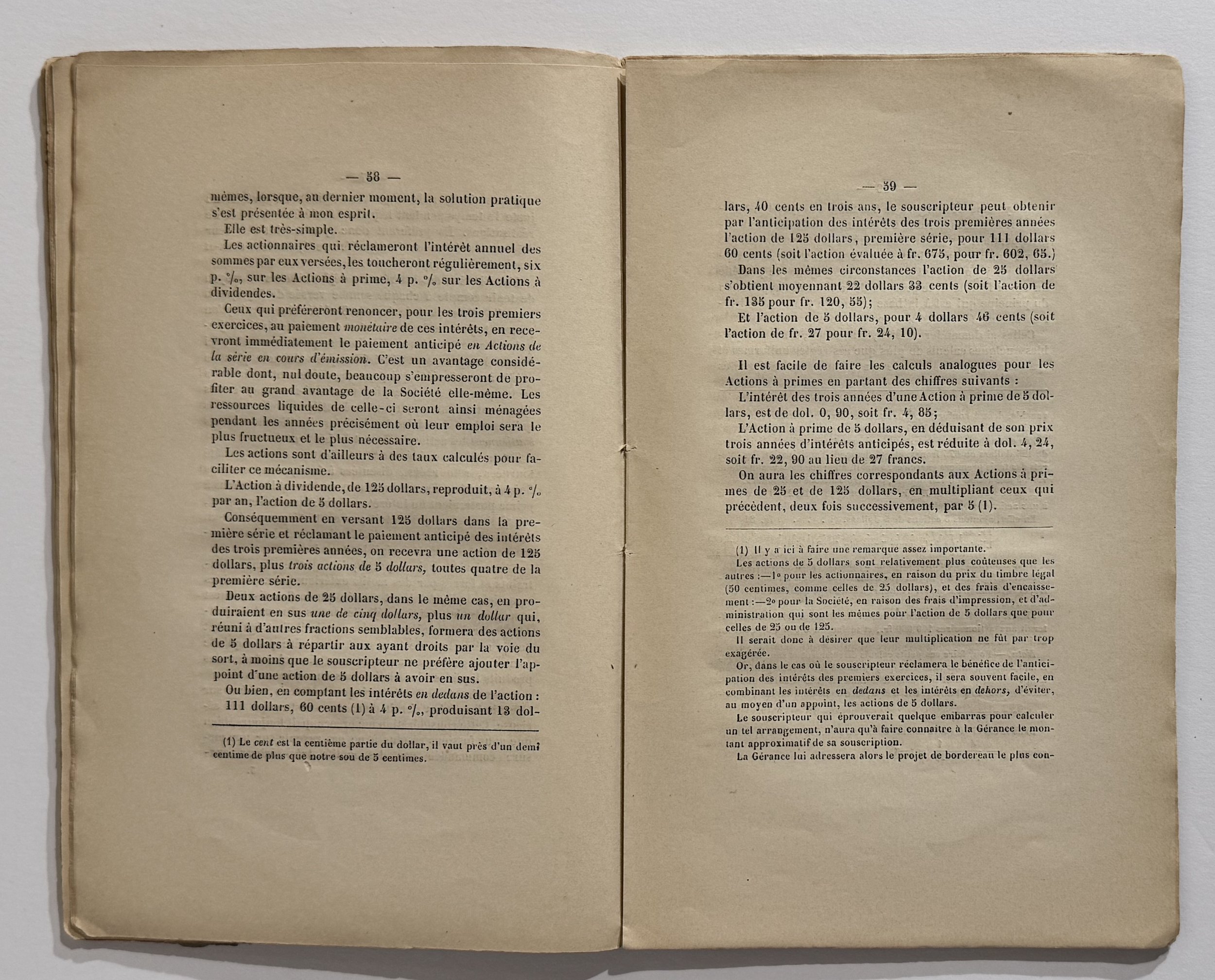
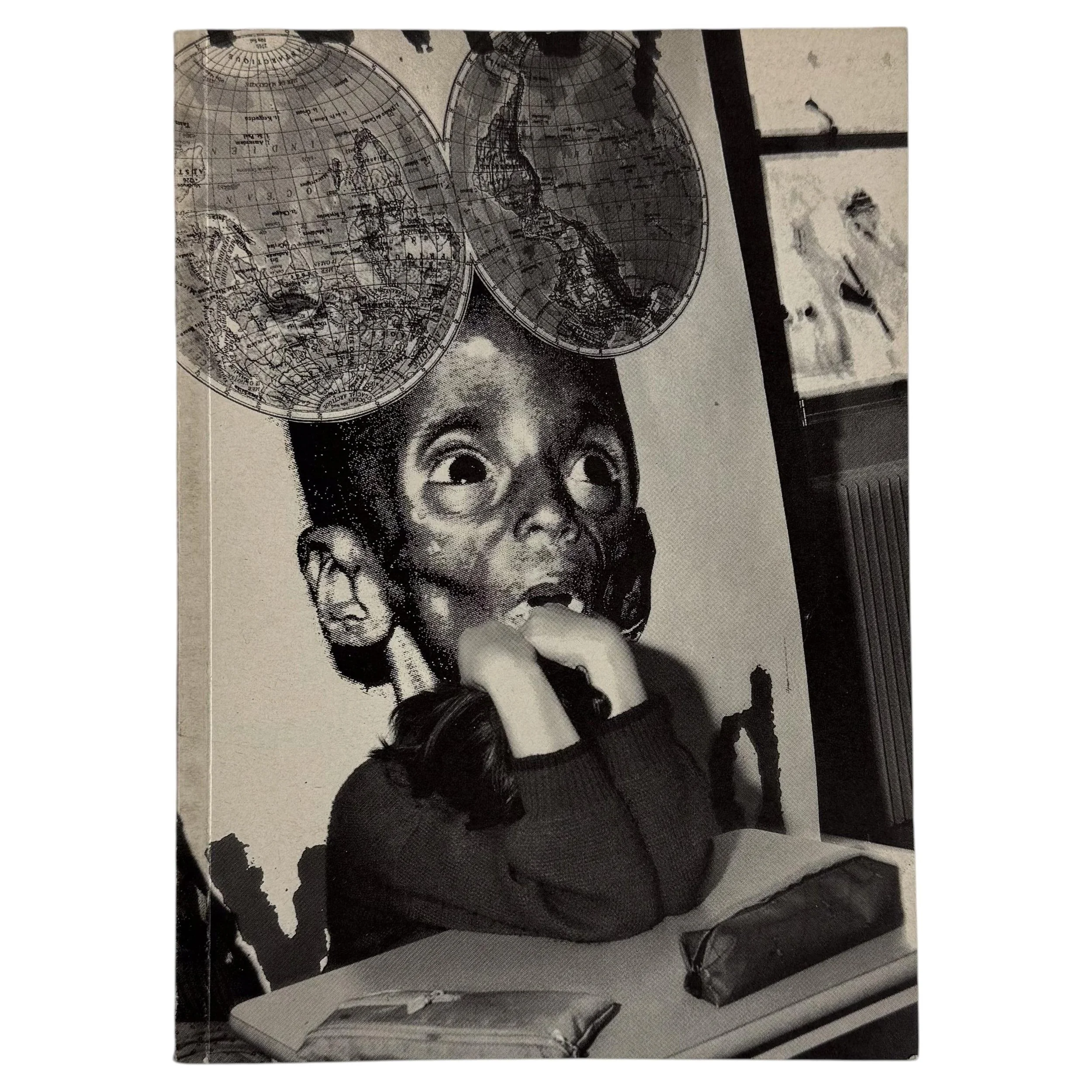
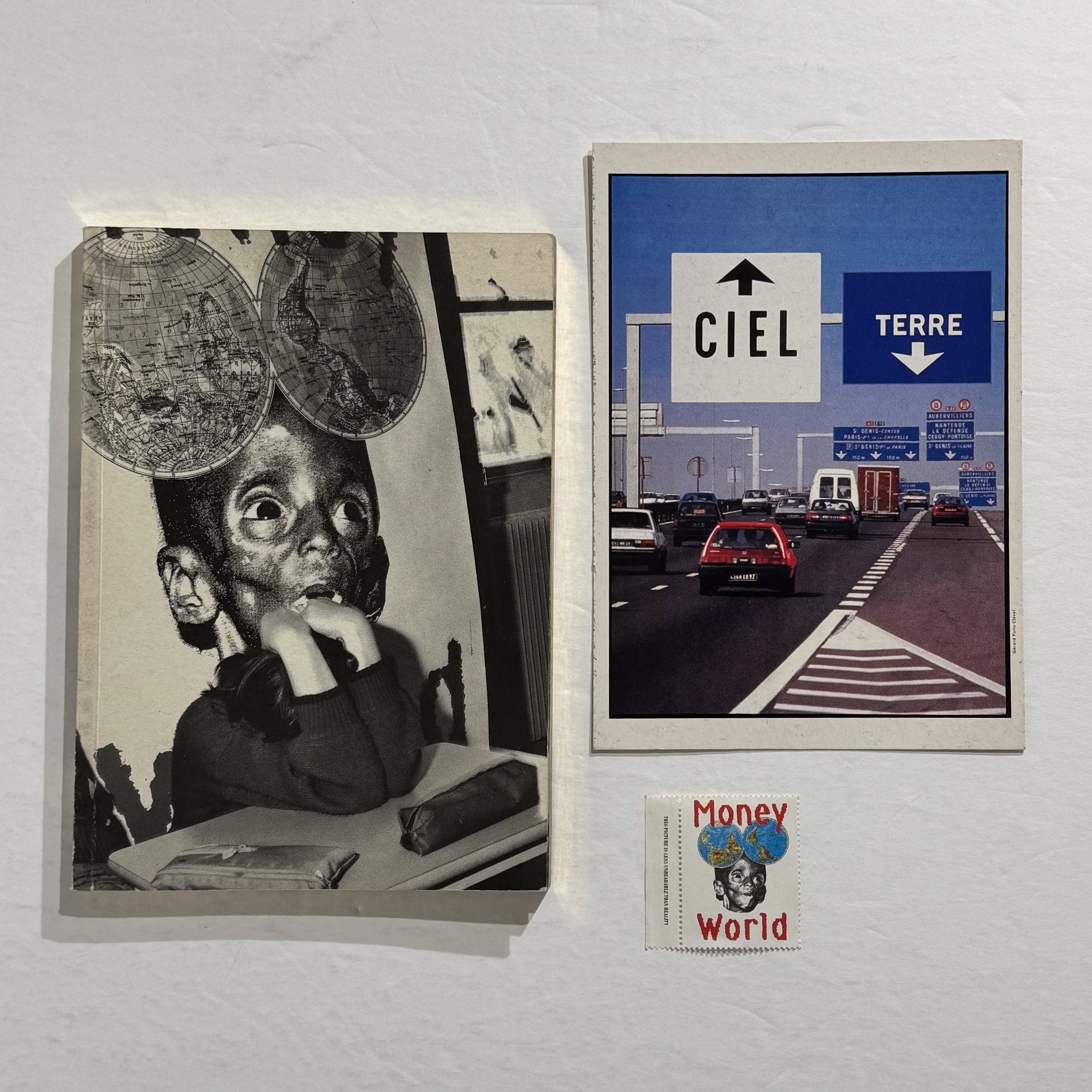
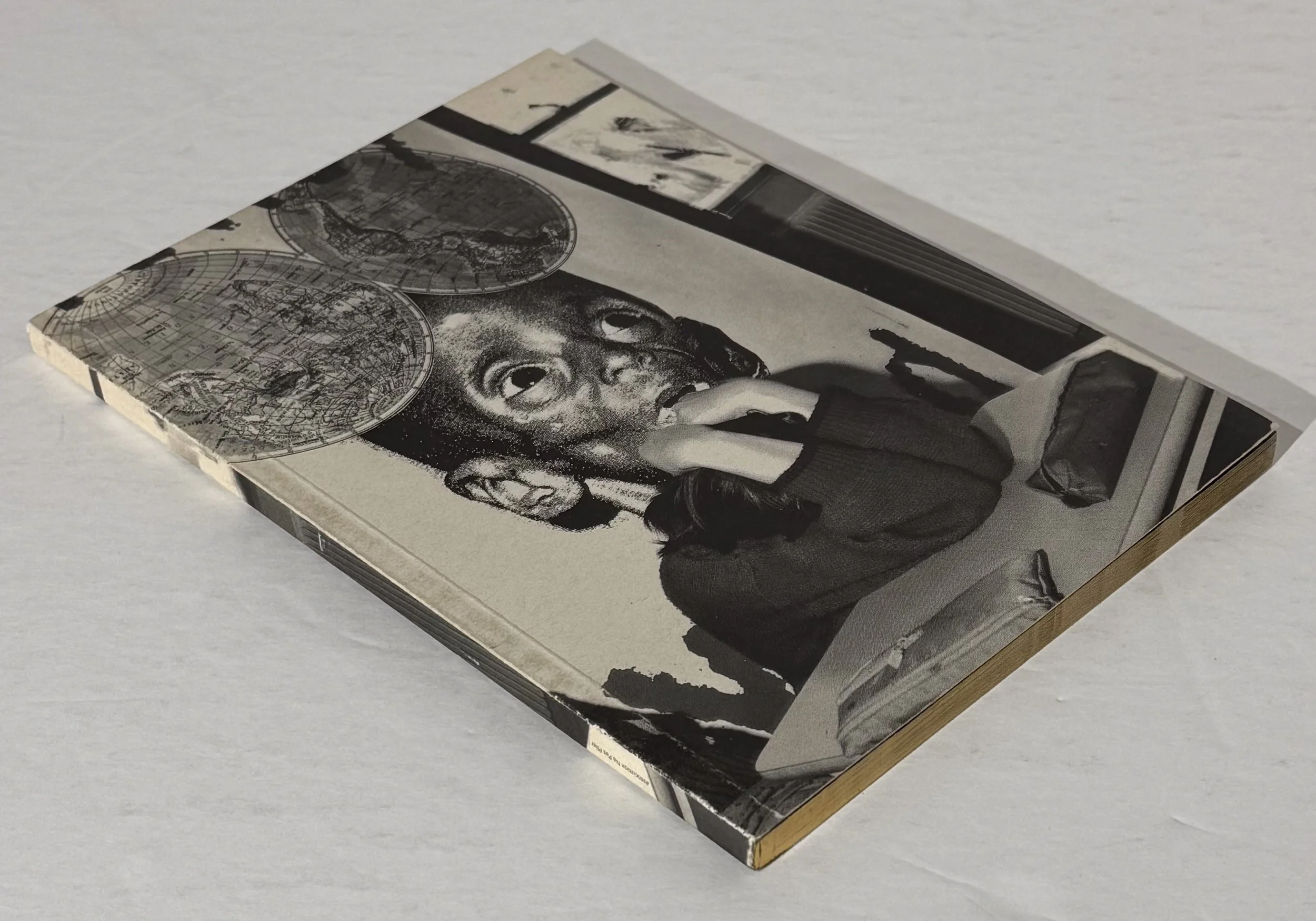
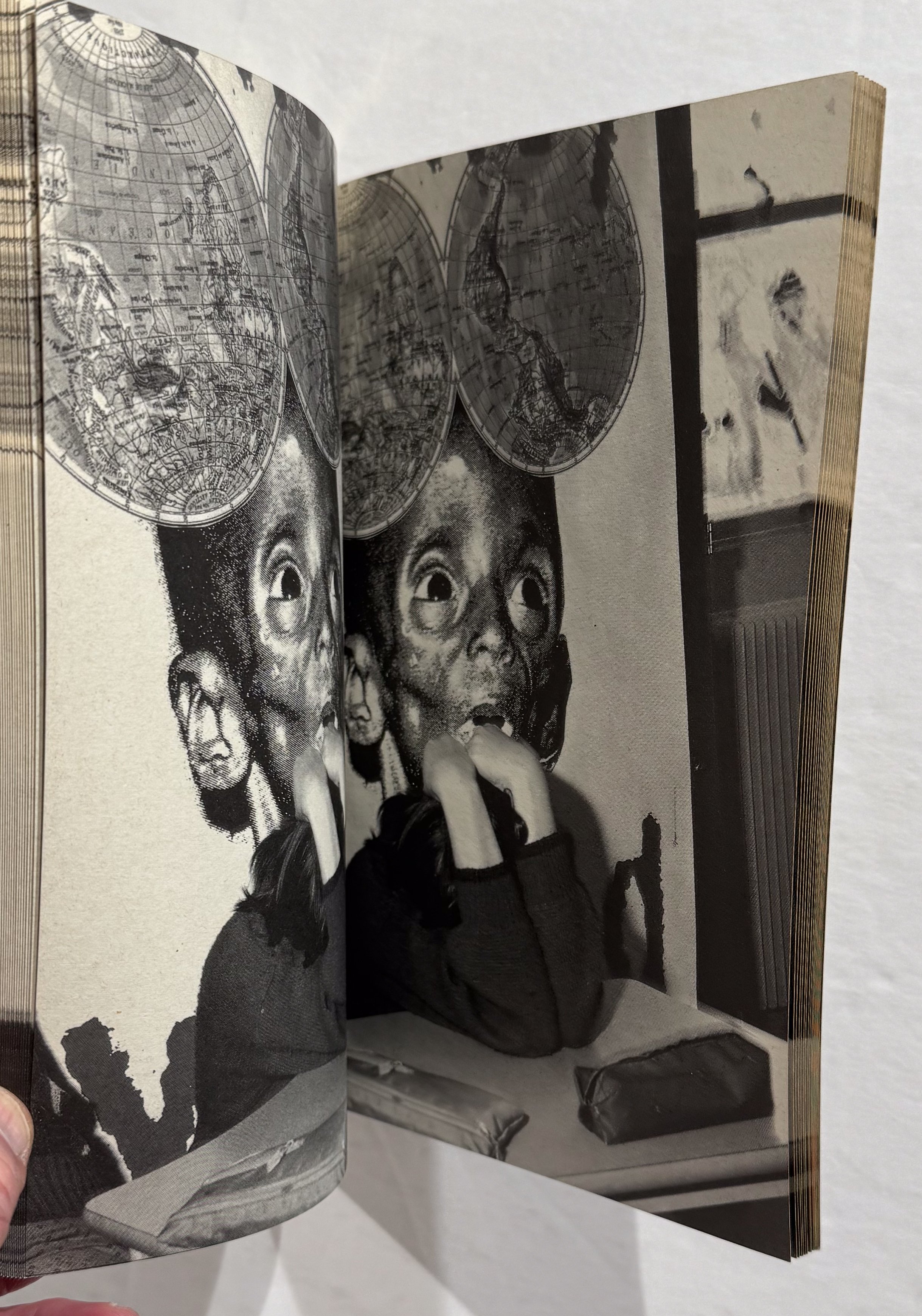
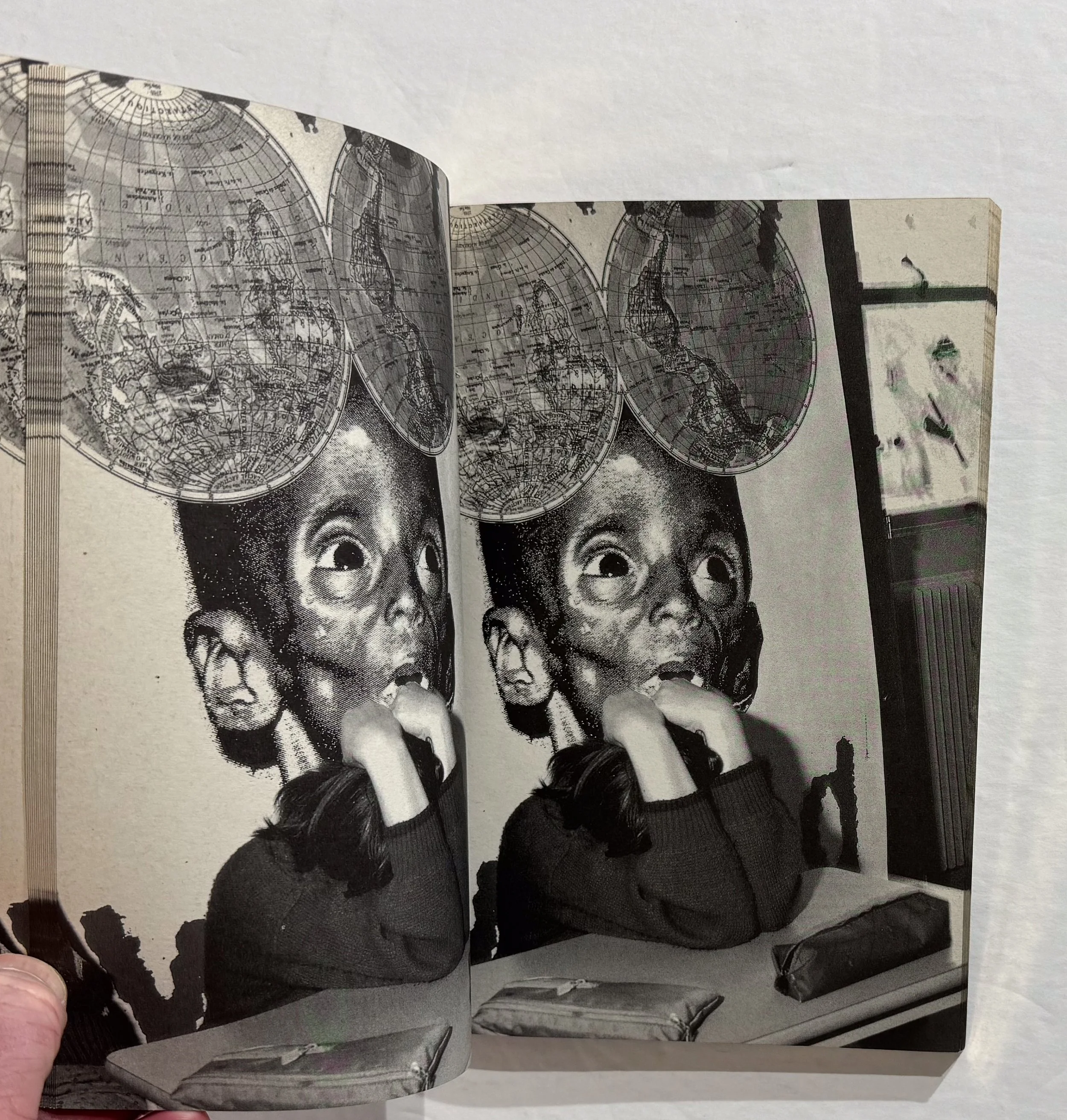
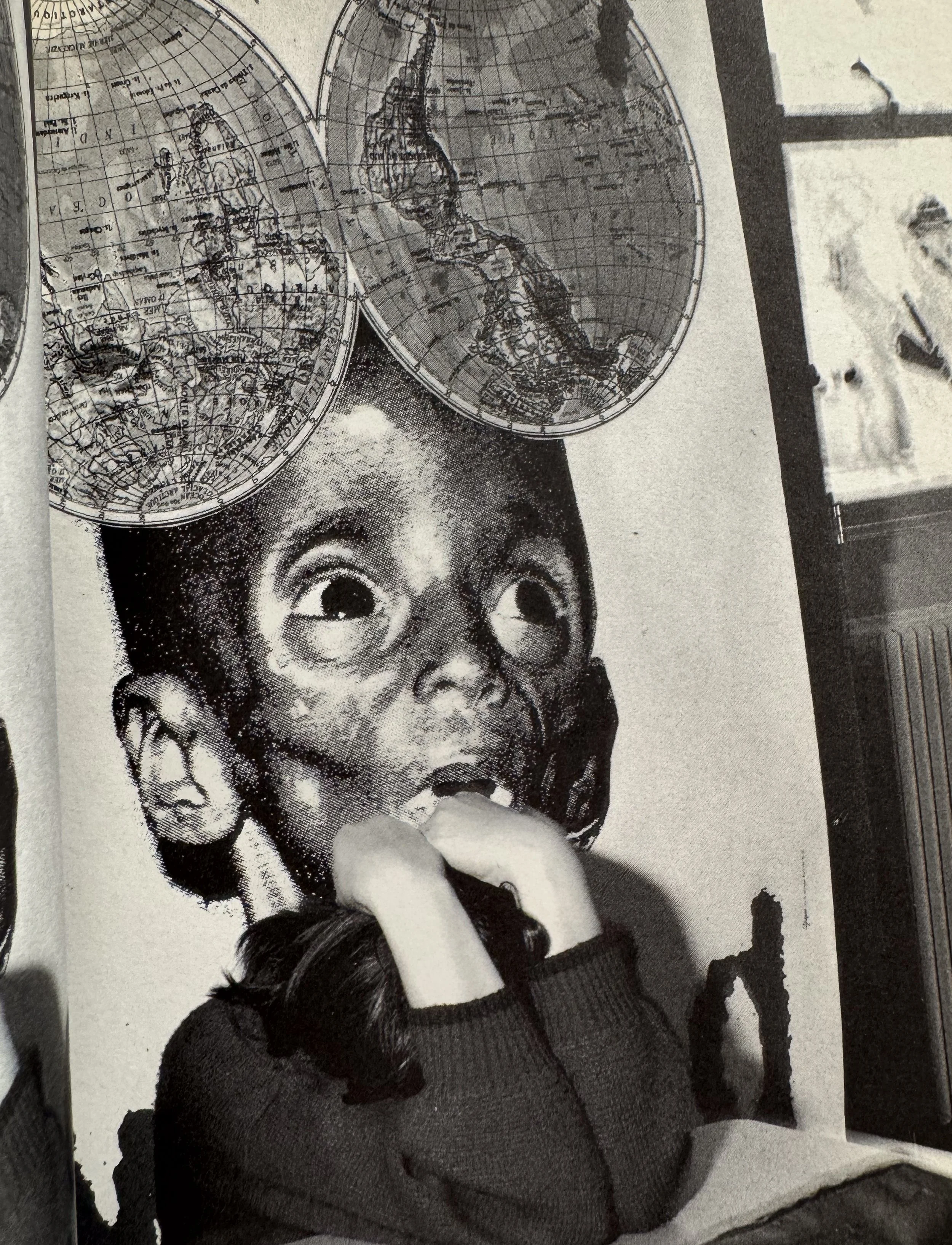
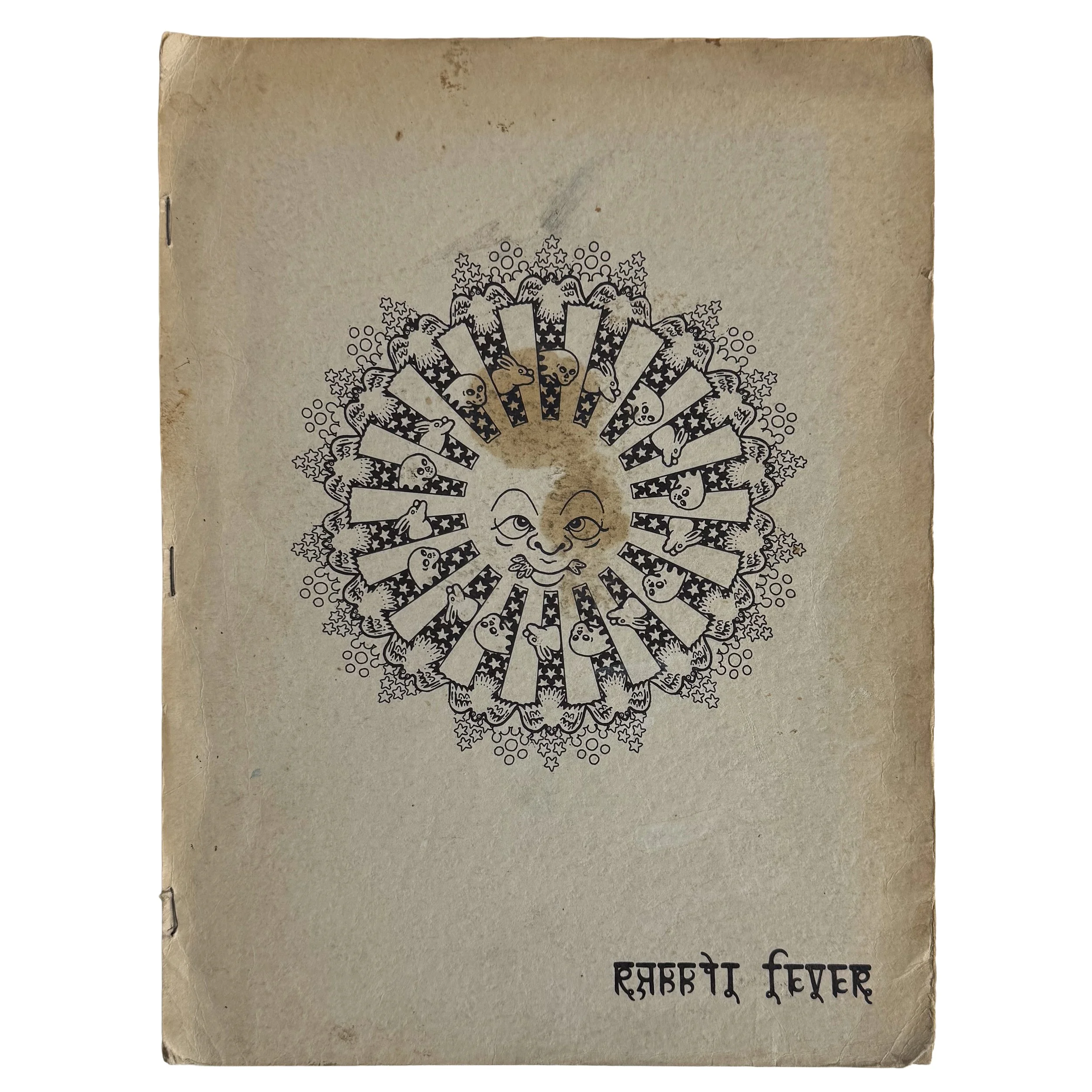
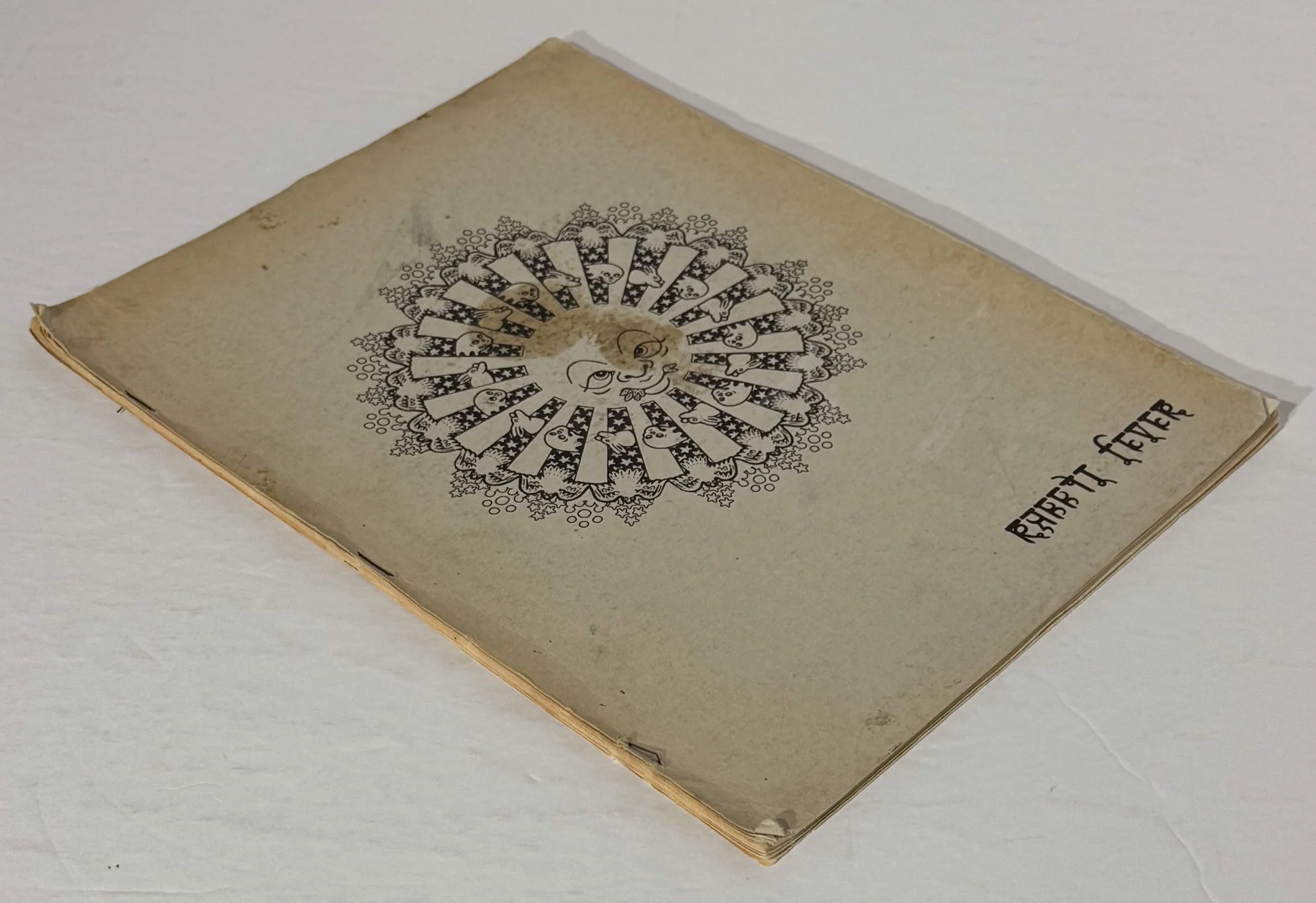
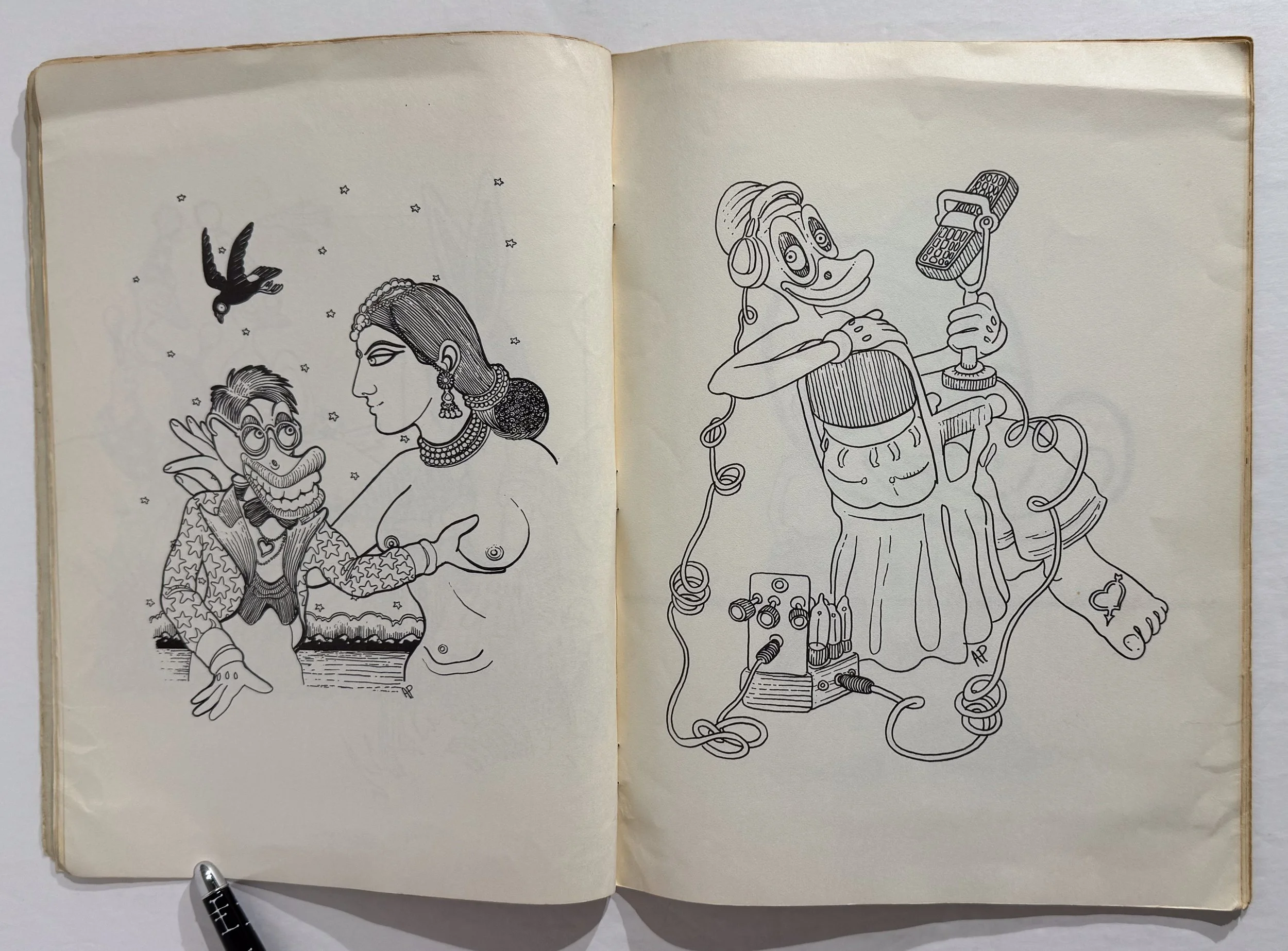
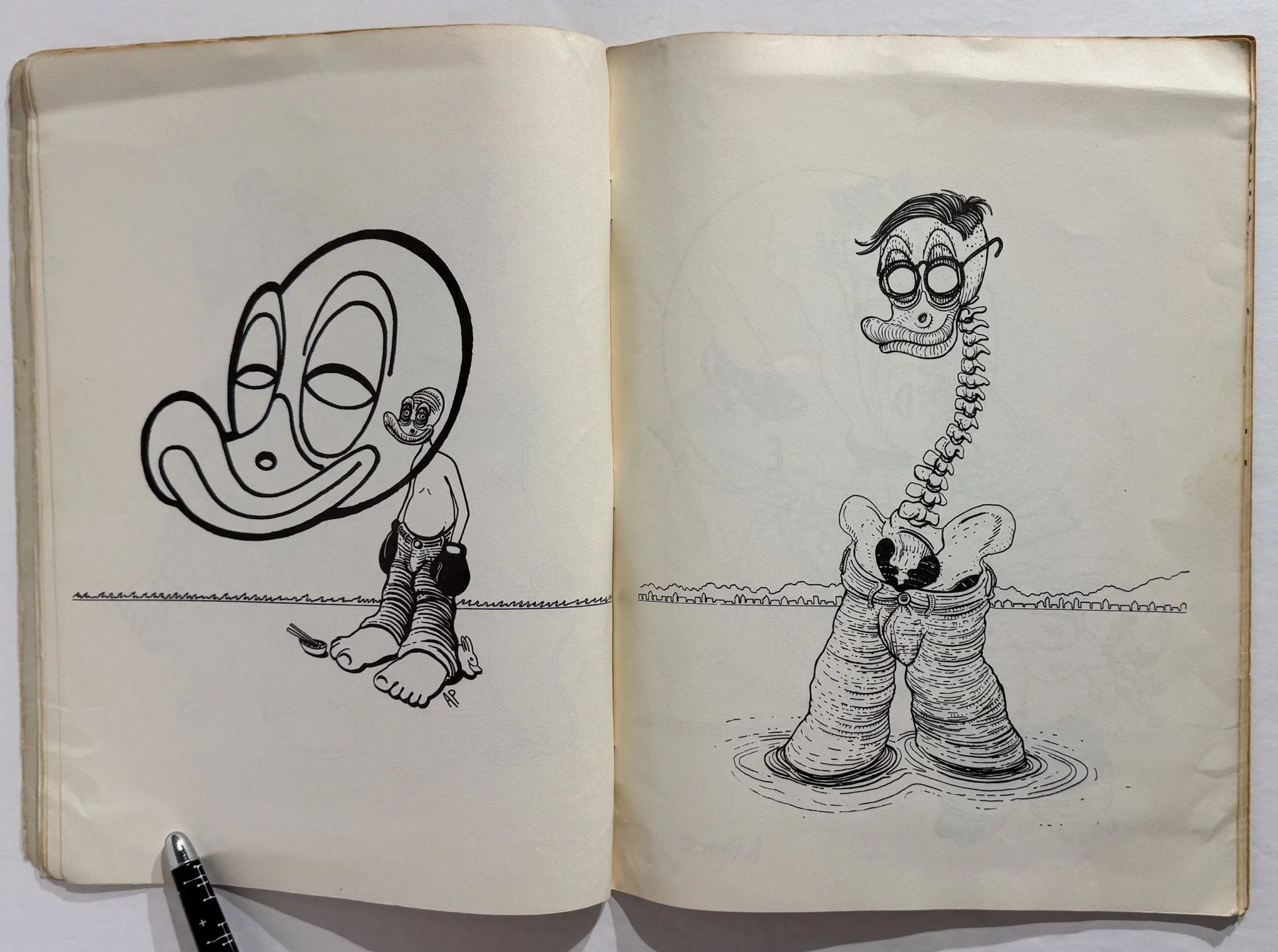
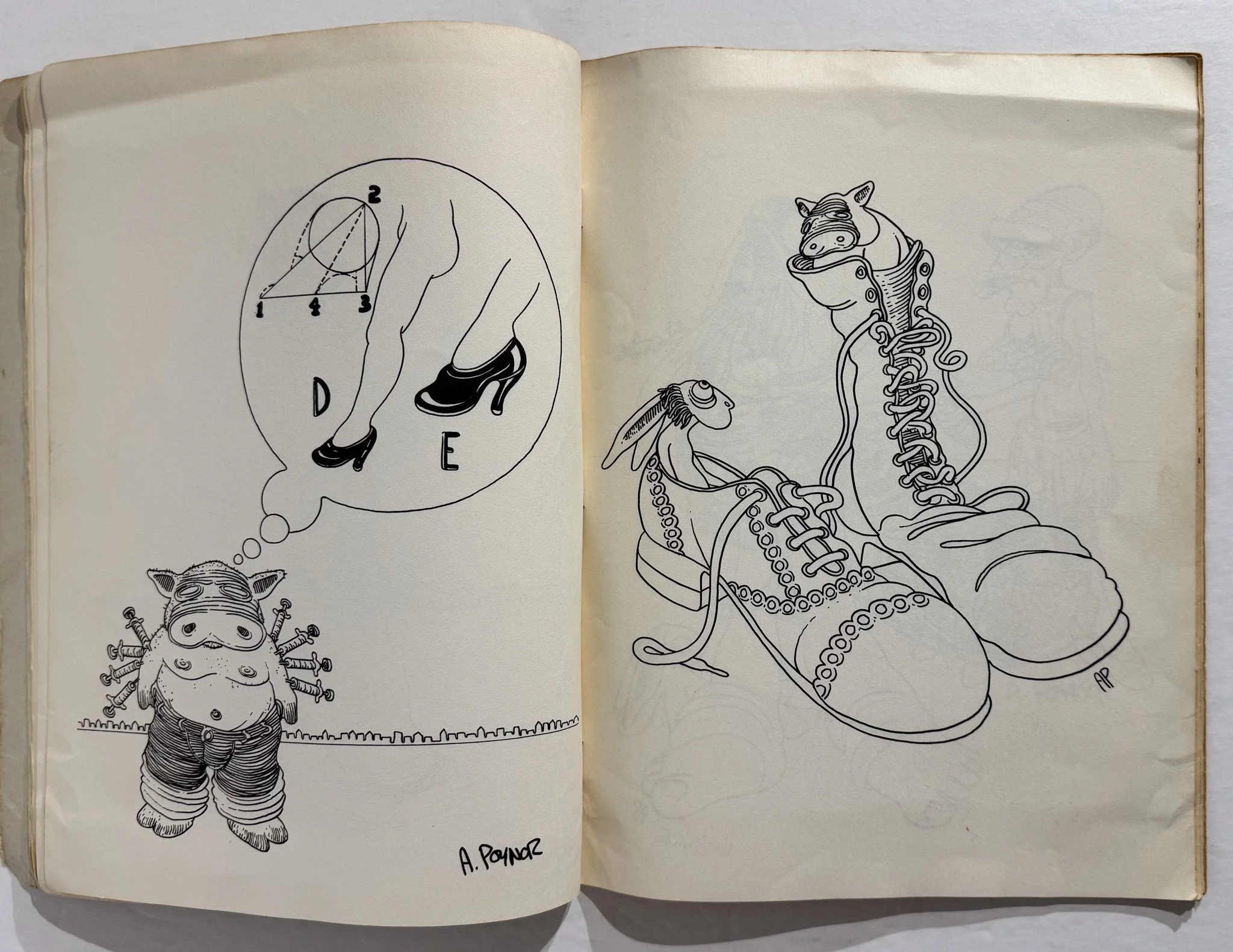
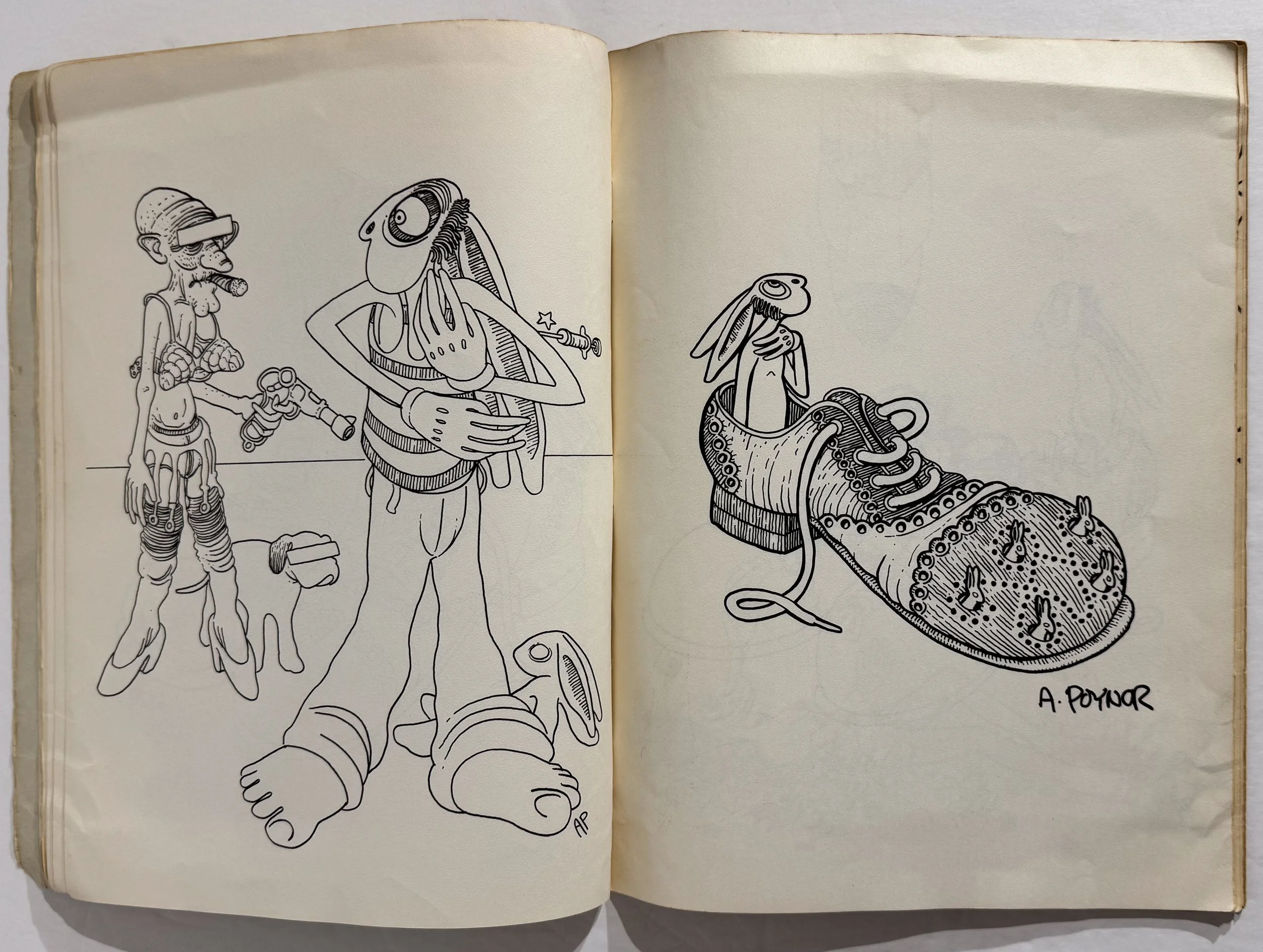
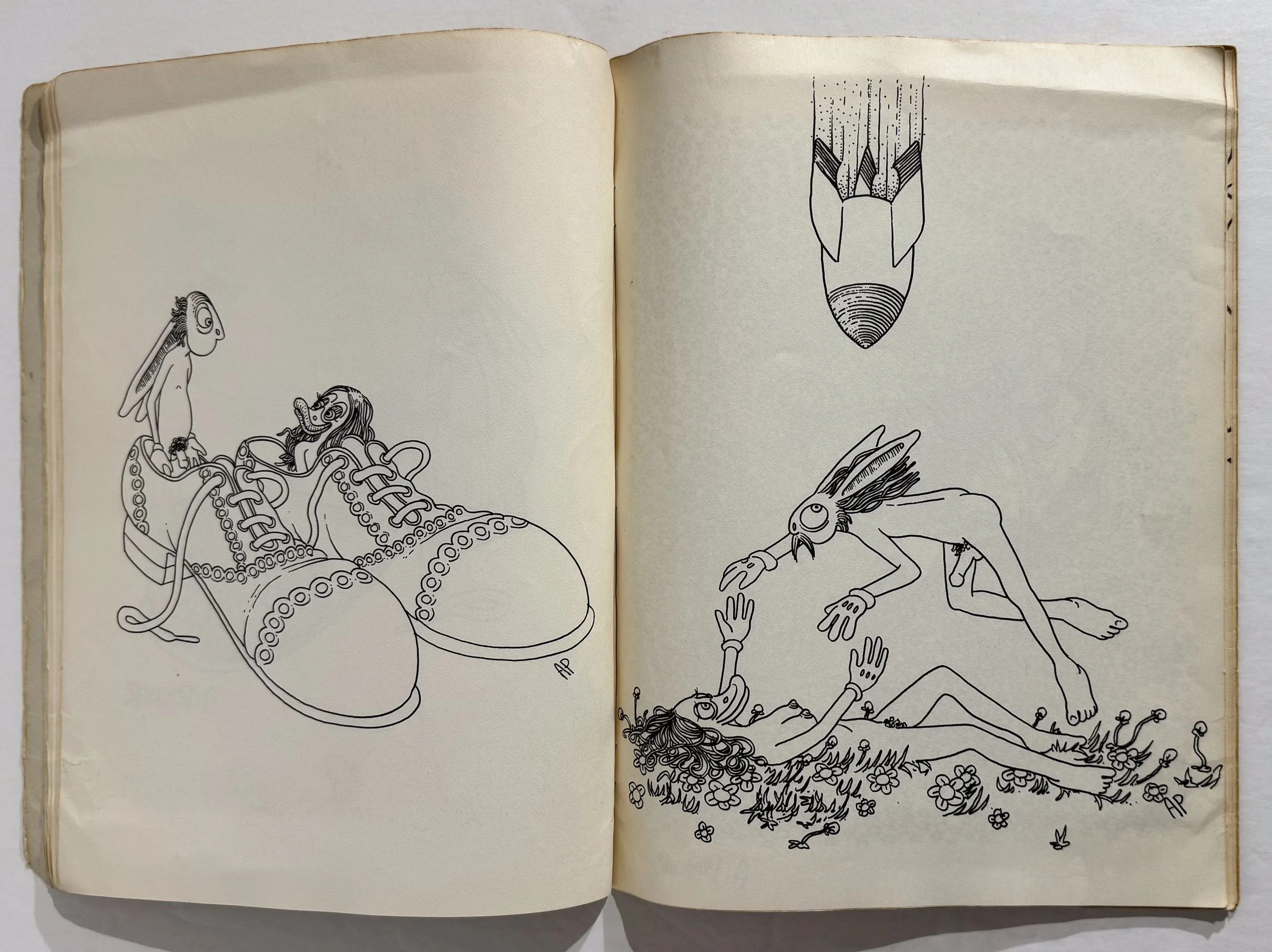
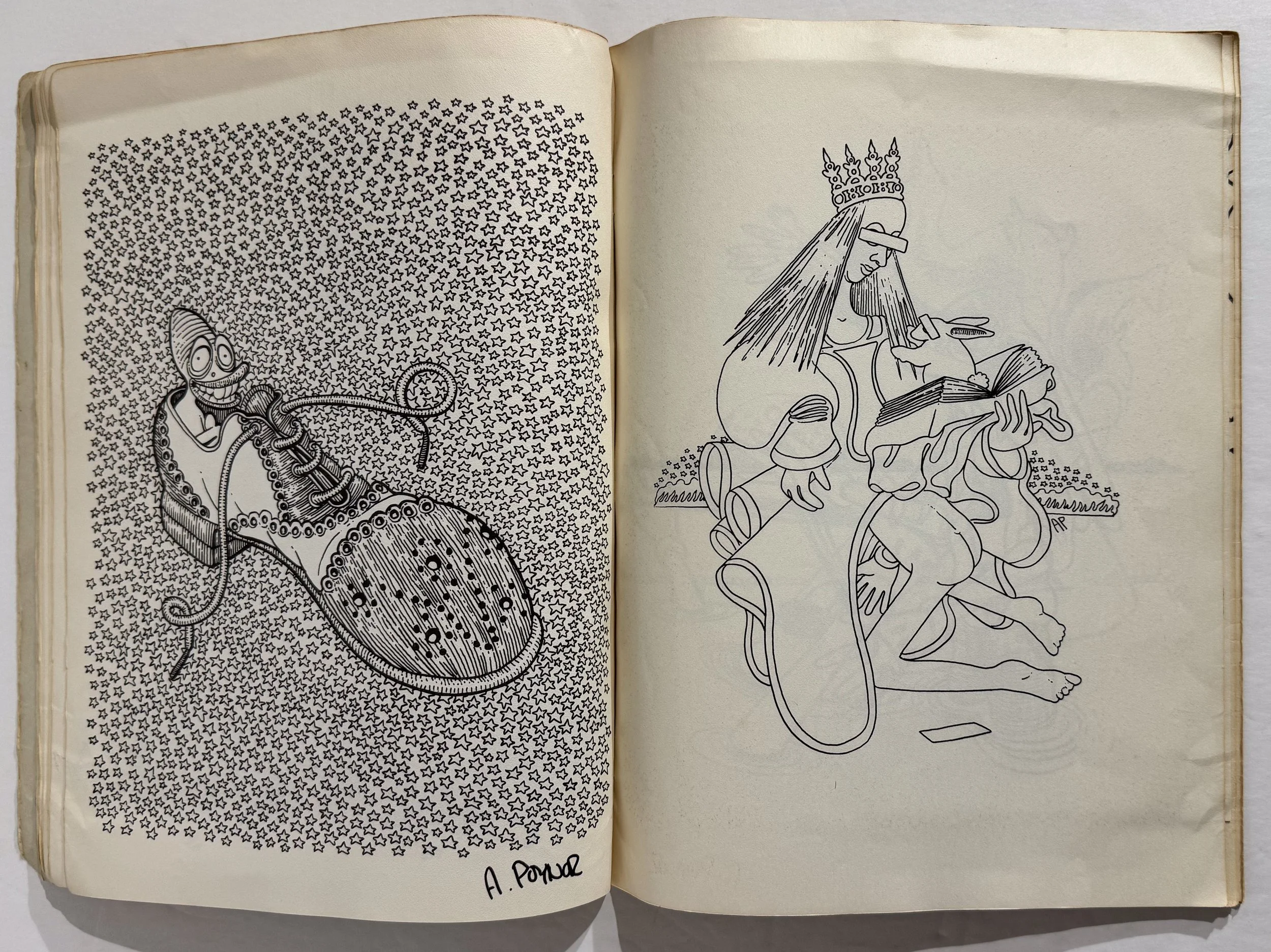
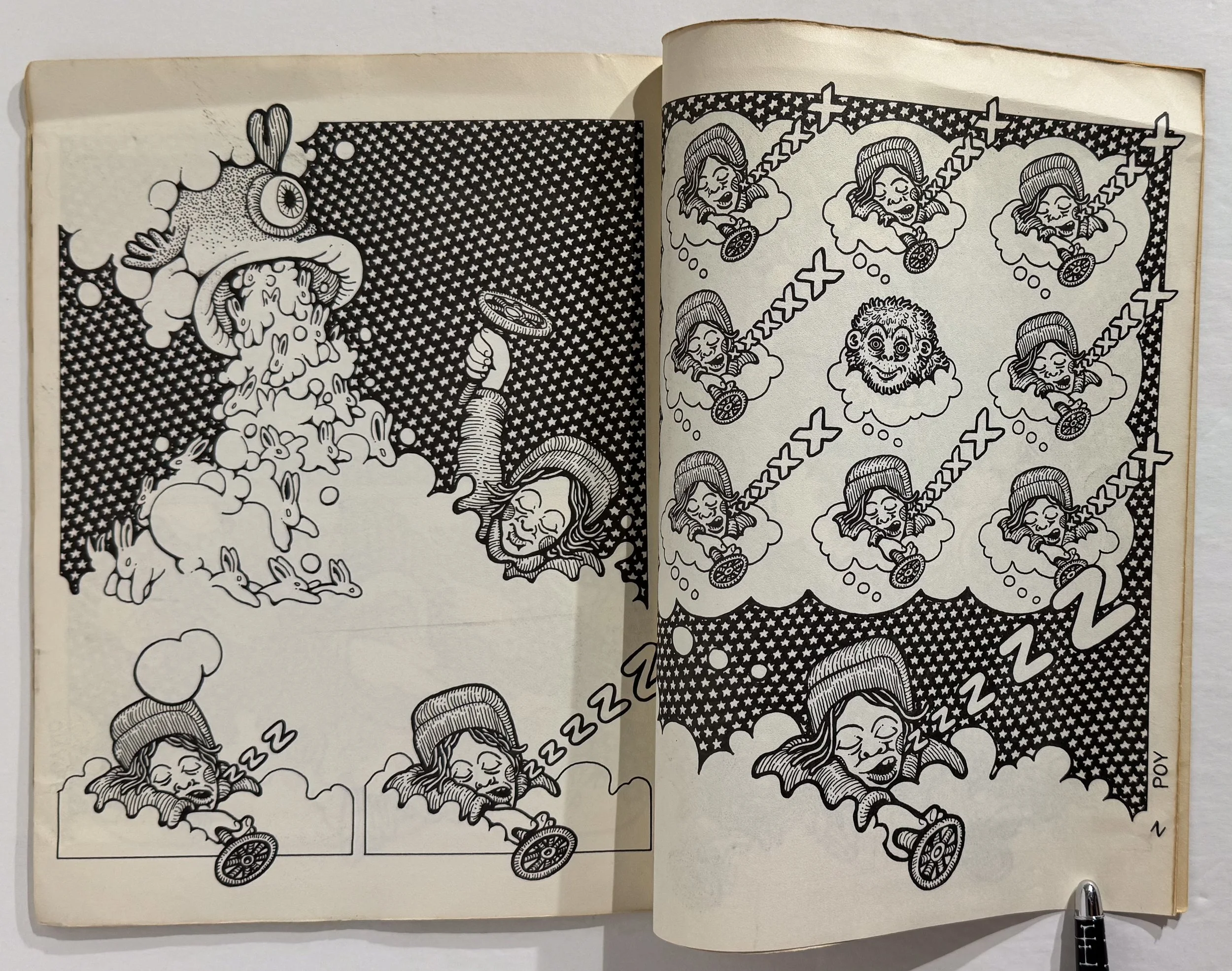
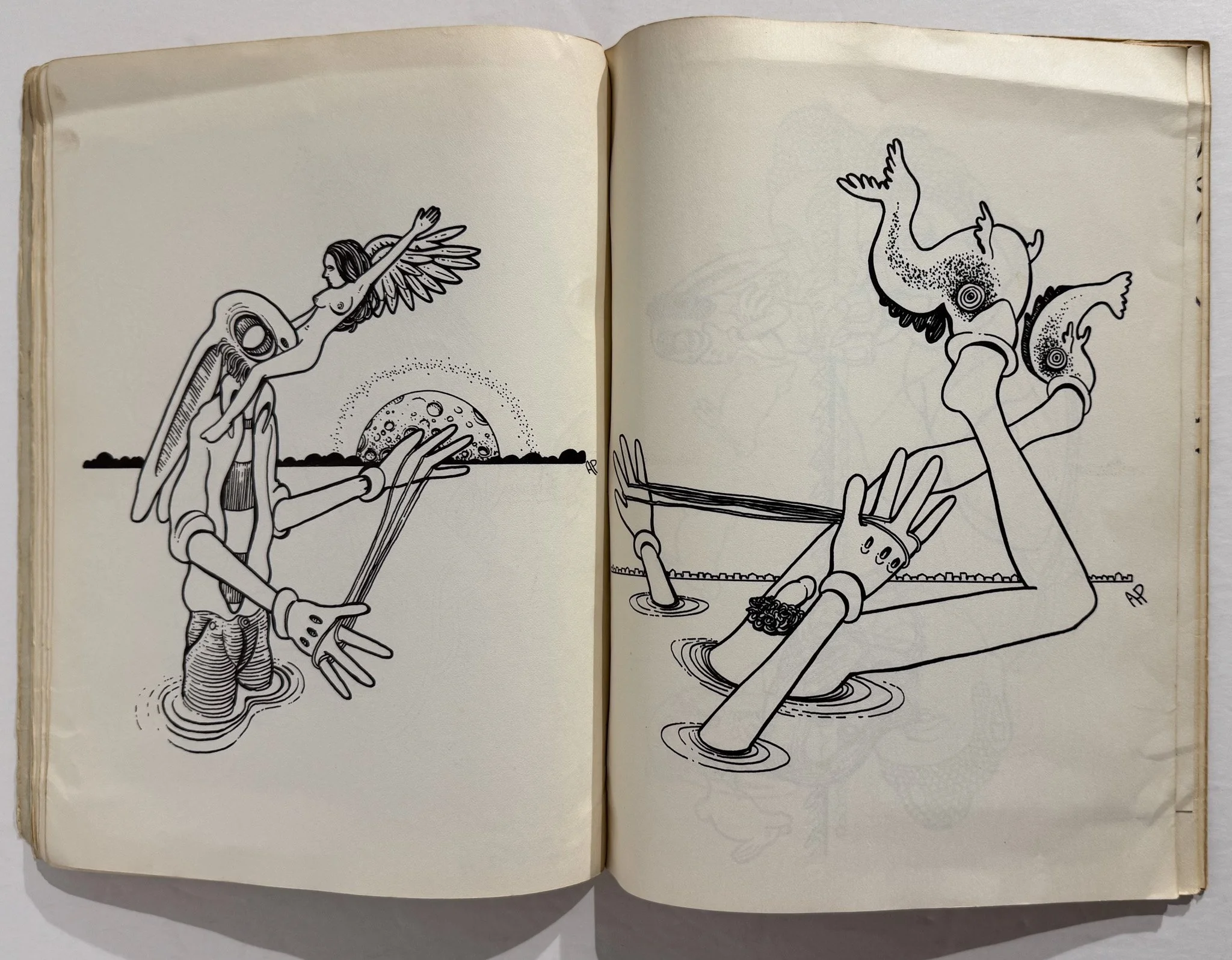
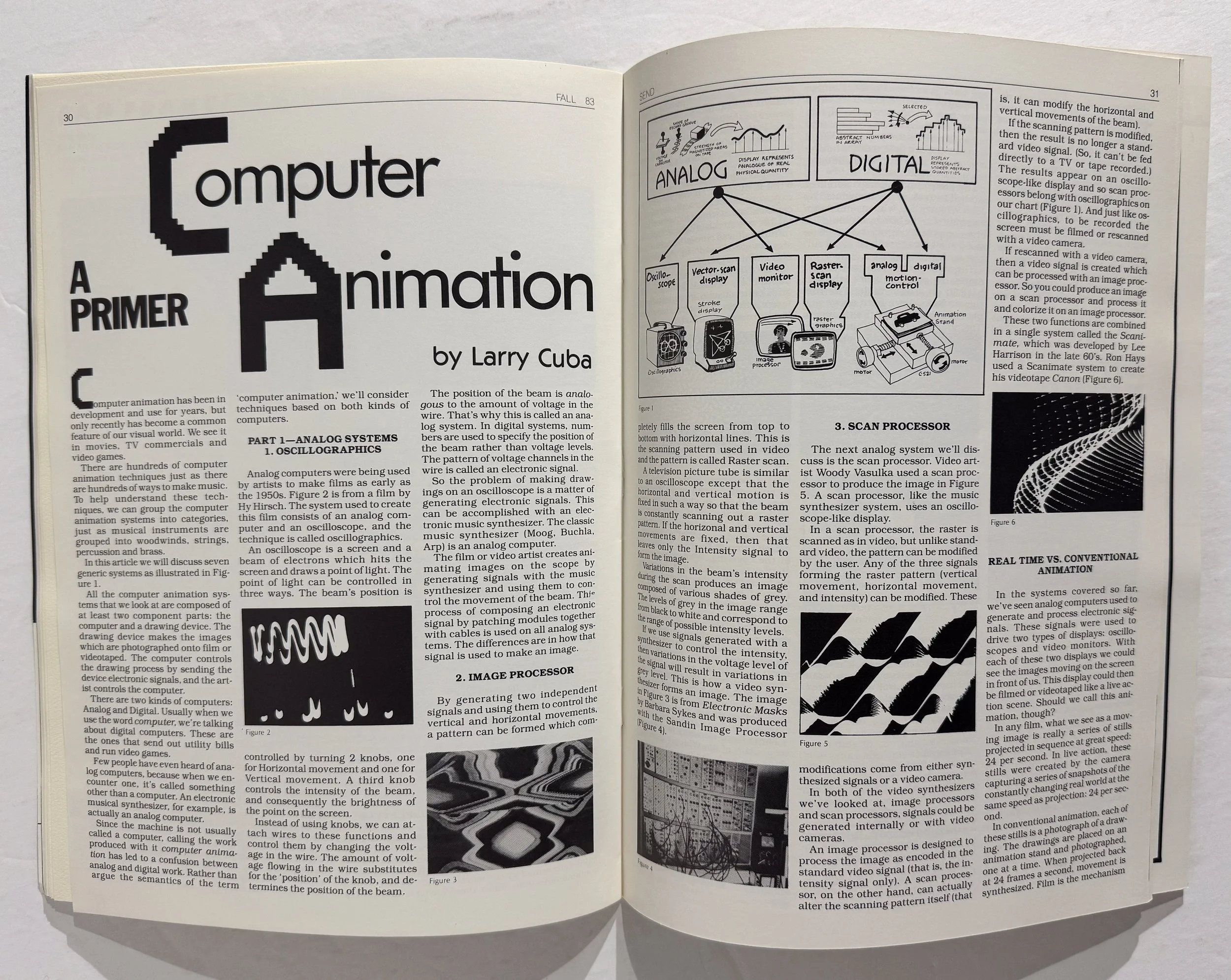
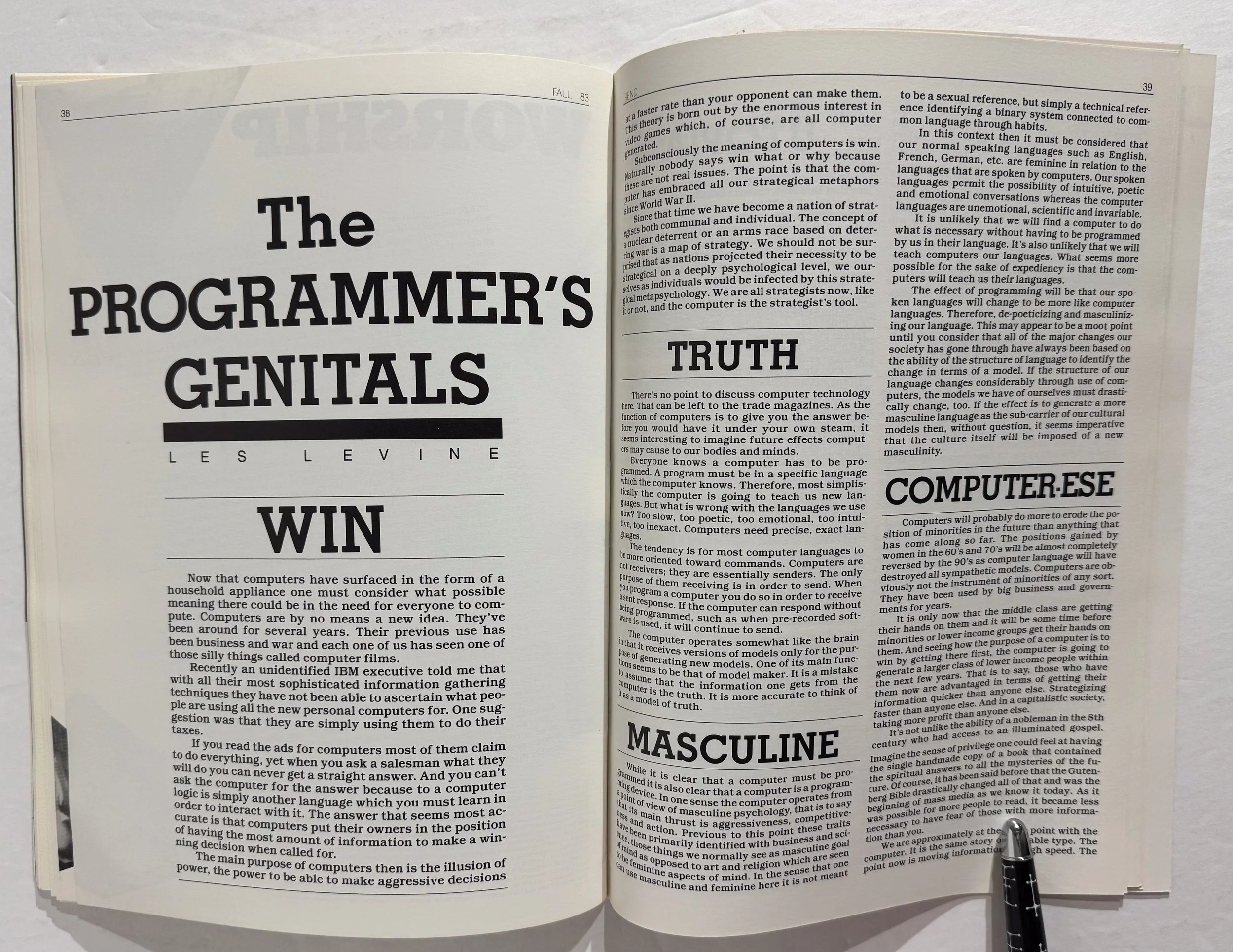
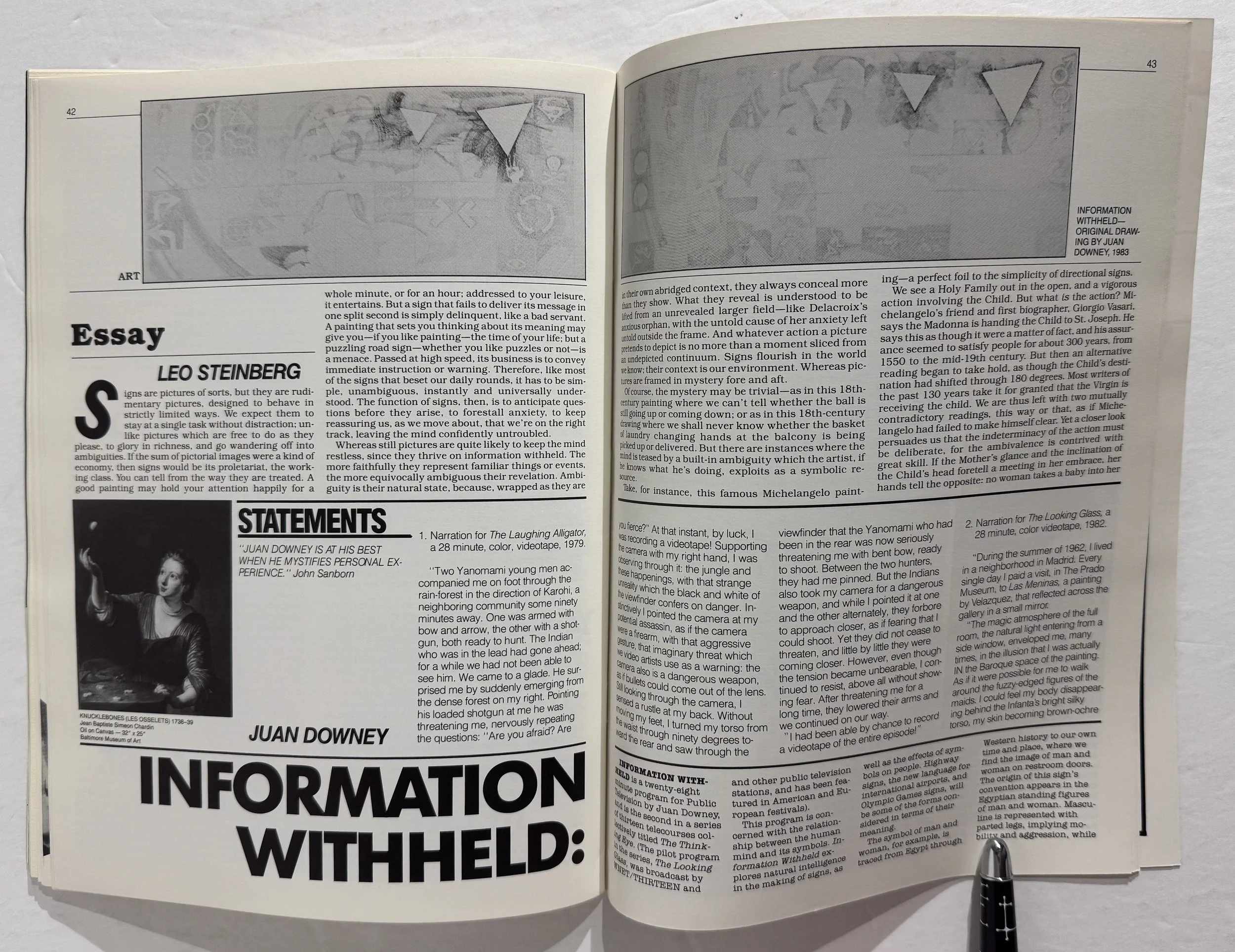
First British paperback trade edition of Robert Goodman’s provocative and influential critique of postwar urban planning, published in 1973 by Penguin Books/Pelican Original. 8vo, pictorial wrappers, 264 pages, b/w illustrations interspersed. From the working library of architectural historian Carol Herselle Krinsky, with numerous contemporary pencil annotations concentrated in Chapter VI, "The Scientific Method: Salvation from Politics."
Trained as an architect and urban planner and then an associate professor at MIT, Robert Goodman challenged the technocratic assumptions that had come to dominate American planning, arguing that urban renewal, systems analysis, and professional expertise too often reinforced existing political and economic power rather than serving the communities they purported to improve. His advocacy of participatory planning, community self-determination, and what he termed "guerrilla architecture" anticipated many of the grassroots planning movements that reshaped urban discourse in subsequent decades.
This copy belonged to distinguished architectural historian Carol Herselle Krinsky, whose pencil annotations are concentrated in the book's central theoretical chapter, where Goodman critiques the ideology of scientific objectivity in planning and its relationship to institutional power. Rather than casual reading marks, the notes reveal an accomplished scholar engaging critically with Goodman's arguments and questioning several of his assertions. Light rubbing and chipping to extremities; moderate age-toning to edges of text block.
First British paperback trade edition of Robert Goodman’s provocative and influential critique of postwar urban planning, published in 1973 by Penguin Books/Pelican Original. 8vo, pictorial wrappers, 264 pages, b/w illustrations interspersed. From the working library of architectural historian Carol Herselle Krinsky, with numerous contemporary pencil annotations concentrated in Chapter VI, "The Scientific Method: Salvation from Politics."
Trained as an architect and urban planner and then an associate professor at MIT, Robert Goodman challenged the technocratic assumptions that had come to dominate American planning, arguing that urban renewal, systems analysis, and professional expertise too often reinforced existing political and economic power rather than serving the communities they purported to improve. His advocacy of participatory planning, community self-determination, and what he termed "guerrilla architecture" anticipated many of the grassroots planning movements that reshaped urban discourse in subsequent decades.
This copy belonged to distinguished architectural historian Carol Herselle Krinsky, whose pencil annotations are concentrated in the book's central theoretical chapter, where Goodman critiques the ideology of scientific objectivity in planning and its relationship to institutional power. Rather than casual reading marks, the notes reveal an accomplished scholar engaging critically with Goodman's arguments and questioning several of his assertions. Light rubbing and chipping to extremities; moderate age-toning to edges of text block.

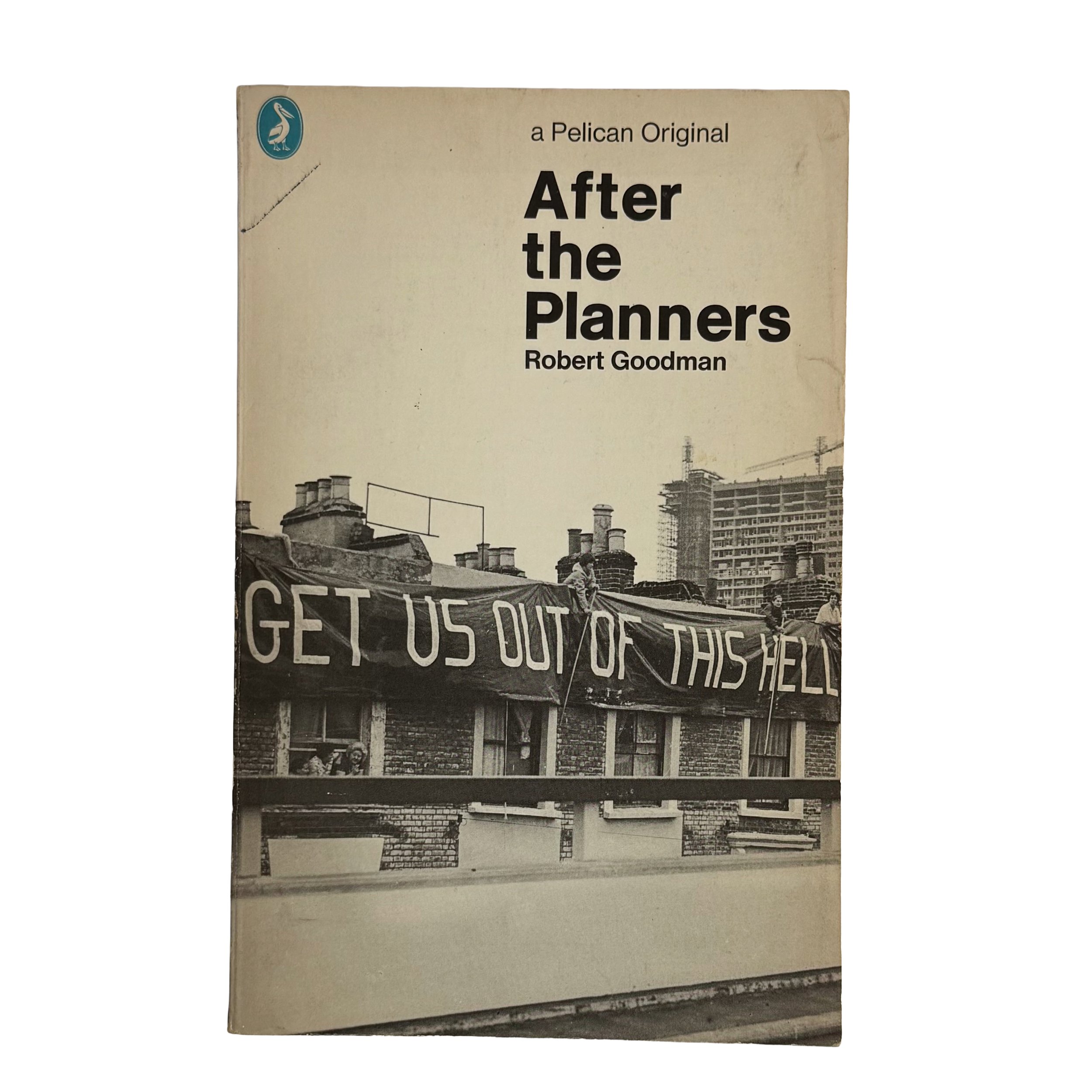 Image 1 of 11
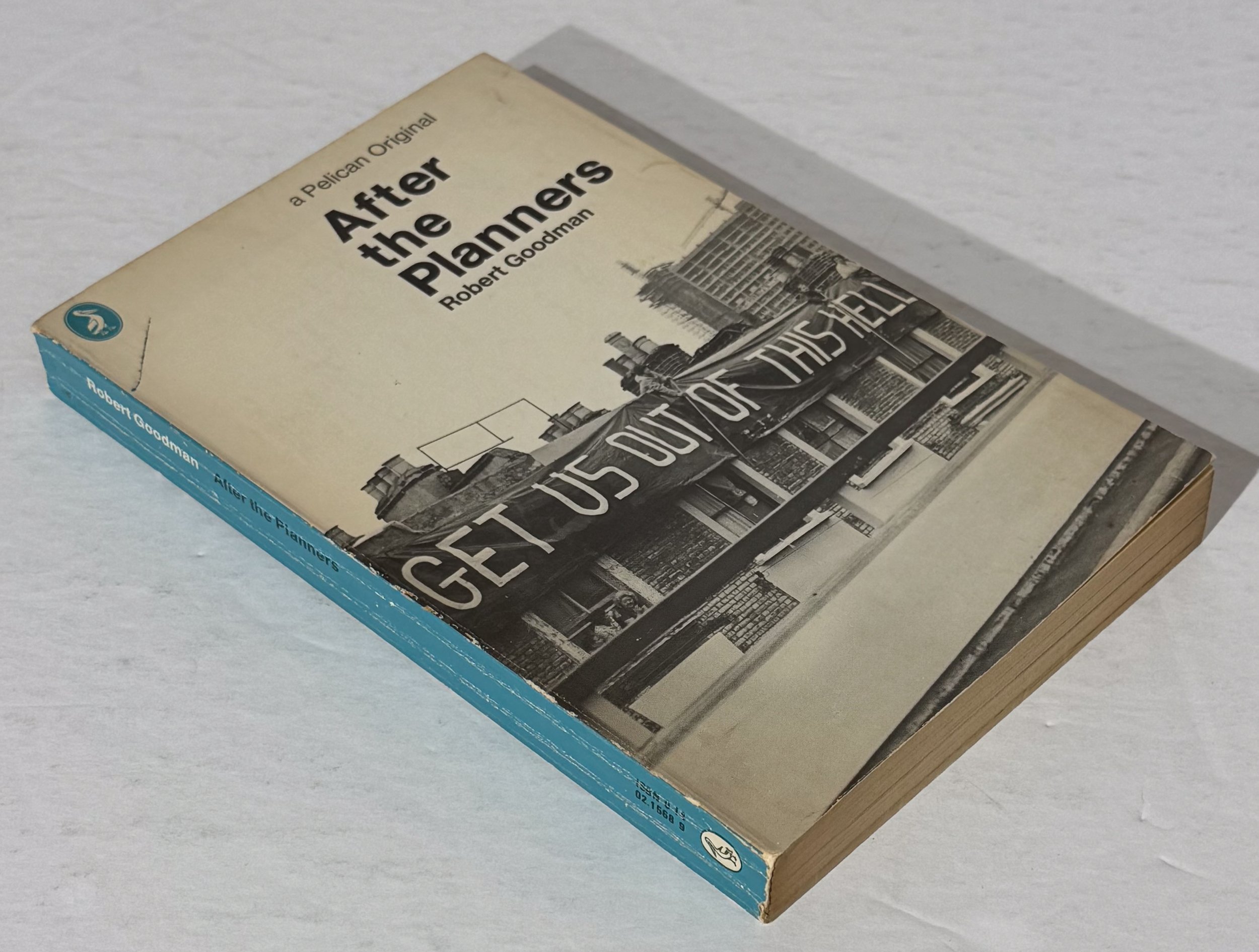 Image 2 of 11
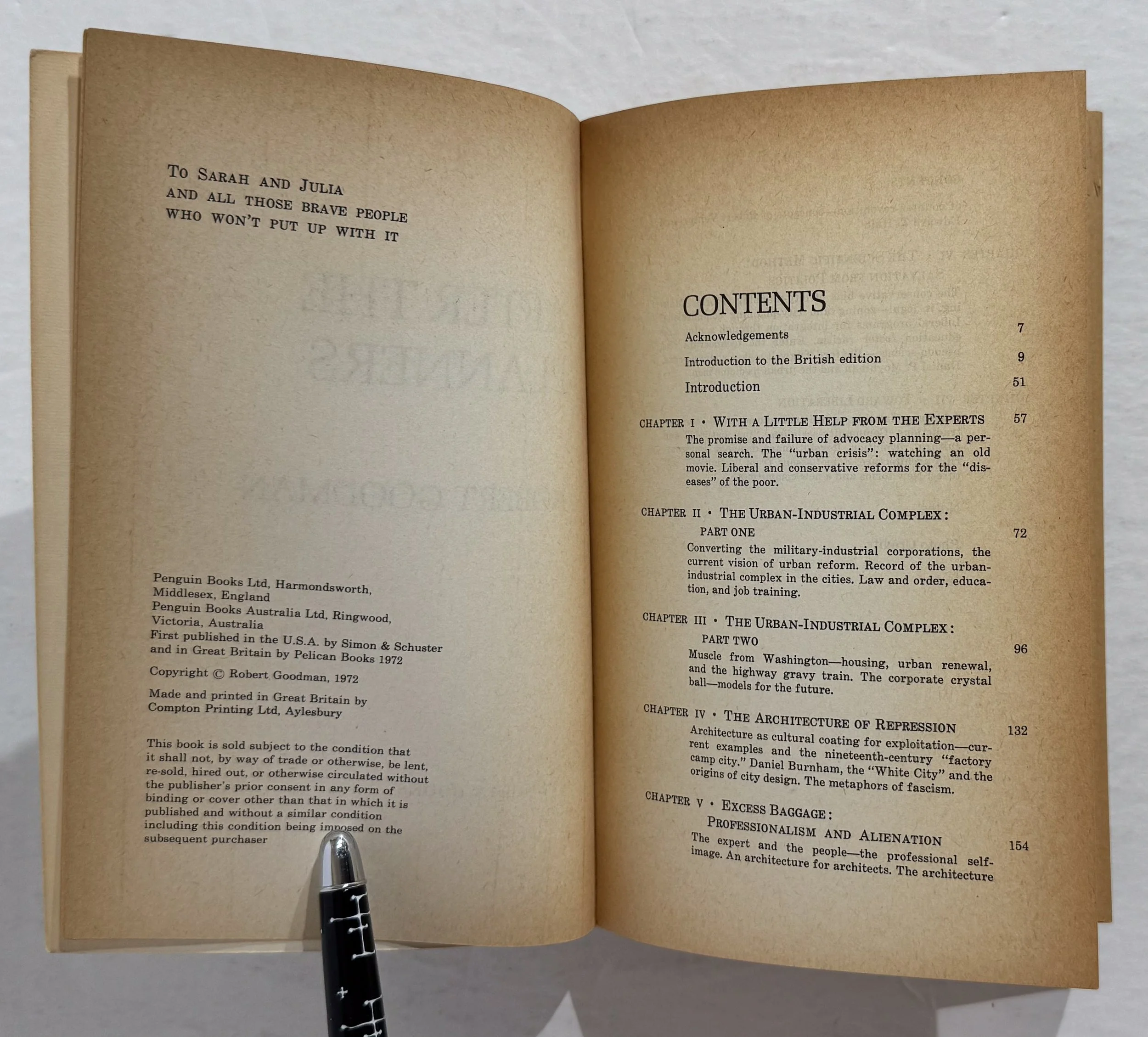 Image 3 of 11
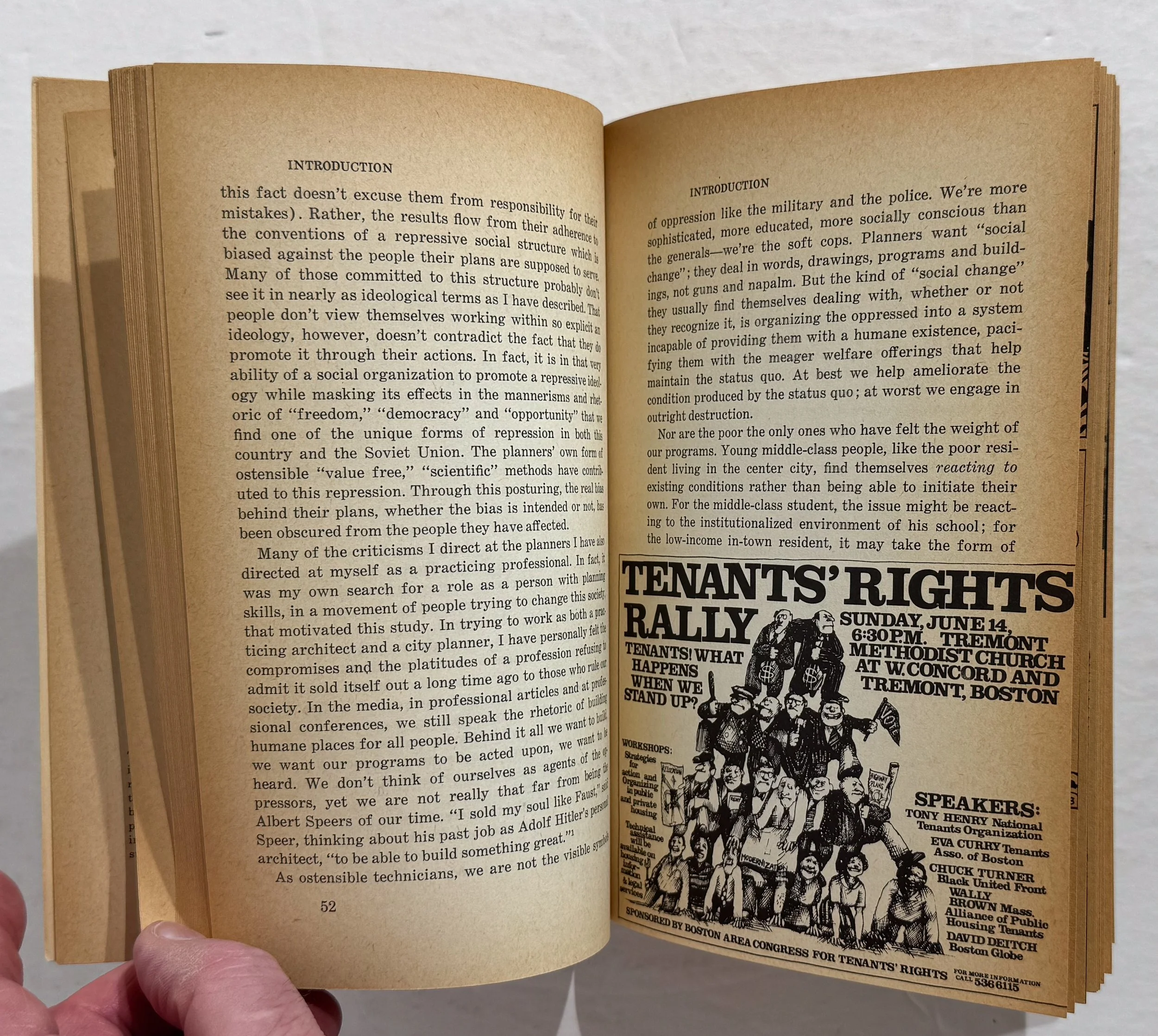 Image 4 of 11
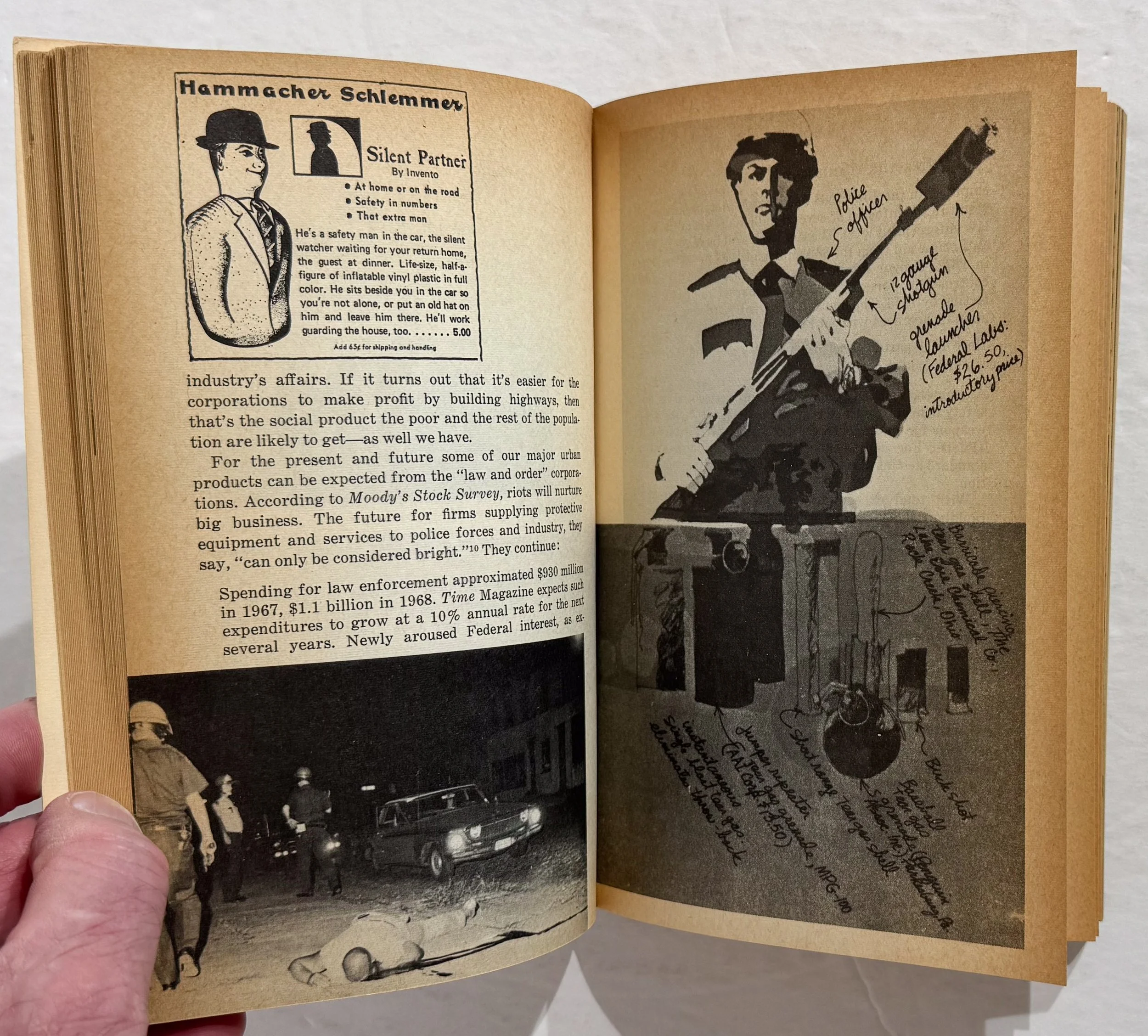 Image 5 of 11
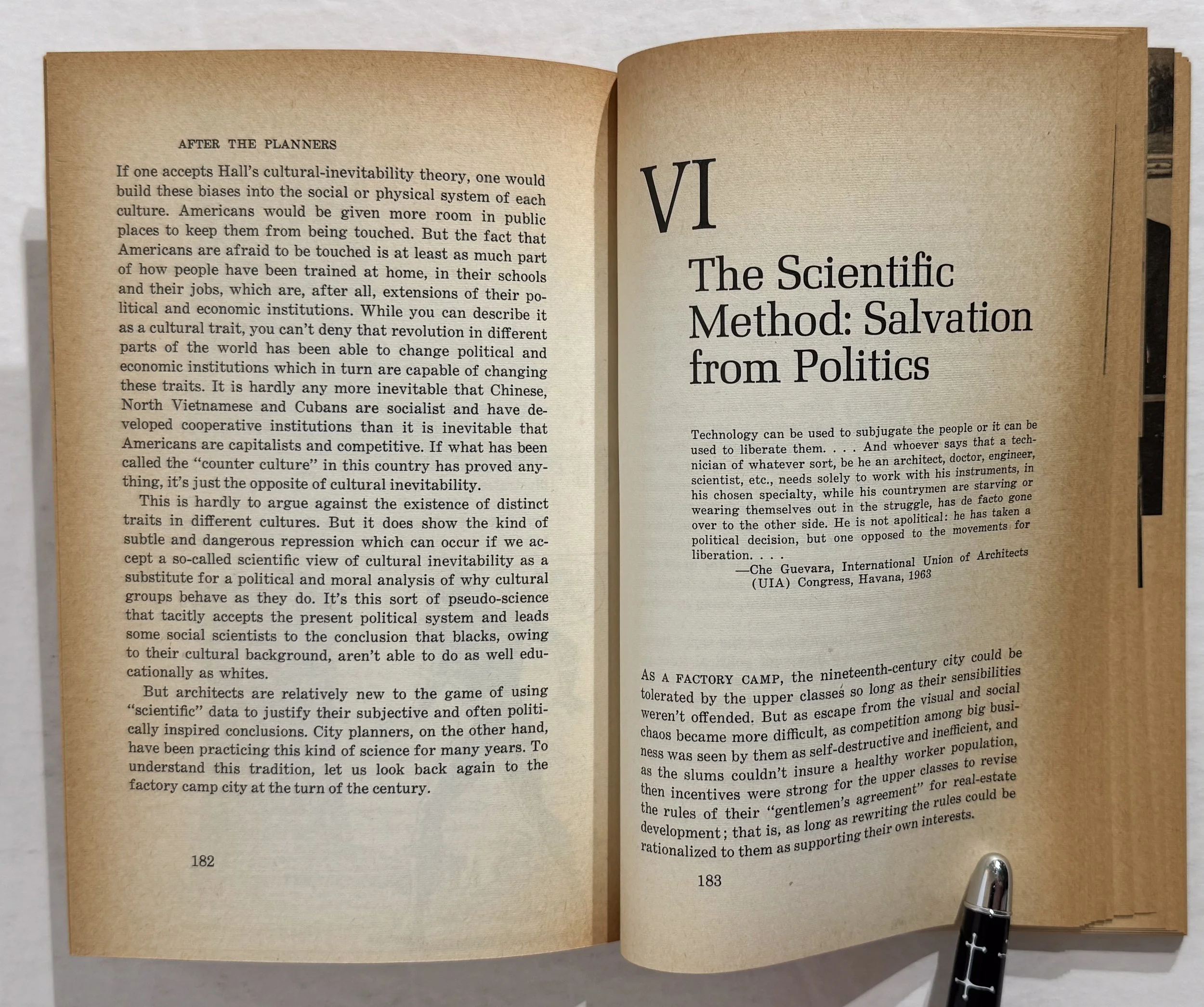 Image 6 of 11
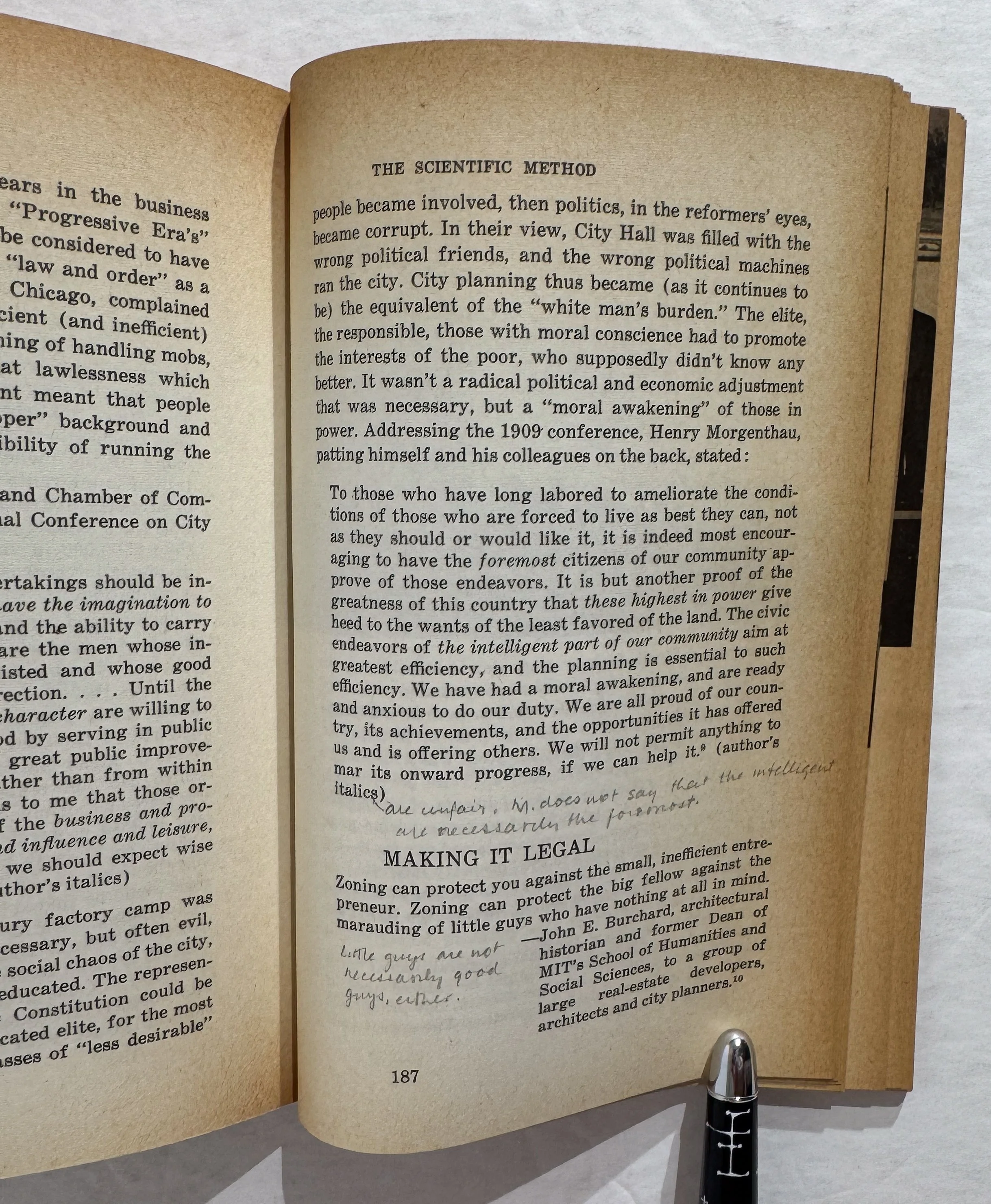 Image 7 of 11
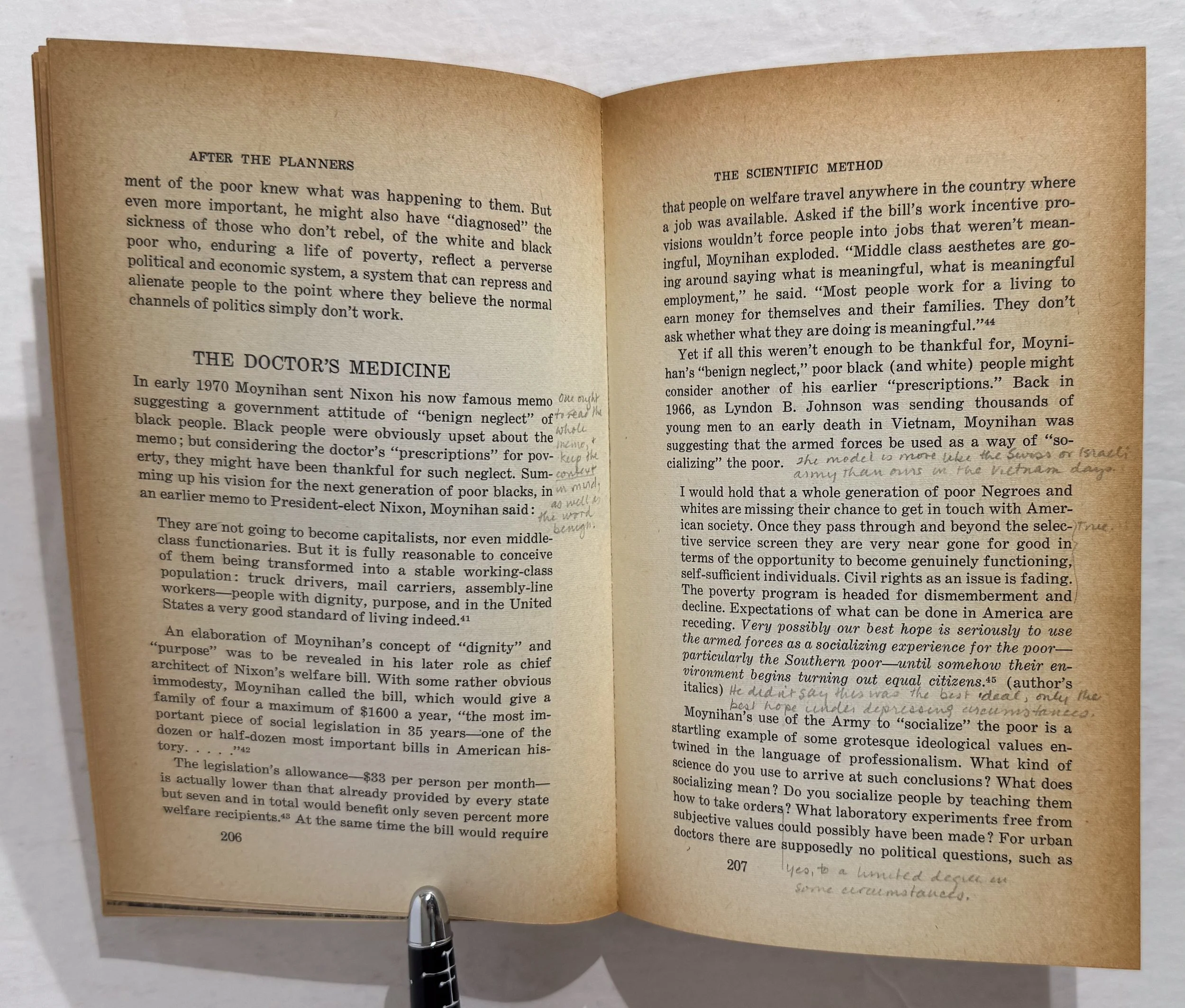 Image 8 of 11
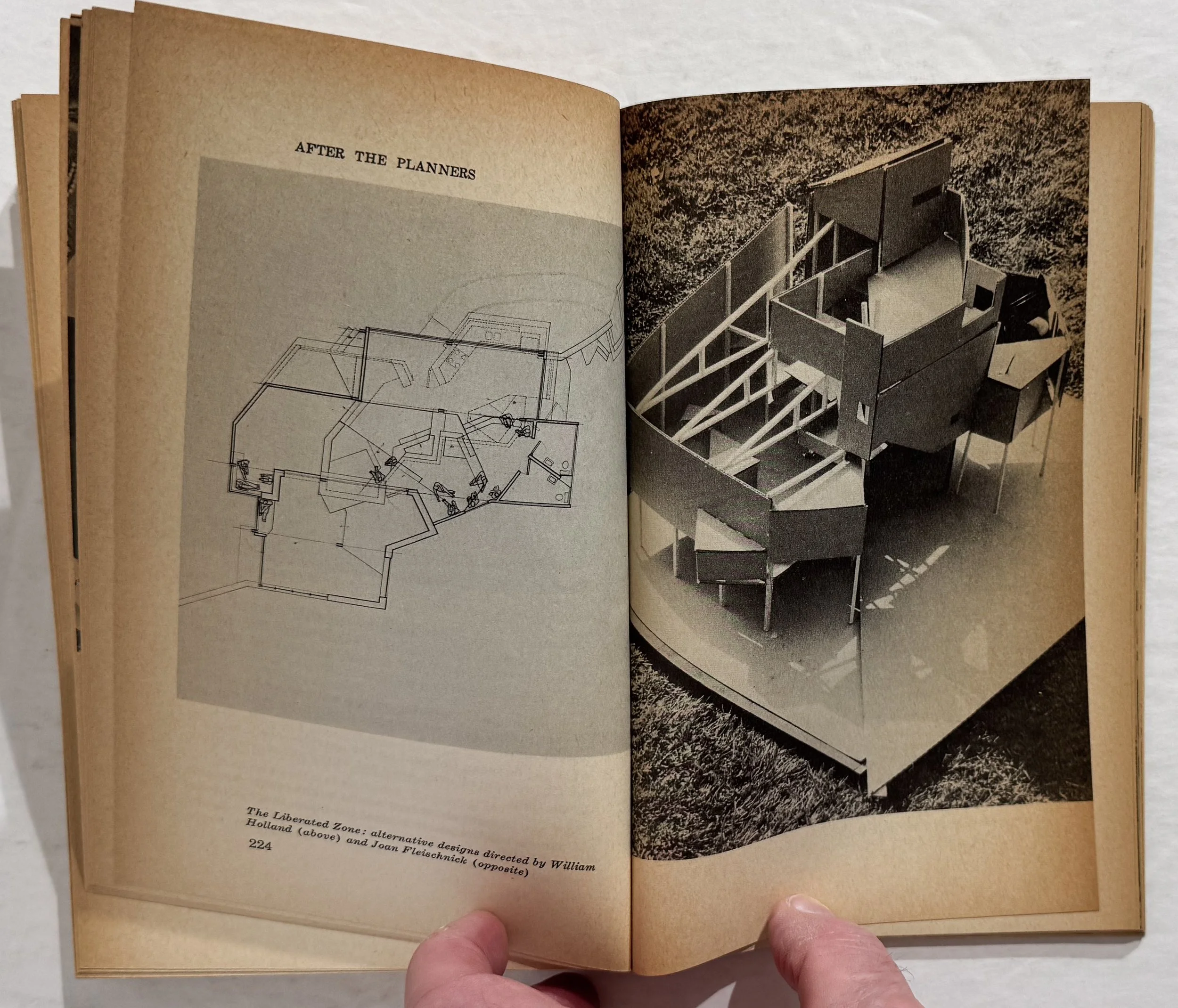 Image 9 of 11
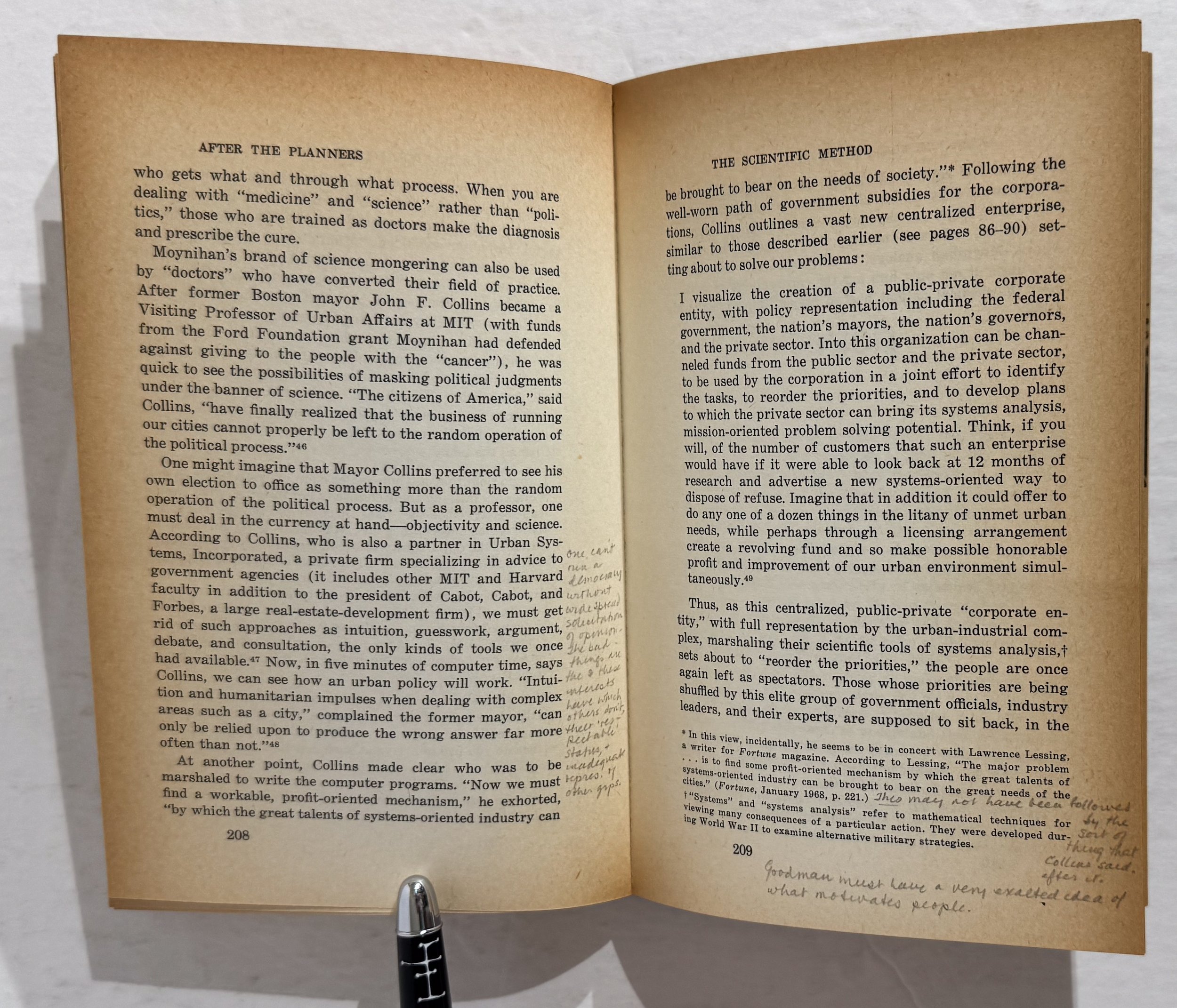 Image 10 of 11
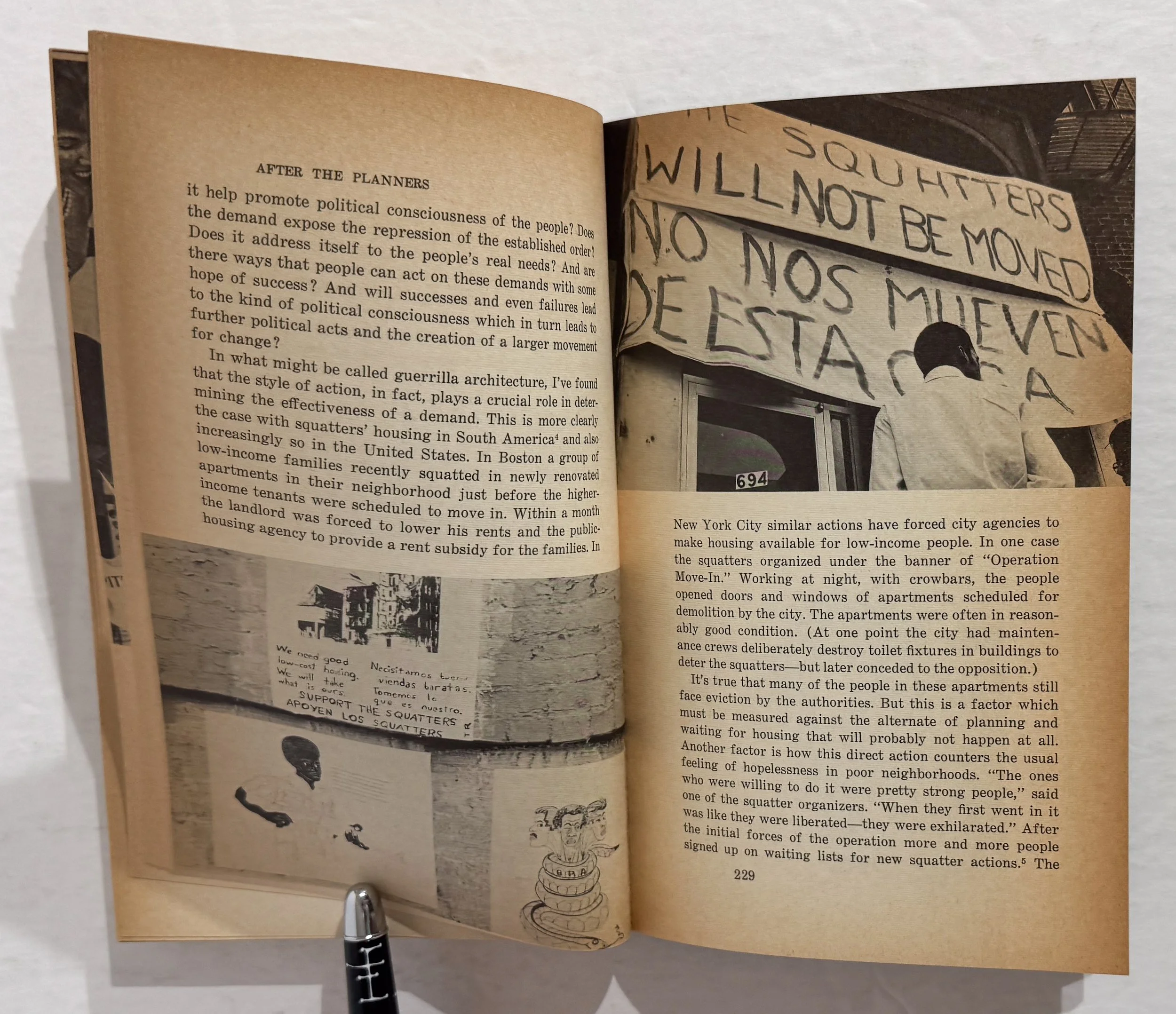 Image 11 of 11