First edition, first printing—one of 1,000 copies—of Antonin and Noemi Raymond’s exposition of cross-cultural architectural modernism. Antonin Raymond (1888-1976) was a Czech-American architect and designer who worked on Cass Gilbert’s Woolworth Building in New York and Frank Lloyd Wright’s Imperial Palace in Tokyo before establishing a practice in Japan with his wife Noemi that lasted from 1922 to 1938. Self-published in Tokyo in 1938 by Antonin Raymond and distributed in the U.S. through Architectural Forum. 4to (9” x 12”), spiral-bound in original woven burlap boards with printed paper title band, (vi) 116 pages including handmade Japanese rice paper endpapers and initial text. Profusely illustrated with b/w photographs, line drawings, plans, and elevations. One of the foundational documents of twentieth-century architecture in Japan and among the most compelling architectural books of the prewar modernist era. Rather than presenting finished buildings as monuments, Raymond focuses on the essential mechanics of construction—floors, walls, ceilings, joints, connections, materials, and structural details—revealing the synthesis of International Style modernism and Japanese building traditions that defined his practice. Designed to lie flat for consultation in the studio, the volume functions as a working architect's manual as much as a monograph. The burlap boards—coarse, durable, unapologetically material—echo the surfaces it documents, while the incorporation of Japanese rice paper similar reflects the underlying design philosophy.
Almost as a bonus is a concluding section showcasing the Raymond office’s furniture designs, documenting their integrated approach to architecture, interiors, and furnishings. Illustrated with measured drawings paired with photographic examples, the section presents custom-designed chairs, tables, sofas, desks, screens, and accessories created for Raymond commissions during the 1930s. Blending tubular steel, wood, rattan, woven surfaces, upholstered forms, and Japanese proportions, the designs embody the distinctive synthesis of modernist construction and traditional craft that defined the Raymond practice. Many of the furnishings appear to have been produced specifically for Raymond projects and survive today primarily through the documentation provided here. Increasingly recognized as reflecting the contributions if not the authorship of Noémi Raymond (and with assistance from a young employee, George Nakashima), these plates constitute one of the earliest and most important published records of furniture associated with the Raymond office and transform Architectural Details from a technical handbook into a statement of Gesamtkunsterk.
An exceptional copy, and the finest example we have encountered. The burlap boards remain unusually fresh and bright, the printed title band clean and intact, the spiral binding strong, and the contents remarkably crisp and well-preserved. A landmark of modern architecture, increasingly difficult to acquire in collector-grade condition.
First edition, first printing—one of 1,000 copies—of Antonin and Noemi Raymond’s exposition of cross-cultural architectural modernism. Antonin Raymond (1888-1976) was a Czech-American architect and designer who worked on Cass Gilbert’s Woolworth Building in New York and Frank Lloyd Wright’s Imperial Palace in Tokyo before establishing a practice in Japan with his wife Noemi that lasted from 1922 to 1938. Self-published in Tokyo in 1938 by Antonin Raymond and distributed in the U.S. through Architectural Forum. 4to (9” x 12”), spiral-bound in original woven burlap boards with printed paper title band, (vi) 116 pages including handmade Japanese rice paper endpapers and initial text. Profusely illustrated with b/w photographs, line drawings, plans, and elevations. One of the foundational documents of twentieth-century architecture in Japan and among the most compelling architectural books of the prewar modernist era. Rather than presenting finished buildings as monuments, Raymond focuses on the essential mechanics of construction—floors, walls, ceilings, joints, connections, materials, and structural details—revealing the synthesis of International Style modernism and Japanese building traditions that defined his practice. Designed to lie flat for consultation in the studio, the volume functions as a working architect's manual as much as a monograph. The burlap boards—coarse, durable, unapologetically material—echo the surfaces it documents, while the incorporation of Japanese rice paper similar reflects the underlying design philosophy.
Almost as a bonus is a concluding section showcasing the Raymond office’s furniture designs, documenting their integrated approach to architecture, interiors, and furnishings. Illustrated with measured drawings paired with photographic examples, the section presents custom-designed chairs, tables, sofas, desks, screens, and accessories created for Raymond commissions during the 1930s. Blending tubular steel, wood, rattan, woven surfaces, upholstered forms, and Japanese proportions, the designs embody the distinctive synthesis of modernist construction and traditional craft that defined the Raymond practice. Many of the furnishings appear to have been produced specifically for Raymond projects and survive today primarily through the documentation provided here. Increasingly recognized as reflecting the contributions if not the authorship of Noémi Raymond (and with assistance from a young employee, George Nakashima), these plates constitute one of the earliest and most important published records of furniture associated with the Raymond office and transform Architectural Details from a technical handbook into a statement of Gesamtkunsterk.
An exceptional copy, and the finest example we have encountered. The burlap boards remain unusually fresh and bright, the printed title band clean and intact, the spiral binding strong, and the contents remarkably crisp and well-preserved. A landmark of modern architecture, increasingly difficult to acquire in collector-grade condition.

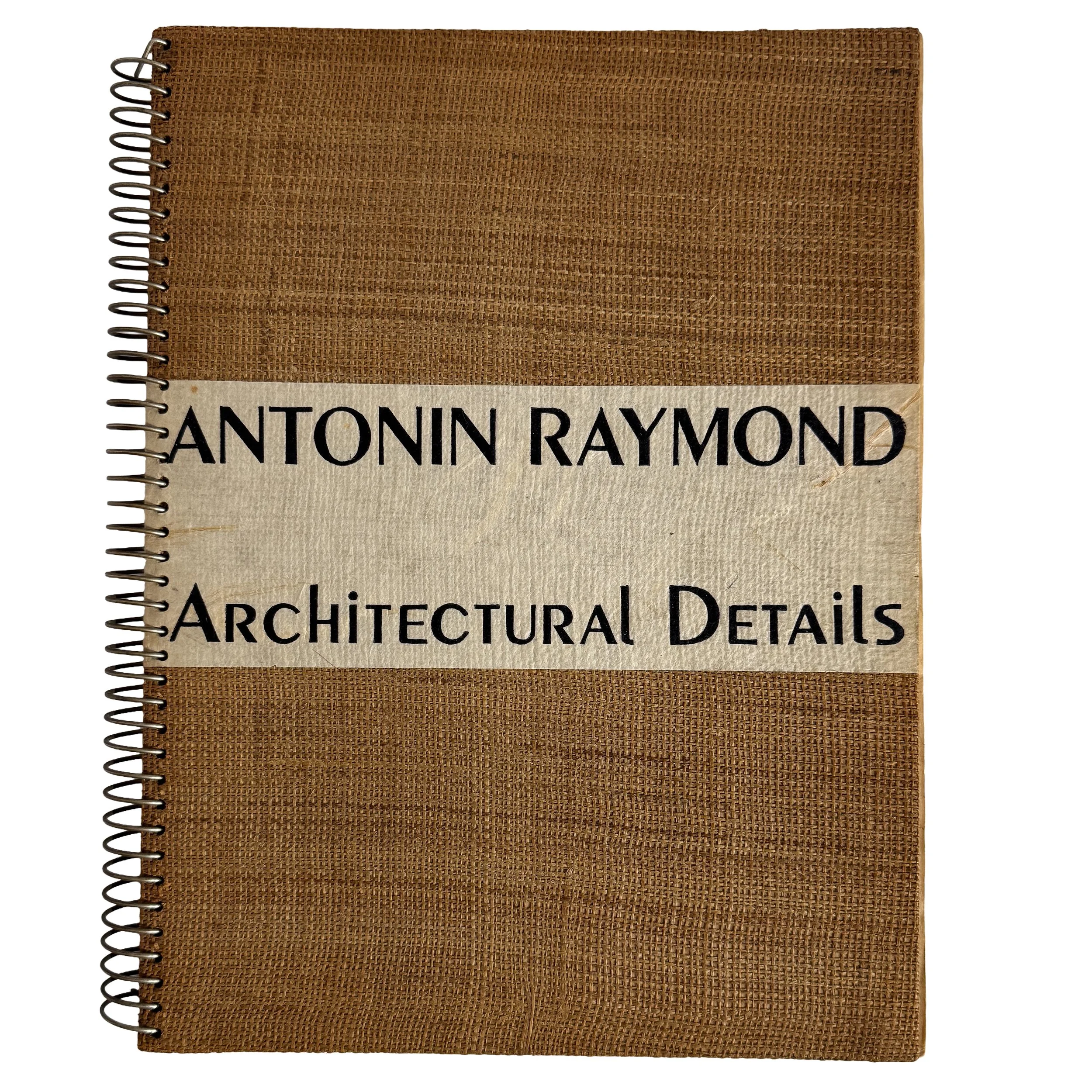 Image 1 of 21
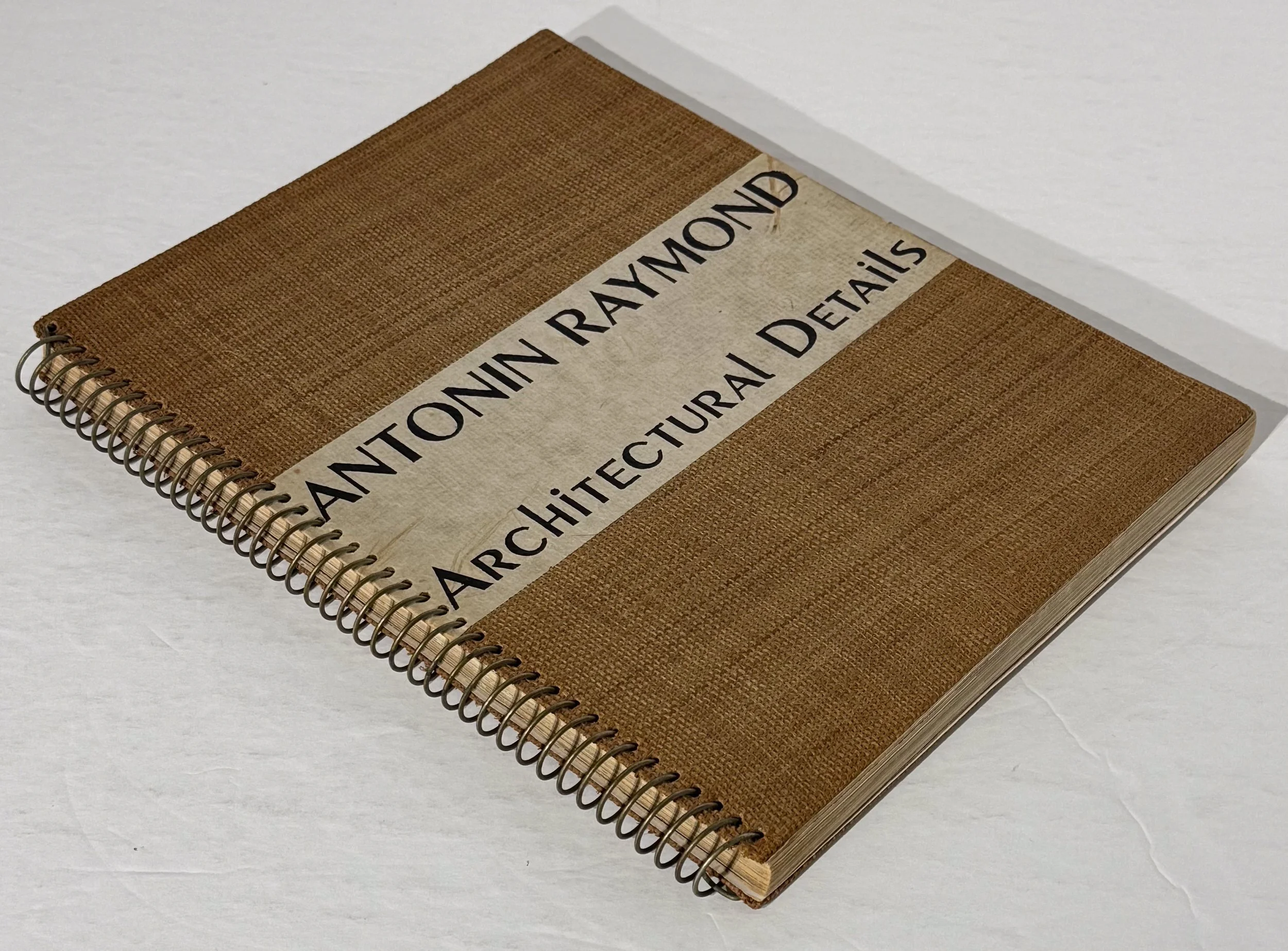 Image 2 of 21
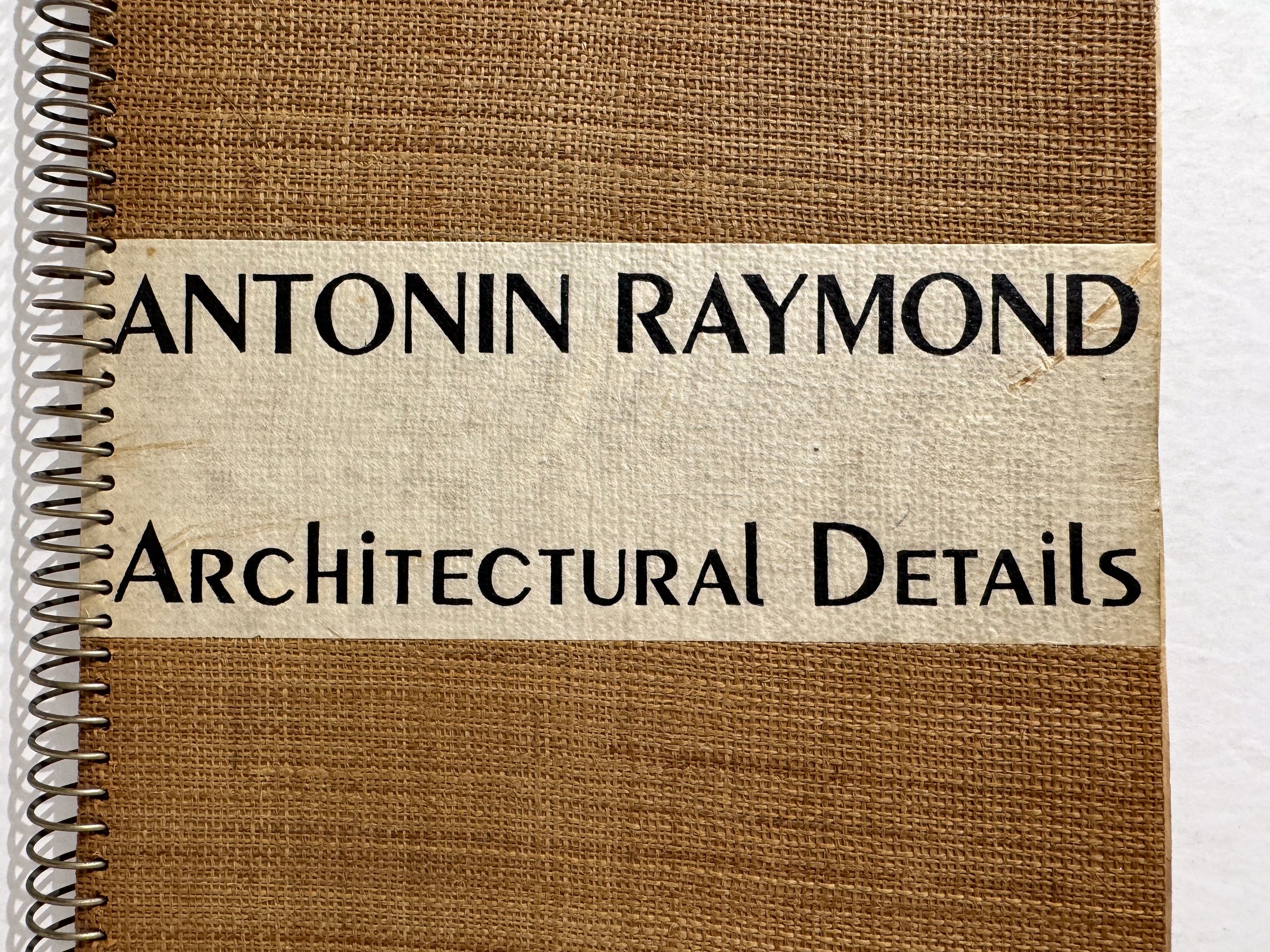 Image 3 of 21
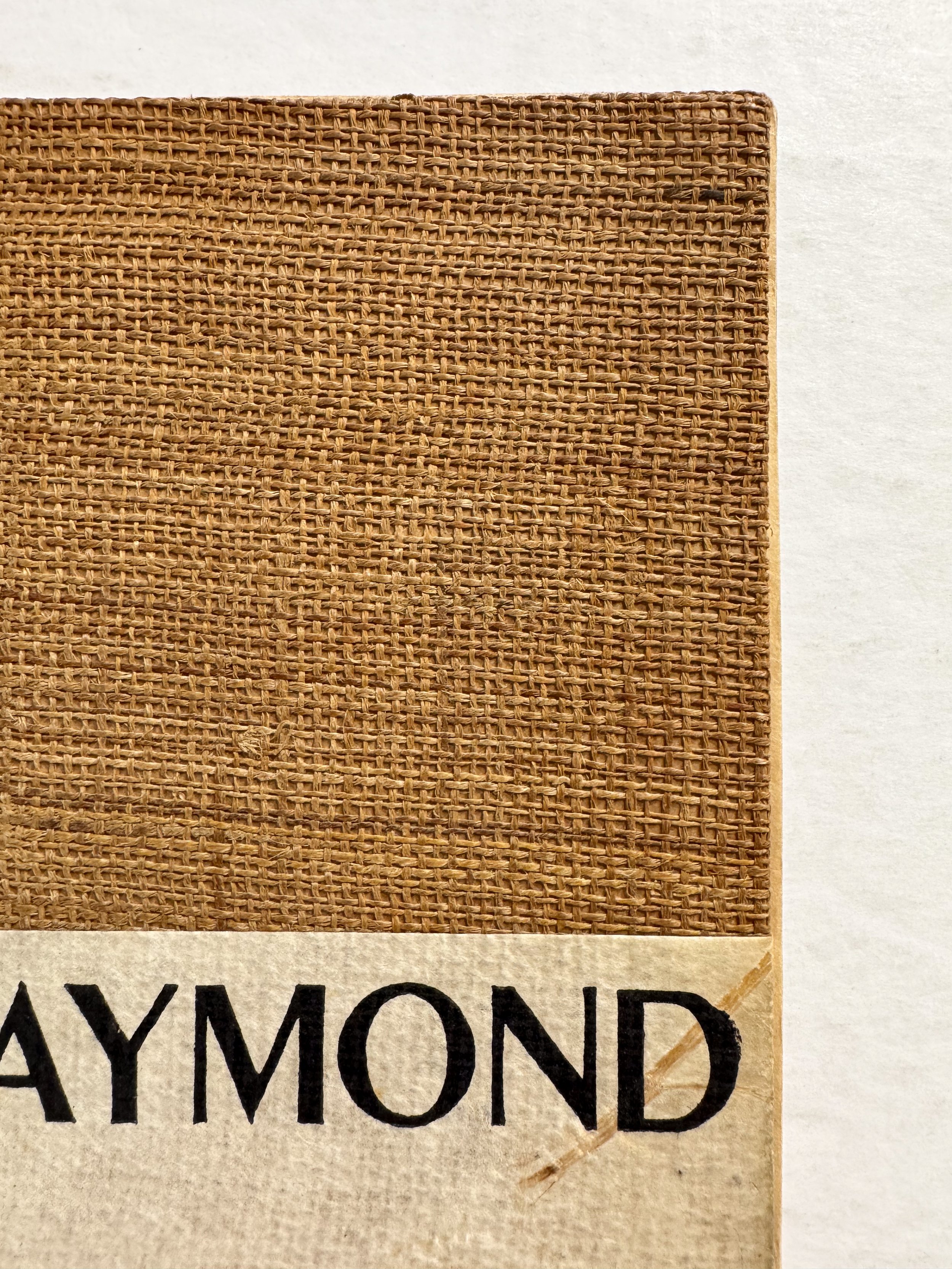 Image 4 of 21
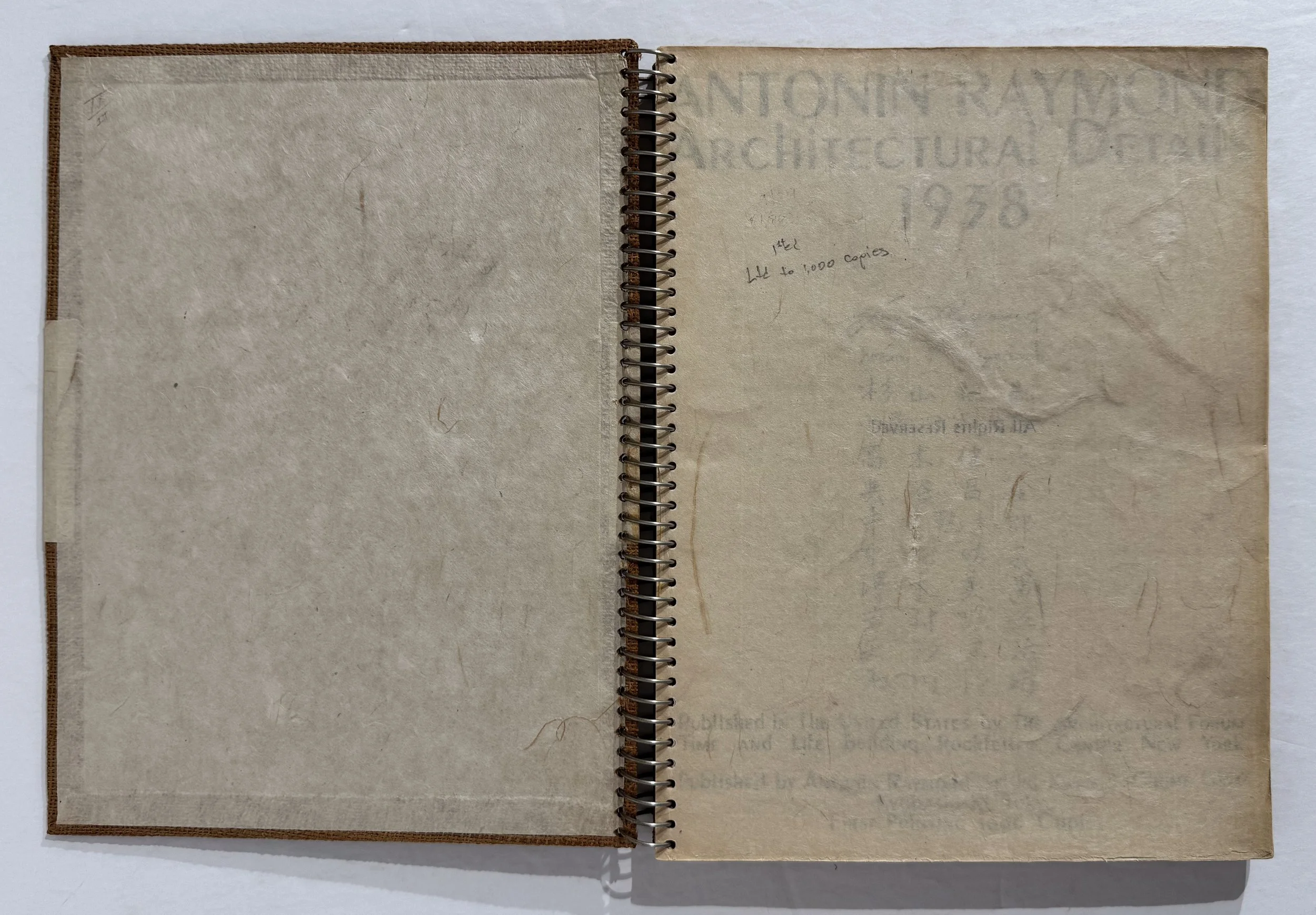 Image 5 of 21
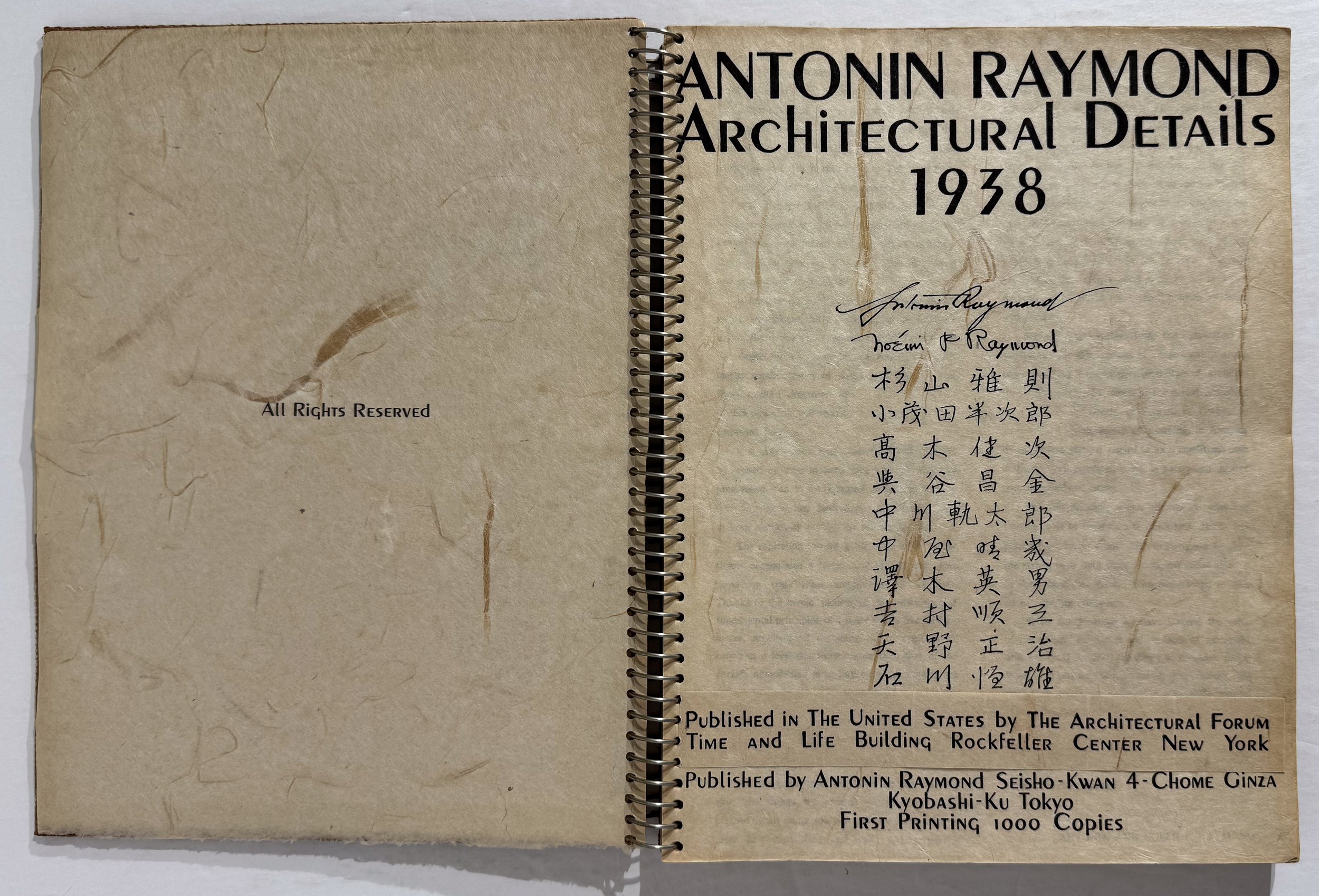 Image 6 of 21
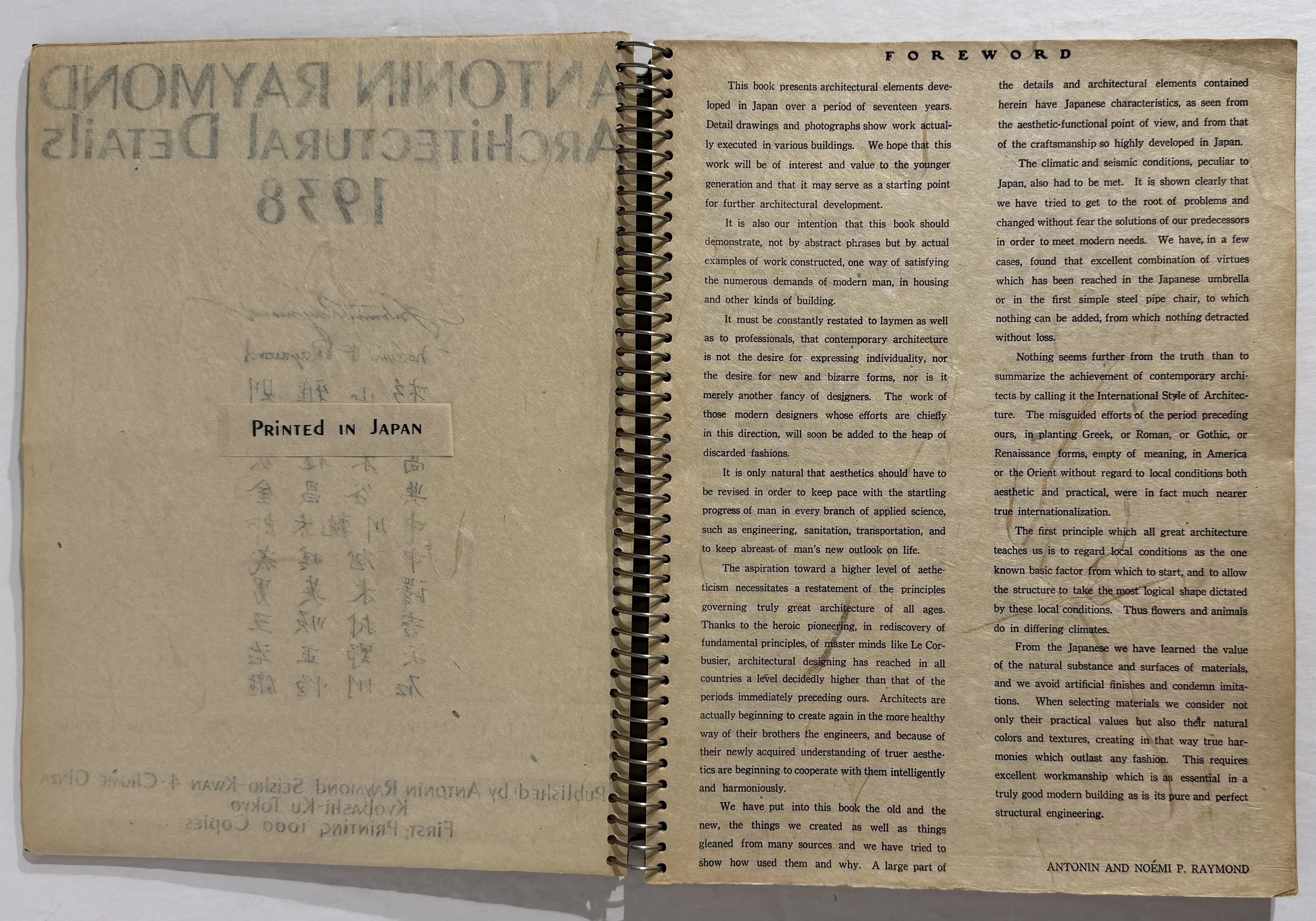 Image 7 of 21
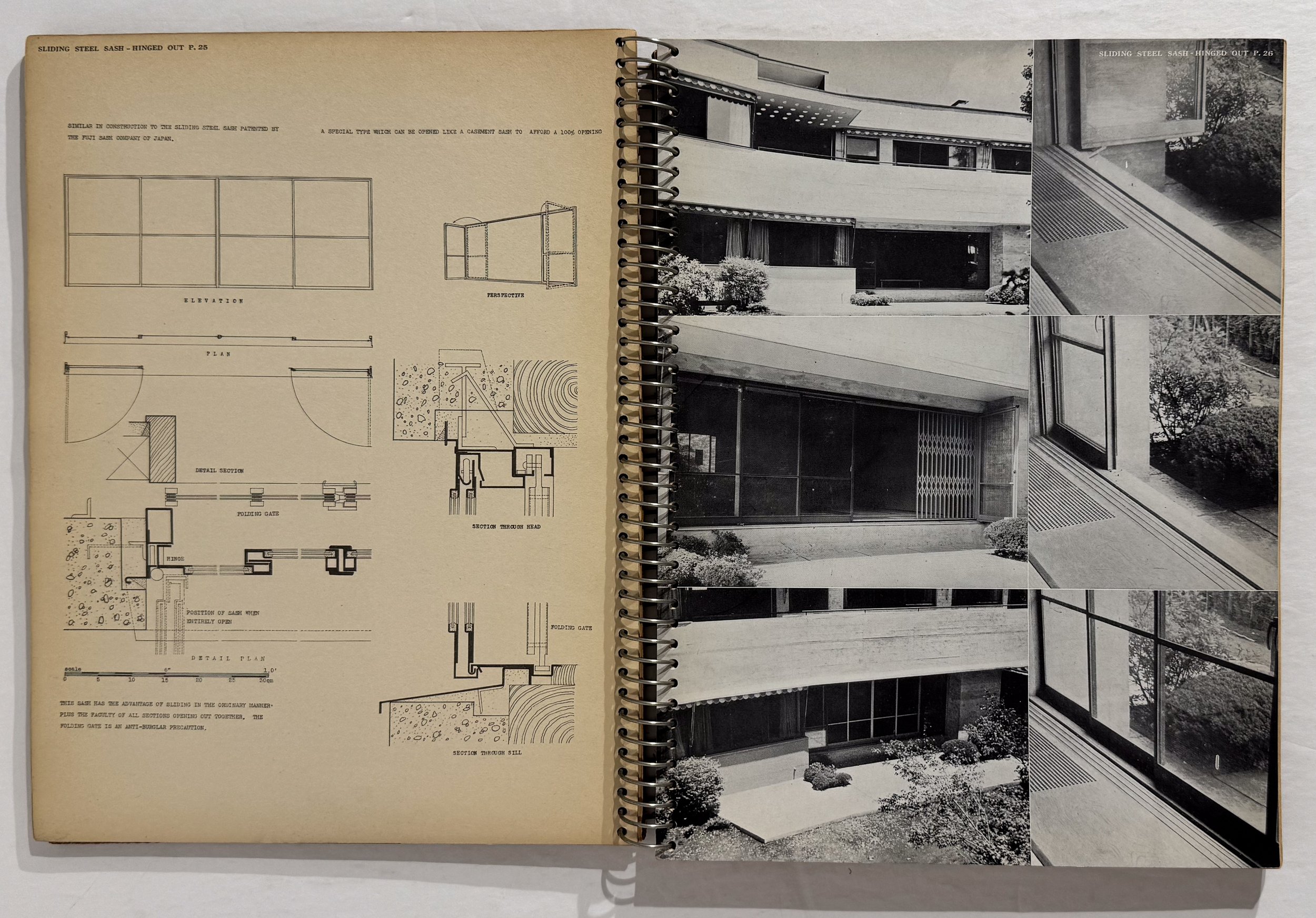 Image 8 of 21
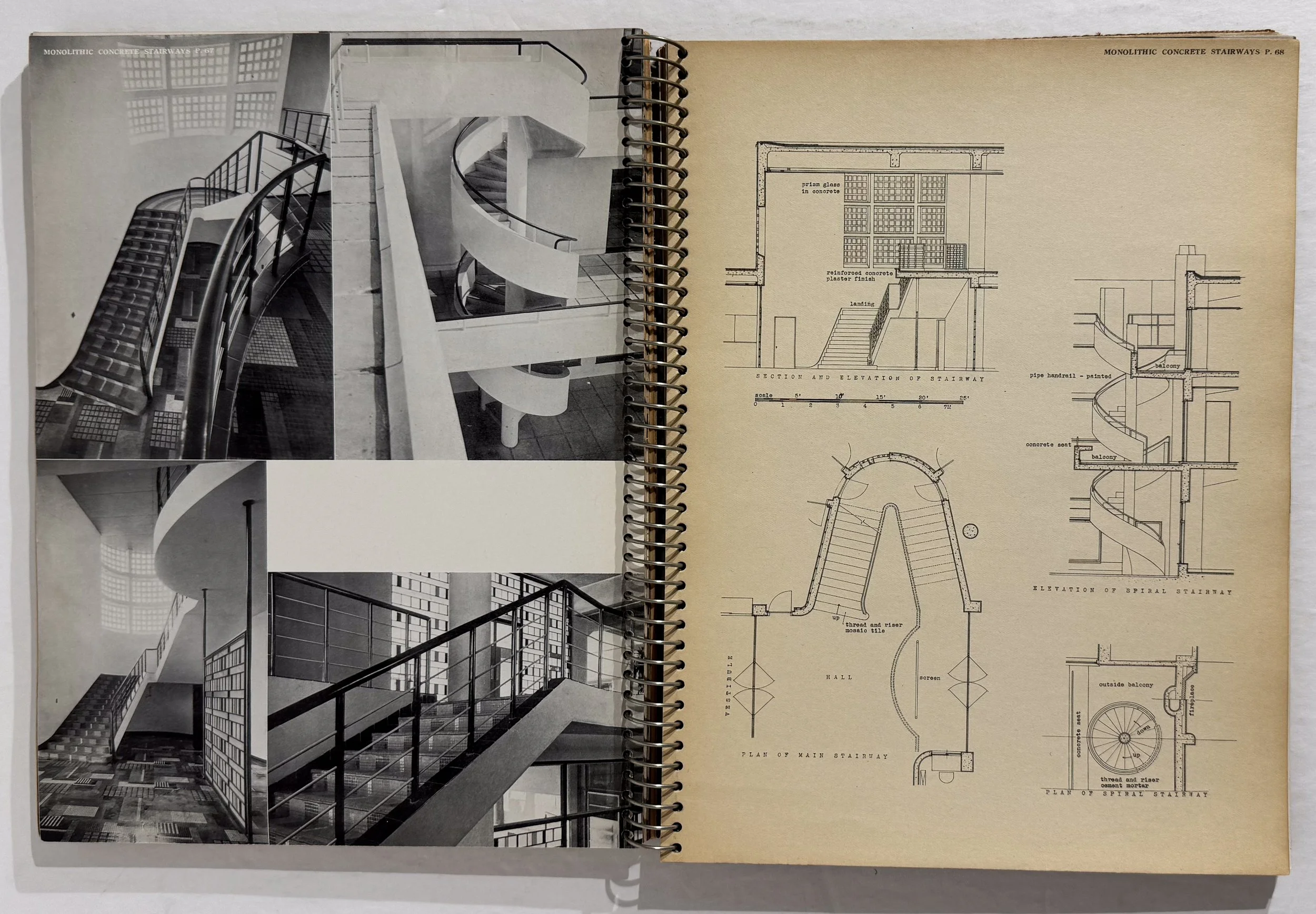 Image 9 of 21
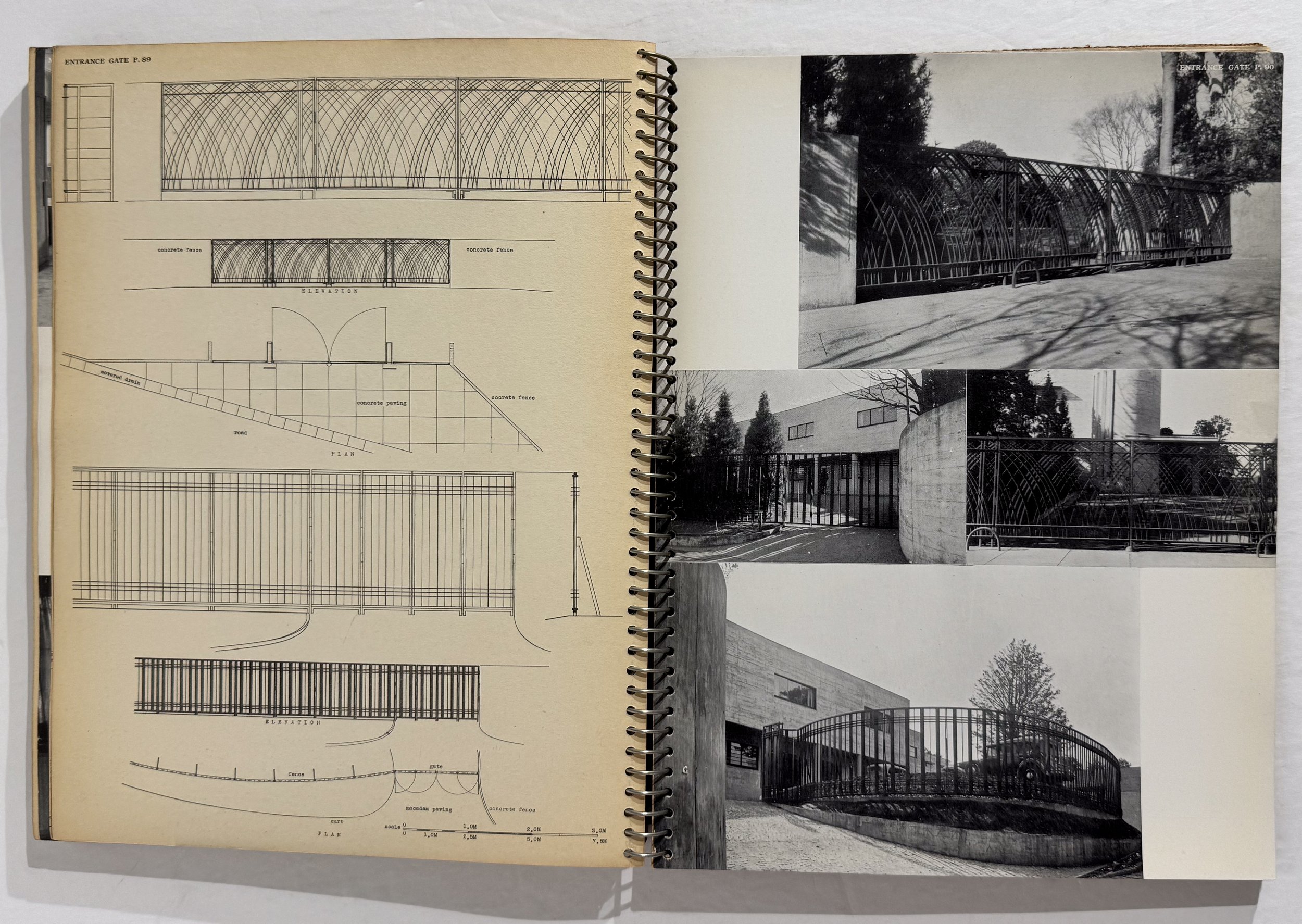 Image 10 of 21
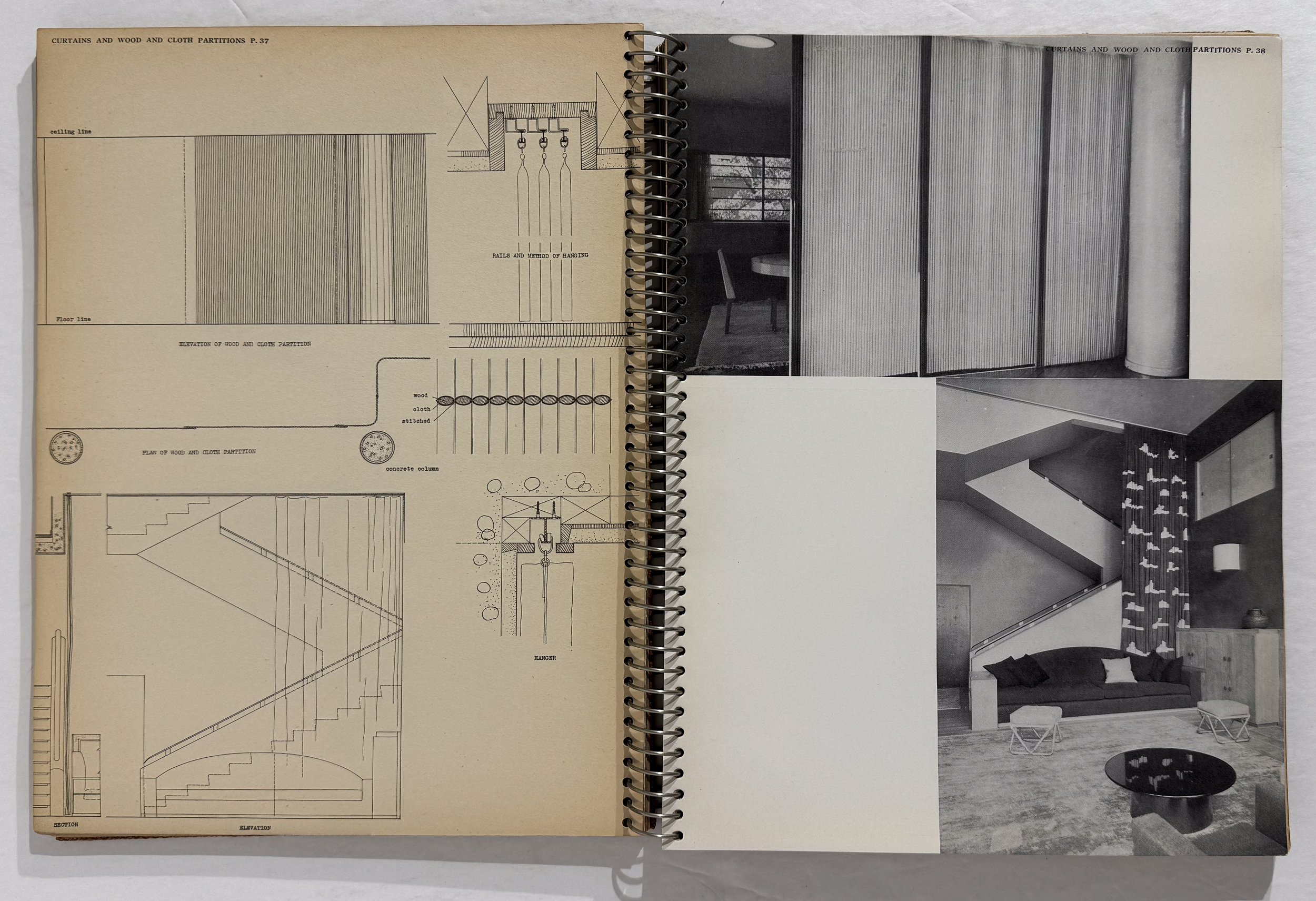 Image 11 of 21
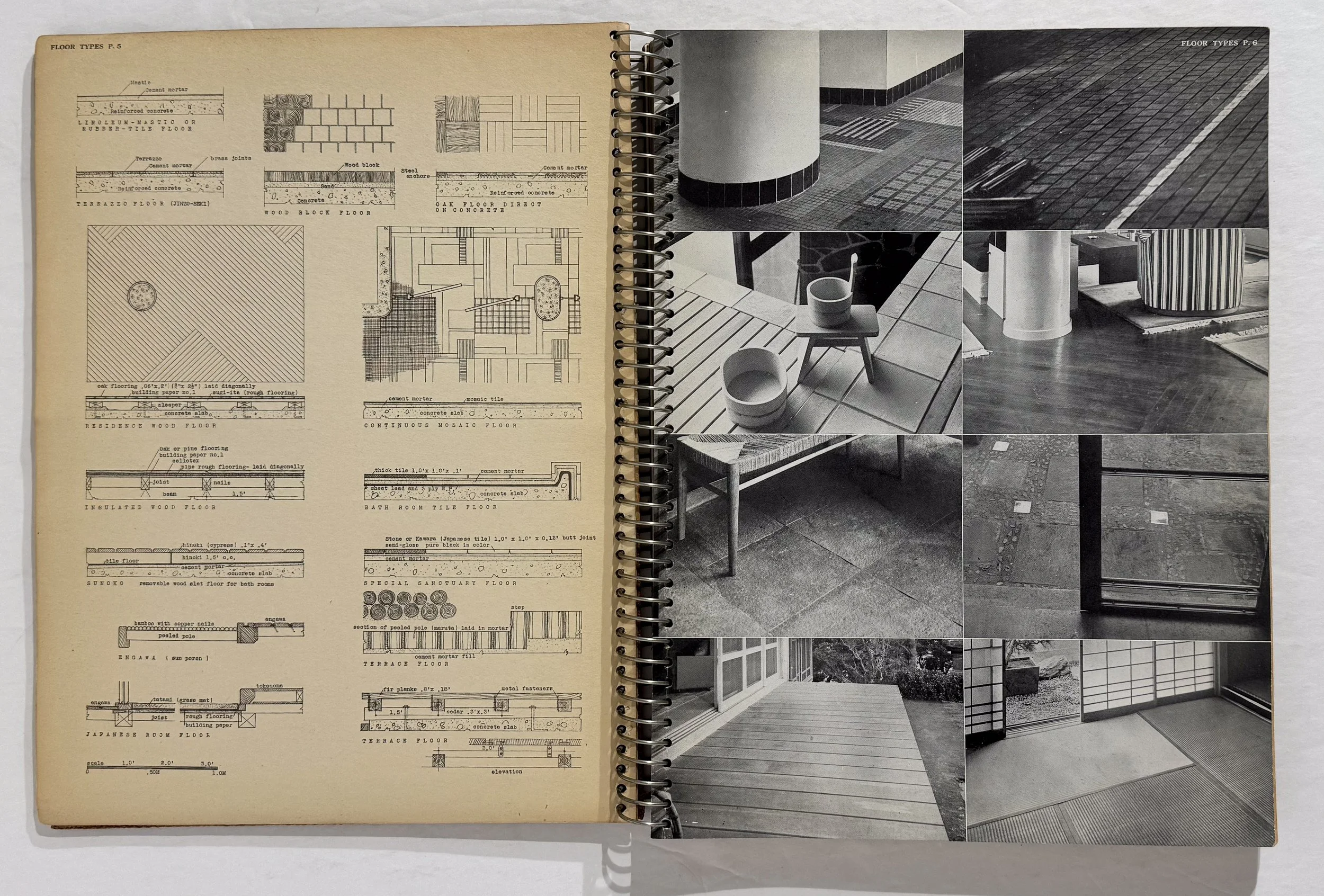 Image 12 of 21
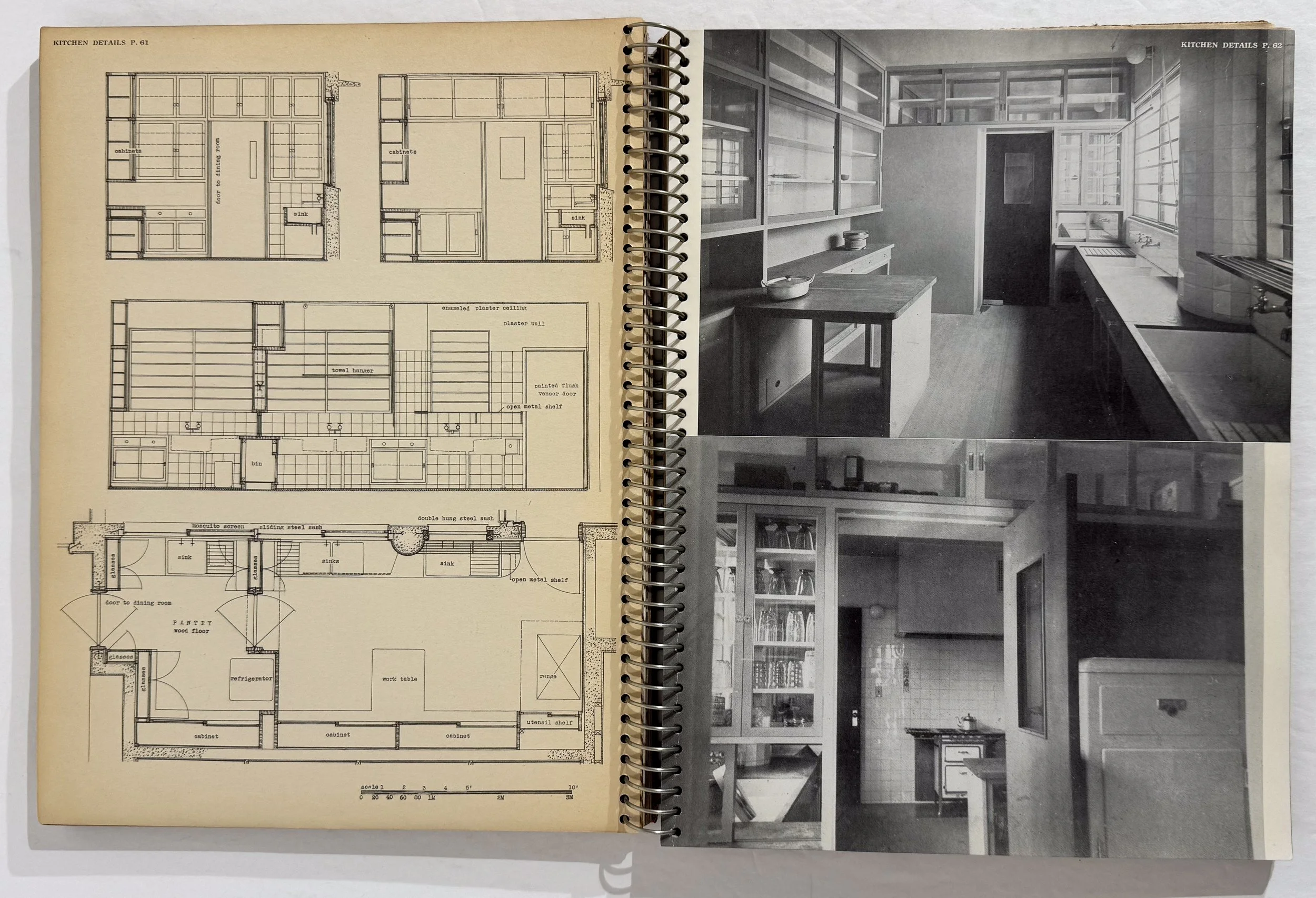 Image 13 of 21
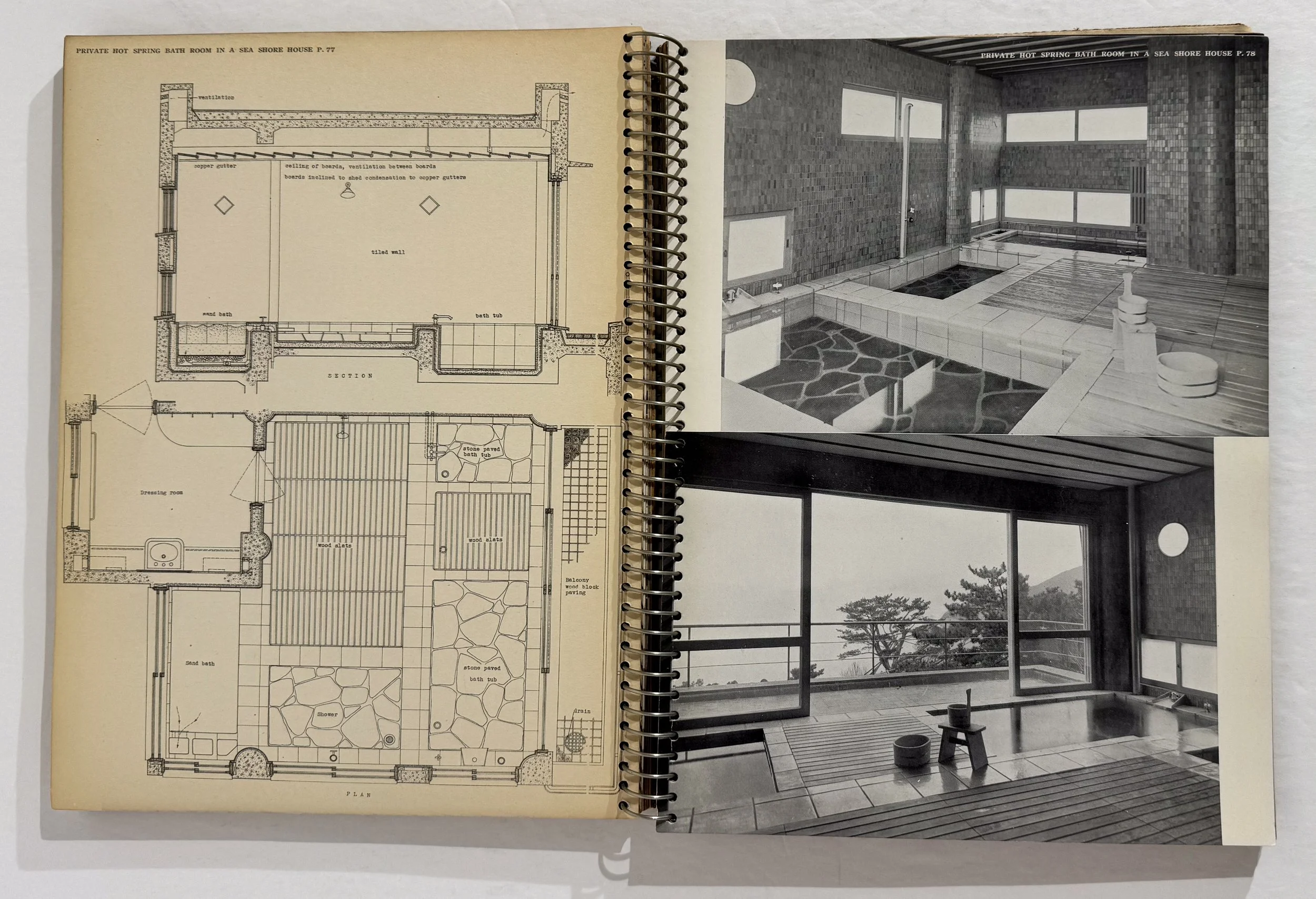 Image 14 of 21
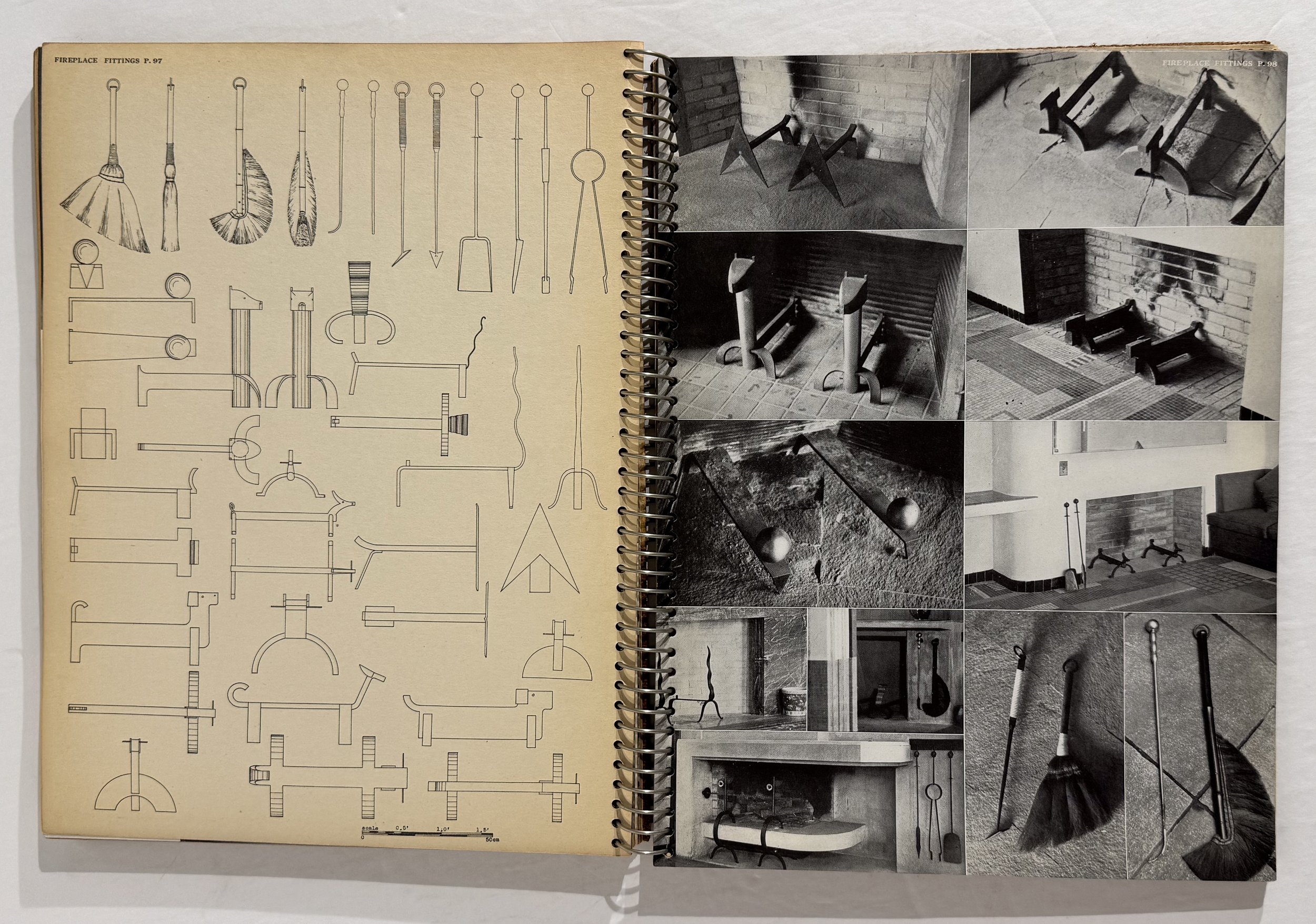 Image 15 of 21
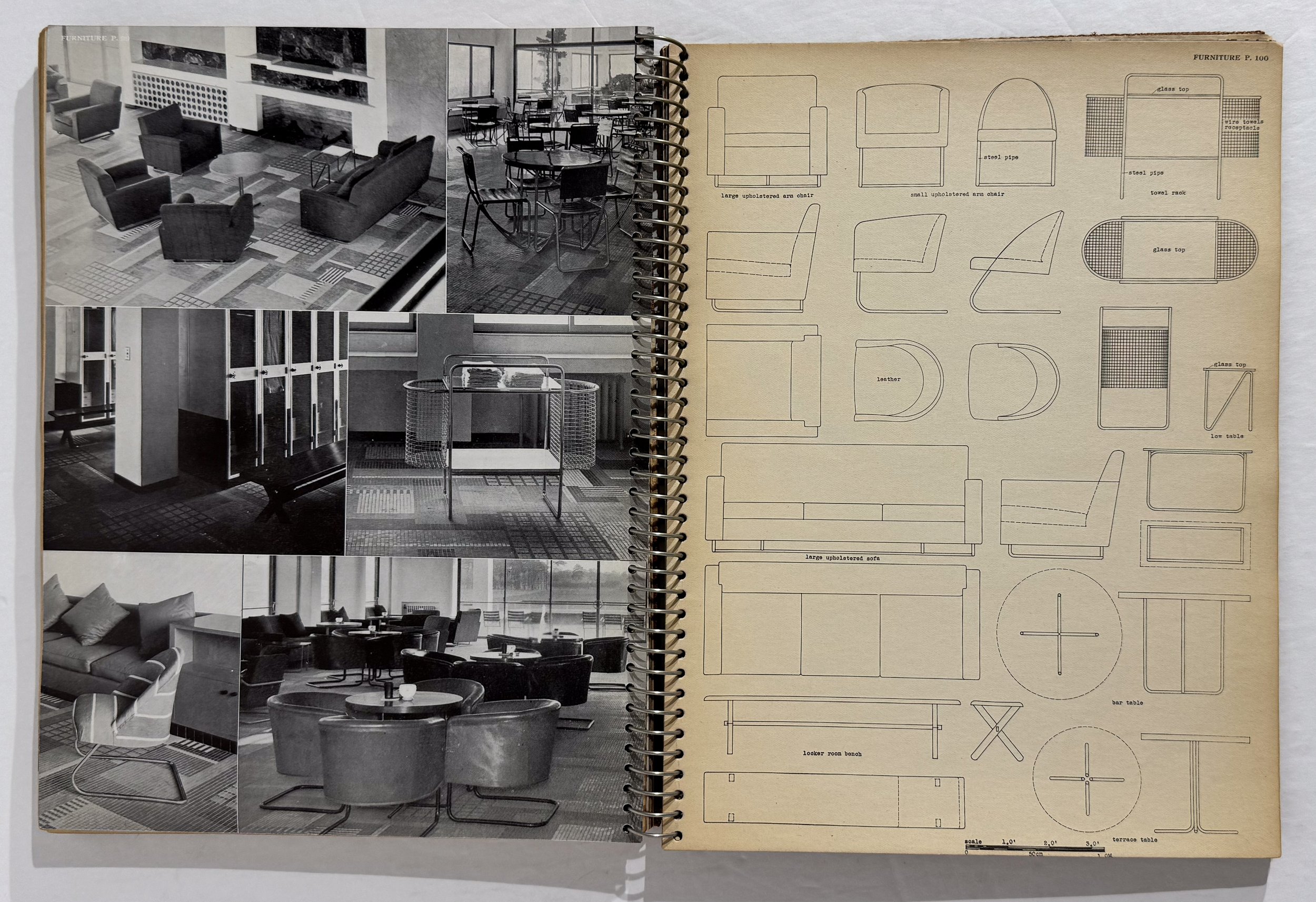 Image 16 of 21
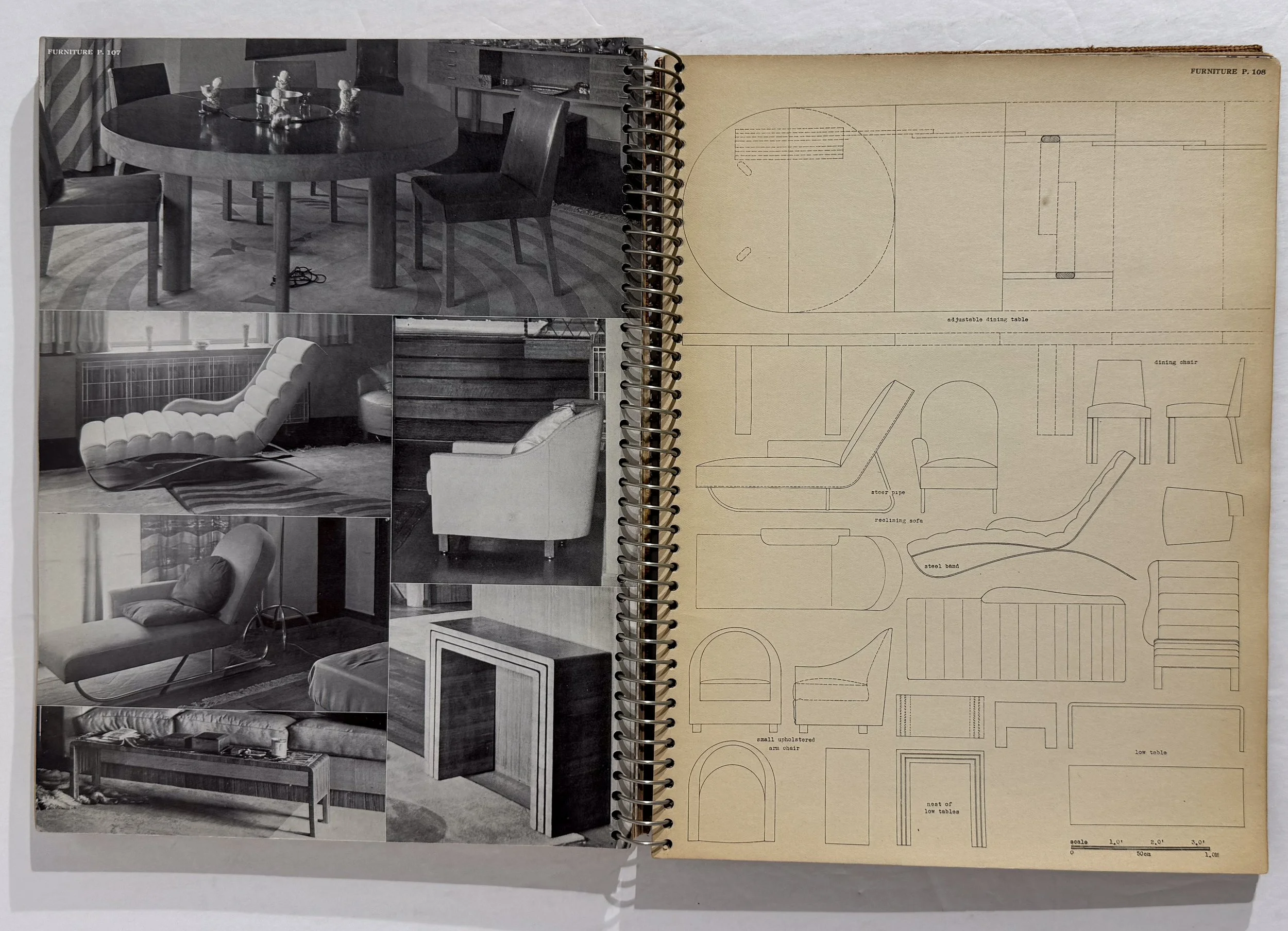 Image 17 of 21
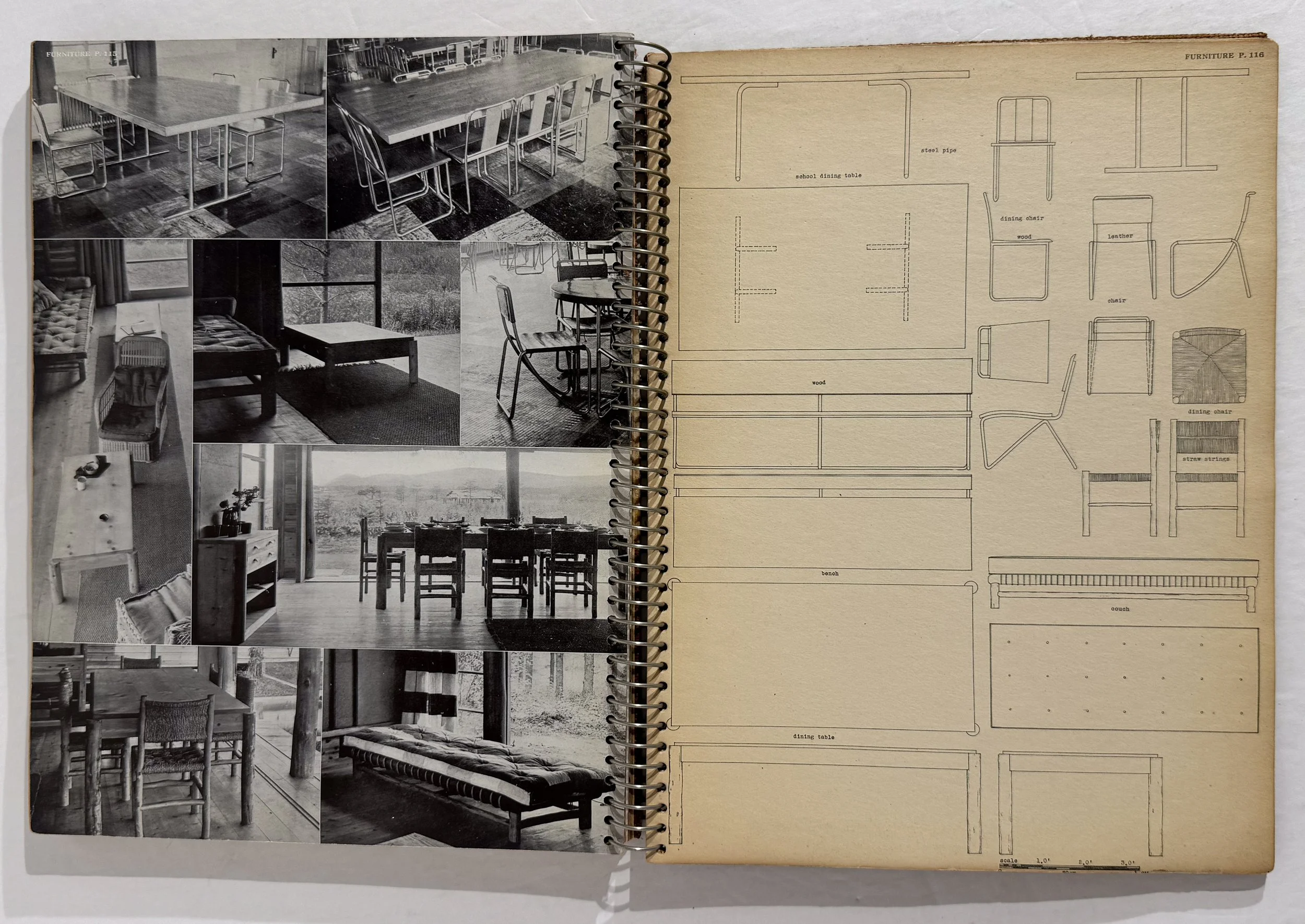 Image 18 of 21
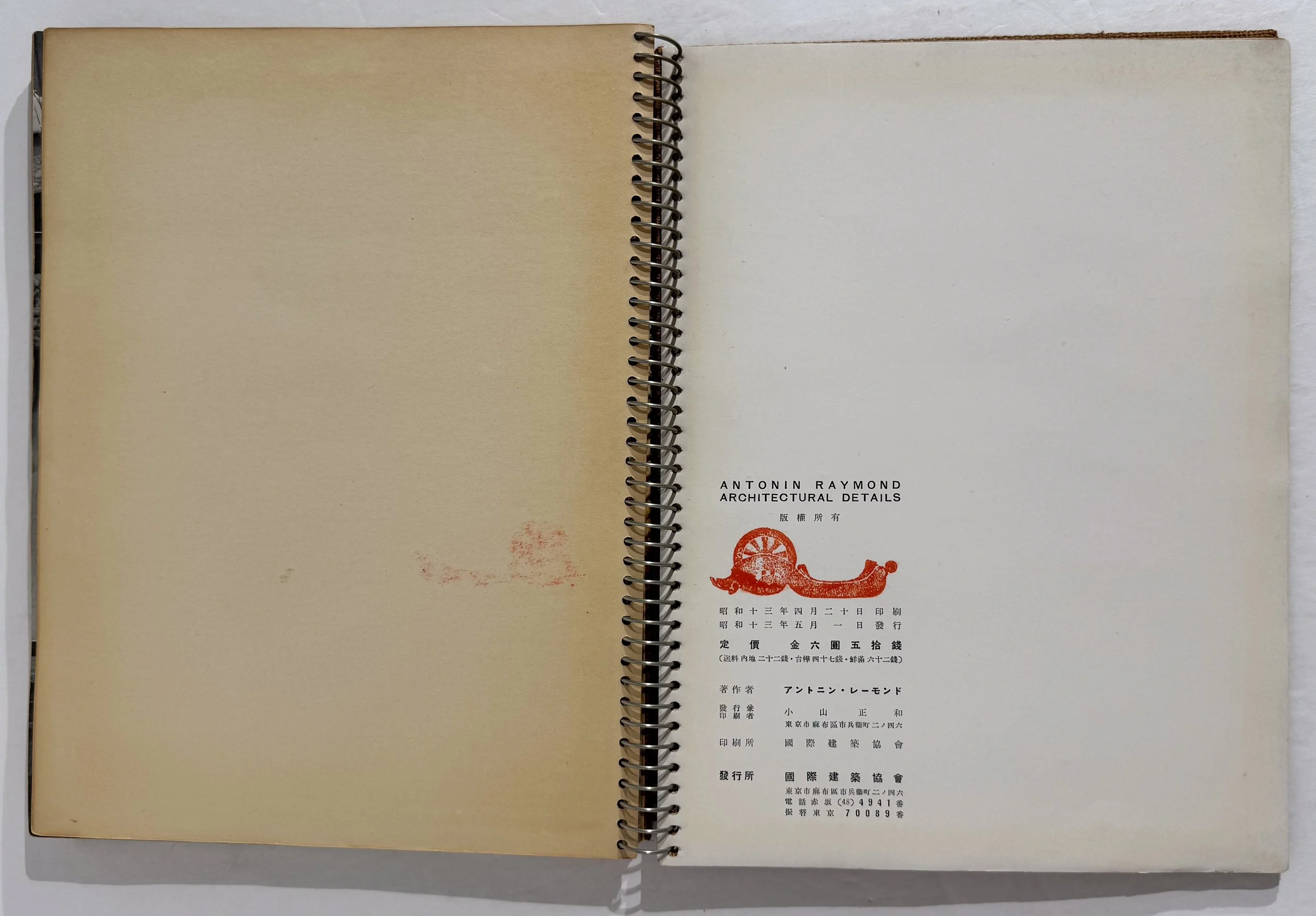 Image 19 of 21
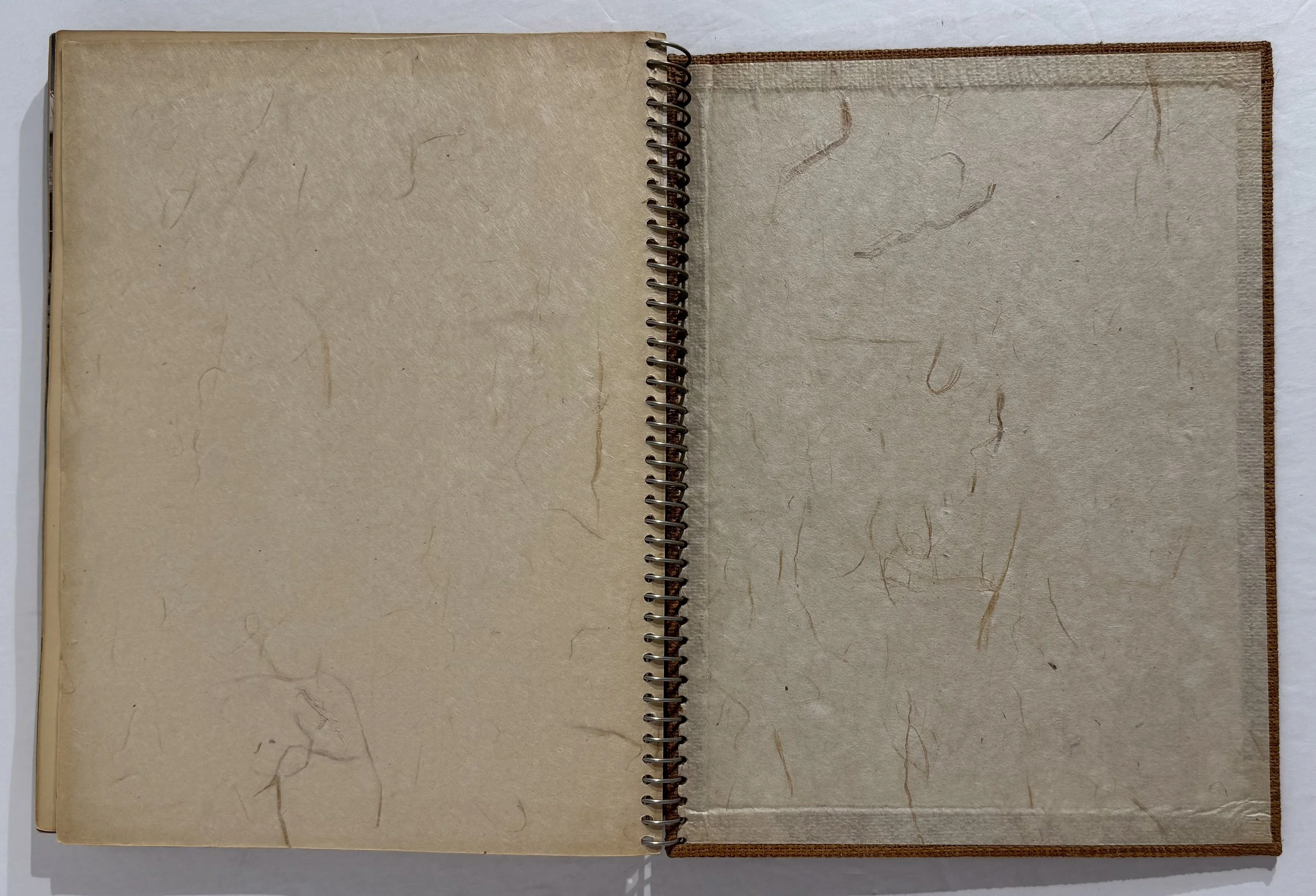 Image 20 of 21
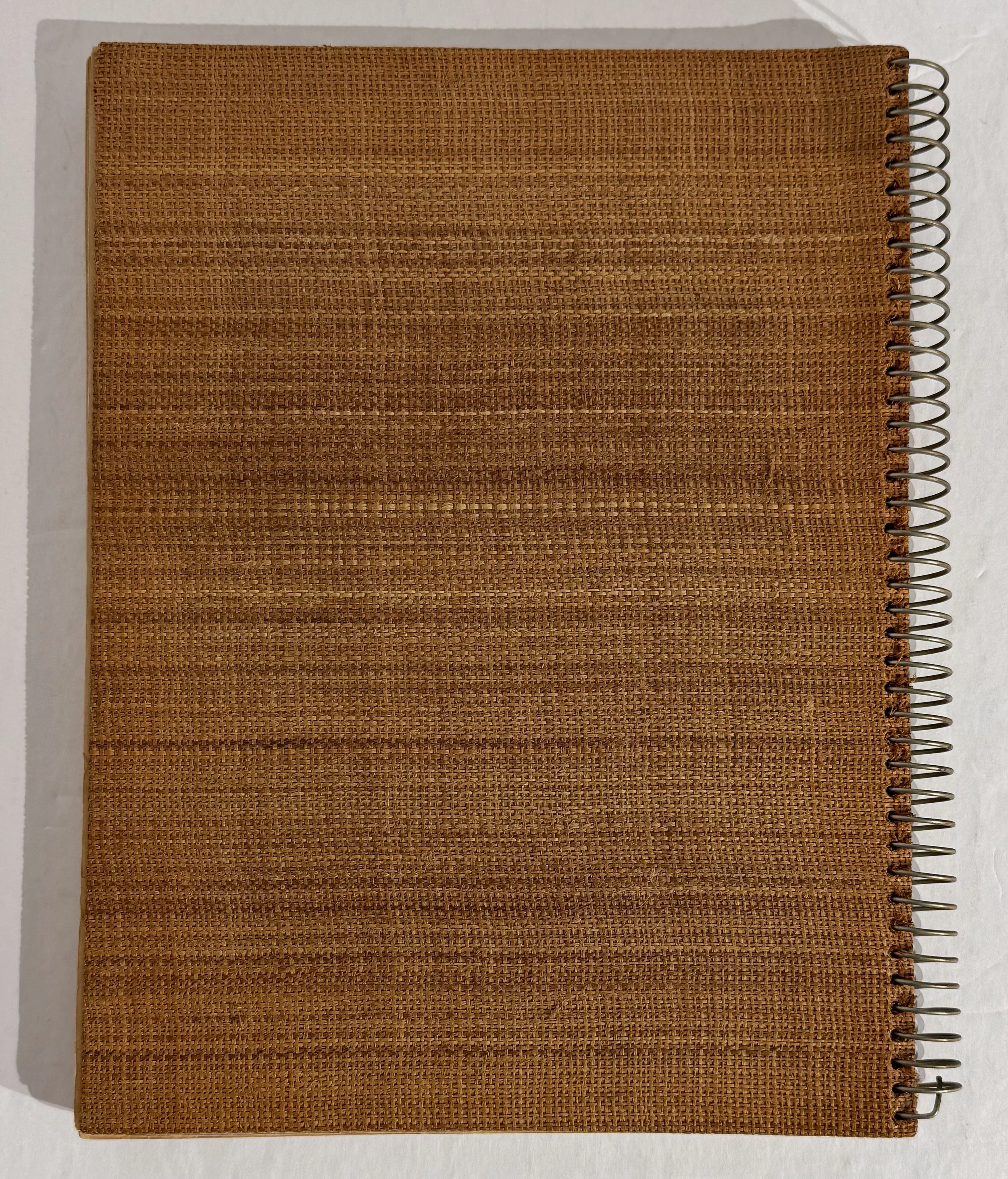 Image 21 of 21