A complementary pairing of Henry Adams’s great intellectual autobiography and William H. Jordy’s study of his historical thought, the latter inscribed to architectural historian Henry-Russell Hitchcock: “For Russell… with many thanks for the instruction. Jordy.”
ADAMS, Henry. The Education of Henry Adams: An Autobiography. Boston and New York: Houghton Mifflin Company, 1918. First trade edition, first printing, with MCMXVIII on the title page and “Published September 1918” on the copyright page. x, 519, [1] pages. Original blue cloth, lettered in gilt, with the publisher’s device blindstamped on the front board.
JORDY, William H. Henry Adams: Scientific Historian. New Haven: Yale University Press, 1952. First edition. xv, 327 pages. Original blue cloth, spine lettered in gilt. Inscribed by Jordy on the front free endpaper to Henry-Russell Hitchcock.
Adams transformed the record of an exceptionally privileged life into a searching examination of the inadequacy of inherited knowledge before the forces of modern civilization. His opposition of the Virgin and the dynamo gave enduring expression to the passage from spiritual unity to technological multiplicity. Published commercially after his death, The Education received the 1919 Pulitzer Prize in Biography.
Jordy’s intellectual biography examines the tensions between scientific explanation and aesthetic understanding that shaped Adams’s historical imagination. In this copy, his acknowledgment of Hitchcock’s “instruction” extends the grouping into the history of architectural scholarship. Co-organizer with Philip Johnson of MoMA’s seminal 1932 Modern Architecture: International Exhibition and co-author of The International Style, Hitchcock helped establish the terms through which modern architecture would be understood. Jordy’s presentation records a personal intellectual debt between two important historians of the field.
The two volumes have been brought together here to connect Adams’s account of modernity with its subsequent interpretation; the Hitchcock provenance pertains to the Jordy alone.
Condition: Adams: Binding somewhat shaken. Light bumping and rubbing to extremities, with some mottling to boards and toning to spine; spine head frayed with minor loss. Professional repairs to front and rear hinges. Now in a protective mylar cover. Jordy: Gentle bumping and rubbing to extremities. Both without dust jackets.

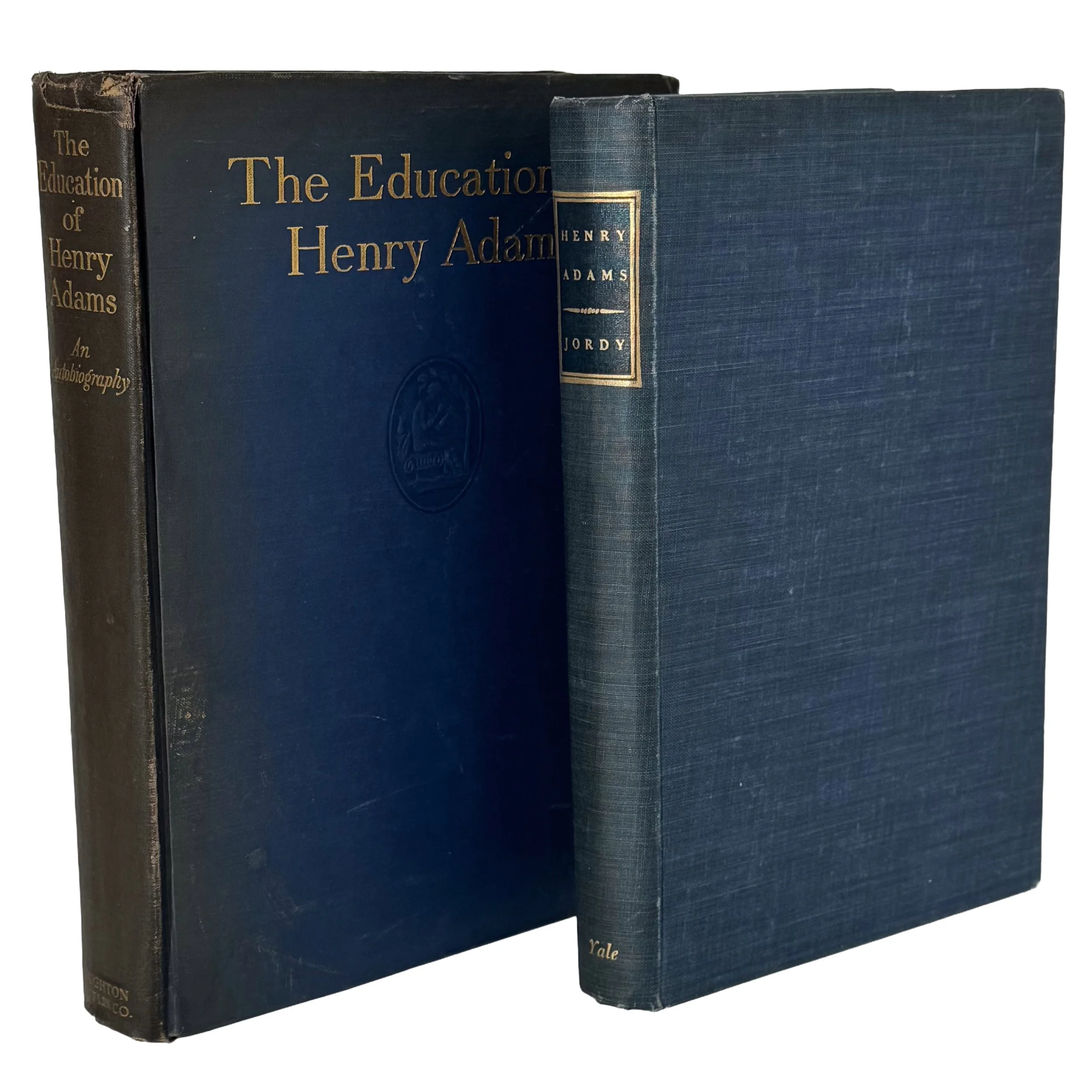 Image 1 of 11
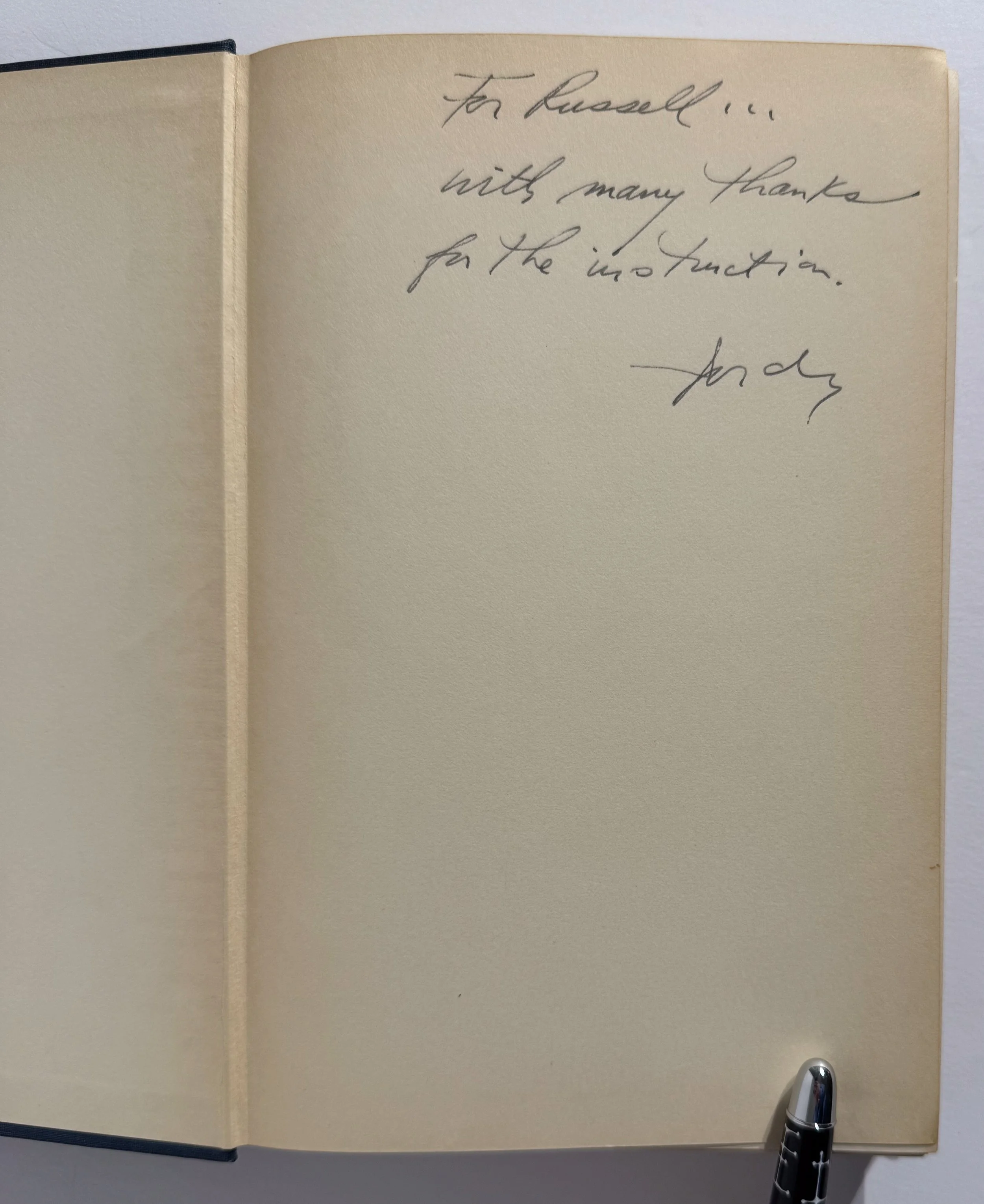 Image 2 of 11
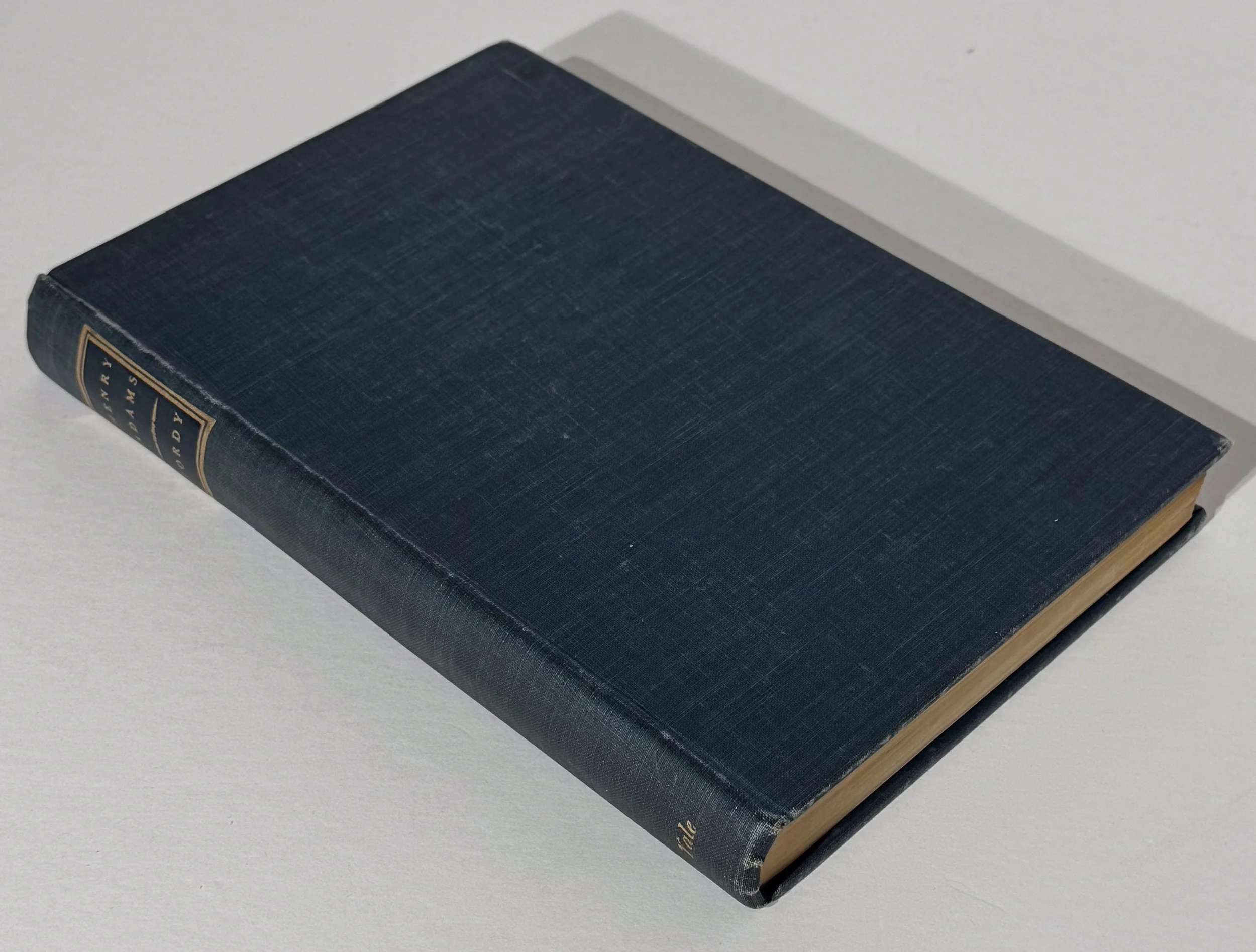 Image 3 of 11
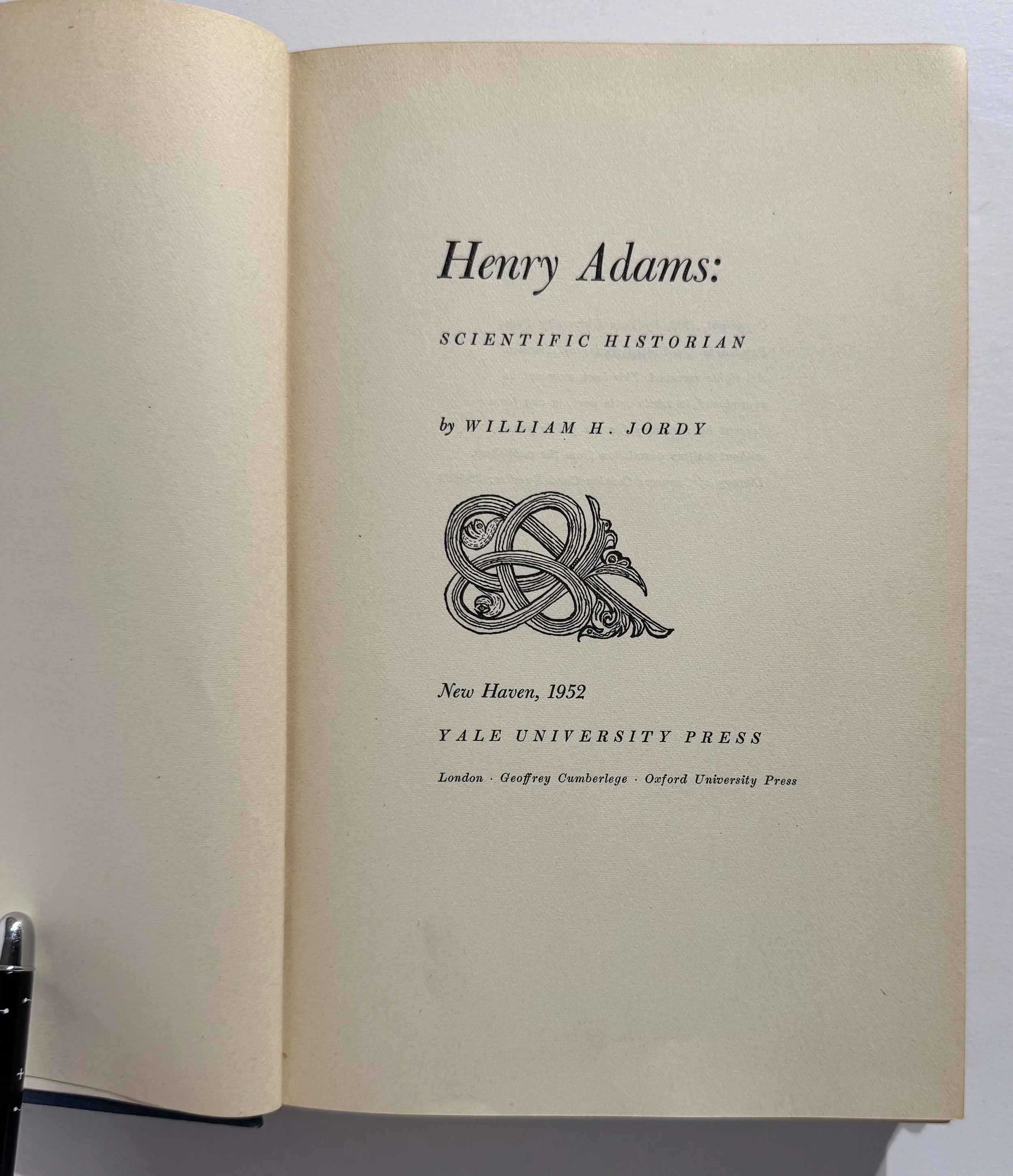 Image 4 of 11
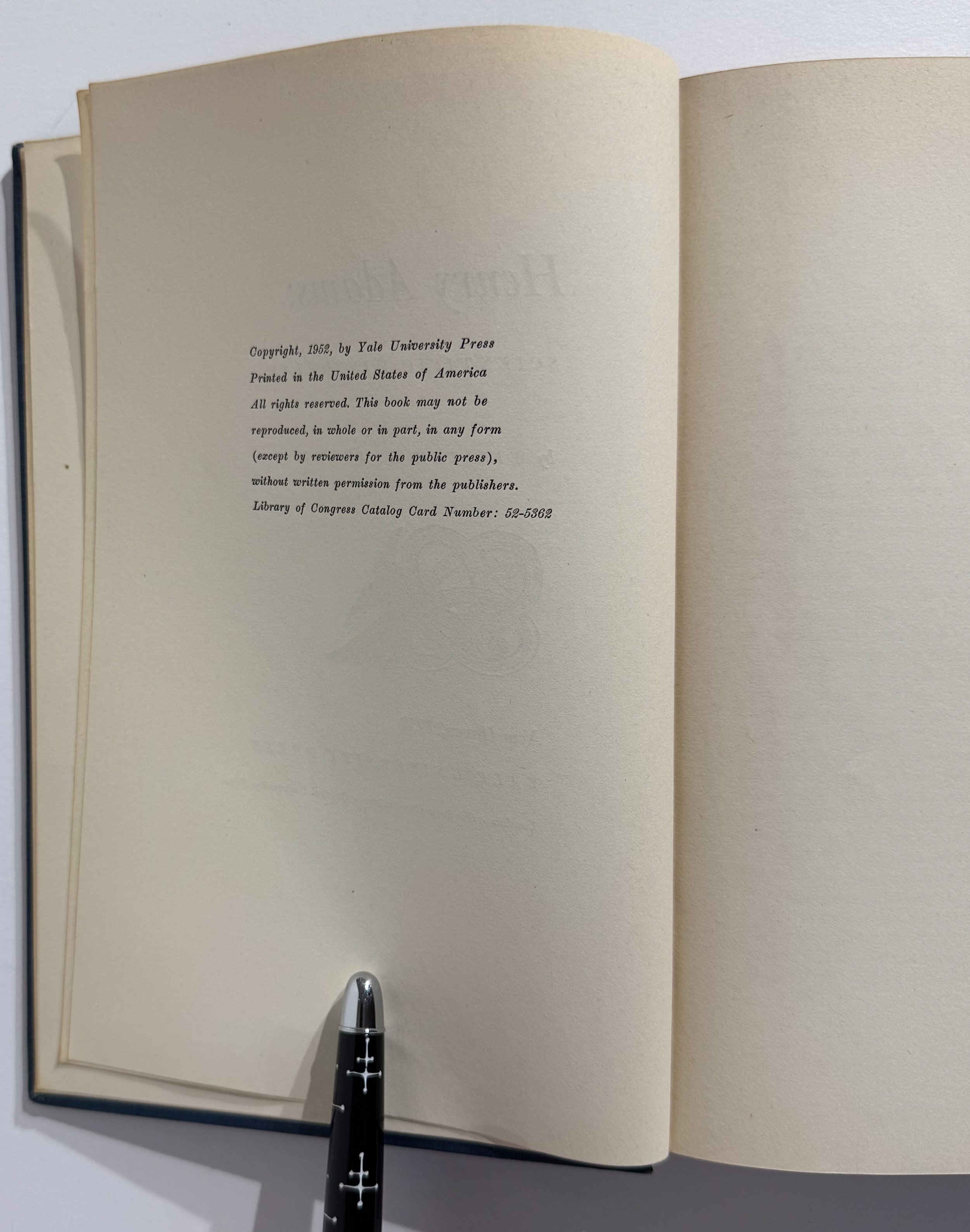 Image 5 of 11
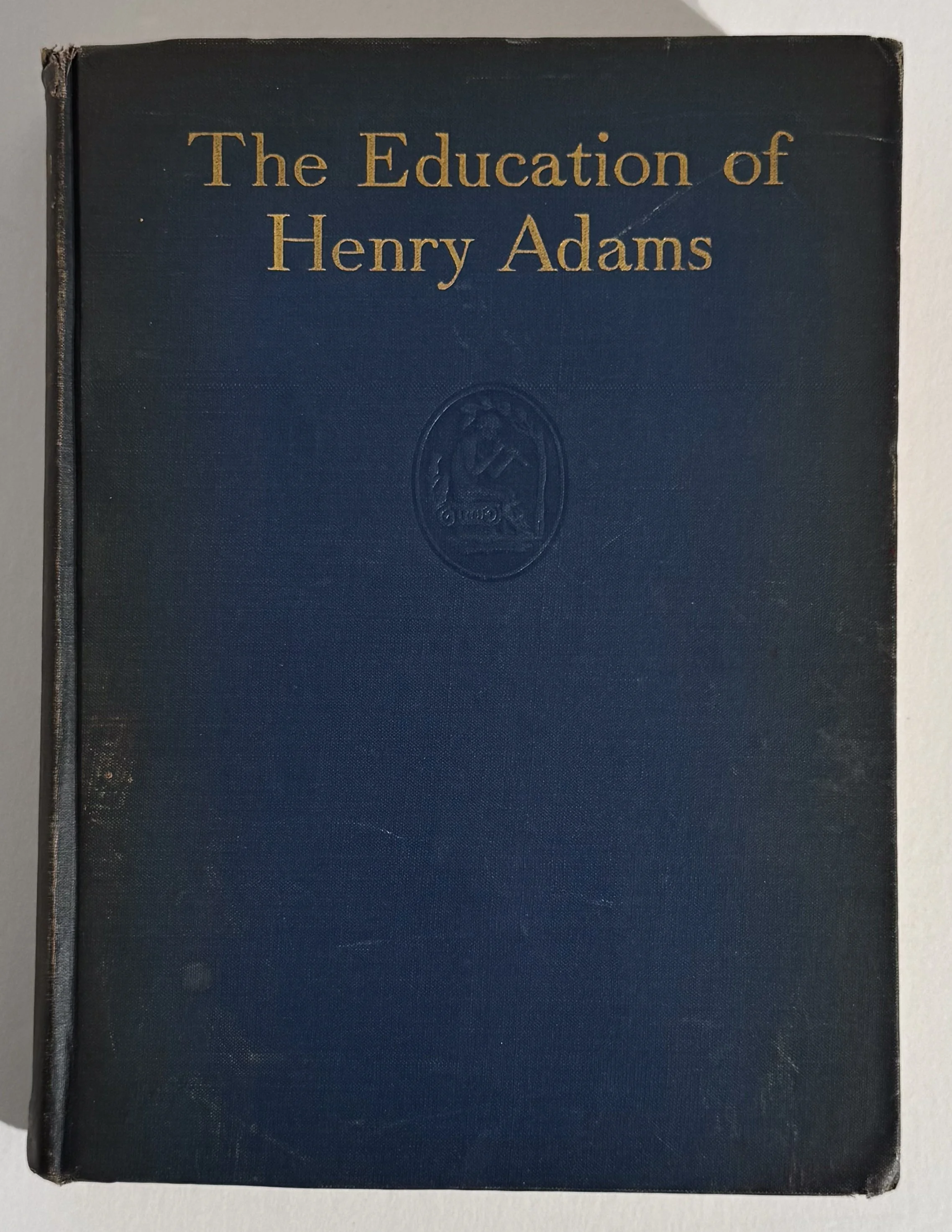 Image 6 of 11
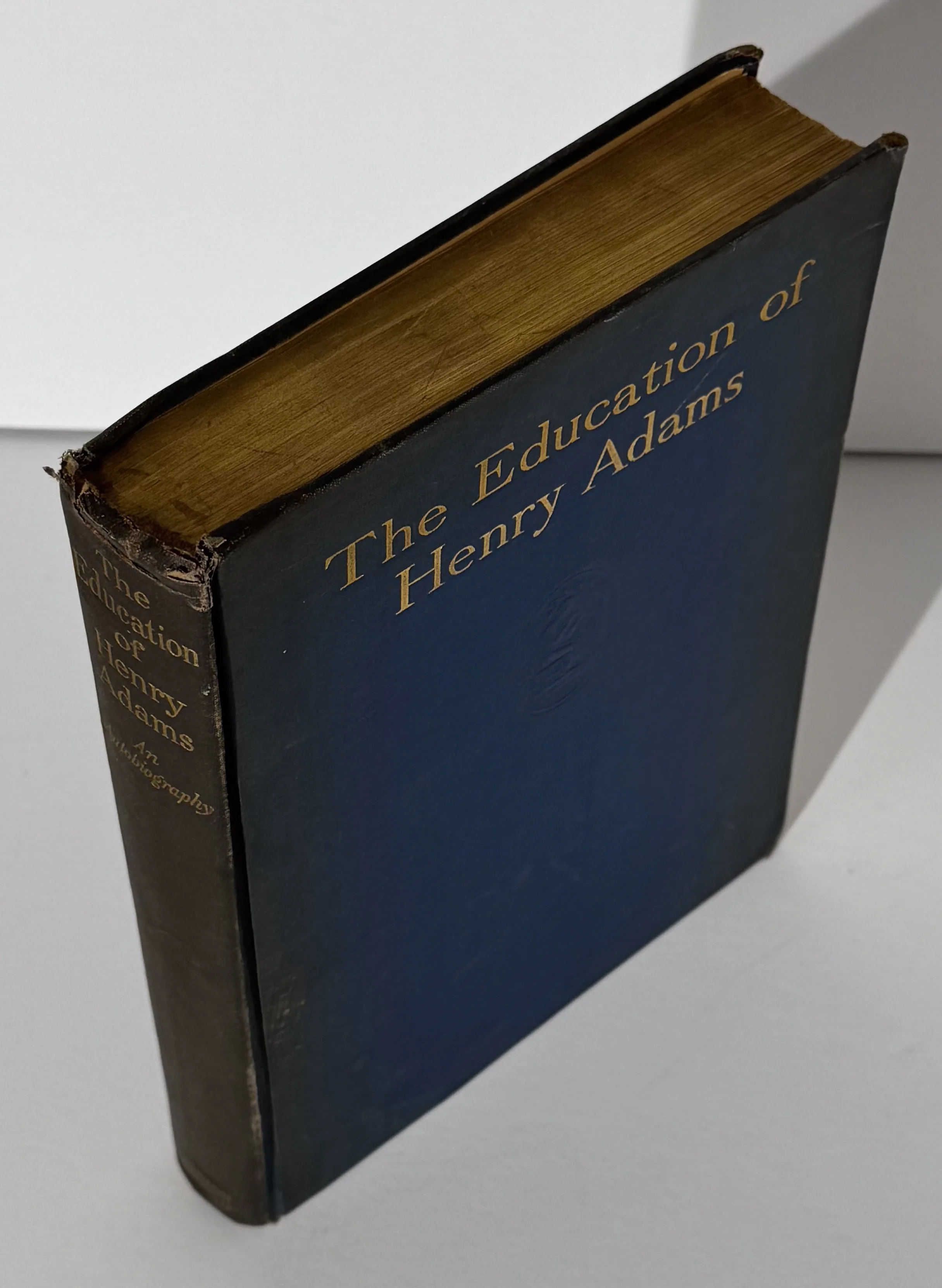 Image 7 of 11
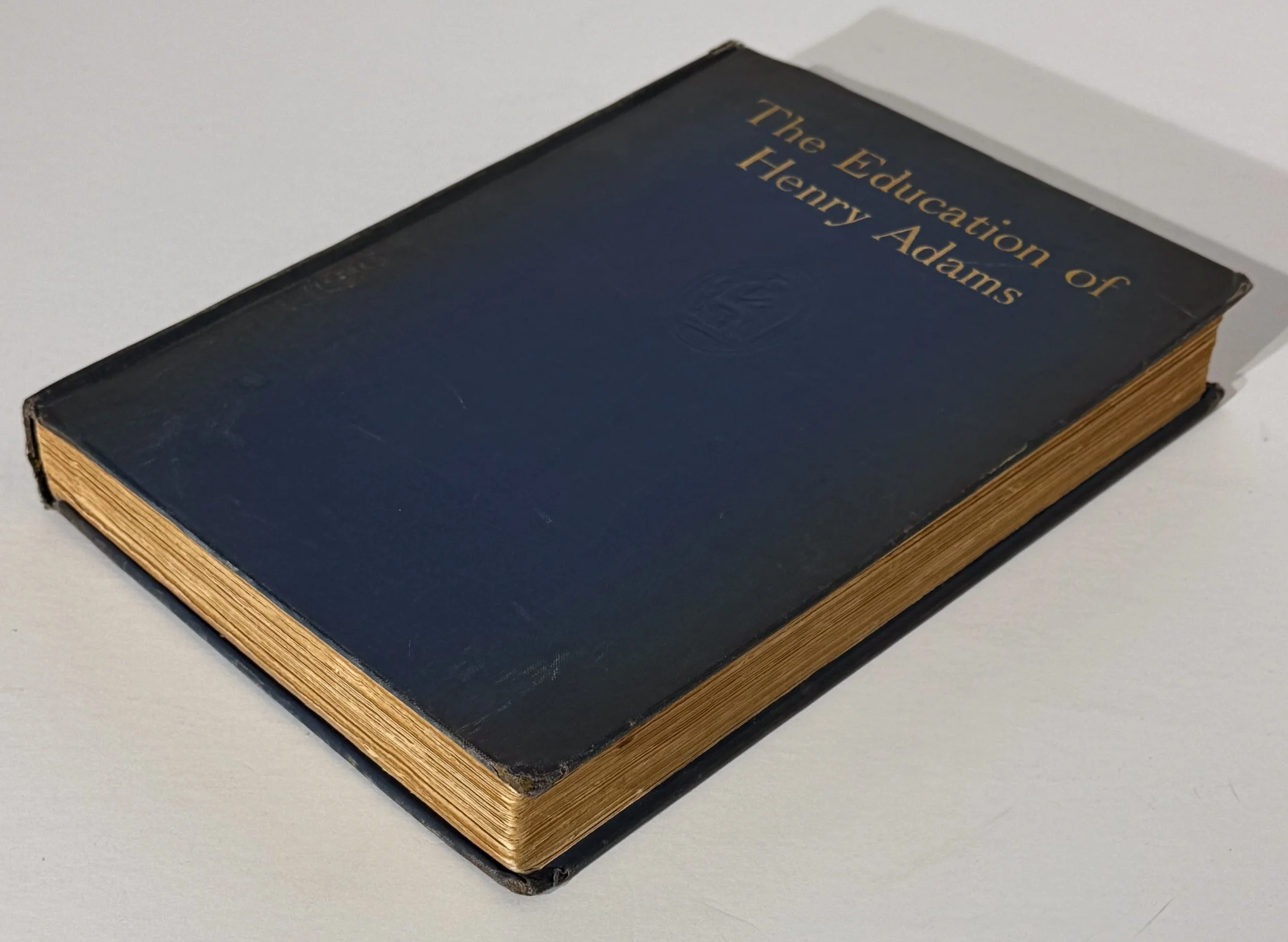 Image 8 of 11
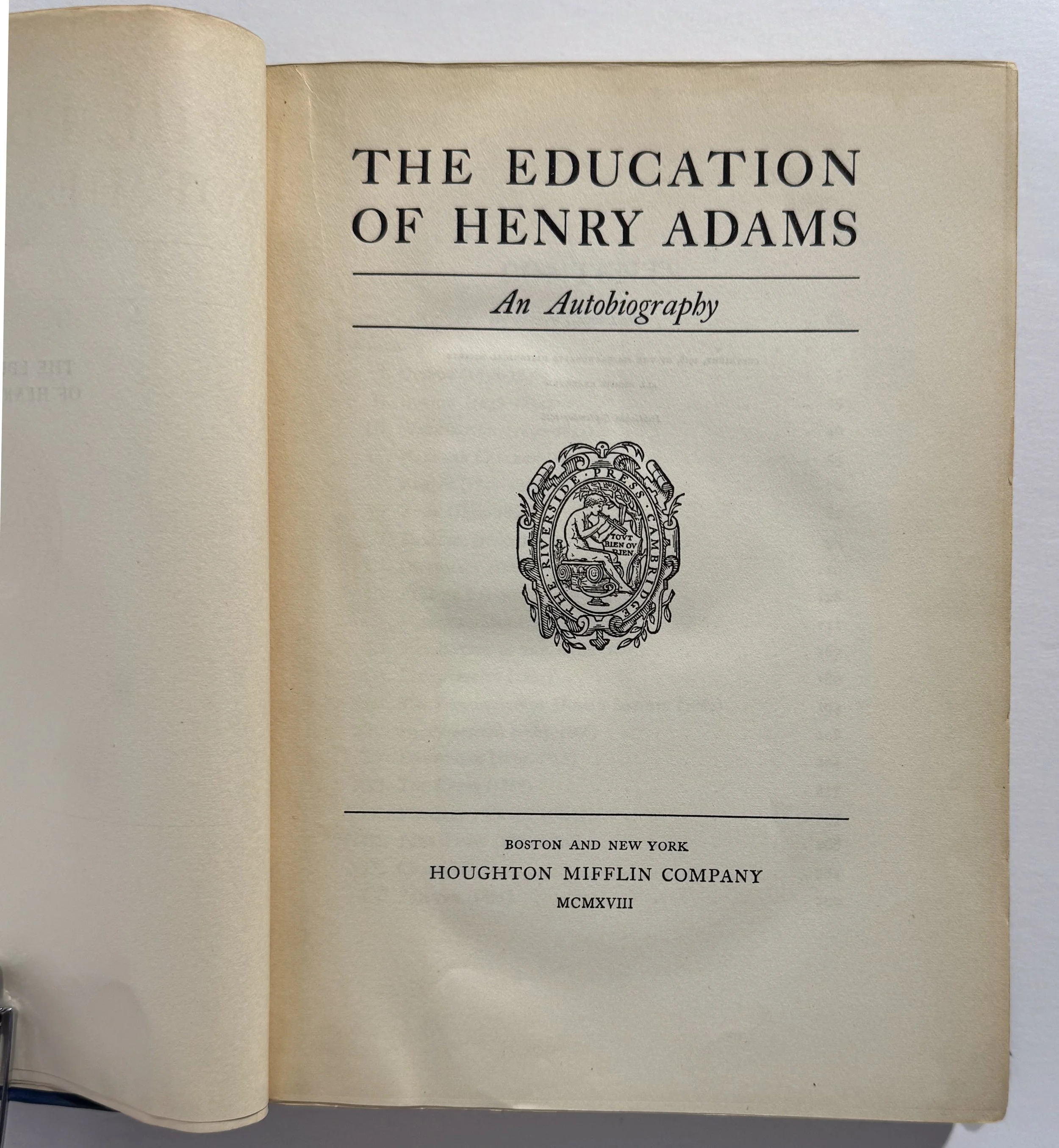 Image 9 of 11
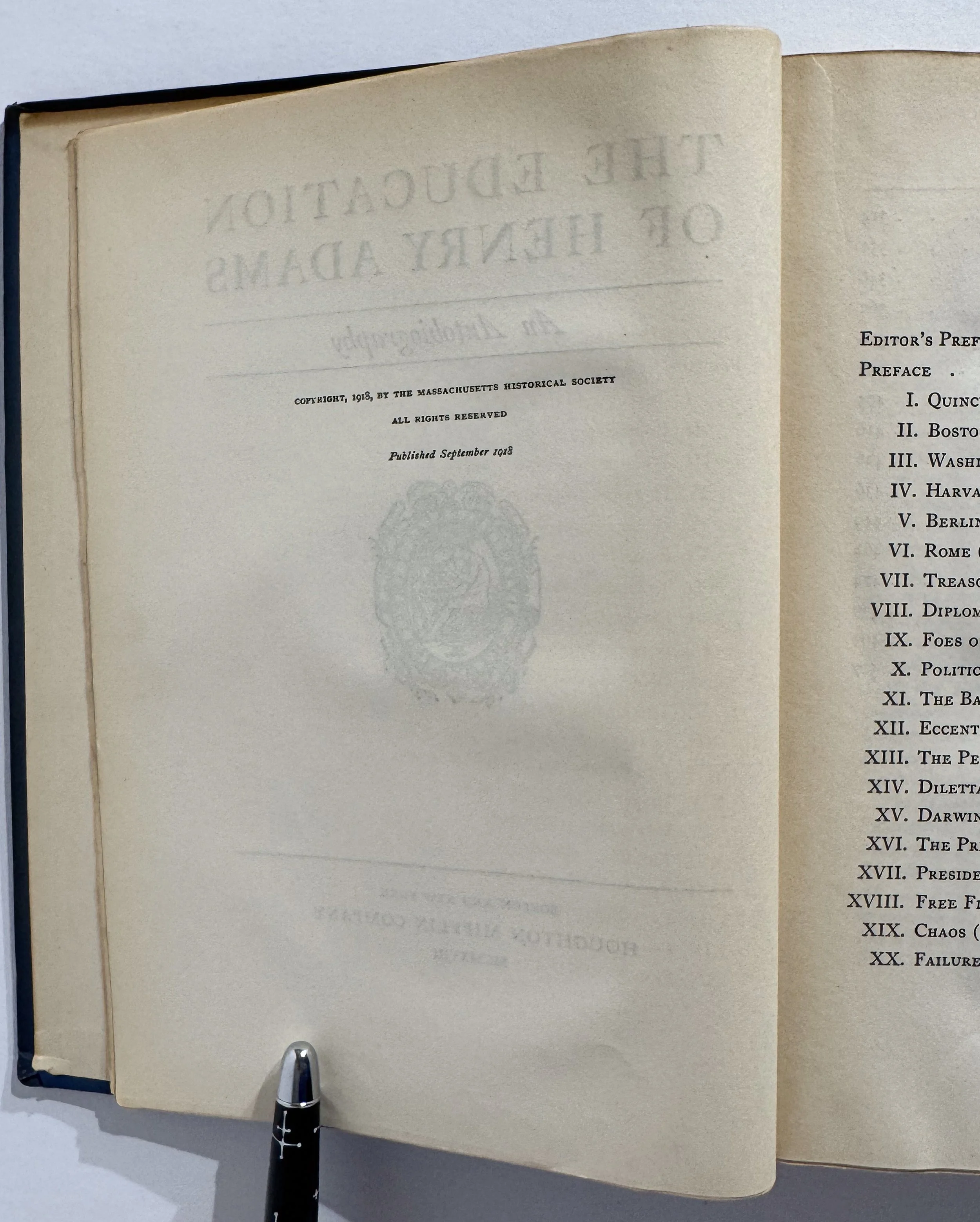 Image 10 of 11
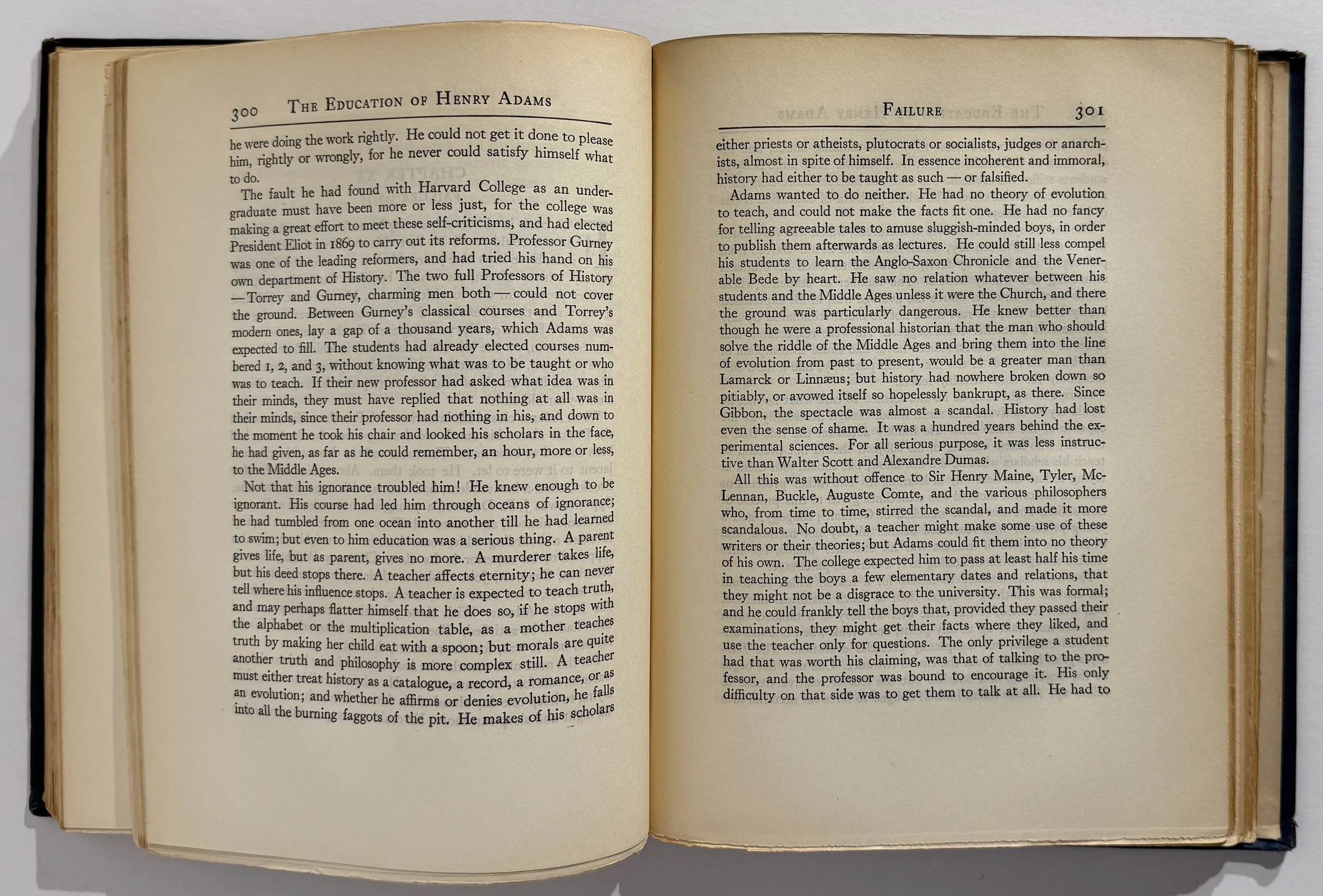 Image 11 of 11