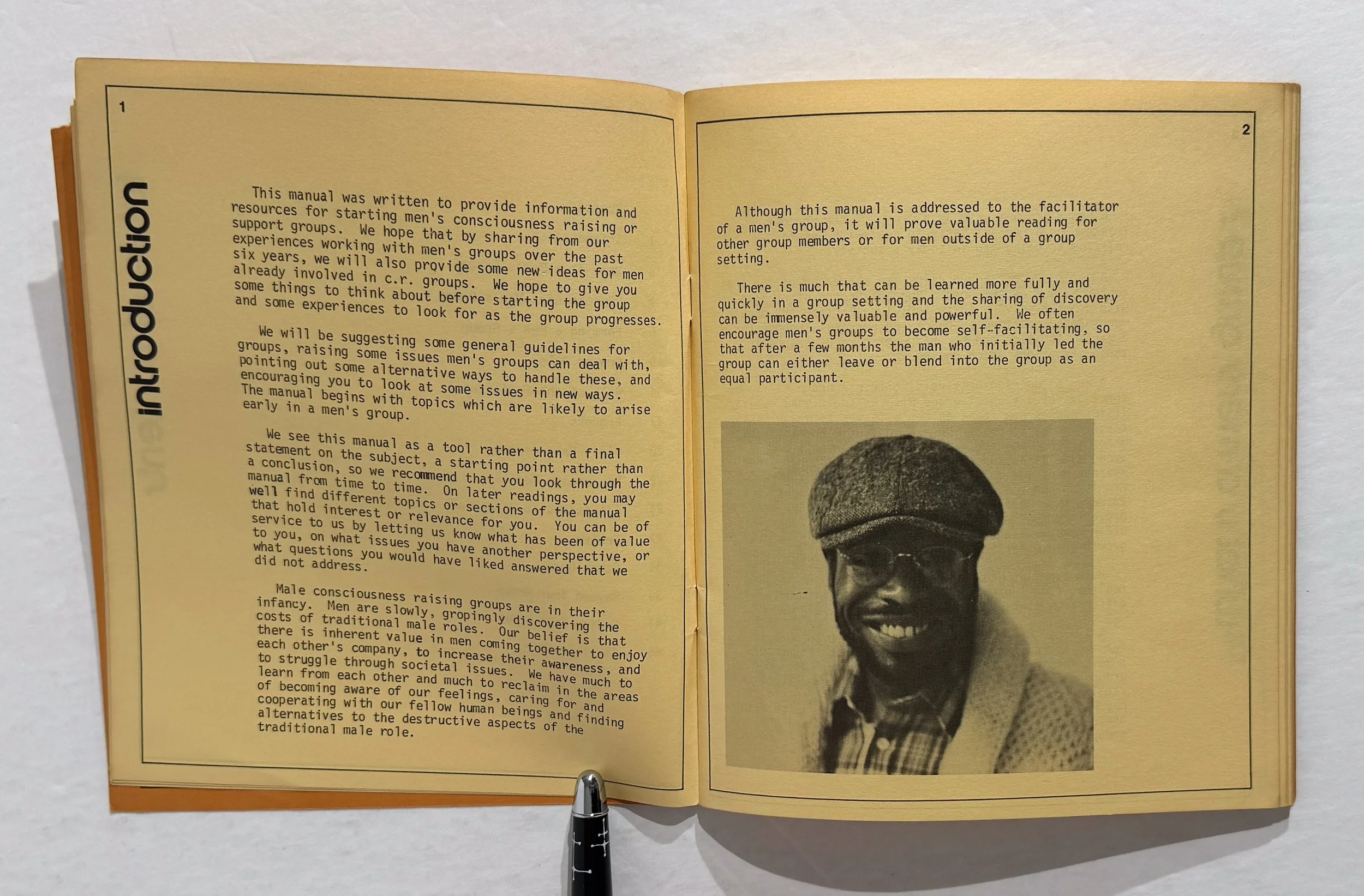
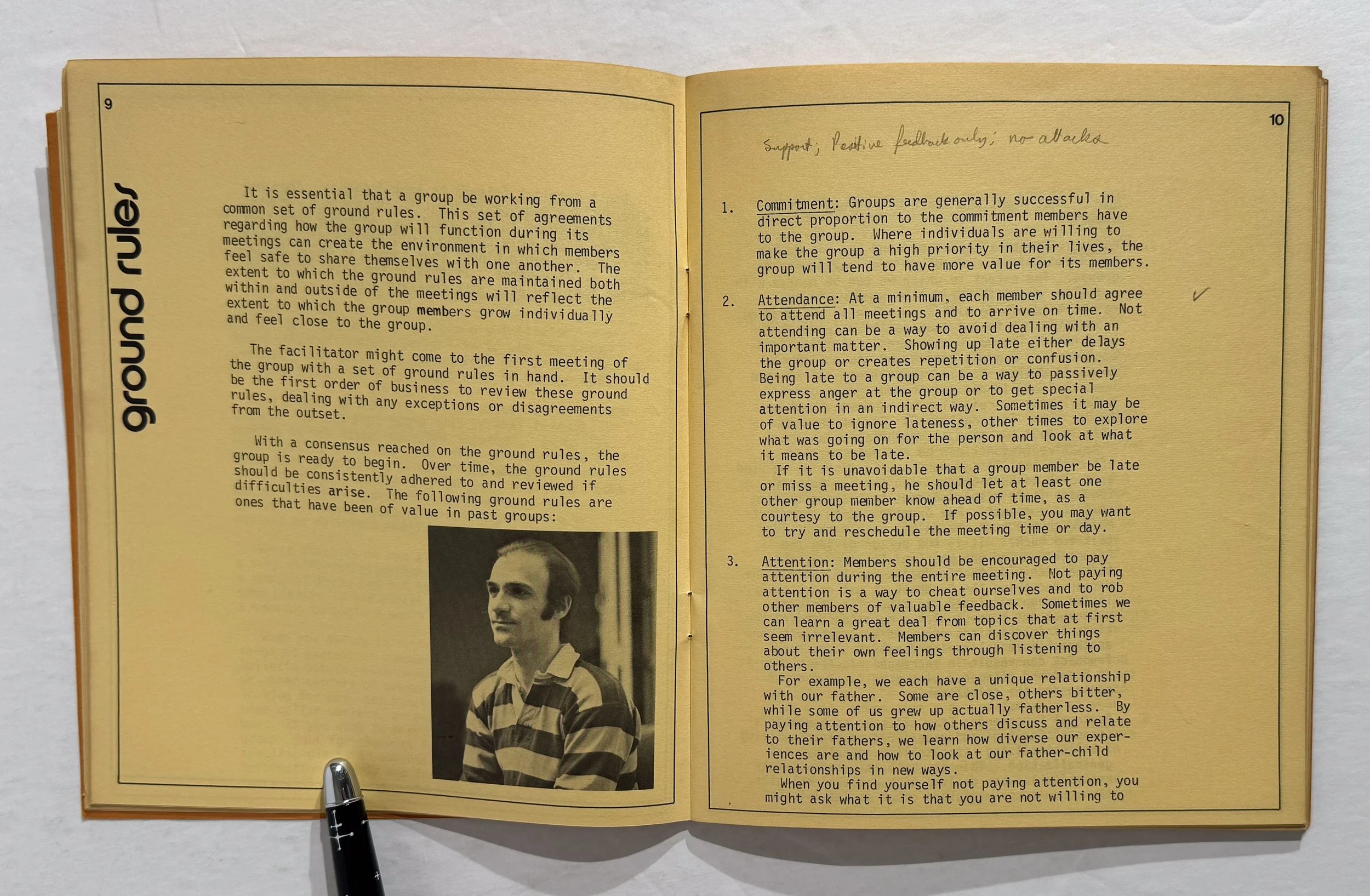
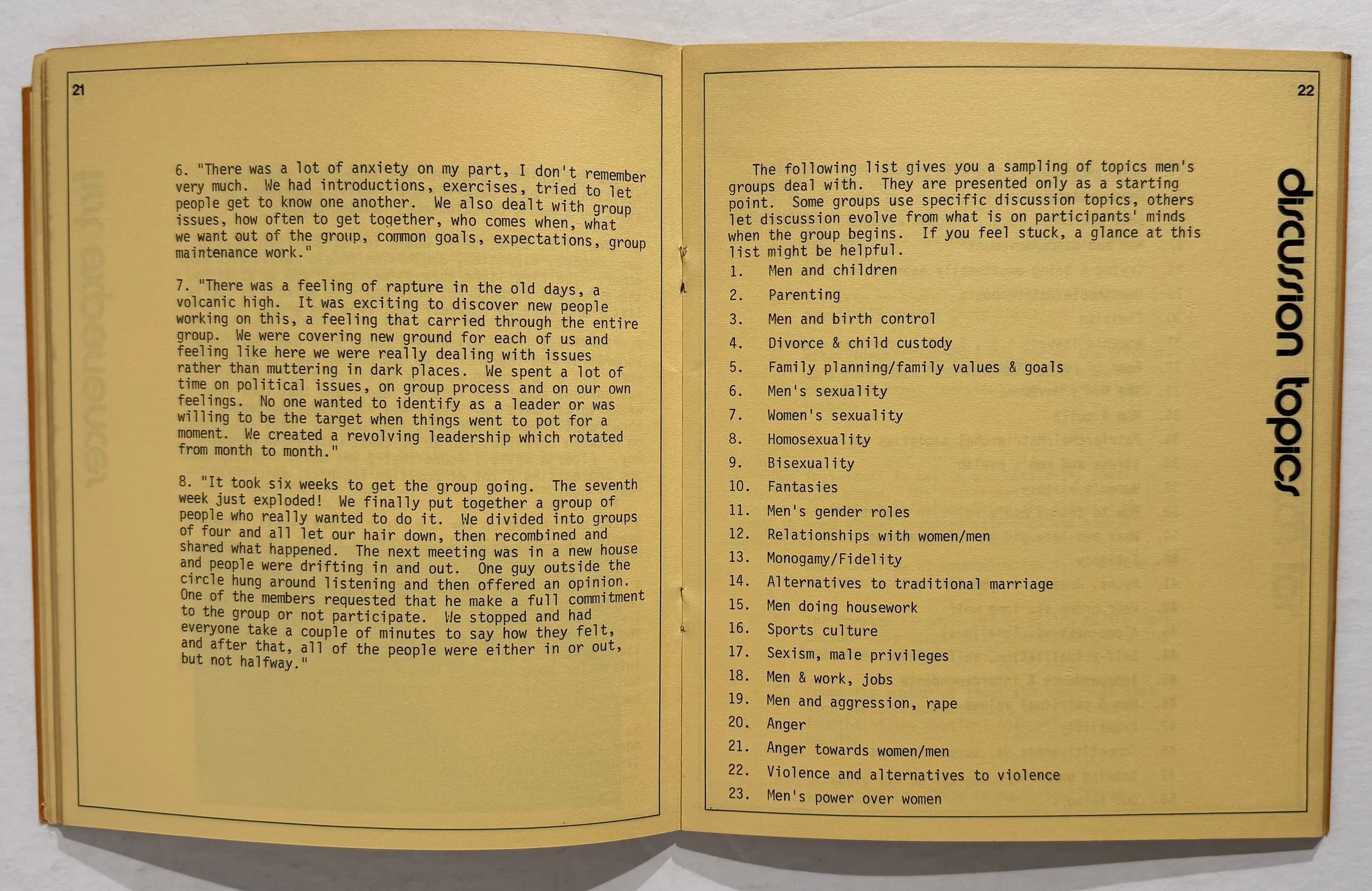
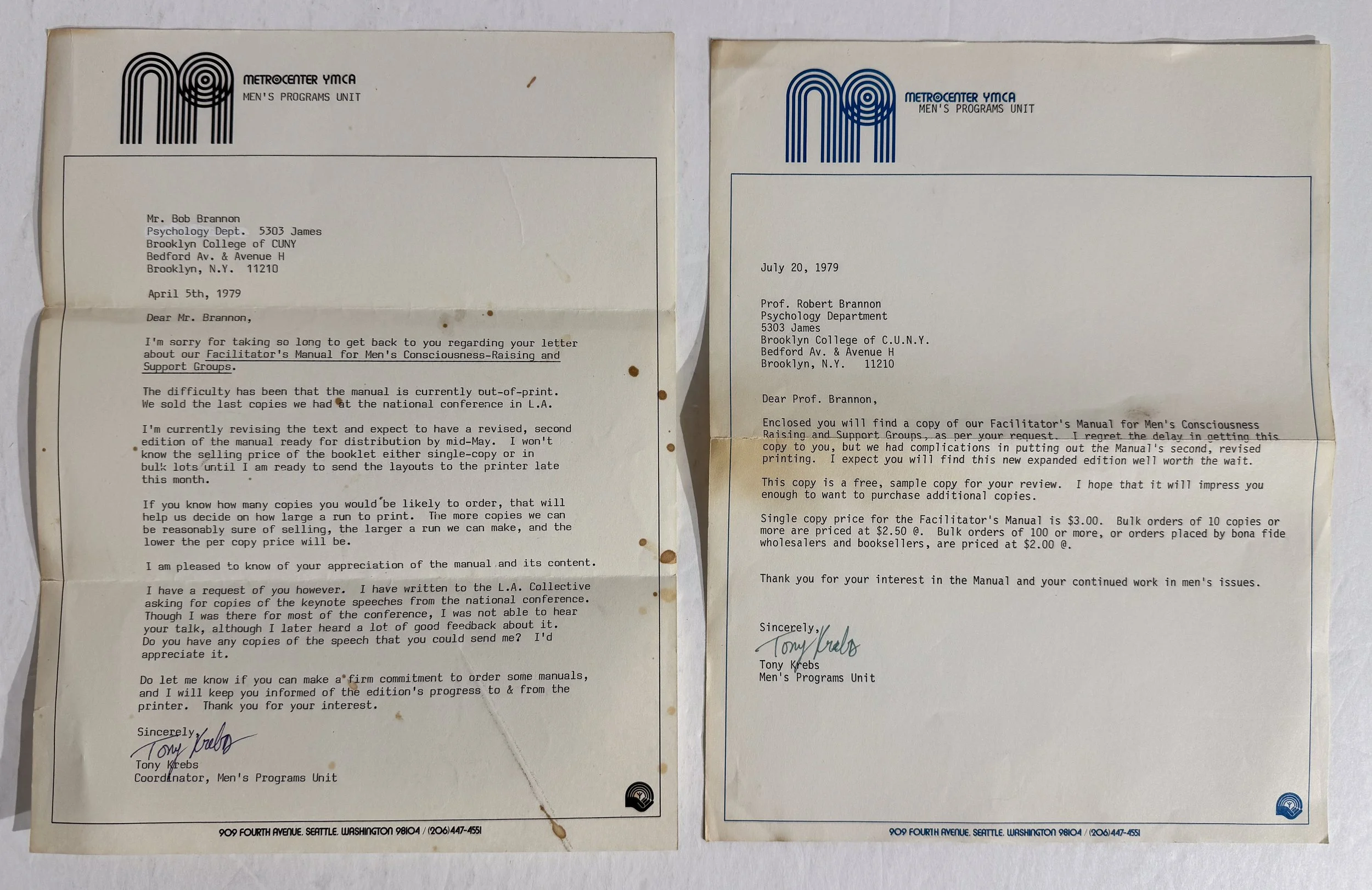
First edition of William H. Jordy’s magisterial and influential study of Henry Adams, published in 1952 by Yale University Press. 8vo (6.5 × 9.5 inches), original blue cloth with pictorial dust jacket, xv, 327 pages. With six typed letters signed by Jordy and two contemporary review clippings.
A presentation copy preserving a lively account of the book’s preparation and reception. Inscribed on the front free endpaper: “To Tommy—with deep appreciation for help ‘above and beyond the call of duty.’—Will Jordy [The errors are yours!].” The recipient, possibly Yale historian Thomas C. Mendenhall, assisted substantially with the text; the accompanying correspondence records both his editorial involvement and an affectionate, teasing friendship.
The six letters, each one page on Yale University departmental stationery, are dated January 18, February 5, June 26, July 19, August 25, and September 18, 1952. Several bear autograph corrections or additions. Together they follow the volume from an unfinished preface and galley proofs through publication, early sales, and critical response. The inscription’s mock assignment of blame continues throughout: Jordy comments on his correspondent’s attempts to rewrite the book, jokes about editorial errors, and reports sales of 263 copies, suggesting that he has purchased 200 himself. Other passages discuss praise for the jacket and stylists, offering an engaging glimpse of an author’s competing pride and exasperation.
Laid in are contemporary reviews by Henry Steele Commager and Geoffrey Bruun. Commager’s New York Times review of August 3, 1952, called the book “the most penetrating study of Henry Adams yet written.” Jordy’s August letter supplies the private counterpart to that public acclaim, finding the review flattering but hasty and long-winded.
An important study of Adams’s attempts to reconcile historical understanding with scientific explanation, distinguished here by a compact publication archive documenting the intellectual labor, editorial negotiation, and personal exchanges behind the finished work. Minor bumping to extremities. Toning to front endpapers. Light bumping and chipping to price-clipped dj, with small open tear to spine head, and small closed tears to rear cover.

 Image 1 of 14
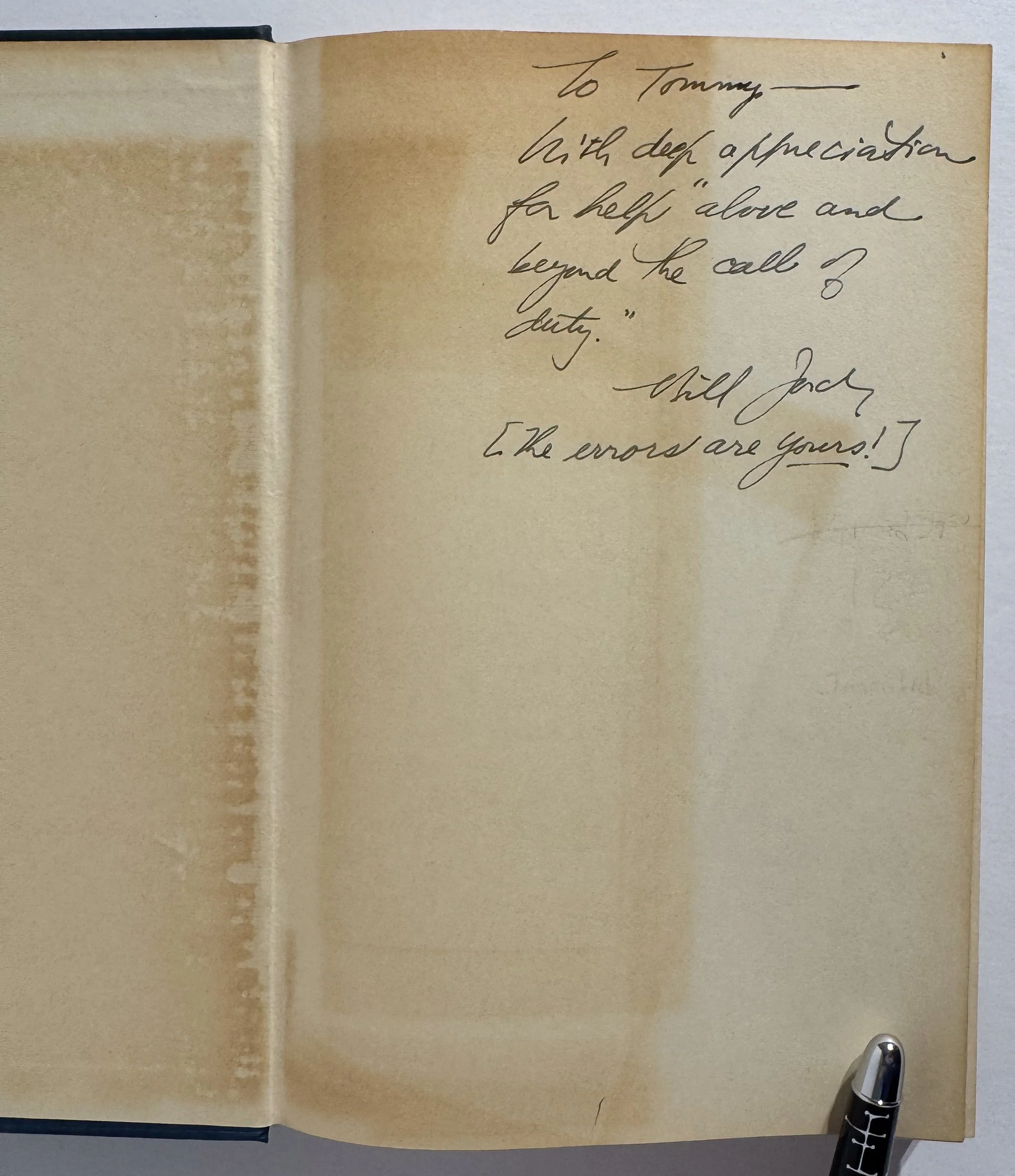 Image 2 of 14
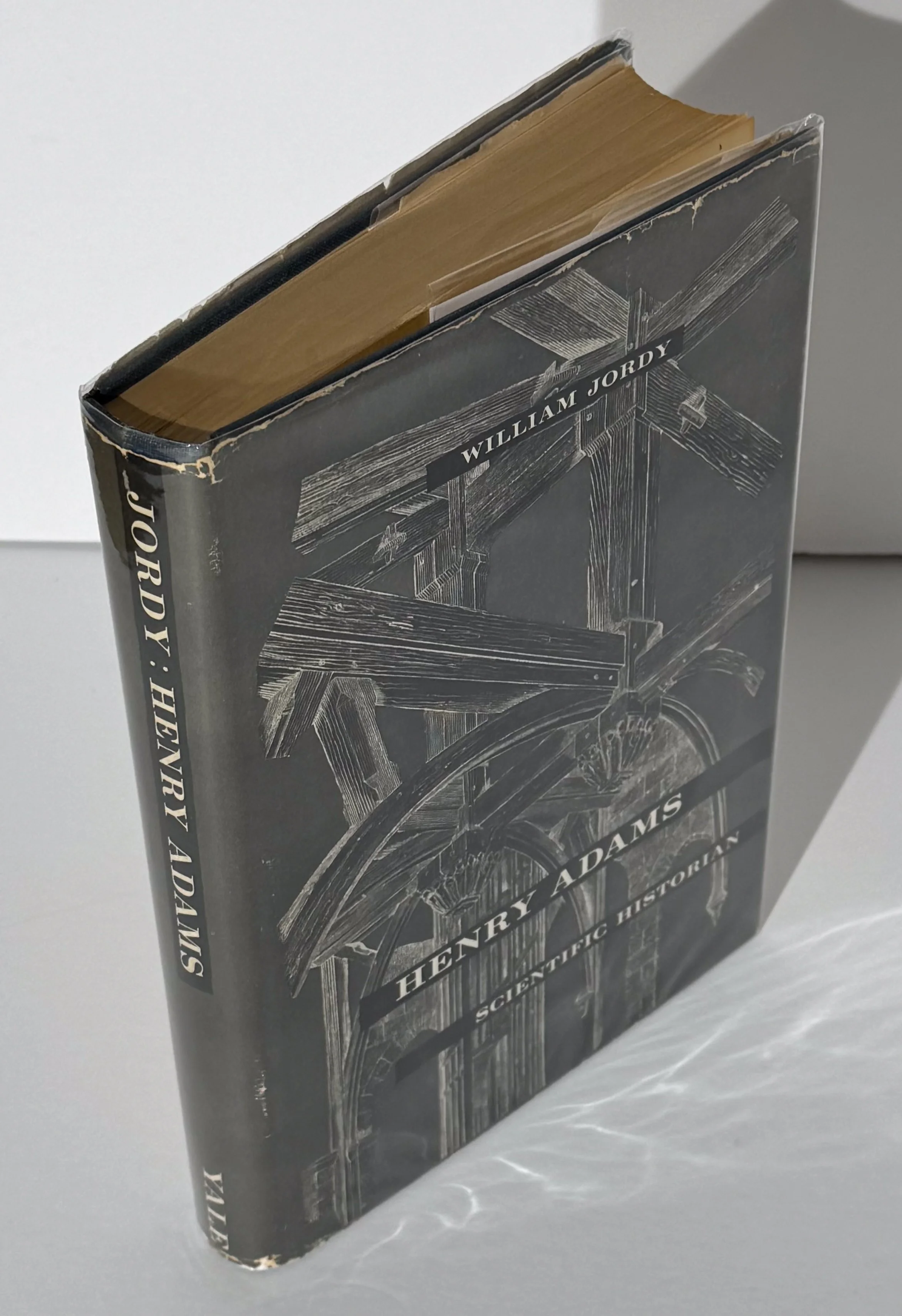 Image 3 of 14
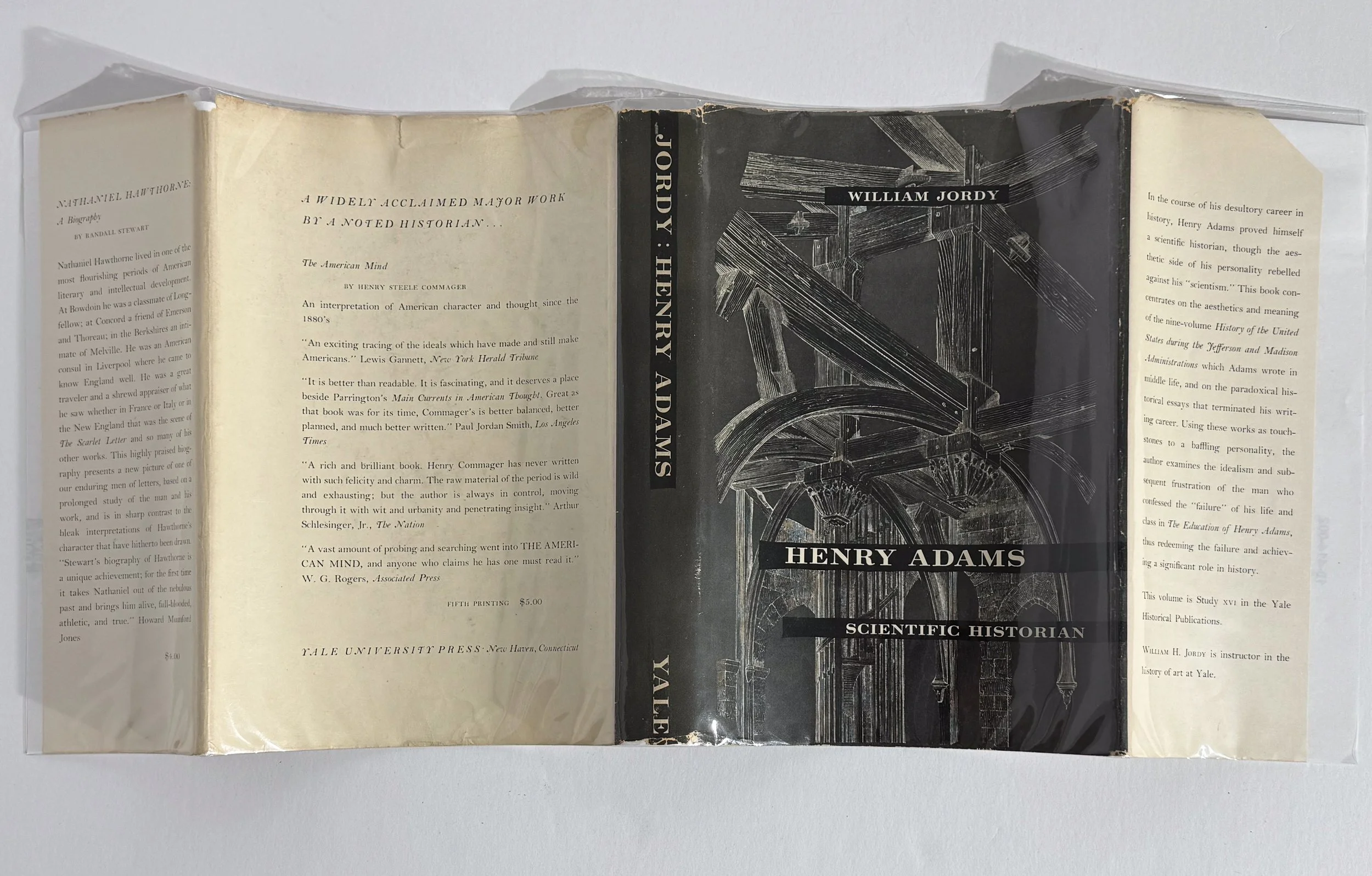 Image 4 of 14
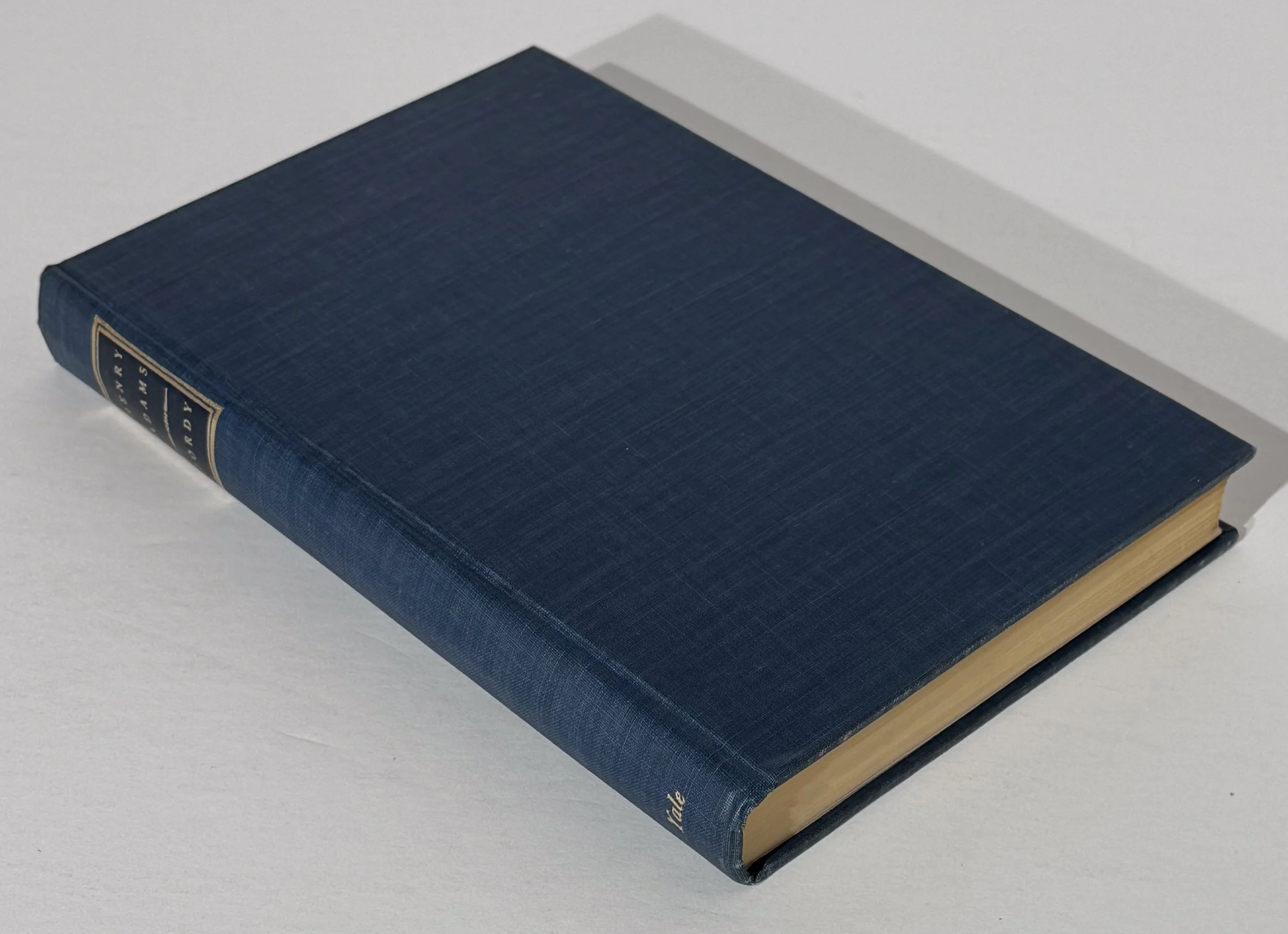 Image 5 of 14
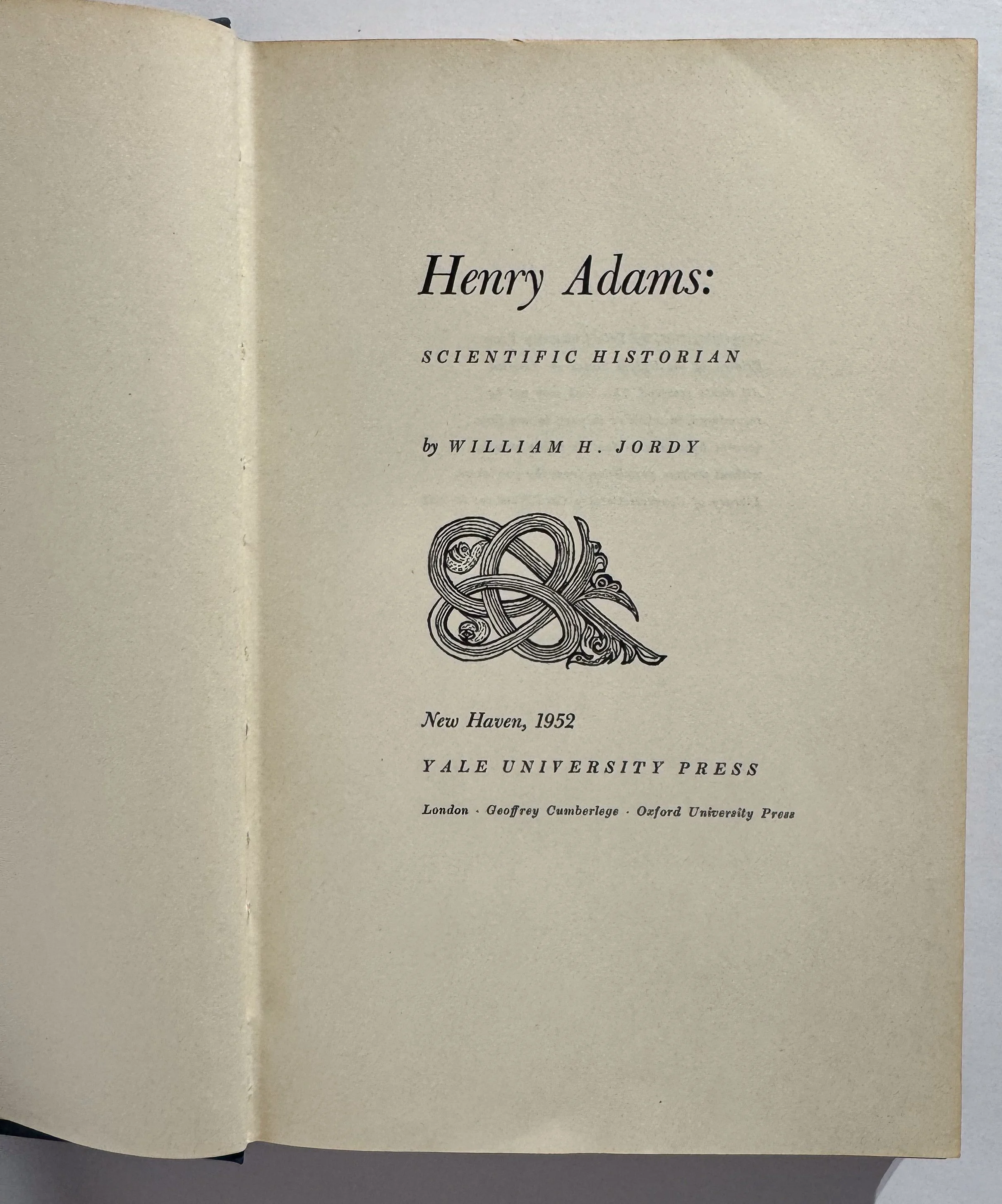 Image 6 of 14
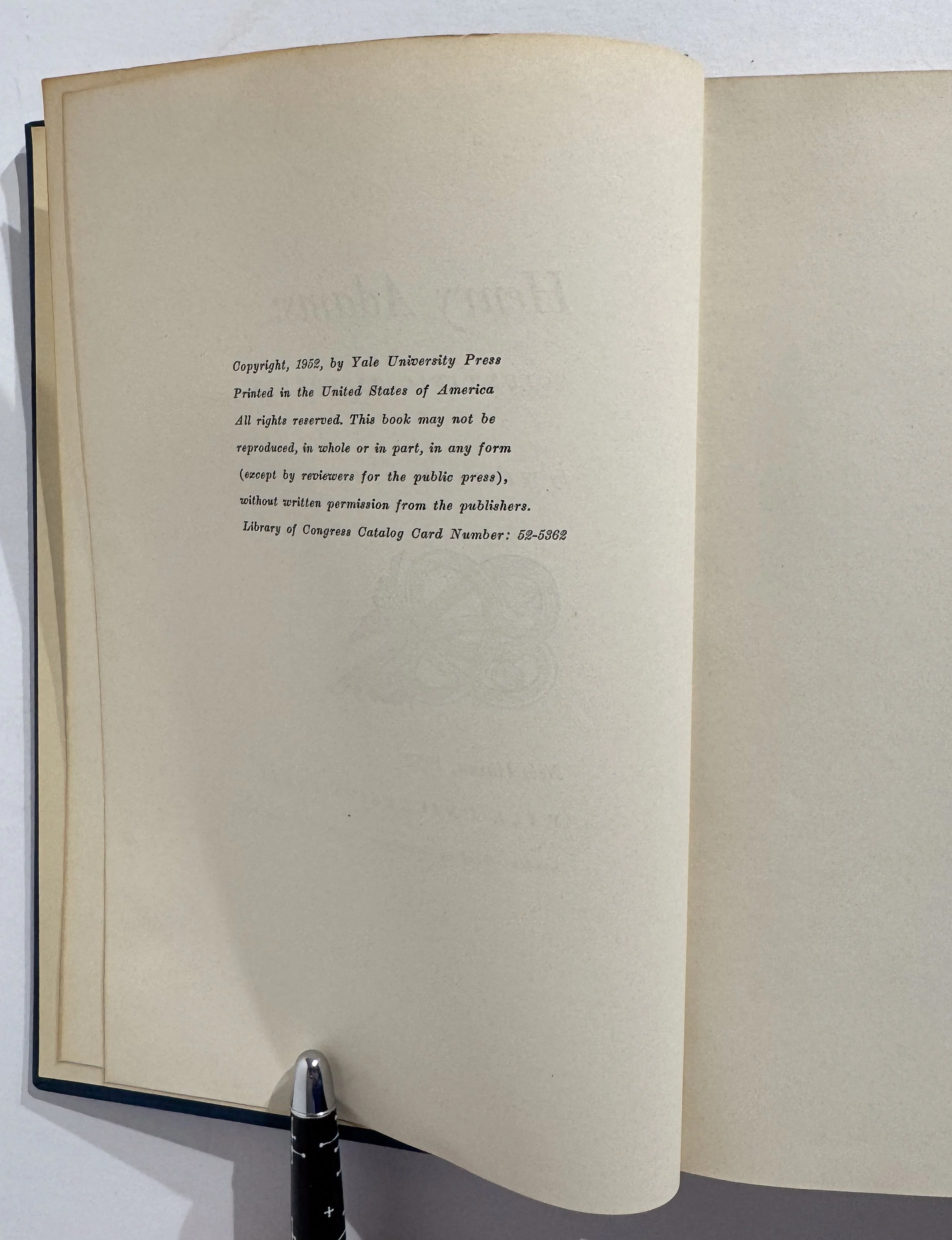 Image 7 of 14
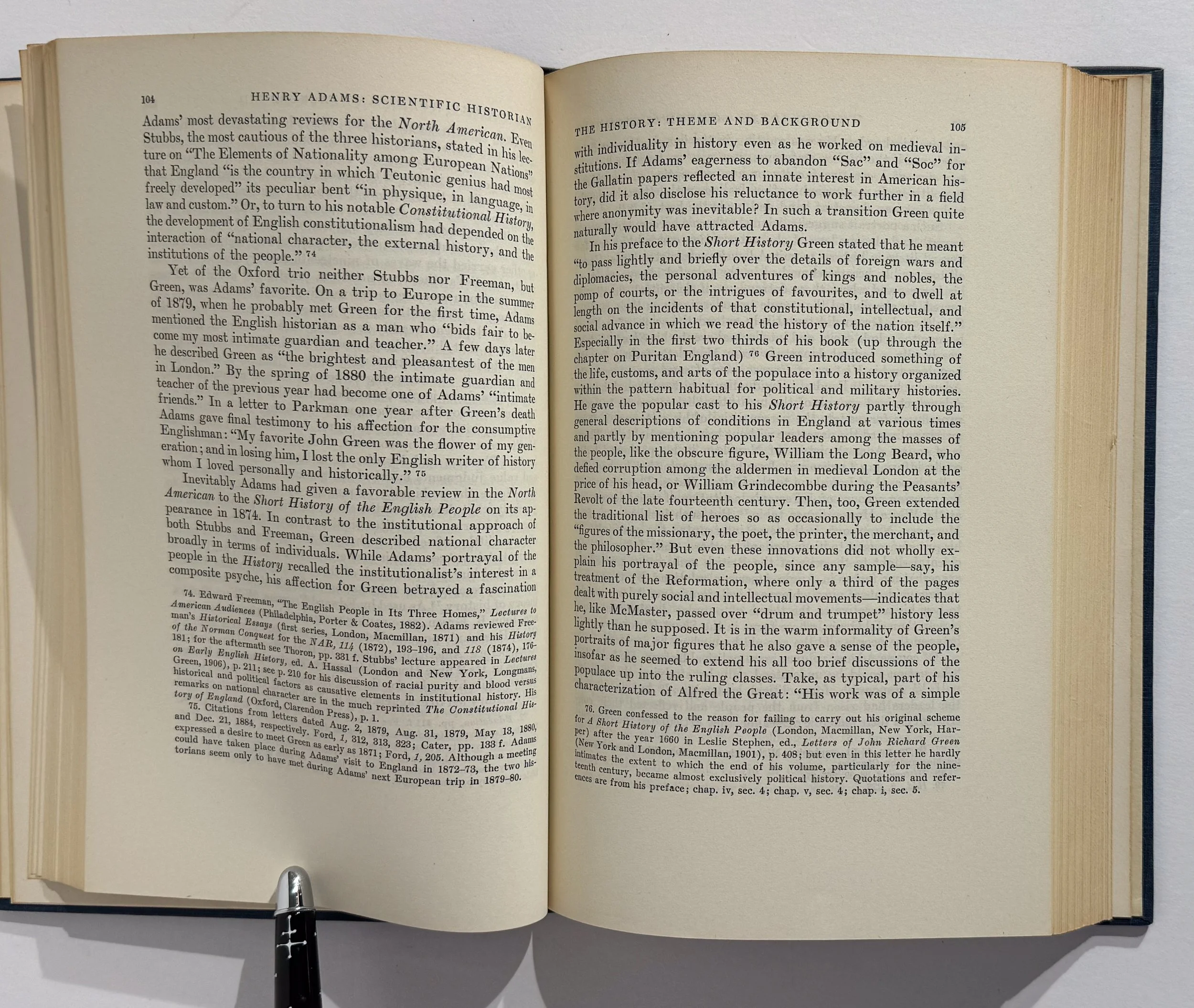 Image 8 of 14
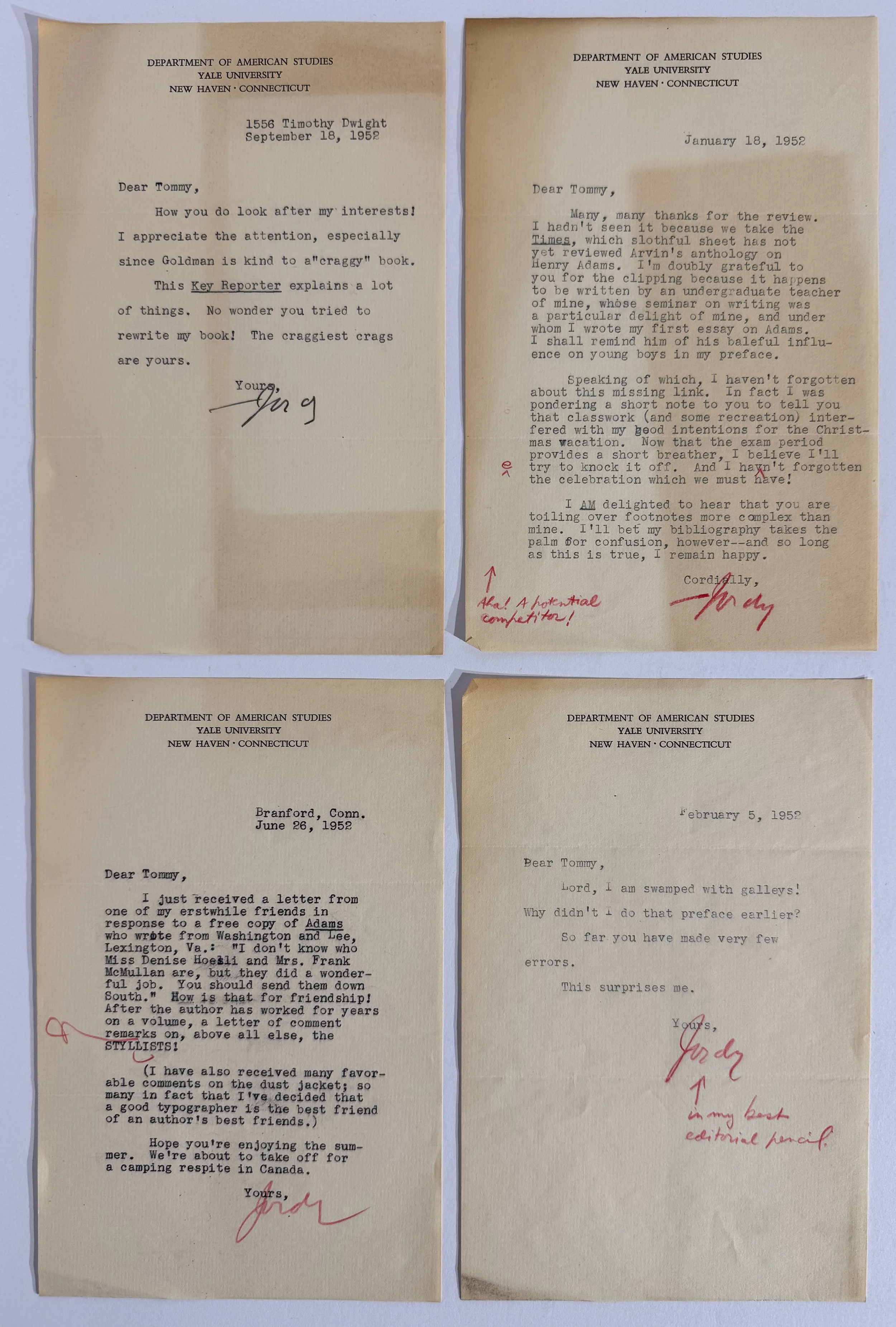 Image 9 of 14
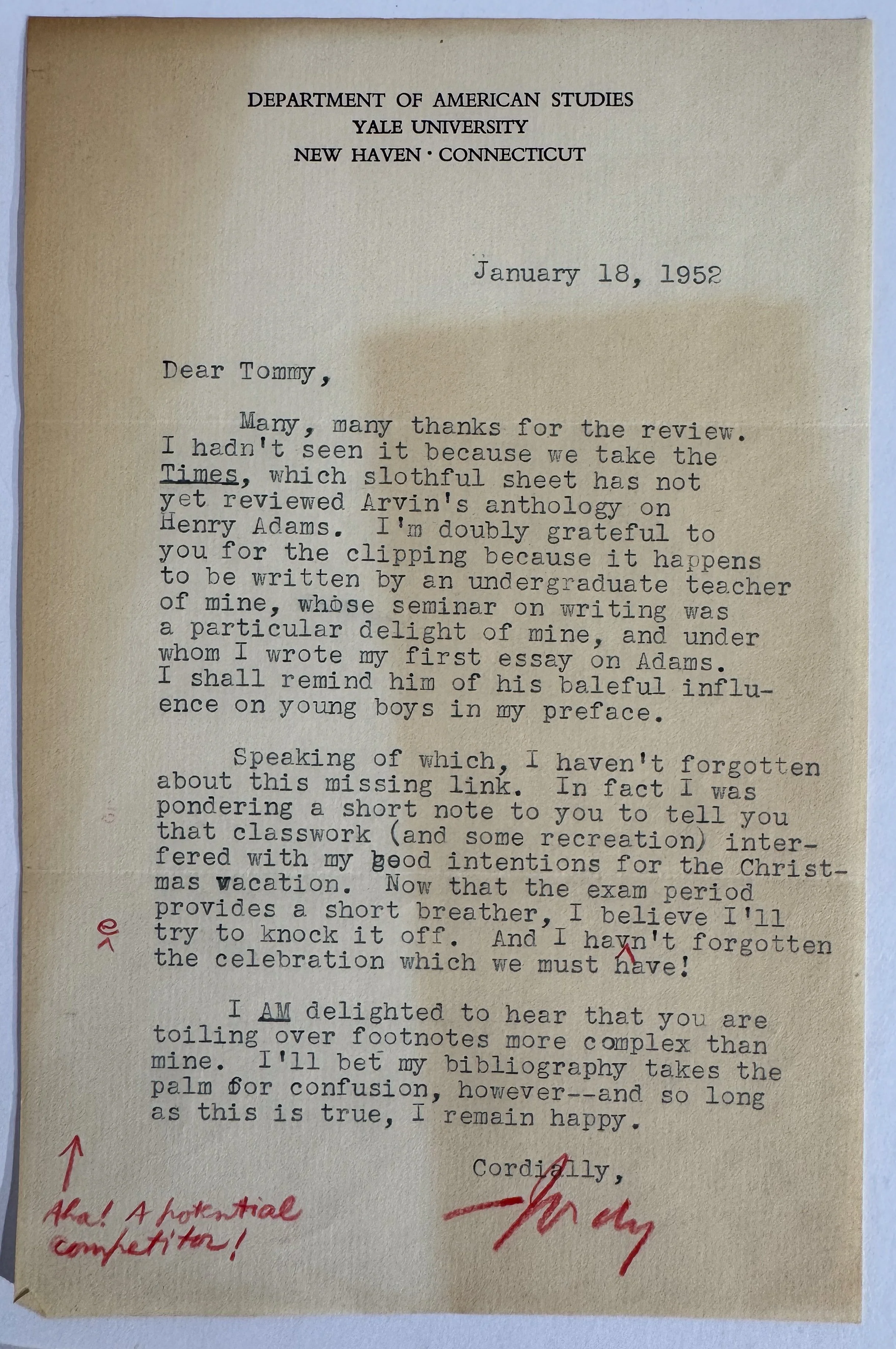 Image 10 of 14
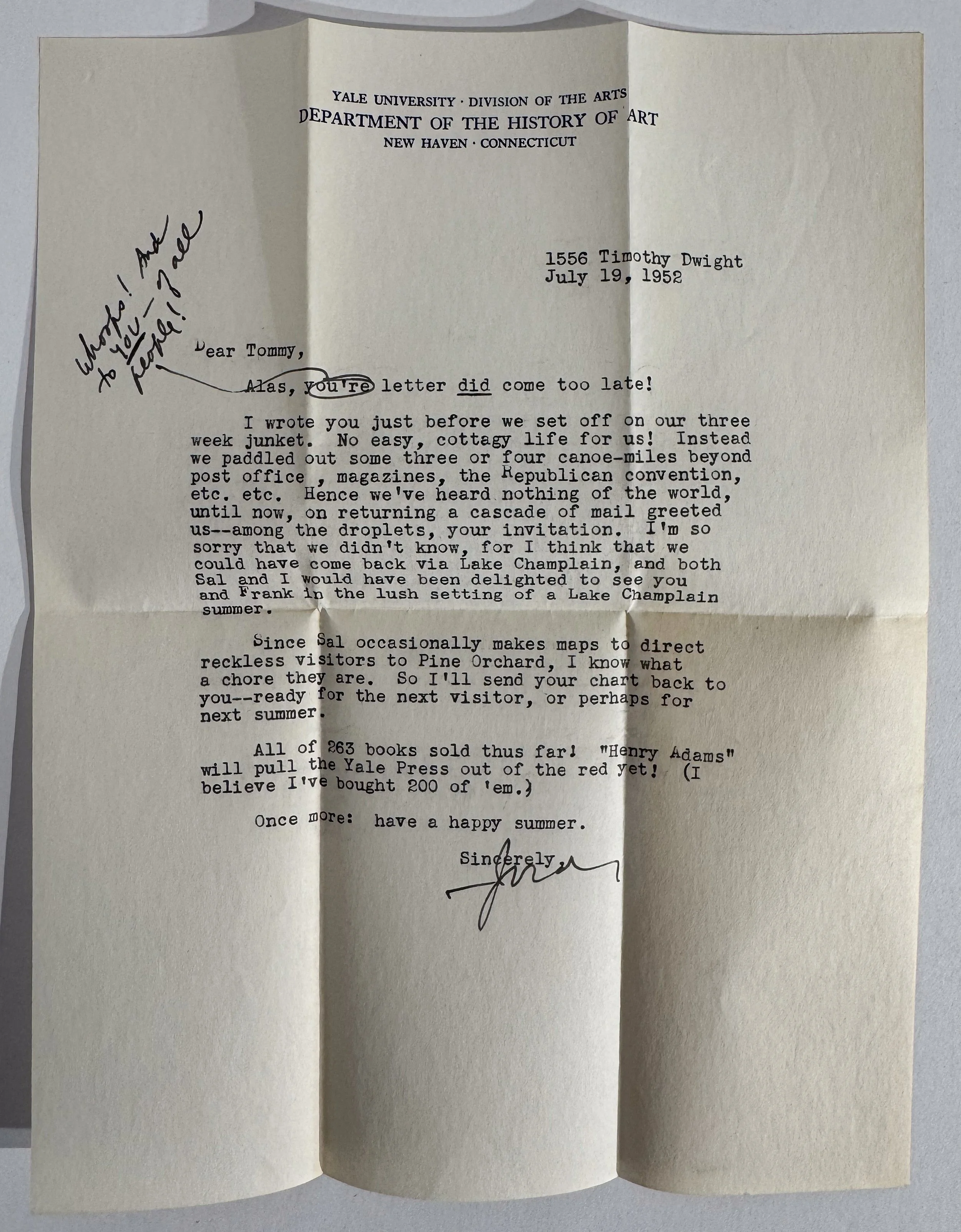 Image 11 of 14
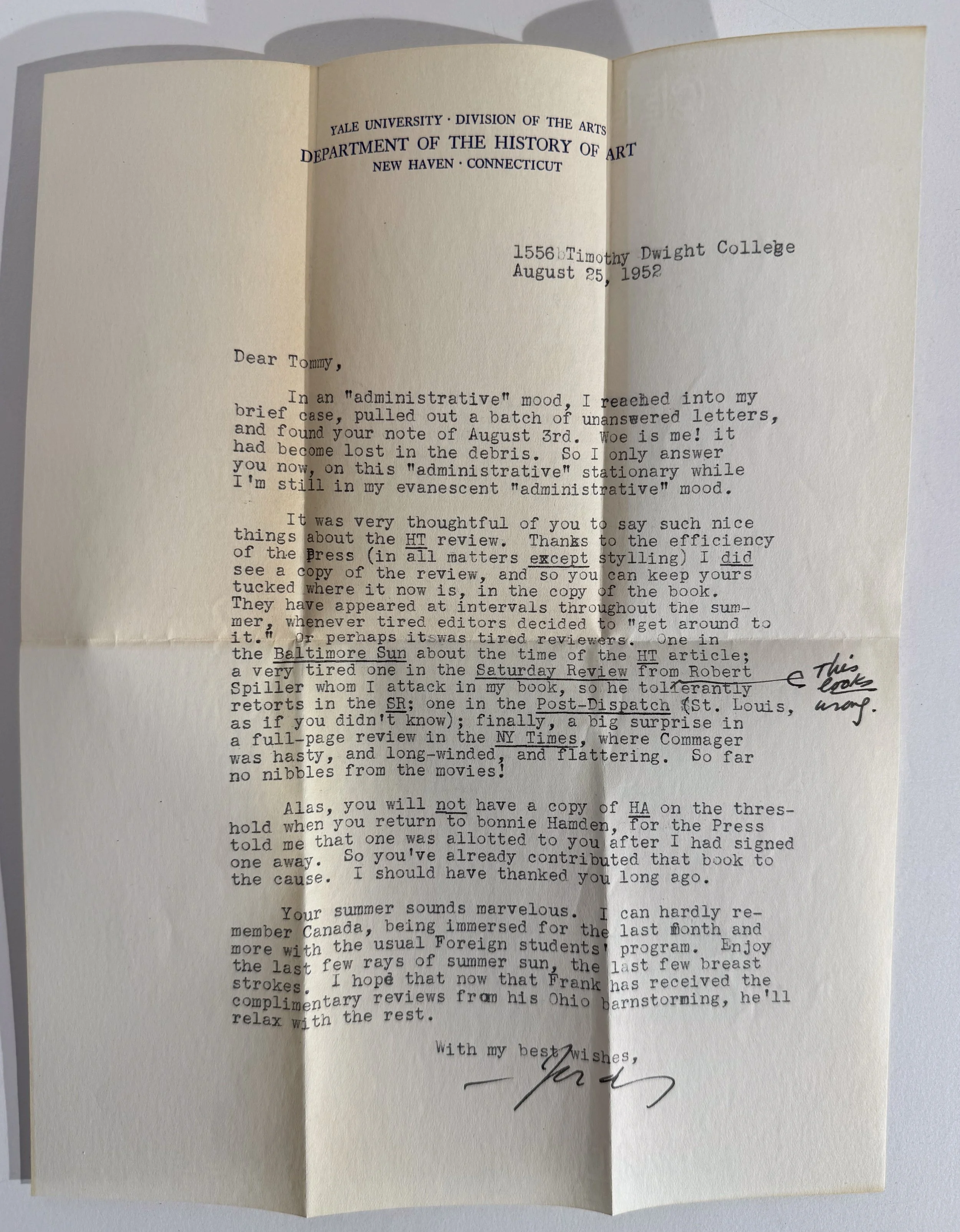 Image 12 of 14
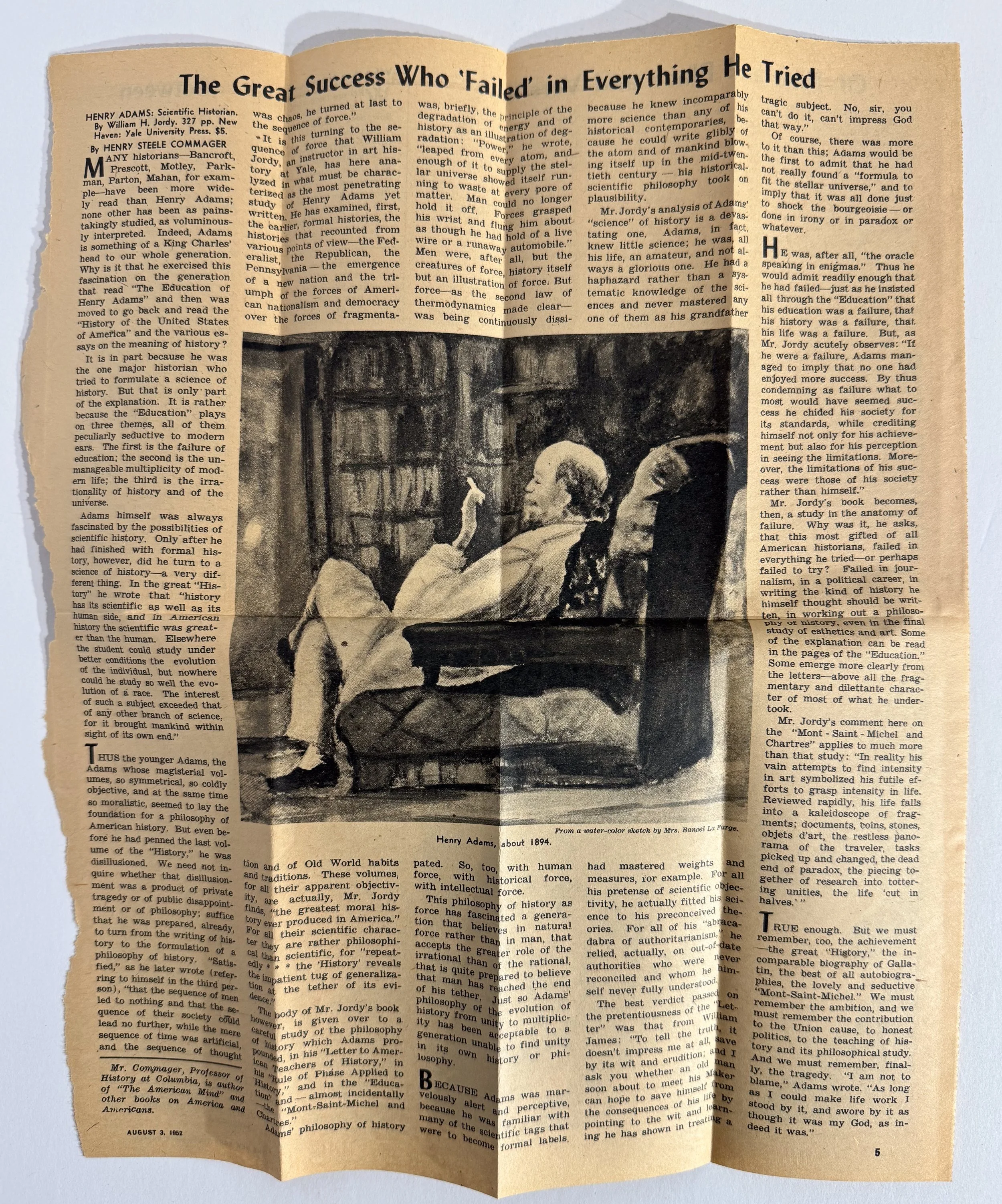 Image 13 of 14
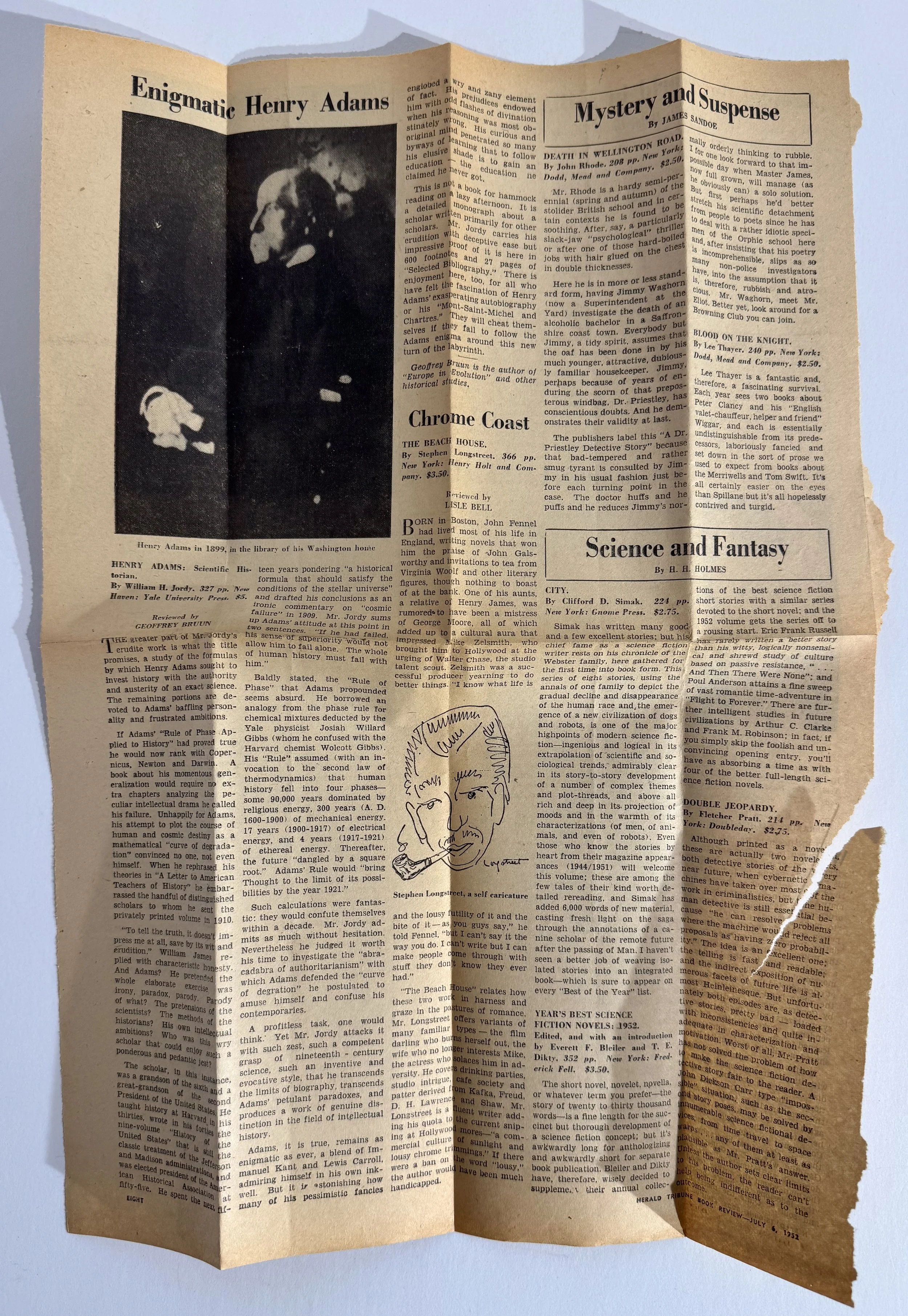 Image 14 of 14