First and apparently only edition of this experimental student catalog, published by Pratt Institute in 1970. Square 4to (9.5 × 9.5 inches), printed wrappers, extensively illustrated in b/w. Conceived and designed by the participating students under Joseph M. Parriott, chairman of Pratt’s Department of Industrial Design.
A collective portfolio documenting twenty-four Pratt designers at a moment when industrial design was moving decisively beyond the discrete, commercially manufactured object. Its expansive contents encompass product, automotive and aviation design, furniture, jewelry, fashion, graphics, environmental design, sculpture, fiber constructions, inflatables, and speculative forms resistant to conventional classification. Technical drawings and carefully photographed models coexist with biomorphic sculpture, crocheted environments, transparent structures, experimental garments, visionary vehicles, and overtly countercultural graphics.
The publication is itself among the group’s most accomplished designs. The students’ names are repeated in minute type across the wrappers and opening leaves, forming a dense typographic field over which the monumental modular title—“id / 24 / 70”—appears as both identification and image. Inside, an unusually coherent sequence of photographs, drawings, plans, and texts gives each participant an individual visual identity while sustaining the book’s collective character. A complete roster, with hometowns, appears on the final page.
Several contributors went on to consequential careers in design and the applied arts. Most notable is Duncan Burke, whose Pratt thesis developed into the futuristic Orbita sling chair, placed in production by Arkana in 1972 and followed by a related dining chair and furniture group. Claude A. Béique became a Canadian graphic and identity designer and contributed to the government’s Federal Identity Program; George Nitefor pursued industrial, exhibition, and graphic design with architectural firms, the Royal Ontario Museum, and the National Film Board; and Ron Pietruska worked on major interpretive and exhibition projects including the American Freedom Train, California State Railroad Museum, and San Francisco Bay Model Visitors Center. Valérie Guignon established a long career in wearable art, producing hand-dyed and painted silk clothing and fiber jewelry shown through galleries and national craft venues. The book thus preserves formative work by designers who would subsequently enter furniture, public graphics, museum display, environmental interpretation, and artist-led production
Parriott, a Pratt graduate who returned to teach and became chairman of Industrial Design in 1966, continued the influential three-dimensional pedagogy associated with Rowena Reed Kostellow while encouraging its expansion into new materials, environments, and modes of experience. Produced amid the political and cultural disruptions of 1970, ID: 24 Graduate Students captures the corresponding enlargement of the designer’s field: from consumer product to body, landscape, system, spectacle, and social proposition.
.Apparently absent from current commerce, and an unusually substantial, visually assured document of experimental American design education. Front hinge slightly weakened. Light rubbing and chipping to extremities.
First and apparently only edition of this experimental student catalog, published by Pratt Institute in 1970. Square 4to (9.5 × 9.5 inches), printed wrappers, extensively illustrated in b/w. Conceived and designed by the participating students under Joseph M. Parriott, chairman of Pratt’s Department of Industrial Design.
A collective portfolio documenting twenty-four Pratt designers at a moment when industrial design was moving decisively beyond the discrete, commercially manufactured object. Its expansive contents encompass product, automotive and aviation design, furniture, jewelry, fashion, graphics, environmental design, sculpture, fiber constructions, inflatables, and speculative forms resistant to conventional classification. Technical drawings and carefully photographed models coexist with biomorphic sculpture, crocheted environments, transparent structures, experimental garments, visionary vehicles, and overtly countercultural graphics.
The publication is itself among the group’s most accomplished designs. The students’ names are repeated in minute type across the wrappers and opening leaves, forming a dense typographic field over which the monumental modular title—“id / 24 / 70”—appears as both identification and image. Inside, an unusually coherent sequence of photographs, drawings, plans, and texts gives each participant an individual visual identity while sustaining the book’s collective character. A complete roster, with hometowns, appears on the final page.
Several contributors went on to consequential careers in design and the applied arts. Most notable is Duncan Burke, whose Pratt thesis developed into the futuristic Orbita sling chair, placed in production by Arkana in 1972 and followed by a related dining chair and furniture group. Claude A. Béique became a Canadian graphic and identity designer and contributed to the government’s Federal Identity Program; George Nitefor pursued industrial, exhibition, and graphic design with architectural firms, the Royal Ontario Museum, and the National Film Board; and Ron Pietruska worked on major interpretive and exhibition projects including the American Freedom Train, California State Railroad Museum, and San Francisco Bay Model Visitors Center. Valérie Guignon established a long career in wearable art, producing hand-dyed and painted silk clothing and fiber jewelry shown through galleries and national craft venues. The book thus preserves formative work by designers who would subsequently enter furniture, public graphics, museum display, environmental interpretation, and artist-led production
Parriott, a Pratt graduate who returned to teach and became chairman of Industrial Design in 1966, continued the influential three-dimensional pedagogy associated with Rowena Reed Kostellow while encouraging its expansion into new materials, environments, and modes of experience. Produced amid the political and cultural disruptions of 1970, ID: 24 Graduate Students captures the corresponding enlargement of the designer’s field: from consumer product to body, landscape, system, spectacle, and social proposition.
.Apparently absent from current commerce, and an unusually substantial, visually assured document of experimental American design education. Front hinge slightly weakened. Light rubbing and chipping to extremities.

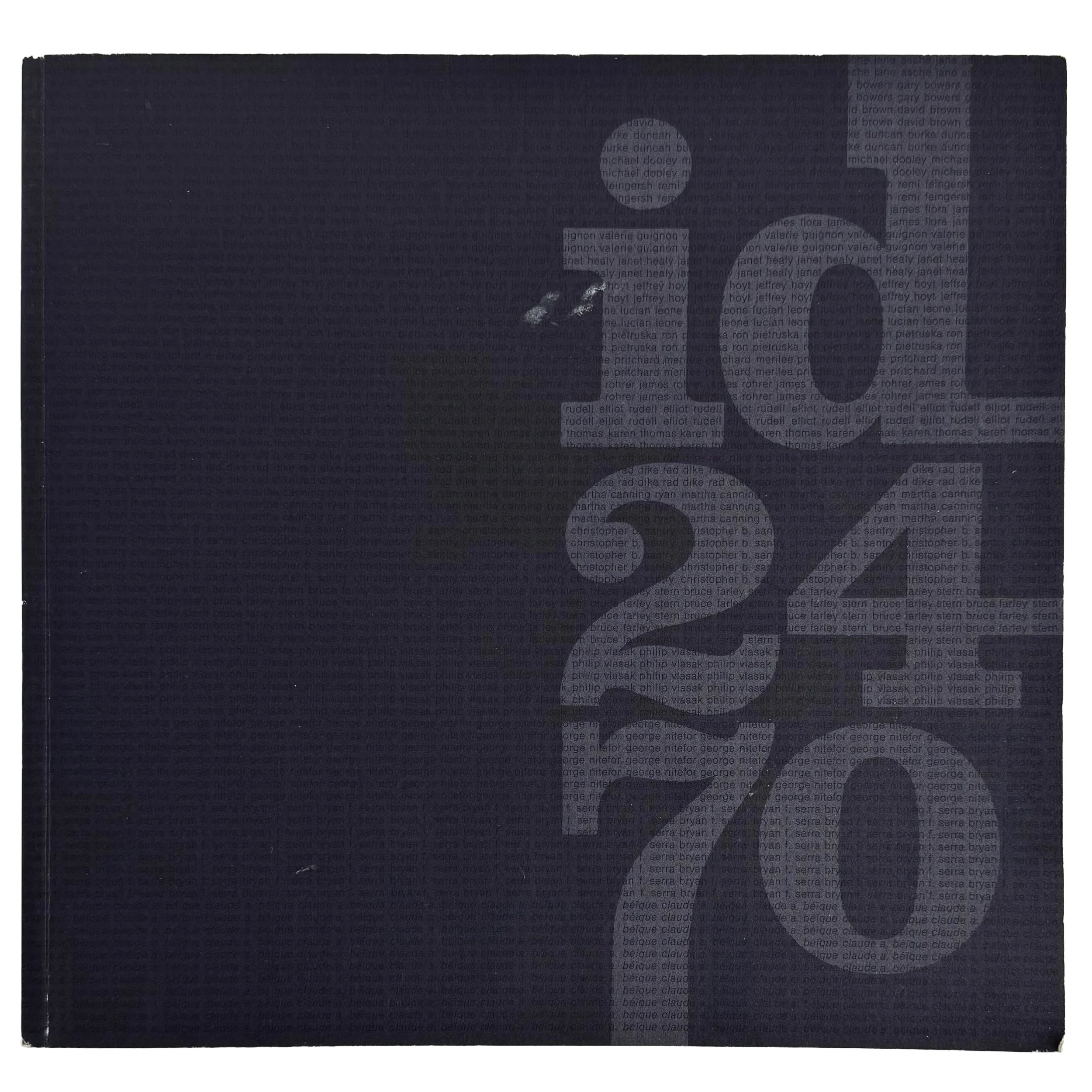 Image 1 of 13
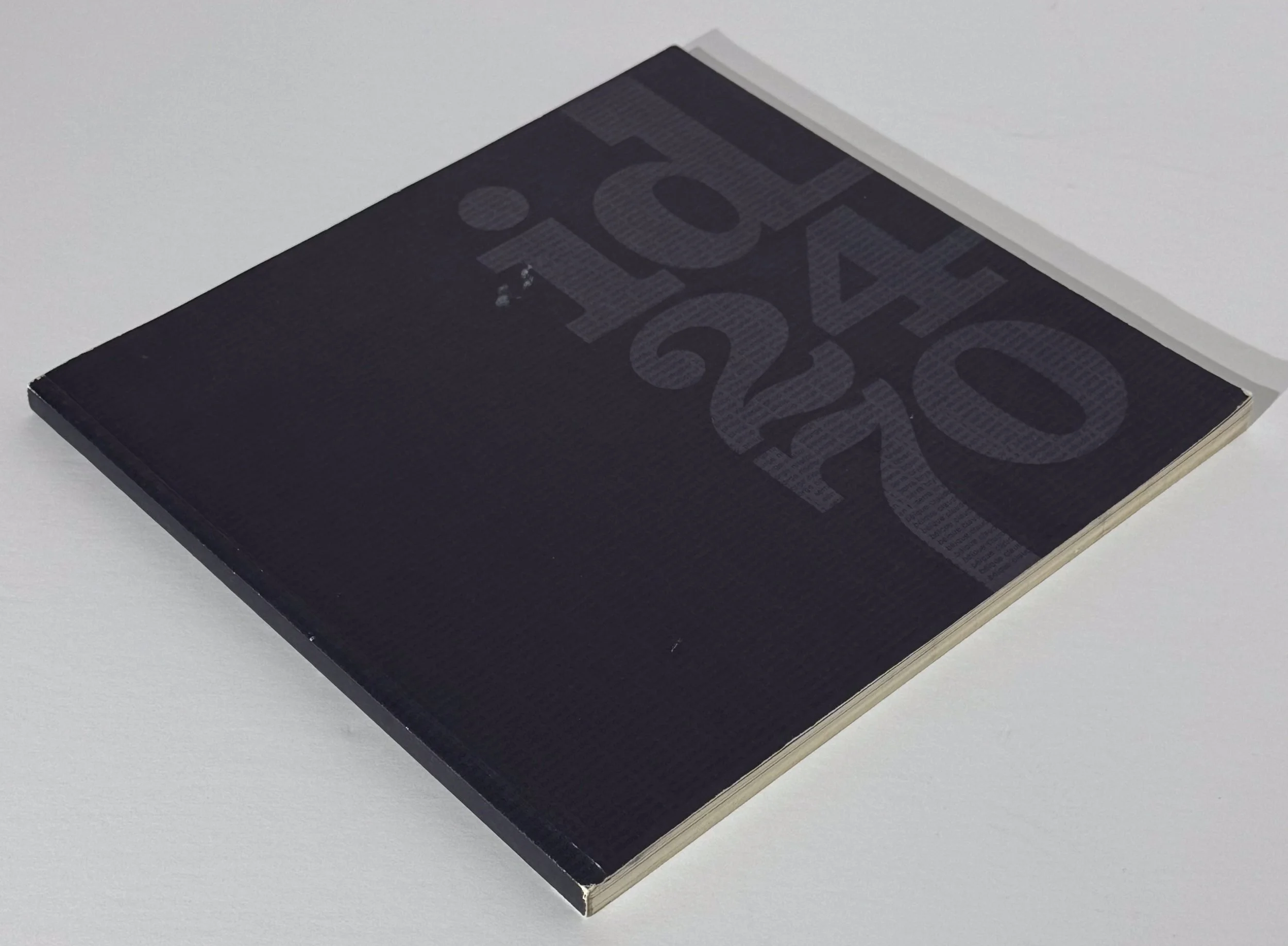 Image 2 of 13
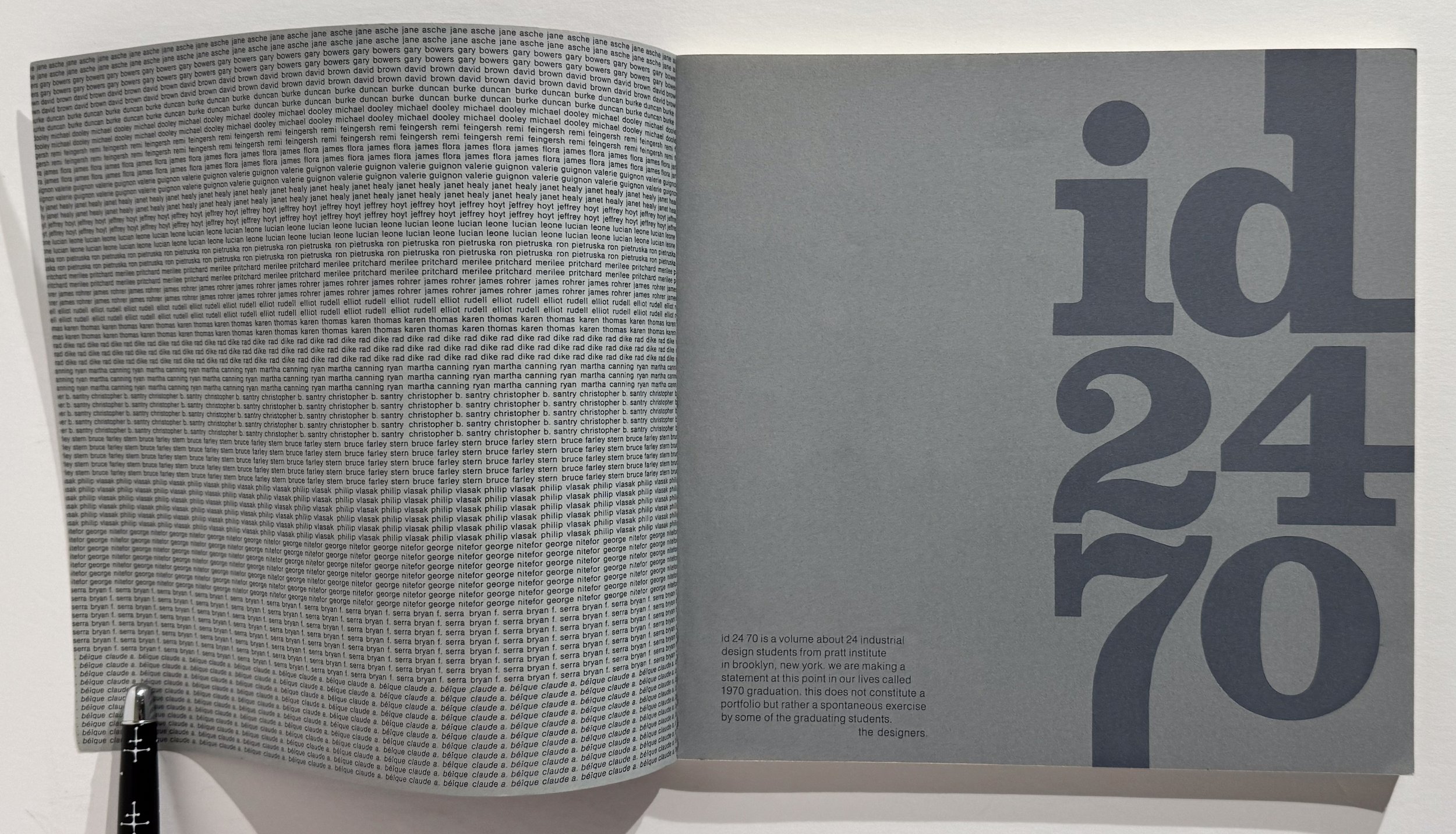 Image 3 of 13
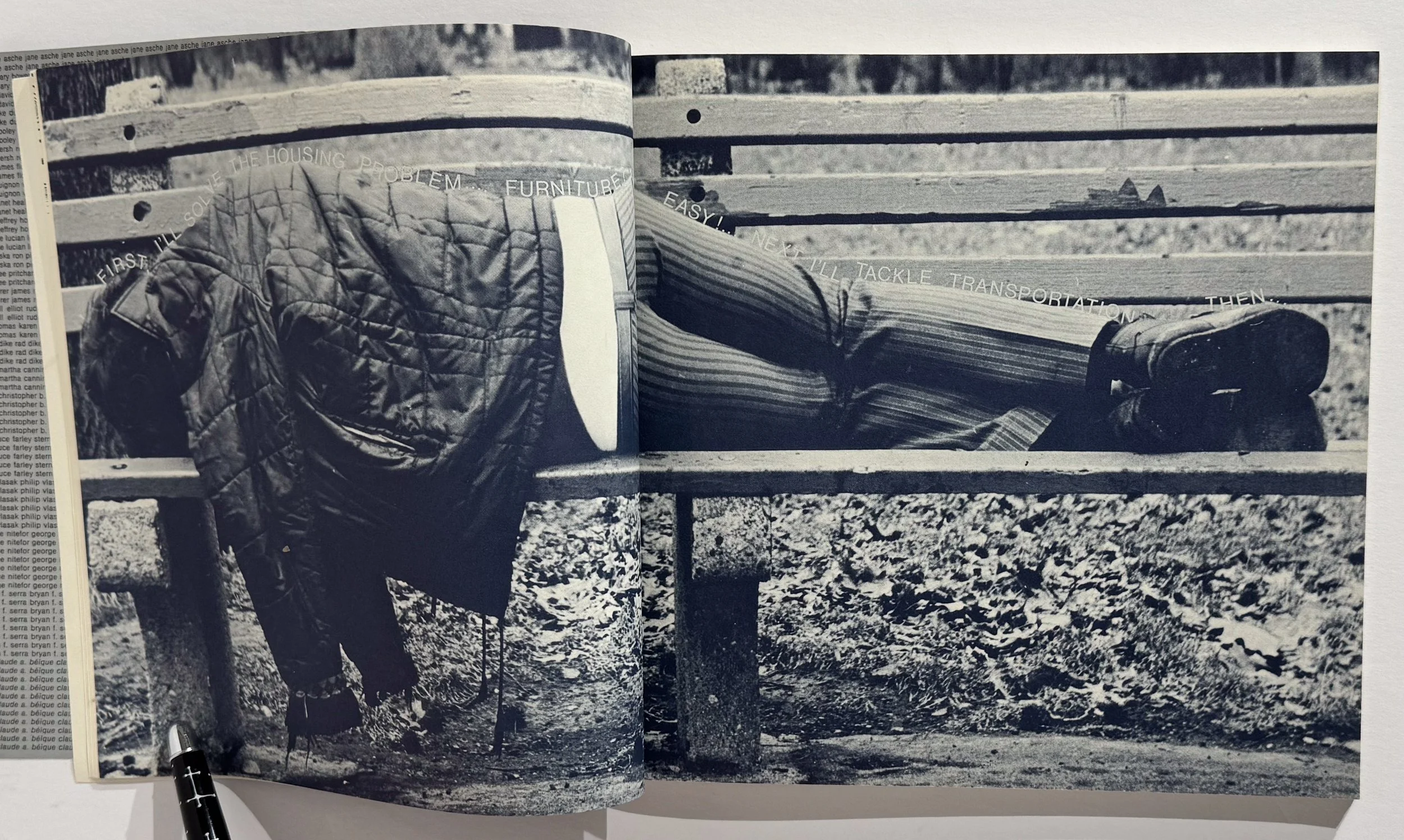 Image 4 of 13
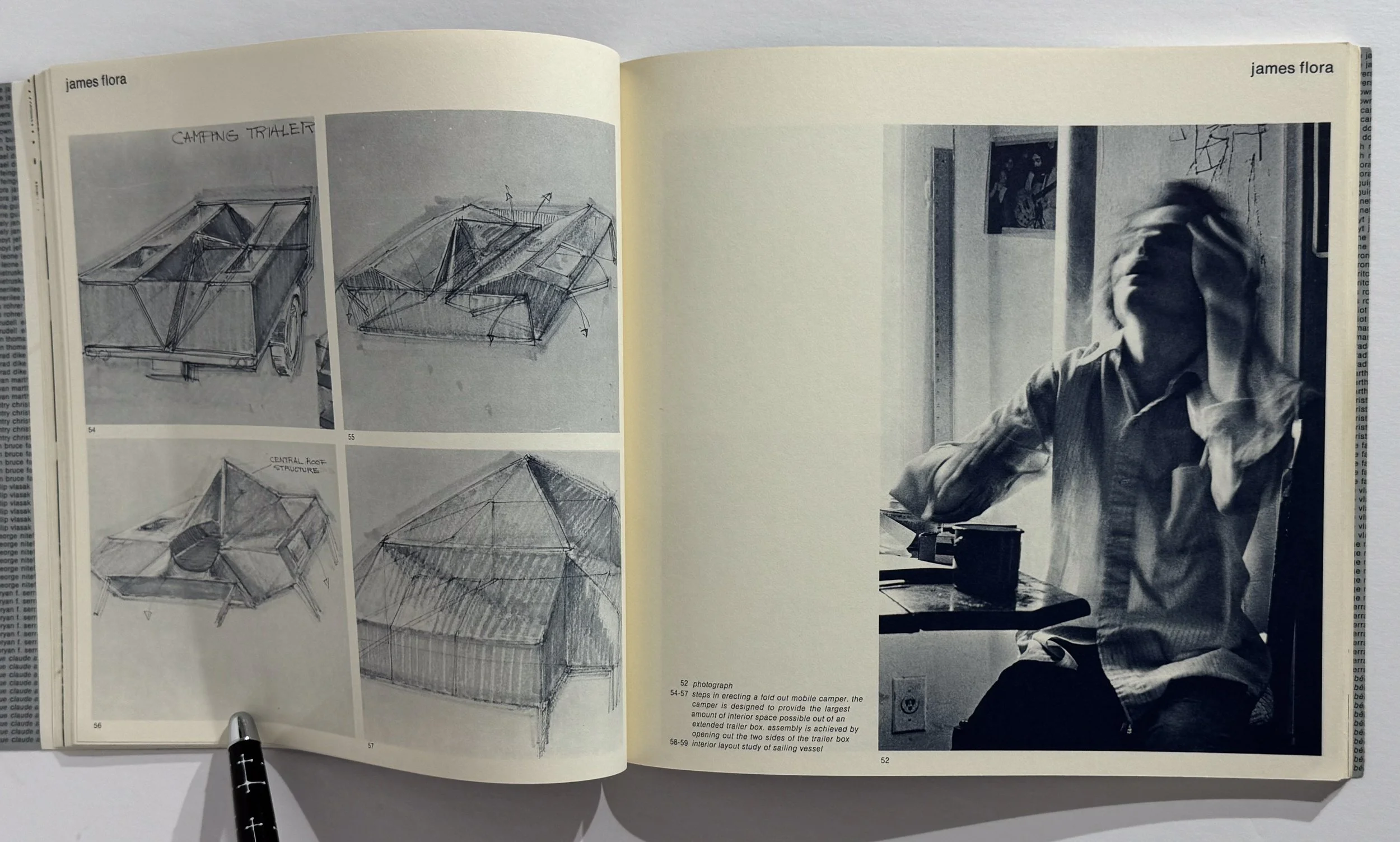 Image 5 of 13
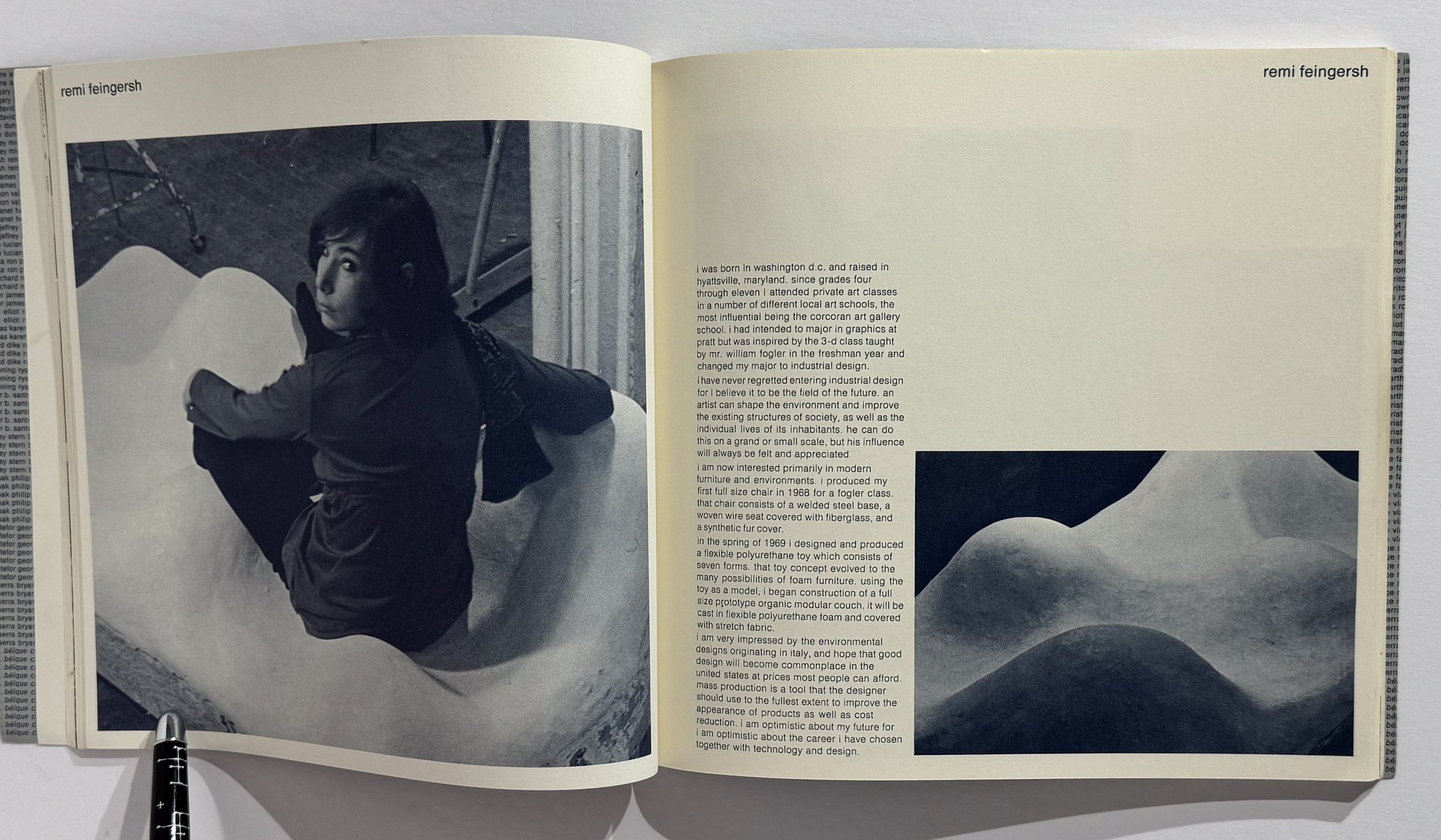 Image 6 of 13
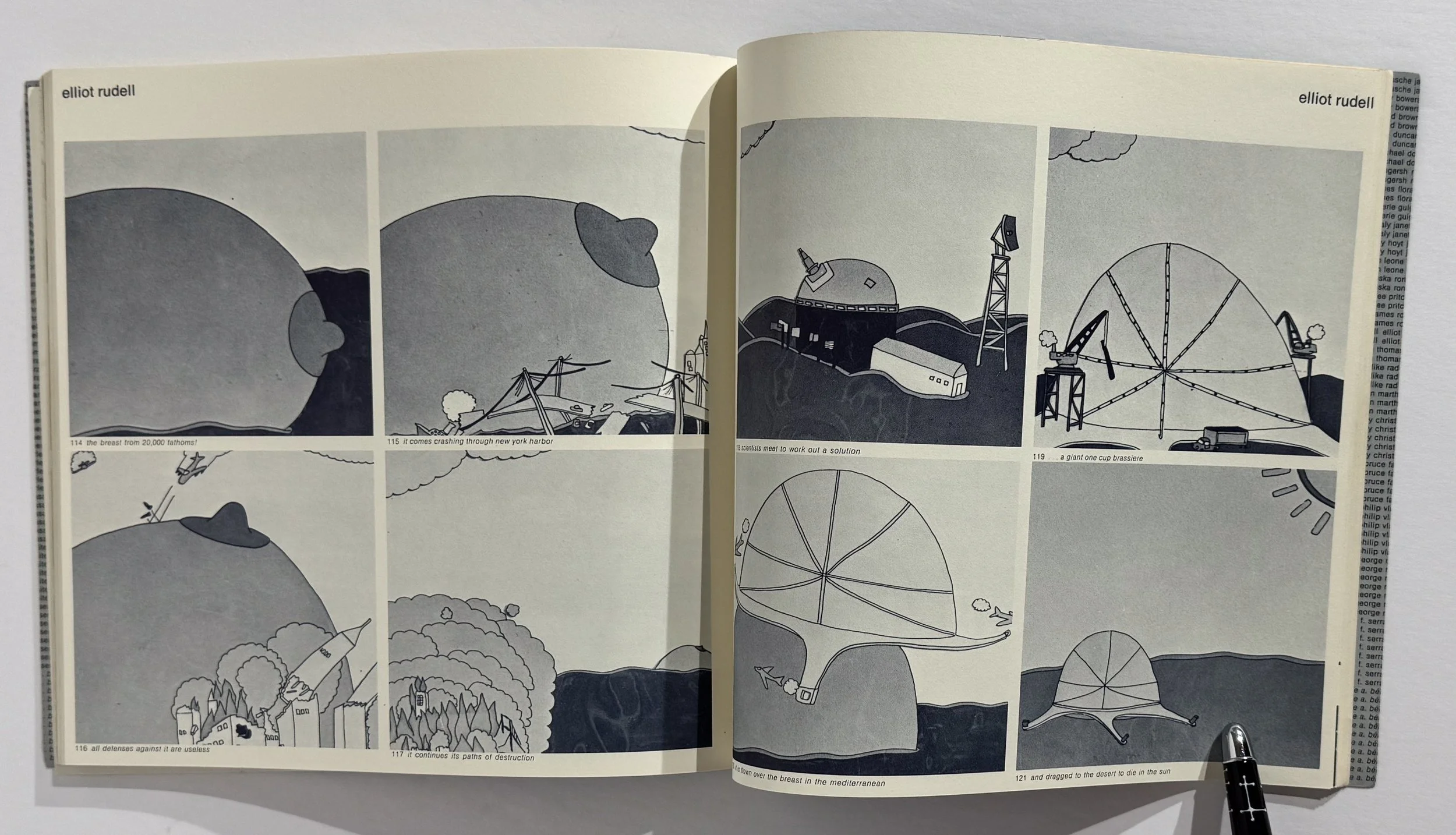 Image 7 of 13
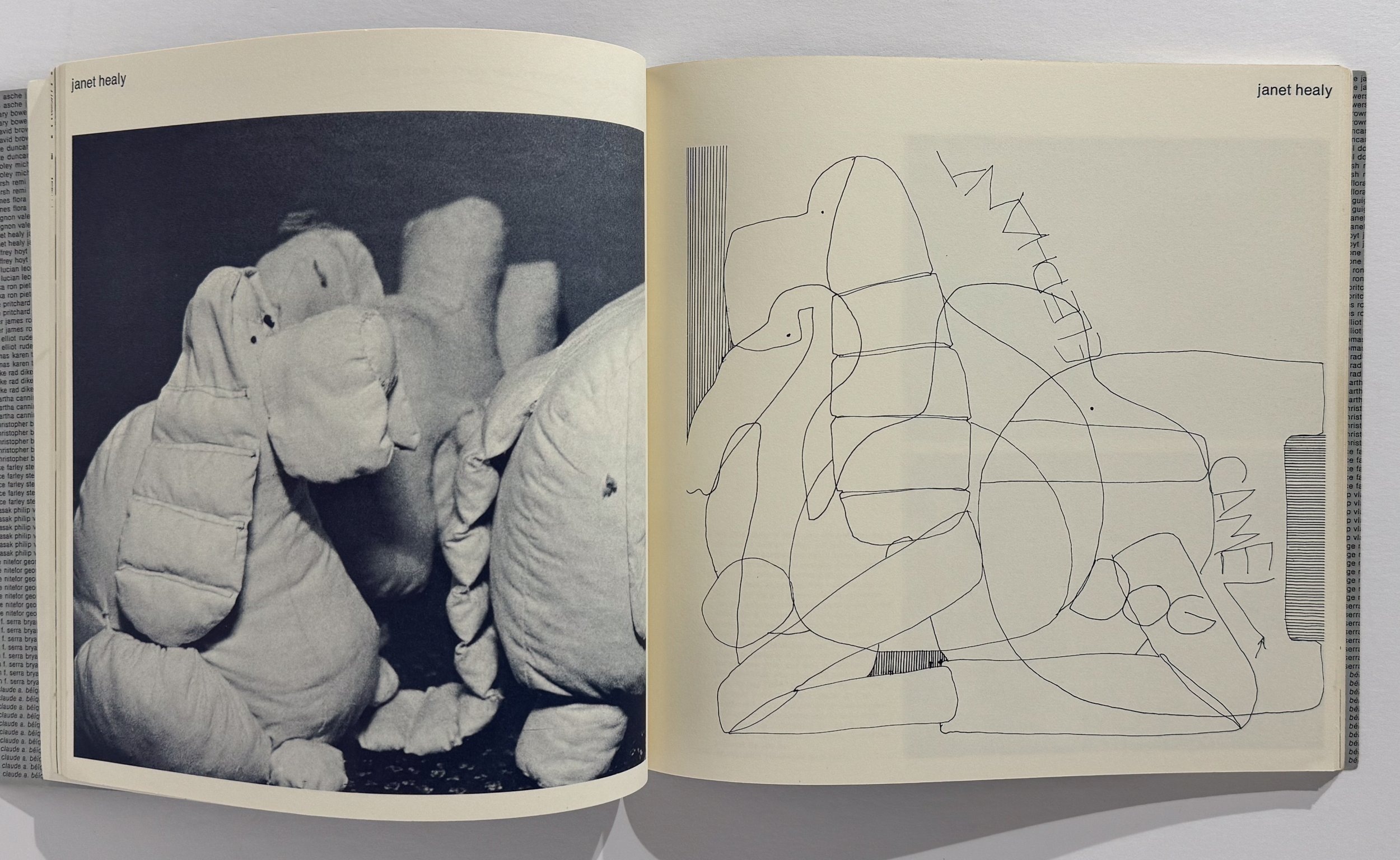 Image 8 of 13
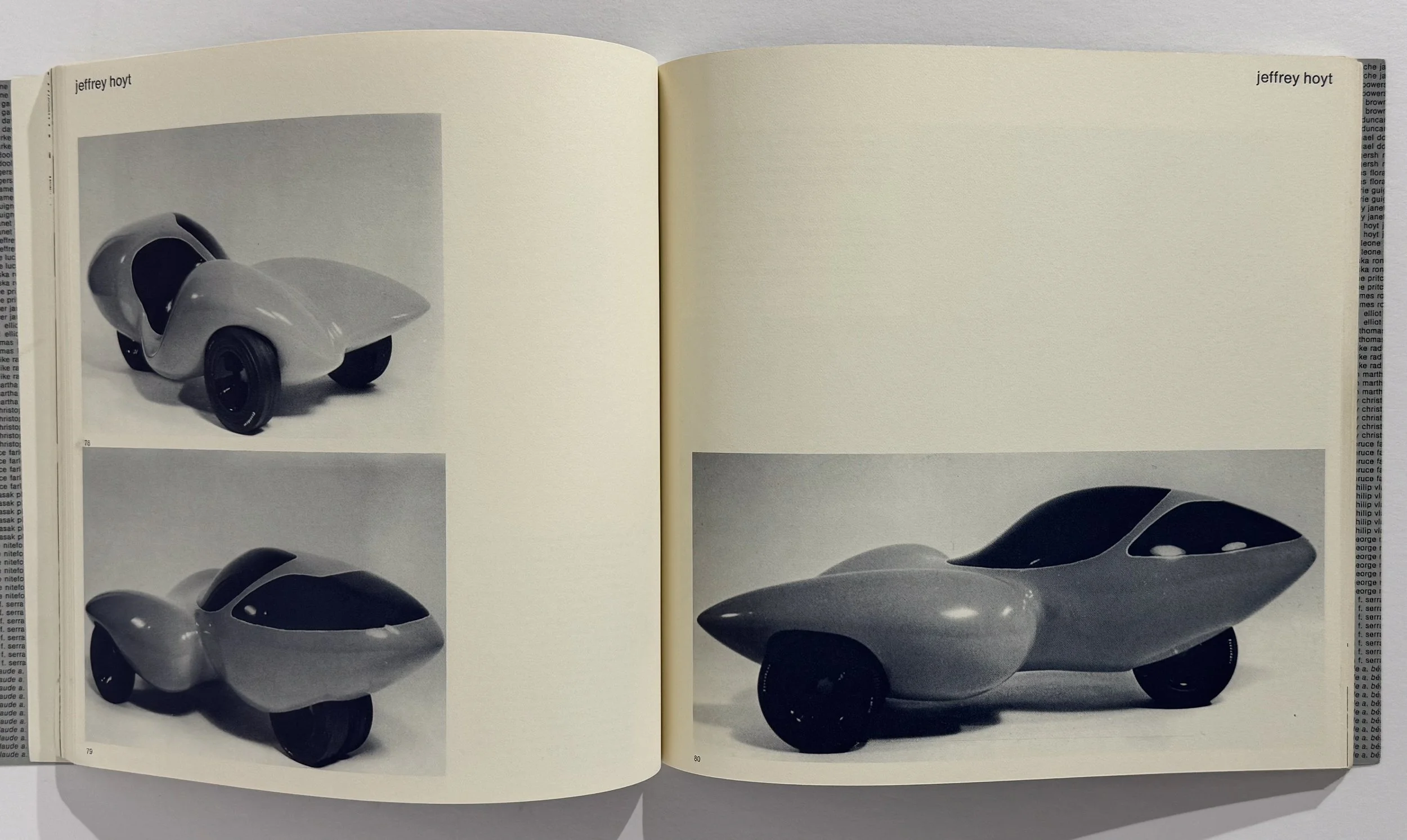 Image 9 of 13
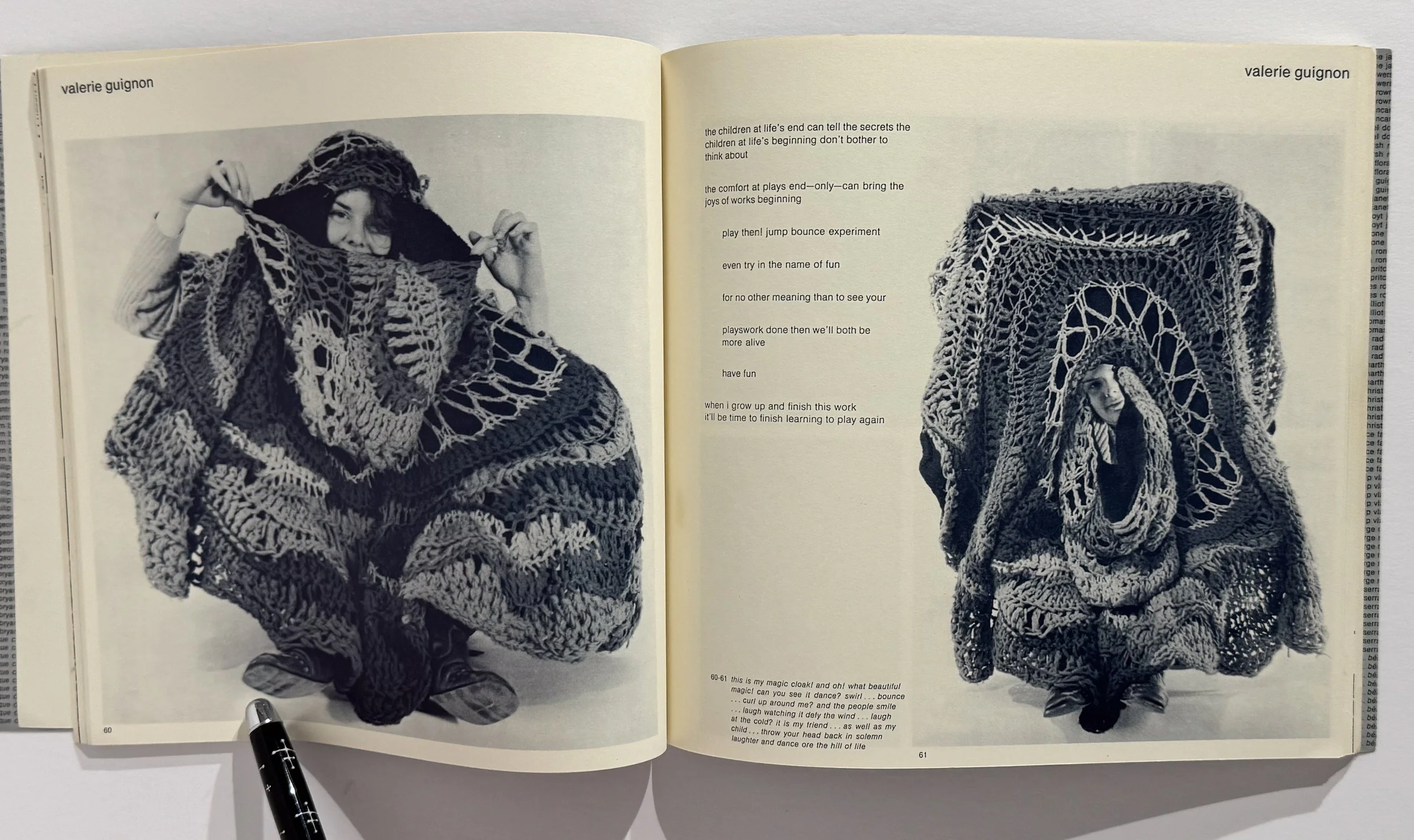 Image 10 of 13
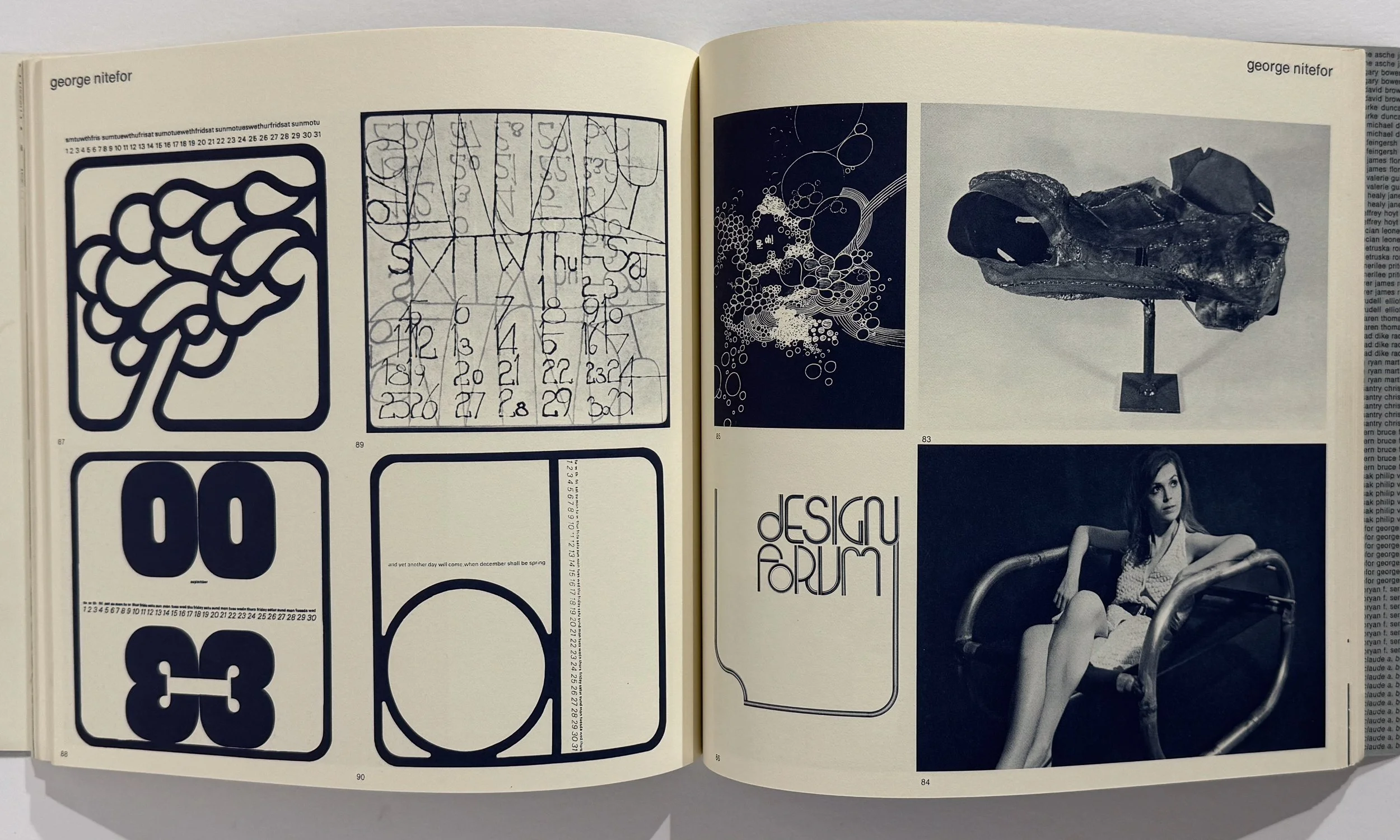 Image 11 of 13
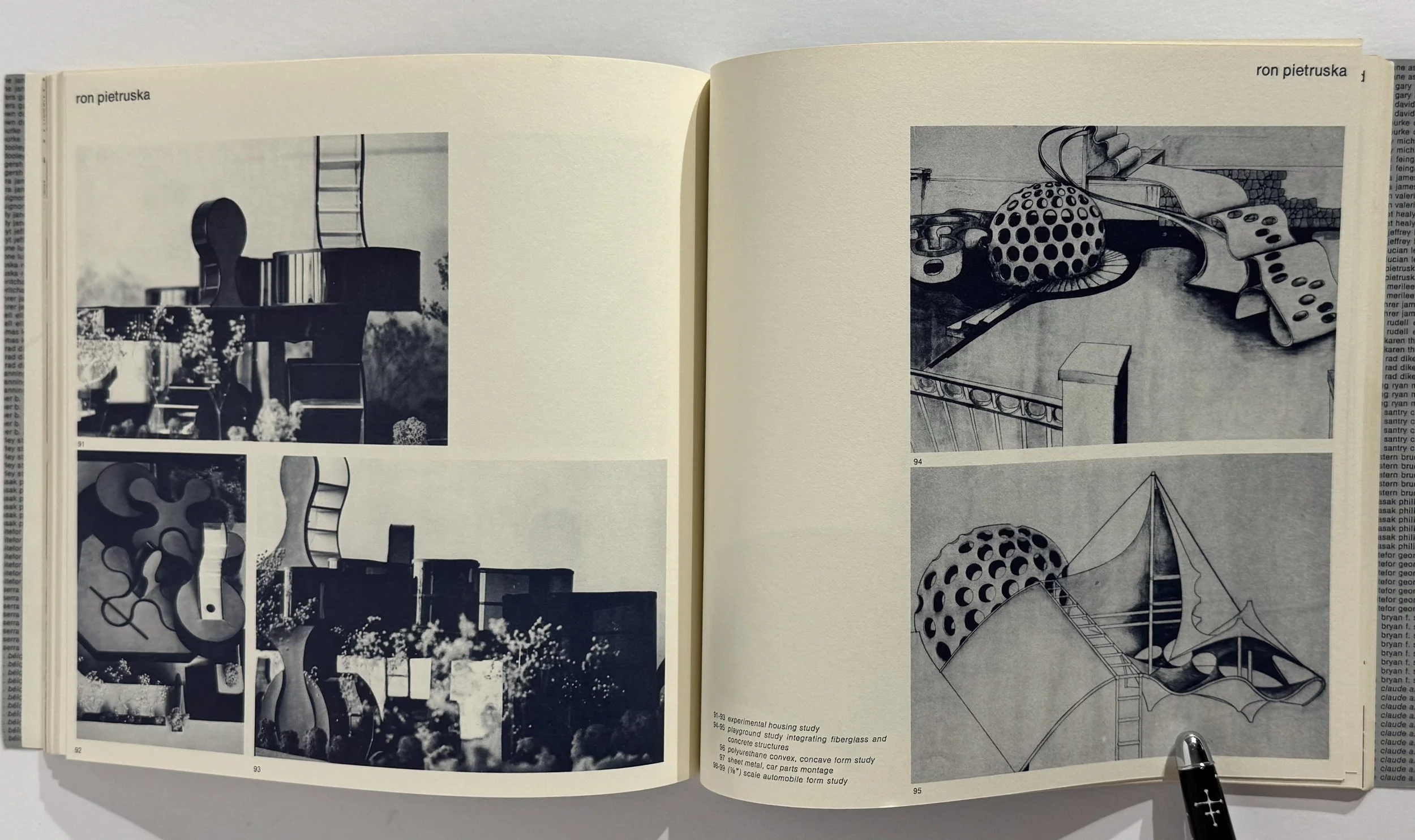 Image 12 of 13
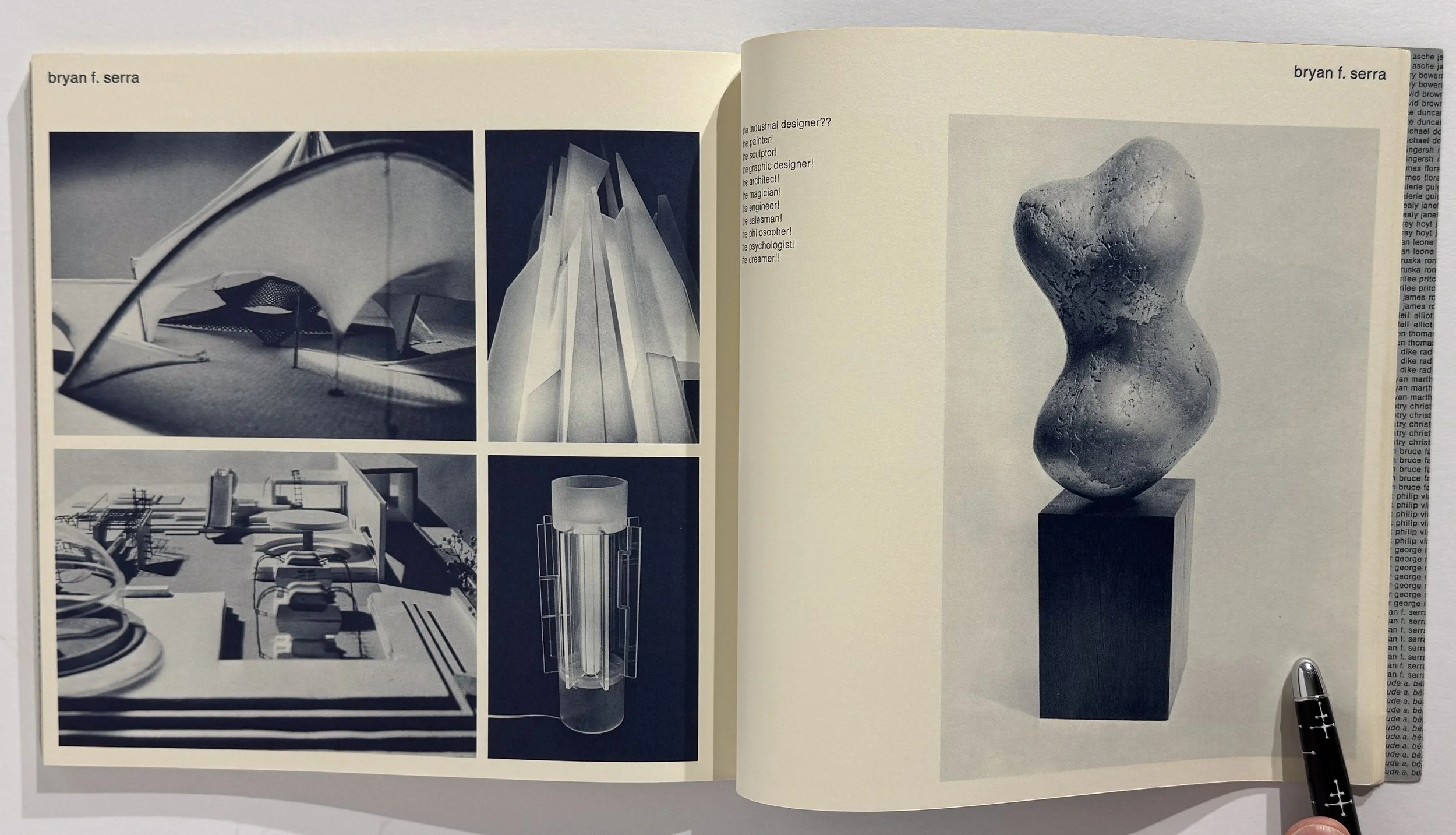 Image 13 of 13