An exceptional, tightly coherent fragment of the personal library of Juan Downey, comprising six books inscribed directly to the pioneering Chilean-born video and conceptual artist by figures in the European and Latin American avant-garde, literature, and early video culture, together with Downey’s ownership-stamped copy of Theodor W. Adorno’s Prisms. Preserved together from Downey’s working library, the seven volumes trace almost a quarter-century of artistic friendship and intellectual exchange—from Paris in 1965 through the emergence of experimental video in New York and Downey’s renewed engagement with the Chilean avant-garde of the 1980s.
Born in Santiago and trained in architecture, Downey moved through Europe before settling in New York in 1965. There he became one of the seminal figures of first-generation video art, bringing together architecture, cybernetics, systems theory, anthropology, political thought, and electronic media. His great itinerant project, Video Trans Americas (1973–1976), used portable video during journeys through the Americas as an instrument of communication and reciprocal cultural encounter. His work is now firmly established within the histories of conceptual and media art; The Museum of Modern Art characterizes his practice as combining architecture, technology, and anthropology while investigating representations of humanity and Latin American identity.
The archive is particularly persuasive because its inscriptions are contemporary with the books and relationships they document. These are not retrospective presentations made after either author or recipient had achieved canonical status. Biasi’s 1964 book was inscribed in 1965; Gillette’s 1973 book in 1973; Cuadra’s 1971 book in 1972; and both Eltit novels in their respective years of publication. The books entered Downey’s library while their ideas were current and the relationships represented by them were alive.
Guido Biasi. Restaurazione e Rivoluzione. Edizioni Il Centro, November 1964. First edition, illustrated wrappers.Inscribed in French to Downey in Paris, 7 July 1965: “A Downey avec beaucoup d’estime pour lui et pour la peinture / guido biasi.” The earliest association in the group and an unusually evocative document of Downey before video: Biasi addresses him explicitly in relation to painting. A principal figure of Naples’s Gruppo ’58 and the Italian postwar neo-avant-garde, Biasi places the young Chilean artist within the cosmopolitan European network through which Downey passed immediately before establishing himself in New York. A manuscript address for photographer and expatriate cultural figure Milton Gendel on the rear further suggests the web of personal contacts surrounding the book. As the archive’s earliest volume, it establishes Downey first as an artist circulating internationally rather than retrospectively as “the video pioneer.”
Pablo Antonio Cuadra. Cantos de Cifar. El Toro de Granito, May 1971. First edition, wrappers. Inscribed to Downey in 1972: “A Juan Downing [sic] como recuerdo de un viaje por las azul[es] de Cifar. su amigo Pablo Antonio Cuadra.” The charming error in Downey’s surname sits beside the considerably more consequential “su amigo”—“your friend.” One of Cuadra’s major poetic works, Cantos de Cifar remakes the geography and people of Lake Nicaragua through myth, voyage, history, and vernacular culture. Its presence in Downey’s library at precisely the period in which he was turning increasingly toward travel, anthropology, indigenous cultures, and Latin American identity makes the association particularly resonant. The book expands the archive beyond visual-art circles into the literary imagination of Latin America.
Frank Gillette. Between Paradigms: The Mood and Its Purpose. New York: Gordon and Breach, 1973. First edition, an Interface Book, printed wrappers. Inscribed “Juan—Behold the spirit...be happy + well / Frank / 24 May 1973.”The conceptual centerpiece of the archive. Gillette was Downey’s direct peer in the first generation of experimental video, and Between Paradigms is his principal theoretical book: an idiosyncratic synthesis of cybernetics, ecology, systems thinking, communications, consciousness, philosophy, and electronic media emerging from the same intellectual environment as Raindance and Radical Software. The publication-year inscription is unusually felicitous. “Behold the spirit” is not the language of a formal author presentation but of an active intellectual and personal relationship, and captures something of the utopian, systems-oriented culture in which early video developed. The book exhibits a dampstain along the upper rear wrapper extending into approximately the final ten leaves—an imperfection, but also consistent with a book that remained in an artist’s working library rather than entering the rare-book trade. Copies of the original 1973 edition are notably elusive in commerce; a publication-year Gillette-to-Downey association belongs to a different category altogether.
Ernesto Cardenal. Mayapan. Managua: Editorial Alemana, 1968(?). First edition, printed wrappers. Inscribed simply and eloquently: “para Juan con la amistad de Ernesto Cardenal.” Cardenal—poet, priest, revolutionary, and one of the defining literary voices of twentieth-century Nicaragua—introduces another strand of Downey’s Latin American intellectual world: the convergence of poetry, indigenous and pre-Columbian history, spirituality, revolutionary politics, and cultural memory. The explicit language of friendship is more significant than an elaborate formal dedication would have been. Dampstaining and evidence of handling again identify the volume as a working-library object. Within the archive Cardenal provides an ethical, political, and spiritual counterpoint to Gillette’s cybernetic media theory.
Diamela Eltit. Por la Patria. Santiago: Editorial del Ornitorrinco, 1986. First edition, wrappers. Inscribed directly to Downey in the year of publication, with characteristic playfulness: “Para Juan / Juan Juan Juan Downey / the best one / Diamela / Oct 86.” An extraordinary association copy of one of the defining novels of the Chilean neo-avant-garde. Eltit, novelist, performance artist, and participant in the radical CADA collective, developed an experimental literature of fractured language, marginal bodies, authoritarian power, and resistance under the Pinochet dictatorship. The inscription is particularly revealing: emphatically personal, bilingual, affectionate, and almost performative in its repetition of Downey’s name. “The best one” removes any suggestion of a routine authorial presentation, forming a slant rhyme to boot. More importantly, the inscription was made while Por la Patria itself was new—a live exchange between two major Chilean experimental figures rather than a later homage.
Diamela Eltit. El Cuarto Mundo. Santiago: Editorial Planeta Chilena, December 1988. First edition, wrappers. Again inscribed directly to Downey in the year of publication: “Para Juan, Juan, Juan / Diamela / Dic ’88.” Considered beside Por la Patria, the second Eltit volume changes the evidentiary character of the first. What might otherwise represent a memorable single encounter becomes a documented continuing relationship. Two important first editions, two publication-year presentations, two affectionate repetitions of “Juan”: together they form a small association archive within the larger archive and connect Downey directly to the experimental literary culture of Chile during the final years of dictatorship.
Theodor W. Adorno. Prisms. Cambridge, Massachusetts: The MIT Press. English translation by Samuel and Shierry Weber. Downey’s working copy, bearing two ownership stamps: “Juan Downey / 146 West 26th St. / New York, N.Y. 10001.” Unlike the six presentation copies, Prisms is important precisely because nobody presented it to Downey. It is a book he identified repeatedly as his own. Adorno’s essays on Benjamin, Kafka, Schoenberg, mass culture, music, and aesthetics introduce the Frankfurt School directly into the intellectual landscape represented by the archive. More importantly for provenance, the stamps locate the library at Downey’s Chelsea address. The volume is therefore both intellectual evidence and physical anchor: the book that most clearly establishes these materials as survivors of an actual working library.
Taken together, the seven books form an unusually concentrated intellectual portrait through association and use. Biasi preserves Downey as painter within the European neo-avant-garde; Gillette places him at the center of cybernetic and experimental video culture; Cuadra and Cardenal document his relationships with the literary and political imagination of Latin America; Eltit reconnects him to the radical Chilean culture of the dictatorship years; and Adorno reveals something of the theoretical substratum beneath it all.
The physical condition of the books is part of that history. They are not seven pristine presentation copies brought together by a collector. Handling, rubbing, bumping, occasional dampstaining, ownership marks, and other evidence of use establish them as books that inhabited Downey’s intellectual and domestic environment.
Most compelling is the currency of the associations. Again and again a newly published book appears in Downey’s hands almost immediately: Biasi 1964/1965; Cuadra 1971/1972; Gillette 1973/1973; Eltit 1986/1986 and 1988/1988. The pattern gives the archive the character of a living network. Books were not subsequently collected because their authors became important; they arrived through encounters and friendships while their ideas were being made.
What survives is consequently larger than seven rare books. It is a compact documentary reconstruction of the transnational avant-garde surrounding one of the twentieth century’s most intellectually adventurous media artists—moving between painting and cybernetics, poetry and anthropology, critical theory and revolutionary politics, Santiago and Managua, Paris and New York. In an archive of modest physical scale, the network is remarkably dense.
Seven volumes. Six association copies inscribed directly to Juan Downey; one ownership-stamped working-library volume. Preserved together from the Downey library. Offered as a group of seven volumes. More information, images, and condition reports available upon request.
An exceptional, tightly coherent fragment of the personal library of Juan Downey, comprising six books inscribed directly to the pioneering Chilean-born video and conceptual artist by figures in the European and Latin American avant-garde, literature, and early video culture, together with Downey’s ownership-stamped copy of Theodor W. Adorno’s Prisms. Preserved together from Downey’s working library, the seven volumes trace almost a quarter-century of artistic friendship and intellectual exchange—from Paris in 1965 through the emergence of experimental video in New York and Downey’s renewed engagement with the Chilean avant-garde of the 1980s.
Born in Santiago and trained in architecture, Downey moved through Europe before settling in New York in 1965. There he became one of the seminal figures of first-generation video art, bringing together architecture, cybernetics, systems theory, anthropology, political thought, and electronic media. His great itinerant project, Video Trans Americas (1973–1976), used portable video during journeys through the Americas as an instrument of communication and reciprocal cultural encounter. His work is now firmly established within the histories of conceptual and media art; The Museum of Modern Art characterizes his practice as combining architecture, technology, and anthropology while investigating representations of humanity and Latin American identity.
The archive is particularly persuasive because its inscriptions are contemporary with the books and relationships they document. These are not retrospective presentations made after either author or recipient had achieved canonical status. Biasi’s 1964 book was inscribed in 1965; Gillette’s 1973 book in 1973; Cuadra’s 1971 book in 1972; and both Eltit novels in their respective years of publication. The books entered Downey’s library while their ideas were current and the relationships represented by them were alive.
Guido Biasi. Restaurazione e Rivoluzione. Edizioni Il Centro, November 1964. First edition, illustrated wrappers.Inscribed in French to Downey in Paris, 7 July 1965: “A Downey avec beaucoup d’estime pour lui et pour la peinture / guido biasi.” The earliest association in the group and an unusually evocative document of Downey before video: Biasi addresses him explicitly in relation to painting. A principal figure of Naples’s Gruppo ’58 and the Italian postwar neo-avant-garde, Biasi places the young Chilean artist within the cosmopolitan European network through which Downey passed immediately before establishing himself in New York. A manuscript address for photographer and expatriate cultural figure Milton Gendel on the rear further suggests the web of personal contacts surrounding the book. As the archive’s earliest volume, it establishes Downey first as an artist circulating internationally rather than retrospectively as “the video pioneer.”
Pablo Antonio Cuadra. Cantos de Cifar. El Toro de Granito, May 1971. First edition, wrappers. Inscribed to Downey in 1972: “A Juan Downing [sic] como recuerdo de un viaje por las azul[es] de Cifar. su amigo Pablo Antonio Cuadra.” The charming error in Downey’s surname sits beside the considerably more consequential “su amigo”—“your friend.” One of Cuadra’s major poetic works, Cantos de Cifar remakes the geography and people of Lake Nicaragua through myth, voyage, history, and vernacular culture. Its presence in Downey’s library at precisely the period in which he was turning increasingly toward travel, anthropology, indigenous cultures, and Latin American identity makes the association particularly resonant. The book expands the archive beyond visual-art circles into the literary imagination of Latin America.
Frank Gillette. Between Paradigms: The Mood and Its Purpose. New York: Gordon and Breach, 1973. First edition, an Interface Book, printed wrappers. Inscribed “Juan—Behold the spirit...be happy + well / Frank / 24 May 1973.”The conceptual centerpiece of the archive. Gillette was Downey’s direct peer in the first generation of experimental video, and Between Paradigms is his principal theoretical book: an idiosyncratic synthesis of cybernetics, ecology, systems thinking, communications, consciousness, philosophy, and electronic media emerging from the same intellectual environment as Raindance and Radical Software. The publication-year inscription is unusually felicitous. “Behold the spirit” is not the language of a formal author presentation but of an active intellectual and personal relationship, and captures something of the utopian, systems-oriented culture in which early video developed. The book exhibits a dampstain along the upper rear wrapper extending into approximately the final ten leaves—an imperfection, but also consistent with a book that remained in an artist’s working library rather than entering the rare-book trade. Copies of the original 1973 edition are notably elusive in commerce; a publication-year Gillette-to-Downey association belongs to a different category altogether.
Ernesto Cardenal. Mayapan. Managua: Editorial Alemana, 1968(?). First edition, printed wrappers. Inscribed simply and eloquently: “para Juan con la amistad de Ernesto Cardenal.” Cardenal—poet, priest, revolutionary, and one of the defining literary voices of twentieth-century Nicaragua—introduces another strand of Downey’s Latin American intellectual world: the convergence of poetry, indigenous and pre-Columbian history, spirituality, revolutionary politics, and cultural memory. The explicit language of friendship is more significant than an elaborate formal dedication would have been. Dampstaining and evidence of handling again identify the volume as a working-library object. Within the archive Cardenal provides an ethical, political, and spiritual counterpoint to Gillette’s cybernetic media theory.
Diamela Eltit. Por la Patria. Santiago: Editorial del Ornitorrinco, 1986. First edition, wrappers. Inscribed directly to Downey in the year of publication, with characteristic playfulness: “Para Juan / Juan Juan Juan Downey / the best one / Diamela / Oct 86.” An extraordinary association copy of one of the defining novels of the Chilean neo-avant-garde. Eltit, novelist, performance artist, and participant in the radical CADA collective, developed an experimental literature of fractured language, marginal bodies, authoritarian power, and resistance under the Pinochet dictatorship. The inscription is particularly revealing: emphatically personal, bilingual, affectionate, and almost performative in its repetition of Downey’s name. “The best one” removes any suggestion of a routine authorial presentation, forming a slant rhyme to boot. More importantly, the inscription was made while Por la Patria itself was new—a live exchange between two major Chilean experimental figures rather than a later homage.
Diamela Eltit. El Cuarto Mundo. Santiago: Editorial Planeta Chilena, December 1988. First edition, wrappers. Again inscribed directly to Downey in the year of publication: “Para Juan, Juan, Juan / Diamela / Dic ’88.” Considered beside Por la Patria, the second Eltit volume changes the evidentiary character of the first. What might otherwise represent a memorable single encounter becomes a documented continuing relationship. Two important first editions, two publication-year presentations, two affectionate repetitions of “Juan”: together they form a small association archive within the larger archive and connect Downey directly to the experimental literary culture of Chile during the final years of dictatorship.
Theodor W. Adorno. Prisms. Cambridge, Massachusetts: The MIT Press. English translation by Samuel and Shierry Weber. Downey’s working copy, bearing two ownership stamps: “Juan Downey / 146 West 26th St. / New York, N.Y. 10001.” Unlike the six presentation copies, Prisms is important precisely because nobody presented it to Downey. It is a book he identified repeatedly as his own. Adorno’s essays on Benjamin, Kafka, Schoenberg, mass culture, music, and aesthetics introduce the Frankfurt School directly into the intellectual landscape represented by the archive. More importantly for provenance, the stamps locate the library at Downey’s Chelsea address. The volume is therefore both intellectual evidence and physical anchor: the book that most clearly establishes these materials as survivors of an actual working library.
Taken together, the seven books form an unusually concentrated intellectual portrait through association and use. Biasi preserves Downey as painter within the European neo-avant-garde; Gillette places him at the center of cybernetic and experimental video culture; Cuadra and Cardenal document his relationships with the literary and political imagination of Latin America; Eltit reconnects him to the radical Chilean culture of the dictatorship years; and Adorno reveals something of the theoretical substratum beneath it all.
The physical condition of the books is part of that history. They are not seven pristine presentation copies brought together by a collector. Handling, rubbing, bumping, occasional dampstaining, ownership marks, and other evidence of use establish them as books that inhabited Downey’s intellectual and domestic environment.
Most compelling is the currency of the associations. Again and again a newly published book appears in Downey’s hands almost immediately: Biasi 1964/1965; Cuadra 1971/1972; Gillette 1973/1973; Eltit 1986/1986 and 1988/1988. The pattern gives the archive the character of a living network. Books were not subsequently collected because their authors became important; they arrived through encounters and friendships while their ideas were being made.
What survives is consequently larger than seven rare books. It is a compact documentary reconstruction of the transnational avant-garde surrounding one of the twentieth century’s most intellectually adventurous media artists—moving between painting and cybernetics, poetry and anthropology, critical theory and revolutionary politics, Santiago and Managua, Paris and New York. In an archive of modest physical scale, the network is remarkably dense.
Seven volumes. Six association copies inscribed directly to Juan Downey; one ownership-stamped working-library volume. Preserved together from the Downey library. Offered as a group of seven volumes. More information, images, and condition reports available upon request.

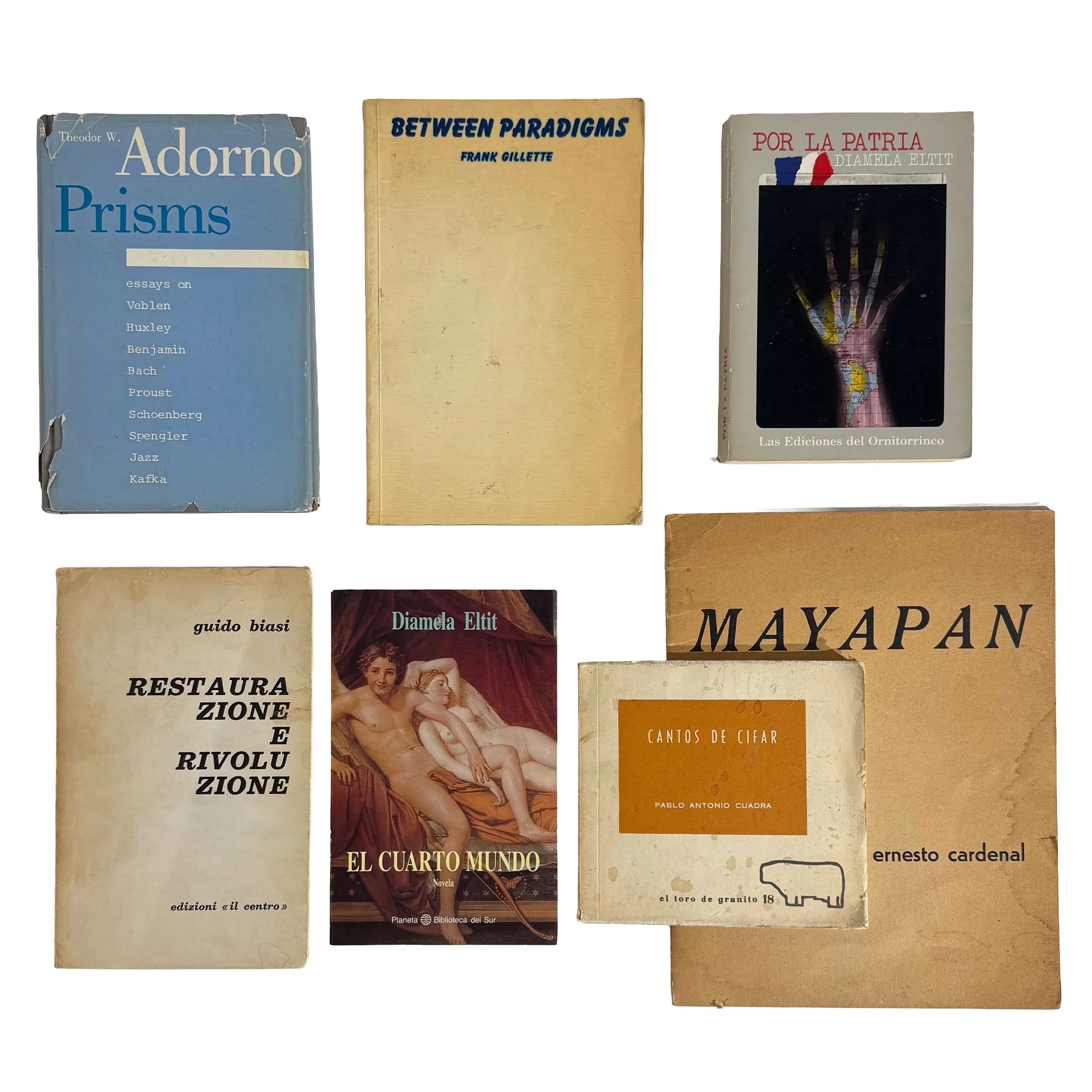 Image 1 of 18
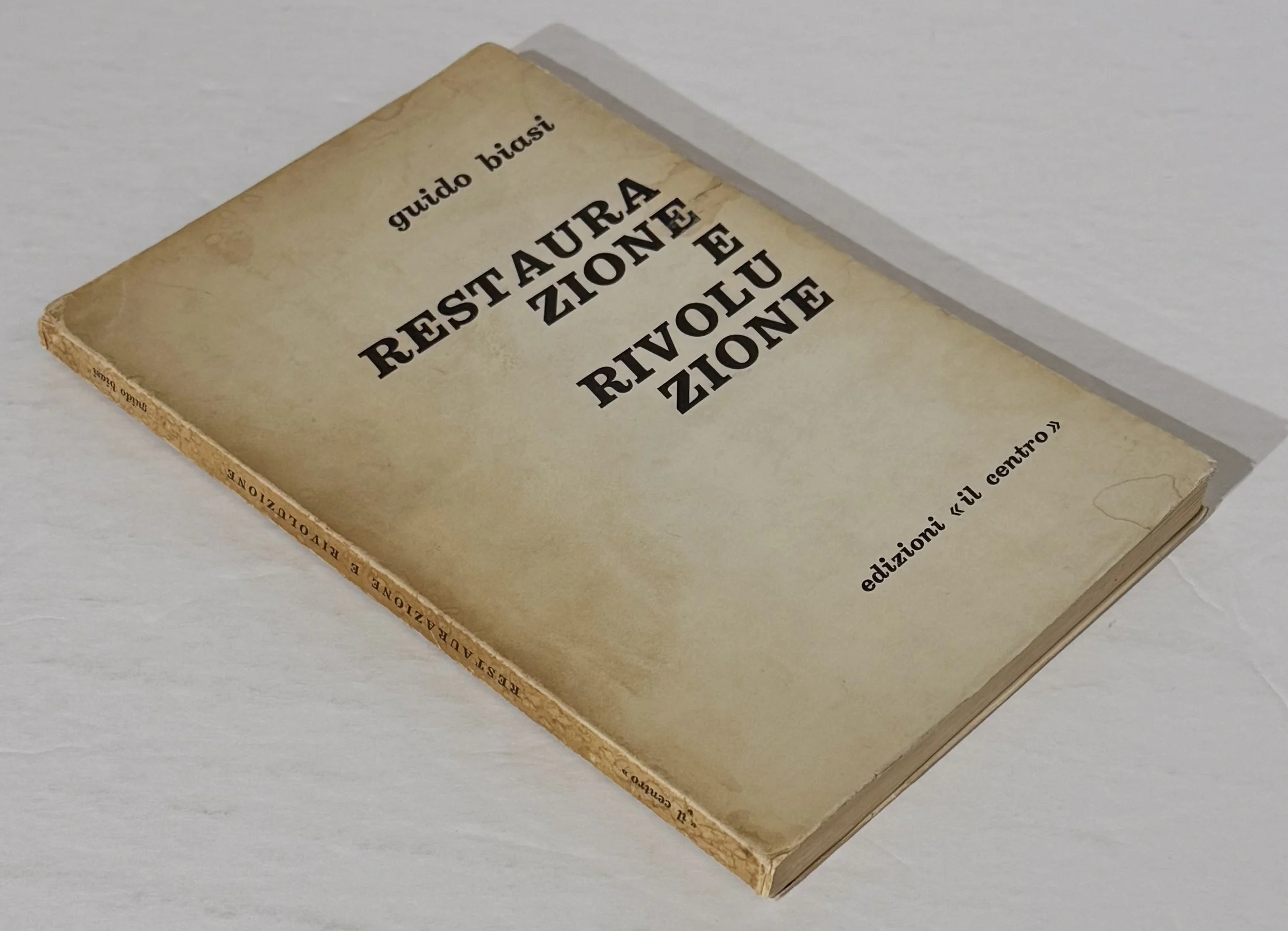 Image 2 of 18
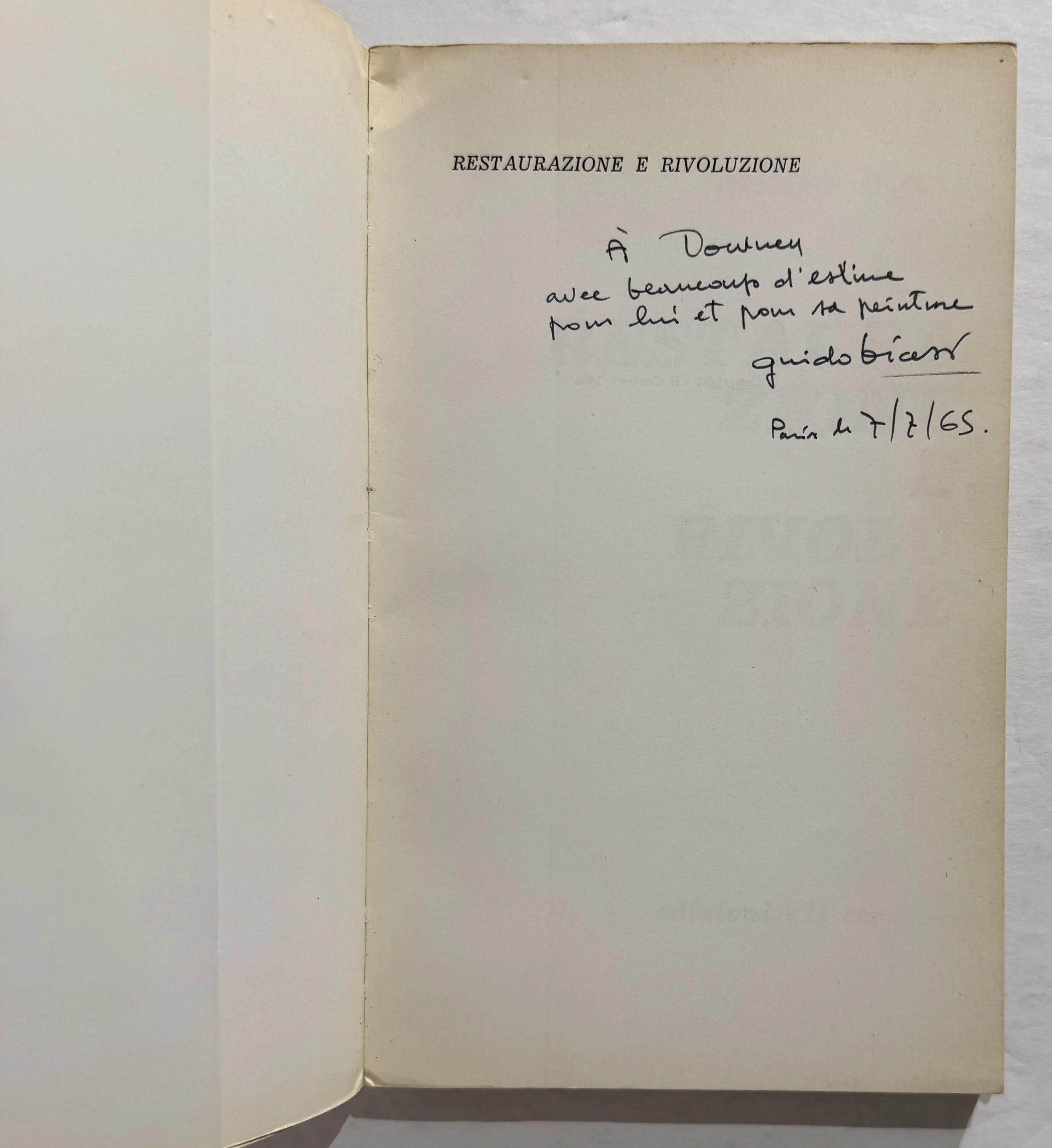 Image 3 of 18
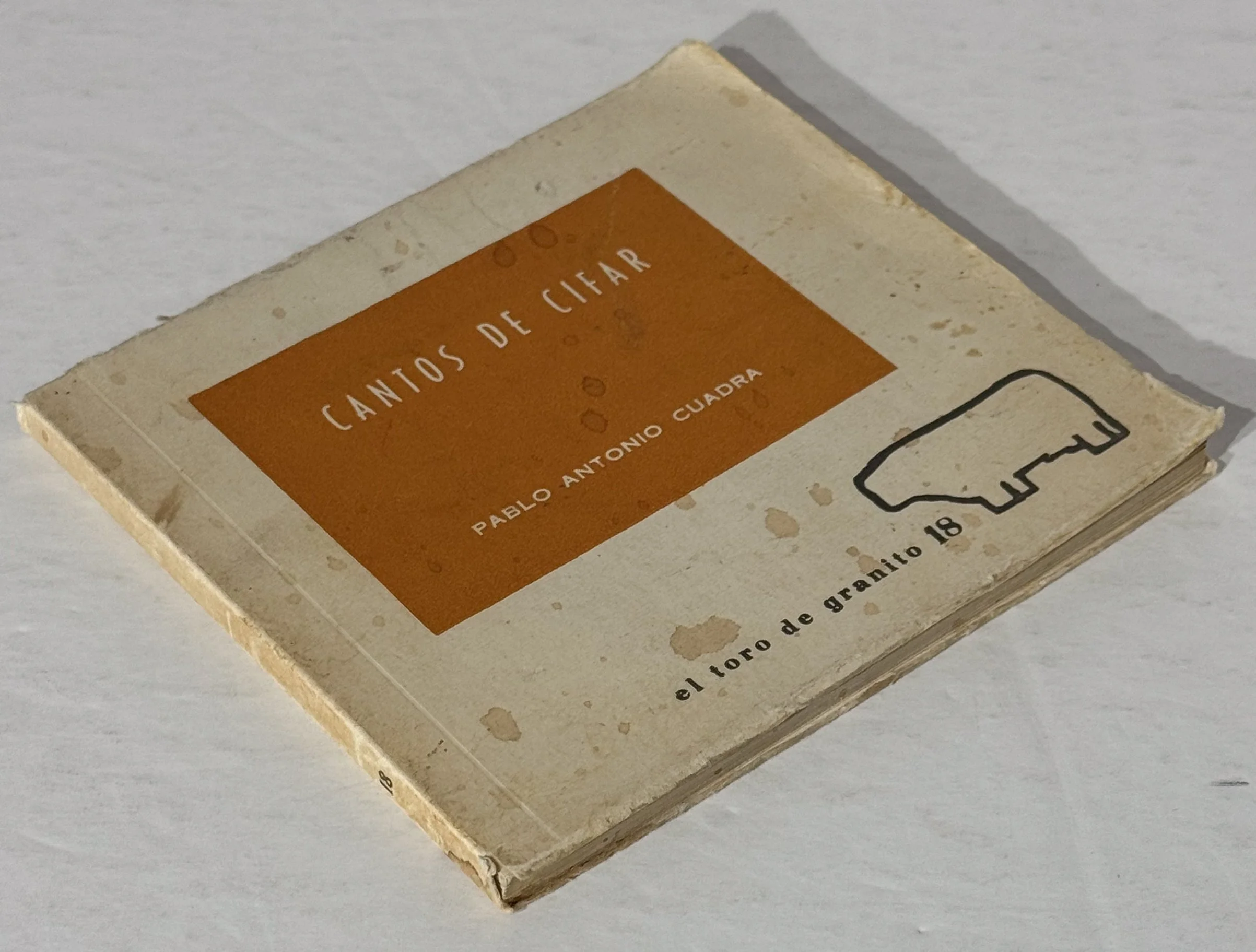 Image 4 of 18
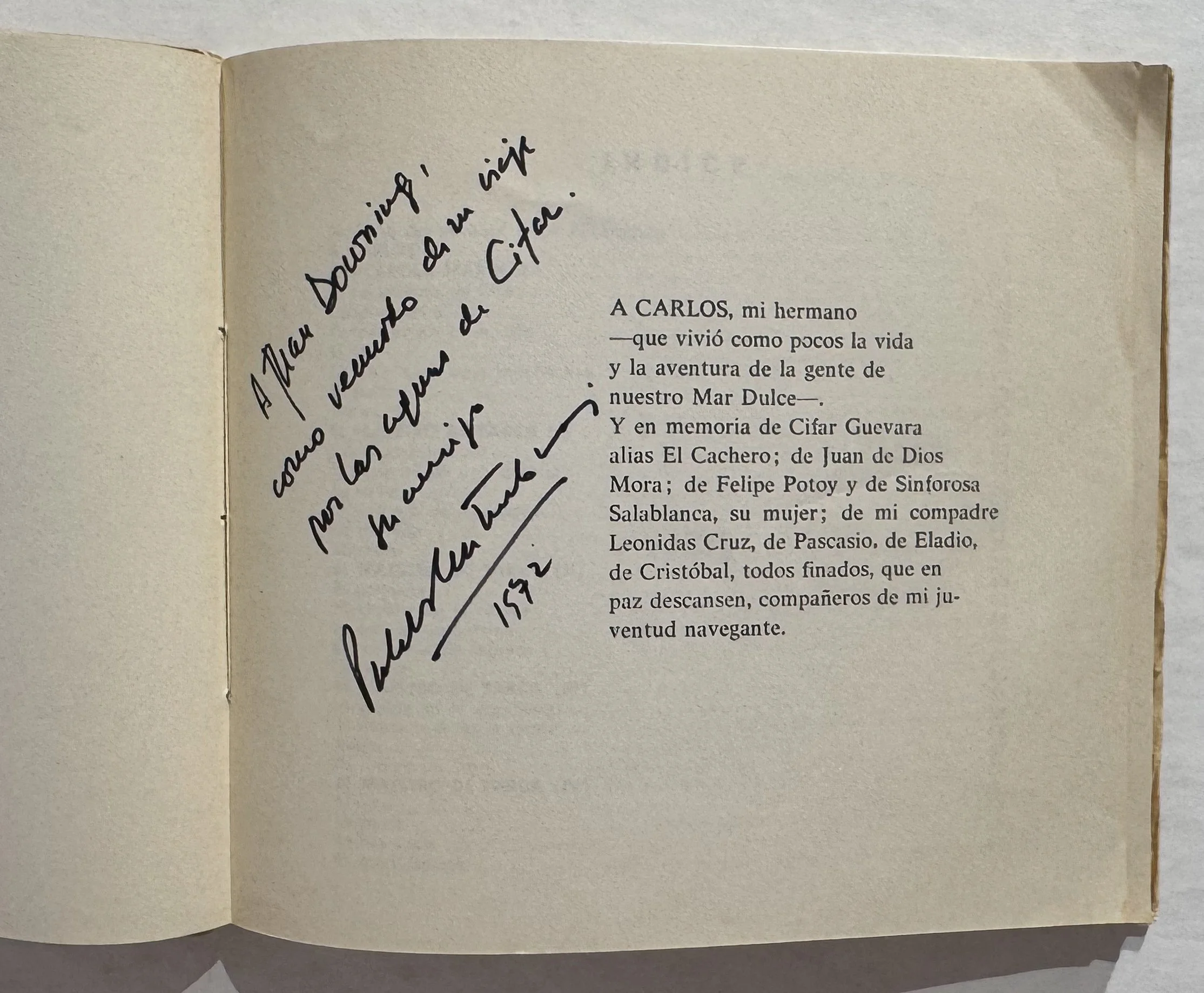 Image 5 of 18
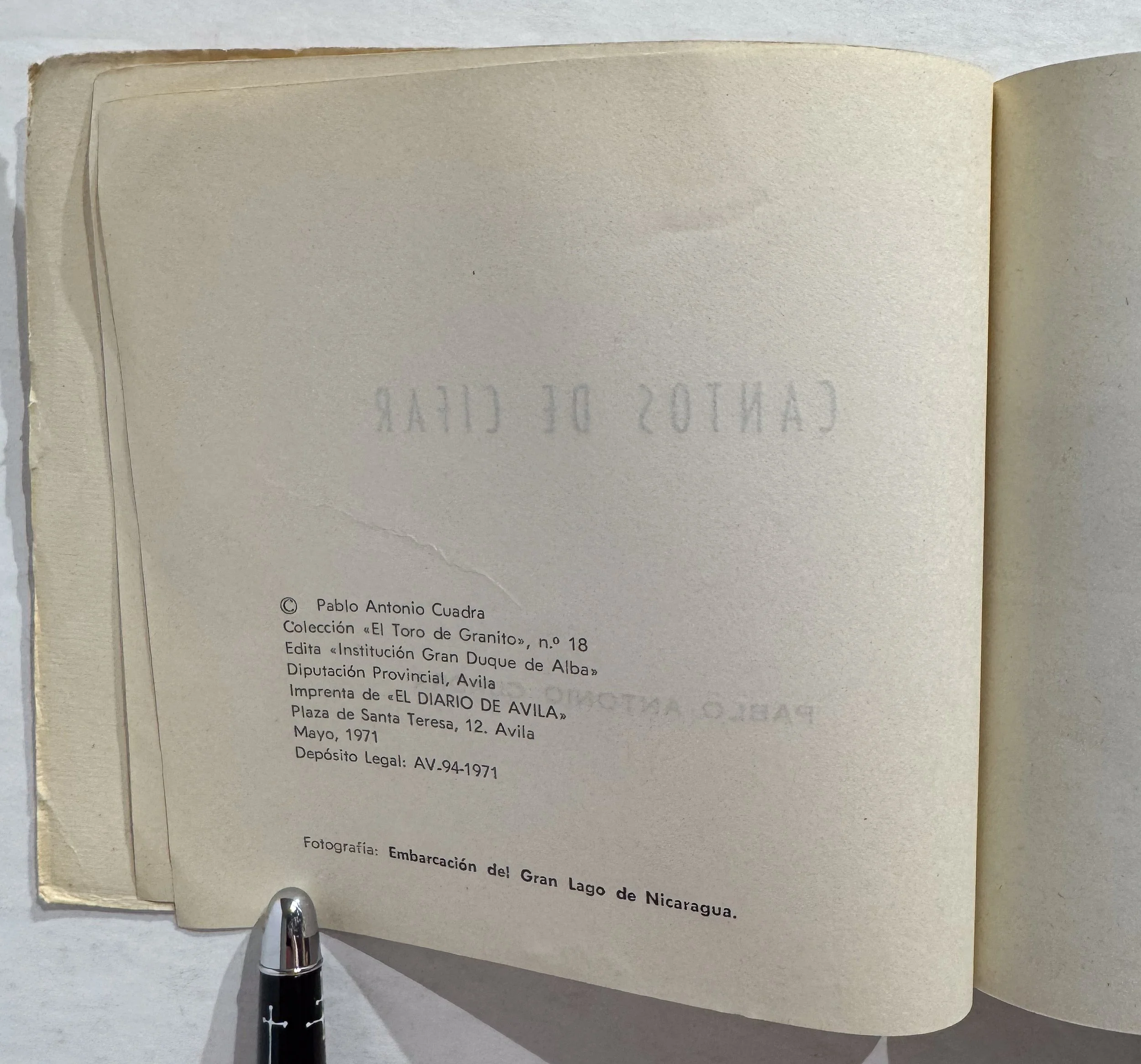 Image 6 of 18
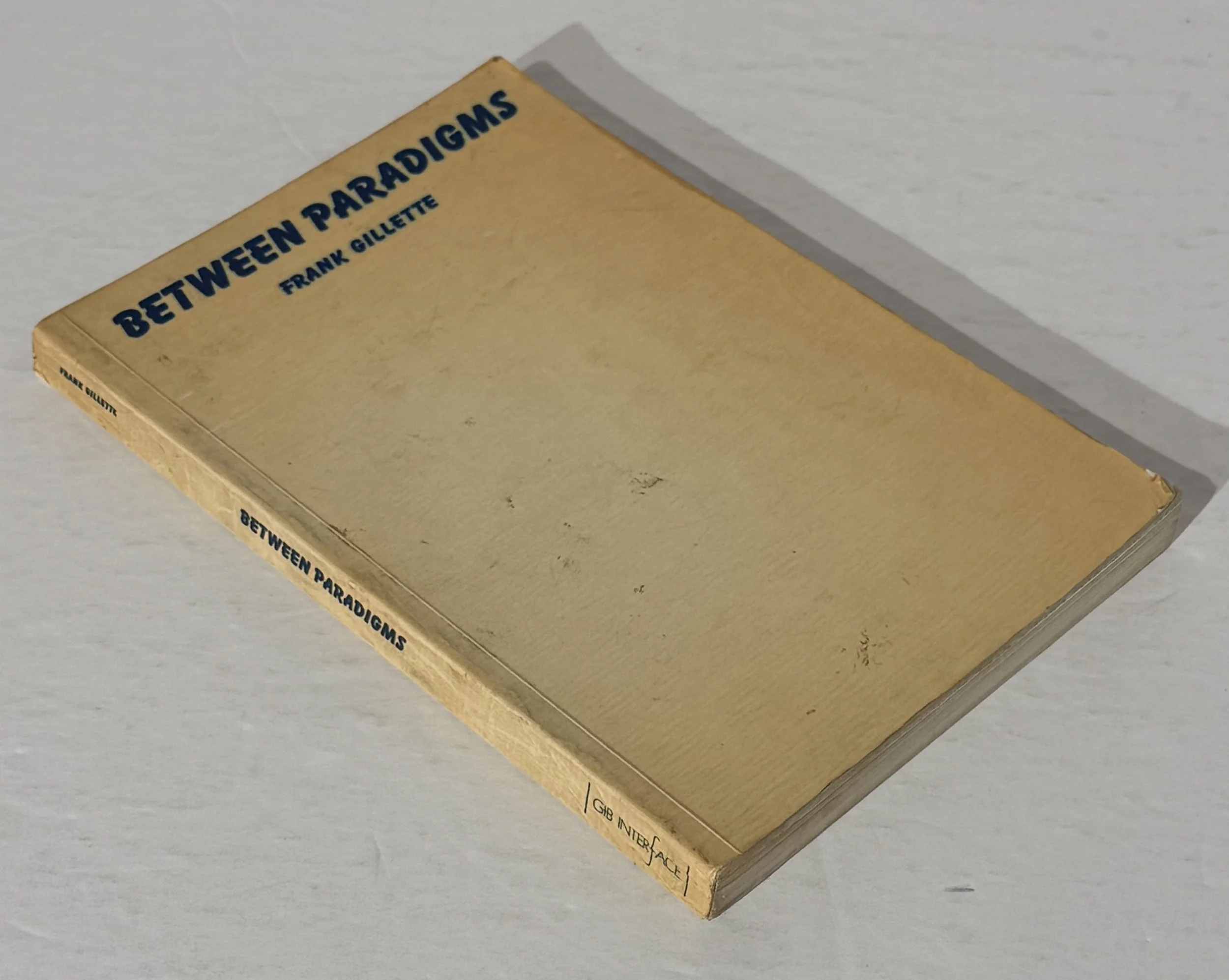 Image 7 of 18
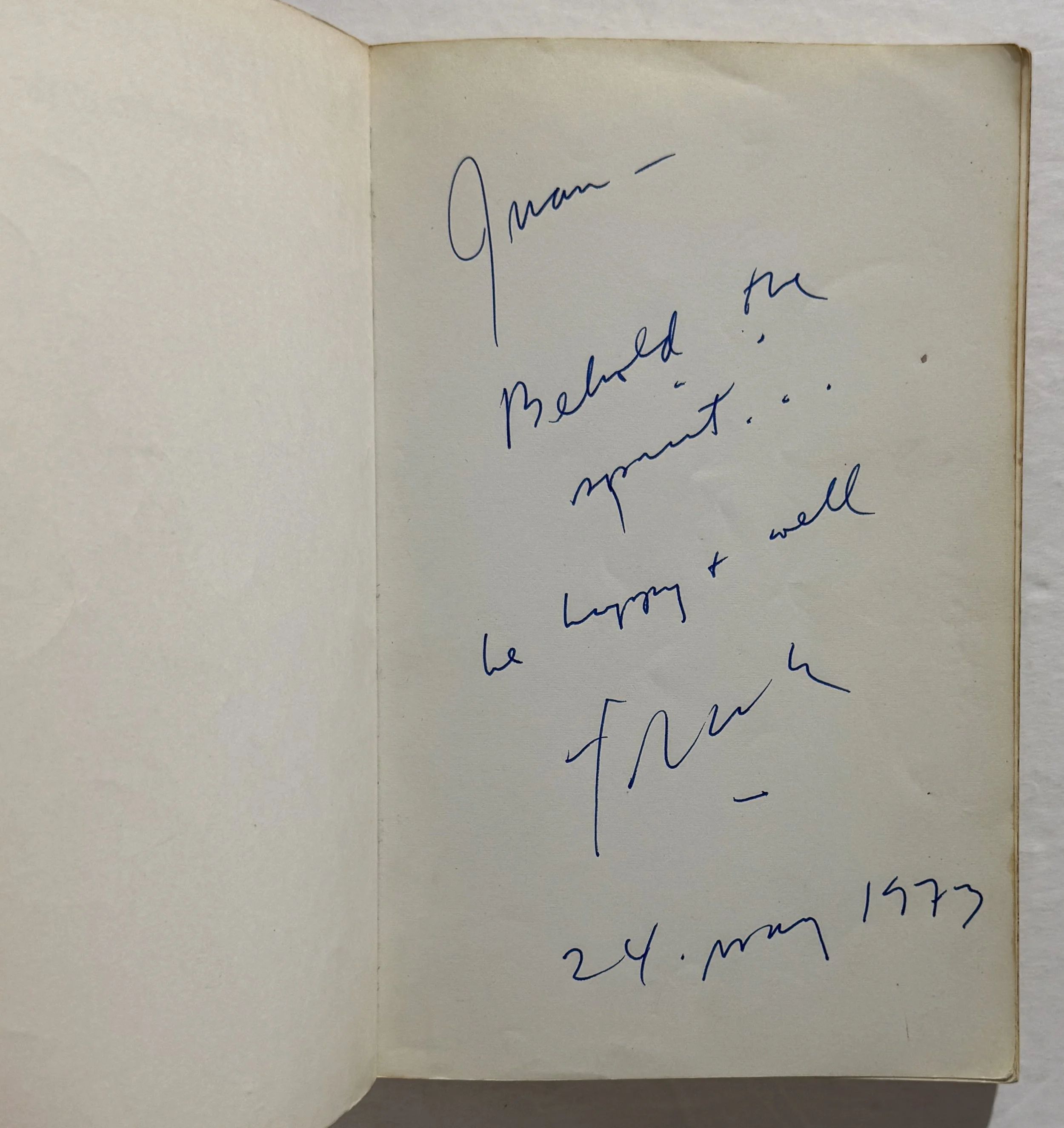 Image 8 of 18
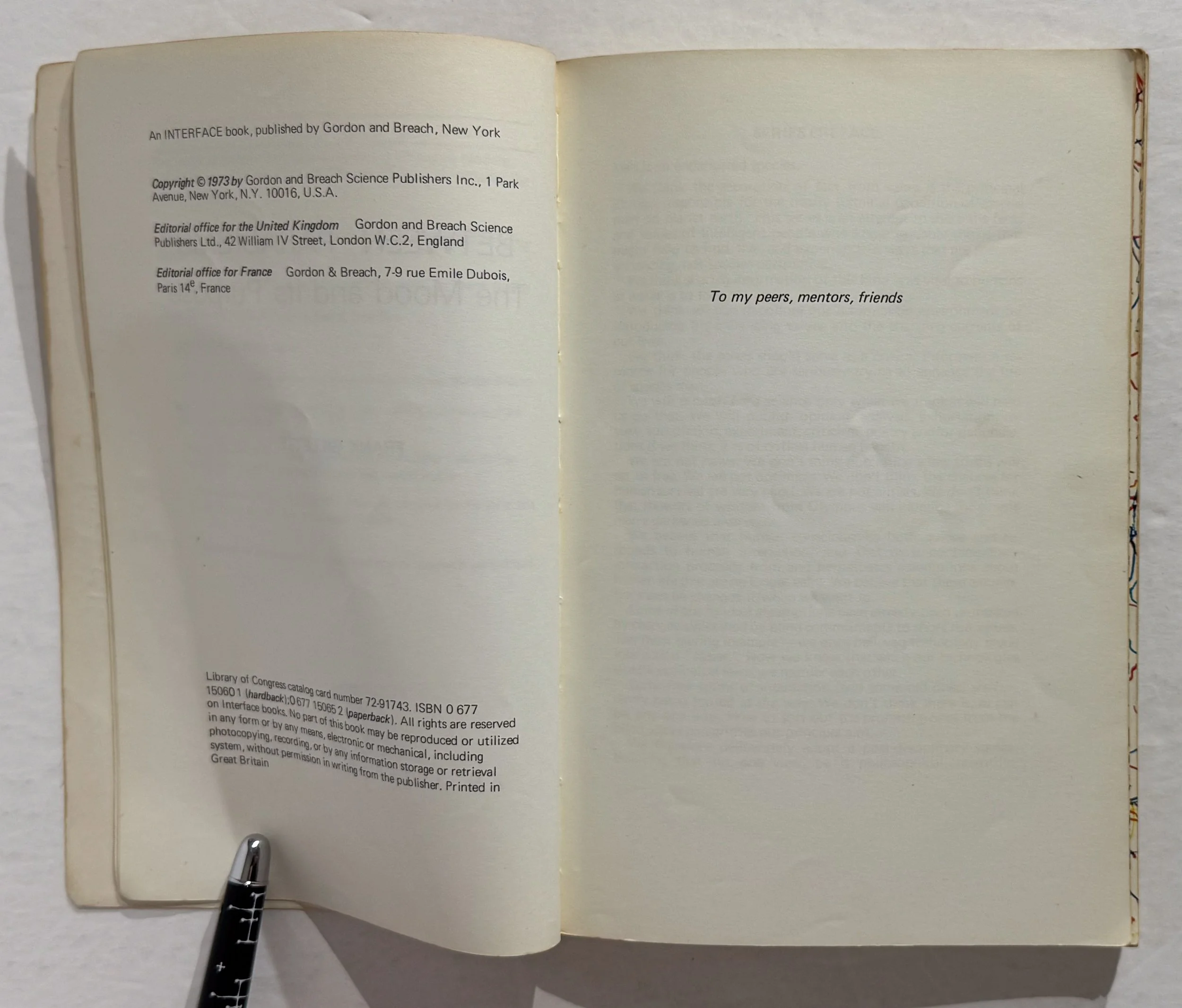 Image 9 of 18
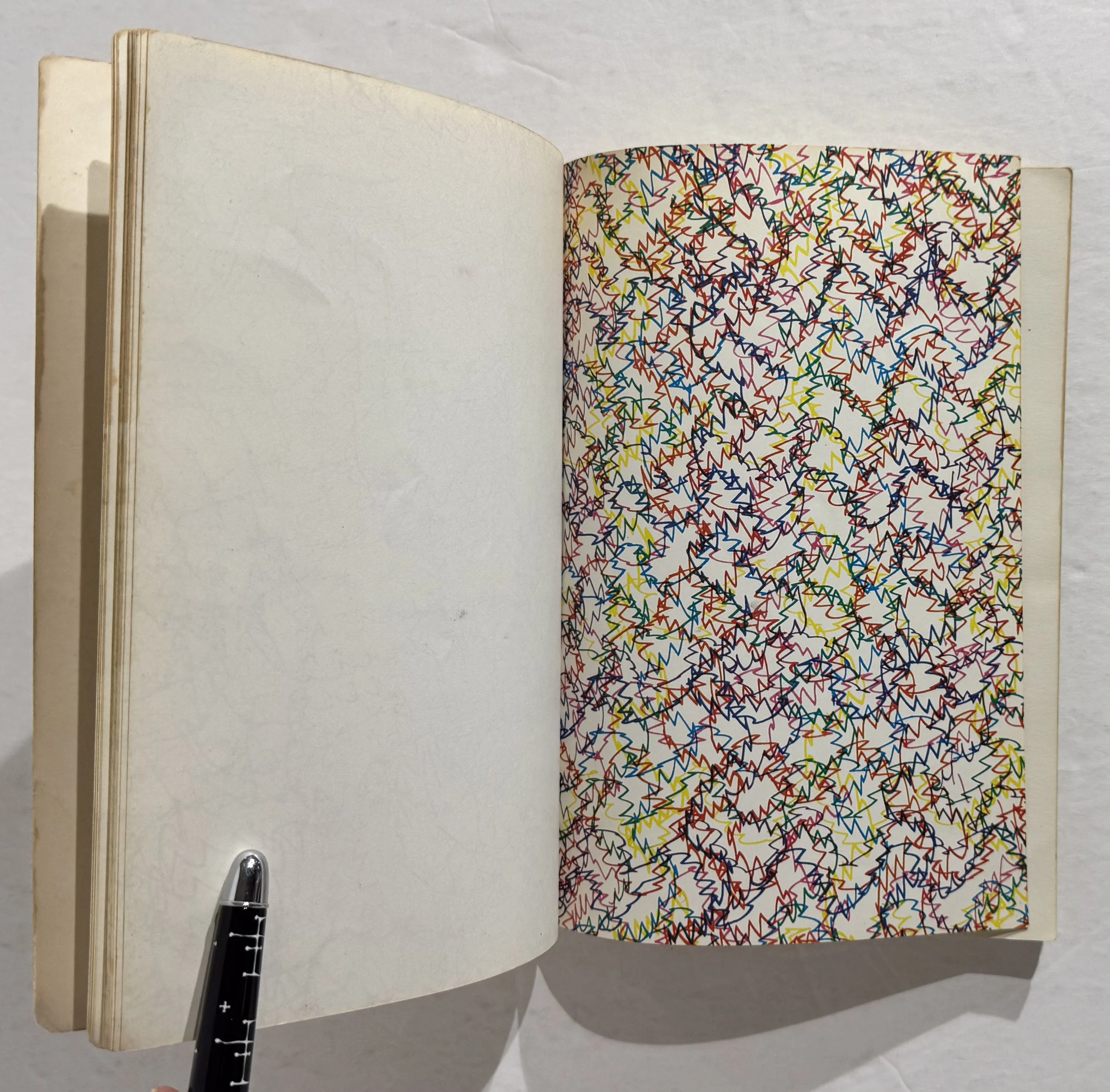 Image 10 of 18
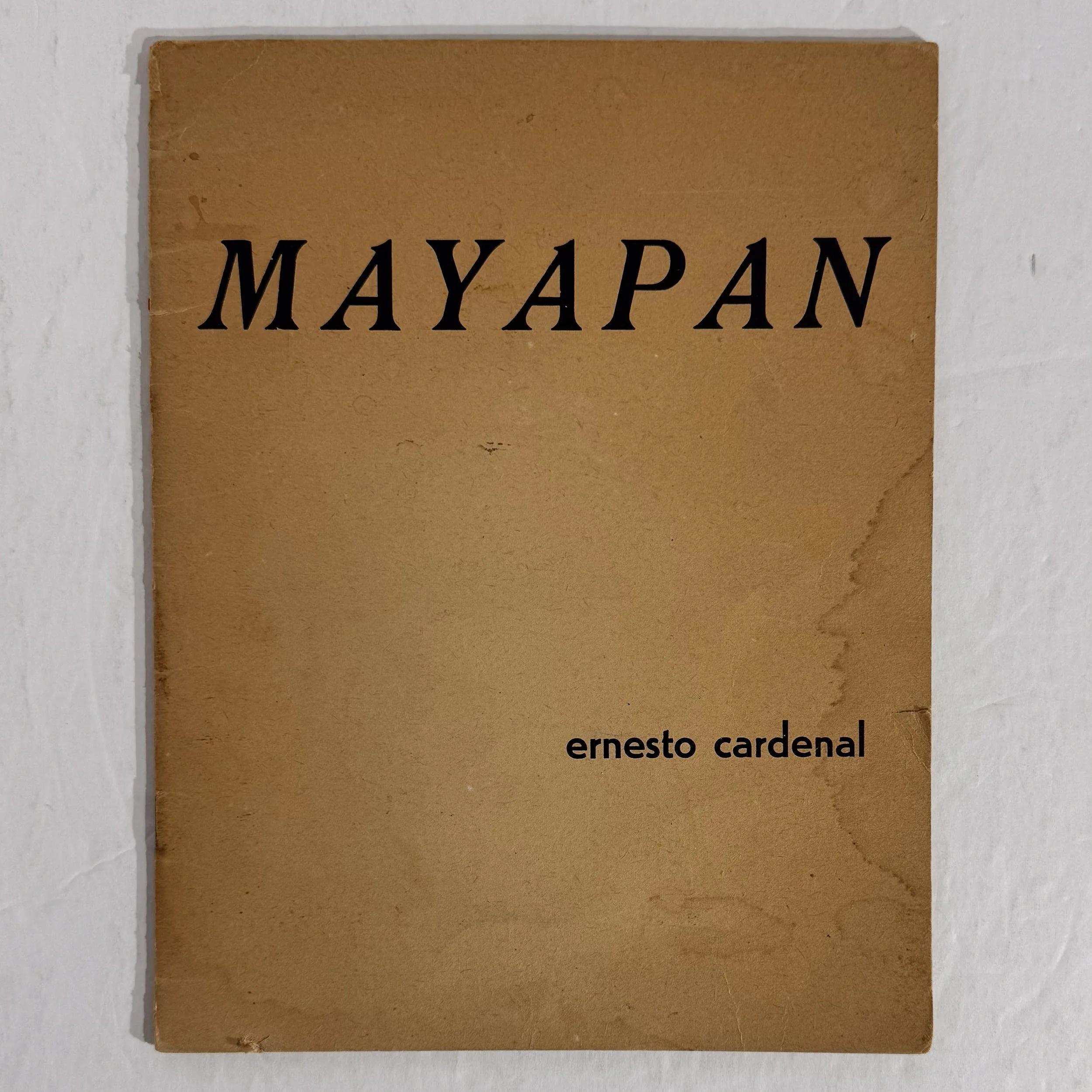 Image 11 of 18
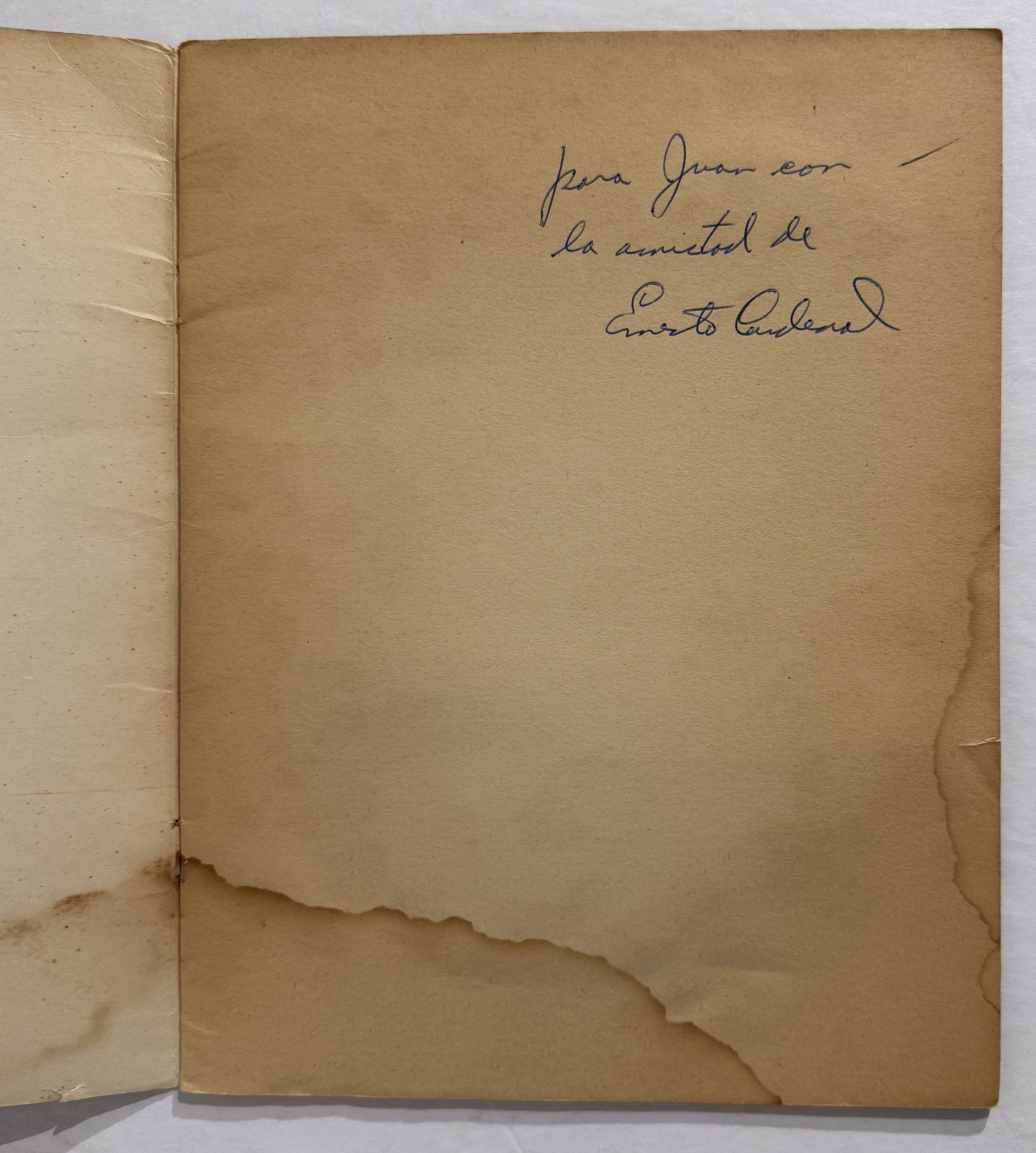 Image 12 of 18
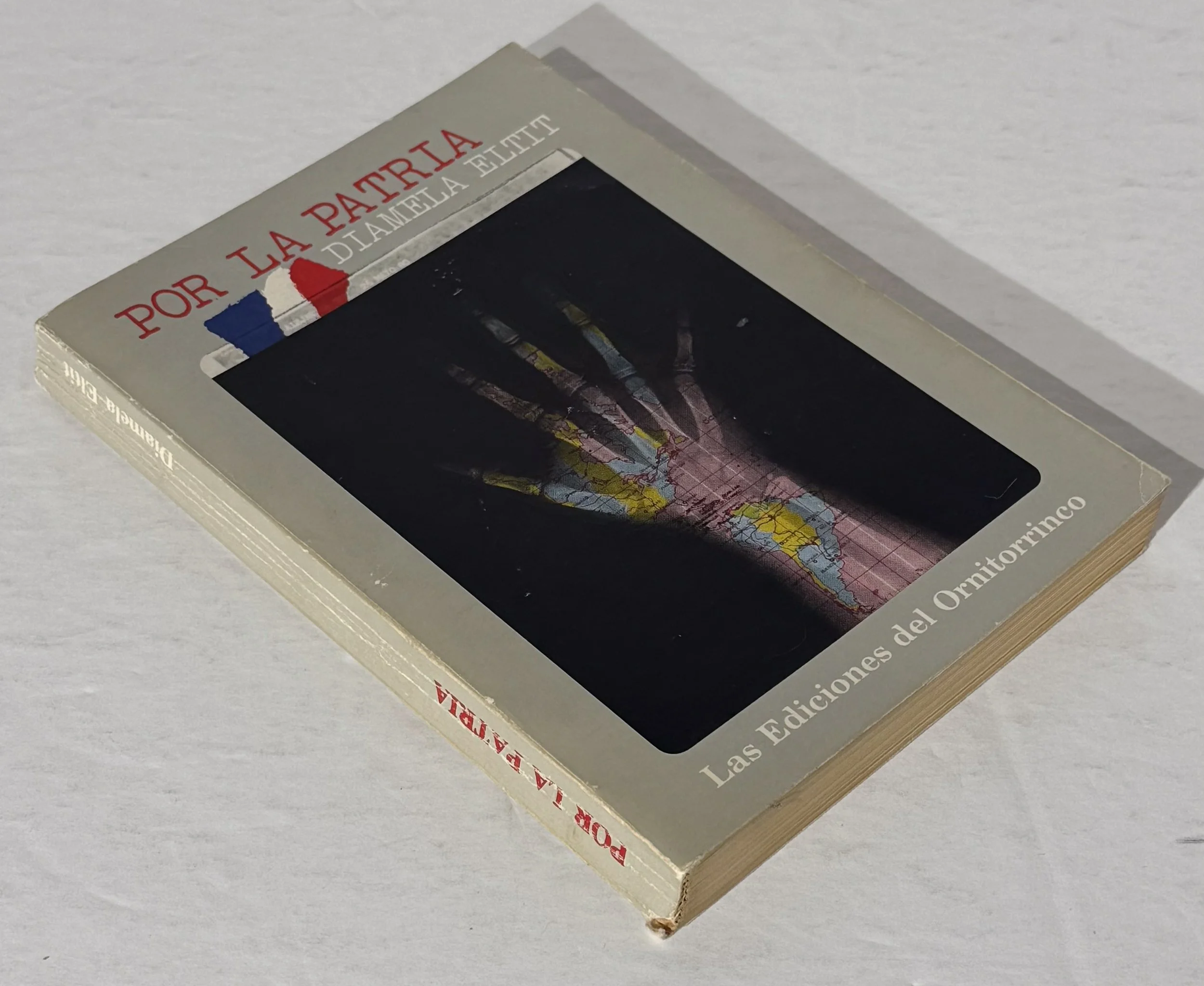 Image 13 of 18
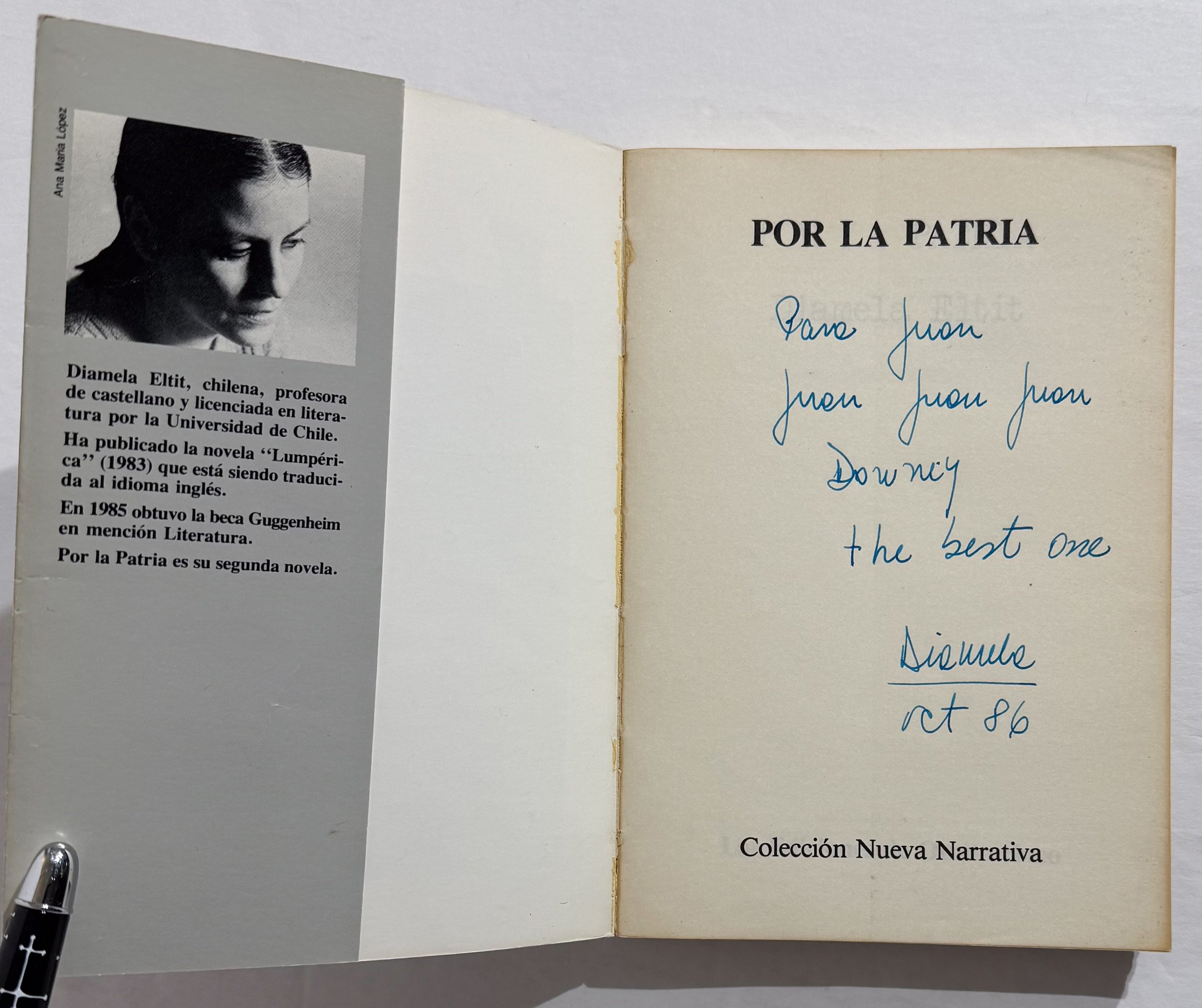 Image 14 of 18
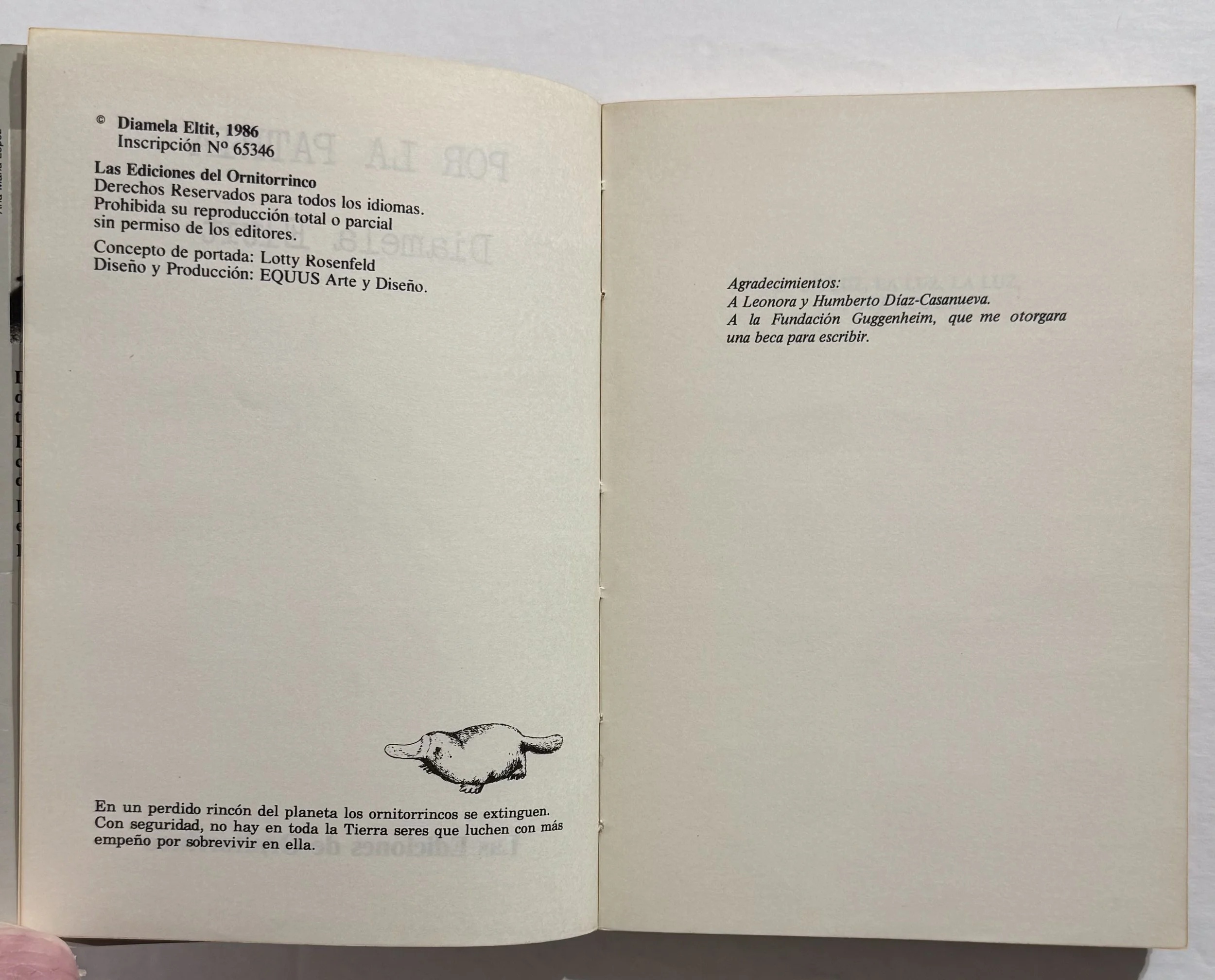 Image 15 of 18
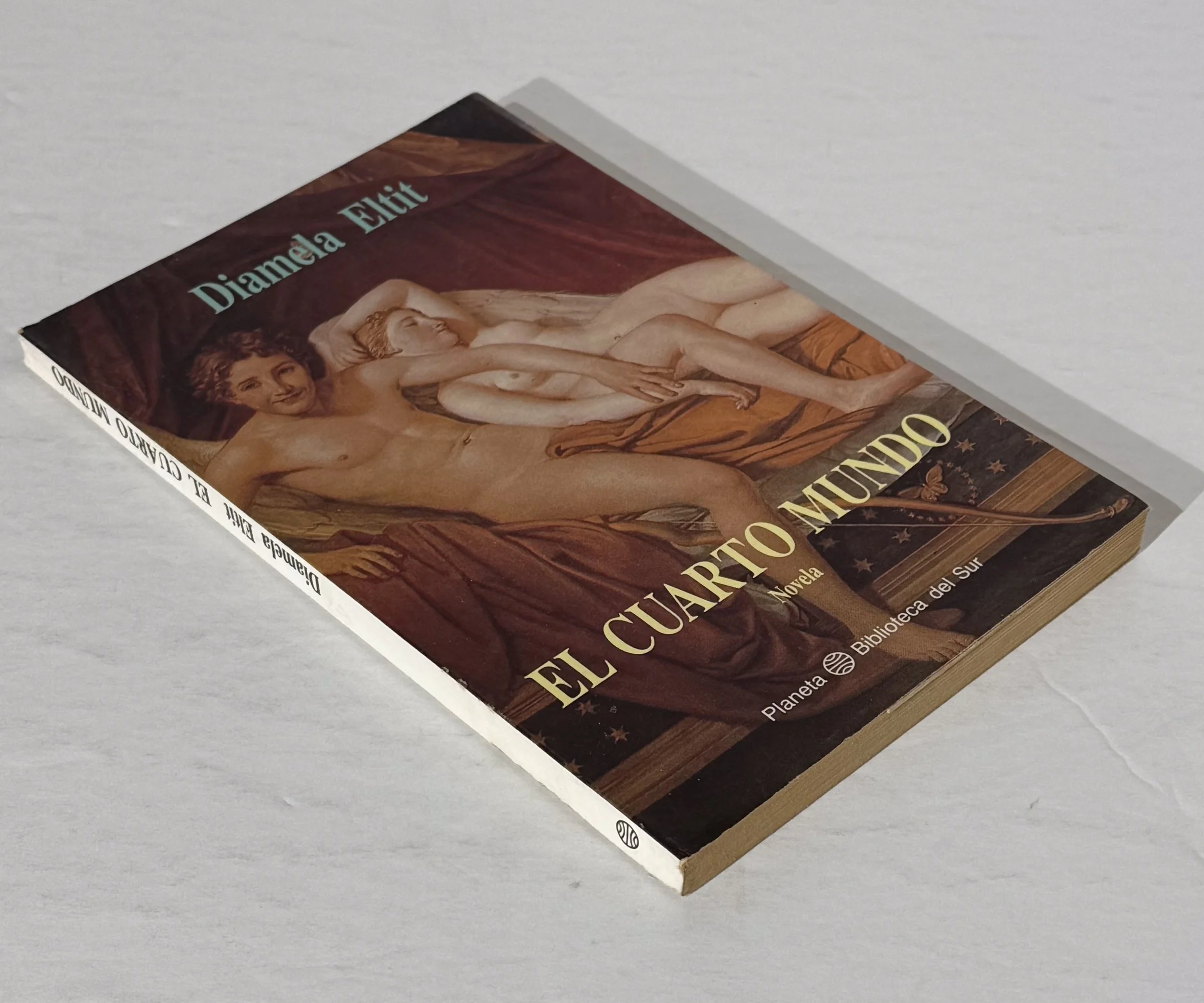 Image 16 of 18
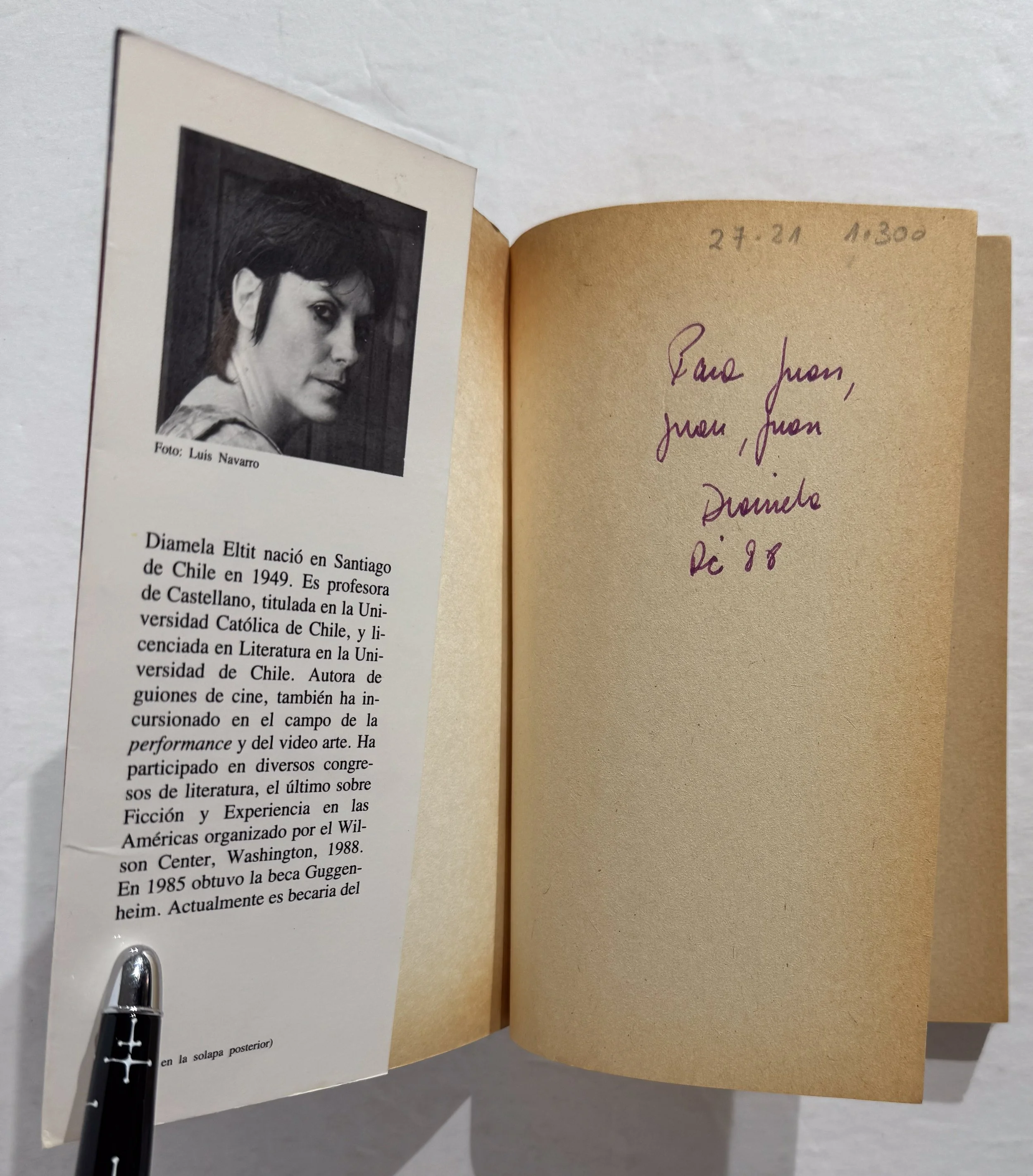 Image 17 of 18
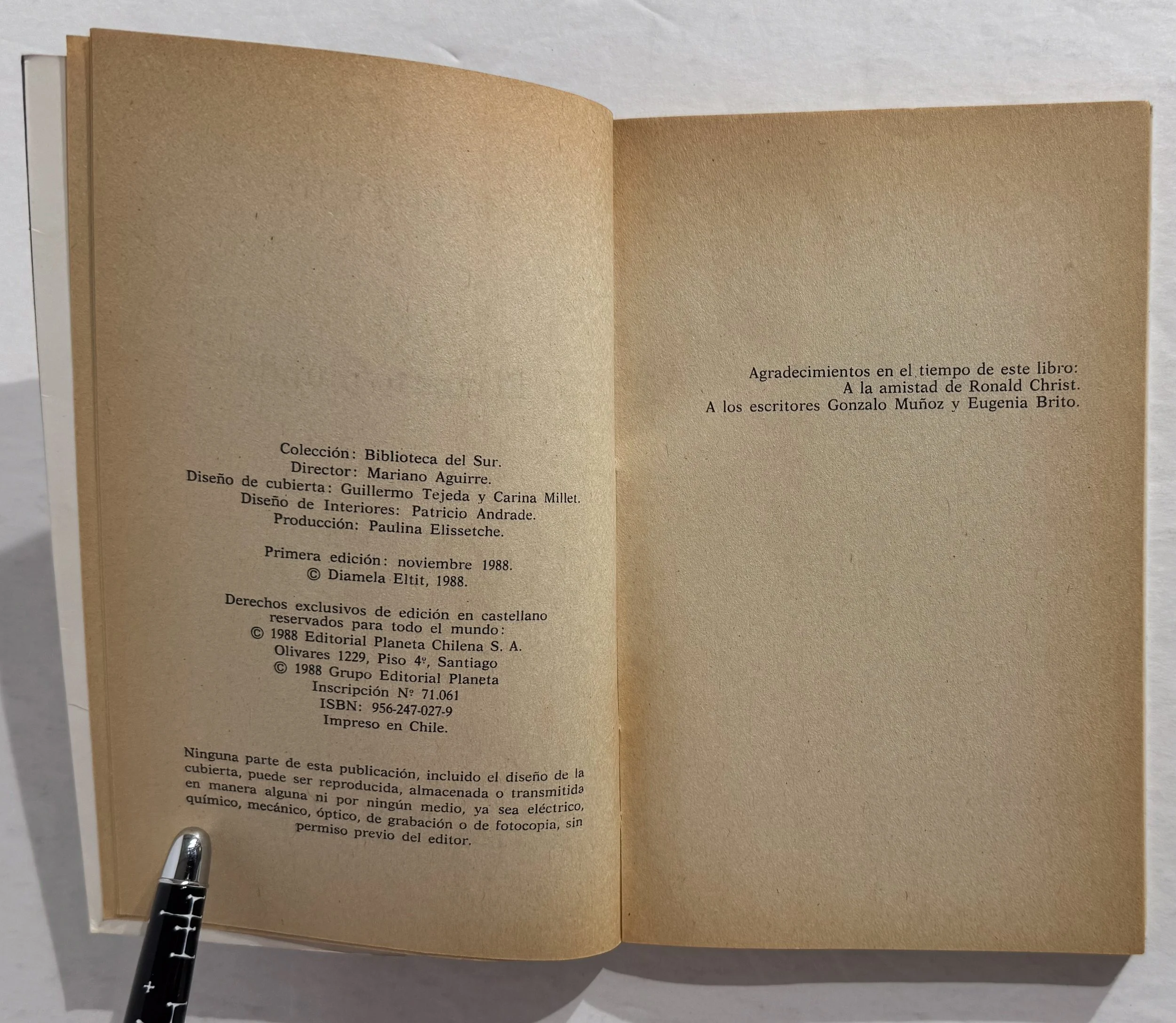 Image 18 of 18
![[1st ed] The Dada Painters and Poets (with both leaflets laid in)](https://images.squarespace-cdn.com/content/v1/61dc97a529892d0e352a9423/38f28adc-5f72-4510-925a-0227ce41a793/IMG_9666+lead.jpg)