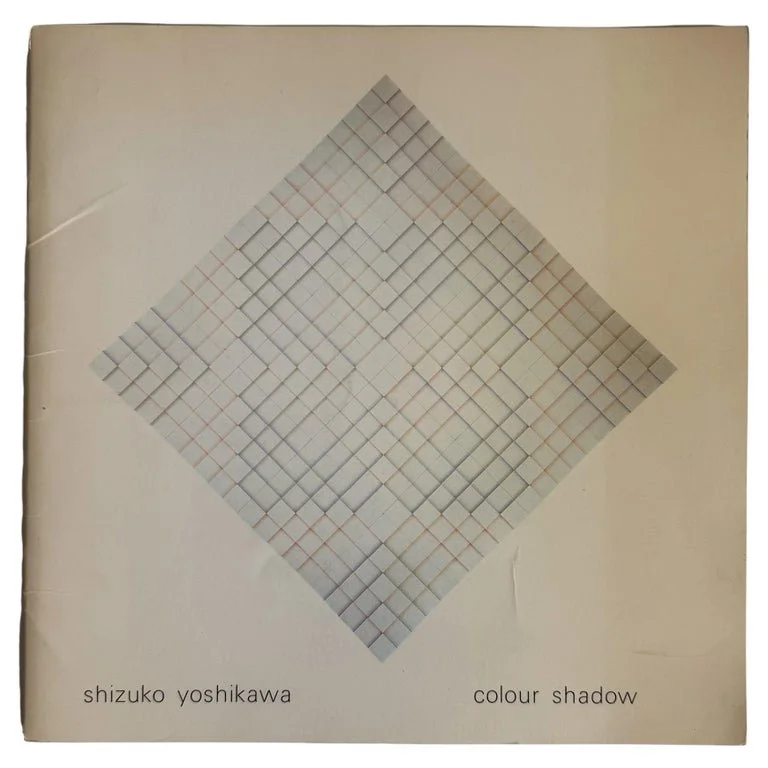
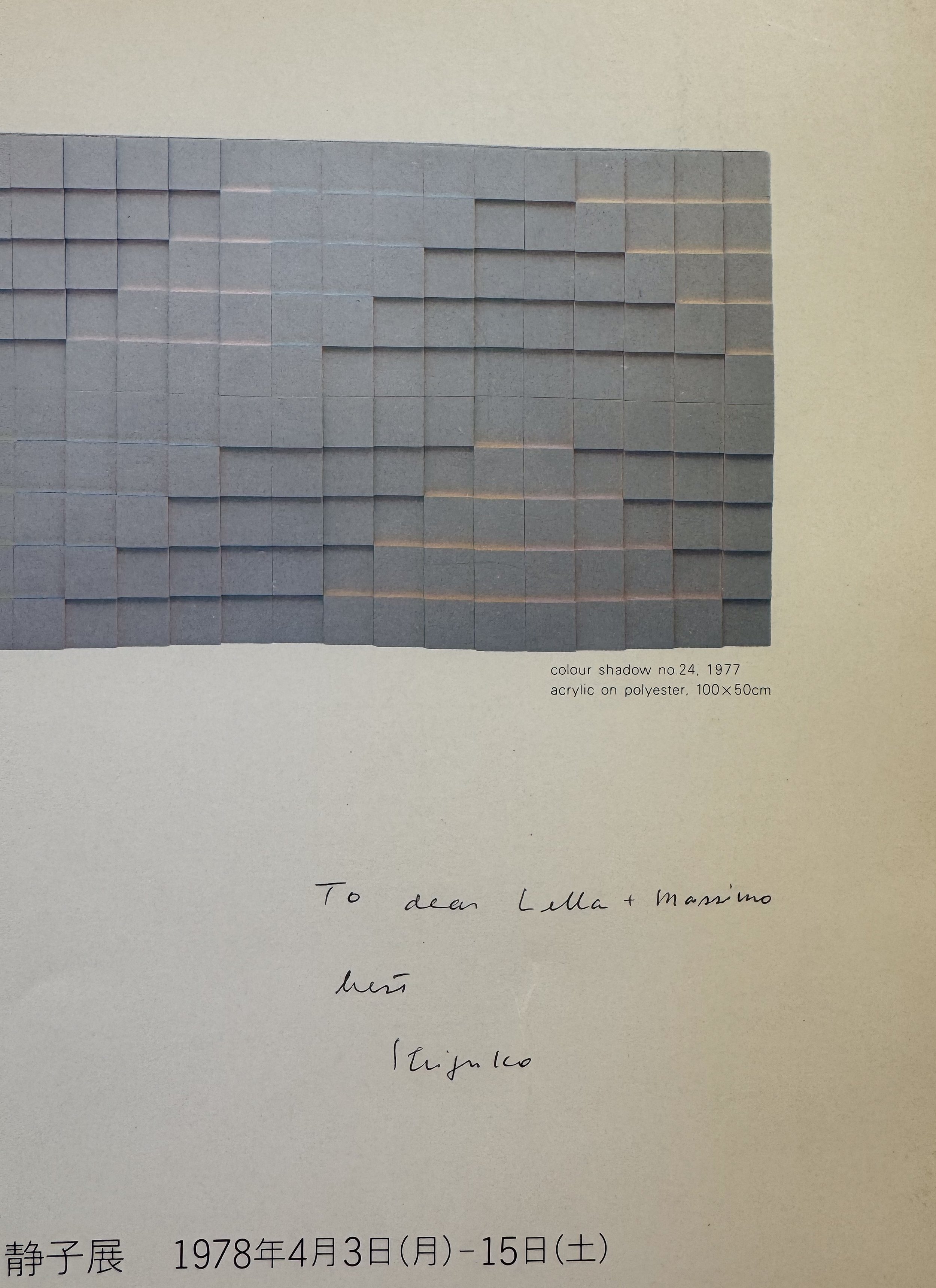
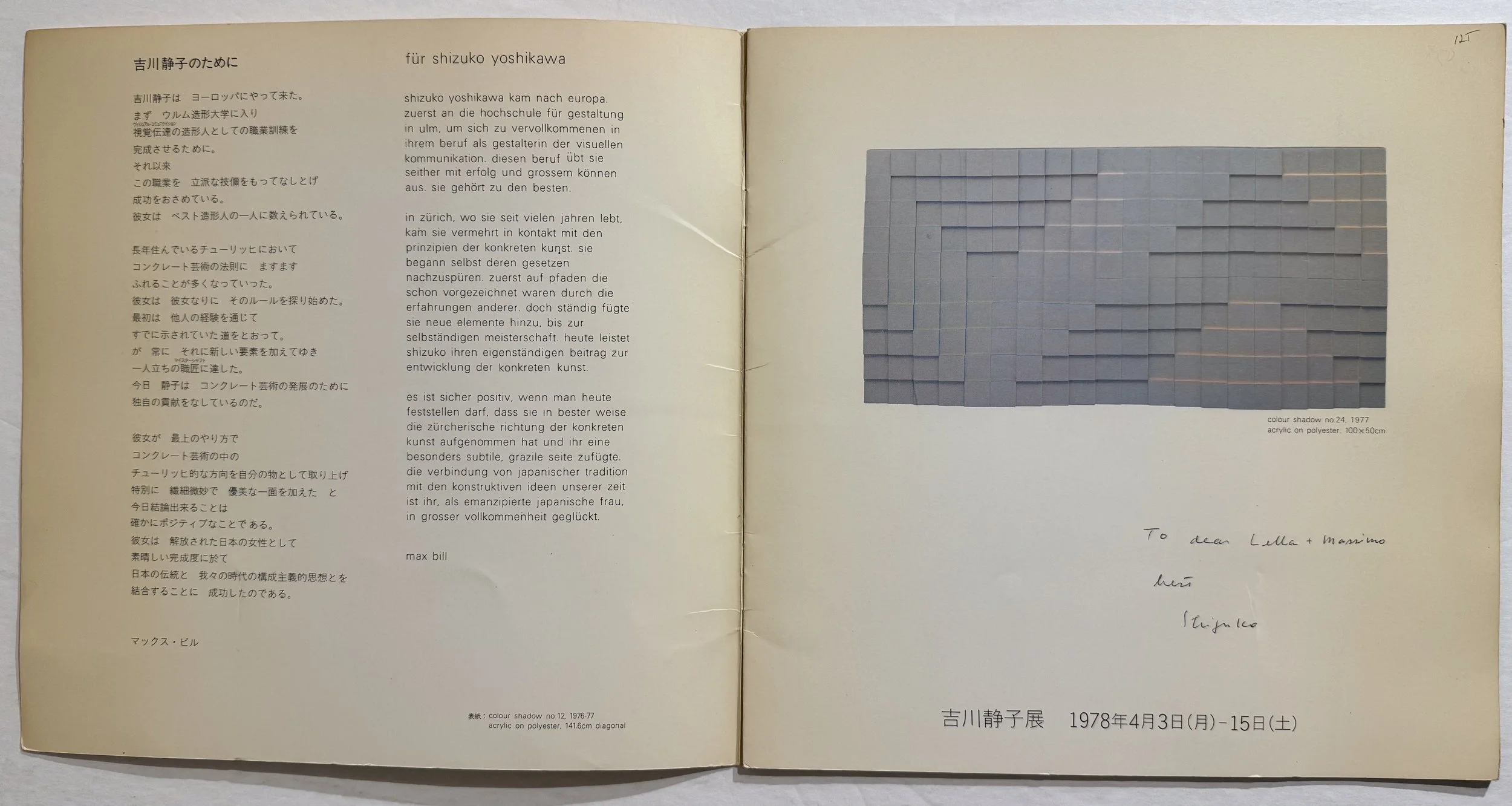
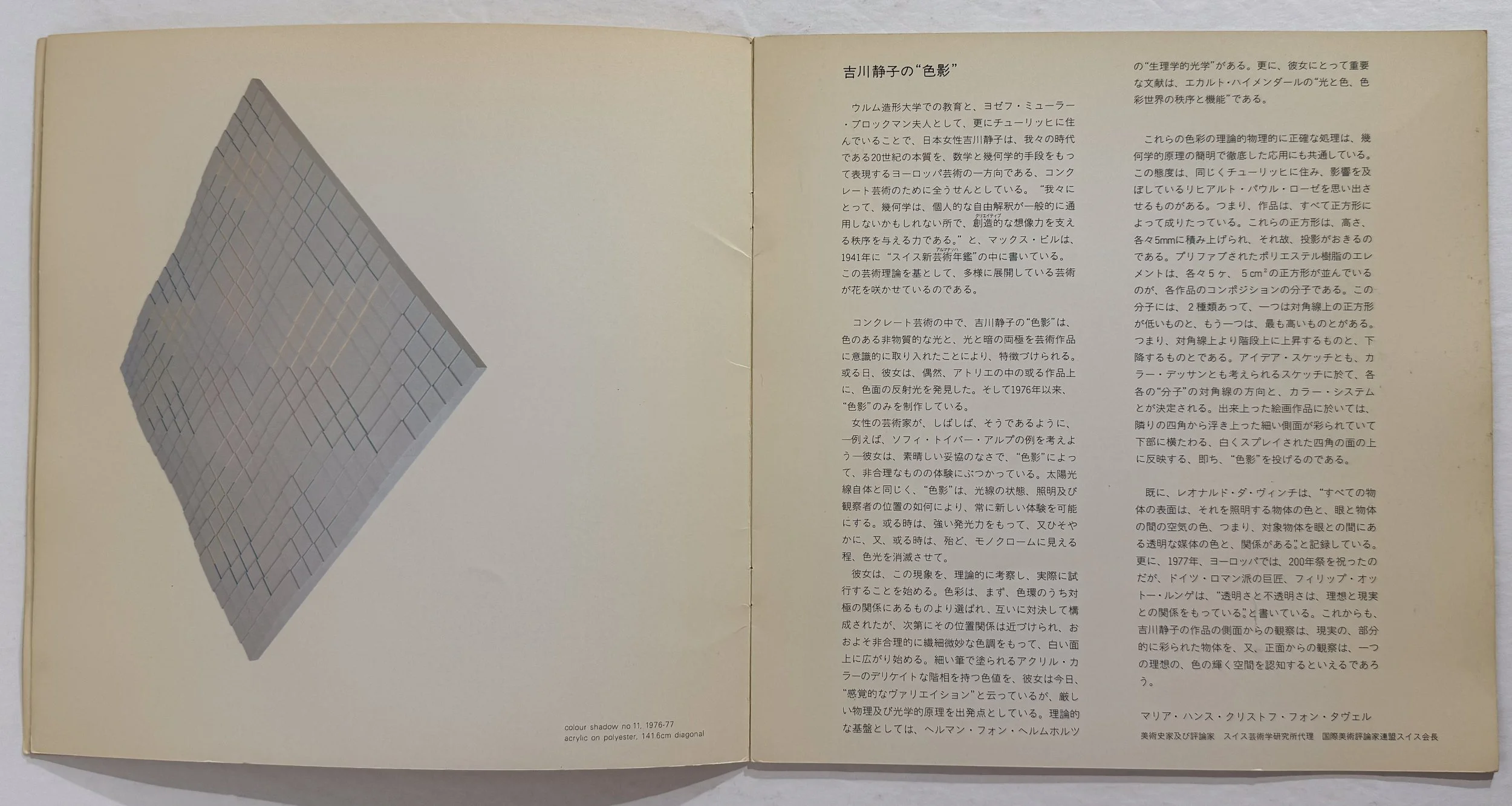
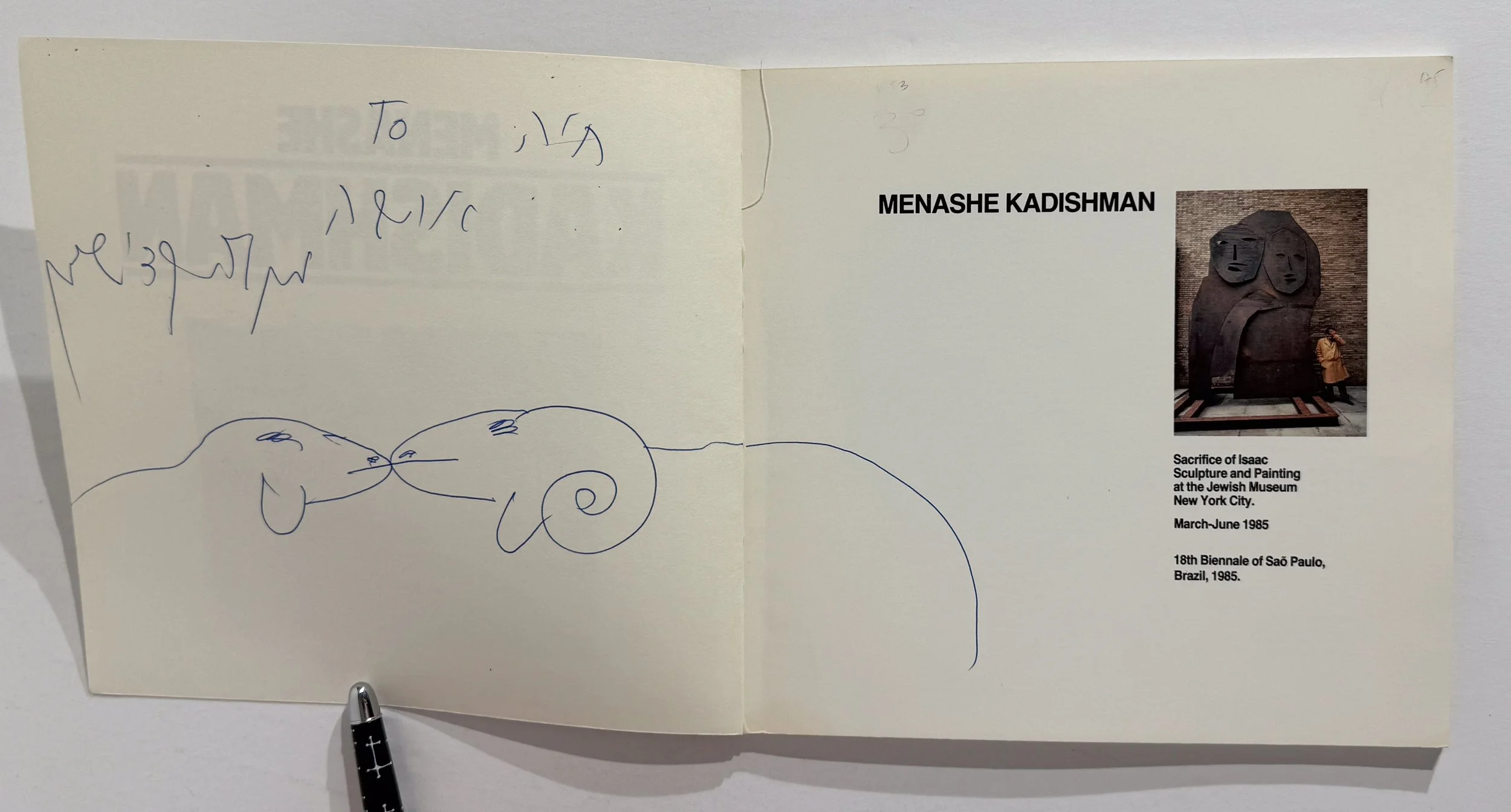
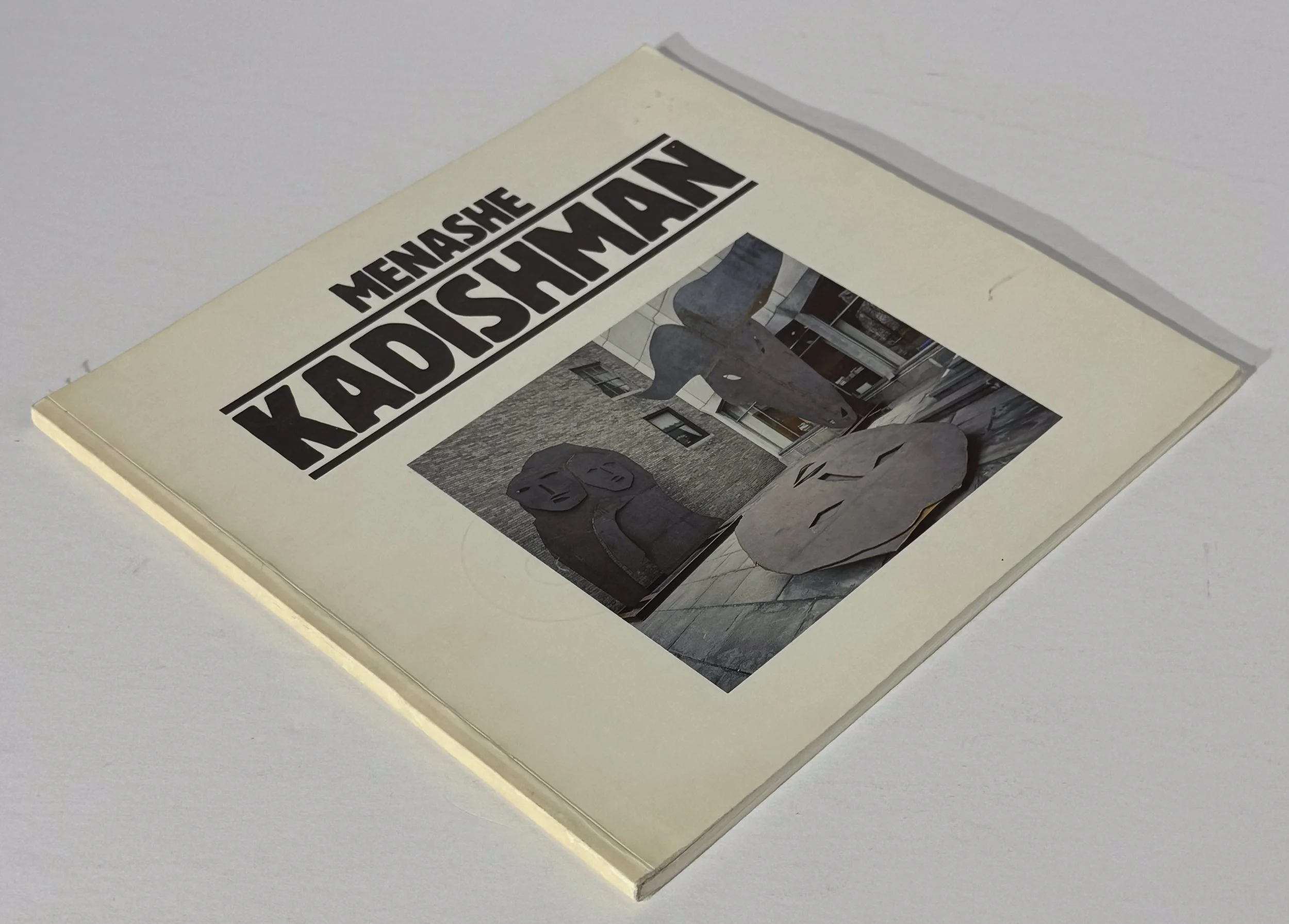
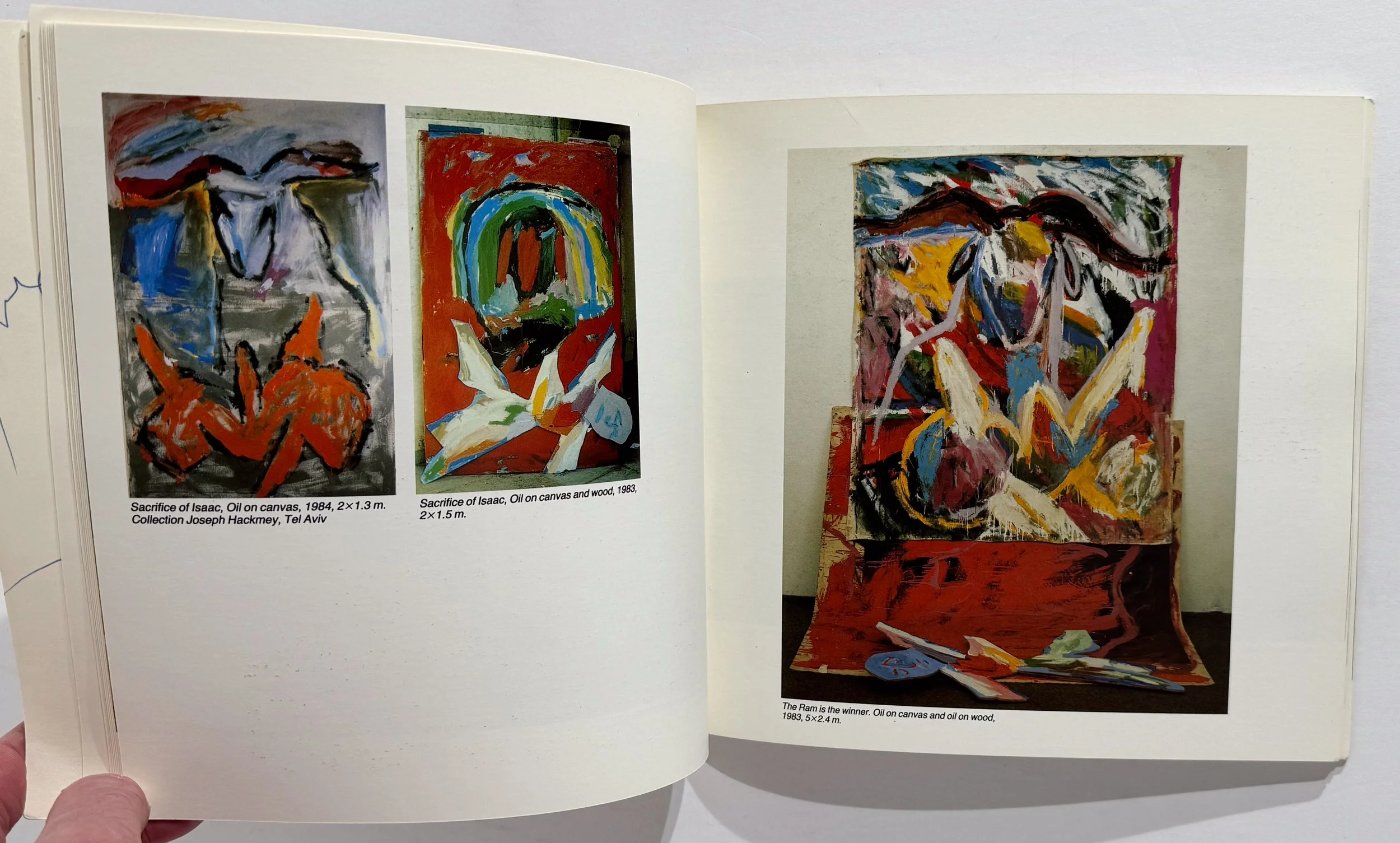
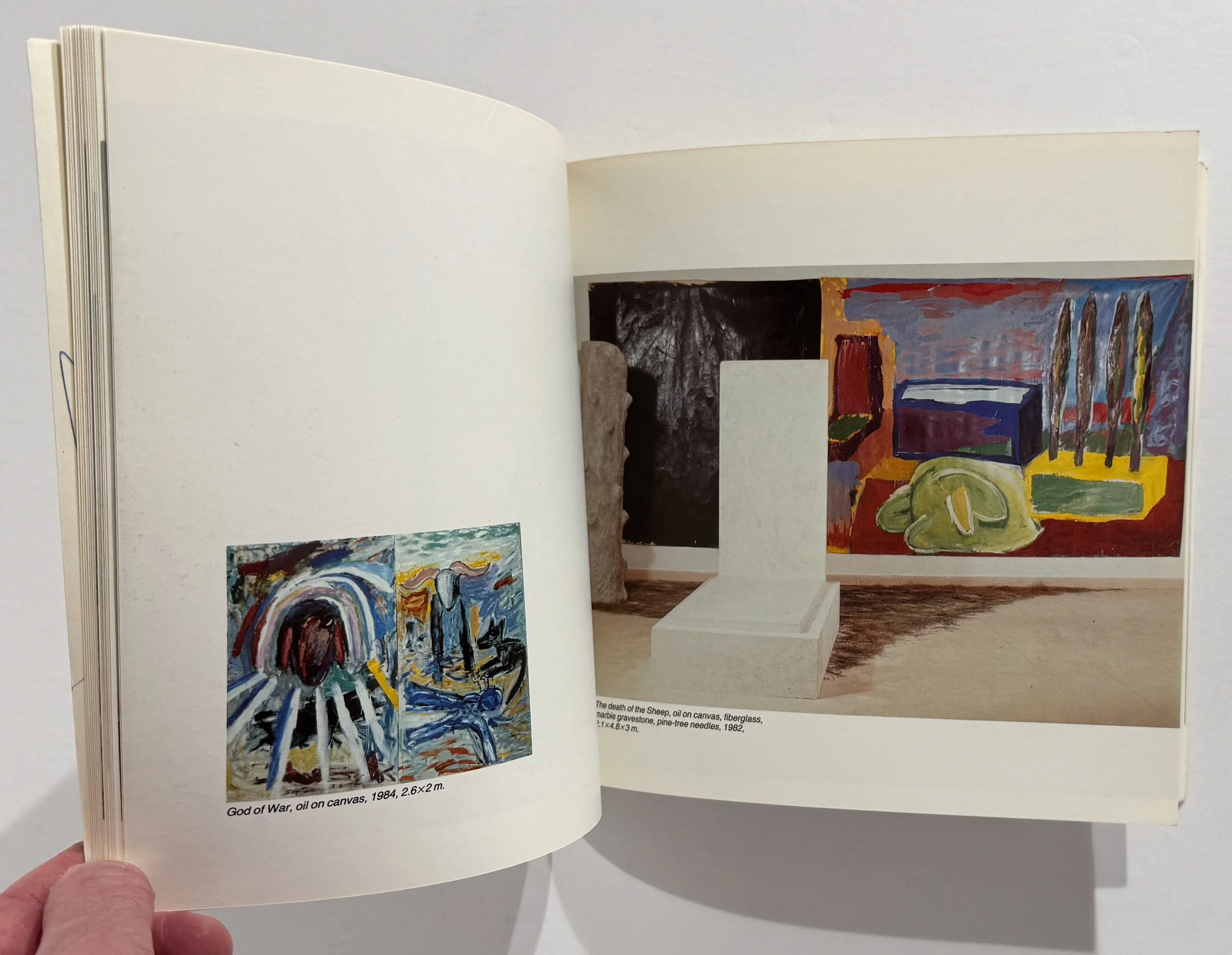
Catalog of an exhibition of Jugendstil and Secession artworks held in the winter of 1982-1983 at New York’s Sheperd Gallery in association with Galerie Pabst, Munich, and Barry Friedman, Ltd. 8vo (5.5 × 8.5 inches), pictorial wrappers, black-amd-white illustrations throughout. A substantial catalog documenting paintings, drawings, and sculpture, including works by Thomas Theodor Heine, Bertold Löffler, Koloman Moser, and Franz von Stuck. Detailed entries record signatures, labels, exhibition histories, and bibliographical references, supplemented by artist biographies. A useful reference for German and Austrian art around 1900. Among the participants, Barry Friedman was a leading New York dealer whose nearly five-decade career helped bring European Art Nouveau, Art Deco, Symbolism, and modern design to American collectors. Beginning in the 1960s, he developed an unusually broad practice encompassing painting, photography, furniture, ceramics, and glass, later championing contemporary studio design. His participation places this exhibition within a sustained career of scholarly presentations that helped renew interest in overlooked artists and movements. Light bumping and rubbing to extremities.
Catalog of an exhibition of Jugendstil and Secession artworks held in the winter of 1982-1983 at New York’s Sheperd Gallery in association with Galerie Pabst, Munich, and Barry Friedman, Ltd. 8vo (5.5 × 8.5 inches), pictorial wrappers, black-amd-white illustrations throughout. A substantial catalog documenting paintings, drawings, and sculpture, including works by Thomas Theodor Heine, Bertold Löffler, Koloman Moser, and Franz von Stuck. Detailed entries record signatures, labels, exhibition histories, and bibliographical references, supplemented by artist biographies. A useful reference for German and Austrian art around 1900. Among the participants, Barry Friedman was a leading New York dealer whose nearly five-decade career helped bring European Art Nouveau, Art Deco, Symbolism, and modern design to American collectors. Beginning in the 1960s, he developed an unusually broad practice encompassing painting, photography, furniture, ceramics, and glass, later championing contemporary studio design. His participation places this exhibition within a sustained career of scholarly presentations that helped renew interest in overlooked artists and movements. Light bumping and rubbing to extremities.

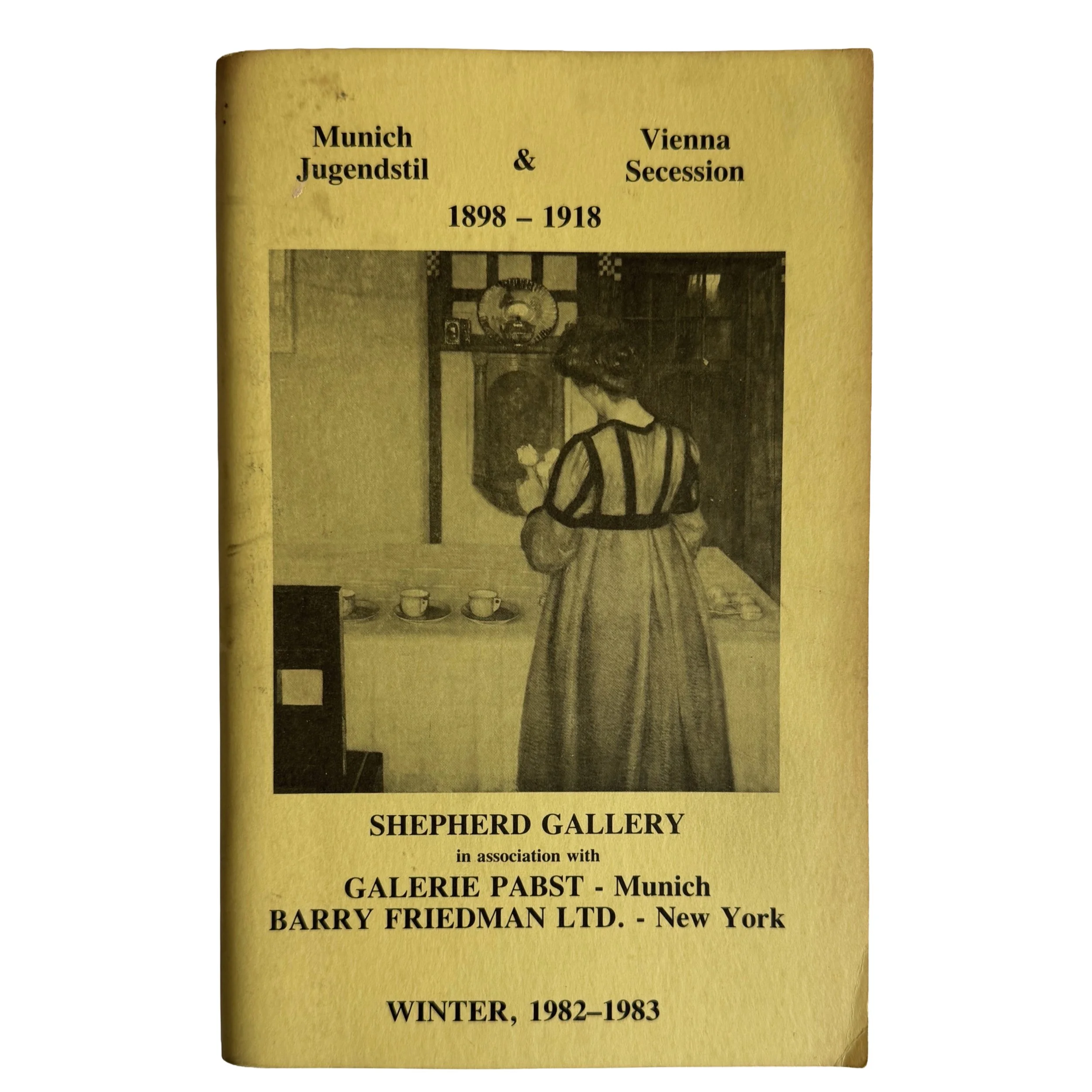 Image 1 of 6
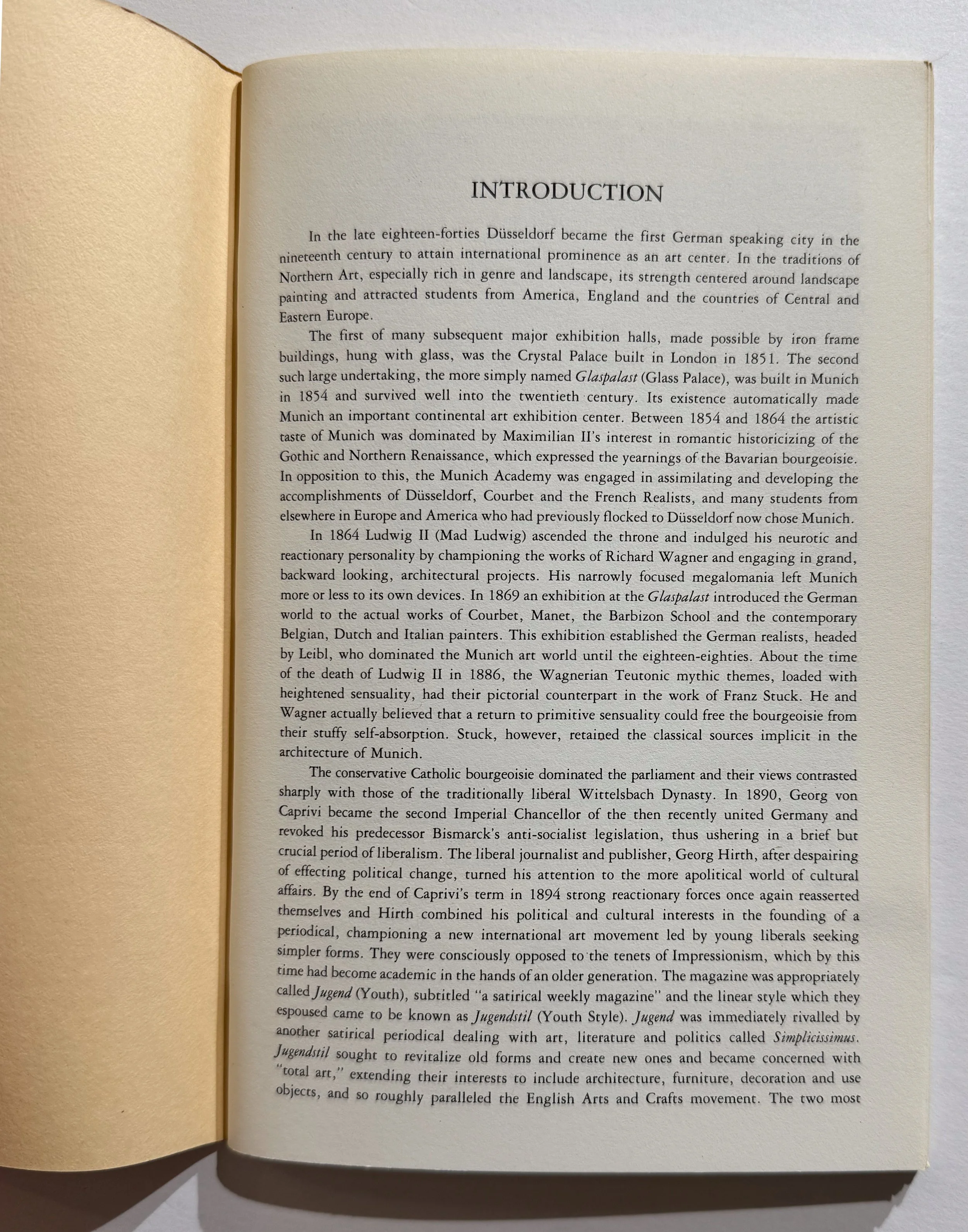 Image 2 of 6
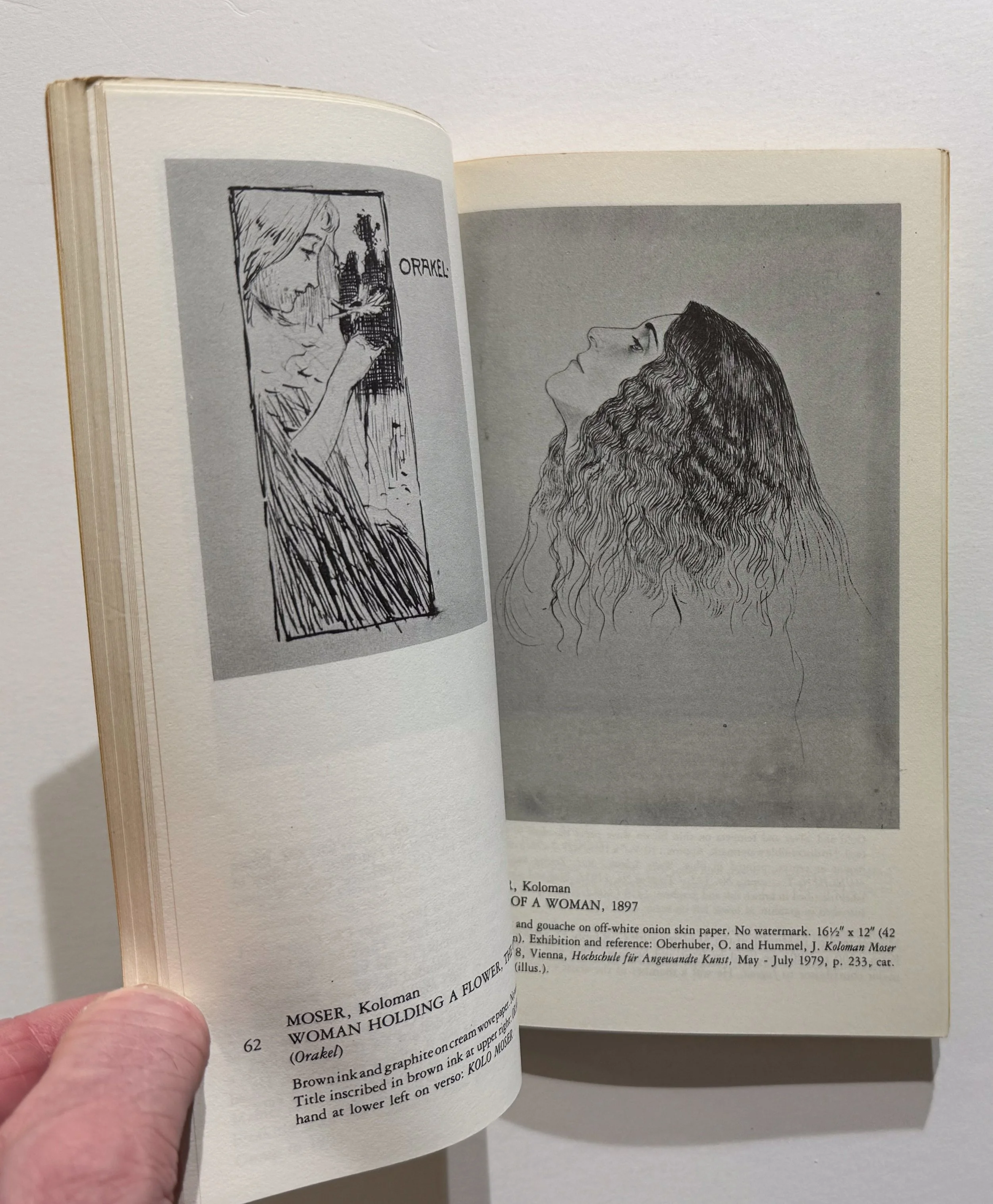 Image 3 of 6
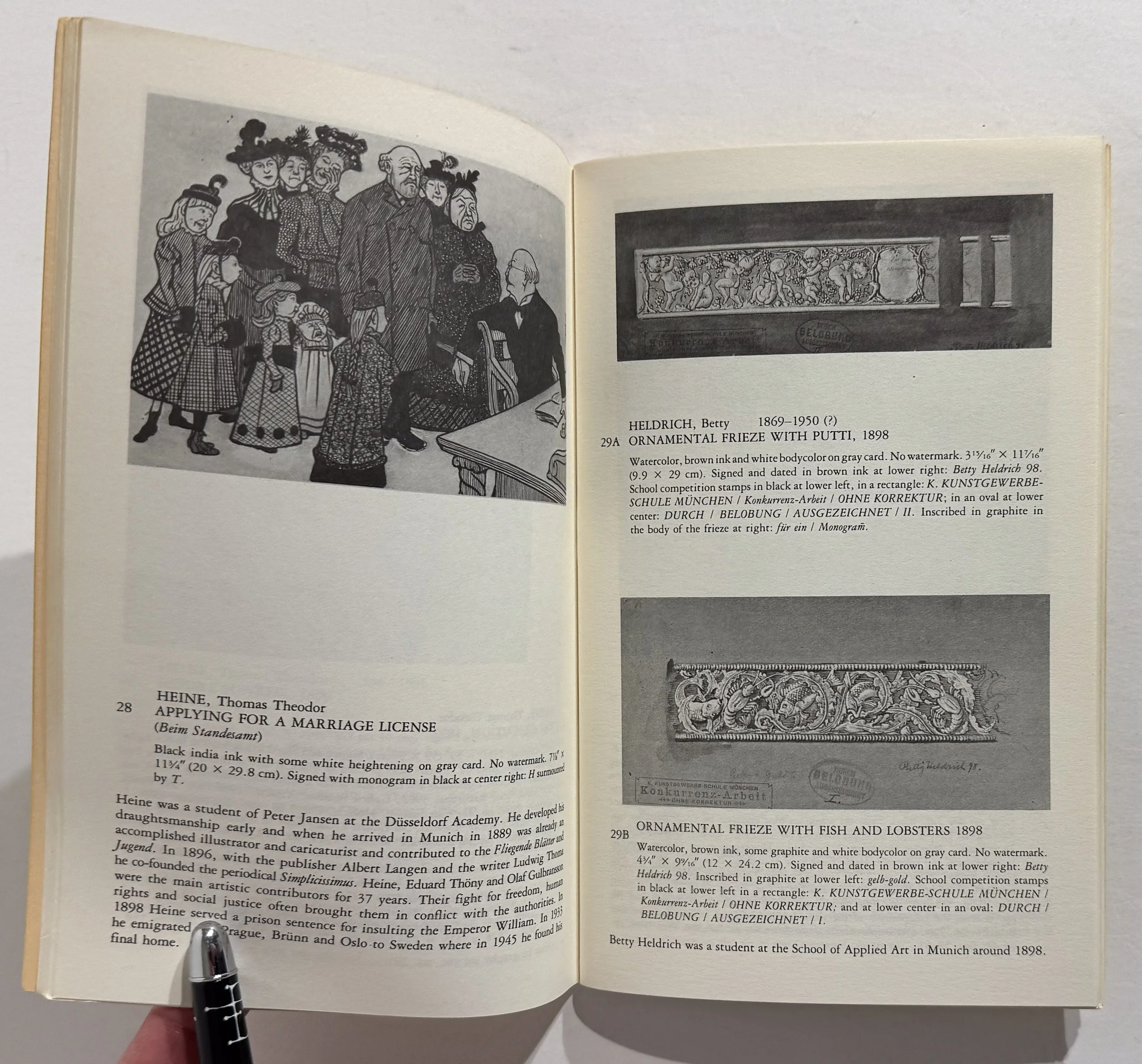 Image 4 of 6
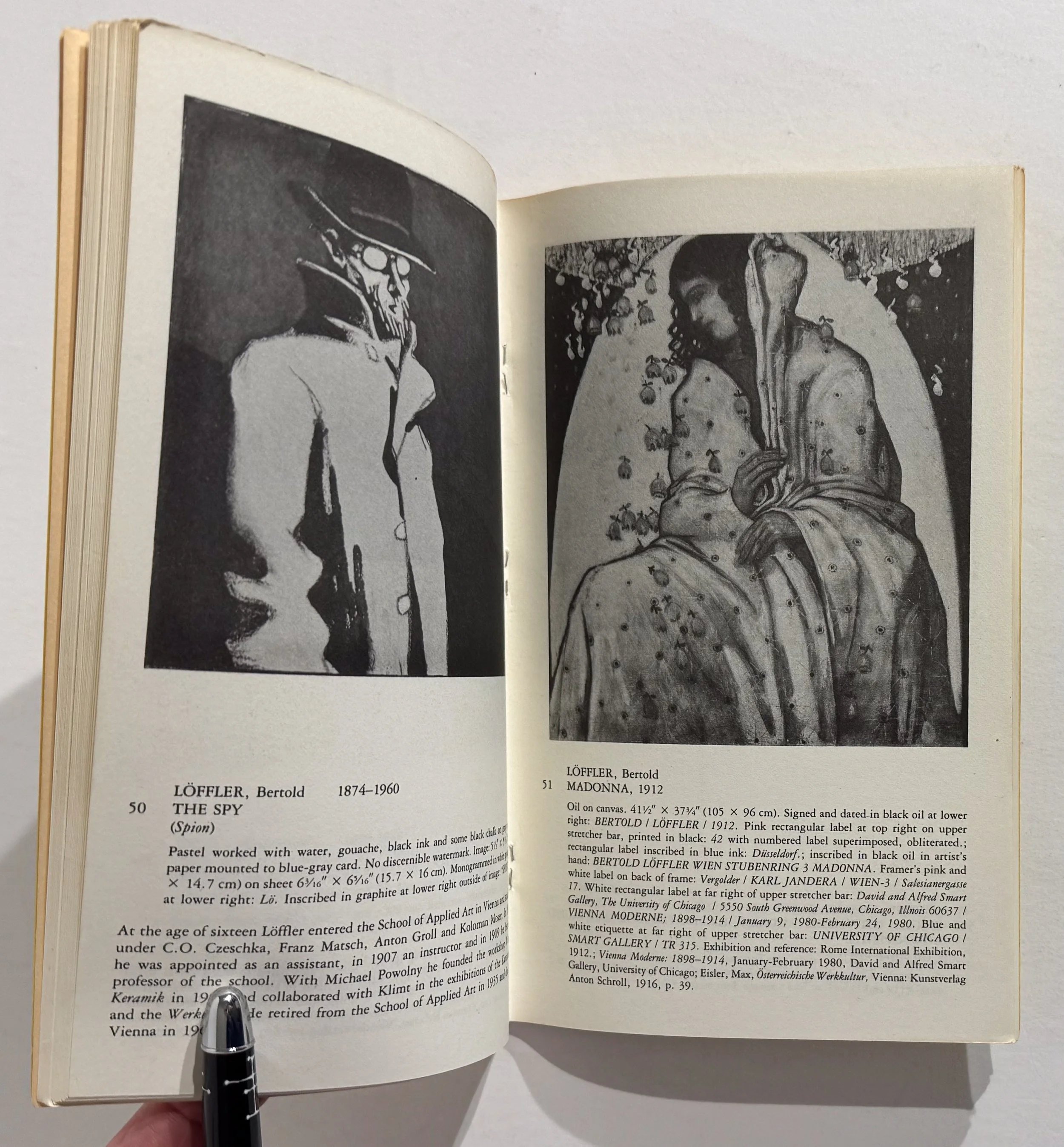 Image 5 of 6
 Image 6 of 6