First American edition of this increasingly elusive and visually compelling document of late-1960s experimental design pedagogy, limning the intersection of architecture, mathematics, systems theory, and countercultural futurism. British architectural theorist Keith Critchlow here proposes geometry not as ornament but as a fundamental ordering principle governing structure, perception, communication, and built form. Through a sequence of highly graphic investigations into tessellation, modular planning, polyhedral systems, packing structures, proportional relationships, and spatial networks, Critchlow constructs a manual equally useful to architects, designers, engineers, and those drawn to the era’s broader search for universal systems of order.
Though often grouped with Critchlow’s later writings on sacred geometry and traditional pattern, Order in Space belongs more properly to the radical design atmosphere of the late 1960s—sharing intellectual terrain with R. Buckminster Fuller’s geodesic experimentation, design-science thinking, and the pedagogical innovations then circulating in Britain through institutions such as the Architectural Association School of Architecture (c.f. Cedric Price, Archigram). Published in 1970 by Viking Press. 4to (8.25” x 12”), stiff pictorial wrappers with plastic comb binding, 120 pages, profusely illustrated in black-and-white with geometric diagrams, structural studies, network schematics, and mathematical models, including two large folding appendix charts.
A cult classic of speculative architectural publishing and a remarkably well-preserved example of a notoriously fragile production intended for studio and classroom usage: comb binding fully intact and unusually sound, wrappers showing light rubbing and bumping, contents clean and bright, folding charts present and in excellent condition.
First American edition of this increasingly elusive and visually compelling document of late-1960s experimental design pedagogy, limning the intersection of architecture, mathematics, systems theory, and countercultural futurism. British architectural theorist Keith Critchlow here proposes geometry not as ornament but as a fundamental ordering principle governing structure, perception, communication, and built form. Through a sequence of highly graphic investigations into tessellation, modular planning, polyhedral systems, packing structures, proportional relationships, and spatial networks, Critchlow constructs a manual equally useful to architects, designers, engineers, and those drawn to the era’s broader search for universal systems of order.
Though often grouped with Critchlow’s later writings on sacred geometry and traditional pattern, Order in Space belongs more properly to the radical design atmosphere of the late 1960s—sharing intellectual terrain with R. Buckminster Fuller’s geodesic experimentation, design-science thinking, and the pedagogical innovations then circulating in Britain through institutions such as the Architectural Association School of Architecture (c.f. Cedric Price, Archigram). Published in 1970 by Viking Press. 4to (8.25” x 12”), stiff pictorial wrappers with plastic comb binding, 120 pages, profusely illustrated in black-and-white with geometric diagrams, structural studies, network schematics, and mathematical models, including two large folding appendix charts.
A cult classic of speculative architectural publishing and a remarkably well-preserved example of a notoriously fragile production intended for studio and classroom usage: comb binding fully intact and unusually sound, wrappers showing light rubbing and bumping, contents clean and bright, folding charts present and in excellent condition.

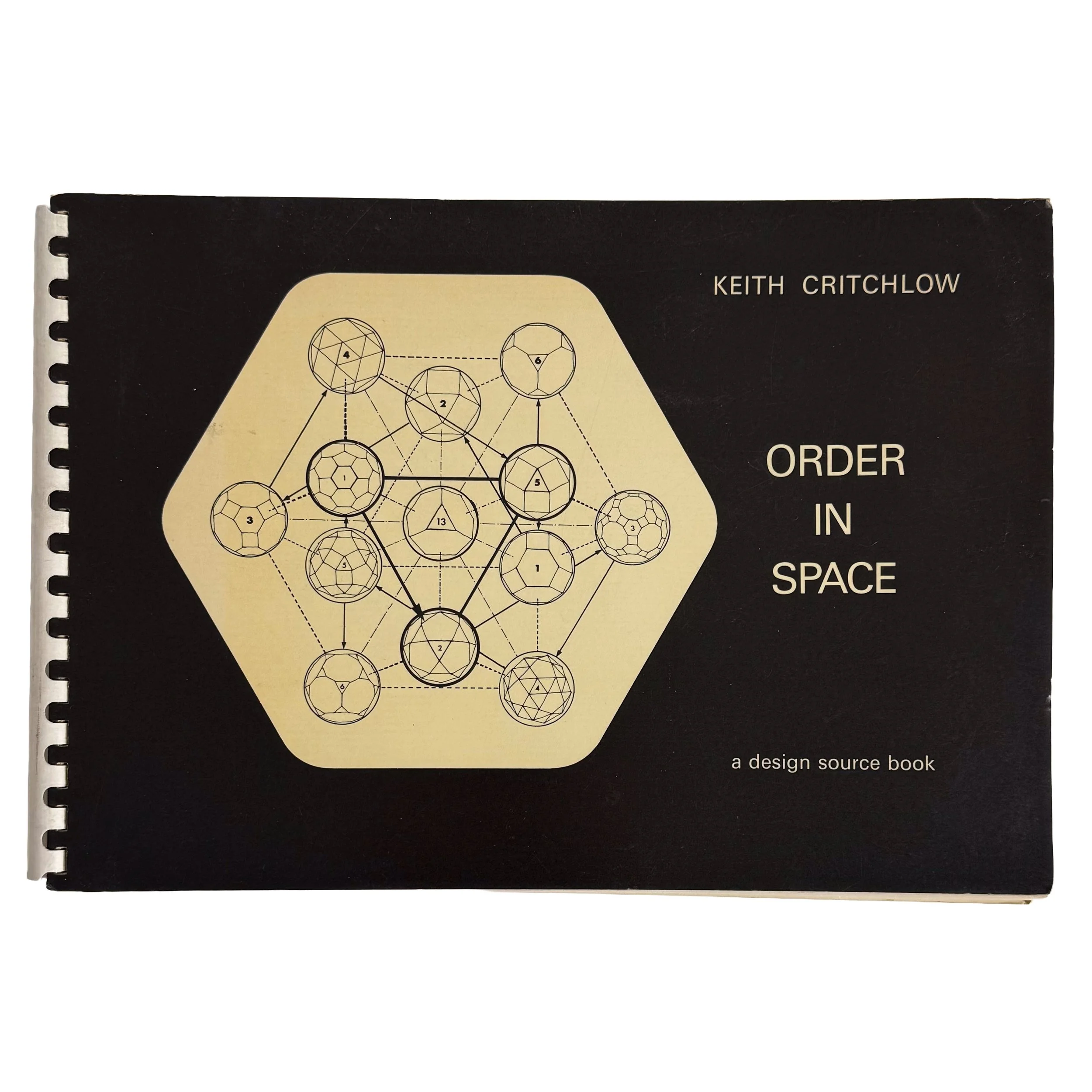 Image 1 of 10
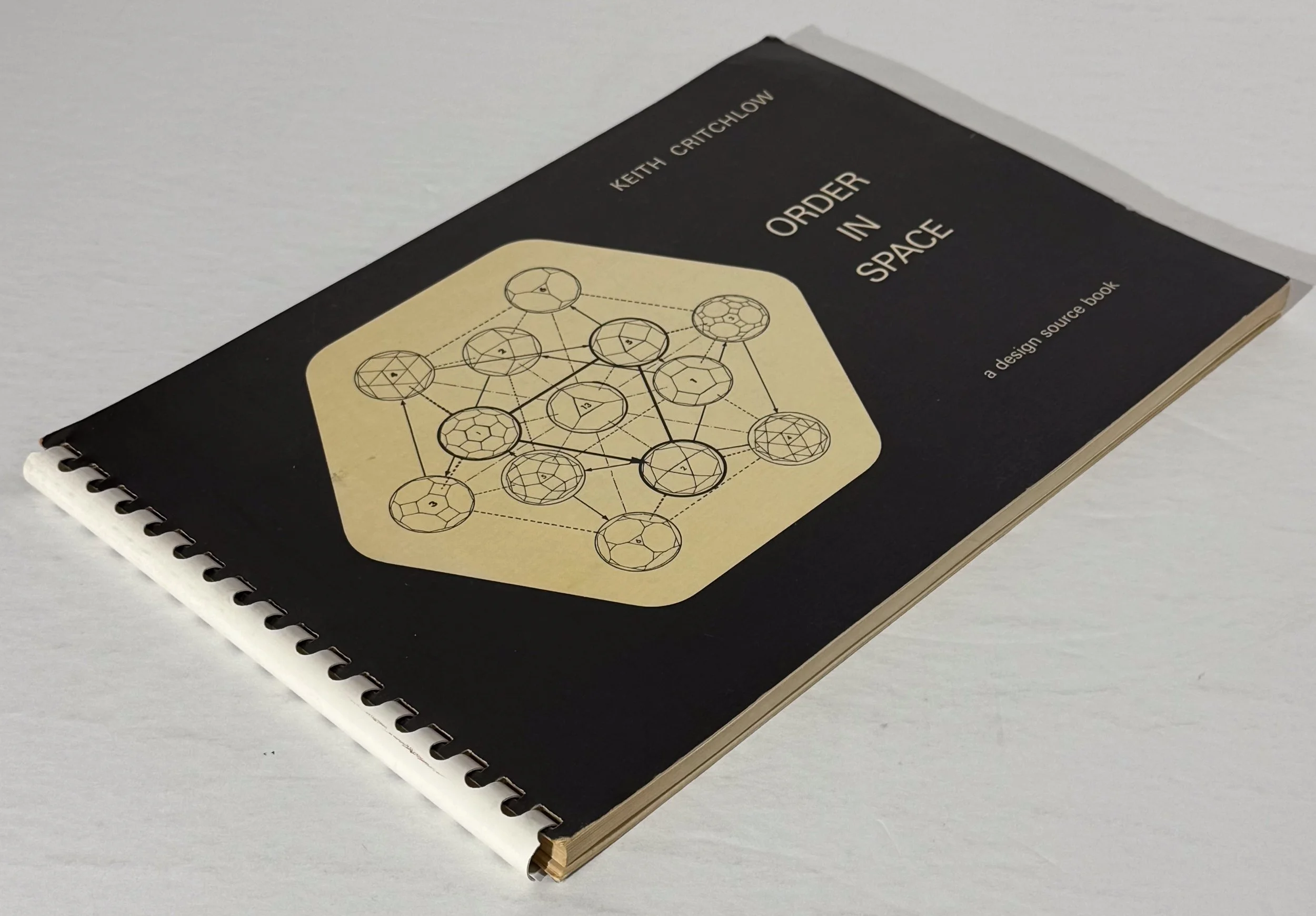 Image 2 of 10
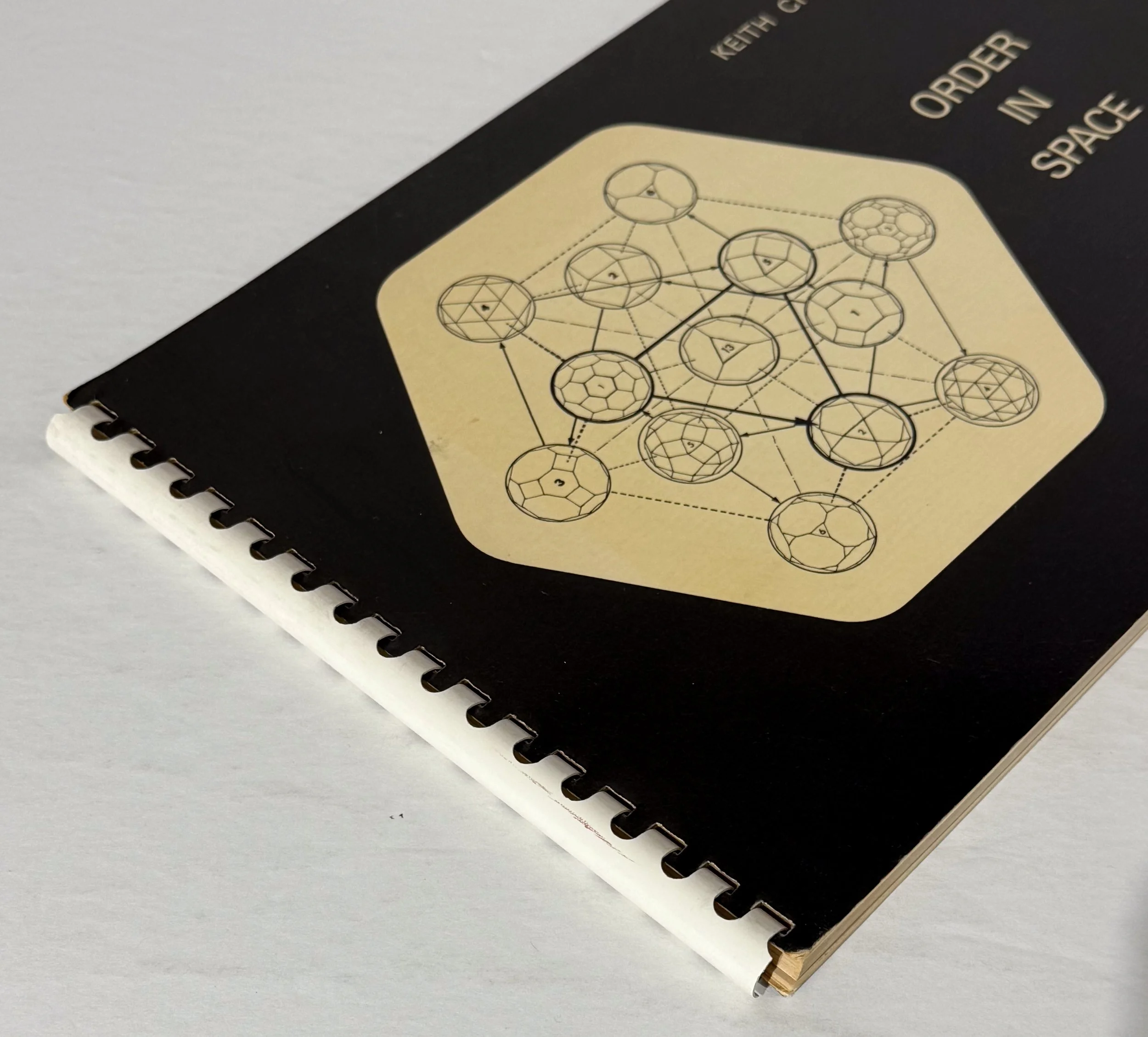 Image 3 of 10
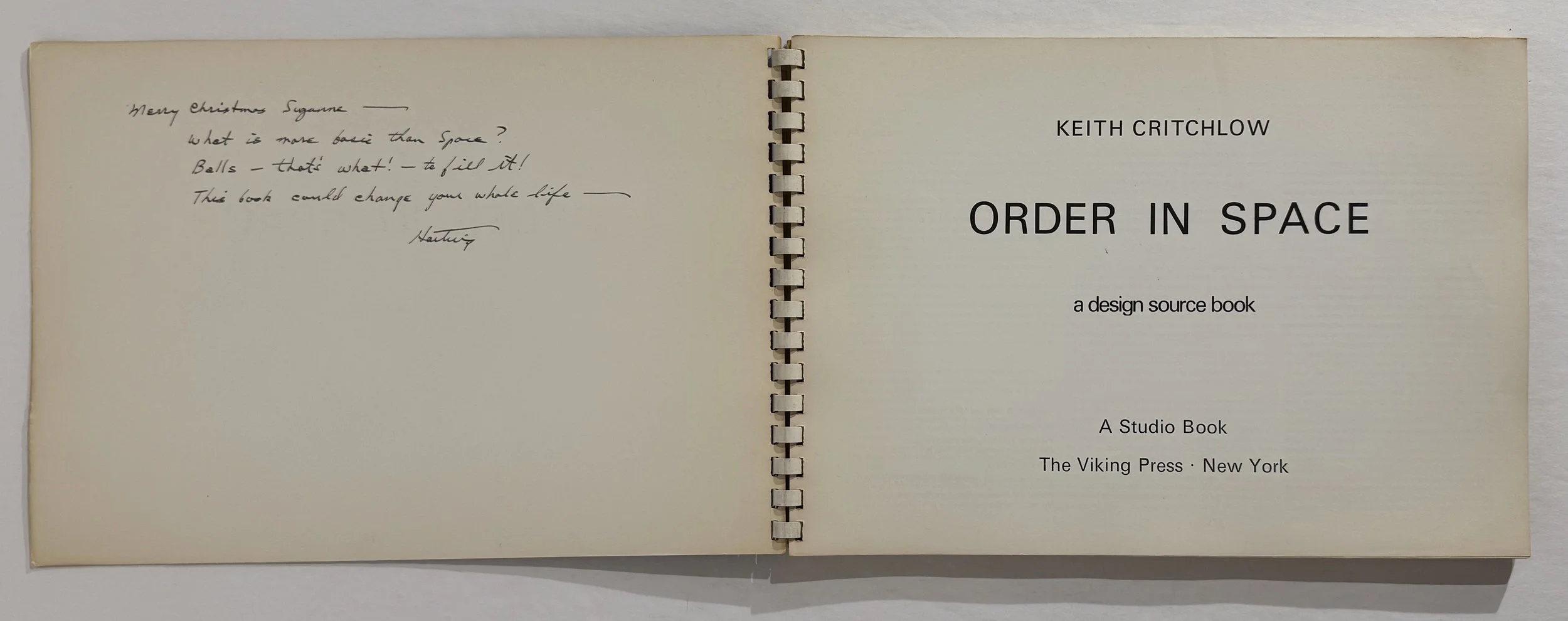 Image 4 of 10
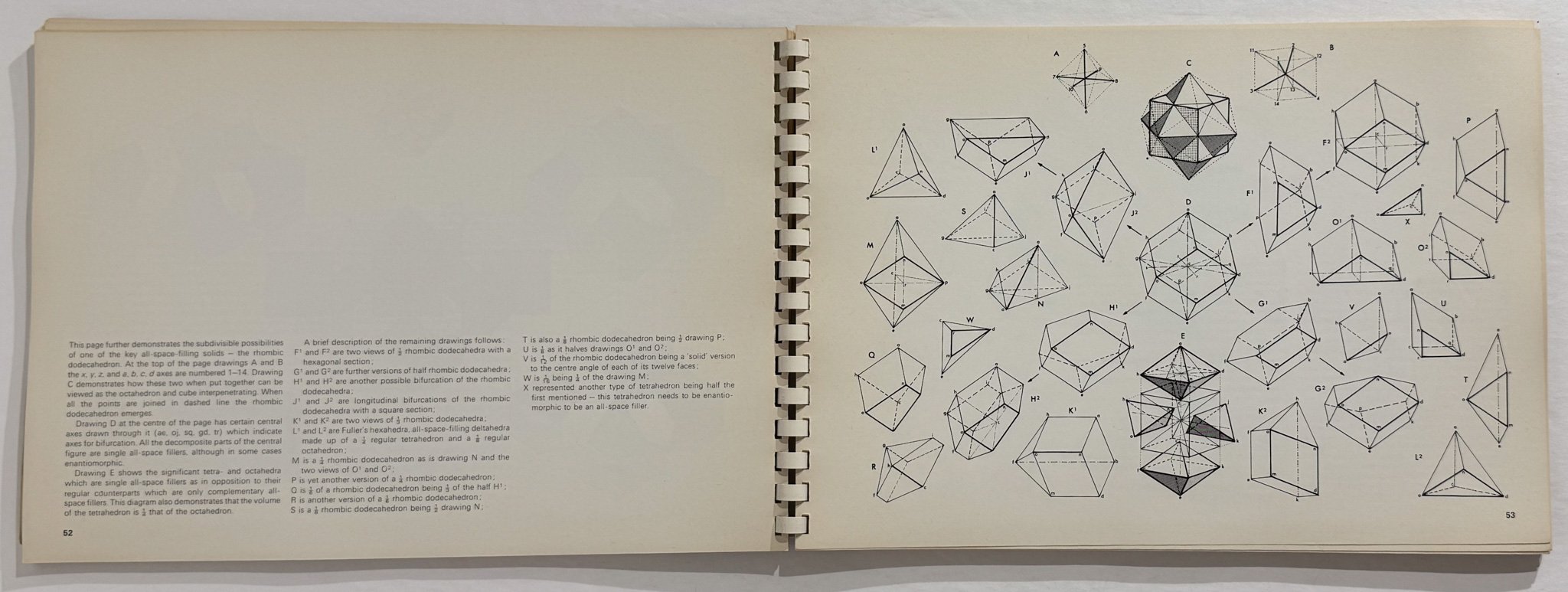 Image 5 of 10
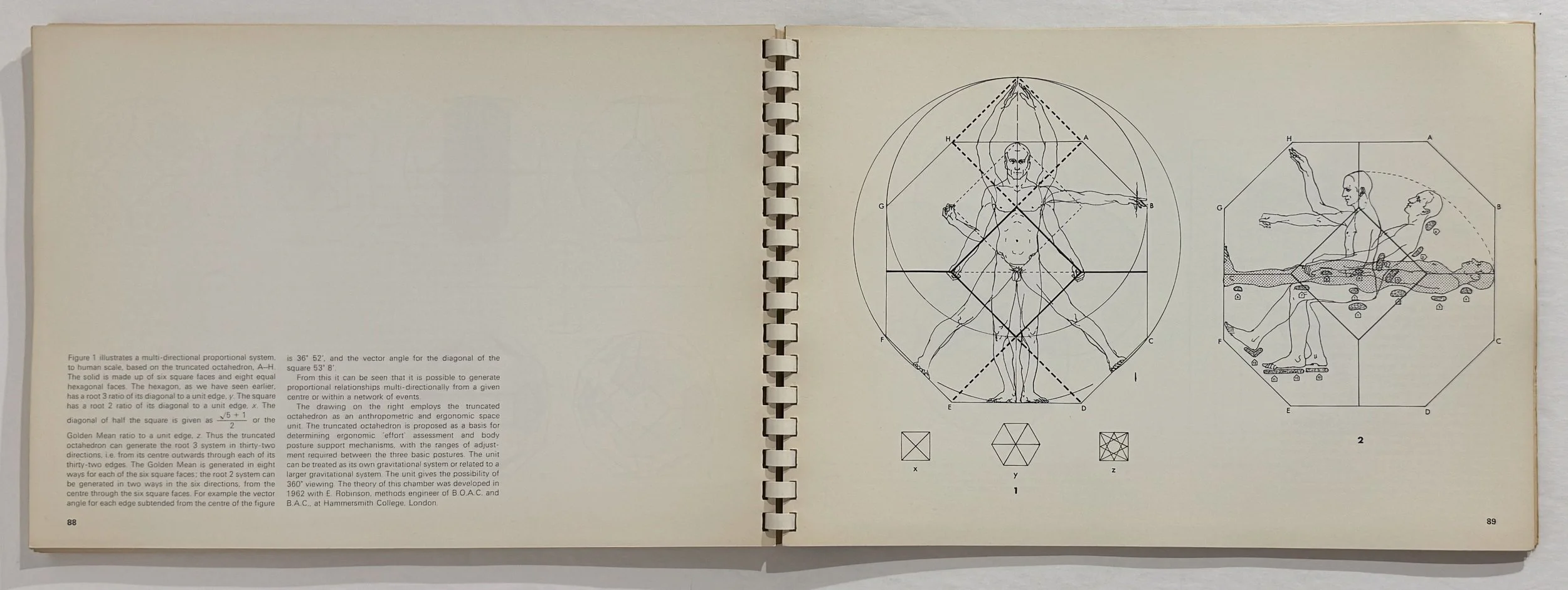 Image 6 of 10
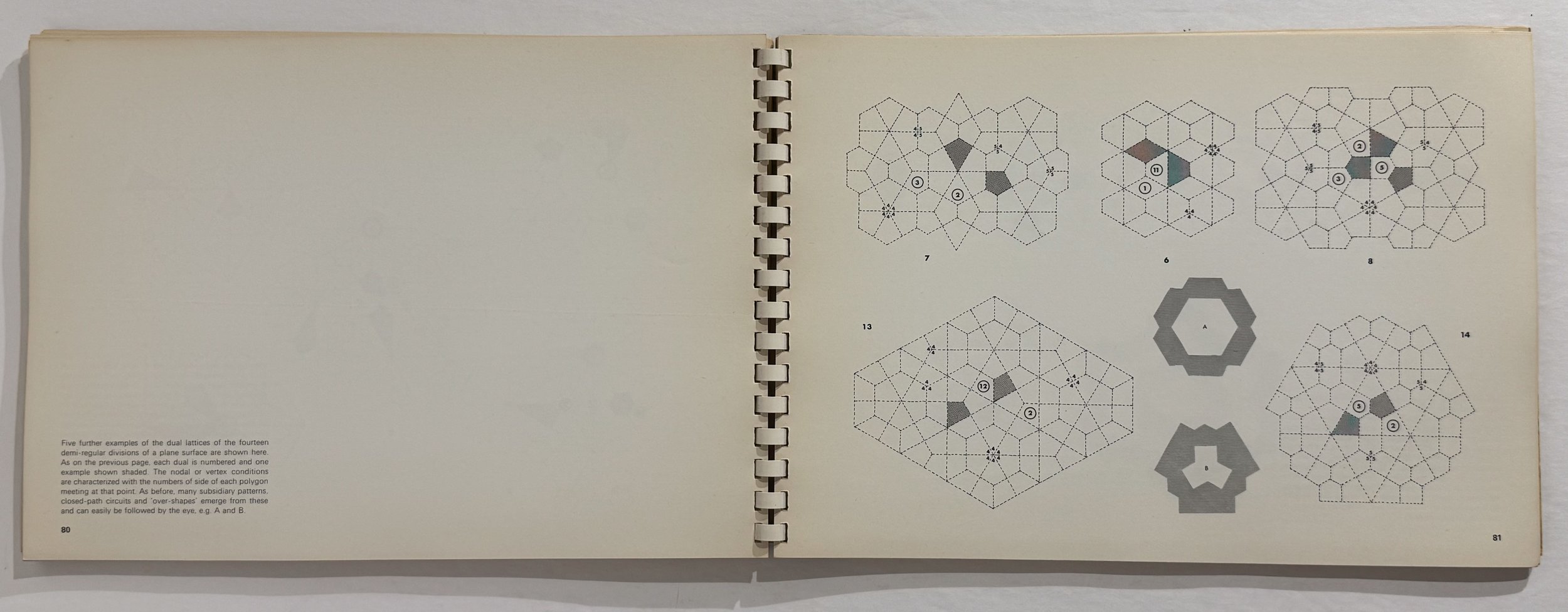 Image 7 of 10
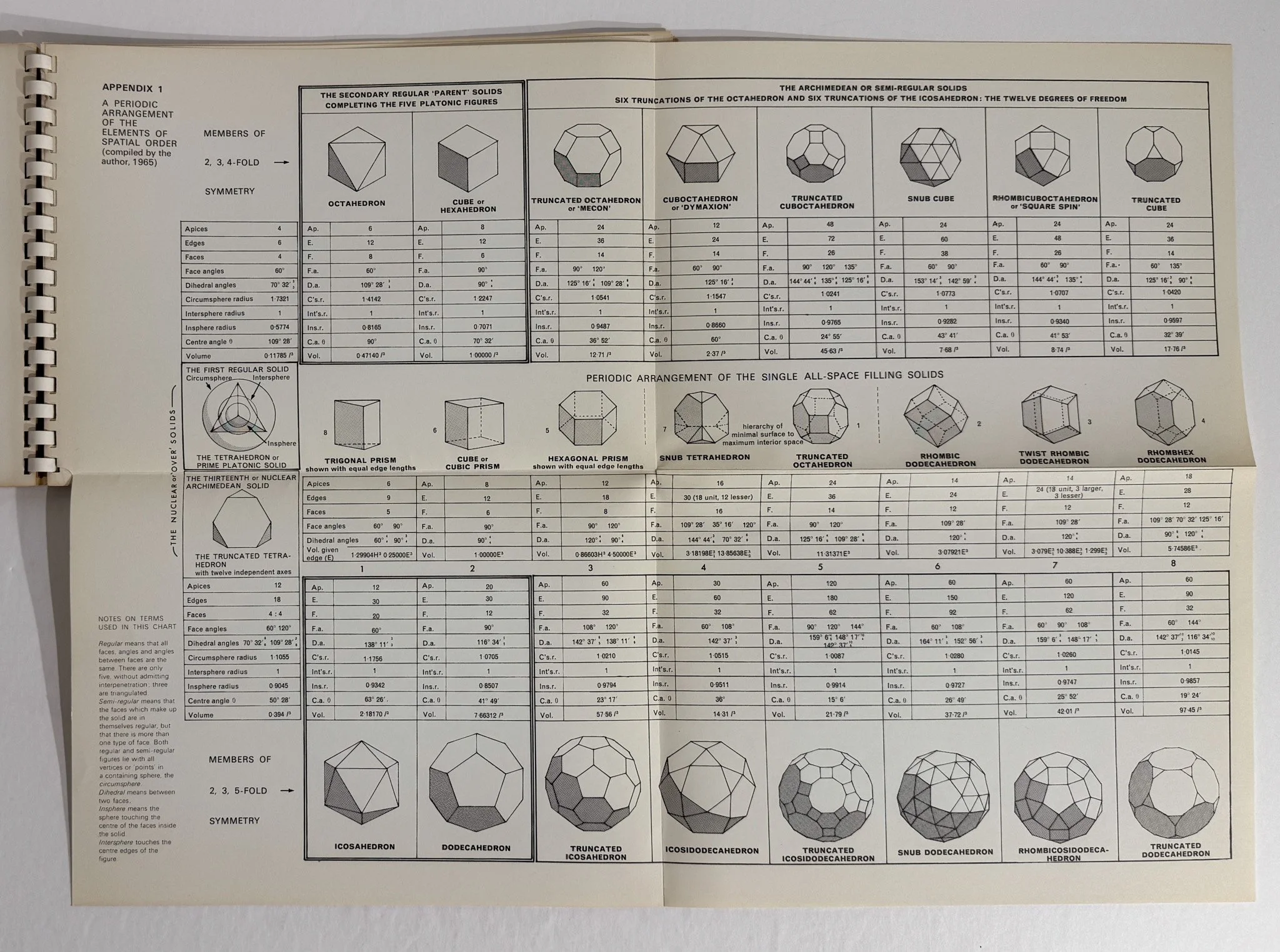 Image 8 of 10
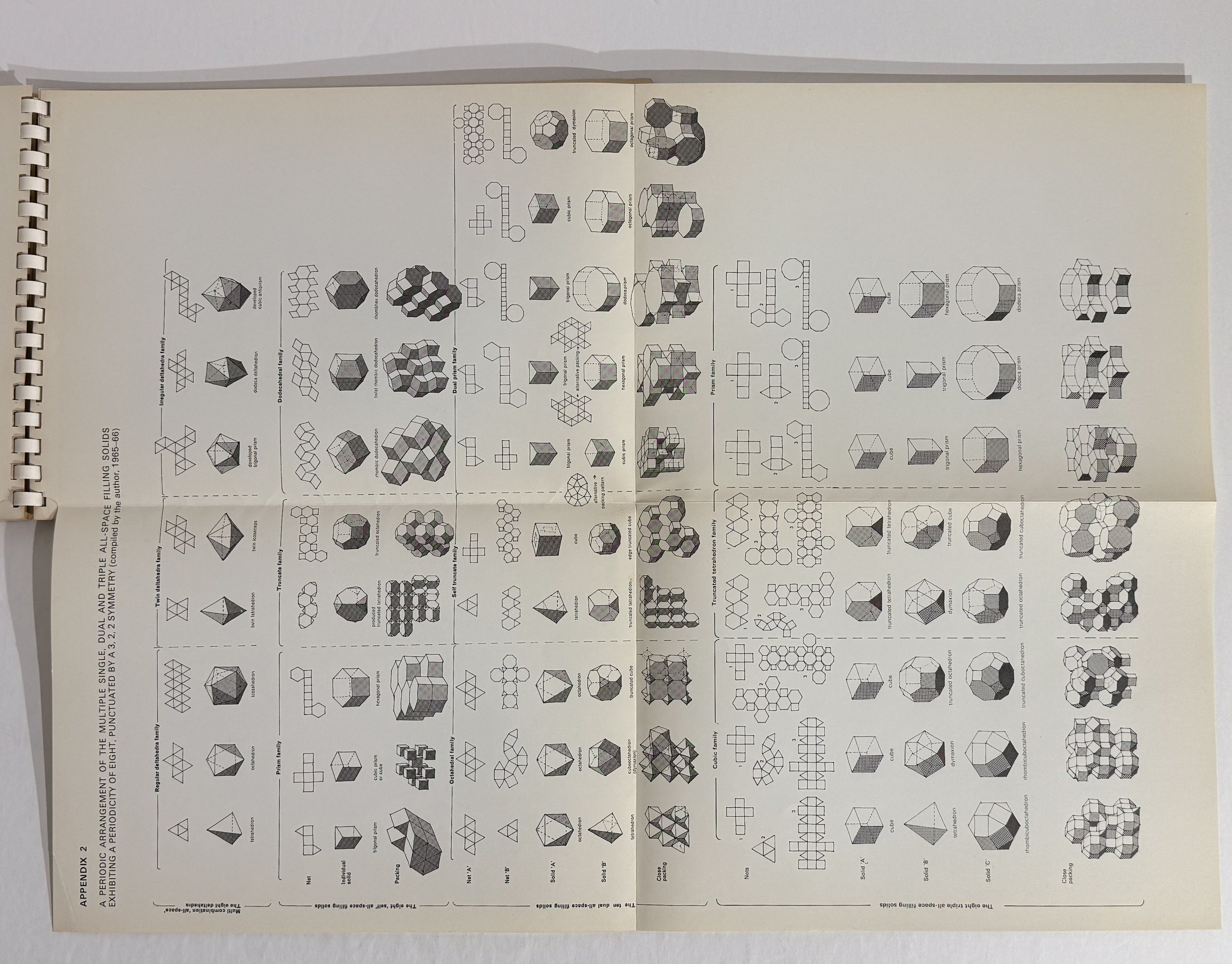 Image 9 of 10
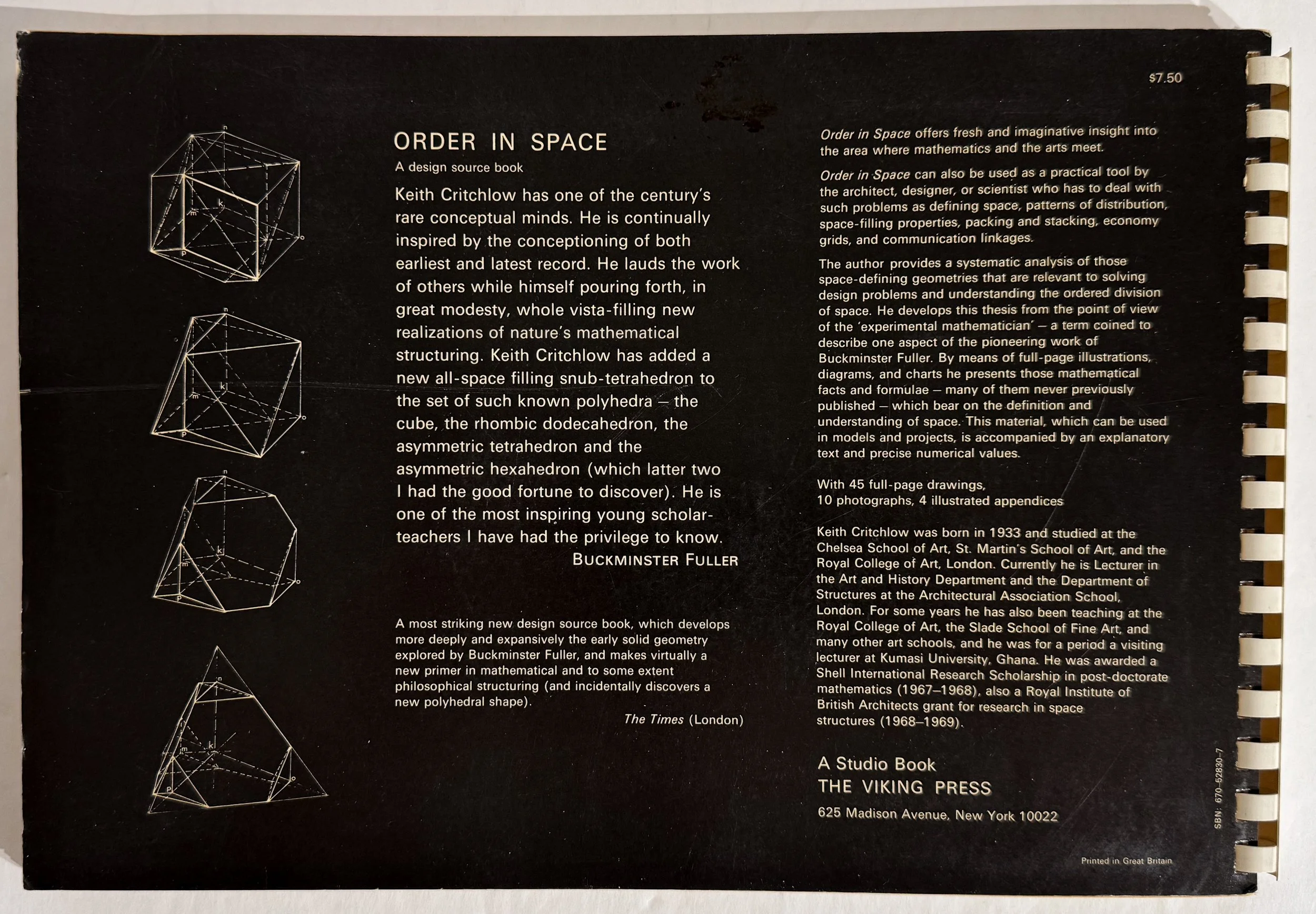 Image 10 of 10