An exceptional signed example of Richard Avedon’s landmark April 1965 “Now” issue of Harper’s Bazaar, retaining the extremely scarce original lenticular eye in fully functional condition. Folio (12.25” x 9.75”), pictorial wrappers, 250 pages, b/w and color illustrations. Signed by Avedon in blue ink at the lower right of the Jean Shrimpton cover. Complete.
Guest-edited and photographed throughout by Avedon in celebration of his twentieth year at Harper’s Bazaar, the issue represents the photographer’s most ambitious work in magazine form. In collaboration with art directors Ruth Ansel and Bea Feitler, Avedon reconceived the fashion magazine as a sustained visual essay on the rapidly changing culture of the mid-1960s, in the process replacing conventional editorial sequence with something closer to a photographic monograph or experimental artist’s book.
The celebrated cover isolates Shrimpton’s face within a hot-pink, cut-paper “space helmet,” its graphic flatness set against the physical animation of an applied lenticular eye. As the magazine is moved, the eye passes distinctly from open to closed, causing Shrimpton to wink. Most surviving copies lack this fragile attachment; photography historian Vince Aletti has reported locating only a handful of examples over decades of collecting.
The interiors amplify the cover’s themes through repeated faces, photographic grids, masks, helmets, Op patterns, and serial imagery. Among its subjects are Shrimpton in the full NASA suit and “Galactic Beauty” sequence; Donyale Luna in Galanos; Paul McCartney photographed as an astronaut; Bob Dylan; Jasper Johns; Roy Lichtenstein; Robert Rauschenberg; and the young Ferdinand Lewis Alcindor Jr., later Kareem Abdul-Jabbar. Tom Wolfe contributes “Pariah Styles: The New Chic.” The issue continually collapses distinctions between fashion photography, portraiture, Pop collage, reportage, illustration, and graphic design—an exuberant period document that also anticipates the image-saturated culture to come.
Avedon’s signature is unusually well placed, beginning across Shrimpton’s shoulder and extending into the pale lower-right field without disturbing the face, masthead, typography, or applied eye. Its scale and position read less as a casually added celebrity autograph than as an artist signing a completed work, transforming the cover—already a synthesis of photograph, Day-Glo collage, typography, and kinetic device—into a signed mixed-media composition.
Provenance: the collection of a New York City graphic designer who acquired several signed and inscribed Avedon books through personal contact; the collection also included contemporary Warhol and Lichtenstein gallery ephemera. Photography historian and magazine collector Vince Aletti, who has located only a handful of lenticular copies in decades of searching, has described his own signed example as his “Holy Grail.” No signed or lenticular copy is presently apparent in commerce; the conjunction of Avedon’s cover signature, the working optical device, completeness, and direct-contact provenance betokens a copy of exceptional rarity.
Binding somewhat shaken. Front hinge weakened; rear wrapper split. Some bumping and chipping to extremities. Moderate rubbing to front wrapper, with mild damp staining to upper half; 1/8” open tears to top corner and at spine tail, additional discreet closed tears to edges. Contents clean and bright. Much of the apparent waviness in the cover photographs is caused by the clear protective sleeve. The original lenticular eye remains firmly attached and fully functional, passing convincingly between open and closed states.
A singular survival of Avedon’s most celebrated magazine project in its intended kinetic form—and a copy whose compositionally integrated signature transforms an icon of editorial design into a signed work by the artist.
An exceptional signed example of Richard Avedon’s landmark April 1965 “Now” issue of Harper’s Bazaar, retaining the extremely scarce original lenticular eye in fully functional condition. Folio (12.25” x 9.75”), pictorial wrappers, 250 pages, b/w and color illustrations. Signed by Avedon in blue ink at the lower right of the Jean Shrimpton cover. Complete.
Guest-edited and photographed throughout by Avedon in celebration of his twentieth year at Harper’s Bazaar, the issue represents the photographer’s most ambitious work in magazine form. In collaboration with art directors Ruth Ansel and Bea Feitler, Avedon reconceived the fashion magazine as a sustained visual essay on the rapidly changing culture of the mid-1960s, in the process replacing conventional editorial sequence with something closer to a photographic monograph or experimental artist’s book.
The celebrated cover isolates Shrimpton’s face within a hot-pink, cut-paper “space helmet,” its graphic flatness set against the physical animation of an applied lenticular eye. As the magazine is moved, the eye passes distinctly from open to closed, causing Shrimpton to wink. Most surviving copies lack this fragile attachment; photography historian Vince Aletti has reported locating only a handful of examples over decades of collecting.
The interiors amplify the cover’s themes through repeated faces, photographic grids, masks, helmets, Op patterns, and serial imagery. Among its subjects are Shrimpton in the full NASA suit and “Galactic Beauty” sequence; Donyale Luna in Galanos; Paul McCartney photographed as an astronaut; Bob Dylan; Jasper Johns; Roy Lichtenstein; Robert Rauschenberg; and the young Ferdinand Lewis Alcindor Jr., later Kareem Abdul-Jabbar. Tom Wolfe contributes “Pariah Styles: The New Chic.” The issue continually collapses distinctions between fashion photography, portraiture, Pop collage, reportage, illustration, and graphic design—an exuberant period document that also anticipates the image-saturated culture to come.
Avedon’s signature is unusually well placed, beginning across Shrimpton’s shoulder and extending into the pale lower-right field without disturbing the face, masthead, typography, or applied eye. Its scale and position read less as a casually added celebrity autograph than as an artist signing a completed work, transforming the cover—already a synthesis of photograph, Day-Glo collage, typography, and kinetic device—into a signed mixed-media composition.
Provenance: the collection of a New York City graphic designer who acquired several signed and inscribed Avedon books through personal contact; the collection also included contemporary Warhol and Lichtenstein gallery ephemera. Photography historian and magazine collector Vince Aletti, who has located only a handful of lenticular copies in decades of searching, has described his own signed example as his “Holy Grail.” No signed or lenticular copy is presently apparent in commerce; the conjunction of Avedon’s cover signature, the working optical device, completeness, and direct-contact provenance betokens a copy of exceptional rarity.
Binding somewhat shaken. Front hinge weakened; rear wrapper split. Some bumping and chipping to extremities. Moderate rubbing to front wrapper, with mild damp staining to upper half; 1/8” open tears to top corner and at spine tail, additional discreet closed tears to edges. Contents clean and bright. Much of the apparent waviness in the cover photographs is caused by the clear protective sleeve. The original lenticular eye remains firmly attached and fully functional, passing convincingly between open and closed states.
A singular survival of Avedon’s most celebrated magazine project in its intended kinetic form—and a copy whose compositionally integrated signature transforms an icon of editorial design into a signed work by the artist.

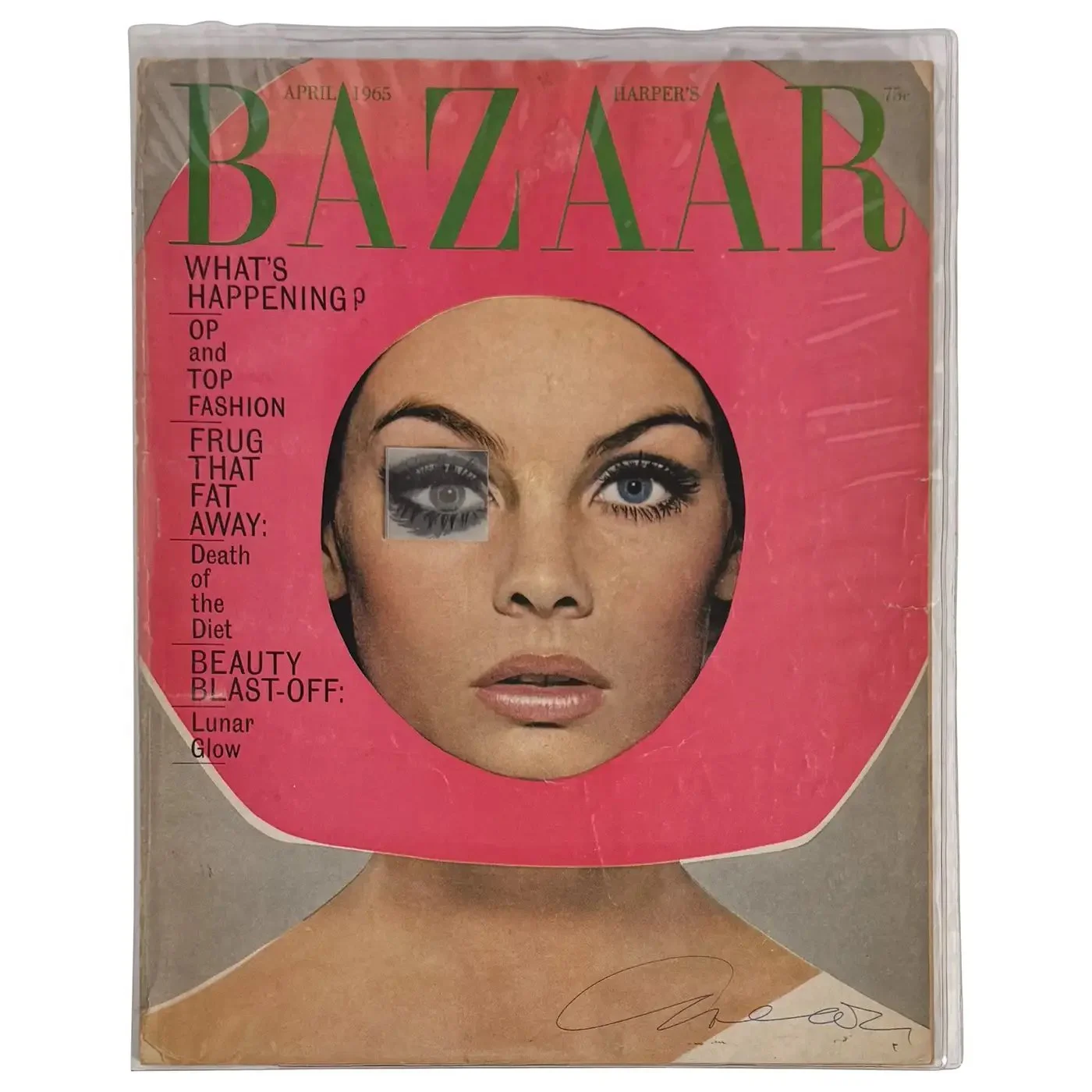 Image 1 of 20
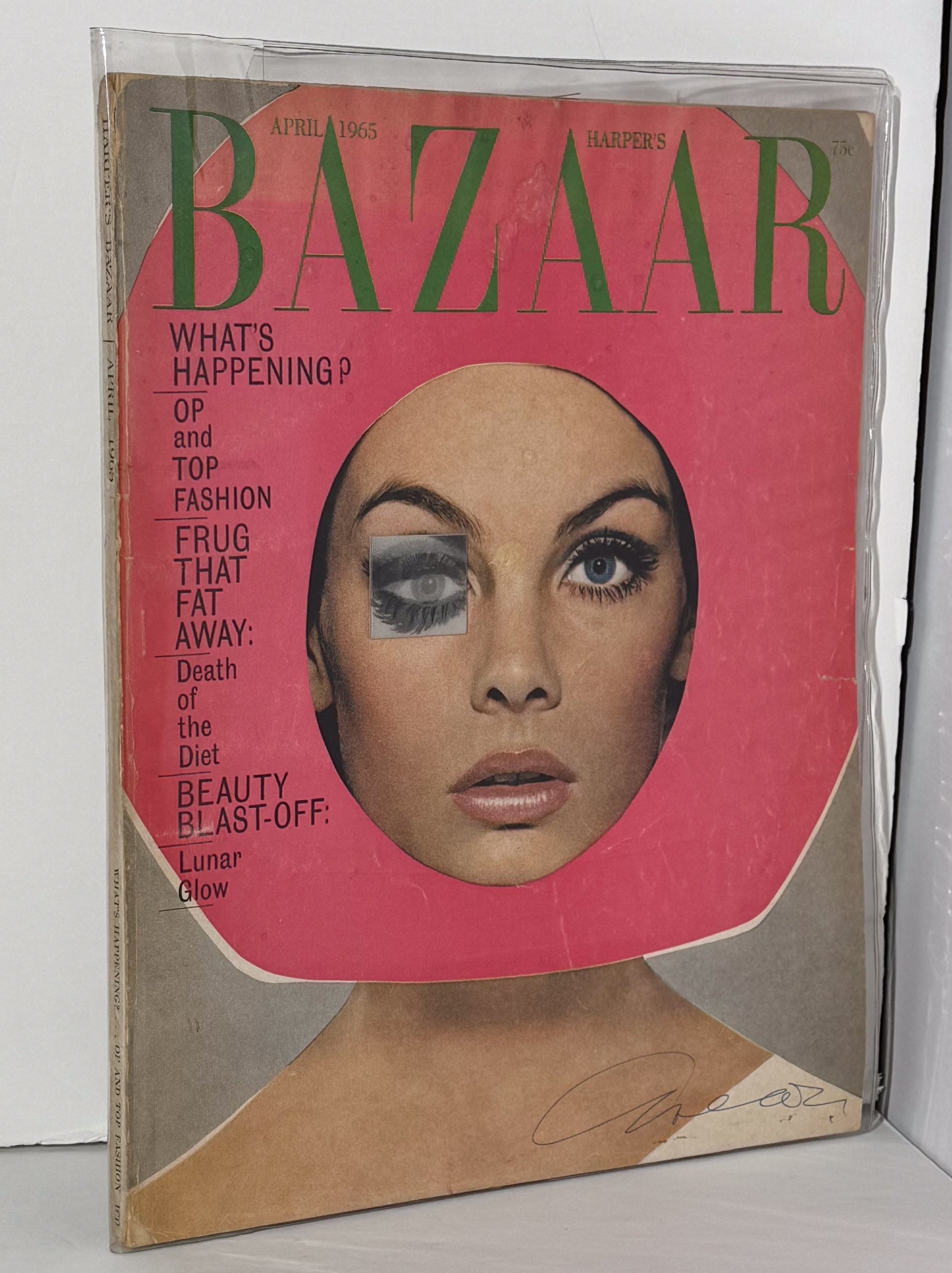 Image 2 of 20
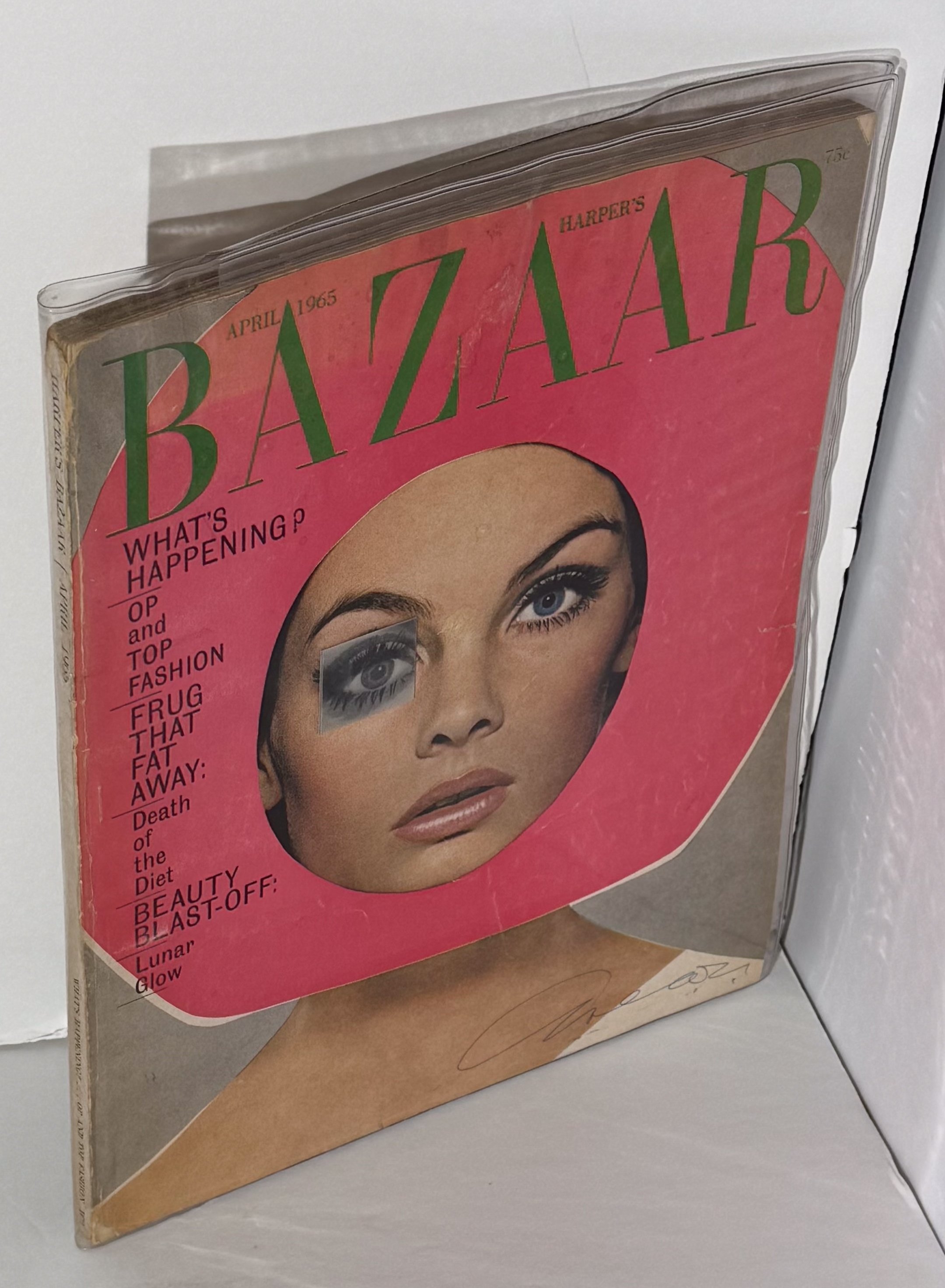 Image 3 of 20
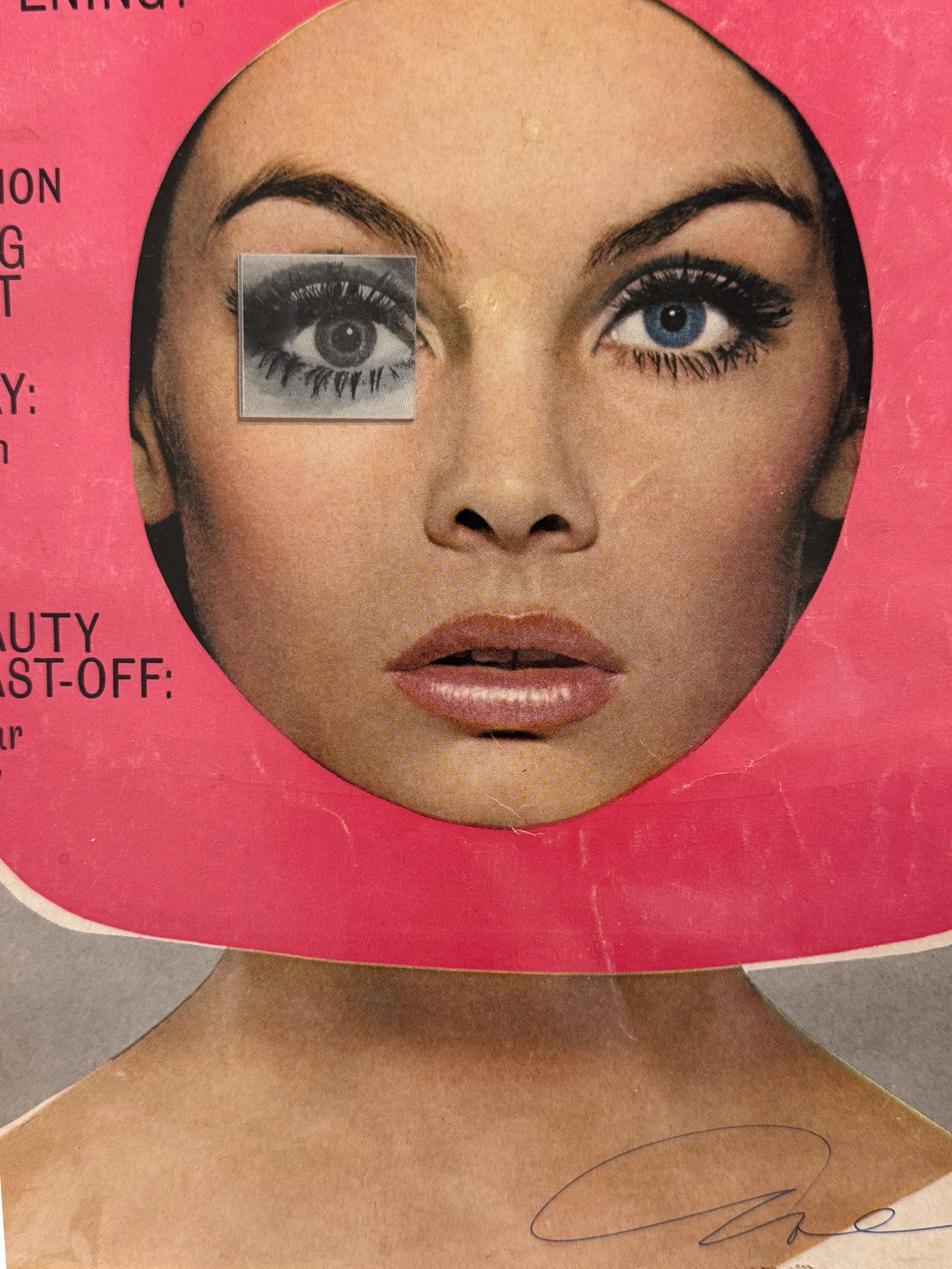 Image 4 of 20
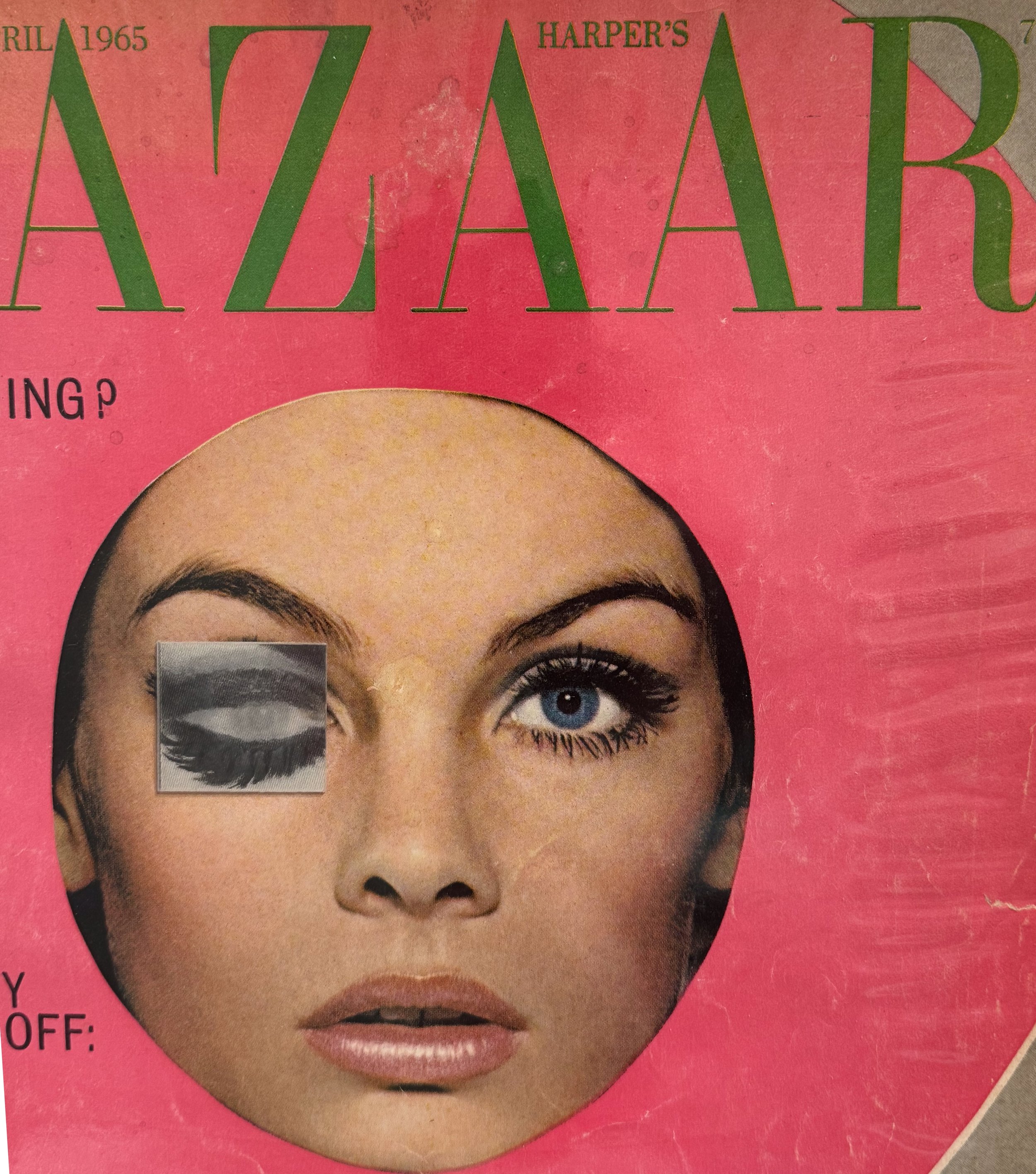 Image 5 of 20
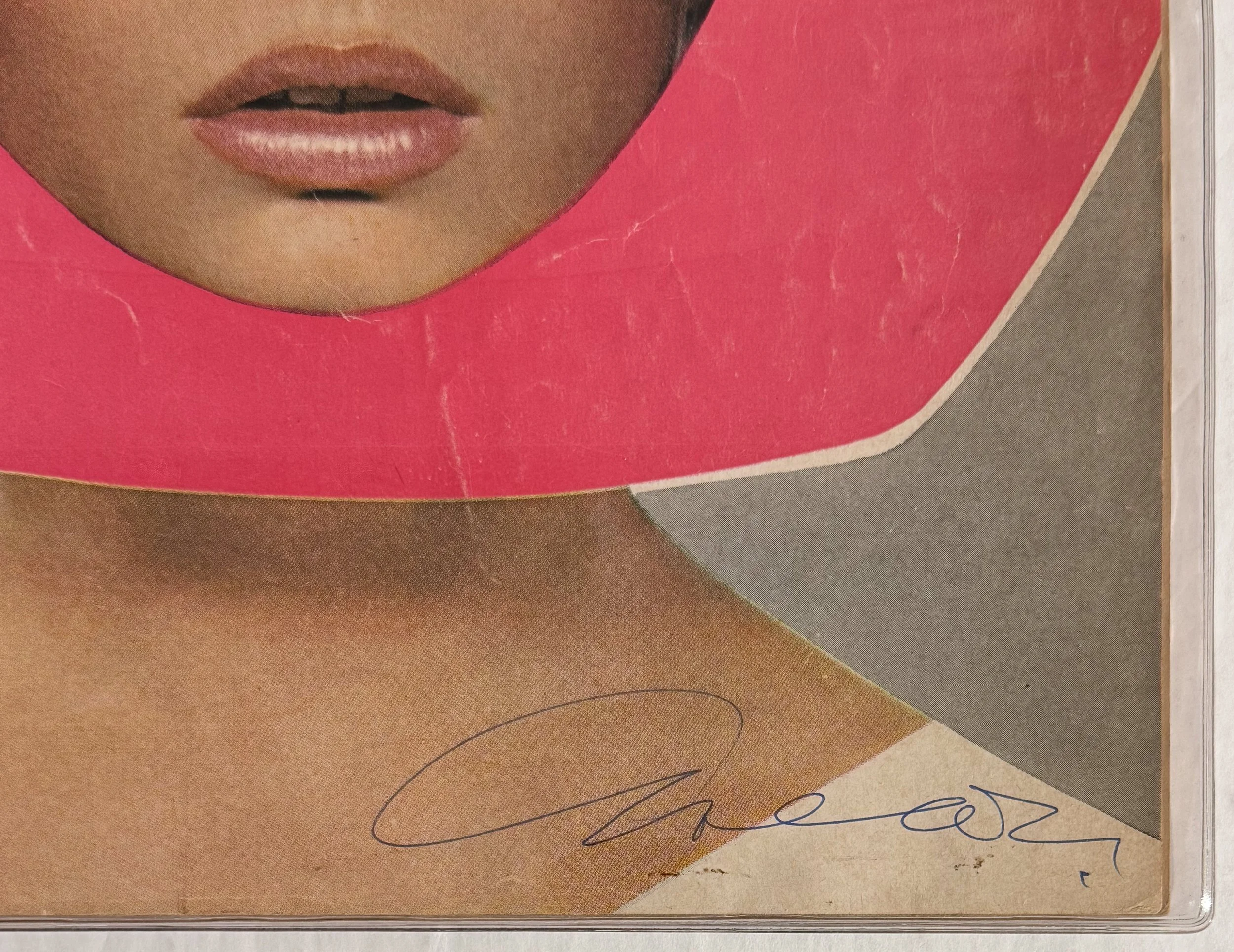 Image 6 of 20
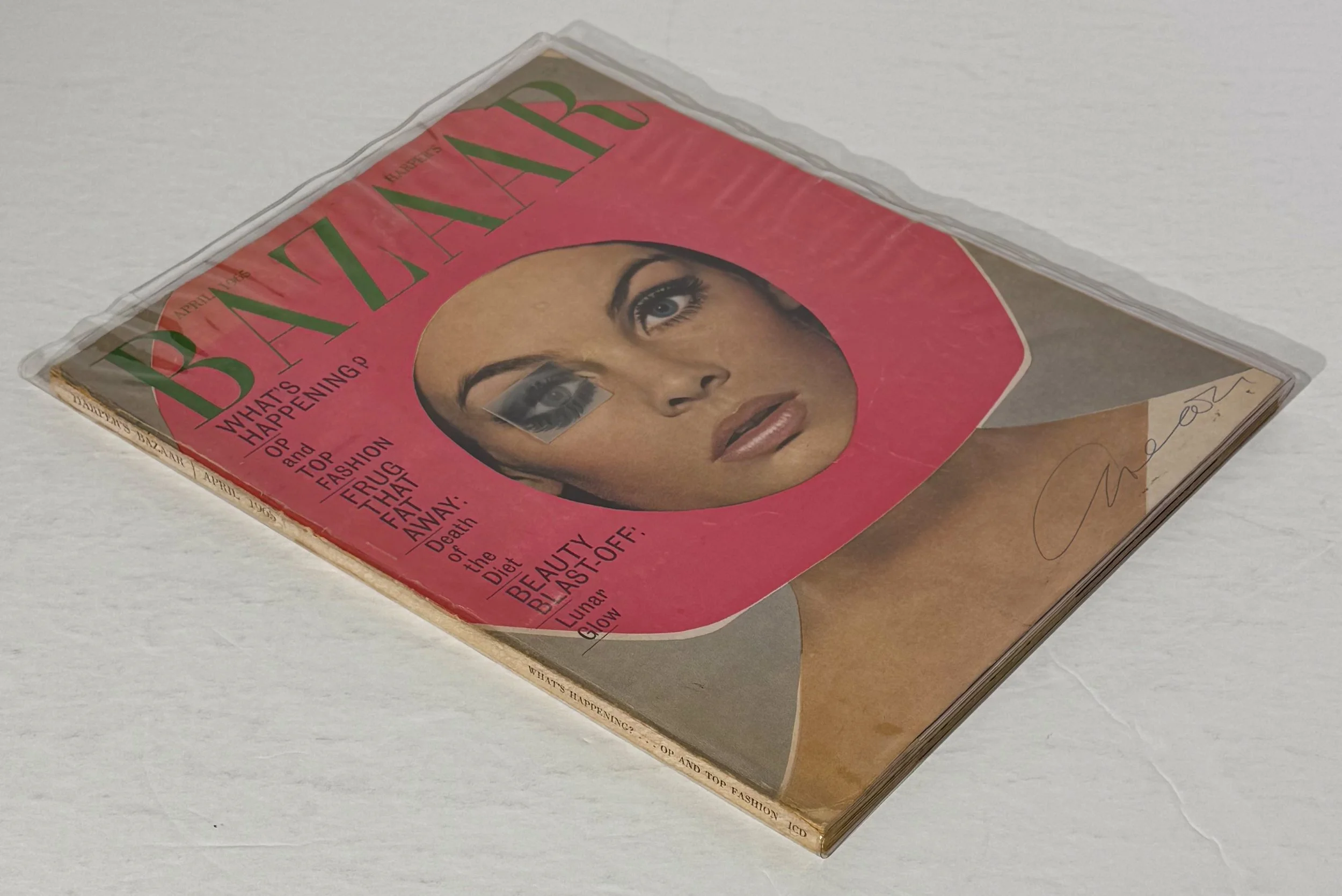 Image 7 of 20
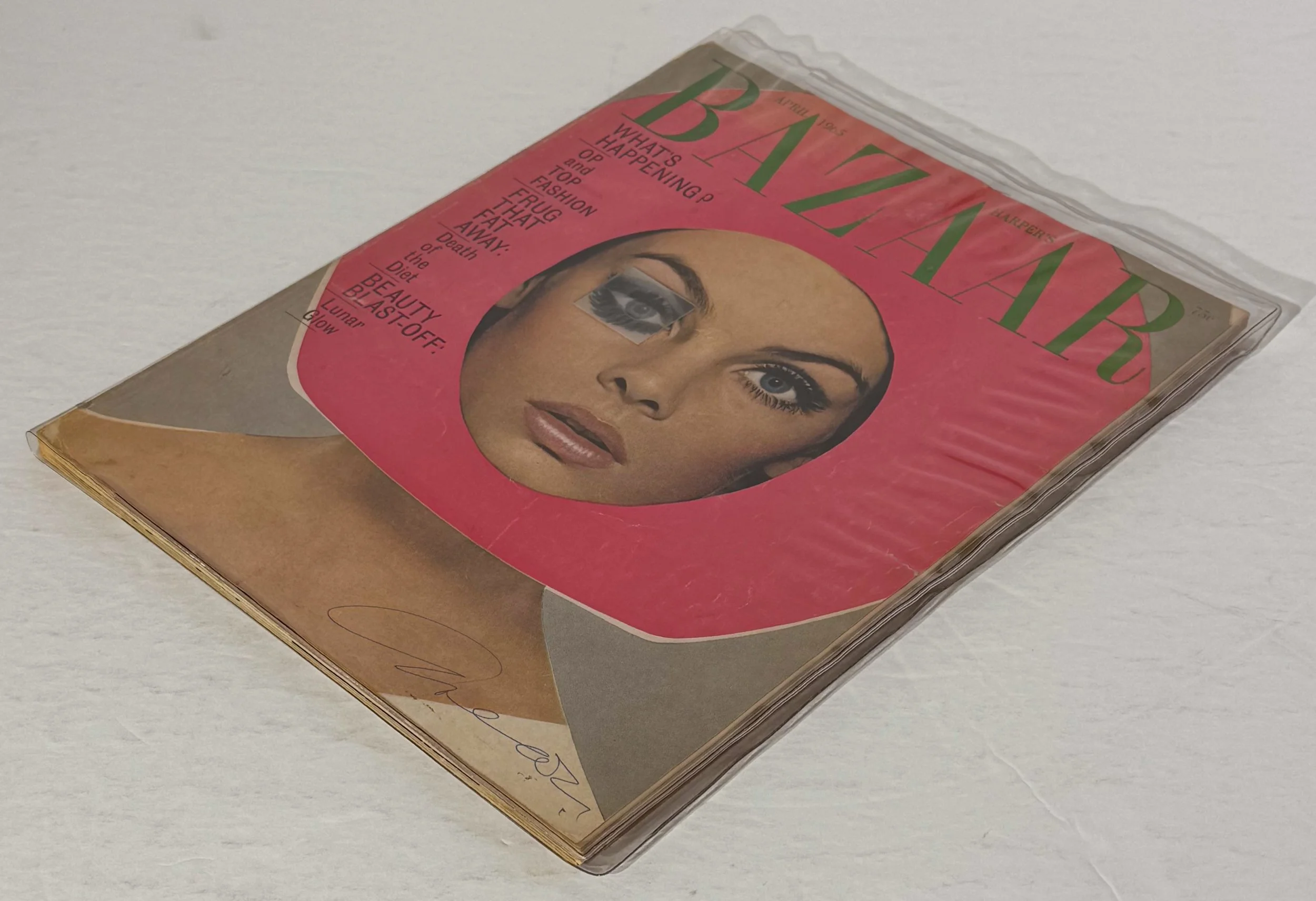 Image 8 of 20
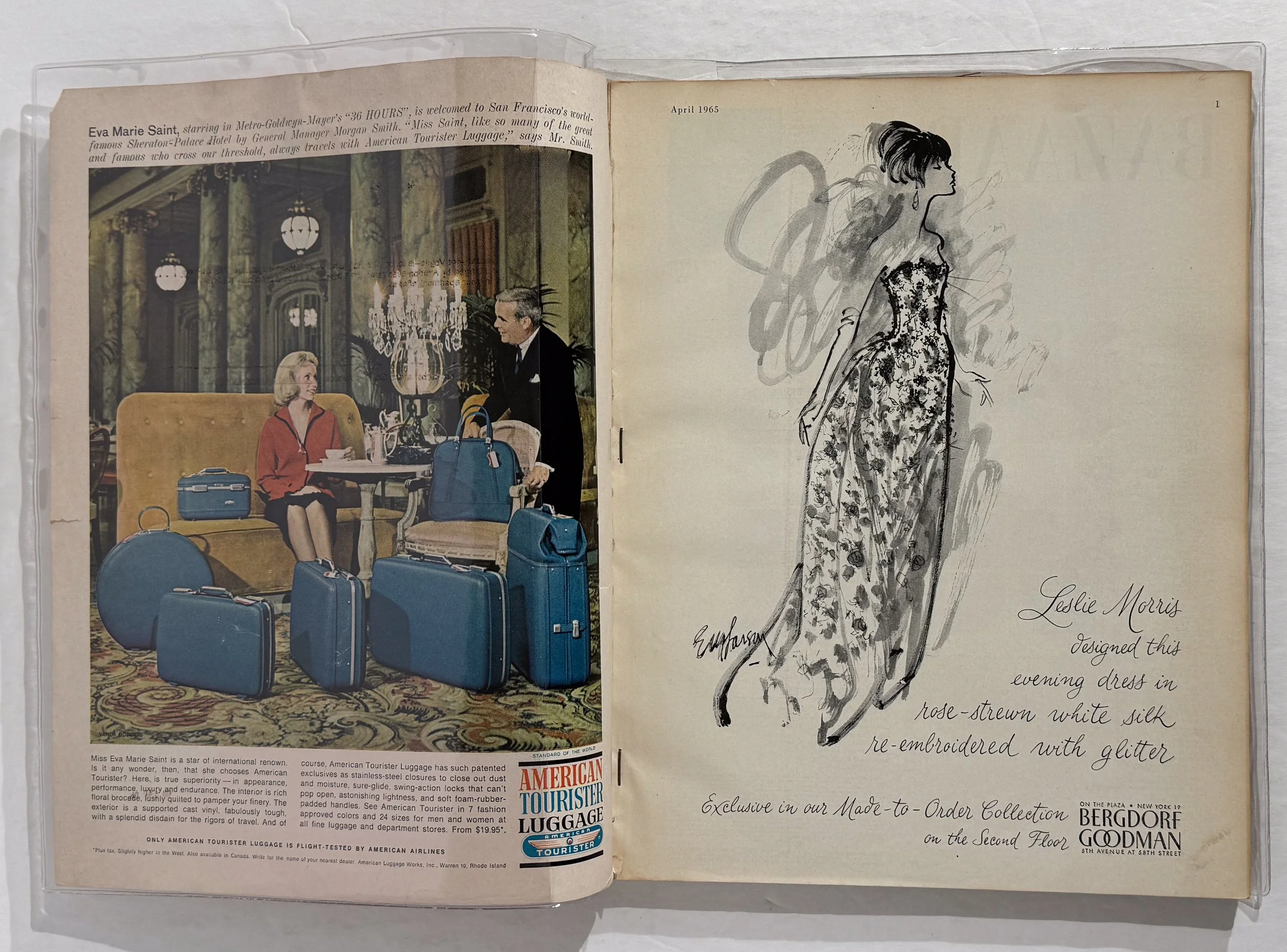 Image 9 of 20
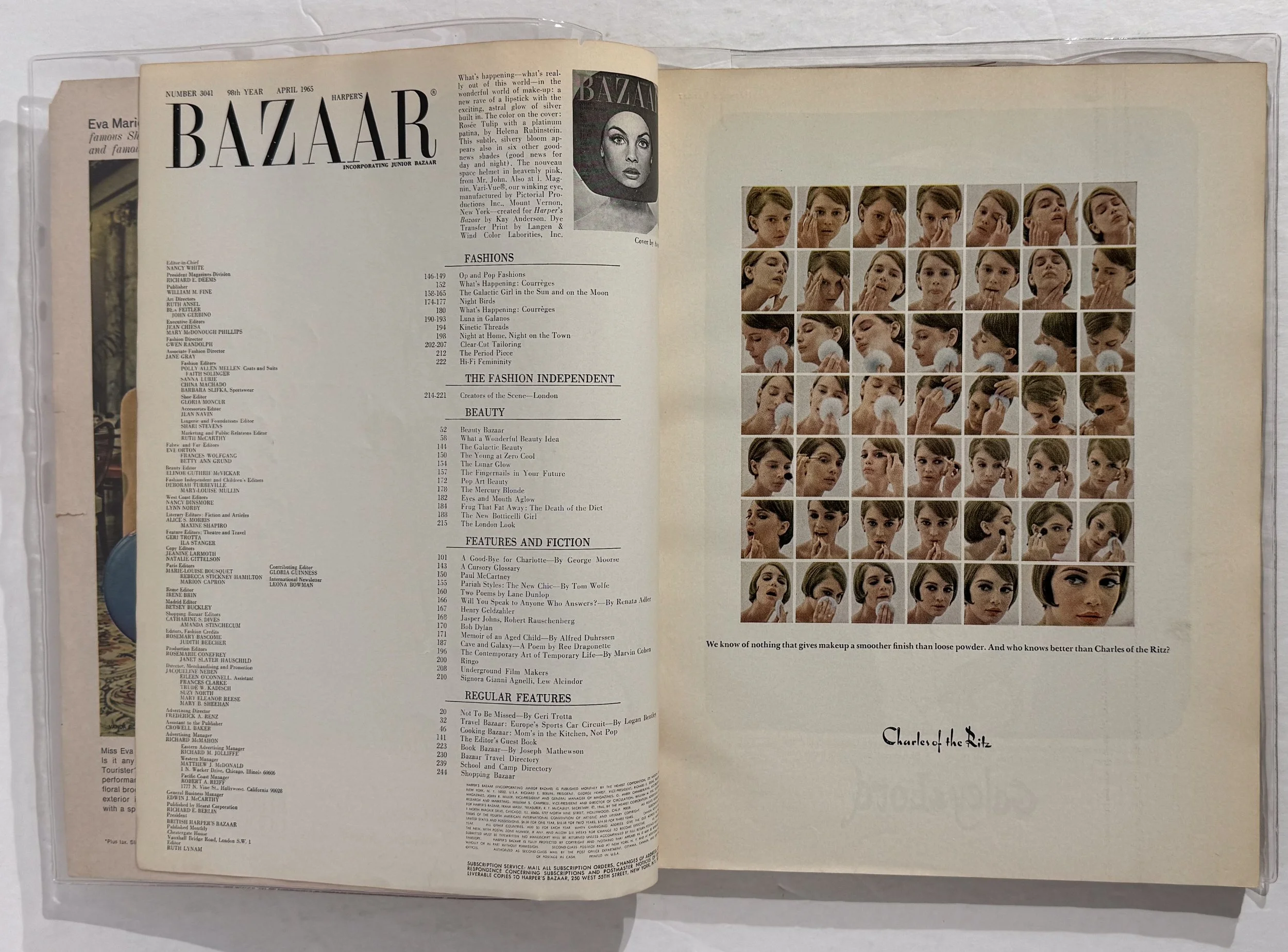 Image 10 of 20
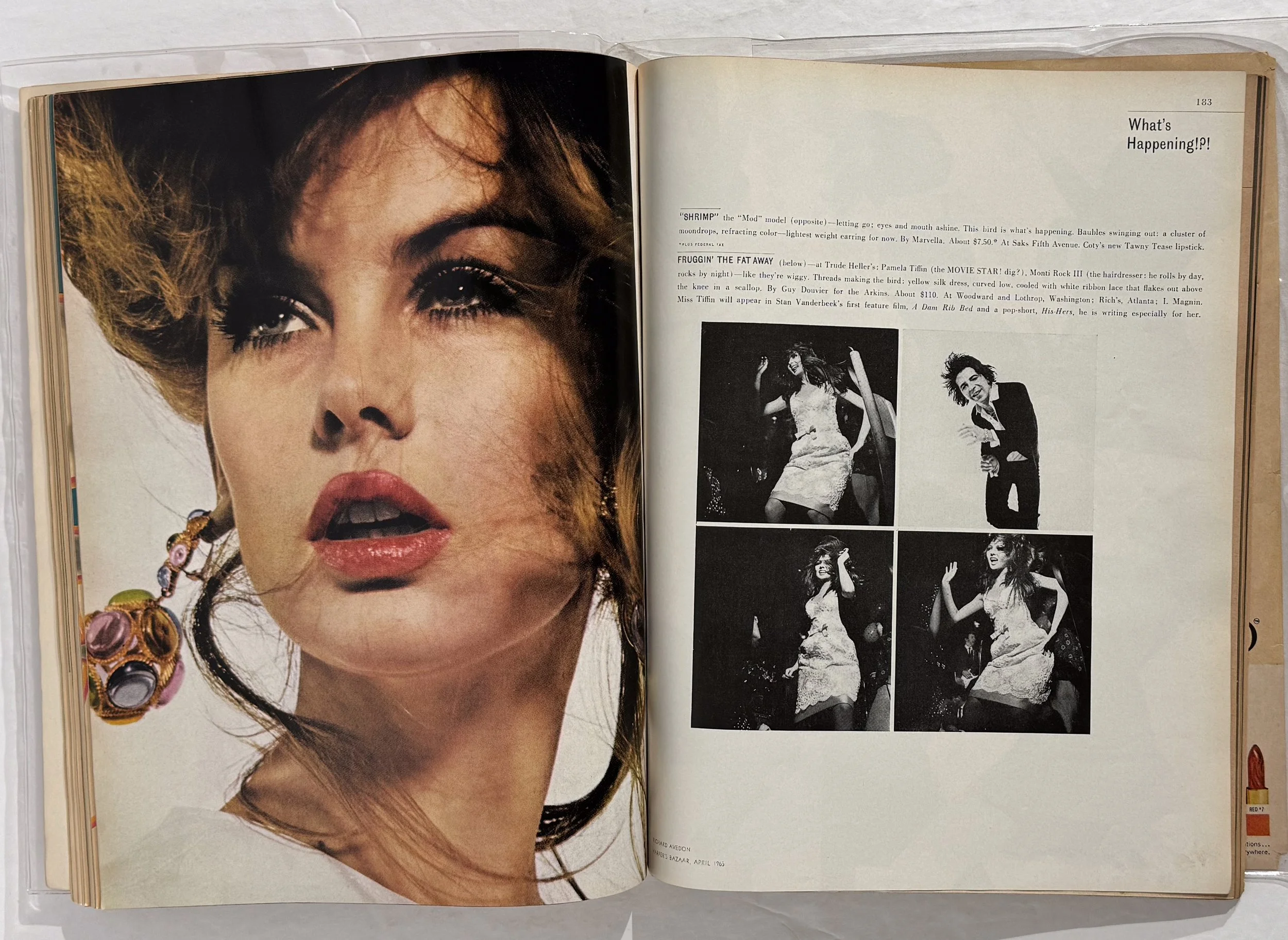 Image 11 of 20
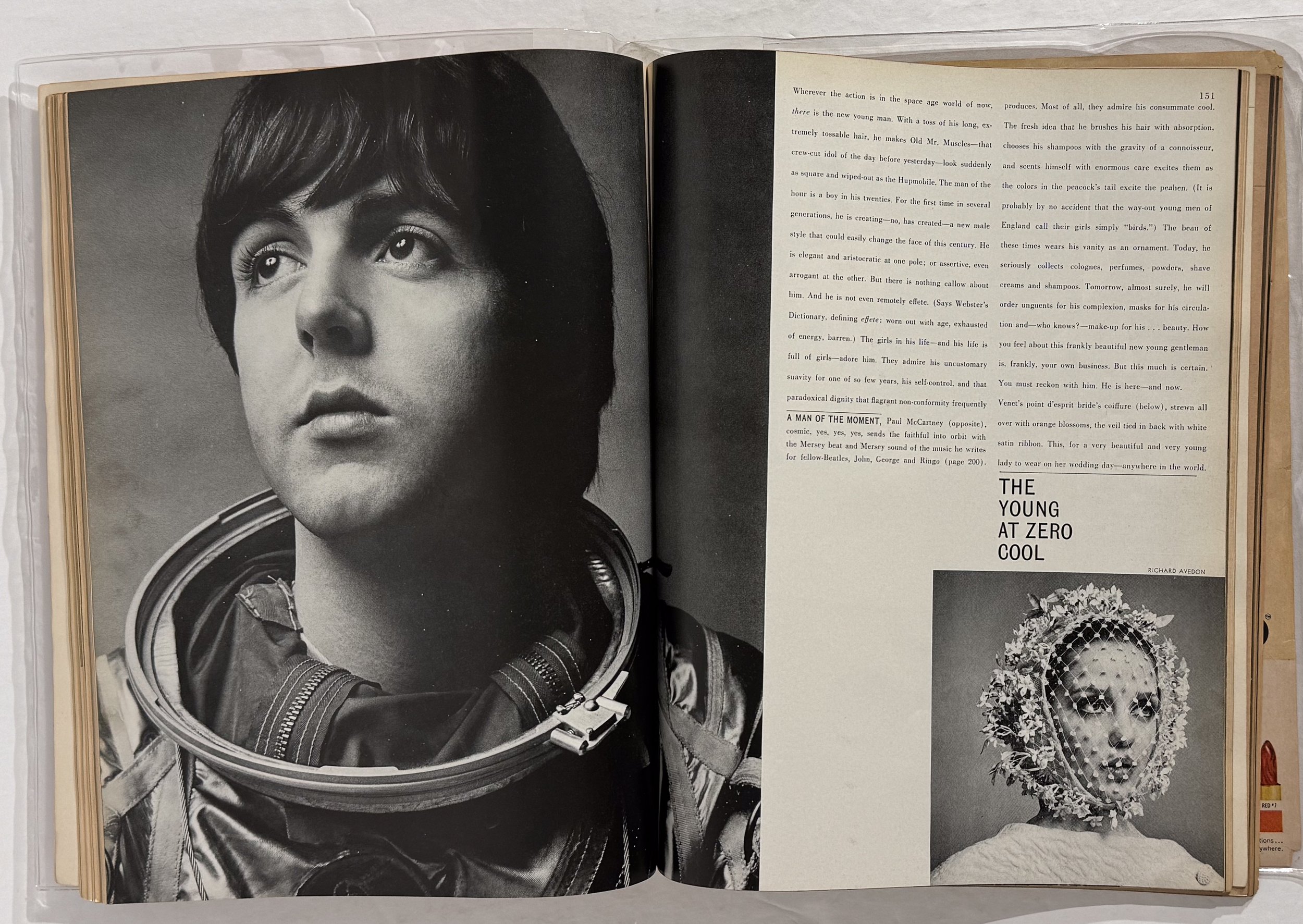 Image 12 of 20
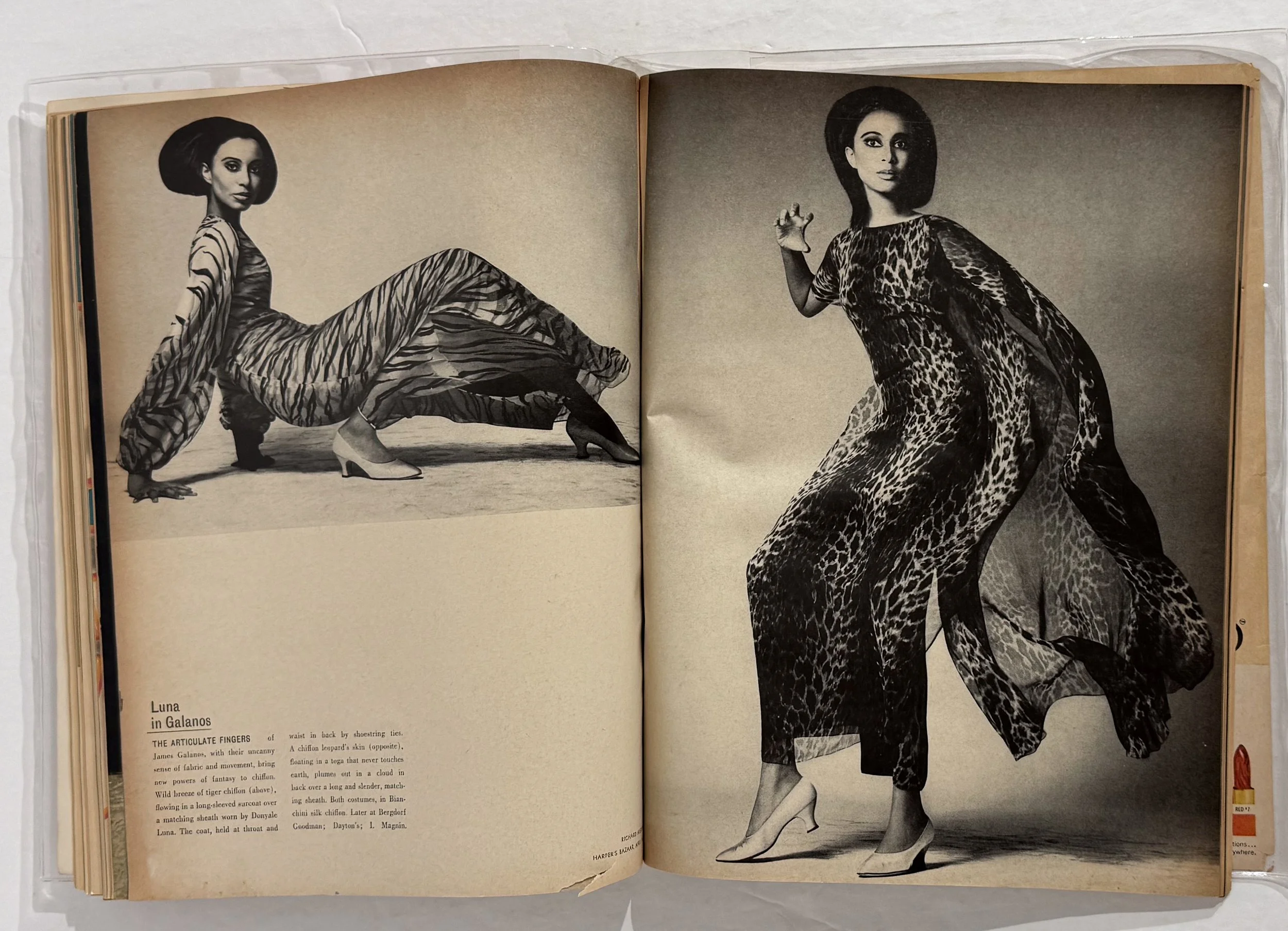 Image 13 of 20
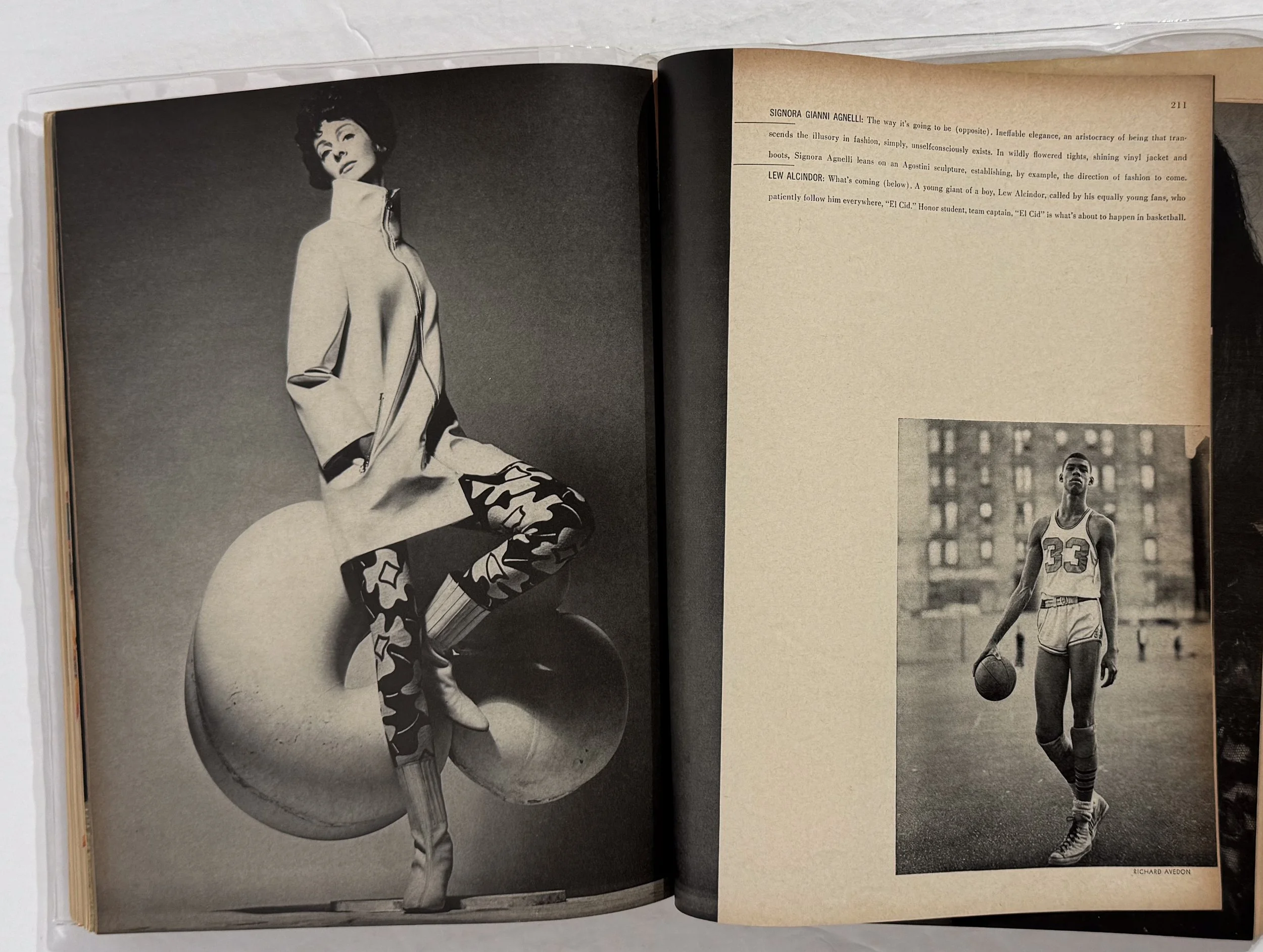 Image 14 of 20
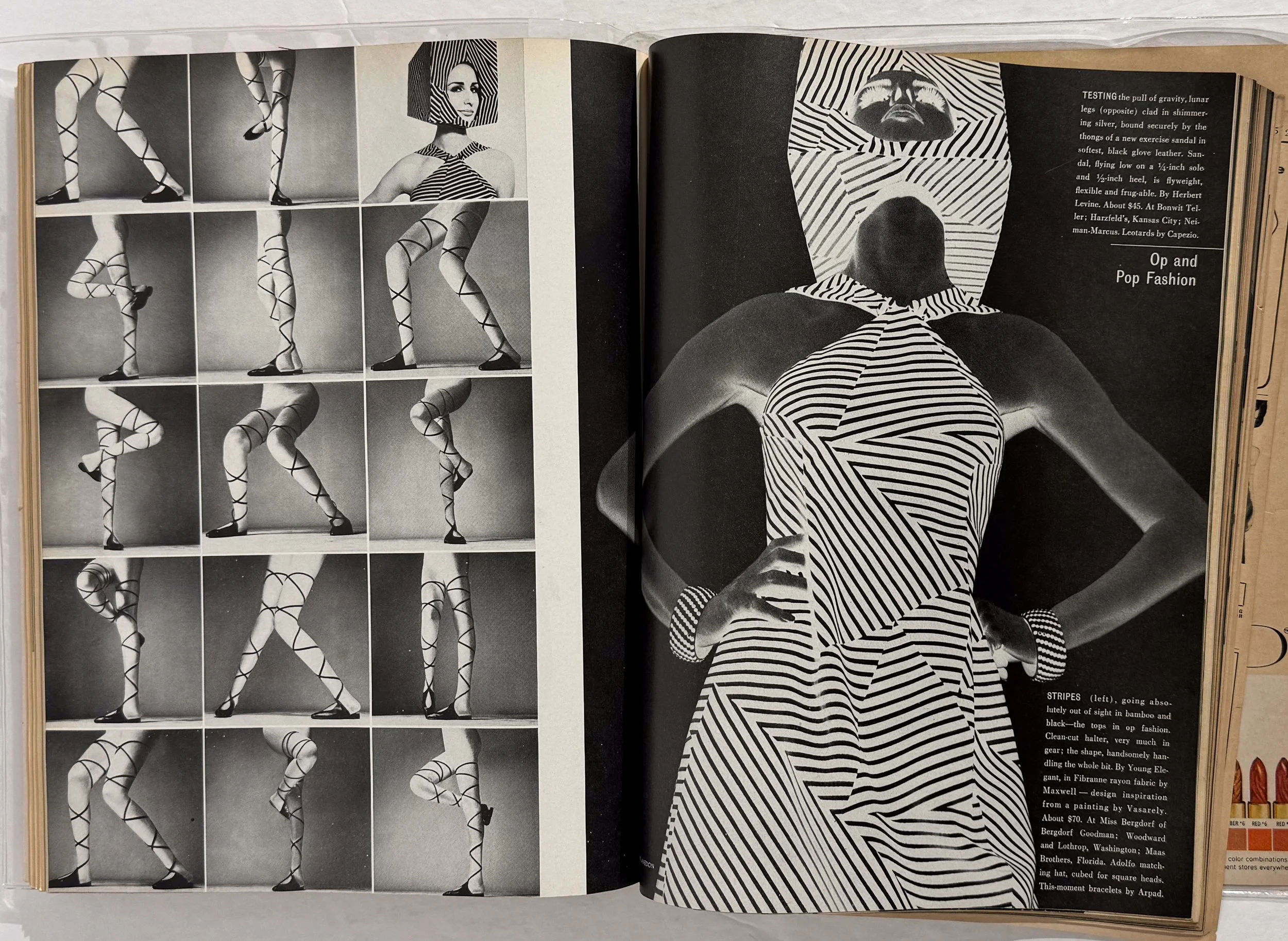 Image 15 of 20
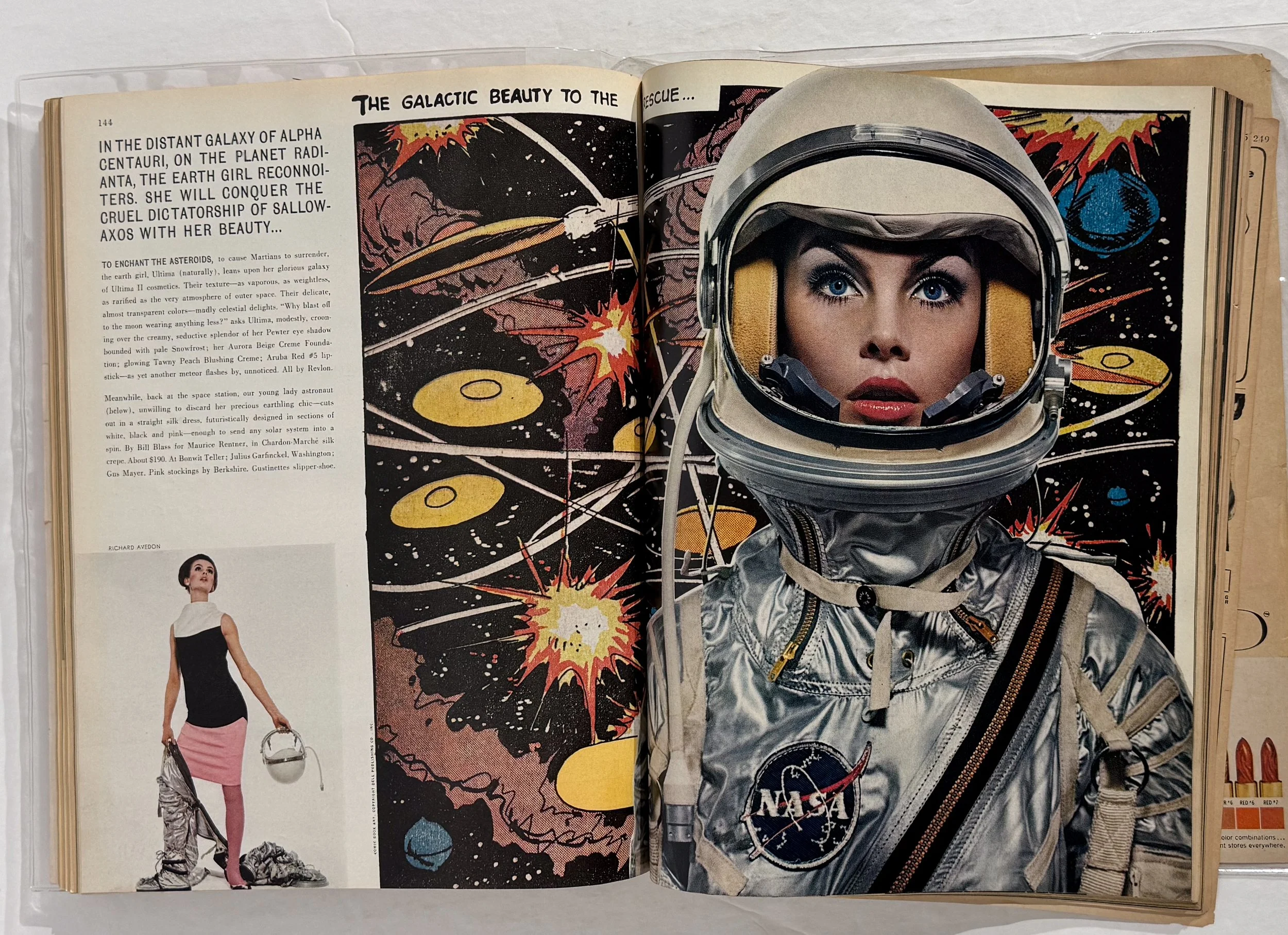 Image 16 of 20
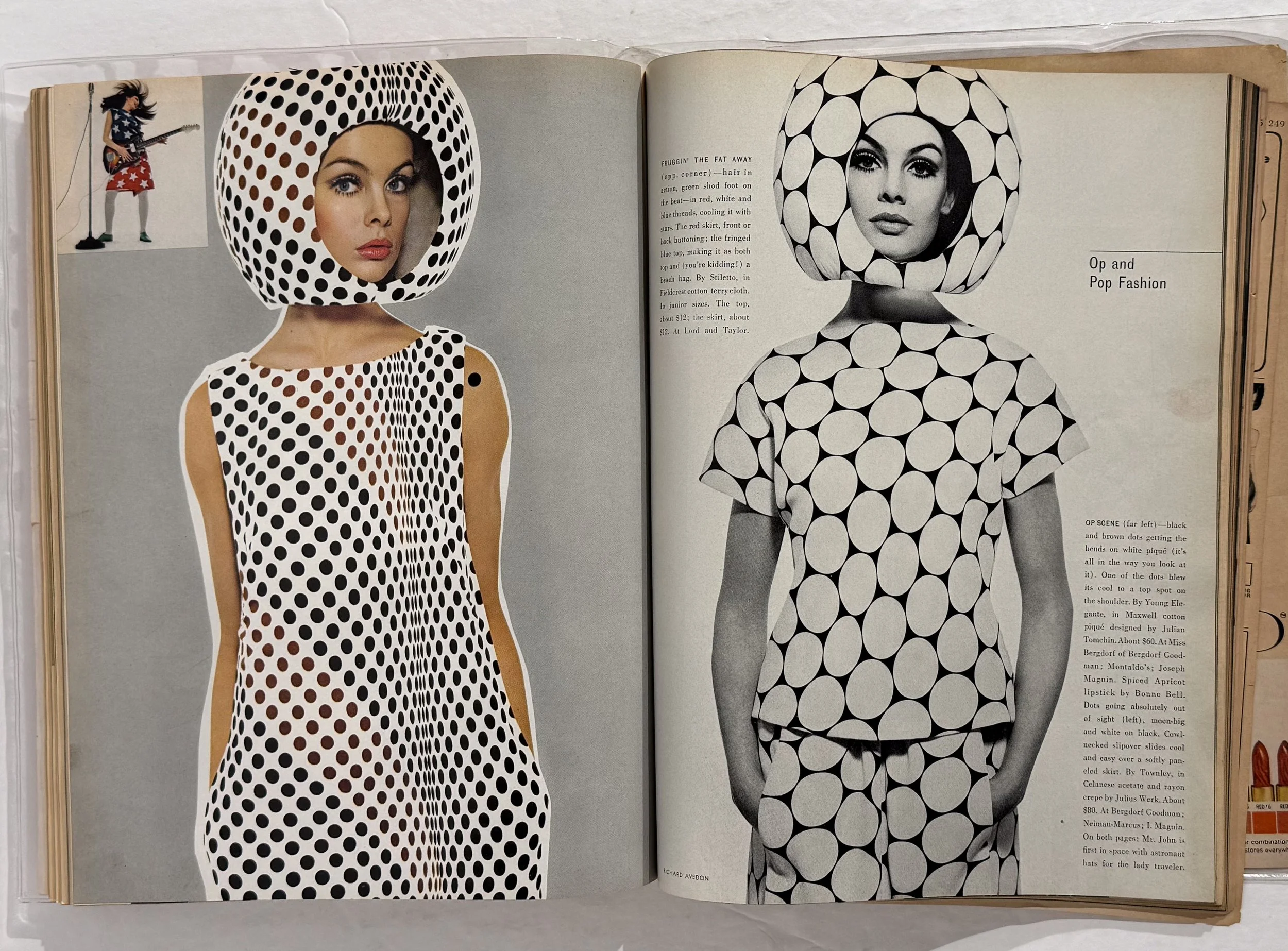 Image 17 of 20
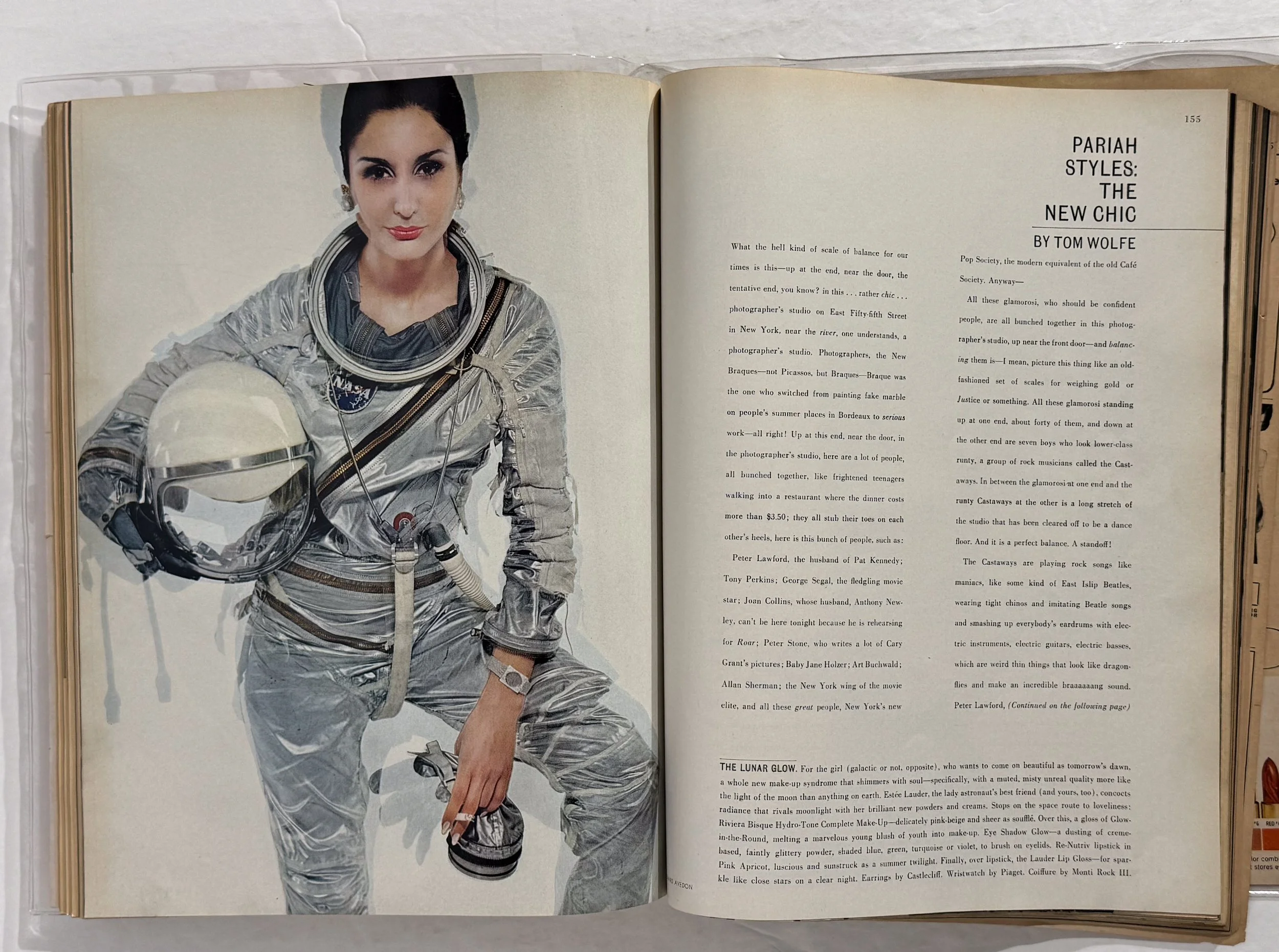 Image 18 of 20
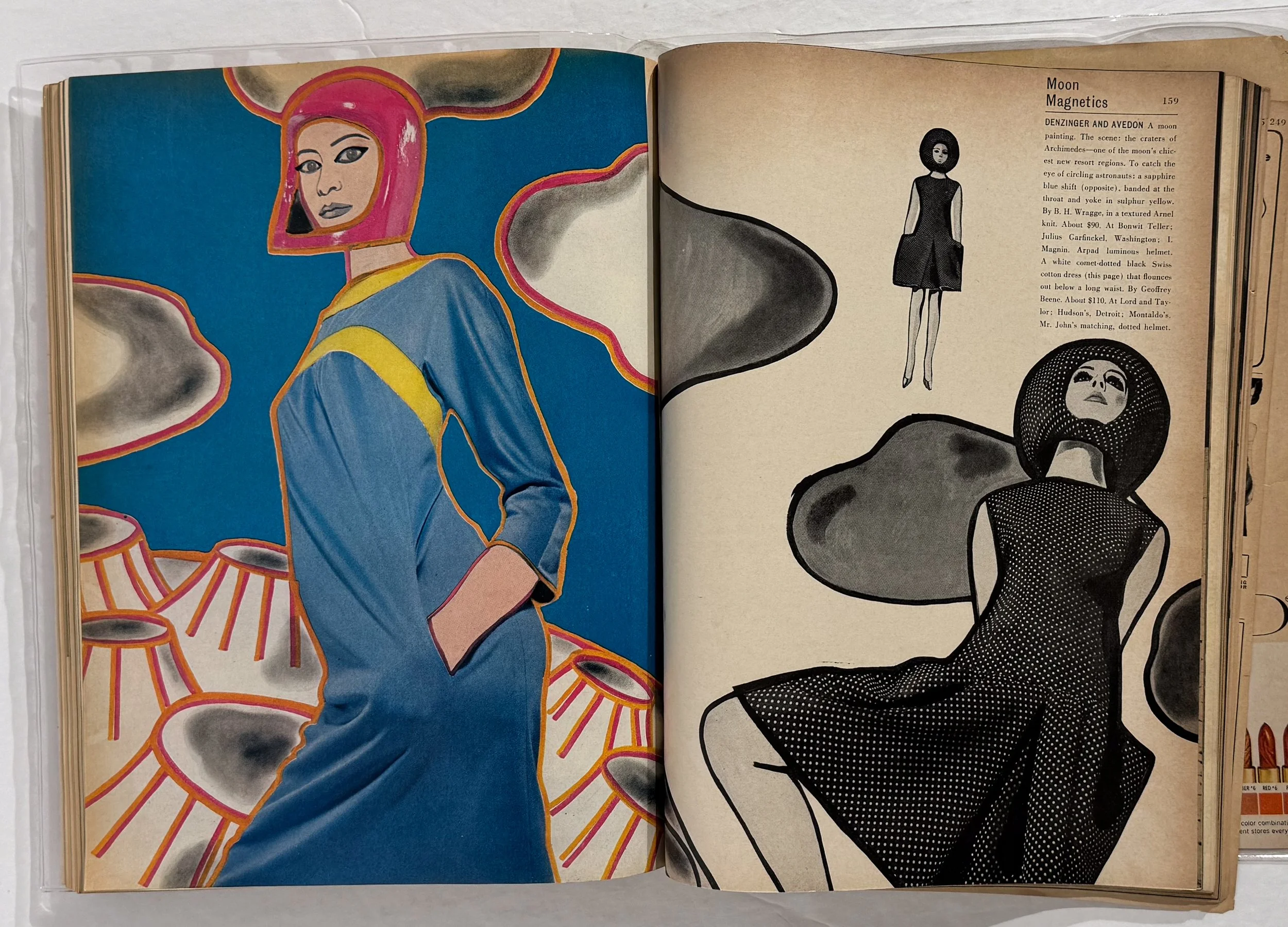 Image 19 of 20
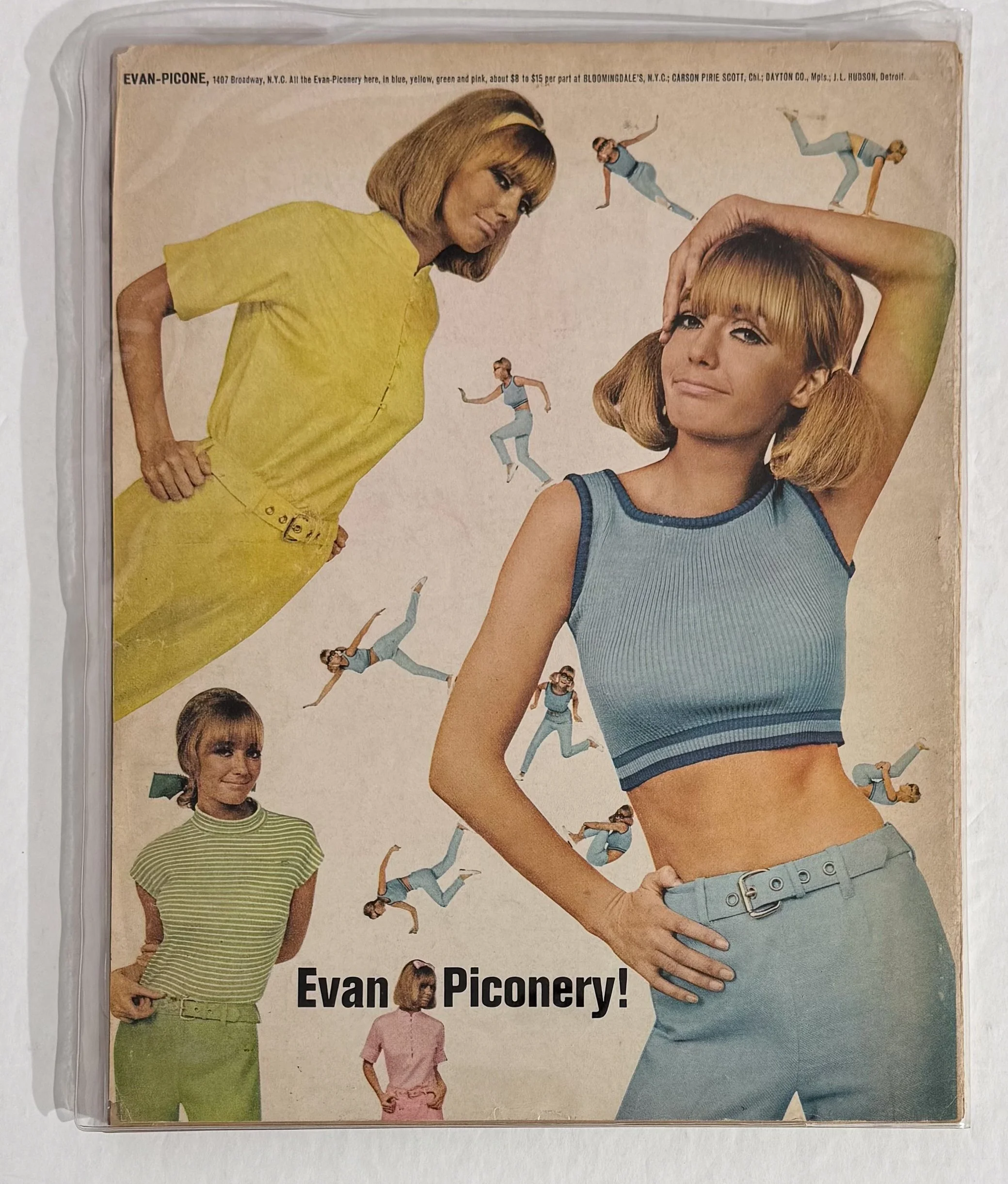 Image 20 of 20