Original 9.5” x 11.5” translucent plastic ring binder stamped in gold “Richard Lippold” and “Lippold” on upper cover and spine respectively. Comprising 22 plastic protector sheets containing 37 color and black-and-white photographs of sculptures and architectural installations; reproductions of three renderings and two schematic drawings; together with a folding curriculum vitae/commissions checklist and a concluding sheet of contemporary critical testimonials.
A remarkable unpublished studio presentation portfolio documenting the mature architectural commissions of Richard Lippold (1915–2002), among the most important American sculptors to make the integration of sculpture and modern architecture the central concern of his work. Almost certainly produced in extremely small numbers for institutional, architectural, or commissioning purposes, the portfolio functions as a working archive and professional presentation dossier assembled by Lippold's own studio in Locust Valley, New York.
Its internal organization confirms the deliberate nature of the compilation. Numbers printed at the lower right of many photographic plates correspond, by and large, to the 24 entries in the studio's folding Contents: Representative Commissions checklist. The chronological checklist identifies each commission by title, location and date, and supplies dimensions, materials and, where applicable, the associated architect. The photographs thus constitute a numbered visual record rather than an informal accumulation of studio material, while multiple photographs of individual commissions provide complementary views of the same work.
The sequence encompasses more than three decades of Lippold's career, beginning with Full Moon at the Museum of Modern Art and World Tree for Walter Gropius's Harvard Graduate Center, followed by The Sun for the Metropolitan Museum of Art; Radiant I at the Inland Steel Building with Skidmore, Owings & Merrill; the celebrated Four Seasonscommission for the Seagram Building with Ludwig Mies van der Rohe and Philip Johnson; Orpheus and Apollo at Lincoln Center; Flight for the Pan Am Building with Gropius; Baldacchino for St. Mary's Cathedral, San Francisco, with Pietro Belluschi and Pier Luigi Nervi; Ad Astra for the Smithsonian National Air and Space Museum; Flora Raris for John Portman's Hyatt Regency Atlanta; projects in Saudi Arabia and Iran; and the monumental 1982 Sunwing and Suntreecommissions for the House of God Shinto Shrine in Kyoto, designed by Minoru Yamasaki. The checklist itself reads as a compressed history of Lippold's remarkable engagement with some of the defining architects and buildings of postwar modernism.
The photography is an important component of the portfolio in its own right. Its 37 large-format glossy color and black-and-white plates constitute an unusually concentrated period record of Lippold's sculpture largely photographed in situ. Throughout the portfolio, wide architectural views are repeatedly juxtaposed with close or concentrated photographs of the same commission. The former establish scale, circulation, illumination and the relationship of the sculpture to its architectural setting; the latter isolate the extraordinary networks of wire, rod, cable, reflection and light from which Lippold constructed his seemingly weightless forms. Such pairings demonstrate that Lippold's work was conceived not merely as sculpture placed within architecture but as a means of activating and transforming architectural volume.
The photographic corpus can now be connected directly to the subsequent museum and scholarly record of Lippold's work. Several photographs contained in the portfolio were reproduced nine years later in Richard Lippold: Sculpture, the 1991 exhibition catalogue published by the Haggerty Museum of Art at Marquette University, with texts by Curtis Carter, Jack Burnham and Edward Lucie-Smith. At least three photographs corresponding to images in the portfolio are credited there to noted architectural photographer John D. Schiff, with an additional portfolio photograph apparently attributable to Schiff. The photograph of Lippold's Four Seasons installation reproduced in the catalogue and preserved here is credited to Ezra Stoller, among the preeminent photographers of twentieth-century modern architecture.
The identification of Stoller and Schiff considerably deepens the portfolio's documentary interest. These are not simply studio record photographs. In identifiable instances they are the work of photographers who helped construct the visual history of postwar American architecture itself. Stoller's photograph of Four Seasons is especially resonant: it records Lippold's sculpture within one of the canonical interiors of American modernism. The later reproduction of these photographs in the Haggerty catalog further establishes that the portfolio preserves photographic source material that subsequently entered the museum and scholarly record of Lippold's career.
The concluding testimonials make explicit the exceptional regard in which Lippold was held by the architects and critics of his generation. Walter Gropius wrote in 1955 that throughout his career he had attempted to collaborate with painters and sculptors to create works unified with architecture, adding that Lippold was "the only one whose work comes to one with our buildings." John Canaday compared Lippold's importance among the sculptors of his generation to that of Calder, while Philip Johnson succinctly characterized him in 1970 as "the architectural sculptor." Additional appreciations spanning 1950–1980 demonstrate the international reception of the work and were plainly selected to establish Lippold's particular authority at the intersection of sculpture and architecture.
No published counterpart has been located, nor has a comparable Richard Lippold studio presentation portfolio been traced in institutional holdings or the trade. Its apparent production in very small numbers, direct studio origin, extraordinary visual content and subsequent connection to the 1991 museum catalog distinguish it sharply from conventional Lippold exhibition catalogs and monographs. Minor rubbing and bumping to binder; contents near fine.
Original 9.5” x 11.5” translucent plastic ring binder stamped in gold “Richard Lippold” and “Lippold” on upper cover and spine respectively. Comprising 22 plastic protector sheets containing 37 color and black-and-white photographs of sculptures and architectural installations; reproductions of three renderings and two schematic drawings; together with a folding curriculum vitae/commissions checklist and a concluding sheet of contemporary critical testimonials.
A remarkable unpublished studio presentation portfolio documenting the mature architectural commissions of Richard Lippold (1915–2002), among the most important American sculptors to make the integration of sculpture and modern architecture the central concern of his work. Almost certainly produced in extremely small numbers for institutional, architectural, or commissioning purposes, the portfolio functions as a working archive and professional presentation dossier assembled by Lippold's own studio in Locust Valley, New York.
Its internal organization confirms the deliberate nature of the compilation. Numbers printed at the lower right of many photographic plates correspond, by and large, to the 24 entries in the studio's folding Contents: Representative Commissions checklist. The chronological checklist identifies each commission by title, location and date, and supplies dimensions, materials and, where applicable, the associated architect. The photographs thus constitute a numbered visual record rather than an informal accumulation of studio material, while multiple photographs of individual commissions provide complementary views of the same work.
The sequence encompasses more than three decades of Lippold's career, beginning with Full Moon at the Museum of Modern Art and World Tree for Walter Gropius's Harvard Graduate Center, followed by The Sun for the Metropolitan Museum of Art; Radiant I at the Inland Steel Building with Skidmore, Owings & Merrill; the celebrated Four Seasonscommission for the Seagram Building with Ludwig Mies van der Rohe and Philip Johnson; Orpheus and Apollo at Lincoln Center; Flight for the Pan Am Building with Gropius; Baldacchino for St. Mary's Cathedral, San Francisco, with Pietro Belluschi and Pier Luigi Nervi; Ad Astra for the Smithsonian National Air and Space Museum; Flora Raris for John Portman's Hyatt Regency Atlanta; projects in Saudi Arabia and Iran; and the monumental 1982 Sunwing and Suntreecommissions for the House of God Shinto Shrine in Kyoto, designed by Minoru Yamasaki. The checklist itself reads as a compressed history of Lippold's remarkable engagement with some of the defining architects and buildings of postwar modernism.
The photography is an important component of the portfolio in its own right. Its 37 large-format glossy color and black-and-white plates constitute an unusually concentrated period record of Lippold's sculpture largely photographed in situ. Throughout the portfolio, wide architectural views are repeatedly juxtaposed with close or concentrated photographs of the same commission. The former establish scale, circulation, illumination and the relationship of the sculpture to its architectural setting; the latter isolate the extraordinary networks of wire, rod, cable, reflection and light from which Lippold constructed his seemingly weightless forms. Such pairings demonstrate that Lippold's work was conceived not merely as sculpture placed within architecture but as a means of activating and transforming architectural volume.
The photographic corpus can now be connected directly to the subsequent museum and scholarly record of Lippold's work. Several photographs contained in the portfolio were reproduced nine years later in Richard Lippold: Sculpture, the 1991 exhibition catalogue published by the Haggerty Museum of Art at Marquette University, with texts by Curtis Carter, Jack Burnham and Edward Lucie-Smith. At least three photographs corresponding to images in the portfolio are credited there to noted architectural photographer John D. Schiff, with an additional portfolio photograph apparently attributable to Schiff. The photograph of Lippold's Four Seasons installation reproduced in the catalogue and preserved here is credited to Ezra Stoller, among the preeminent photographers of twentieth-century modern architecture.
The identification of Stoller and Schiff considerably deepens the portfolio's documentary interest. These are not simply studio record photographs. In identifiable instances they are the work of photographers who helped construct the visual history of postwar American architecture itself. Stoller's photograph of Four Seasons is especially resonant: it records Lippold's sculpture within one of the canonical interiors of American modernism. The later reproduction of these photographs in the Haggerty catalog further establishes that the portfolio preserves photographic source material that subsequently entered the museum and scholarly record of Lippold's career.
The concluding testimonials make explicit the exceptional regard in which Lippold was held by the architects and critics of his generation. Walter Gropius wrote in 1955 that throughout his career he had attempted to collaborate with painters and sculptors to create works unified with architecture, adding that Lippold was "the only one whose work comes to one with our buildings." John Canaday compared Lippold's importance among the sculptors of his generation to that of Calder, while Philip Johnson succinctly characterized him in 1970 as "the architectural sculptor." Additional appreciations spanning 1950–1980 demonstrate the international reception of the work and were plainly selected to establish Lippold's particular authority at the intersection of sculpture and architecture.
No published counterpart has been located, nor has a comparable Richard Lippold studio presentation portfolio been traced in institutional holdings or the trade. Its apparent production in very small numbers, direct studio origin, extraordinary visual content and subsequent connection to the 1991 museum catalog distinguish it sharply from conventional Lippold exhibition catalogs and monographs. Minor rubbing and bumping to binder; contents near fine.

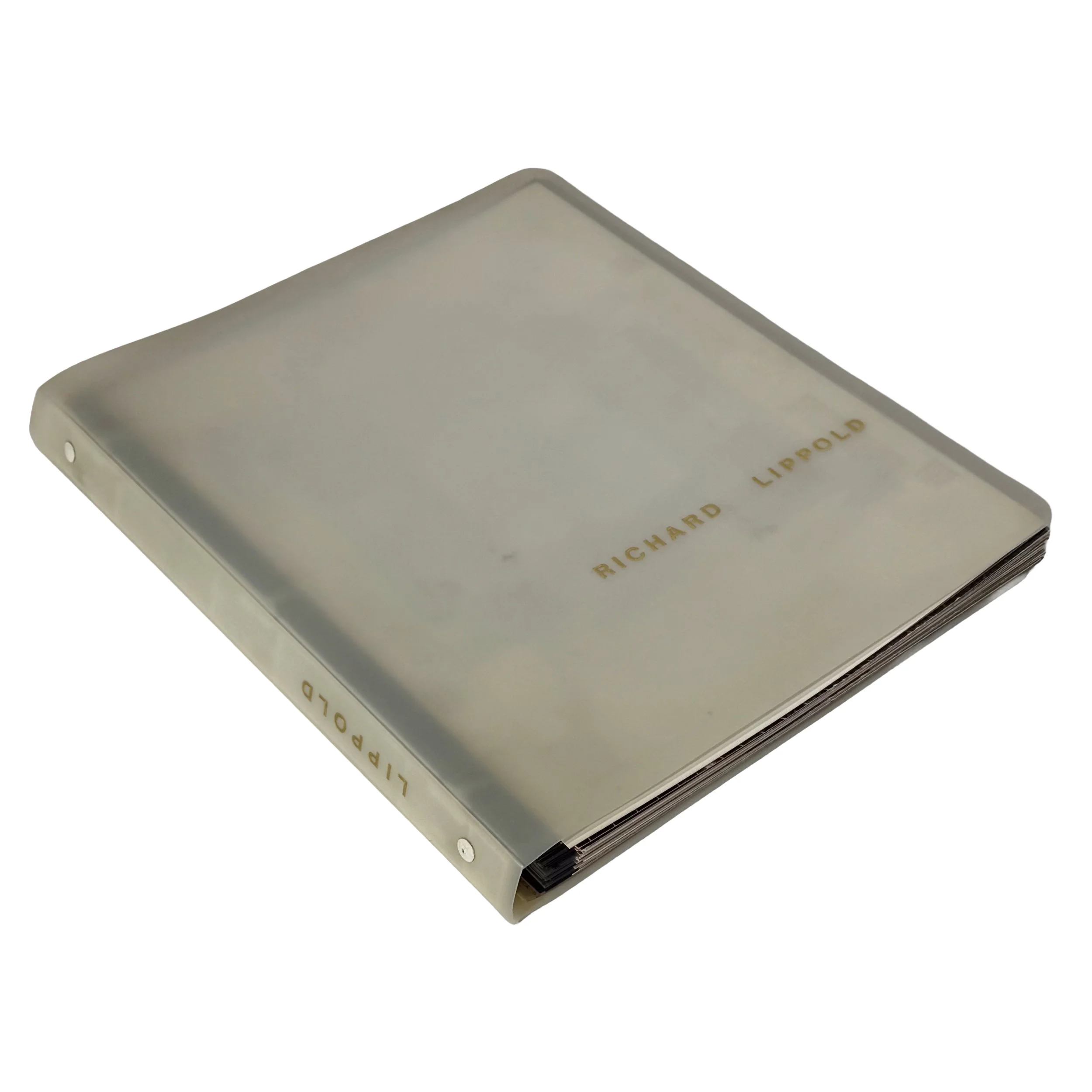 Image 1 of 20
 Image 2 of 20
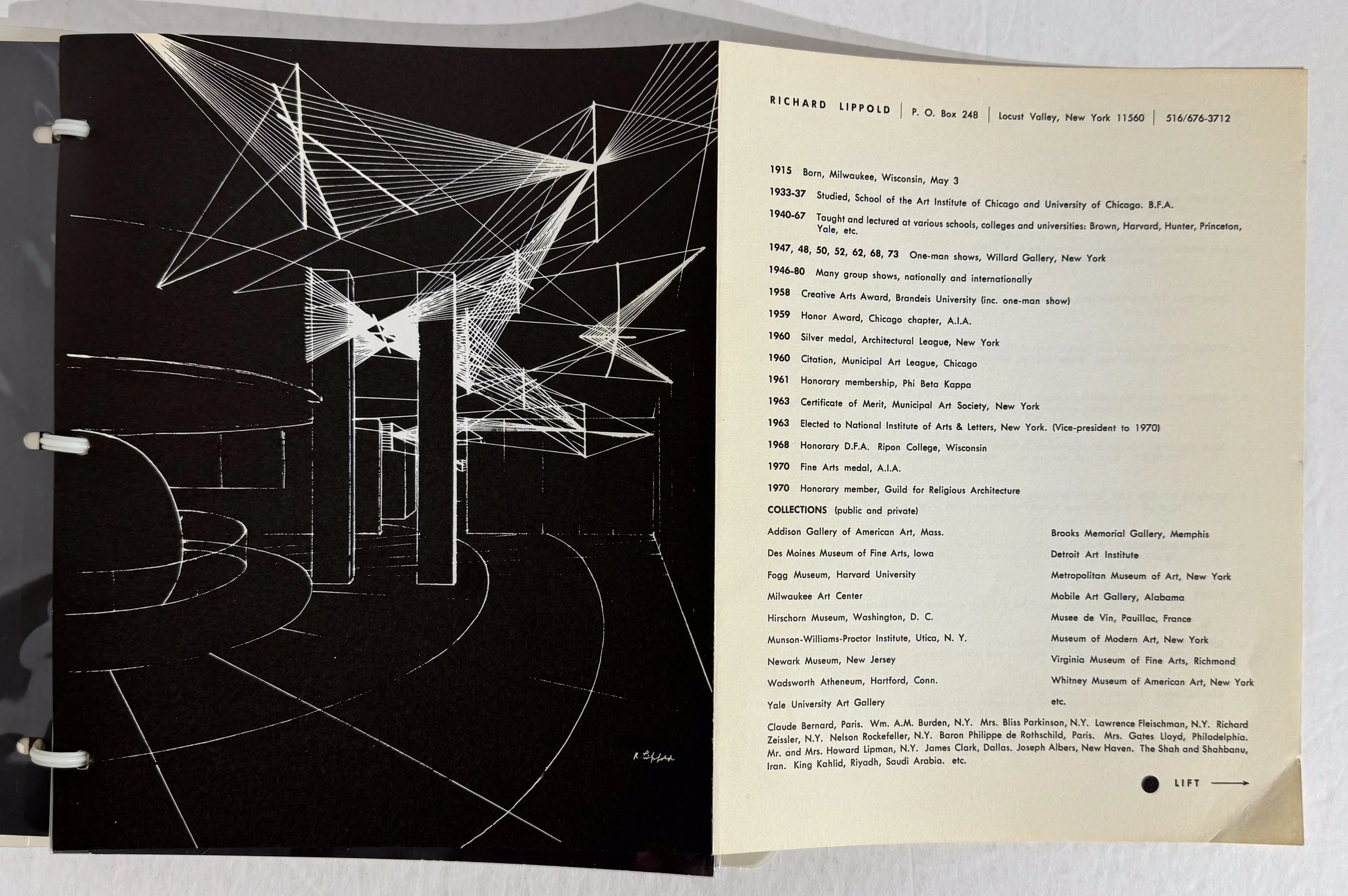 Image 3 of 20
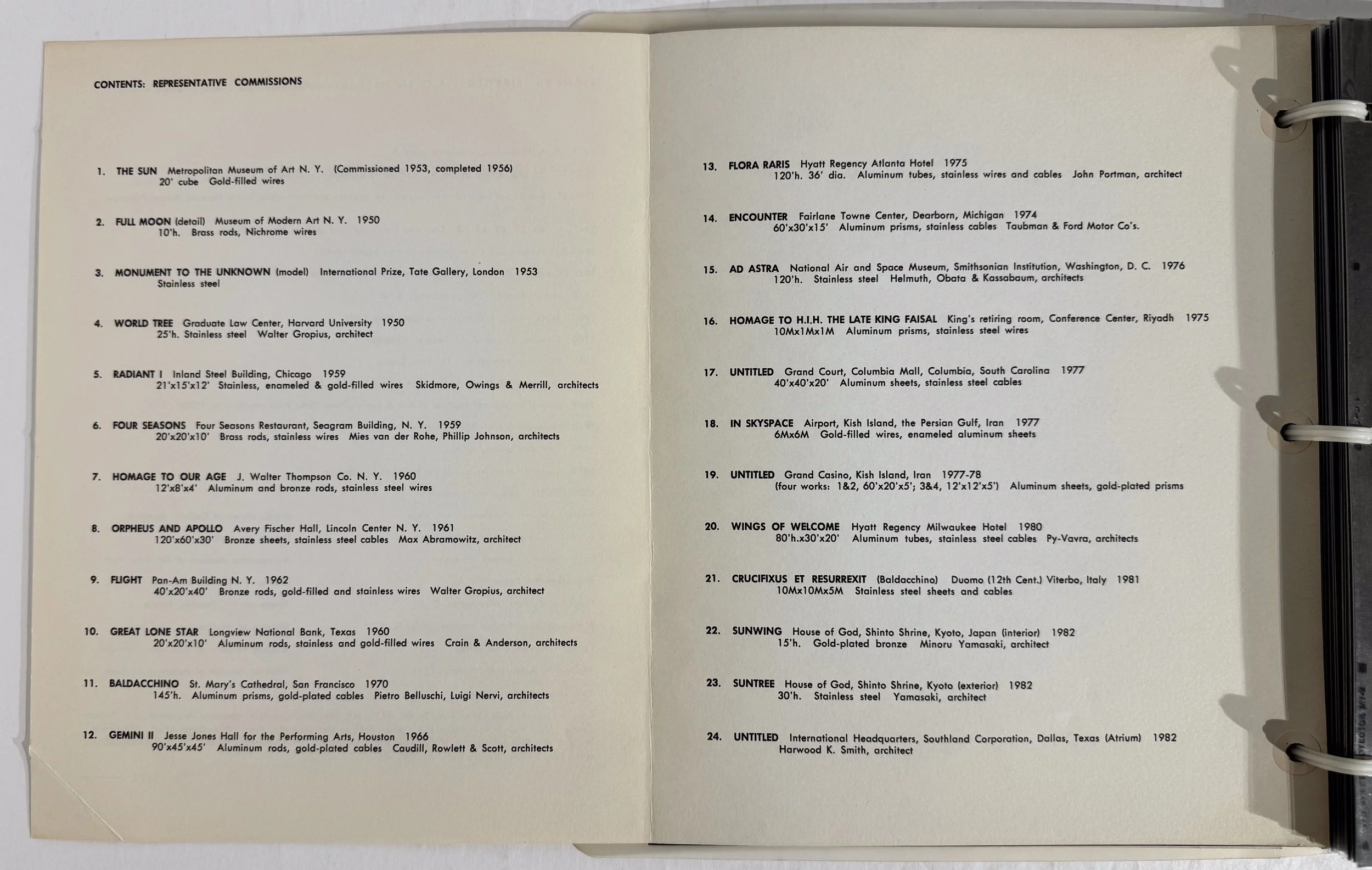 Image 4 of 20
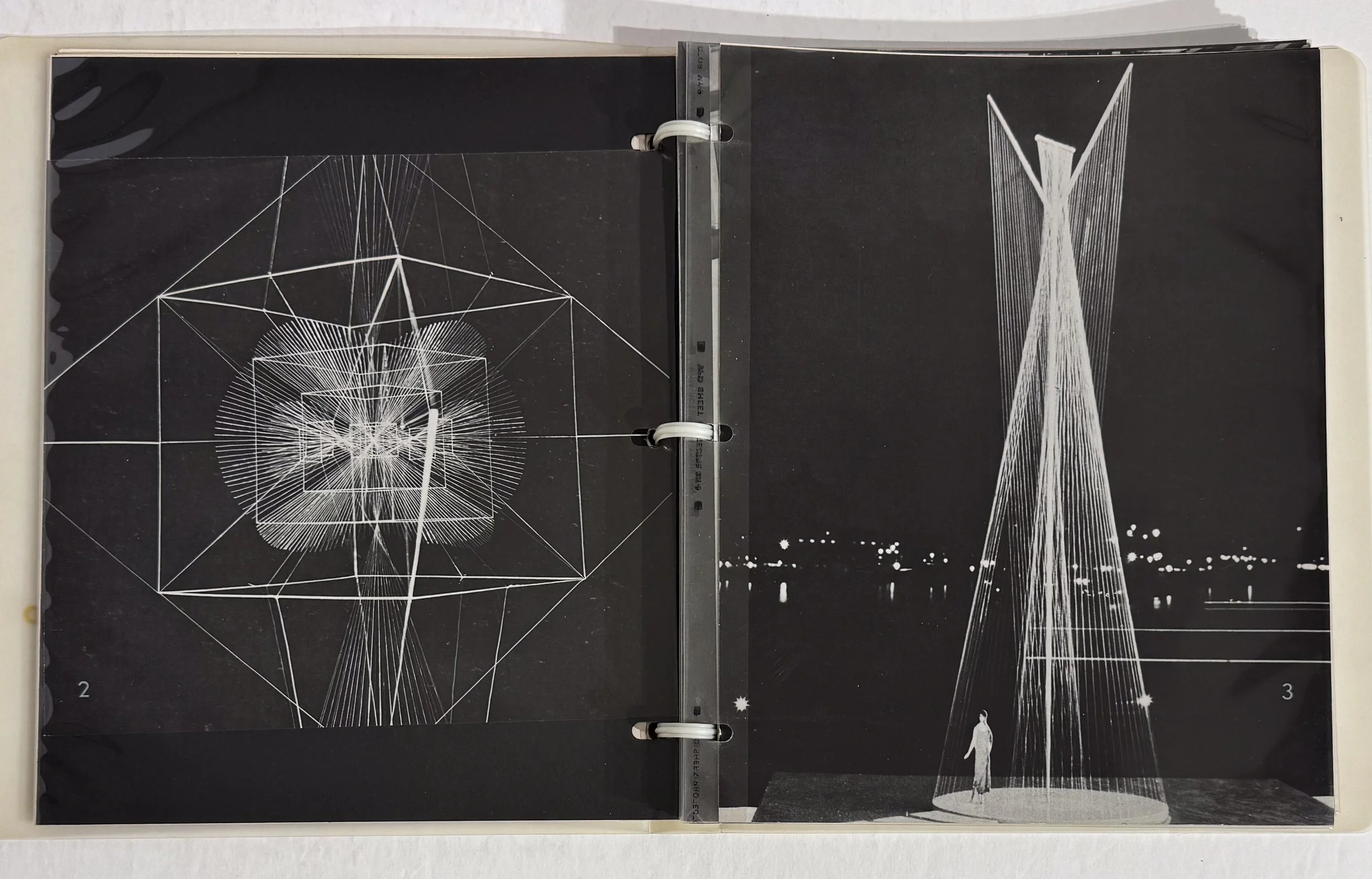 Image 5 of 20
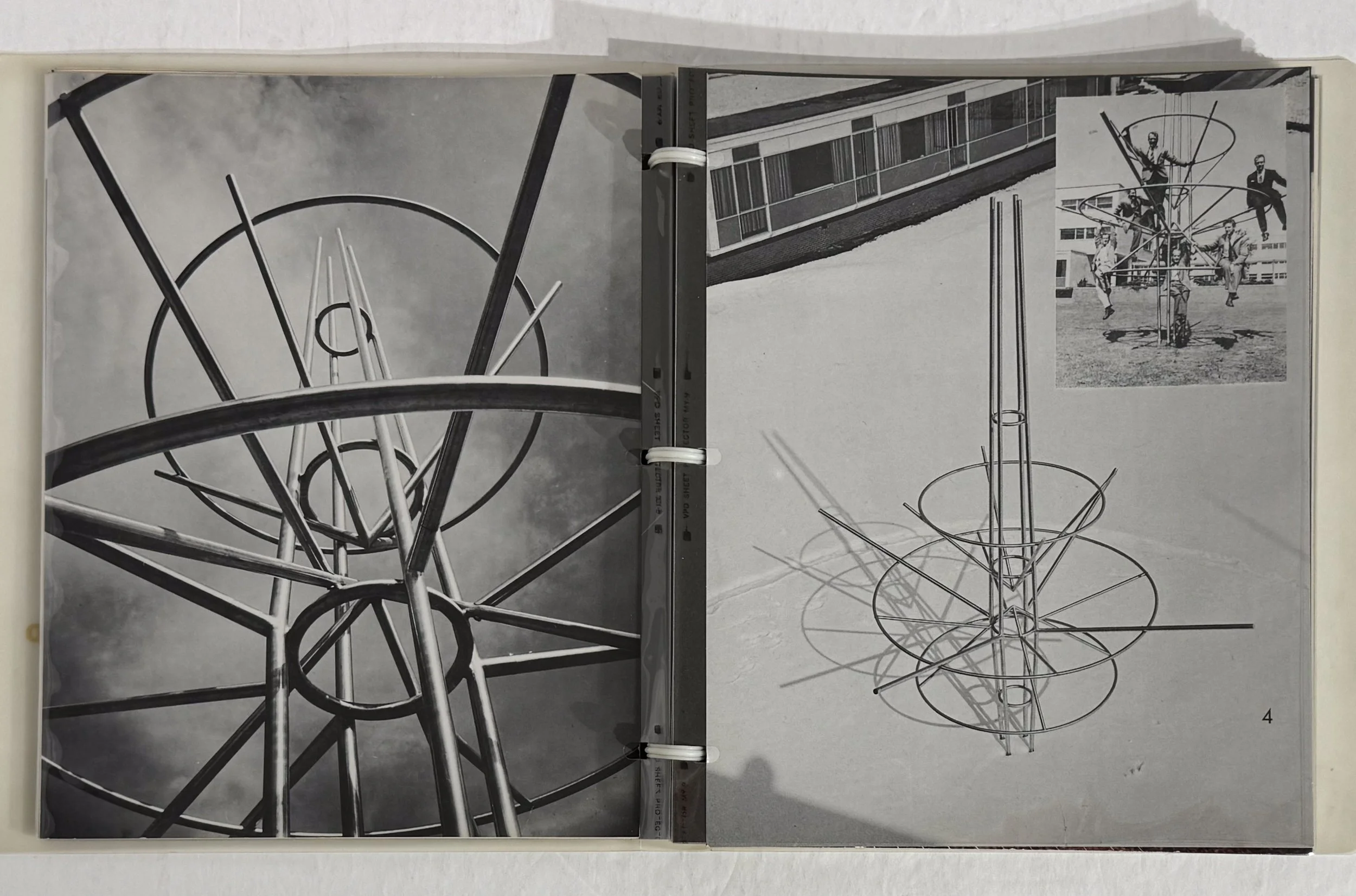 Image 6 of 20
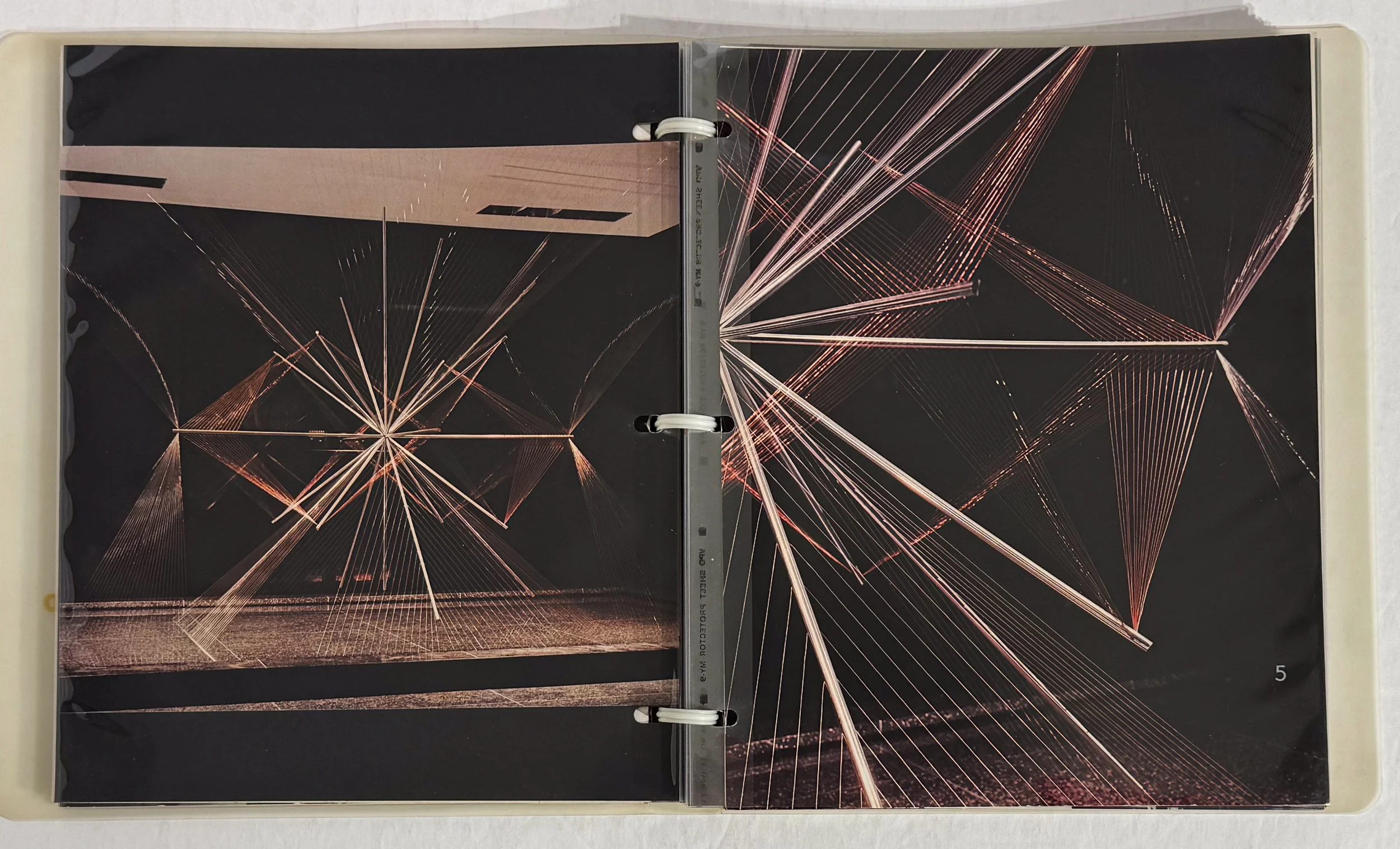 Image 7 of 20
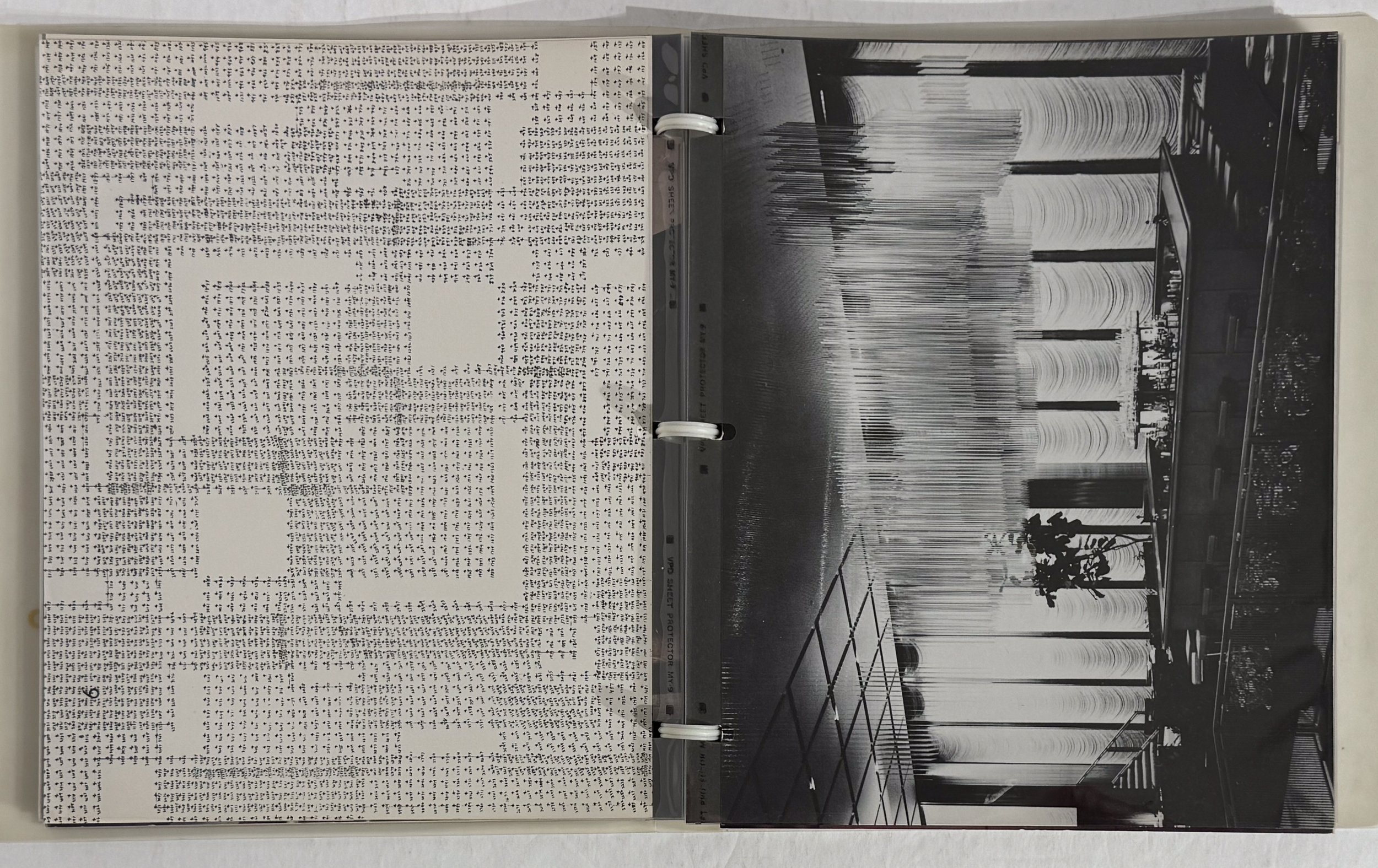 Image 8 of 20
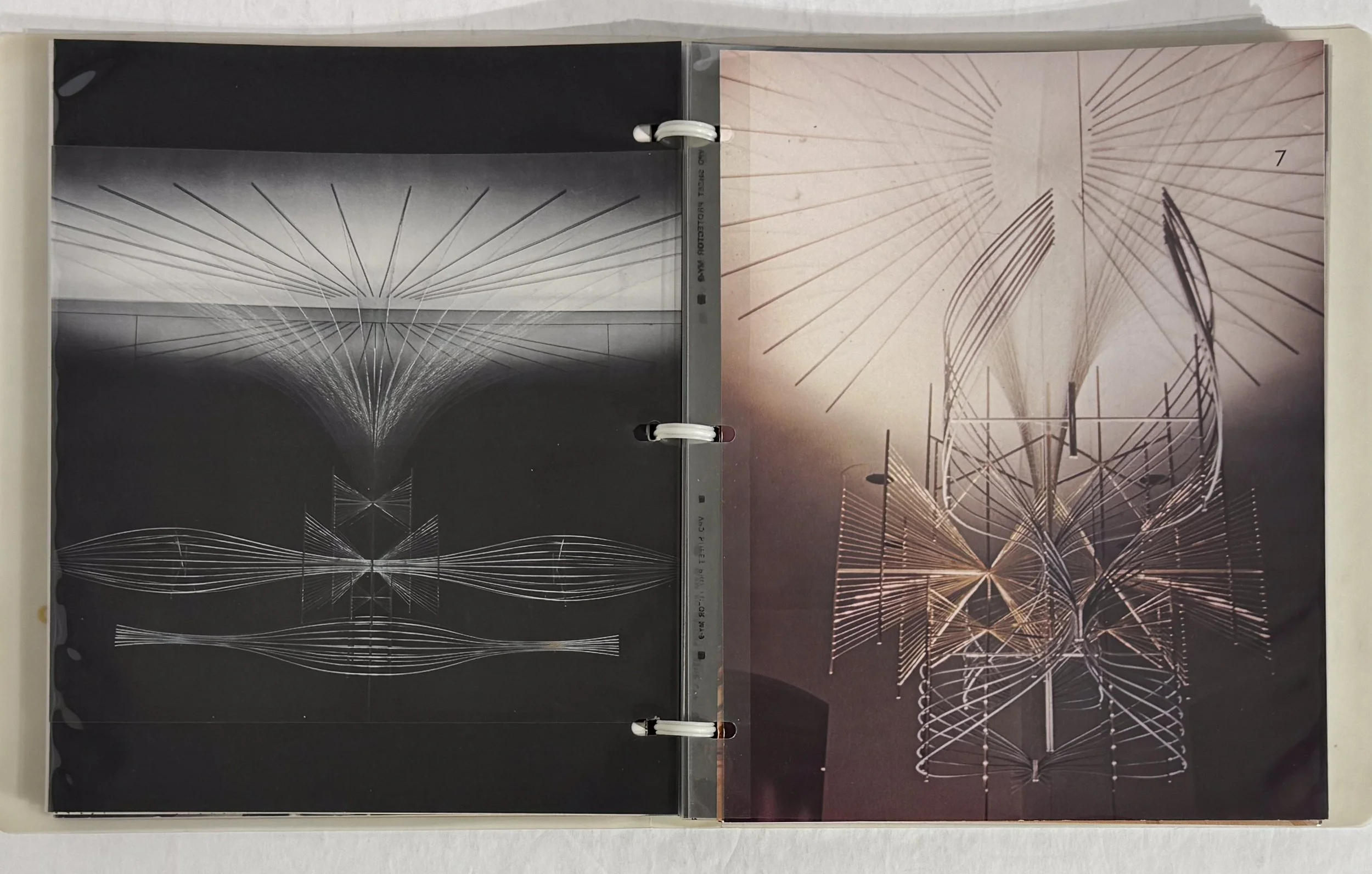 Image 9 of 20
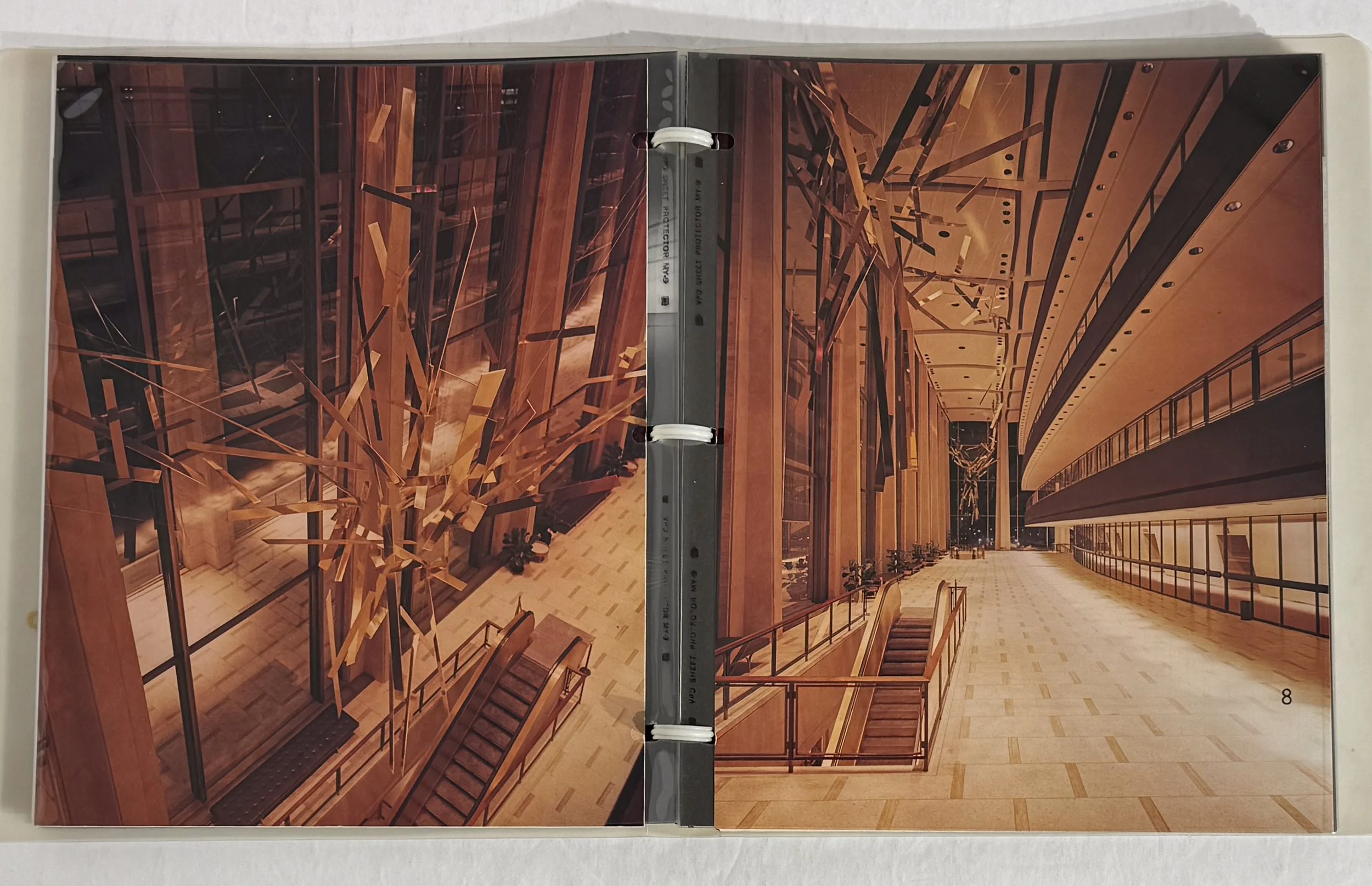 Image 10 of 20
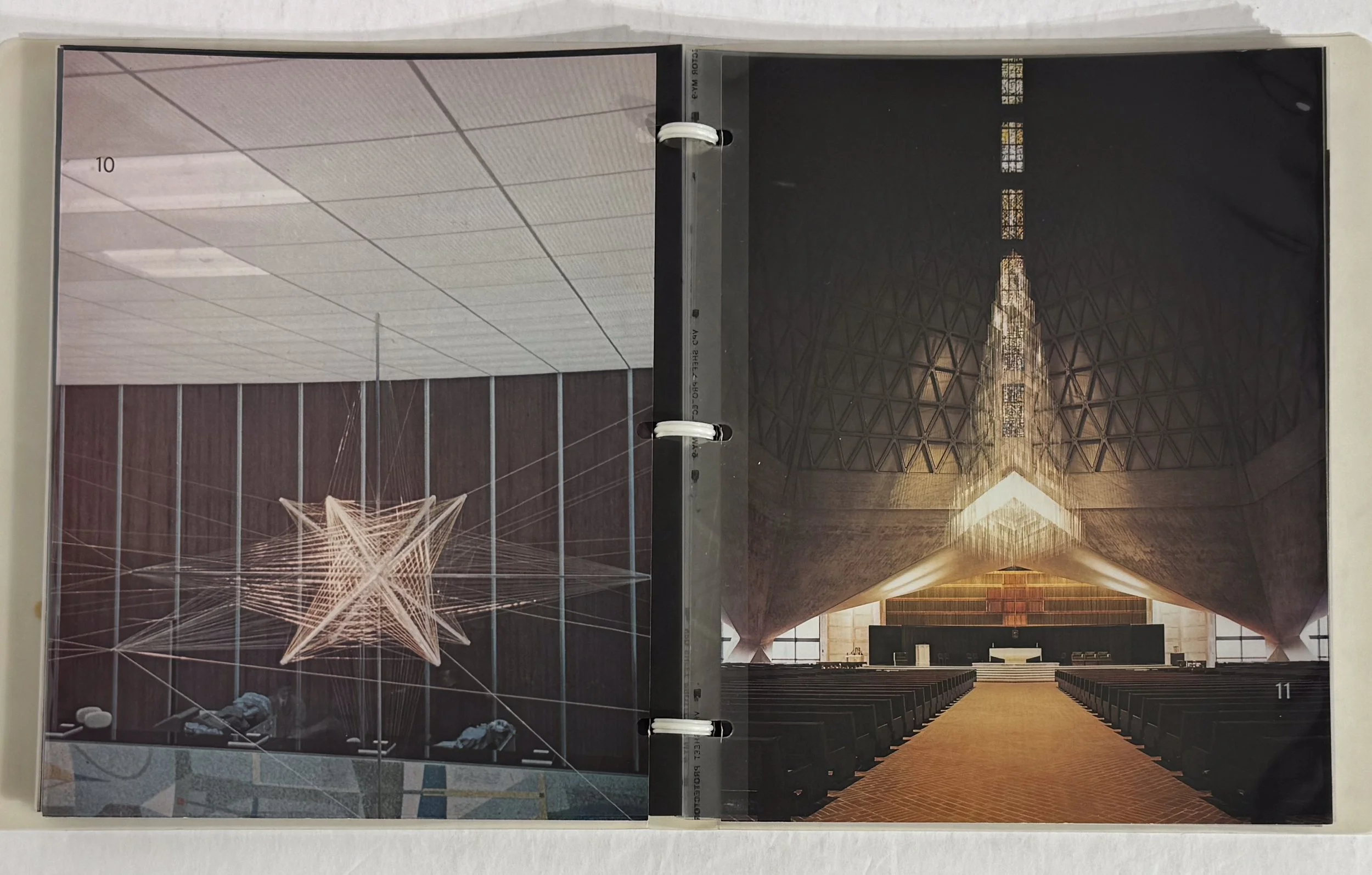 Image 11 of 20
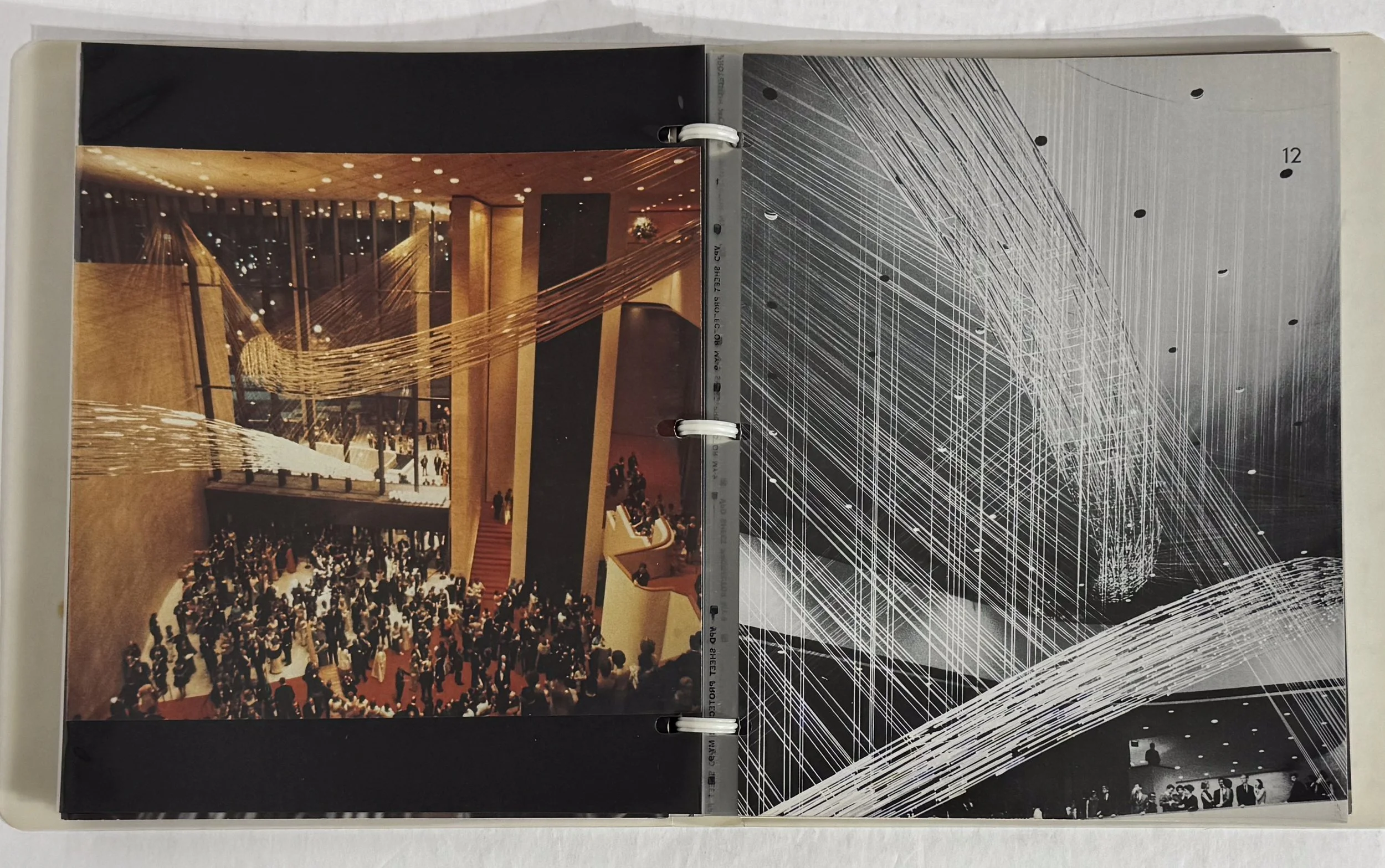 Image 12 of 20
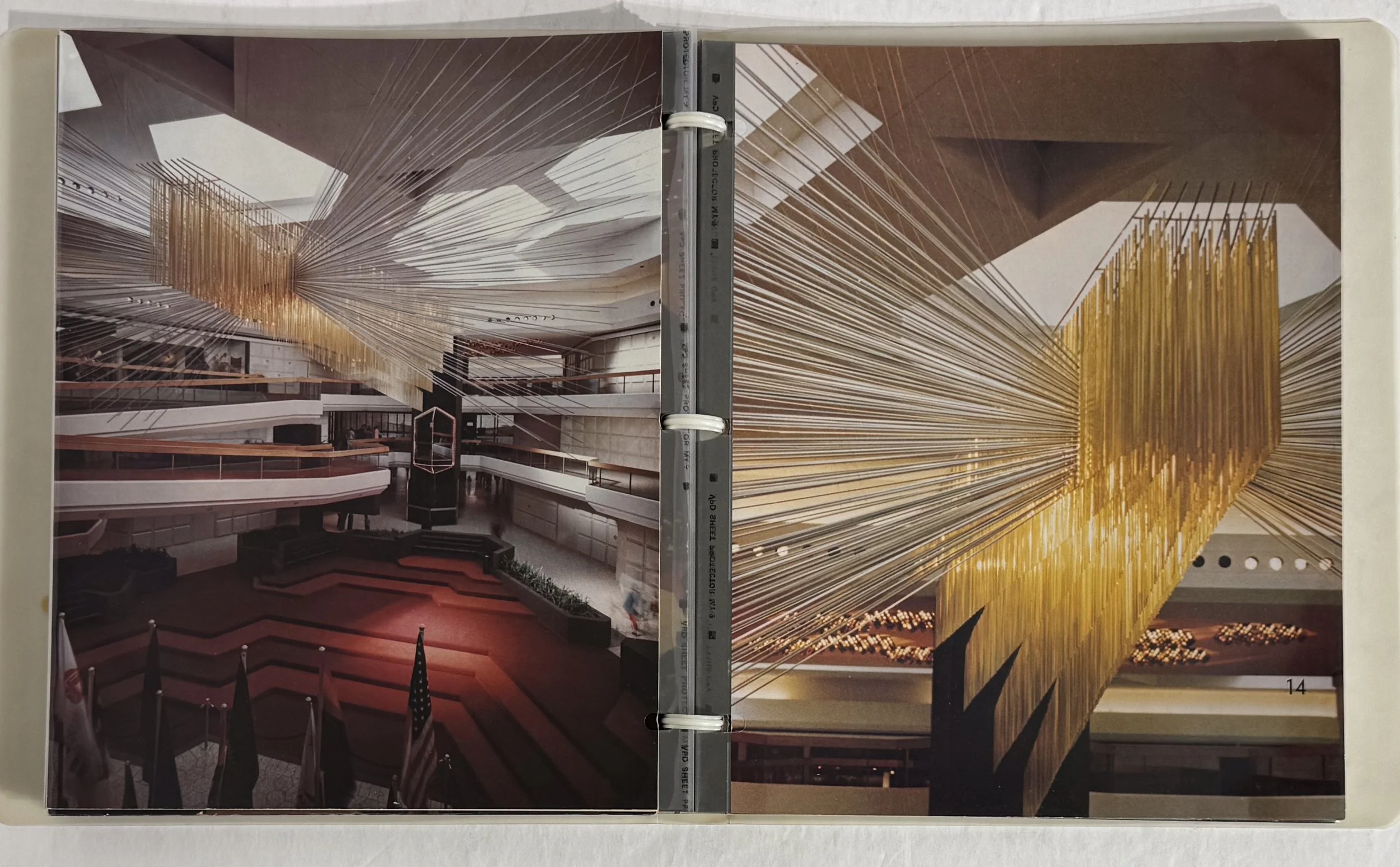 Image 13 of 20
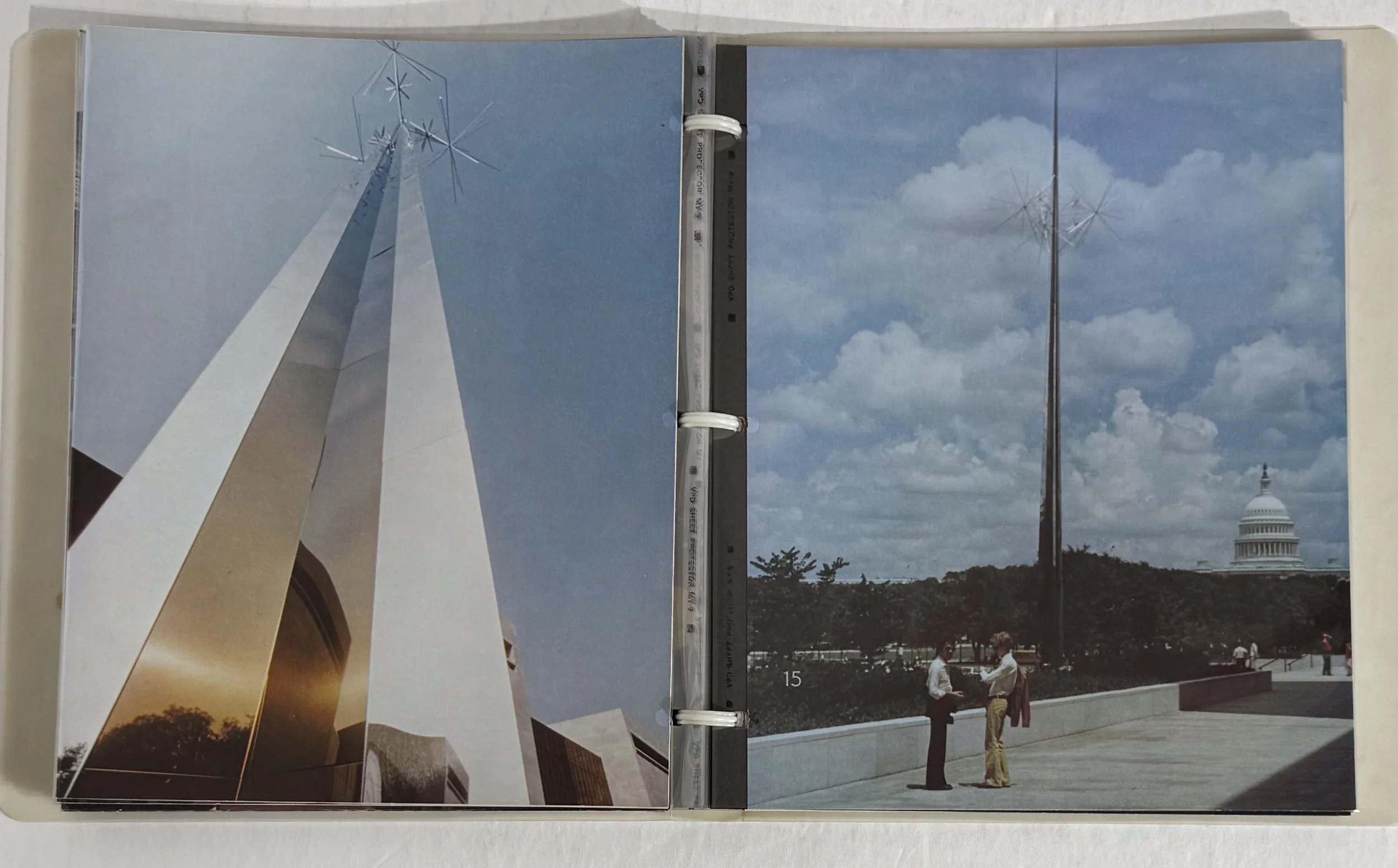 Image 14 of 20
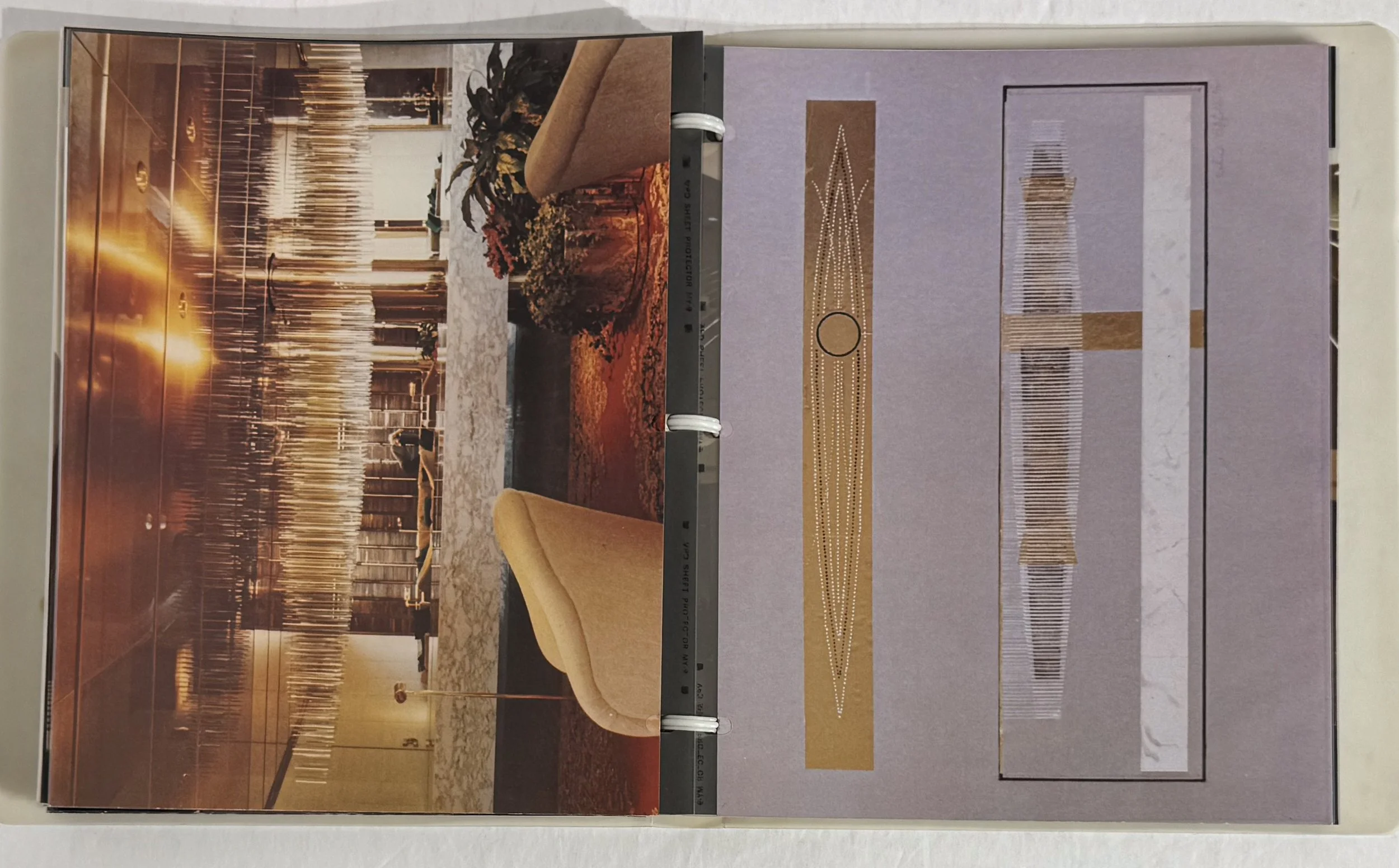 Image 15 of 20
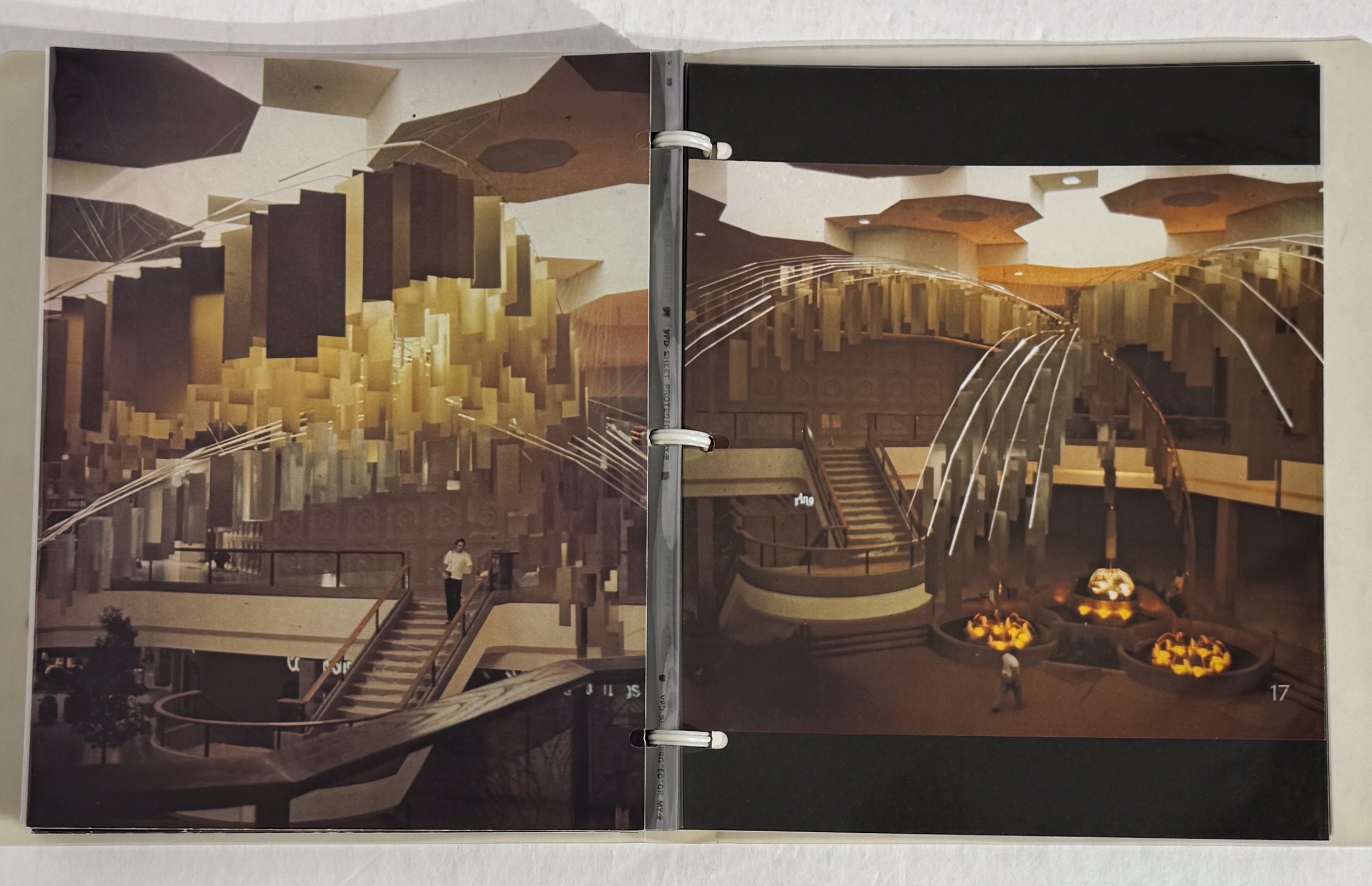 Image 16 of 20
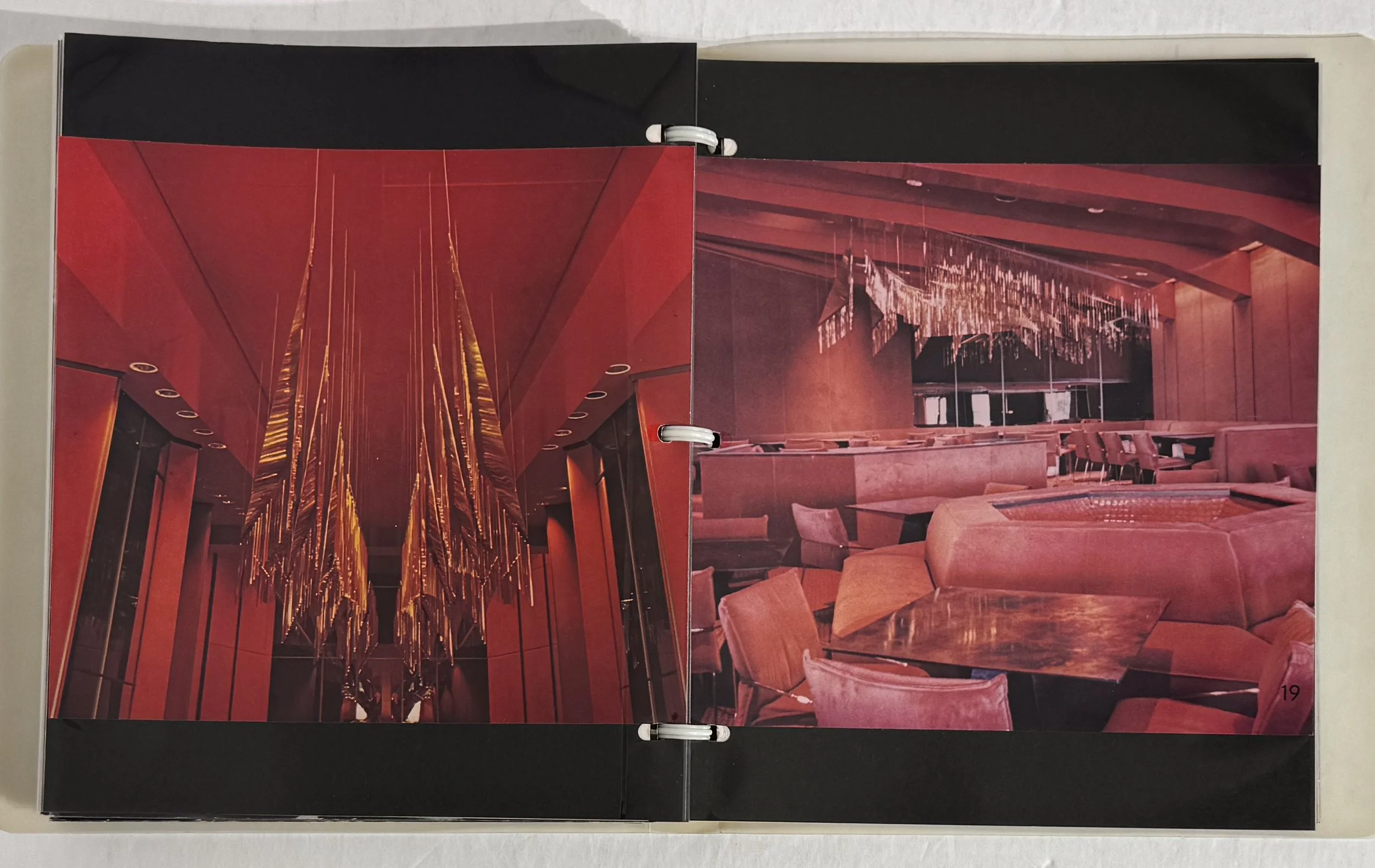 Image 17 of 20
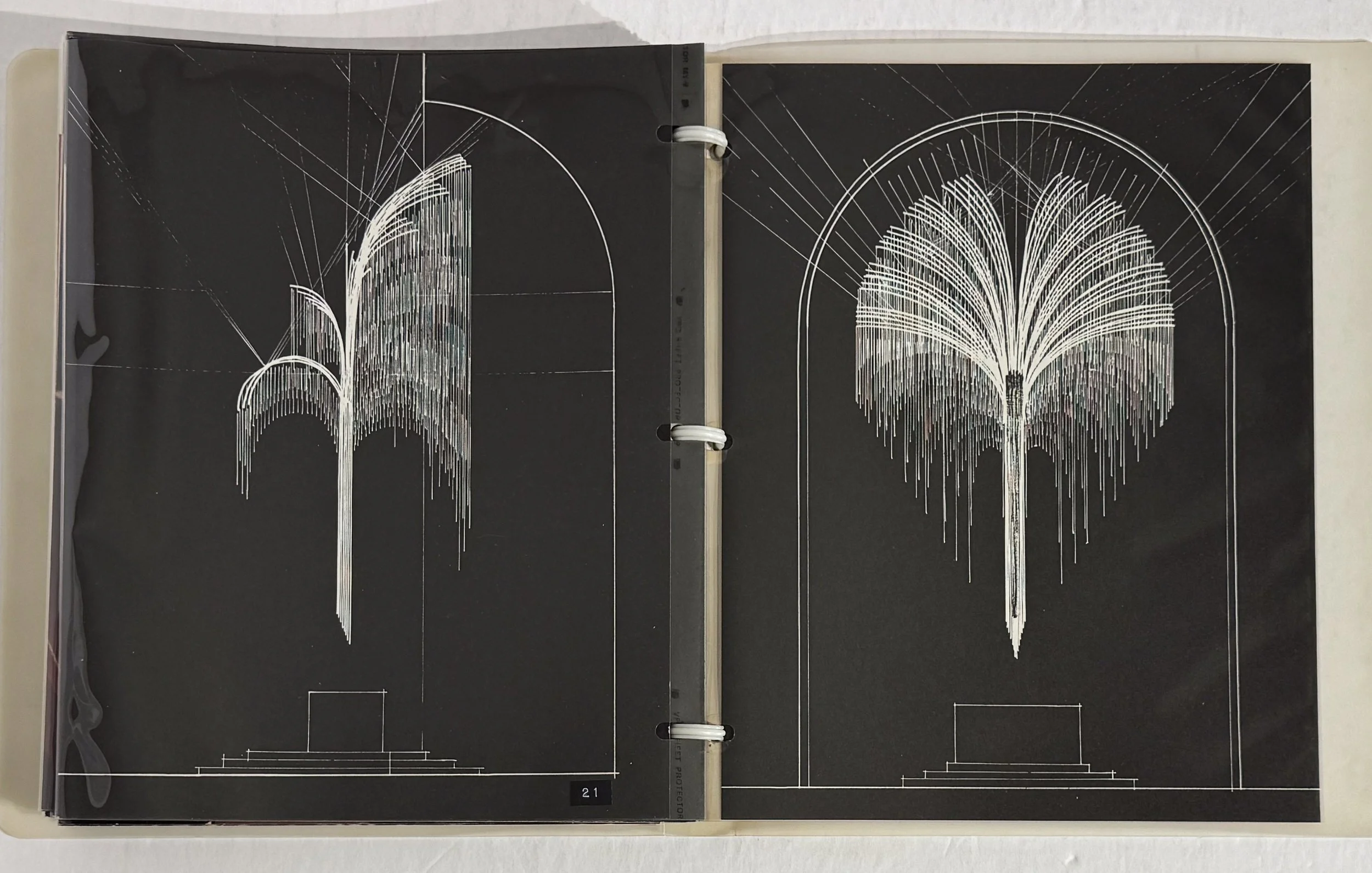 Image 18 of 20
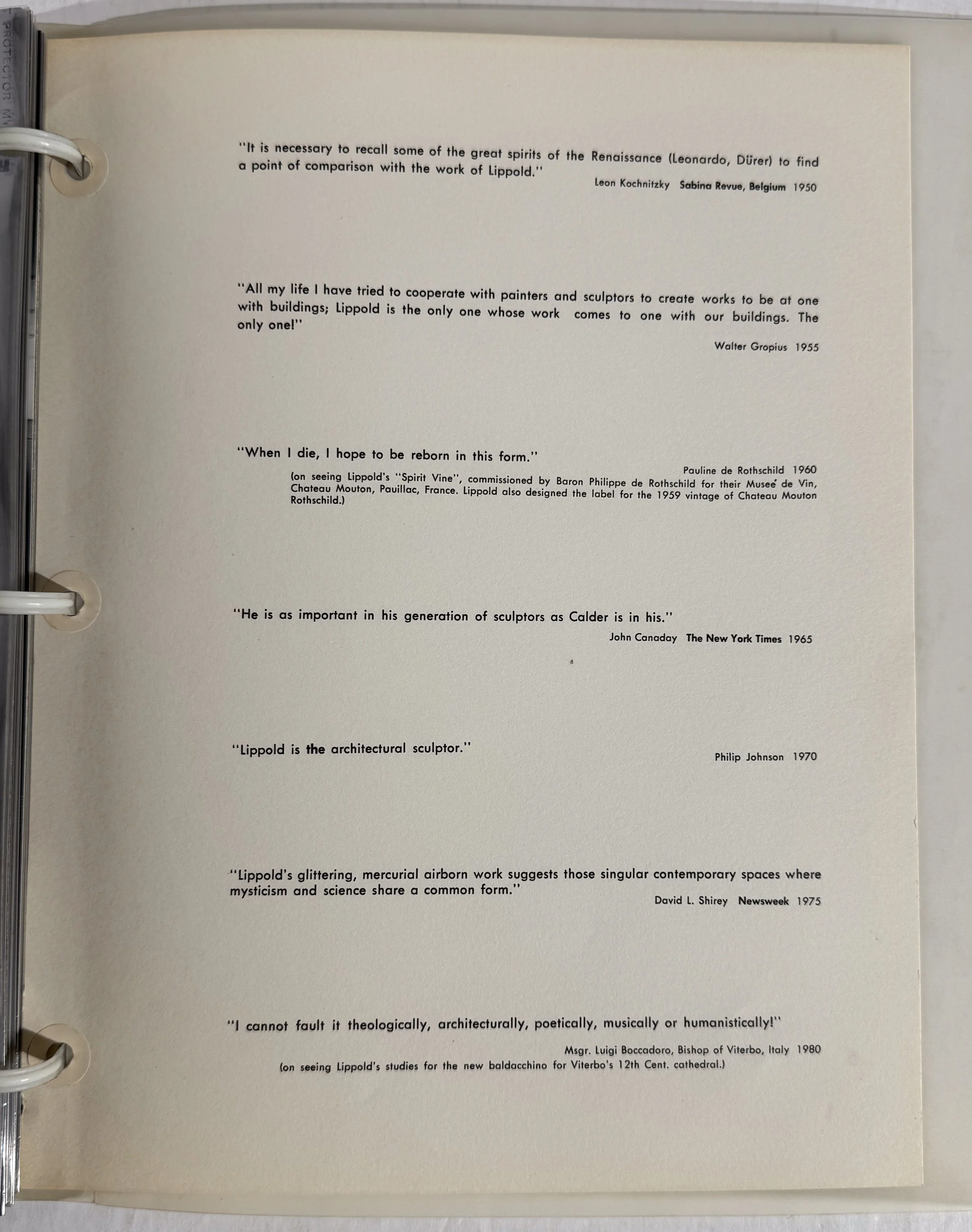 Image 19 of 20
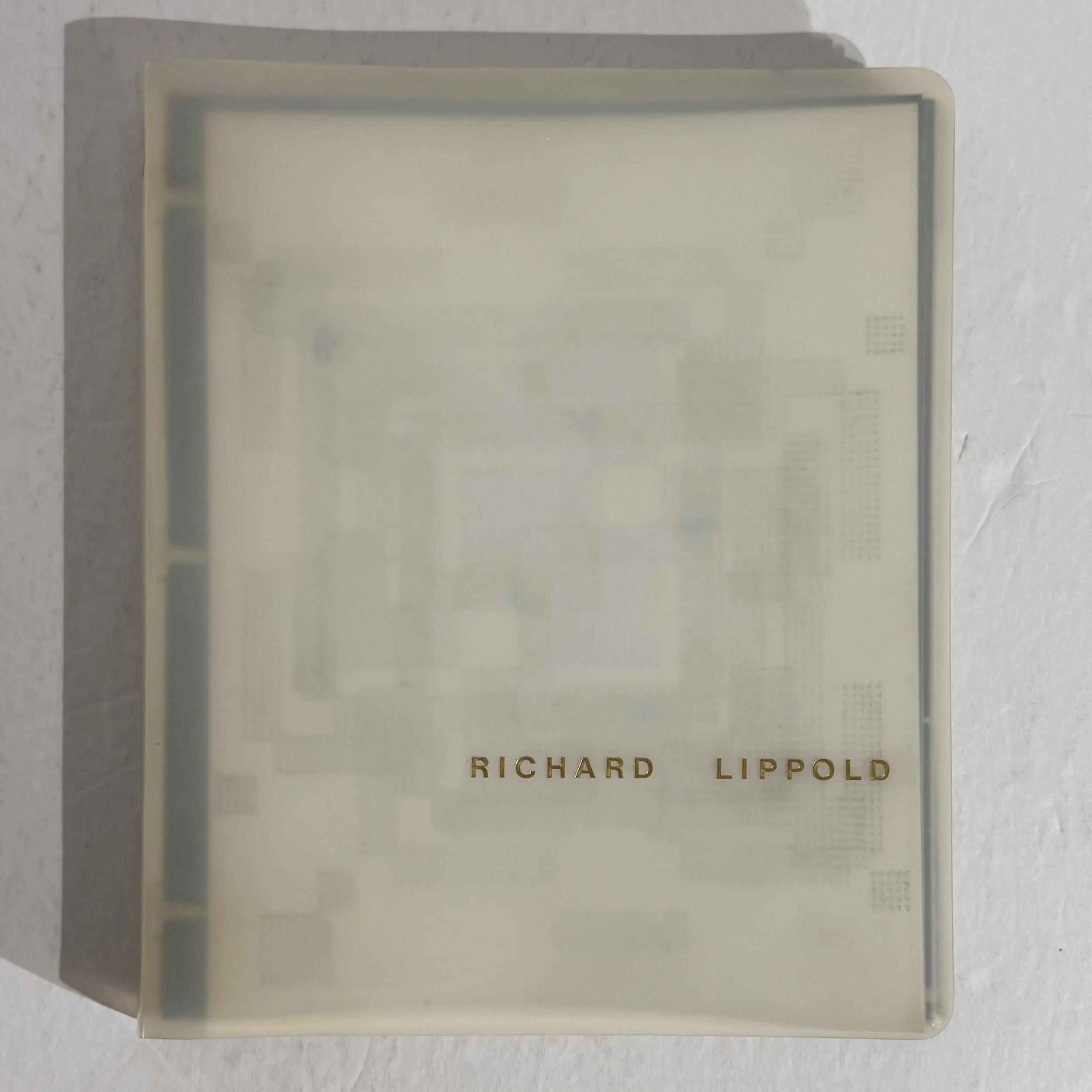 Image 20 of 20