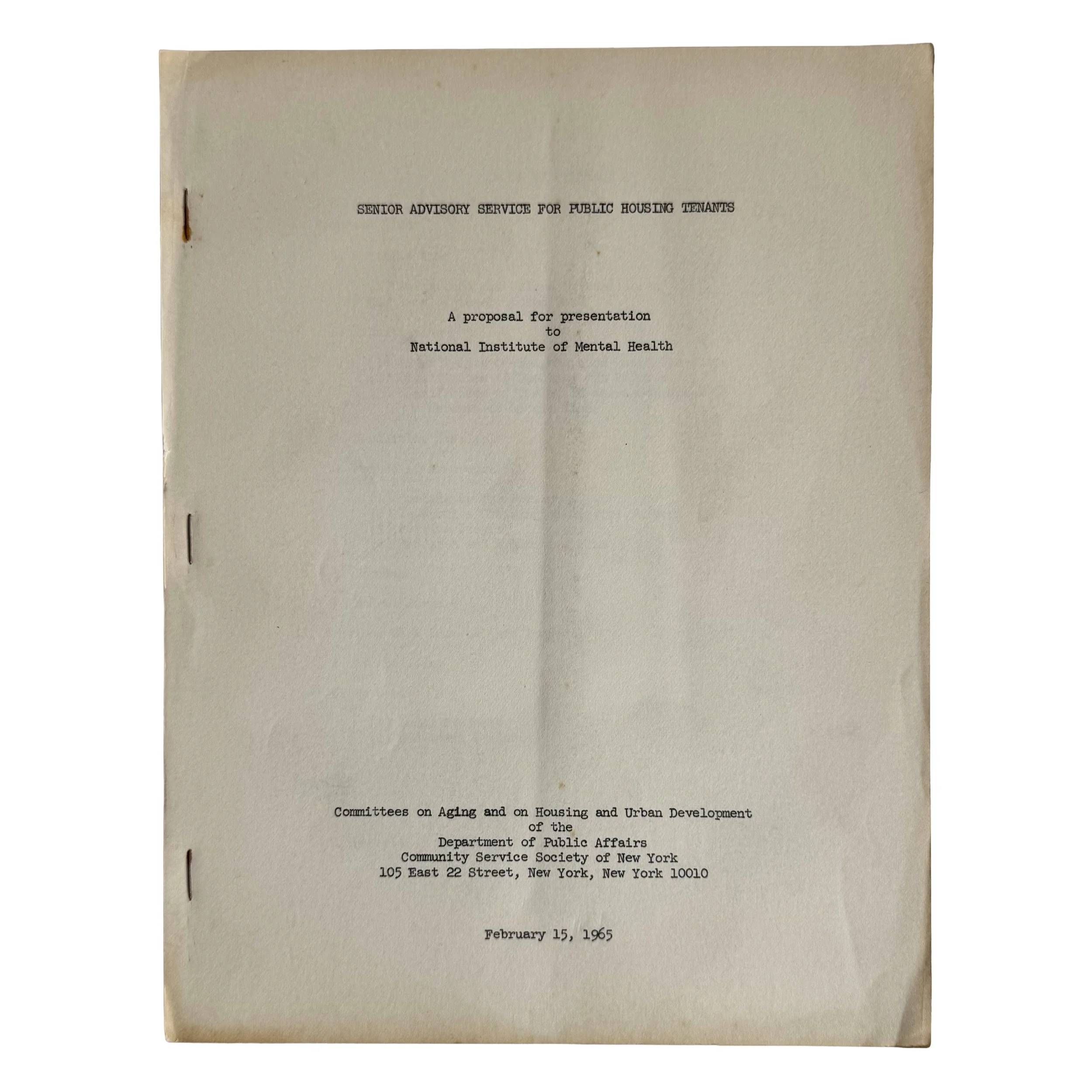
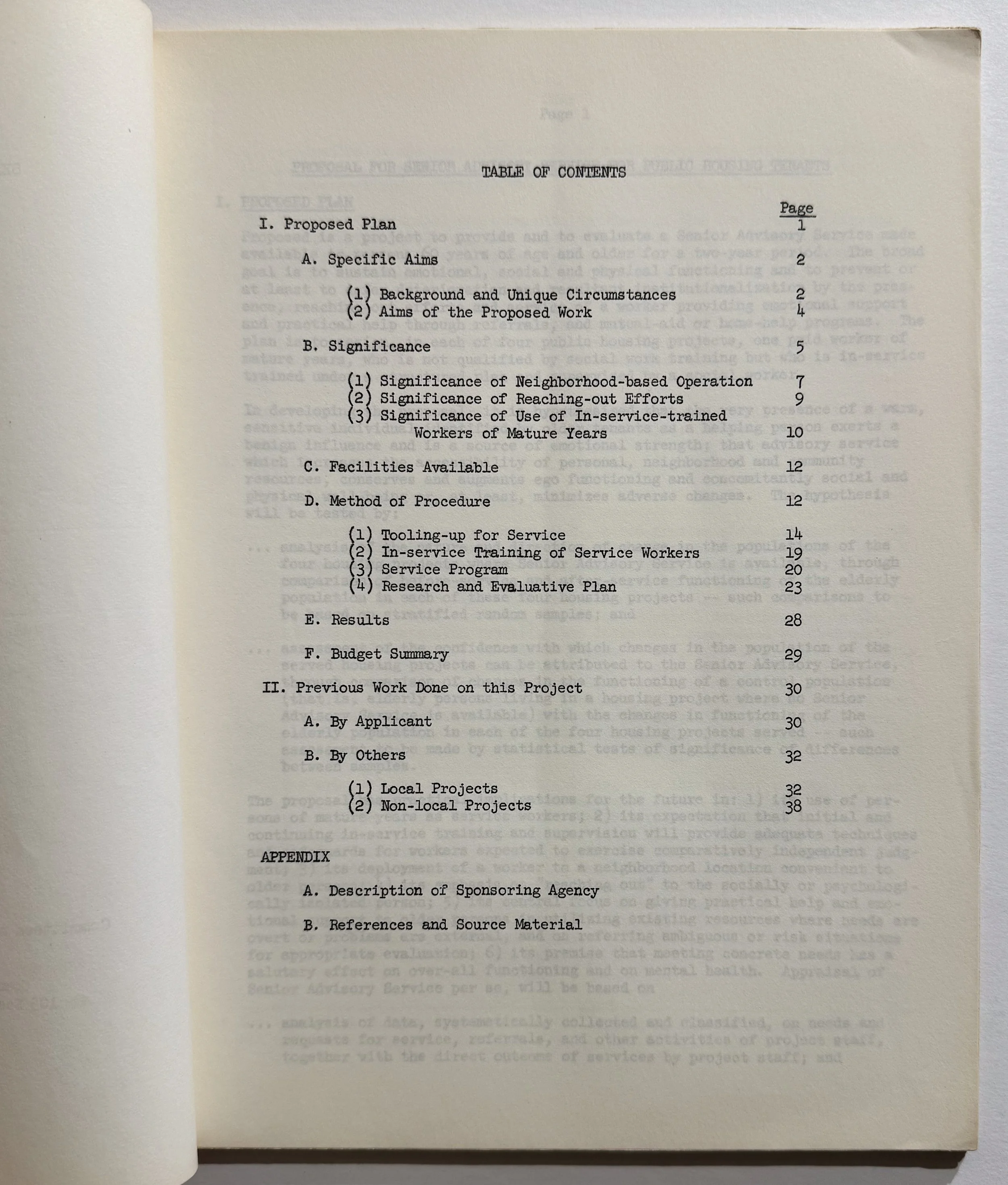
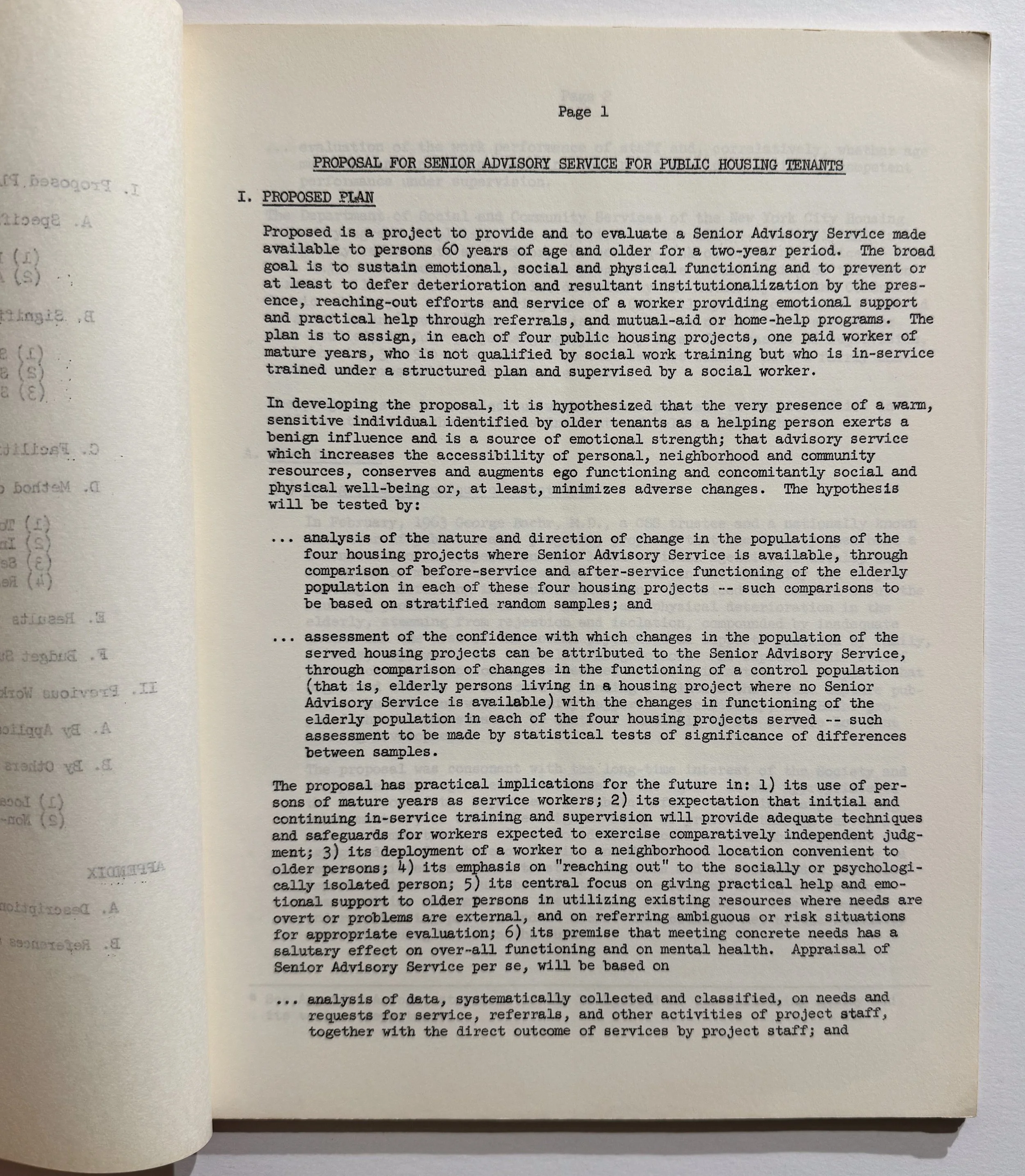
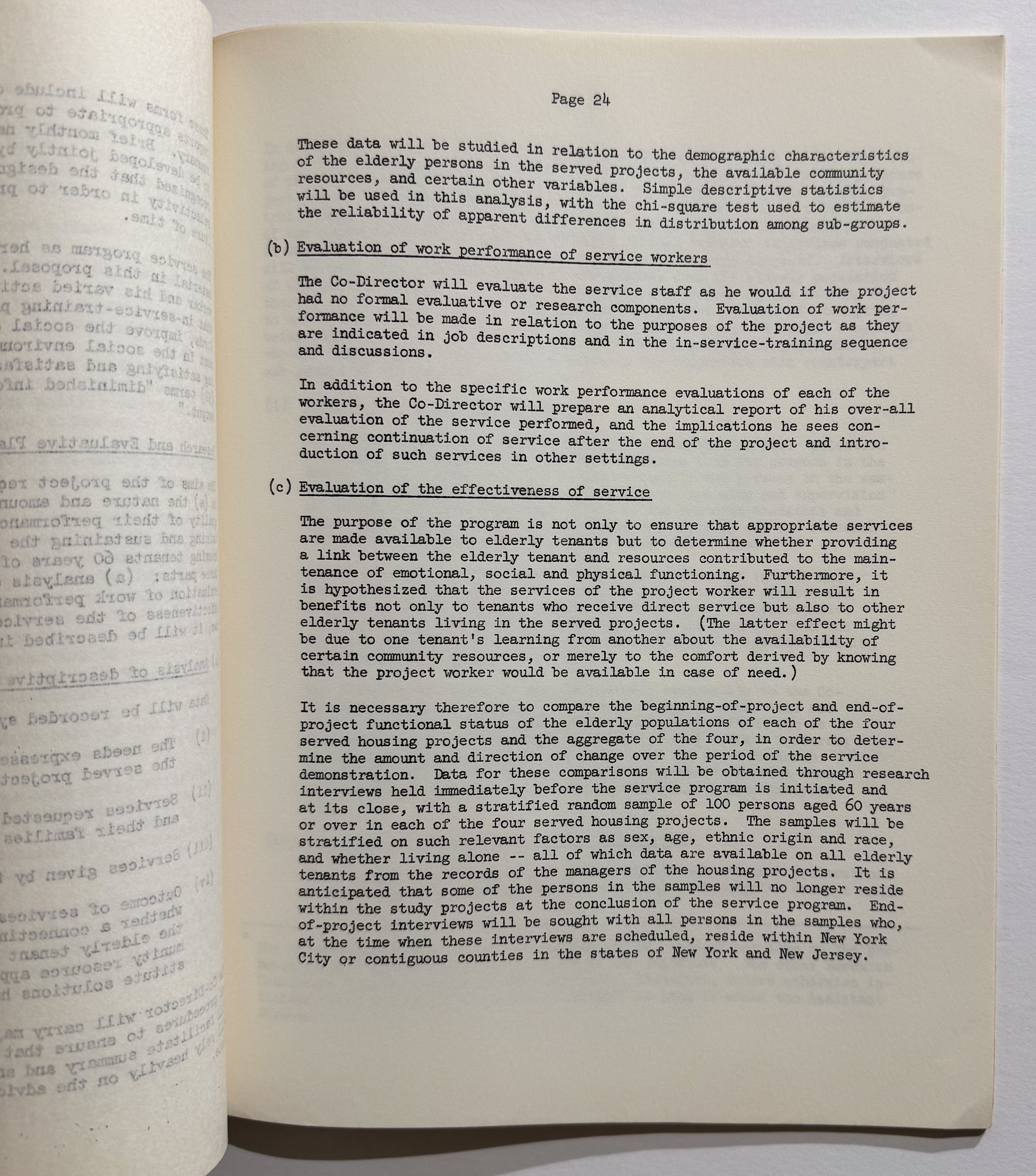
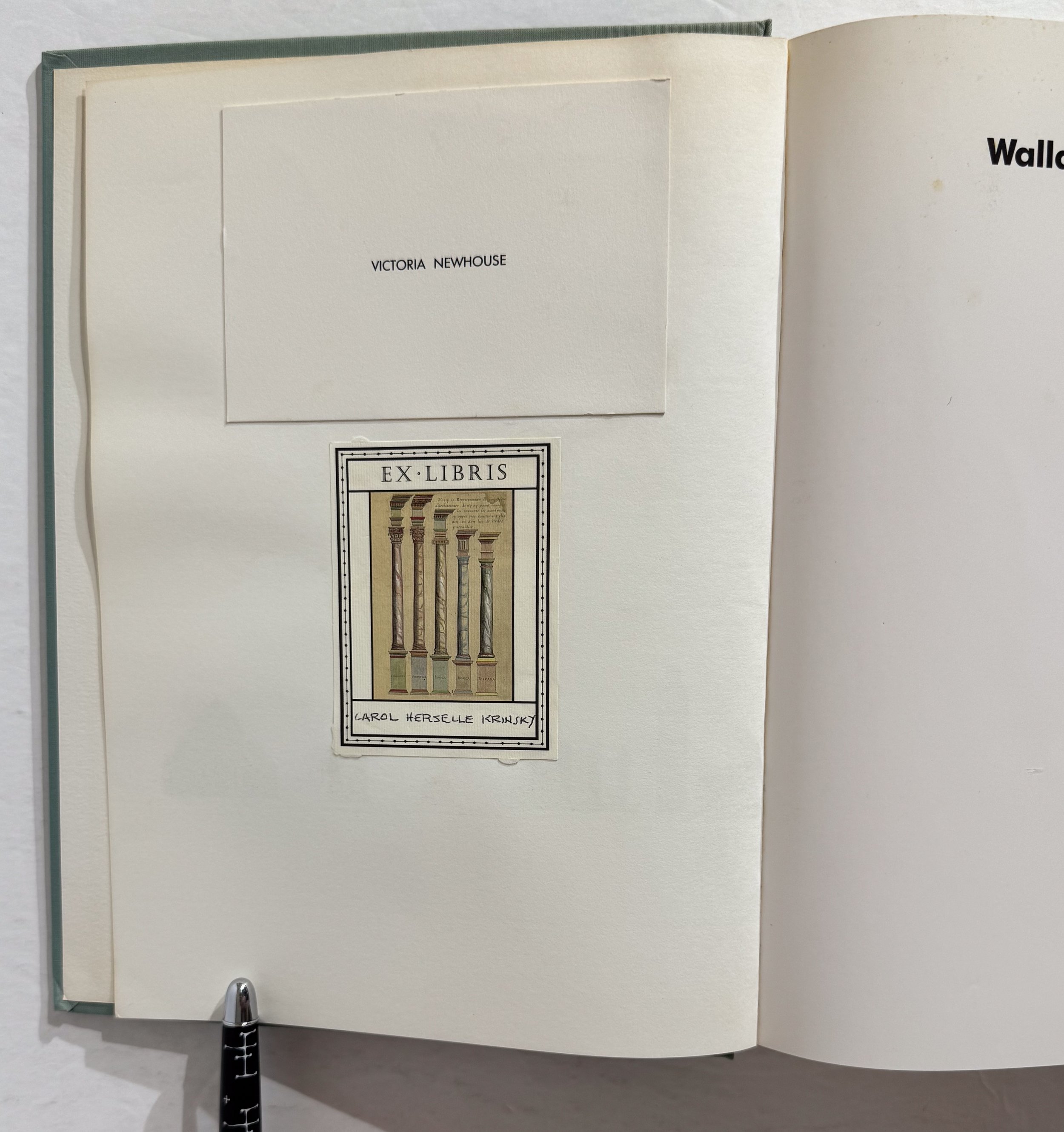
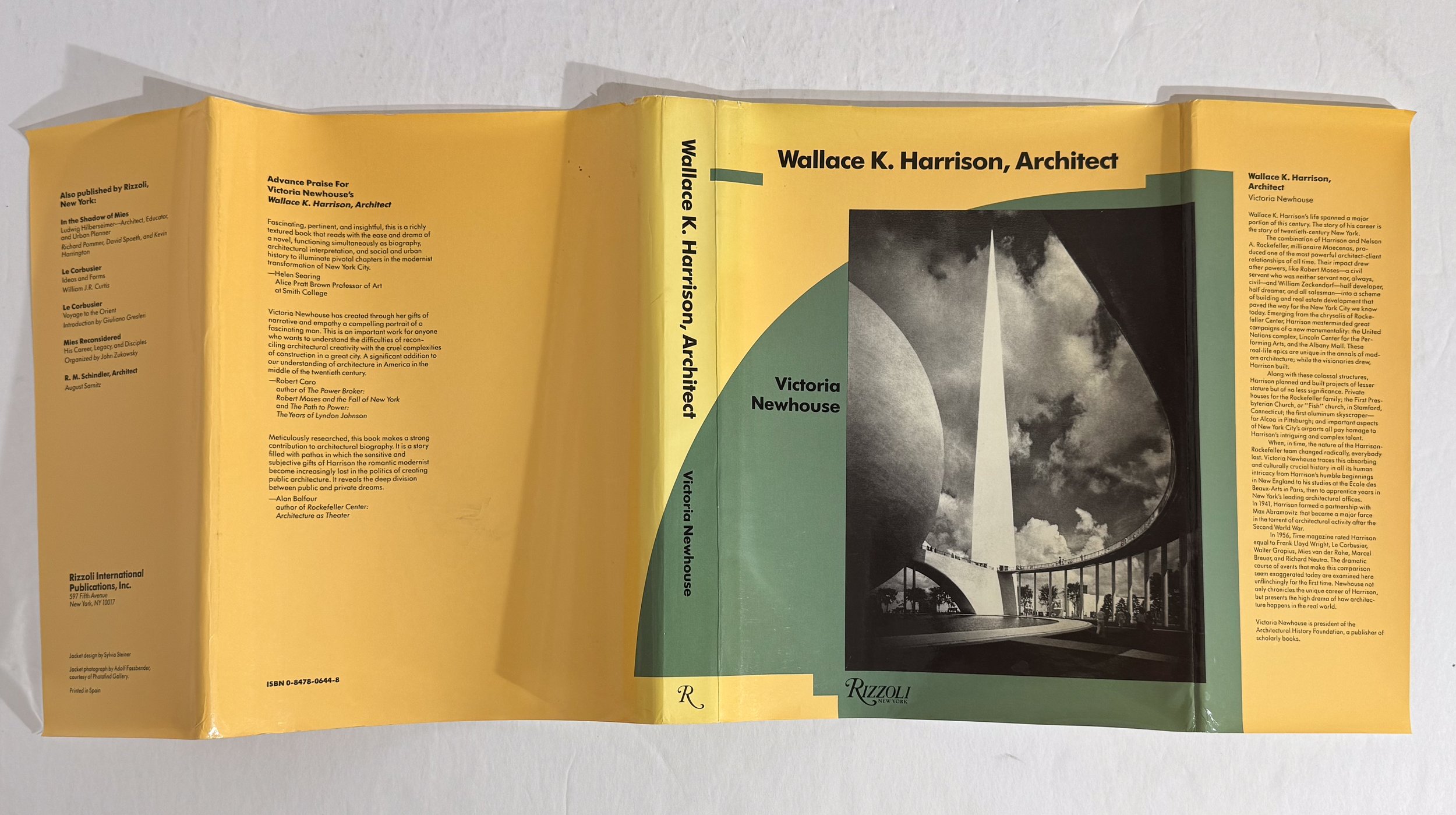
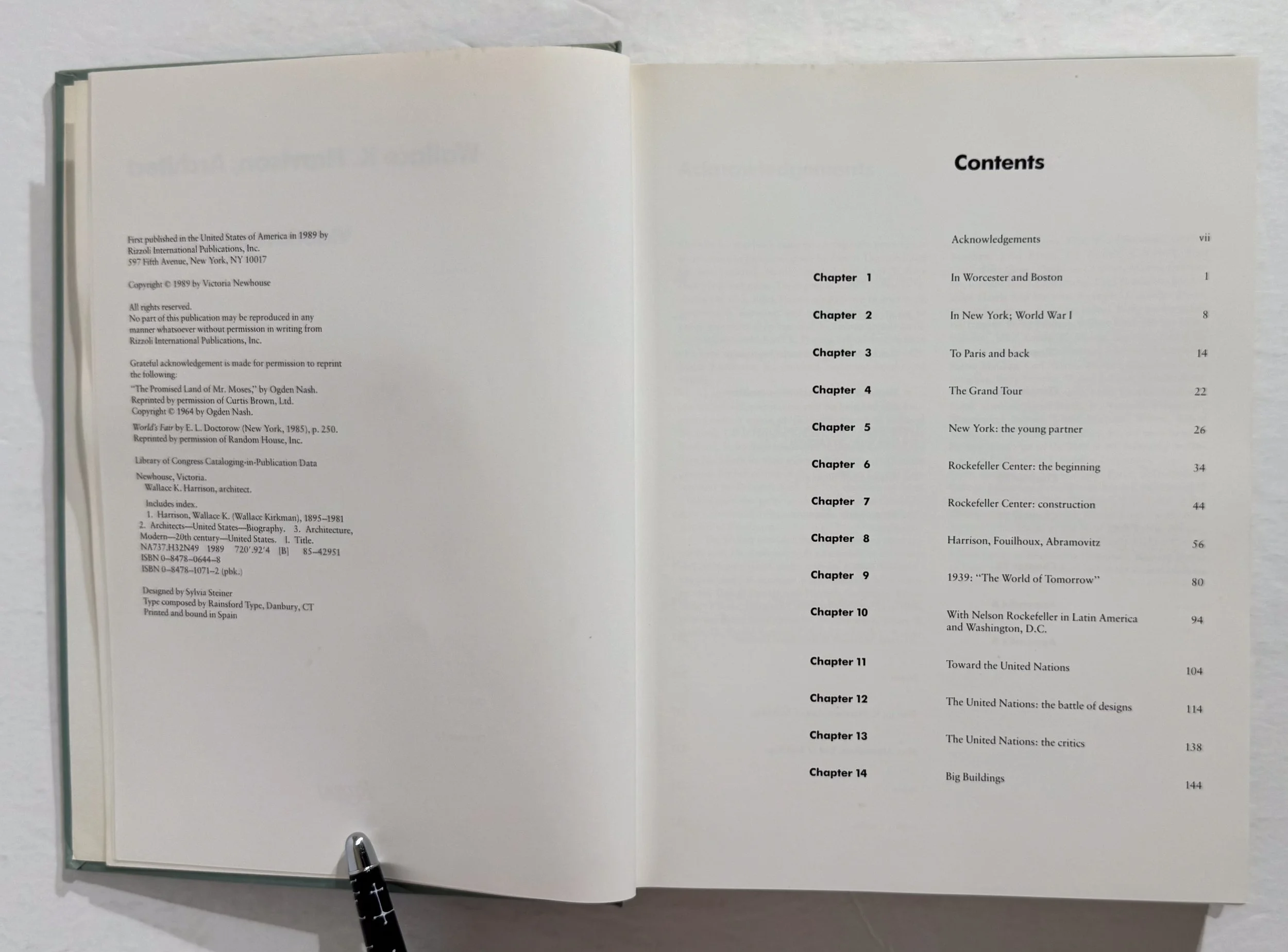
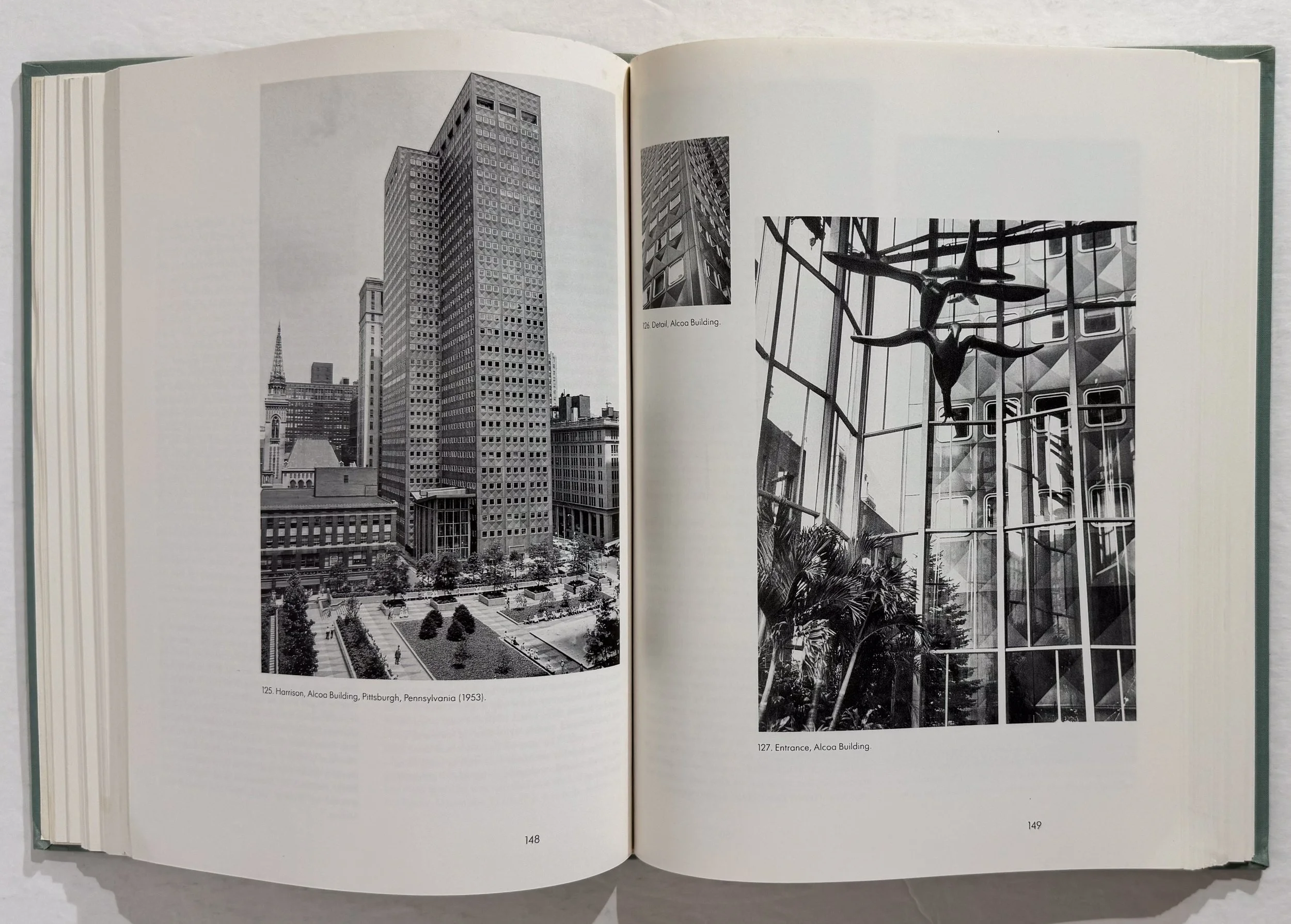
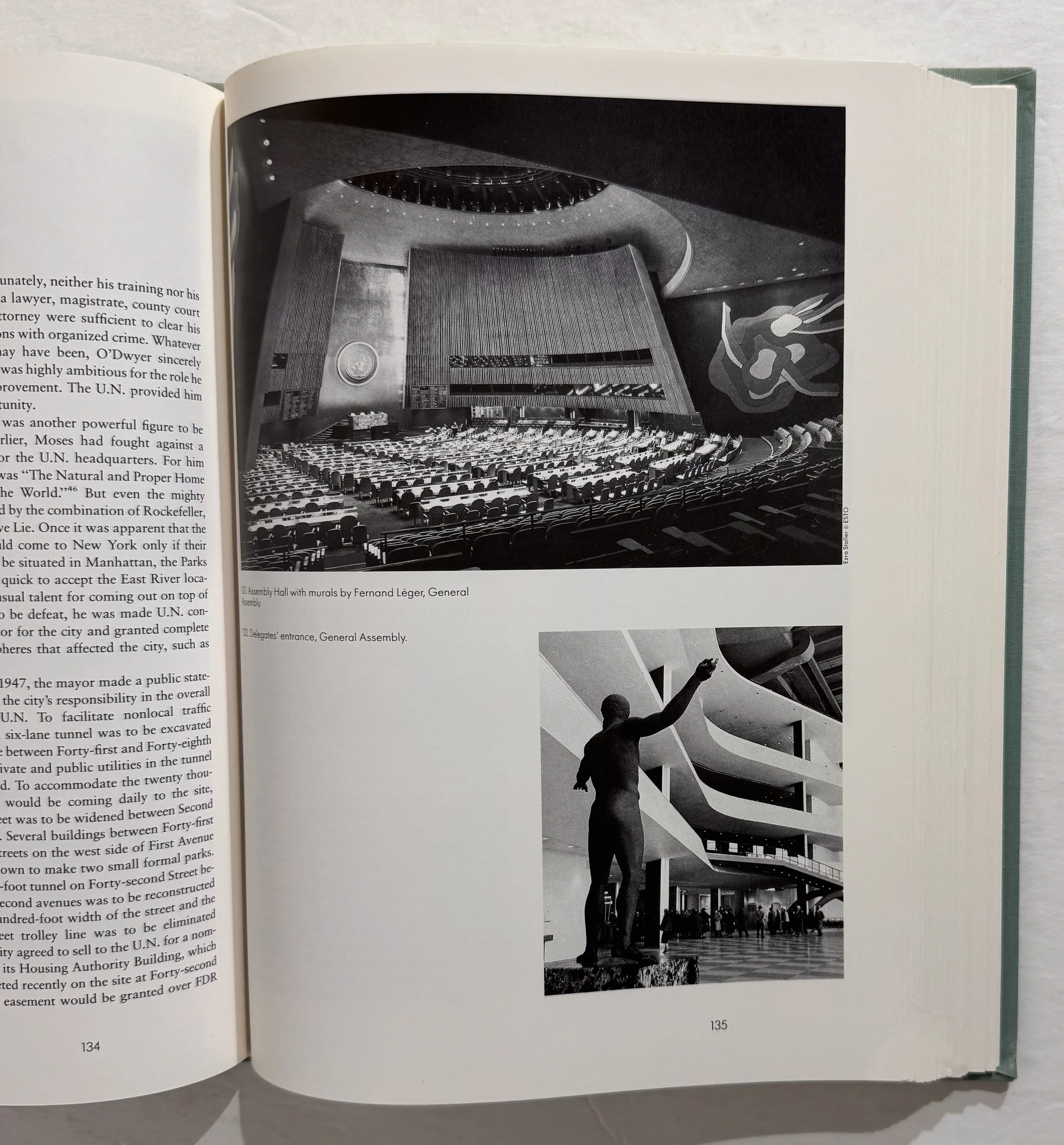
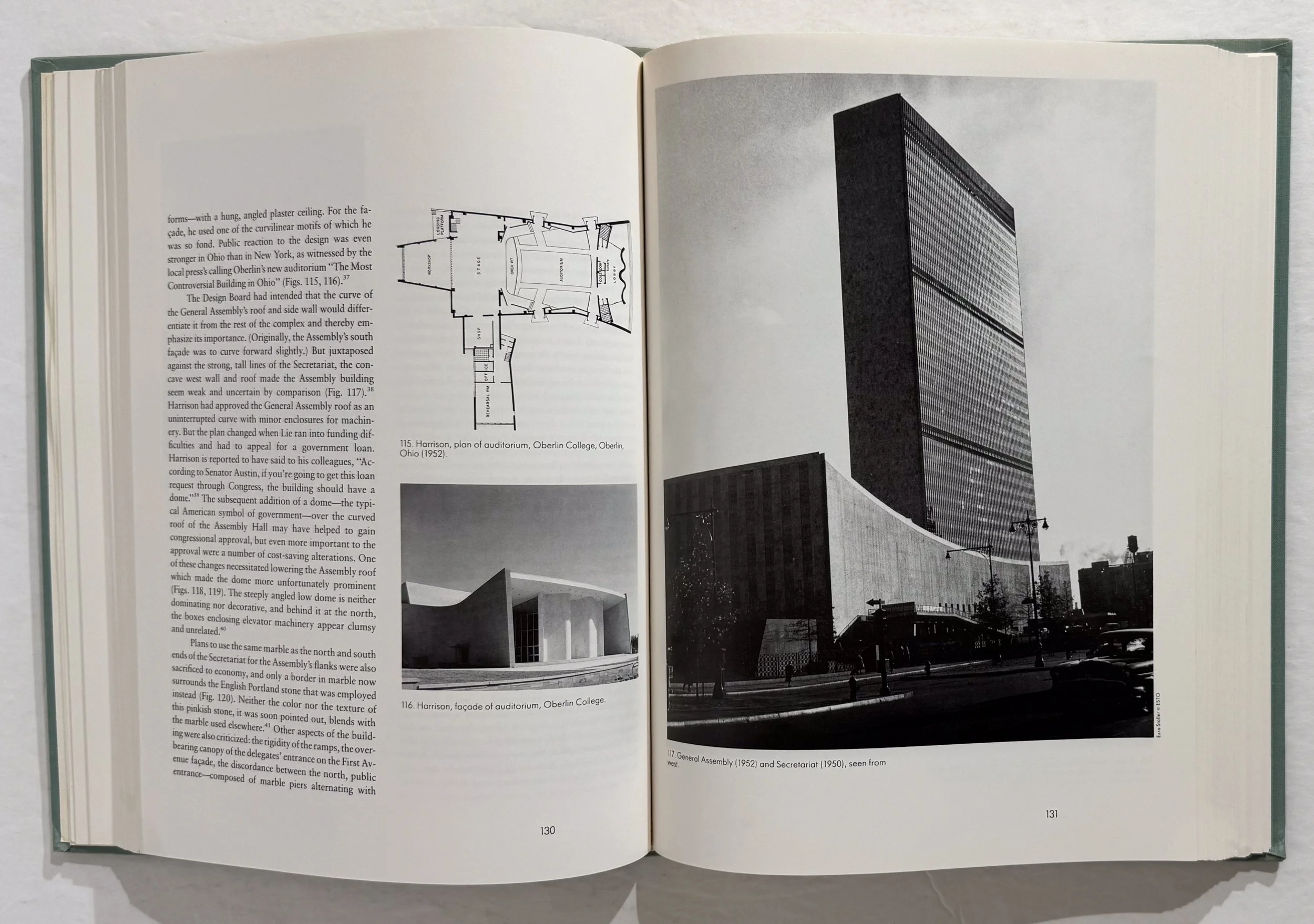
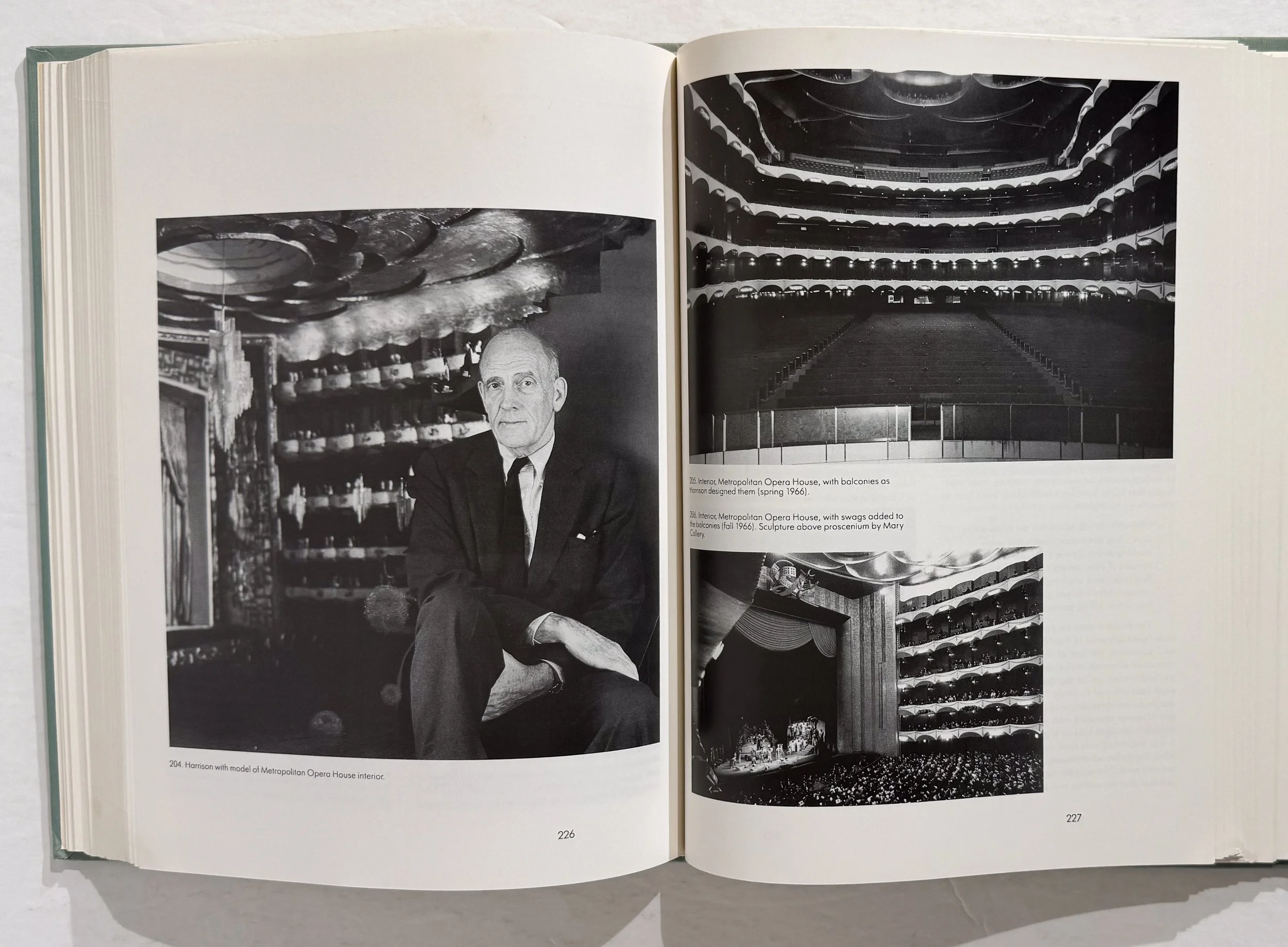
First edition of this collection of 200 sonnets examining the relationship between architecture, urban development, artistic values, and finance by architect, planner, and preservation advocate Arthur Cort Holden (1890–1993). 7.5 × 10.25 inches, hardcover with price-clipped pictorial dust jacket, 231 pages, black-and-white illustrations. Published in 1965 by Schulte Publishing Company. An unusual synthesis of poetry and urban-policy criticism, addressing the economic forces shaping the built environment, including the preservation of historic landmarks. Holden, a prominent figure in New York planning and architectural circles, participated in the preservation campaigns preceding the city's 1965 Landmarks Law. The book anticipates and complements his subsequent writings on preservation economics, municipal governance, and credit policy. Inscribed on the front free endpaper to architectural historian Carol Herselle Krinsky: "For Carol Krinsky / December 23, 1974 / on visit to my office / Arthur C. Holden." A significant association copy documenting a personal meeting between Holden and Krinsky, whose scholarship likewise centered on New York architecture and urban history. From Krinsky's working library. Minor toning to spine ends of cloth. Mild bumping and rubbing to extremities.
First edition of this collection of 200 sonnets examining the relationship between architecture, urban development, artistic values, and finance by architect, planner, and preservation advocate Arthur Cort Holden (1890–1993). 7.5 × 10.25 inches, hardcover with price-clipped pictorial dust jacket, 231 pages, black-and-white illustrations. Published in 1965 by Schulte Publishing Company. An unusual synthesis of poetry and urban-policy criticism, addressing the economic forces shaping the built environment, including the preservation of historic landmarks. Holden, a prominent figure in New York planning and architectural circles, participated in the preservation campaigns preceding the city's 1965 Landmarks Law. The book anticipates and complements his subsequent writings on preservation economics, municipal governance, and credit policy. Inscribed on the front free endpaper to architectural historian Carol Herselle Krinsky: "For Carol Krinsky / December 23, 1974 / on visit to my office / Arthur C. Holden." A significant association copy documenting a personal meeting between Holden and Krinsky, whose scholarship likewise centered on New York architecture and urban history. From Krinsky's working library. Minor toning to spine ends of cloth. Mild bumping and rubbing to extremities.

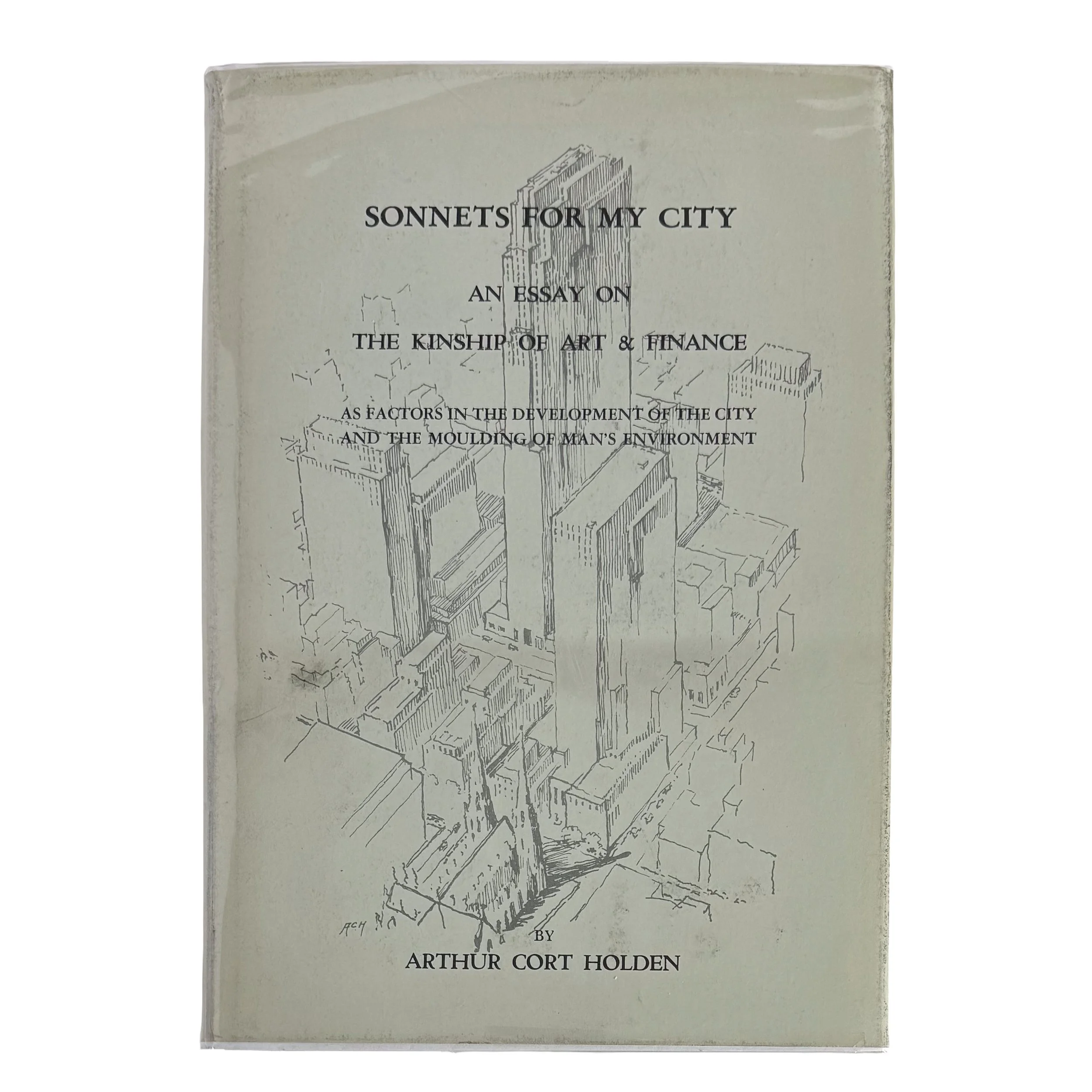 Image 1 of 9
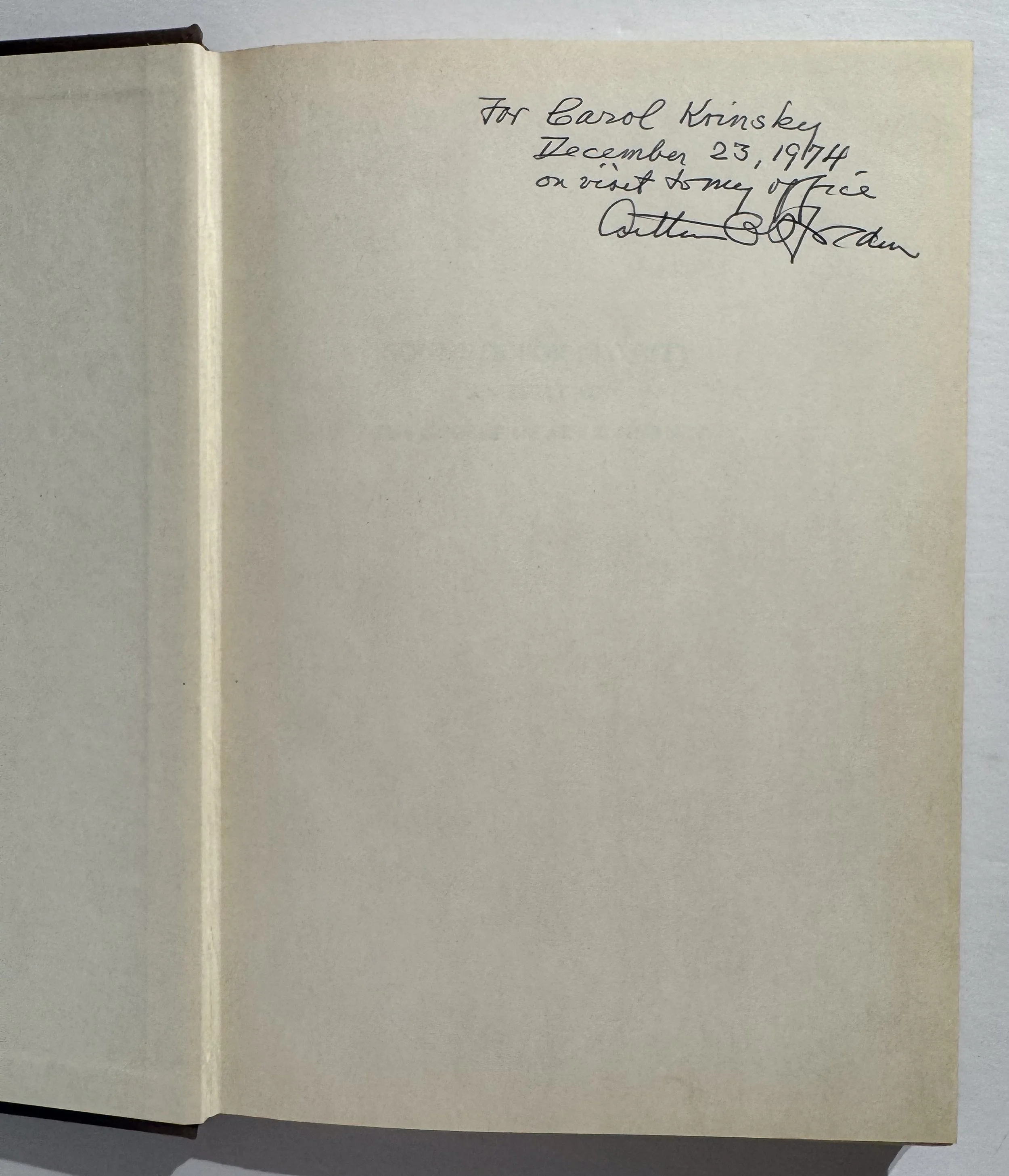 Image 2 of 9
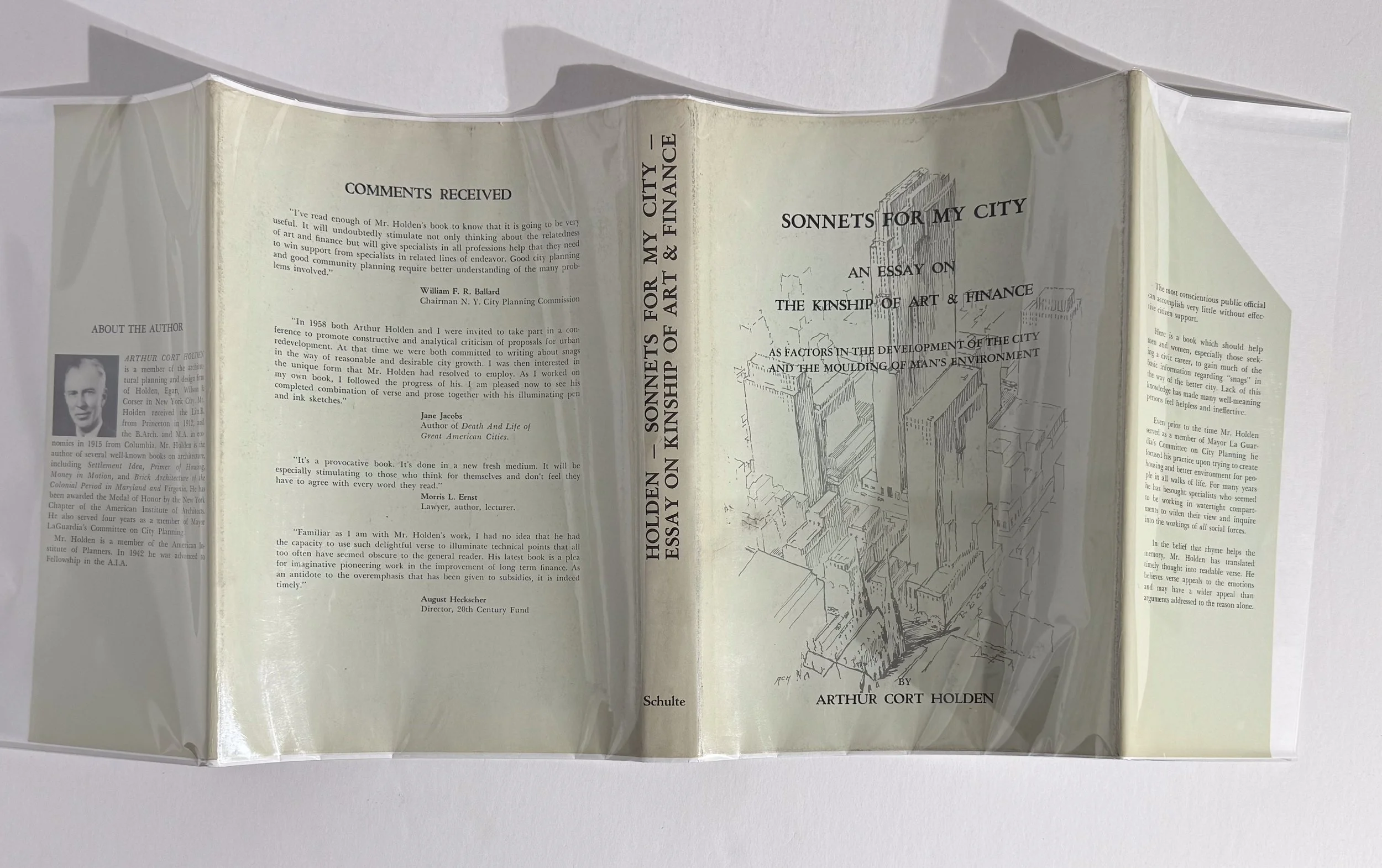 Image 3 of 9
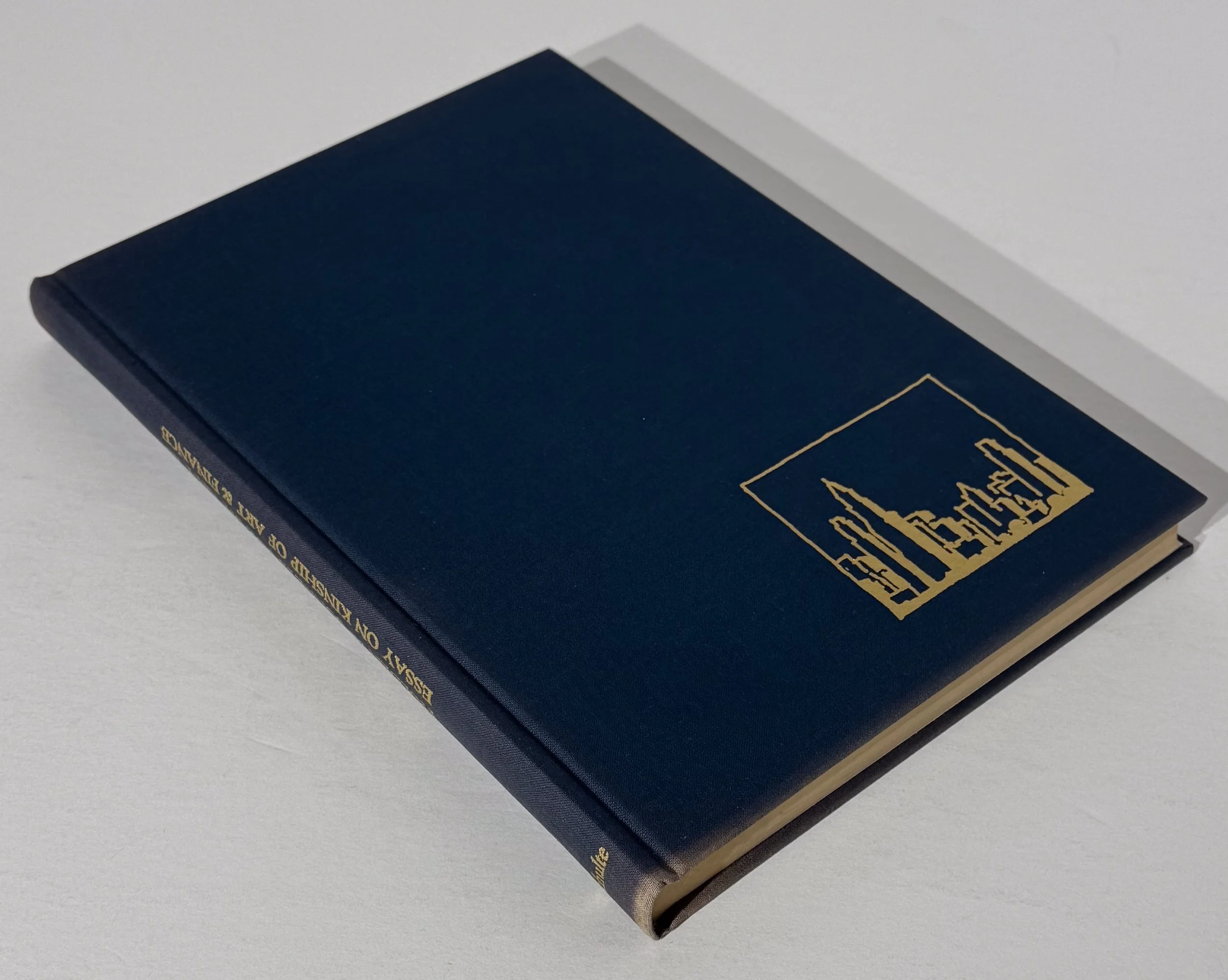 Image 4 of 9
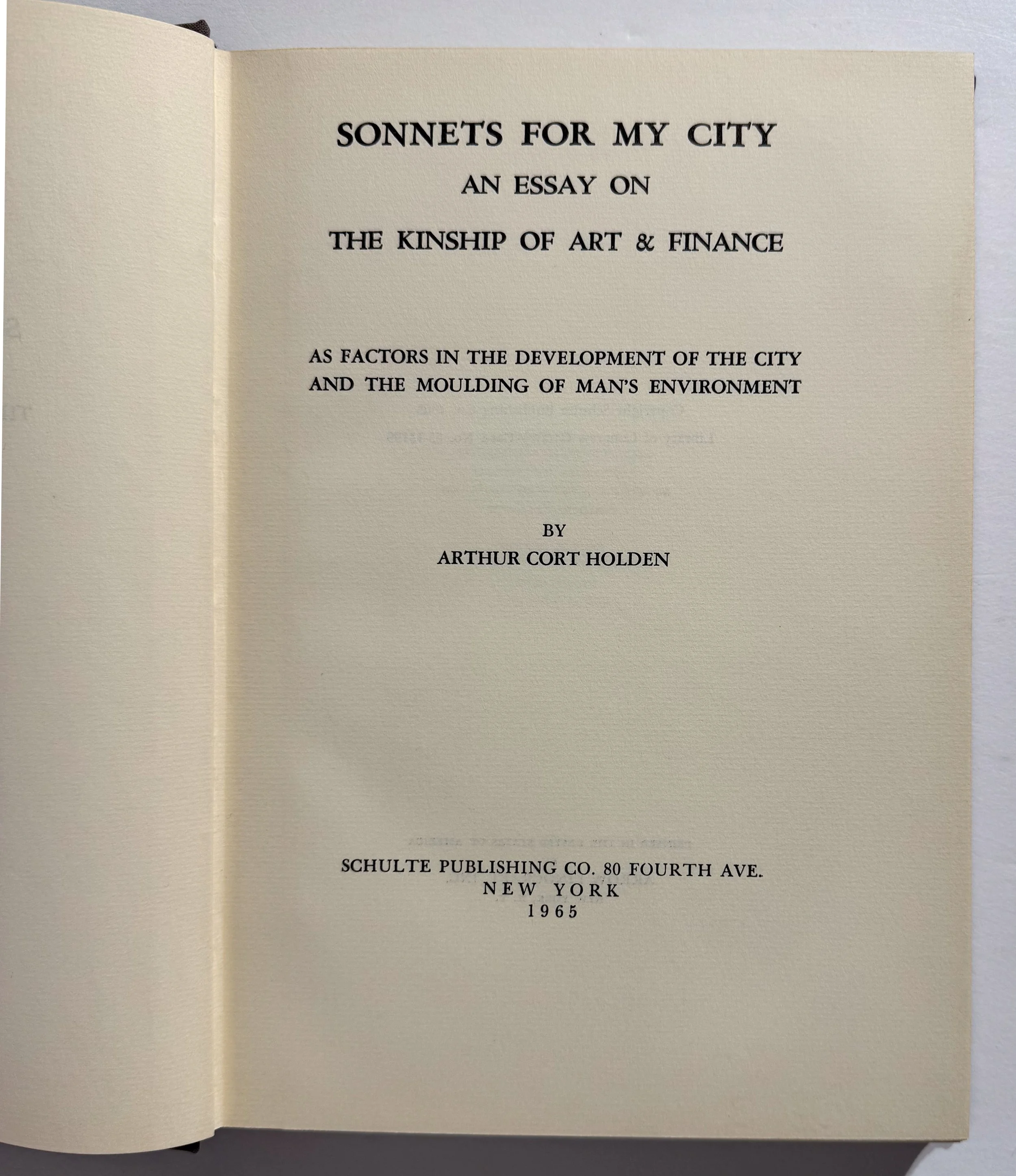 Image 5 of 9
 Image 6 of 9
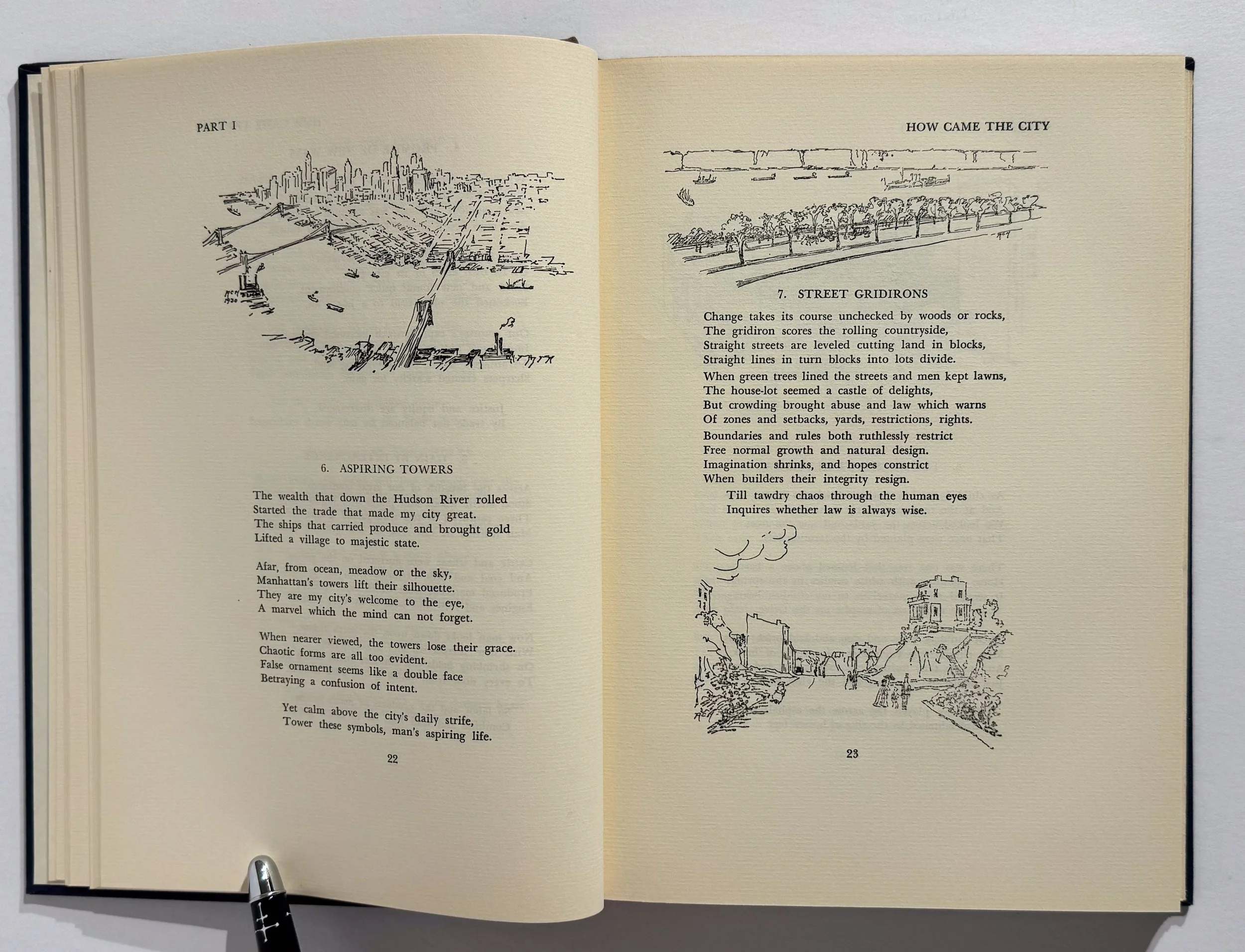 Image 7 of 9
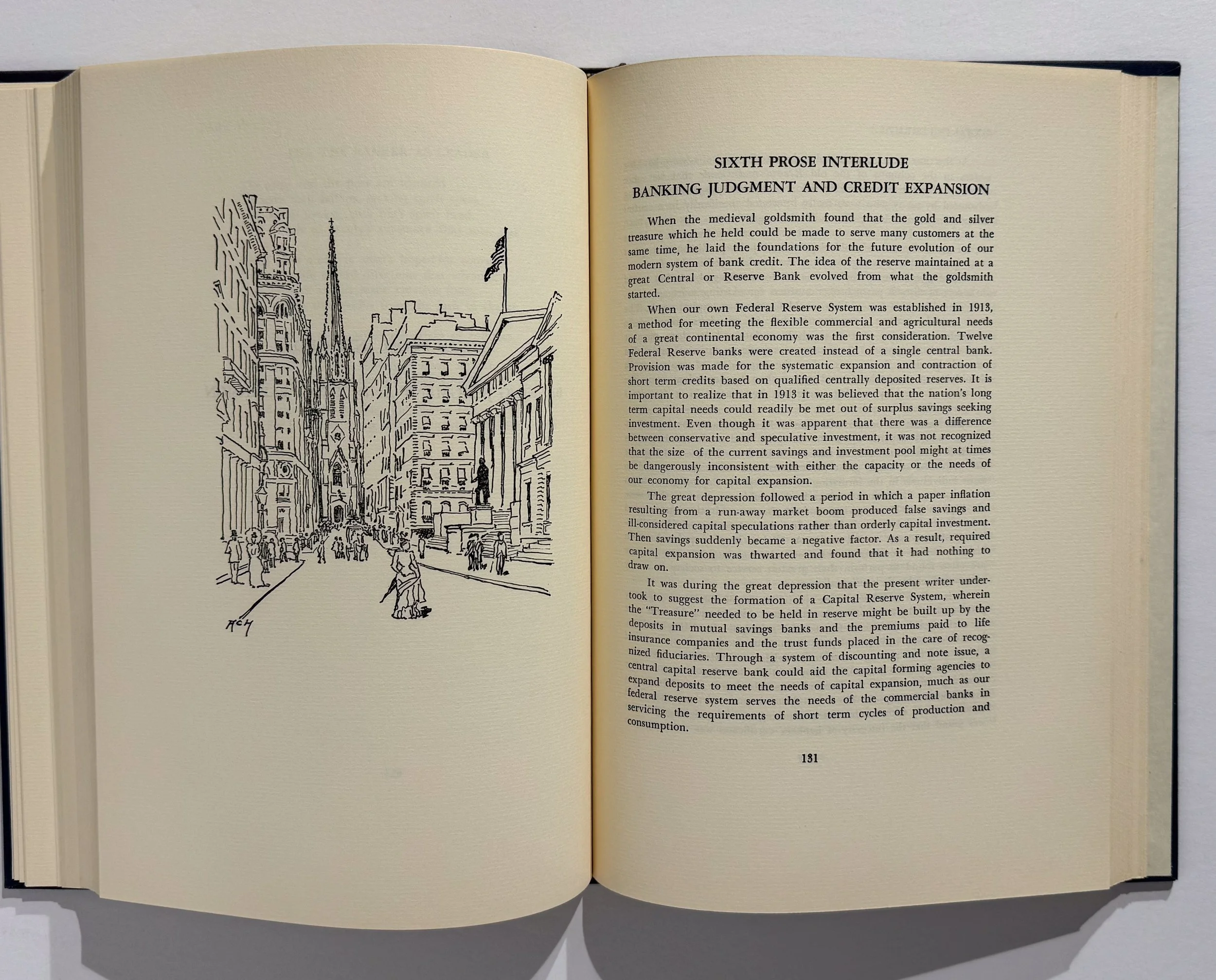 Image 8 of 9
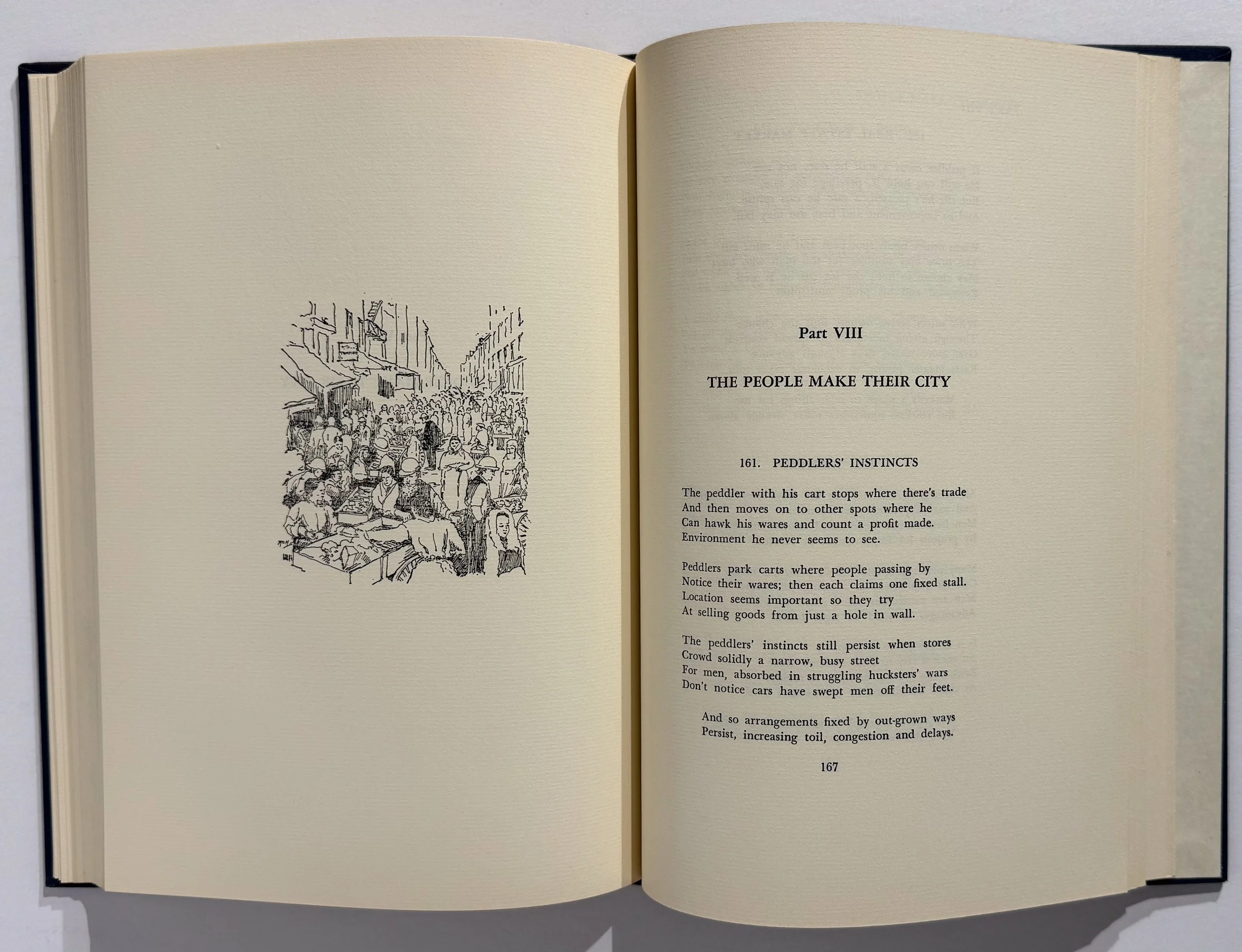 Image 9 of 9