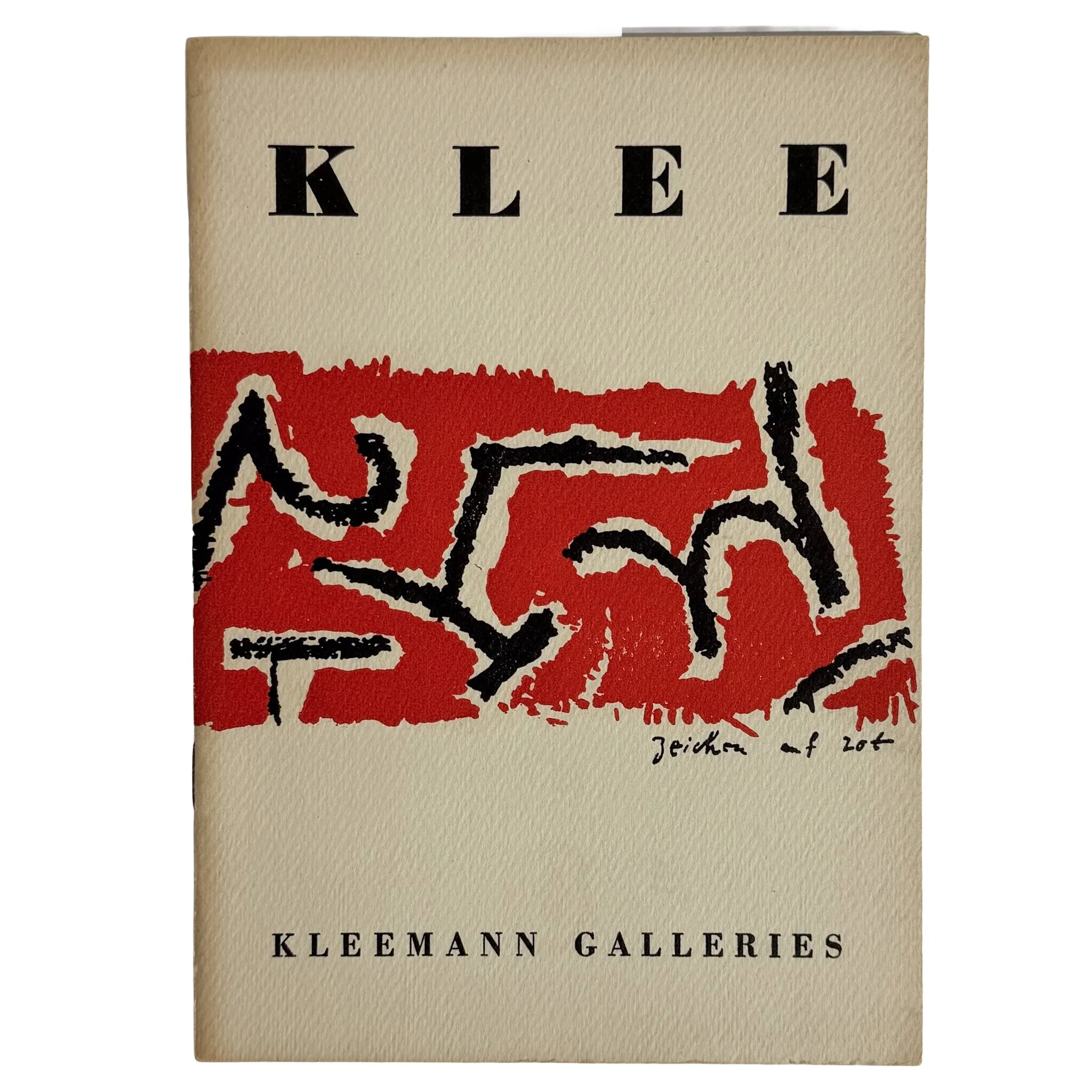
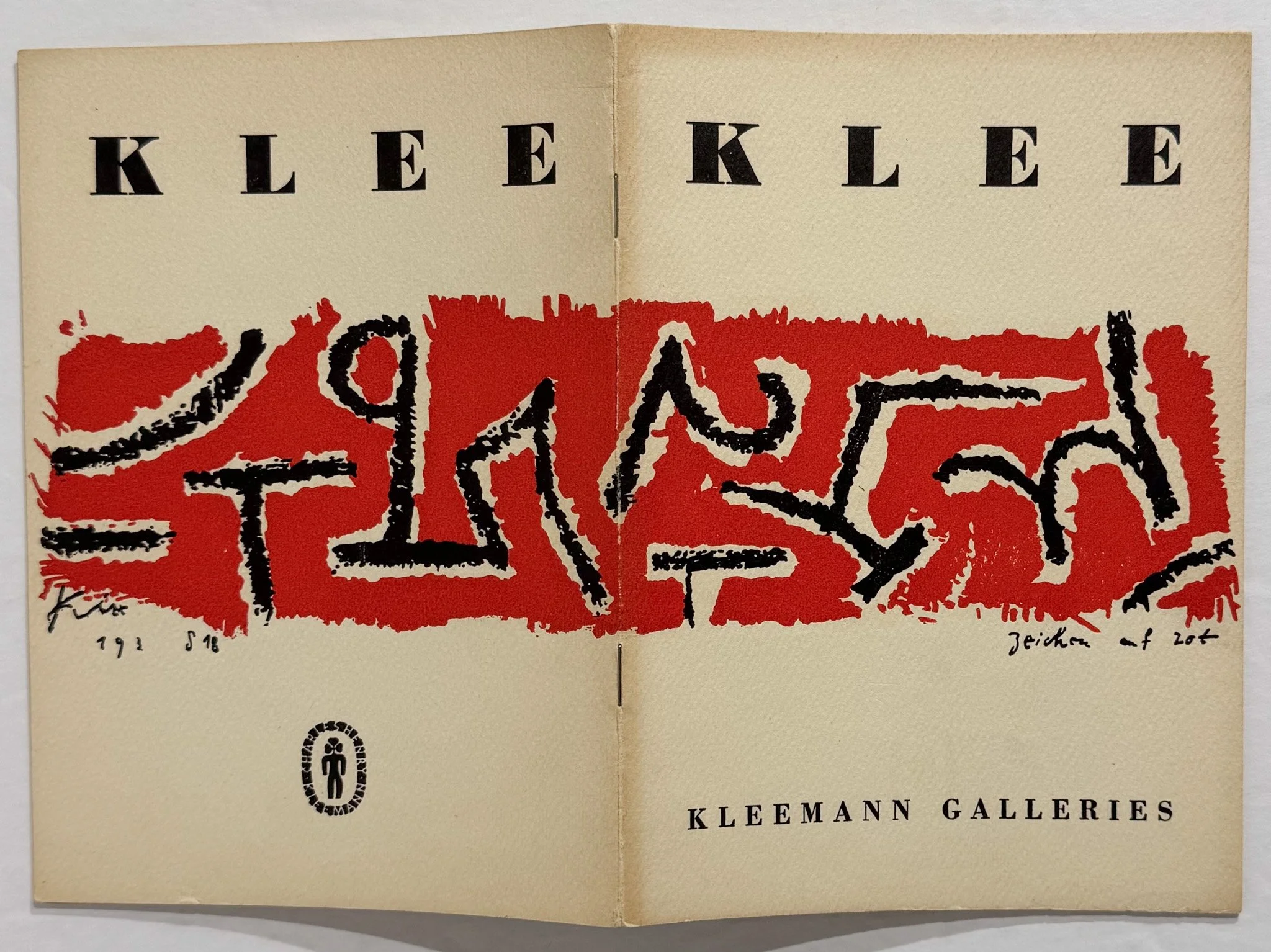
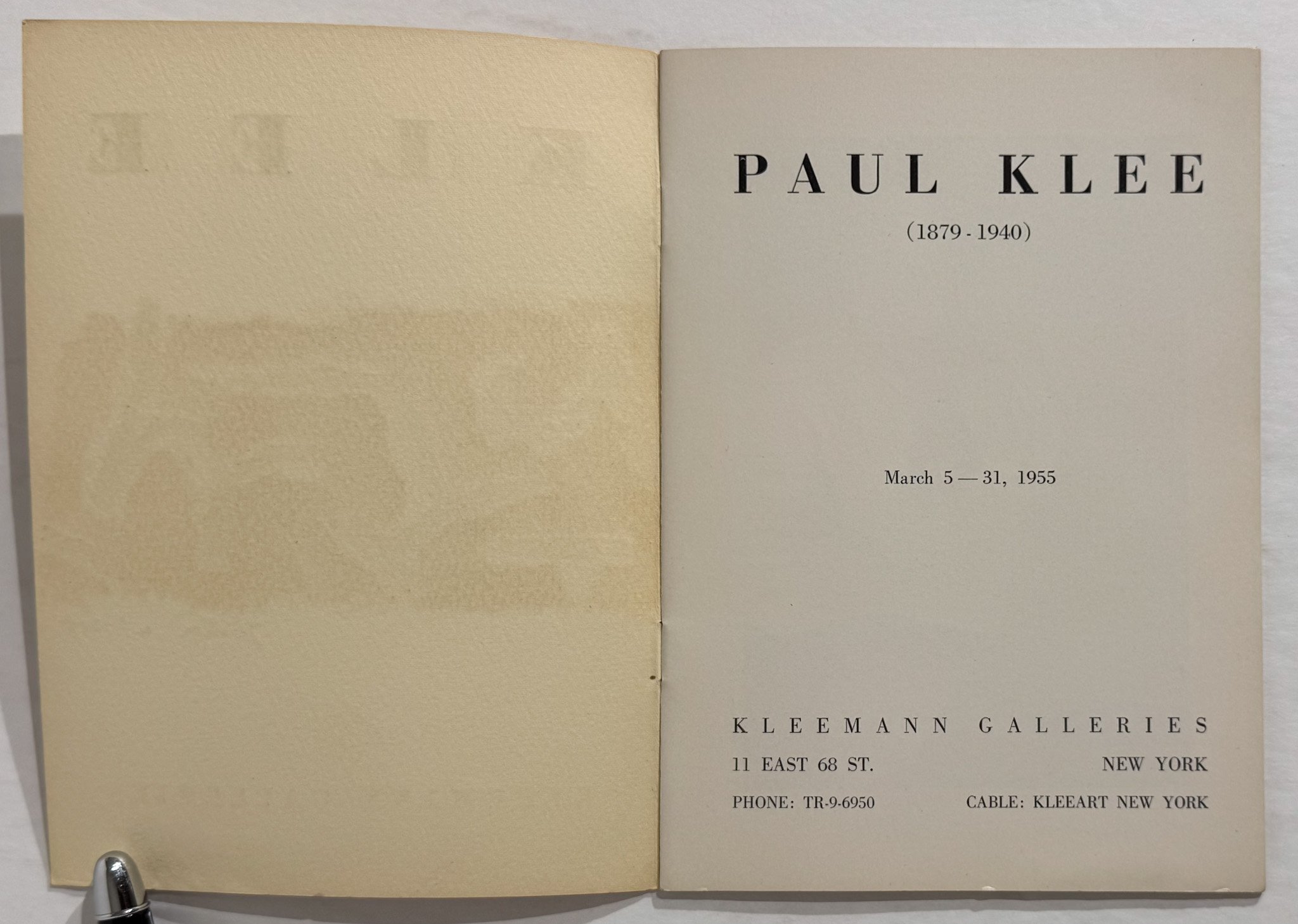
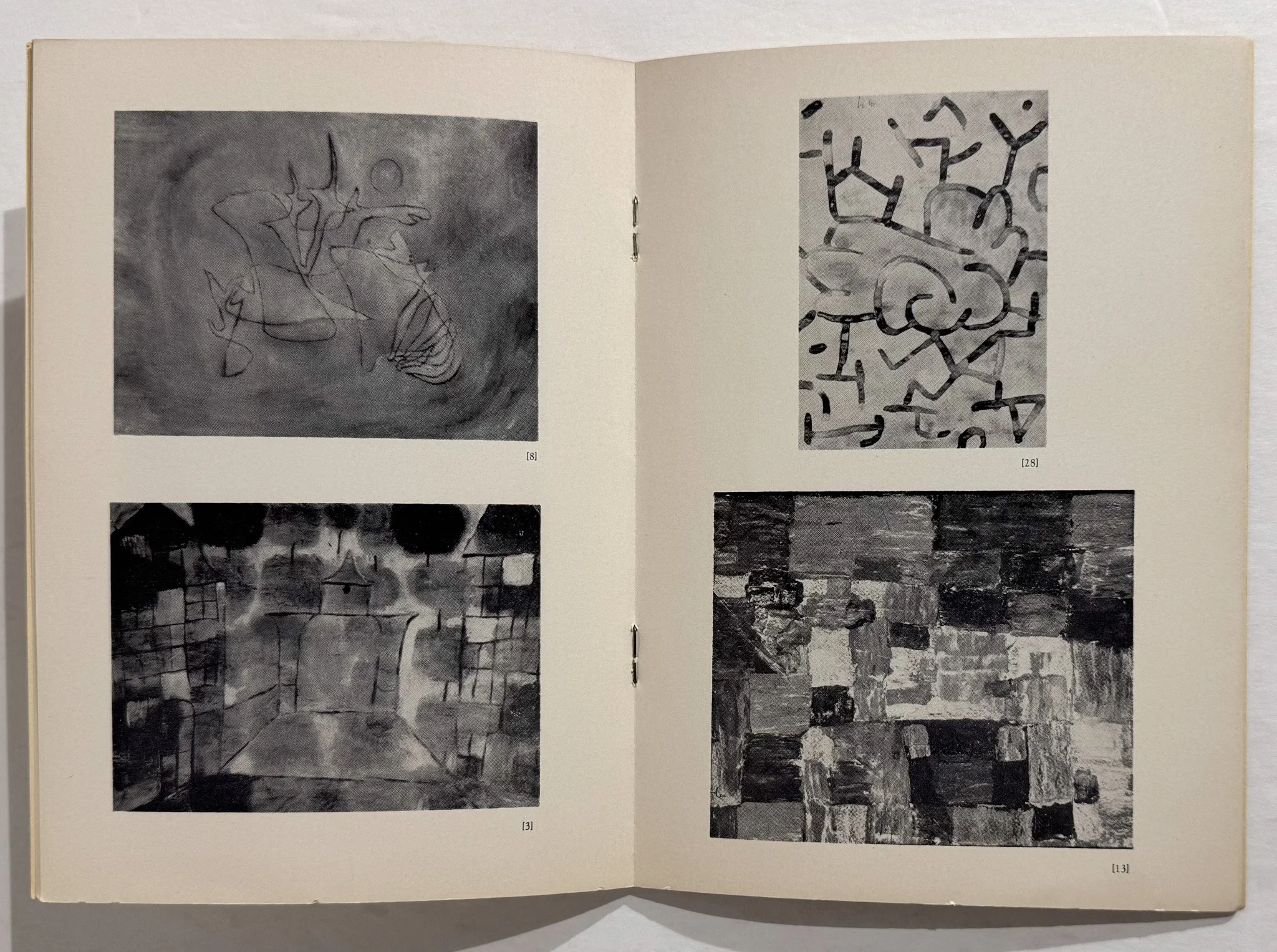
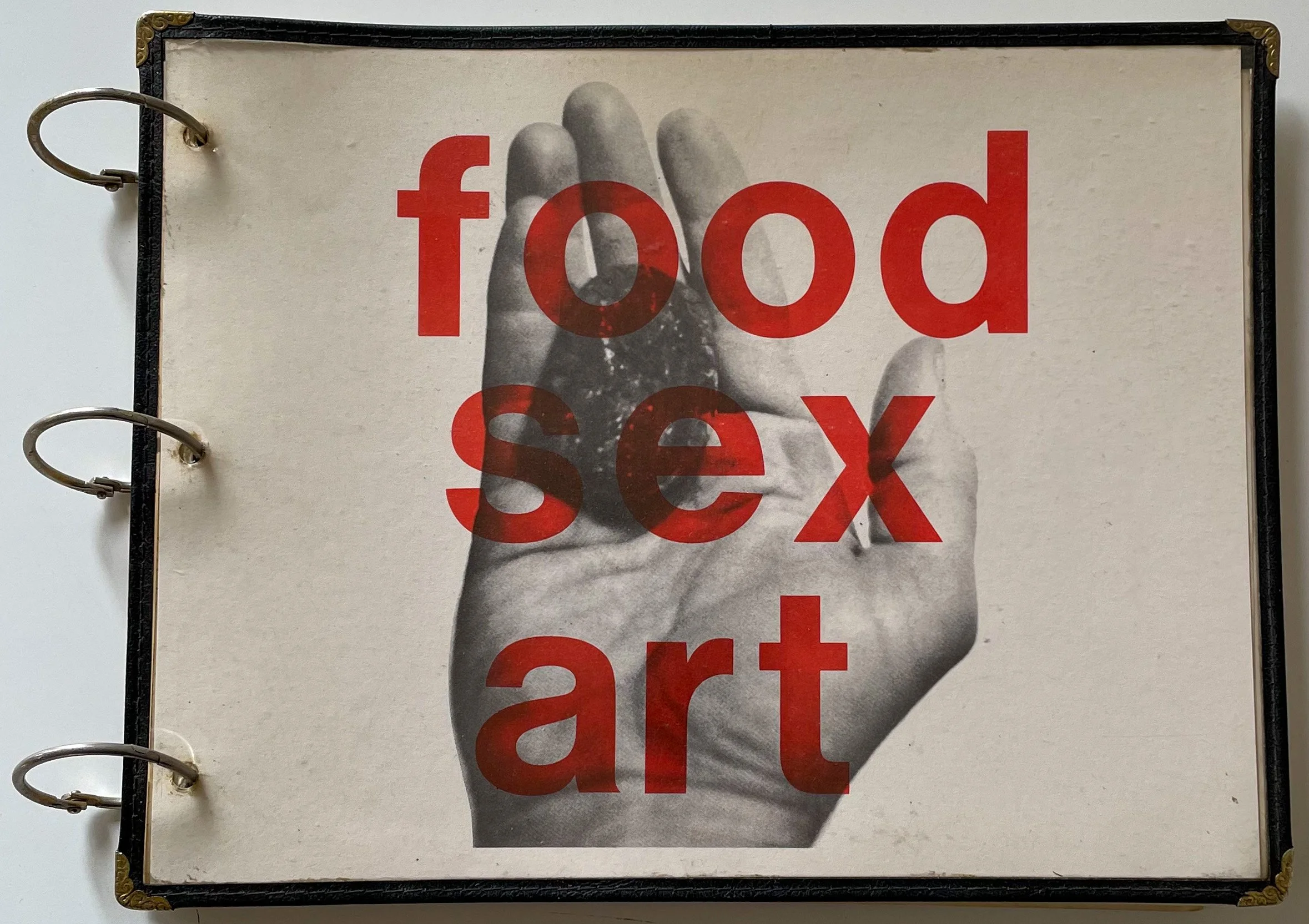
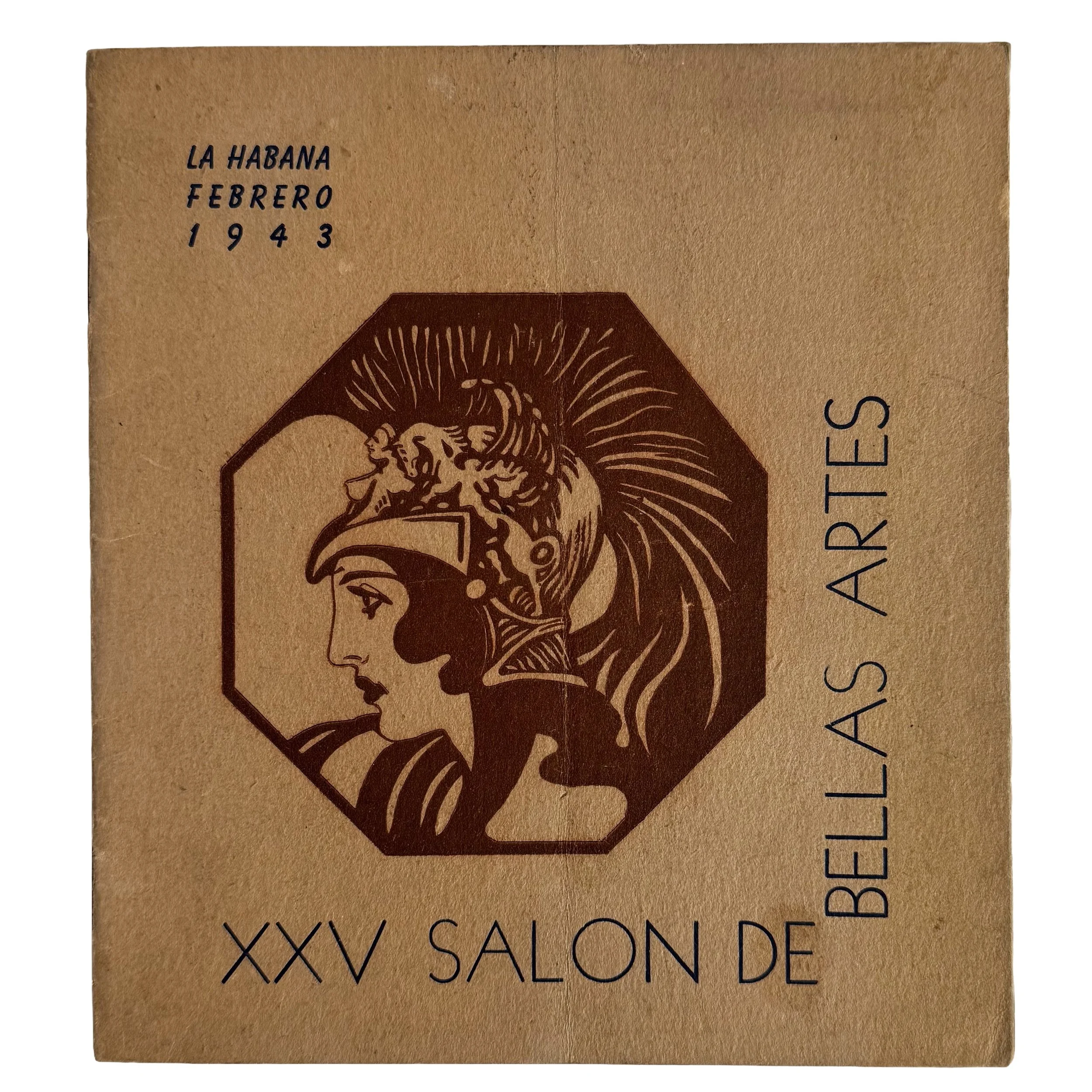
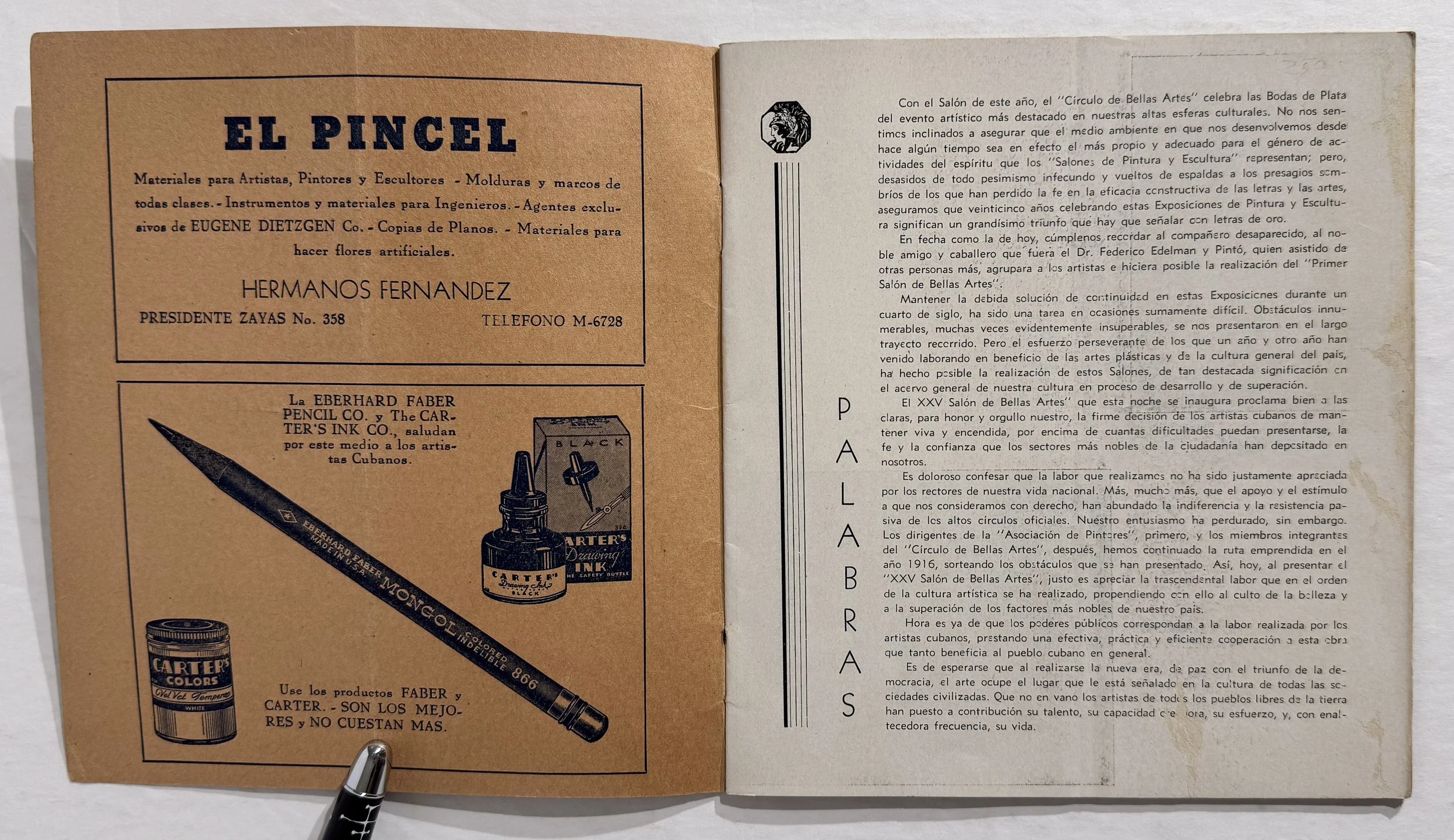
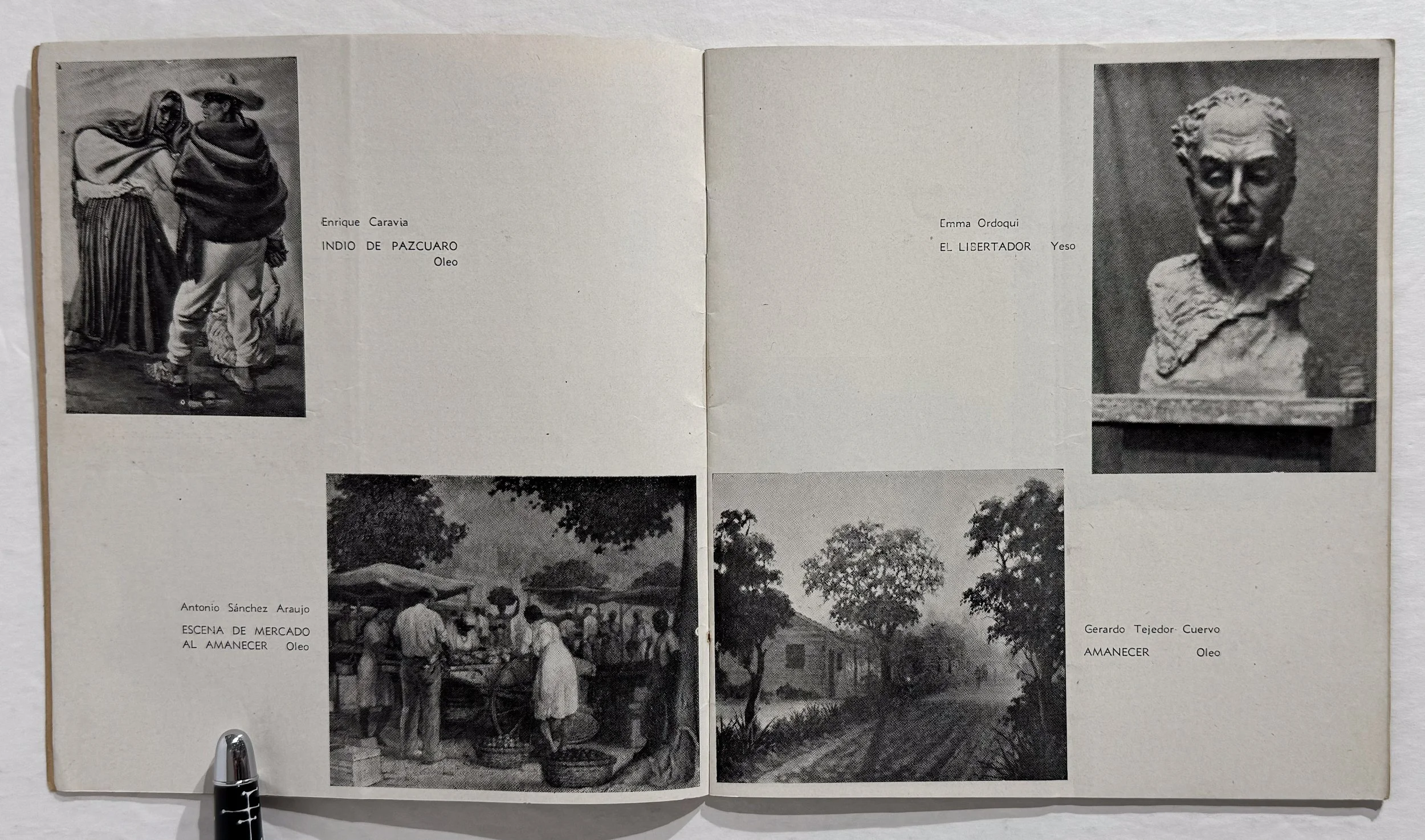
Program issued for the landmark symposium held at MIT from March 20-22, 1968 and convened by György Kepes in conjunction with the dedication of the newly established Center for Advanced Visual Studies. A remarkable gathering at the intersection of art, science, technology, design, and environmental thought, bringing together an extraordinary roster of participants including Robert Rauschenberg, R. Buckminster Fuller, Charles Eames, György Kepes, Otto Piene, Stan VanDerBeek, Aldo Tambellini, Billy Klüver, Jack Burnham, Robert Morris, Jerome Wiesner, Isidor I. Rabi, Julian Schwinger, Dennis Gabor, Murray Gell-Mann, Victor Weisskopf, Edwin Salpeter, and Robert R. Wilson, among many others.Th e list includes two future Pritzker-equivalent figures in design and architecture, one of the most important postwar American artists, the founders of MIT's Center for Advanced Visual Studies, major pioneers of electronic and multimedia art, the leading theorist of systems aesthetics, key figures behind Experiments in Art and Technology (E.A.T), and multiple Nobel laureates and future Nobel laureates in physics. Small 8vo (5.75” x 7.7 5”), embossed and printed stiff French-fold wrappers, 16 unnumbered pages.
Issued at a pivotal moment in the emergence of postwar art-and-technology culture, the symposium documented Kepes's vision of sustained collaboration between artists, scientists, engineers, architects, and theorists—a vision that would shape the development of CAVS and exert lasting influence on media art, systems aesthetics, environmental art, and interdisciplinary practice.
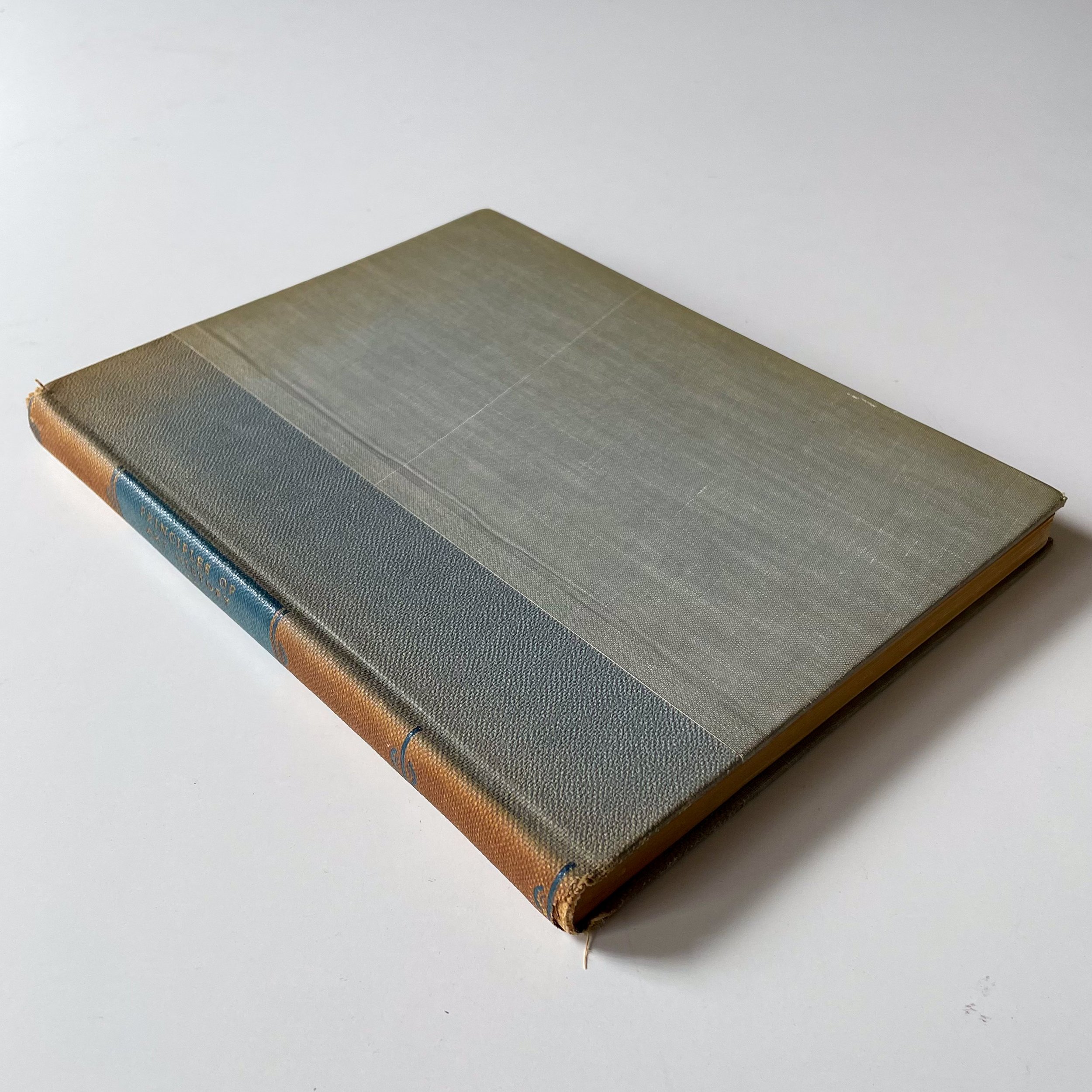
Of particular design interest, the blind-embossed geometric motif on the wrappers appears to anticipate the graphic device later adopted by Kepes for his Arts of the Environment (1972), one of the most influential volumes in his Vision + Value series. Seen in this context, the program functions not merely as conference ephemera but as an early expression of the visual and intellectual identity Kepes was developing around the Center for Advanced Visual Studies.
A scarce and historically important document recording one of the seminal gatherings in the history of postwar art, design, science, and technology. Light rubbing to extremities, otherwise near fine.
Light bumping and rubbing to dj.
Program issued for the landmark symposium held at MIT from March 20-22, 1968 and convened by György Kepes in conjunction with the dedication of the newly established Center for Advanced Visual Studies. A remarkable gathering at the intersection of art, science, technology, design, and environmental thought, bringing together an extraordinary roster of participants including Robert Rauschenberg, R. Buckminster Fuller, Charles Eames, György Kepes, Otto Piene, Stan VanDerBeek, Aldo Tambellini, Billy Klüver, Jack Burnham, Robert Morris, Jerome Wiesner, Isidor I. Rabi, Julian Schwinger, Dennis Gabor, Murray Gell-Mann, Victor Weisskopf, Edwin Salpeter, and Robert R. Wilson, among many others.Th e list includes two future Pritzker-equivalent figures in design and architecture, one of the most important postwar American artists, the founders of MIT's Center for Advanced Visual Studies, major pioneers of electronic and multimedia art, the leading theorist of systems aesthetics, key figures behind Experiments in Art and Technology (E.A.T), and multiple Nobel laureates and future Nobel laureates in physics. Small 8vo (5.75” x 7.7 5”), embossed and printed stiff French-fold wrappers, 16 unnumbered pages.
Issued at a pivotal moment in the emergence of postwar art-and-technology culture, the symposium documented Kepes's vision of sustained collaboration between artists, scientists, engineers, architects, and theorists—a vision that would shape the development of CAVS and exert lasting influence on media art, systems aesthetics, environmental art, and interdisciplinary practice.
Of particular design interest, the blind-embossed geometric motif on the wrappers appears to anticipate the graphic device later adopted by Kepes for his Arts of the Environment (1972), one of the most influential volumes in his Vision + Value series. Seen in this context, the program functions not merely as conference ephemera but as an early expression of the visual and intellectual identity Kepes was developing around the Center for Advanced Visual Studies.
A scarce and historically important document recording one of the seminal gatherings in the history of postwar art, design, science, and technology. Light rubbing to extremities, otherwise near fine.
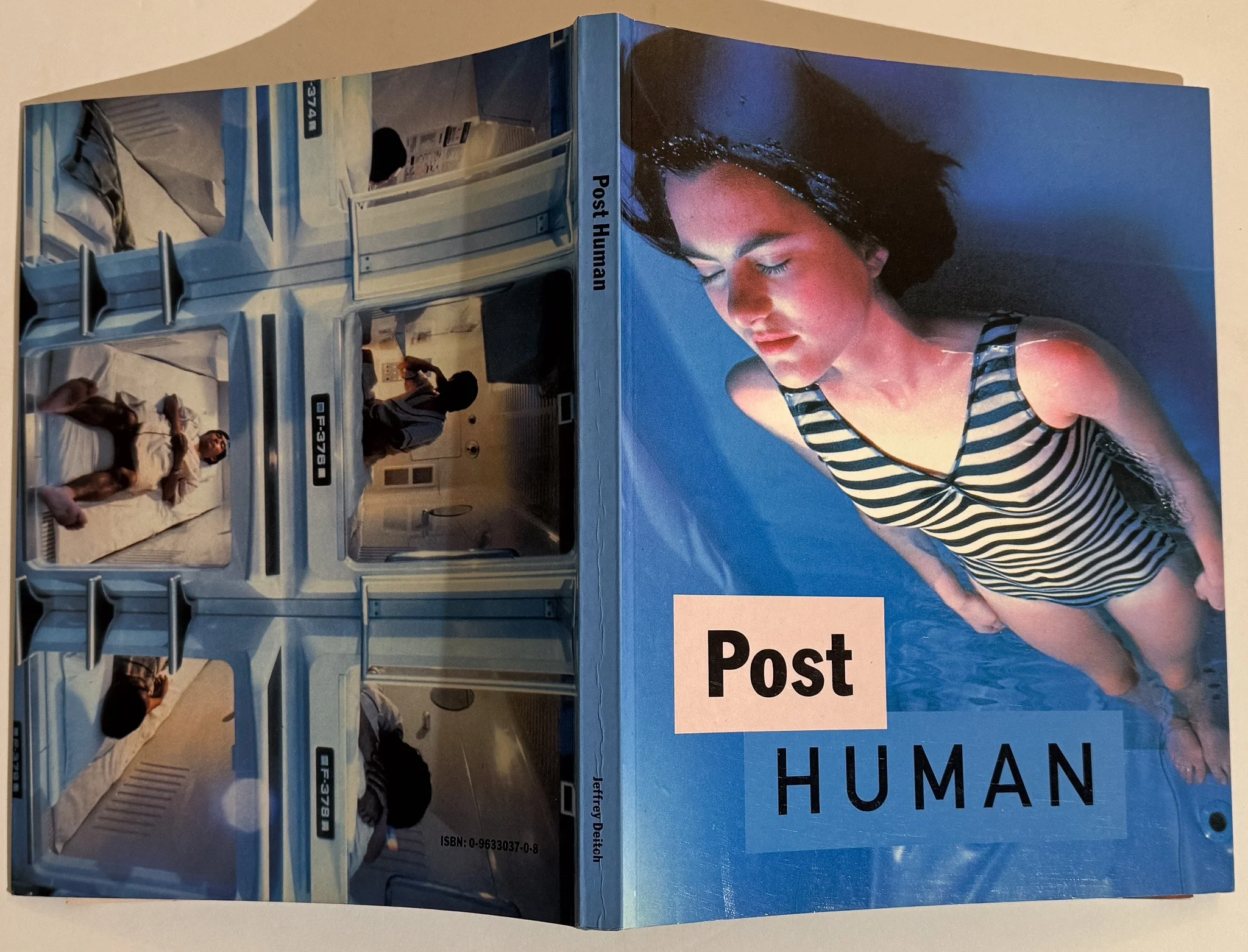
Light bumping and rubbing to dj.

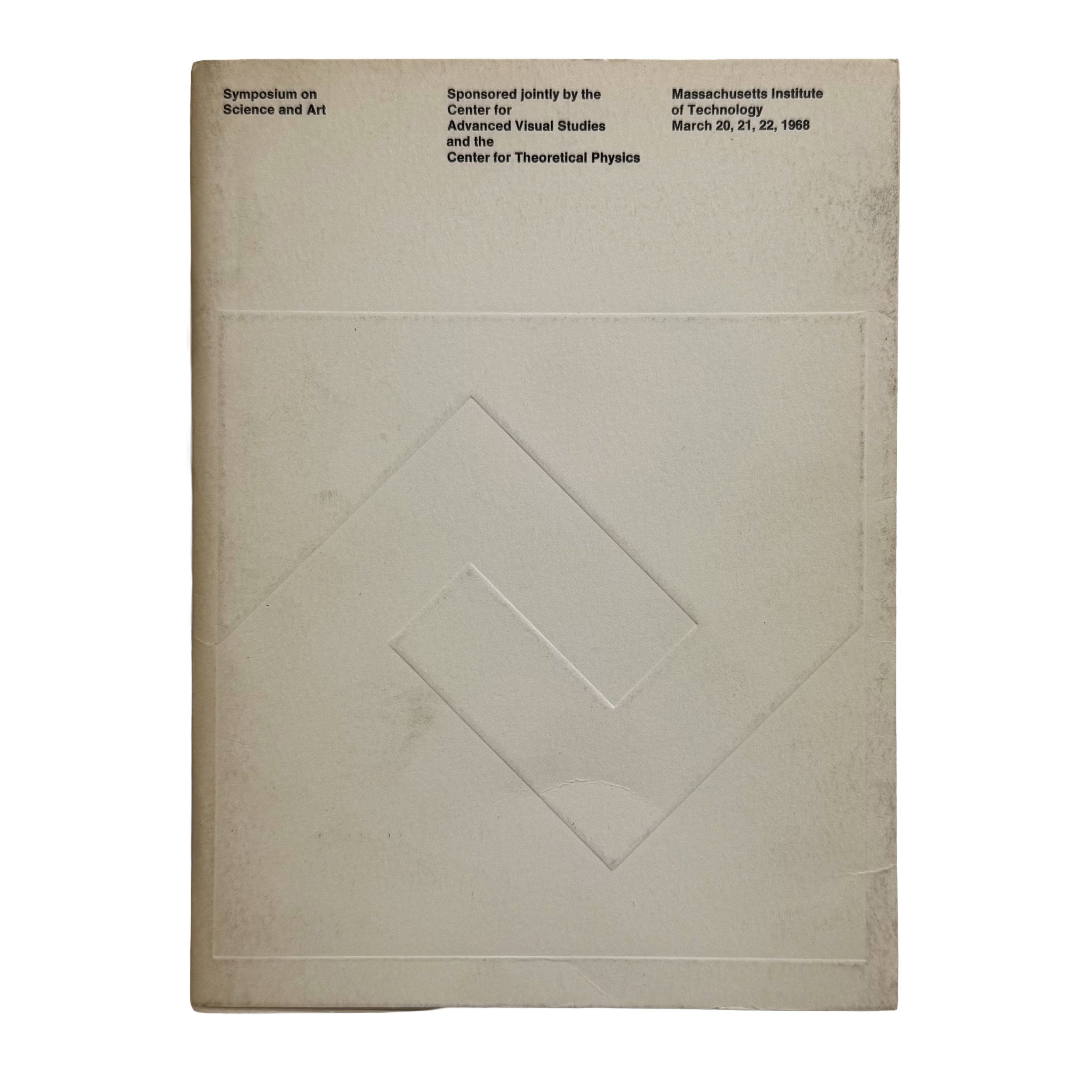 Image 1 of 8
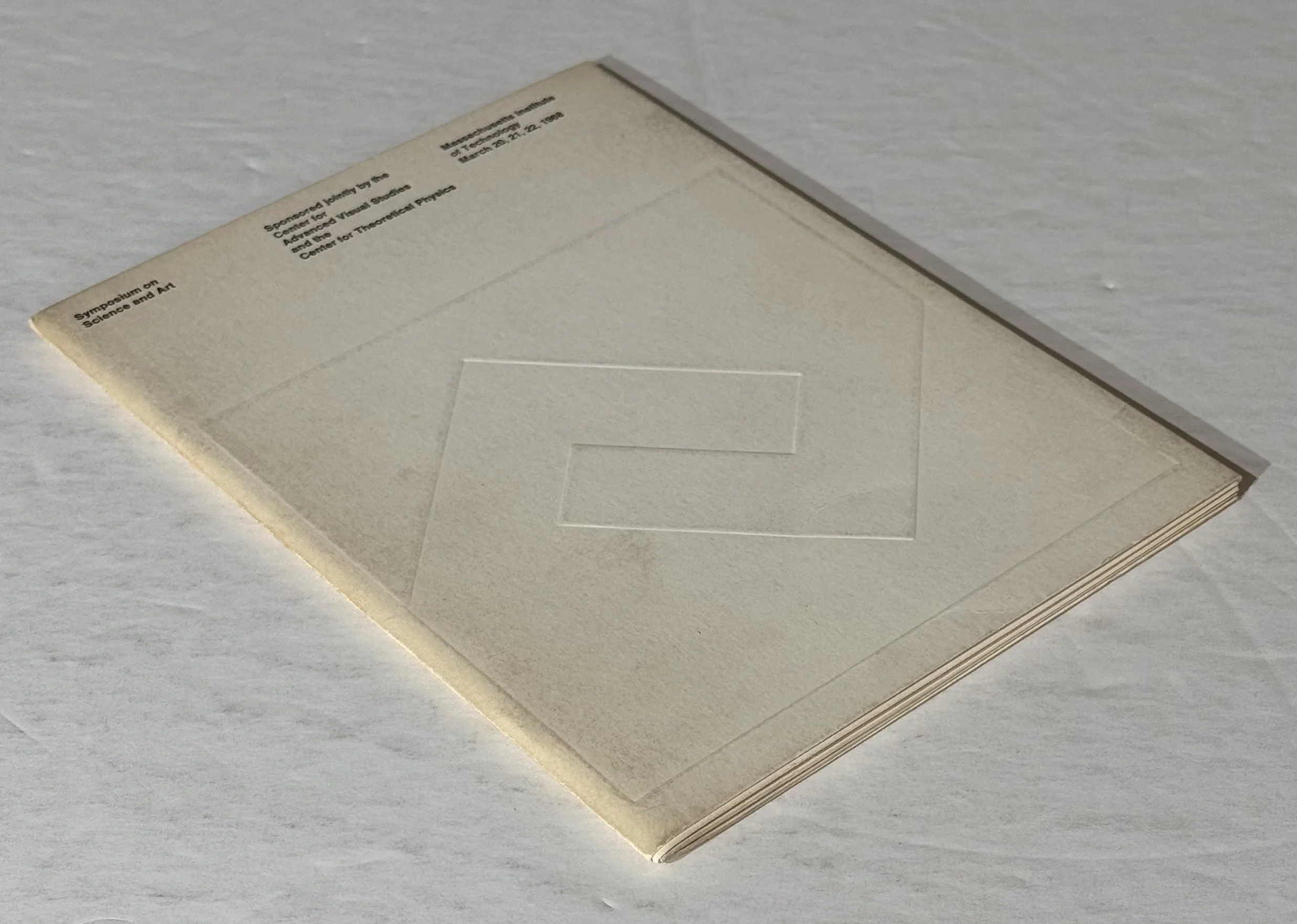 Image 2 of 8
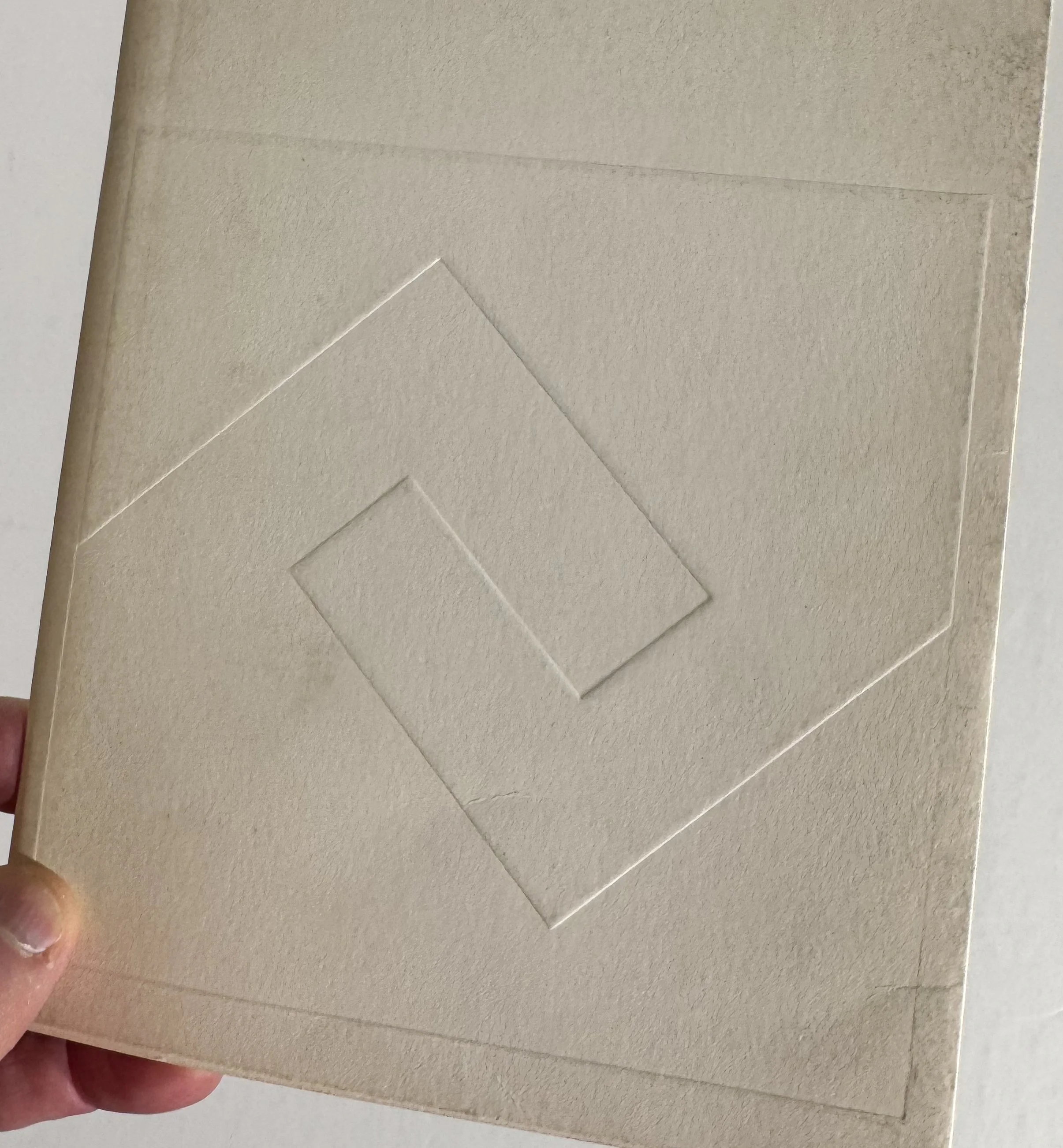 Image 3 of 8
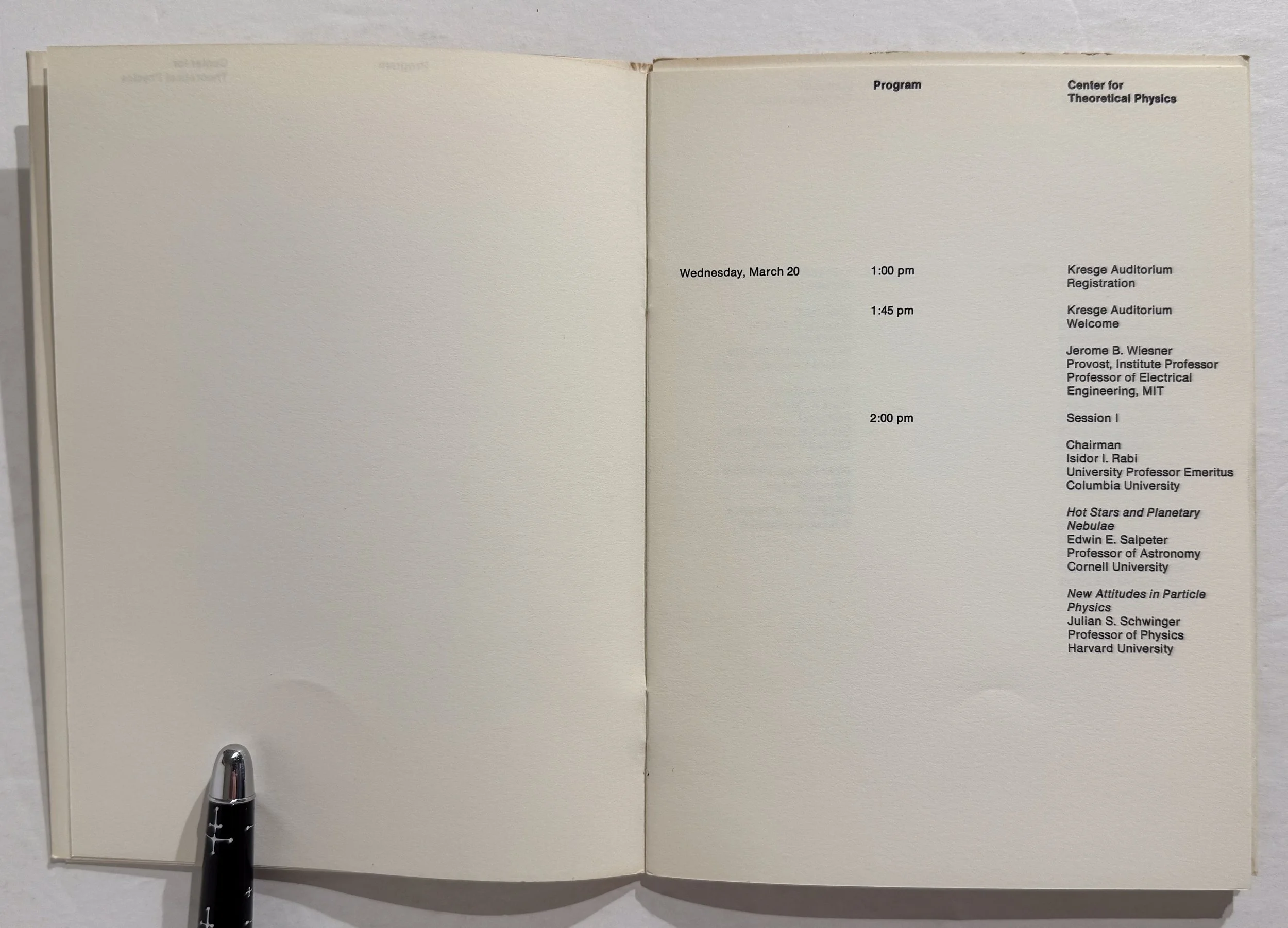 Image 4 of 8
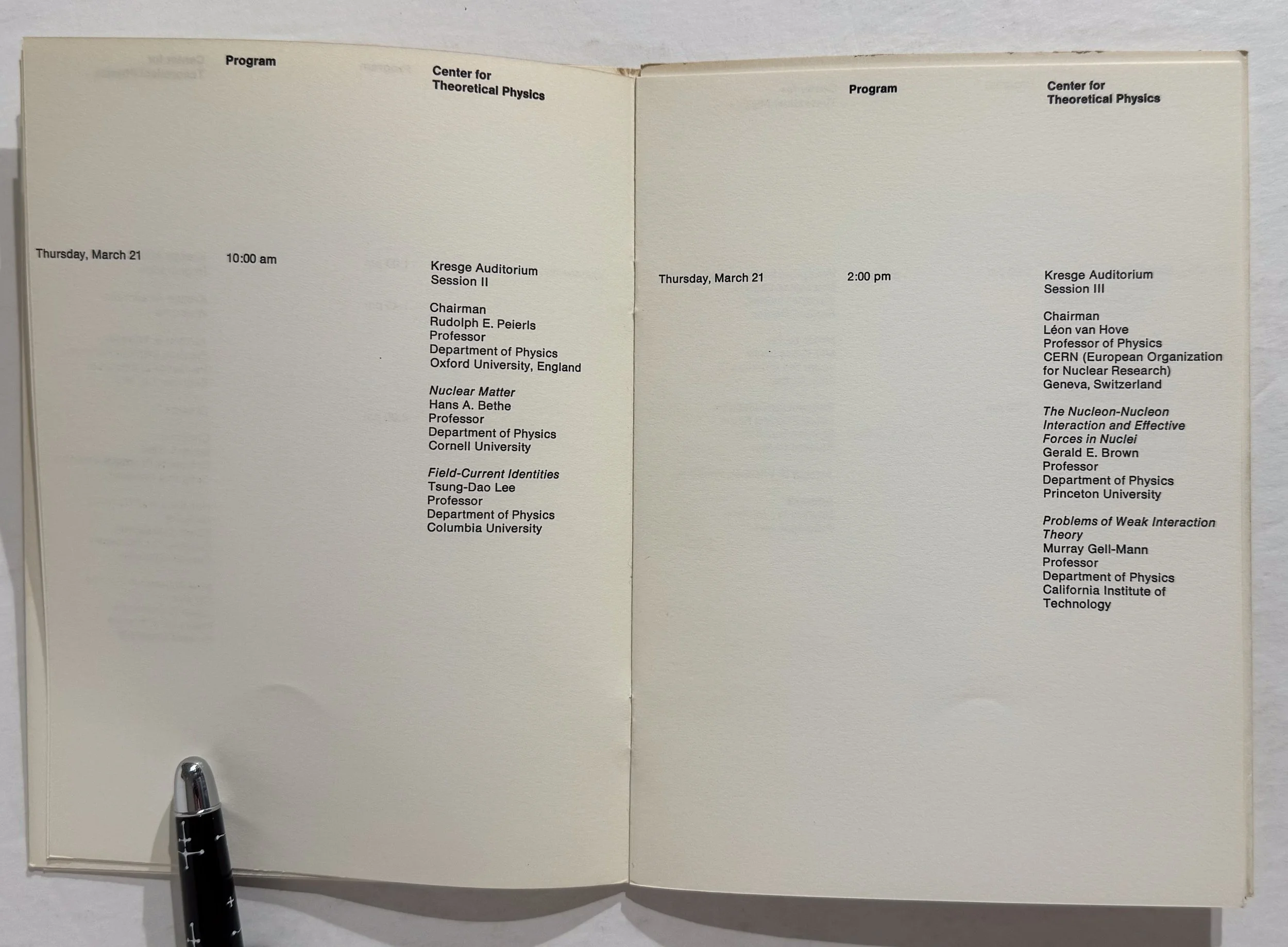 Image 5 of 8
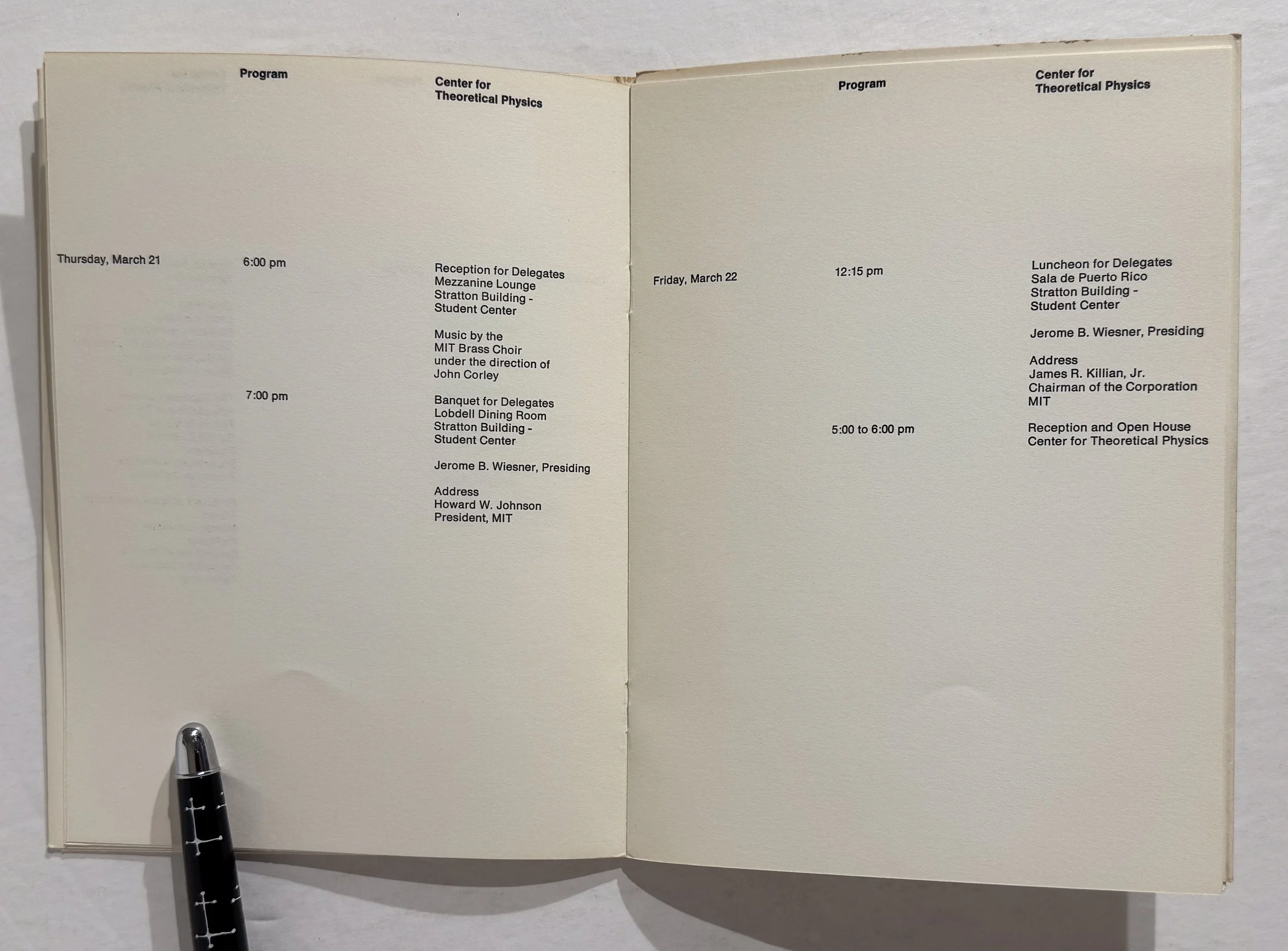 Image 6 of 8
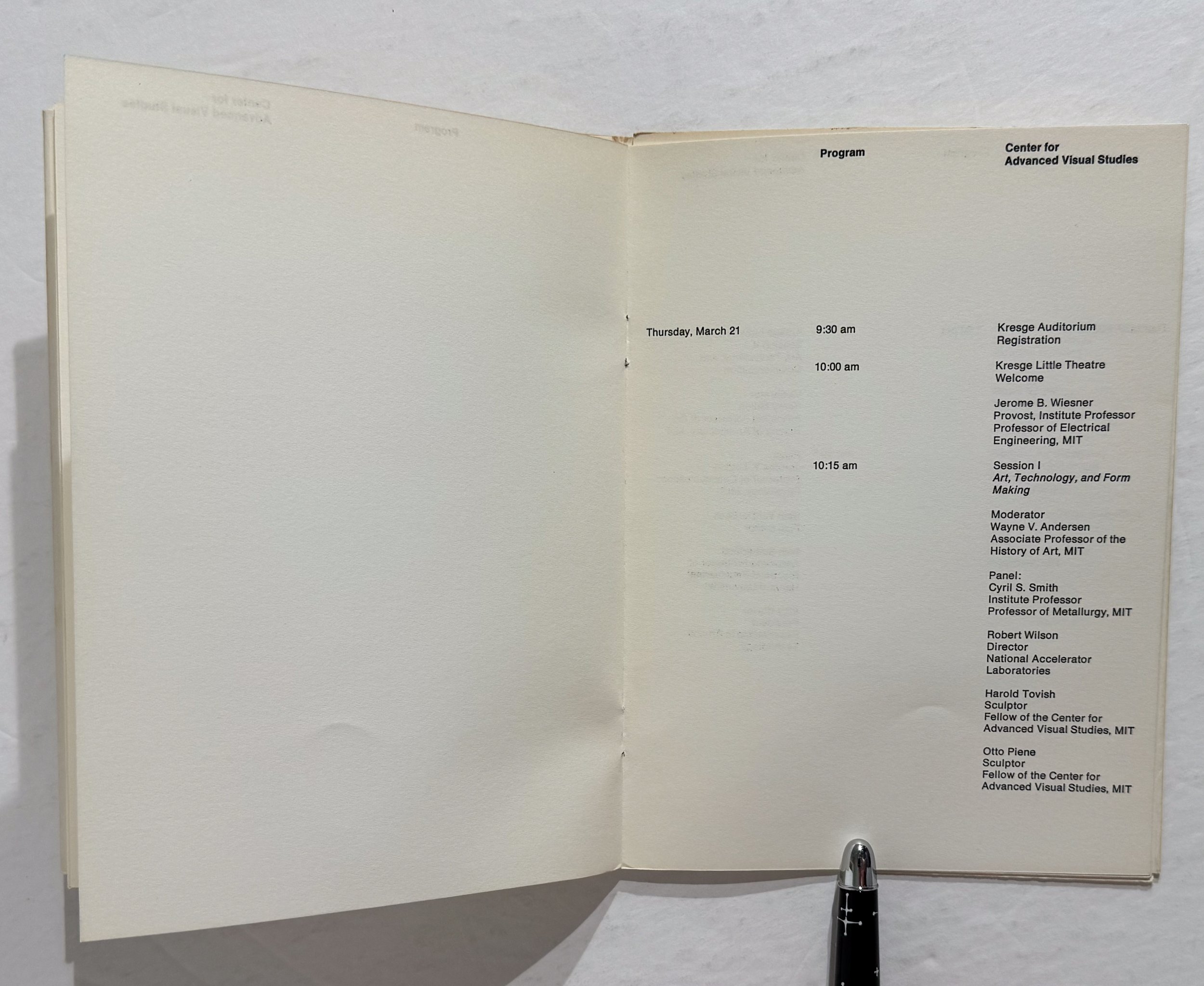 Image 7 of 8
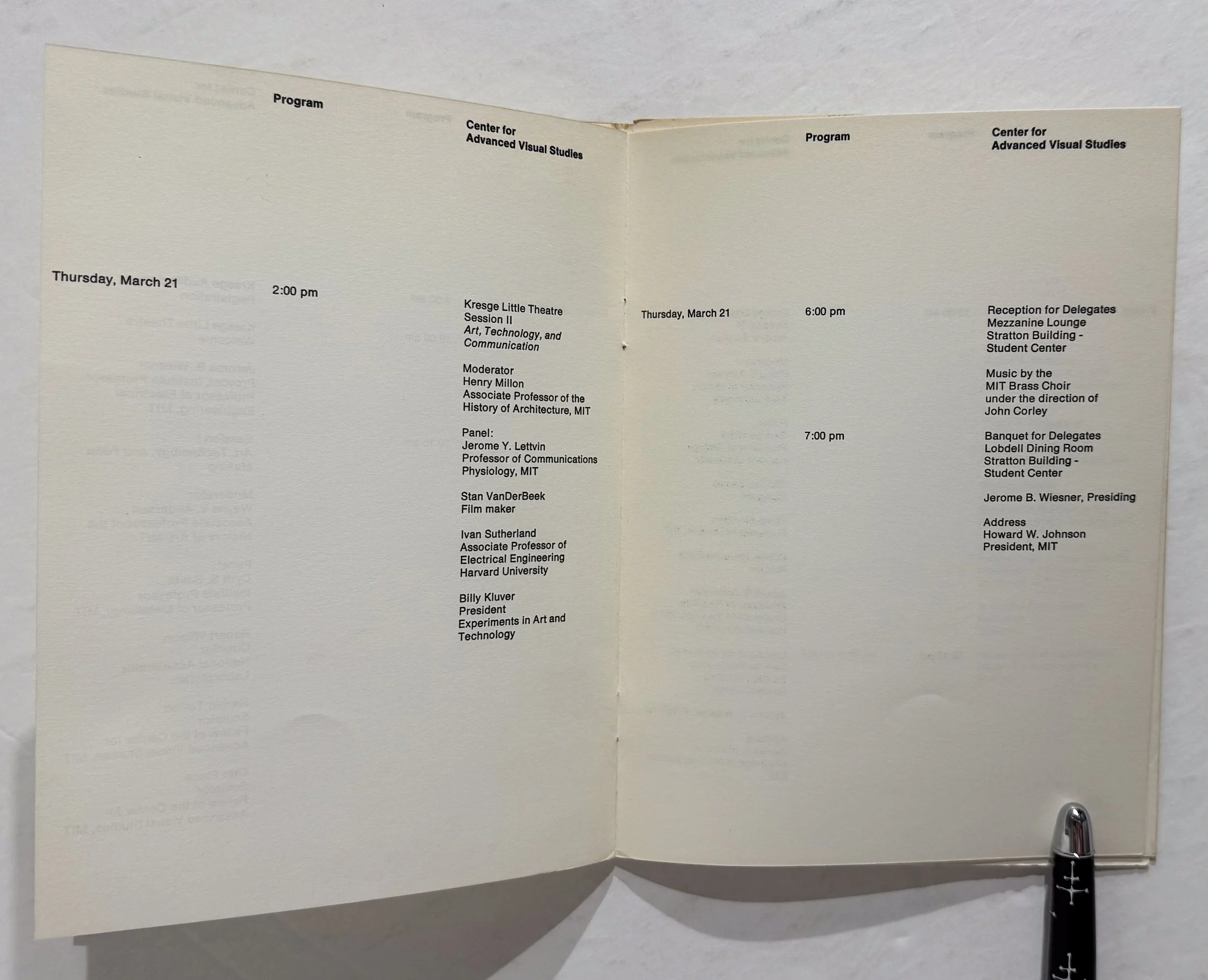 Image 8 of 8