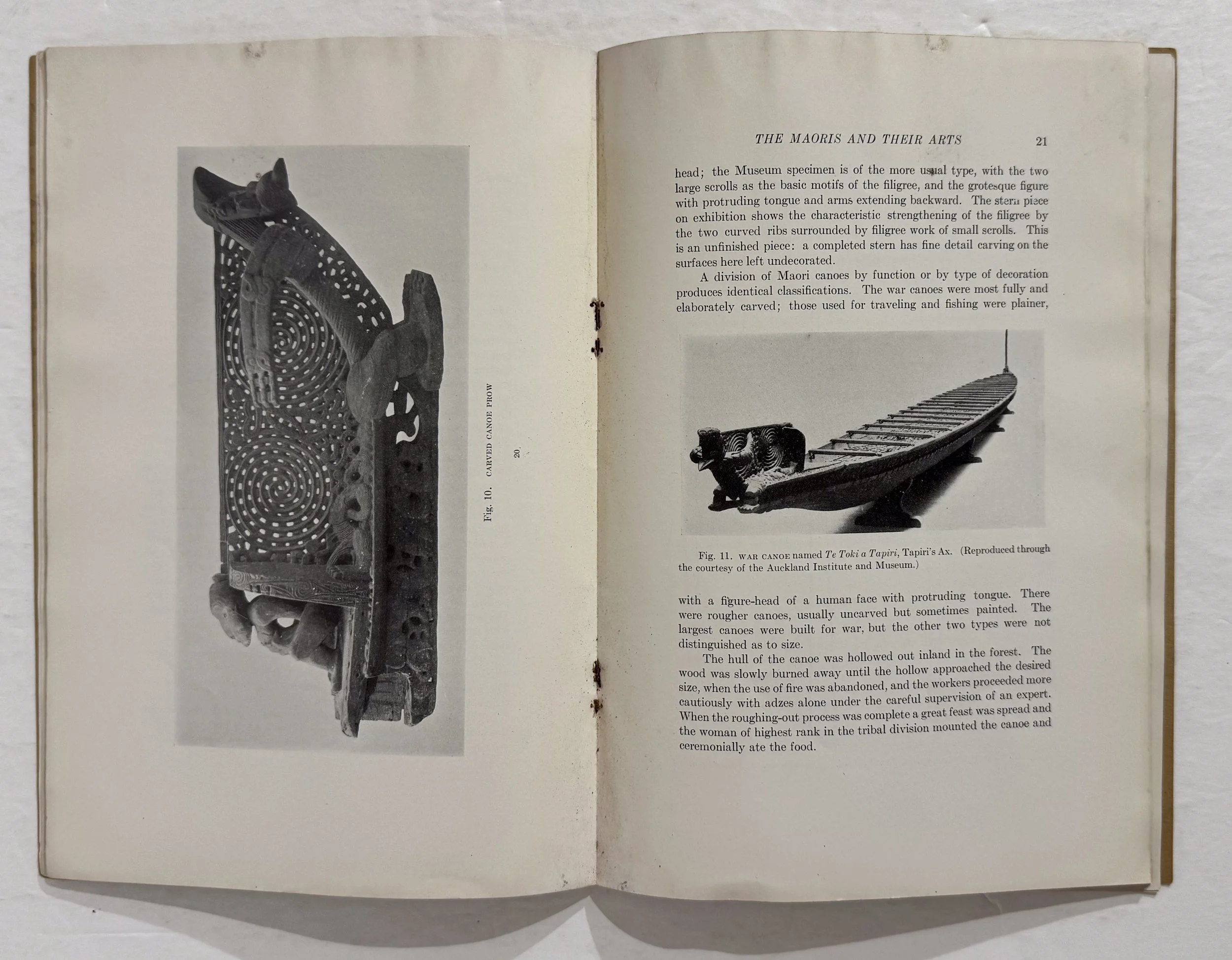
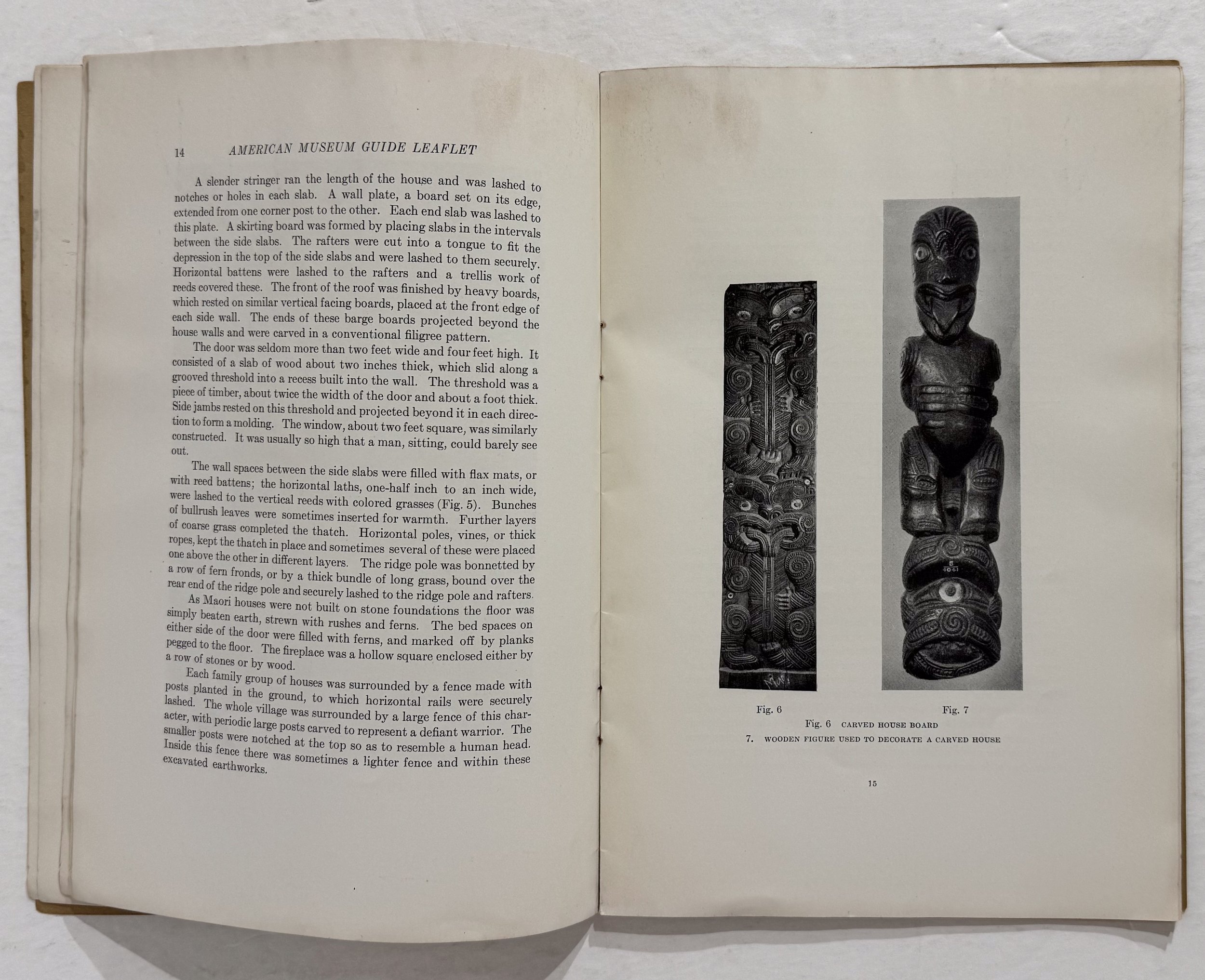
Report published by the Manhattan Engineer District on June 29, 1946 describing the effects of the atomic bombs dropped on Hiroshima and Nagasaki on August 6, 1945 and Aug 9, 1945, respectively. Along with a companion volume of photographs taken during the survey by the Manhattan Engineer District Investigating Group, previously released. The two forming a set that was given to Captain John S Hayes on 29 July 1946, exactly a month after the Report was issued, along with a presentation letter. Hayes was a logistical/supply officer at the Oak Ridge, TN enrichment facility, where he was appointed in January 1946, serving until July, 1947 as the facility transferred to civilian control. While this provenance provides excellent bona fides for the two documents, the accompanying letter from Col. Elmer Ellsworth Kirkpatrick is more momentous. Kirkpatrick was a Zelig-like figure for the last phase of the Manhattan Project, selected by General Leslie R. Groves as a special assistant and field inspector in September, 1944. Kirkpatrick toured most of the Manhattan project sites in 1945, including Los Alamos (where family records indicate he witnessed the Trinity Test), Wendover Field, and Kirtland field, where his top-secret duties included assisting in the inspection of bomb prototypes, observing the training of the 509th Composite Group, and helping plan the shipment of essential equipment and bomb components to Tinian, from whence the atomic bombing missions were launched. In March, 1945, he was sent to Tinian and Iwo Jima to oversee and expedite construction of the base facilities at these two critical staging sites; while there he served as Groves’s liaison with the USAAF and USN. Following this posting, in November 1945 Kirkpatrick was appointed Deputy District Engineer—base commander—at Oak Ridge, a position he held until early in 1947 when he was named Acting Manager of Field Operations for the Atomic Energy Commission in Washington, DC and then Chief of Staff of the Armed Forces Special Weapons Project. In the mid-1950’s he served in Japan as head of the Construction Division of the Far East Command and Chief of the Japan Construction Agency. He concluded his military service as district engineer in Jacksonville, Florida, where he was responsible for the construction of the initial facilities at Cape Canaveral for the NASA space program. Taken together, the letter and two reports form a coherent and historically significant narrative with a close association to a key military figure (Kirkpatrick) in the Manhattan Project, the postwar nuclear program, the early space program, and the postwar reconstruction of Japan. Note: Hayes’s name on the cover of the first report appears to be in Kirkpatrick’s handwriting. First report: 8vo (10.5” x 8”), side stapled with printed stiff wrappers, (ii) 42 pages plus 2 fold-out maps and a diagram. Second report: 8vo (10.5” x 8”), side-stapled with printed stiff wrappers, 101 pages including 2 fold-out maps, a diagram,, and 98 full-page, captioned b/w photographs. Light bumping and rubbing to extremities of wrappers. Creasing and small closed tears to right edge of letter. Price is for the group of three documents—the two reports and the letter.
Report published by the Manhattan Engineer District on June 29, 1946 describing the effects of the atomic bombs dropped on Hiroshima and Nagasaki on August 6, 1945 and Aug 9, 1945, respectively. Along with a companion volume of photographs taken during the survey by the Manhattan Engineer District Investigating Group, previously released. The two forming a set that was given to Captain John S Hayes on 29 July 1946, exactly a month after the Report was issued, along with a presentation letter. Hayes was a logistical/supply officer at the Oak Ridge, TN enrichment facility, where he was appointed in January 1946, serving until July, 1947 as the facility transferred to civilian control. While this provenance provides excellent bona fides for the two documents, the accompanying letter from Col. Elmer Ellsworth Kirkpatrick is more momentous. Kirkpatrick was a Zelig-like figure for the last phase of the Manhattan Project, selected by General Leslie R. Groves as a special assistant and field inspector in September, 1944. Kirkpatrick toured most of the Manhattan project sites in 1945, including Los Alamos (where family records indicate he witnessed the Trinity Test), Wendover Field, and Kirtland field, where his top-secret duties included assisting in the inspection of bomb prototypes, observing the training of the 509th Composite Group, and helping plan the shipment of essential equipment and bomb components to Tinian, from whence the atomic bombing missions were launched. In March, 1945, he was sent to Tinian and Iwo Jima to oversee and expedite construction of the base facilities at these two critical staging sites; while there he served as Groves’s liaison with the USAAF and USN. Following this posting, in November 1945 Kirkpatrick was appointed Deputy District Engineer—base commander—at Oak Ridge, a position he held until early in 1947 when he was named Acting Manager of Field Operations for the Atomic Energy Commission in Washington, DC and then Chief of Staff of the Armed Forces Special Weapons Project. In the mid-1950’s he served in Japan as head of the Construction Division of the Far East Command and Chief of the Japan Construction Agency. He concluded his military service as district engineer in Jacksonville, Florida, where he was responsible for the construction of the initial facilities at Cape Canaveral for the NASA space program. Taken together, the letter and two reports form a coherent and historically significant narrative with a close association to a key military figure (Kirkpatrick) in the Manhattan Project, the postwar nuclear program, the early space program, and the postwar reconstruction of Japan. Note: Hayes’s name on the cover of the first report appears to be in Kirkpatrick’s handwriting. First report: 8vo (10.5” x 8”), side stapled with printed stiff wrappers, (ii) 42 pages plus 2 fold-out maps and a diagram. Second report: 8vo (10.5” x 8”), side-stapled with printed stiff wrappers, 101 pages including 2 fold-out maps, a diagram,, and 98 full-page, captioned b/w photographs. Light bumping and rubbing to extremities of wrappers. Creasing and small closed tears to right edge of letter. Price is for the group of three documents—the two reports and the letter.

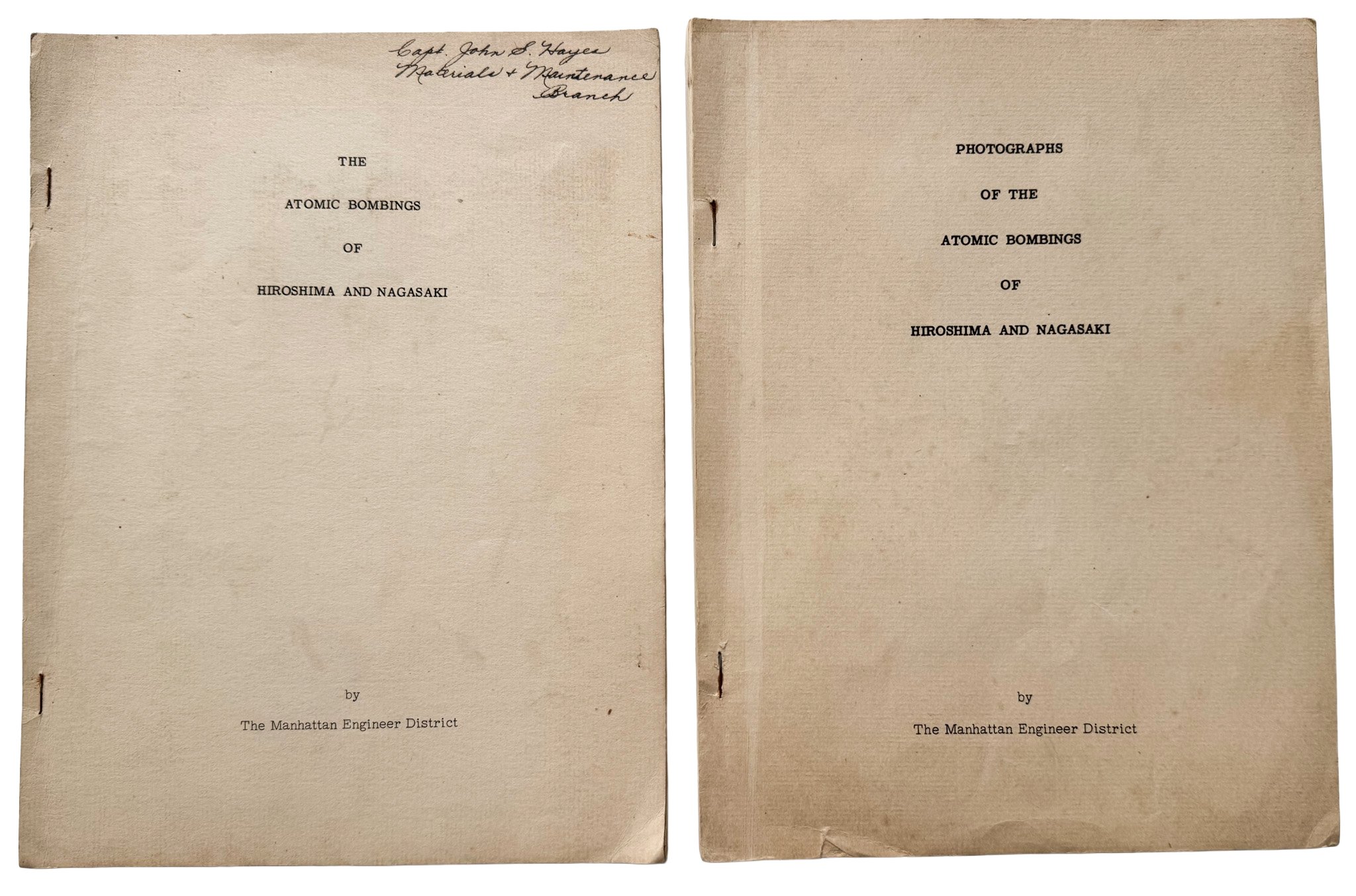 Image 1 of 13
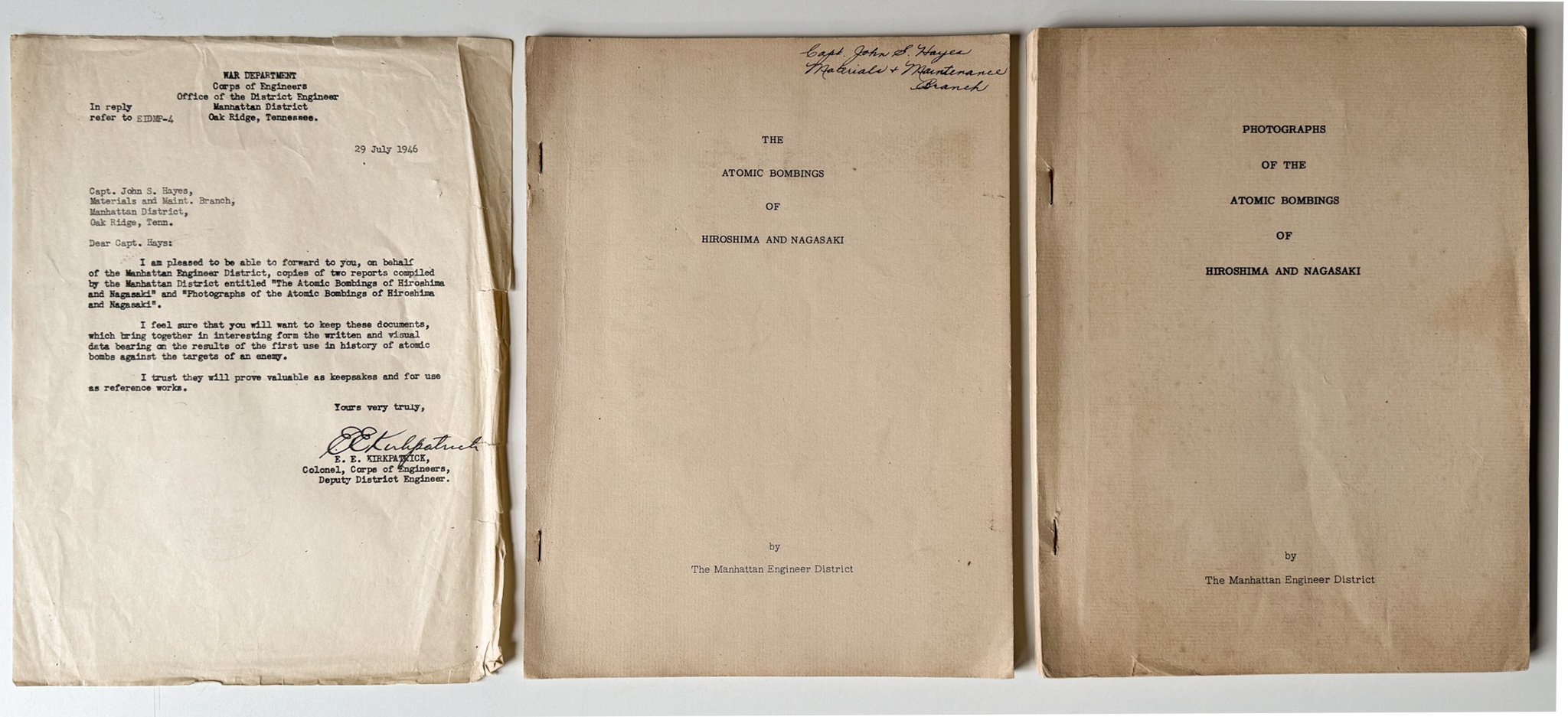 Image 2 of 13
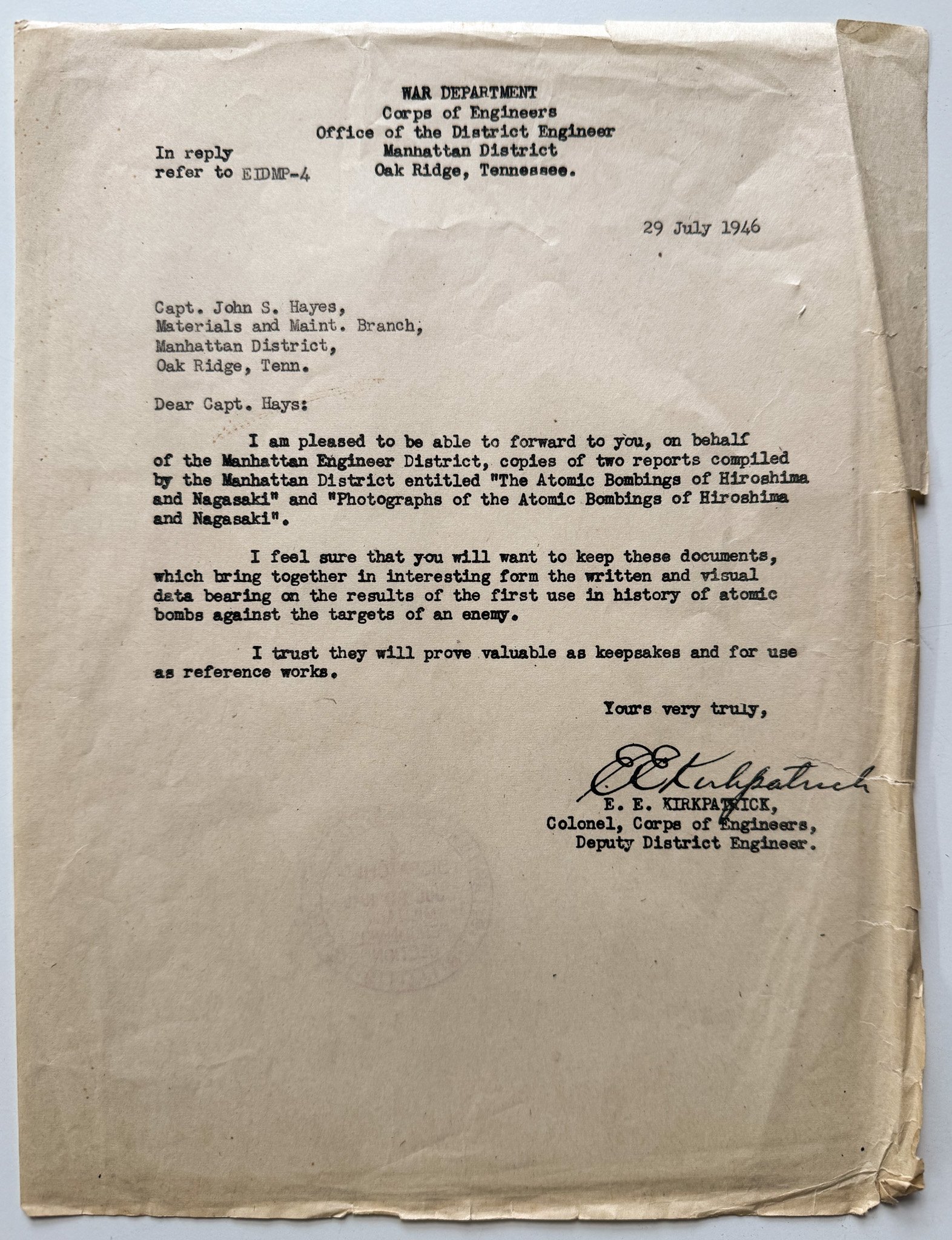 Image 3 of 13
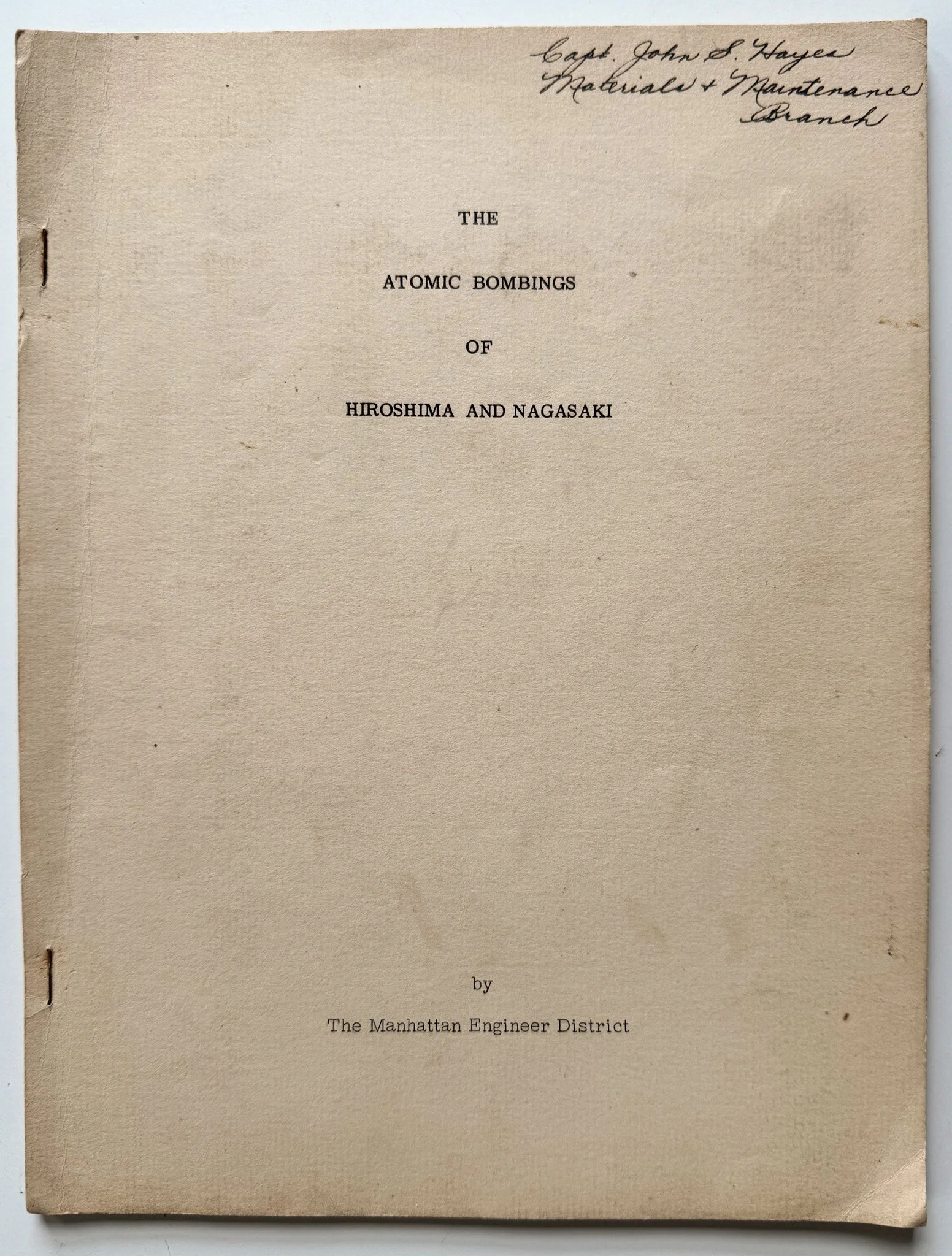 Image 4 of 13
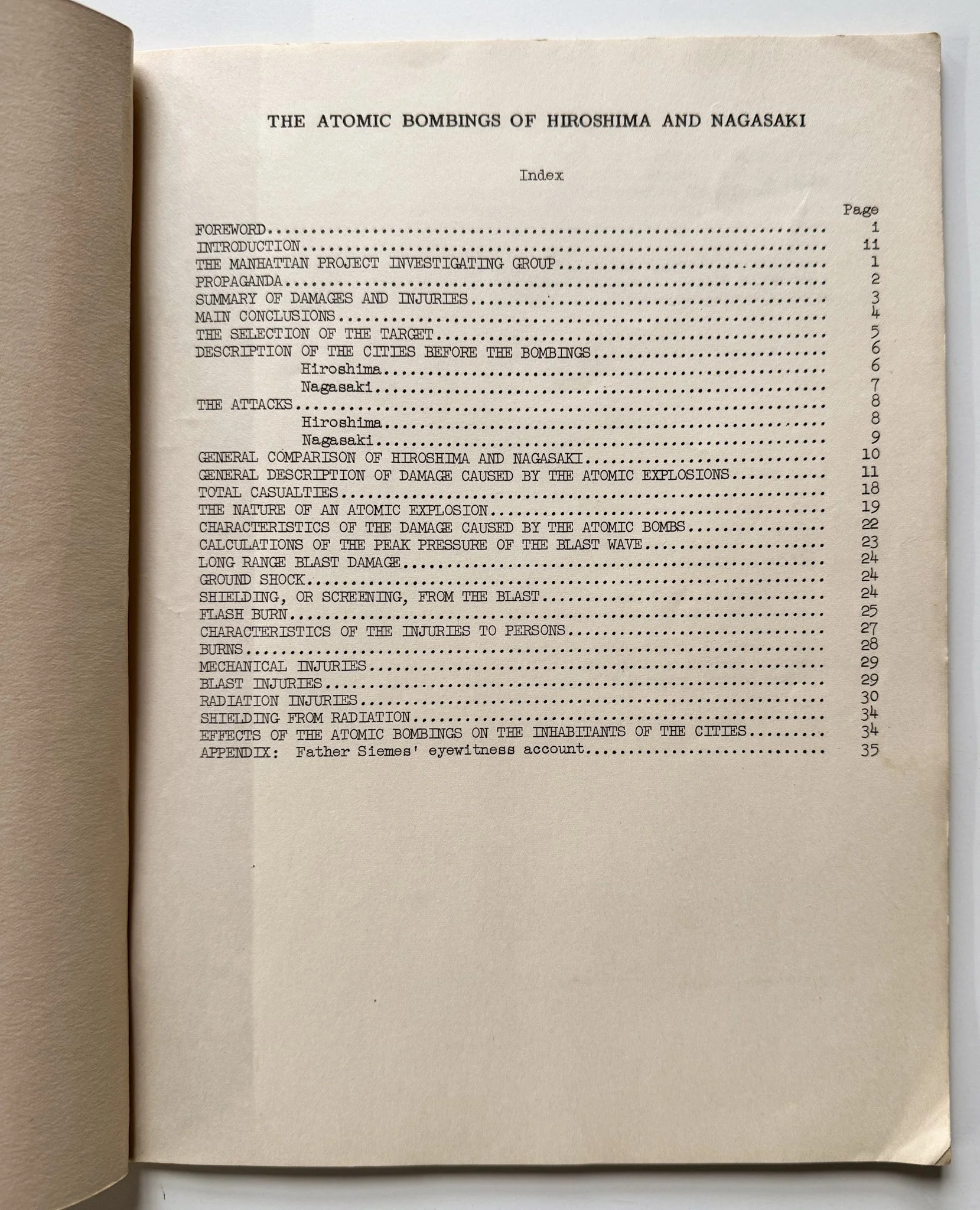 Image 5 of 13
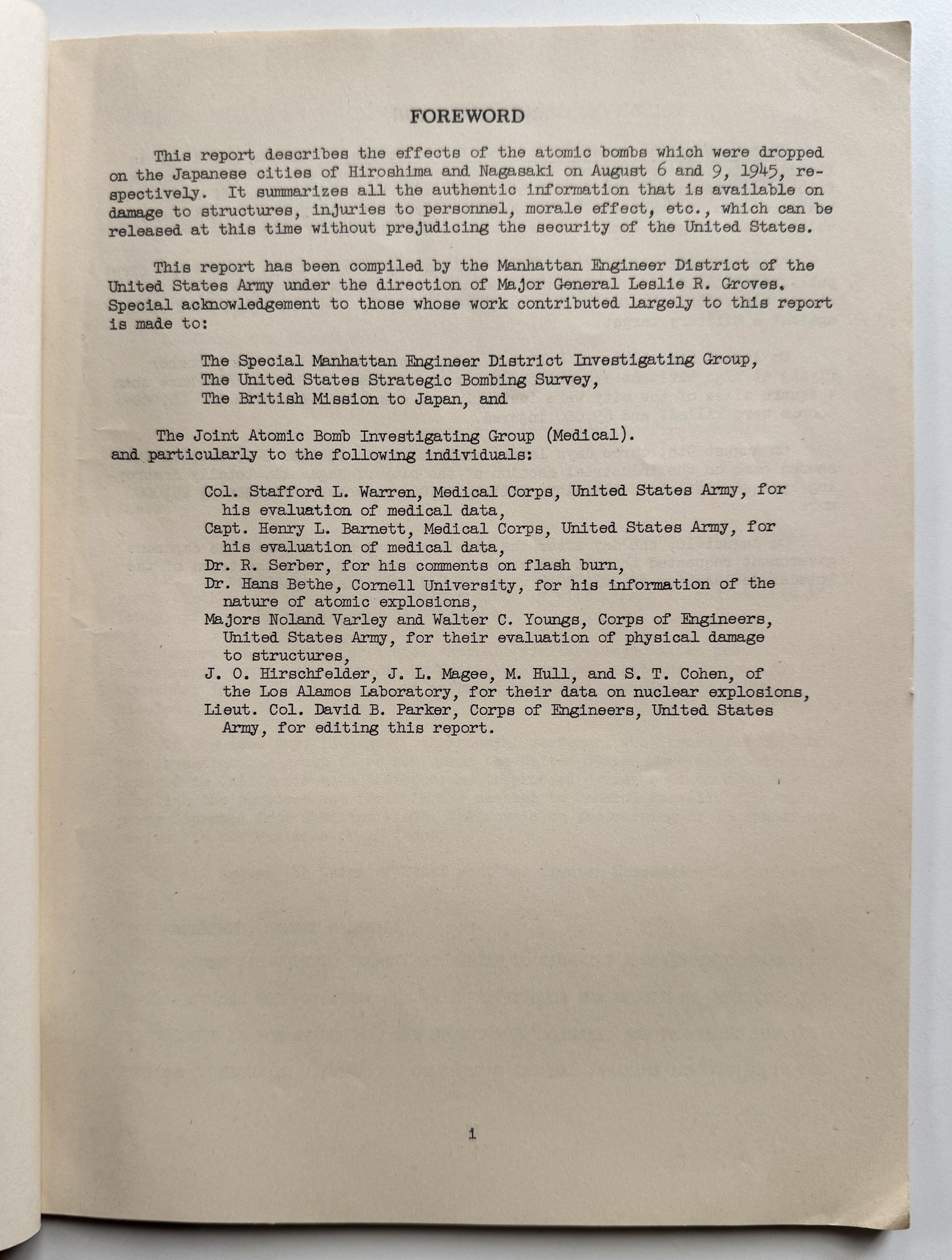 Image 6 of 13
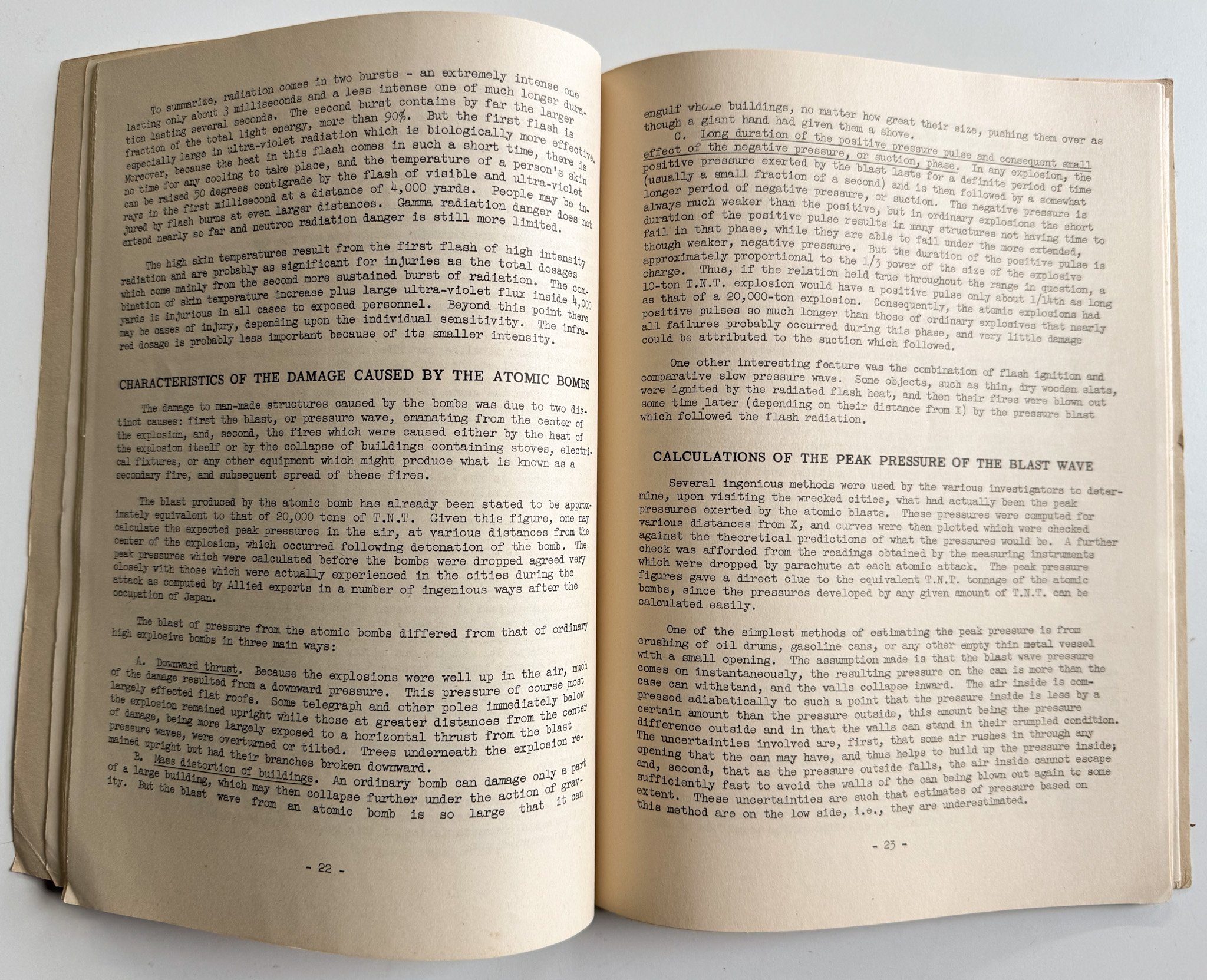 Image 7 of 13
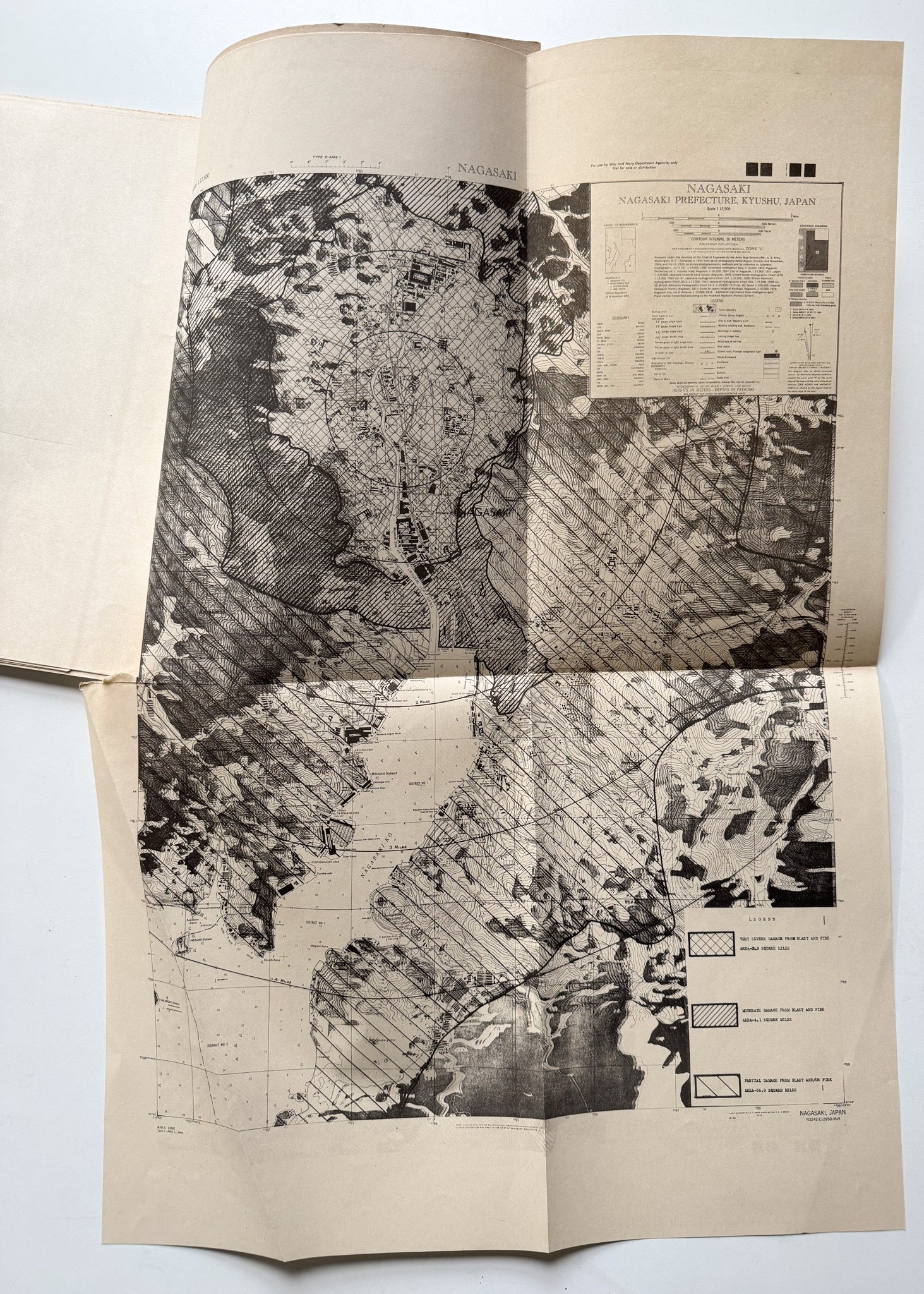 Image 8 of 13
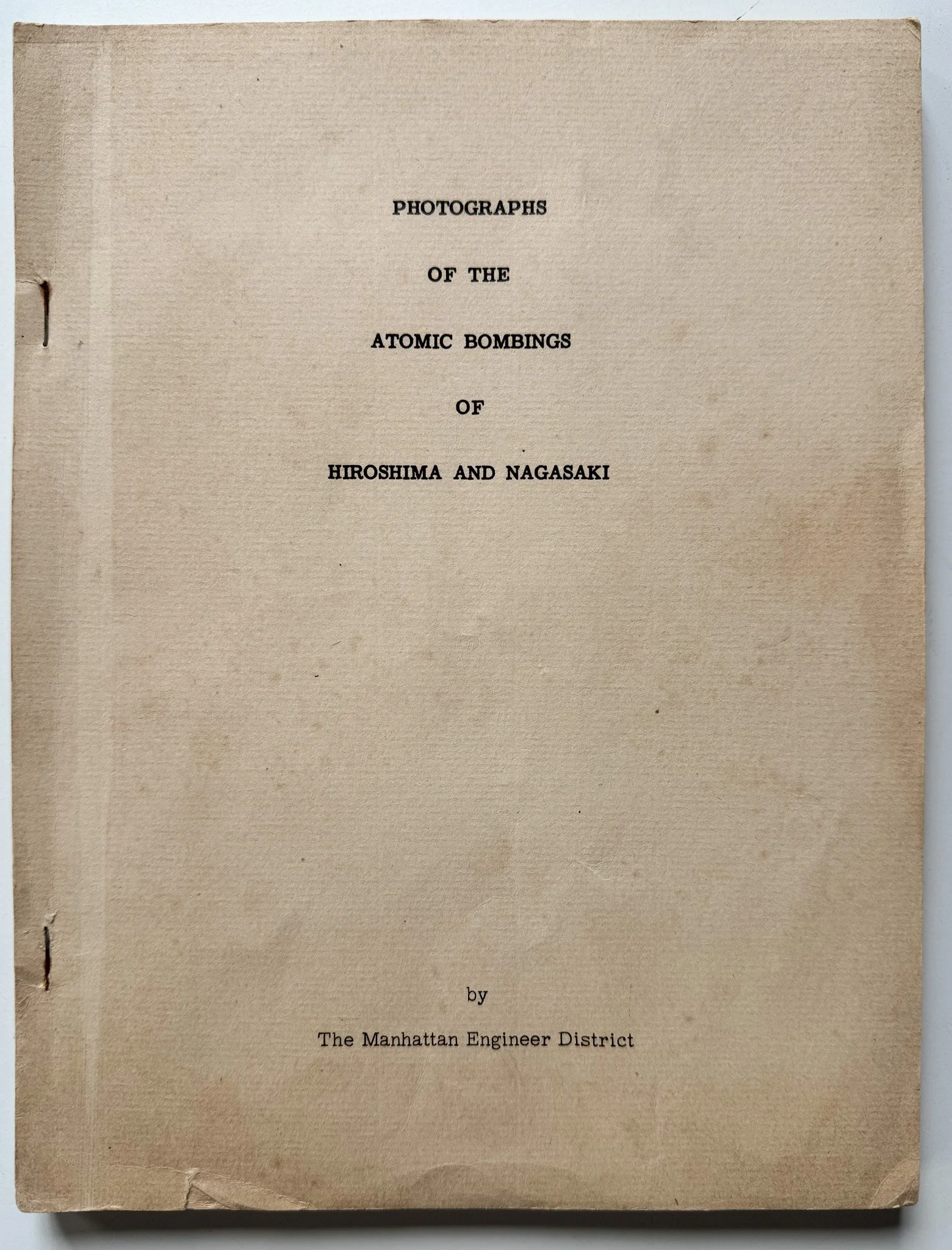 Image 9 of 13
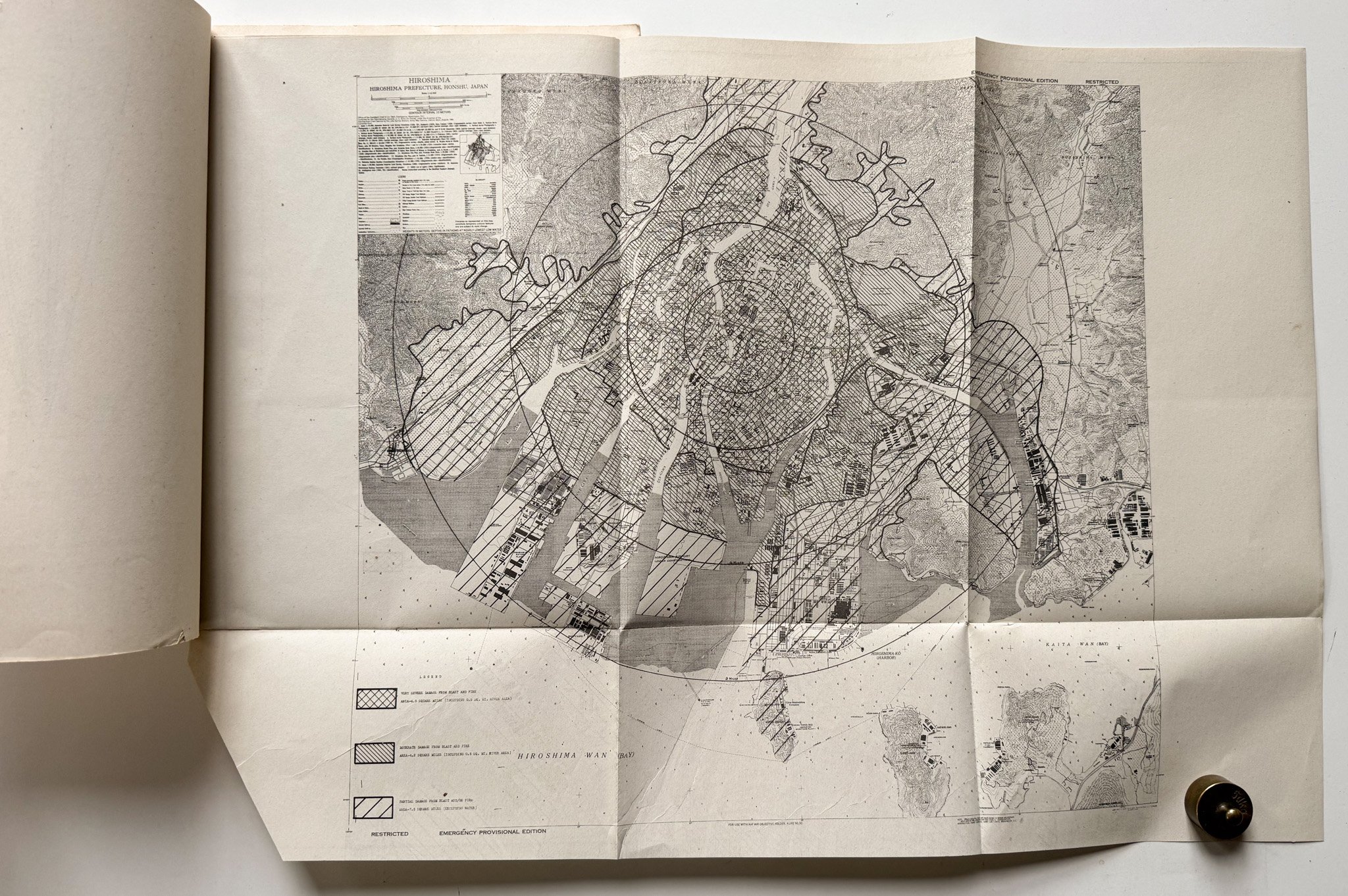 Image 10 of 13
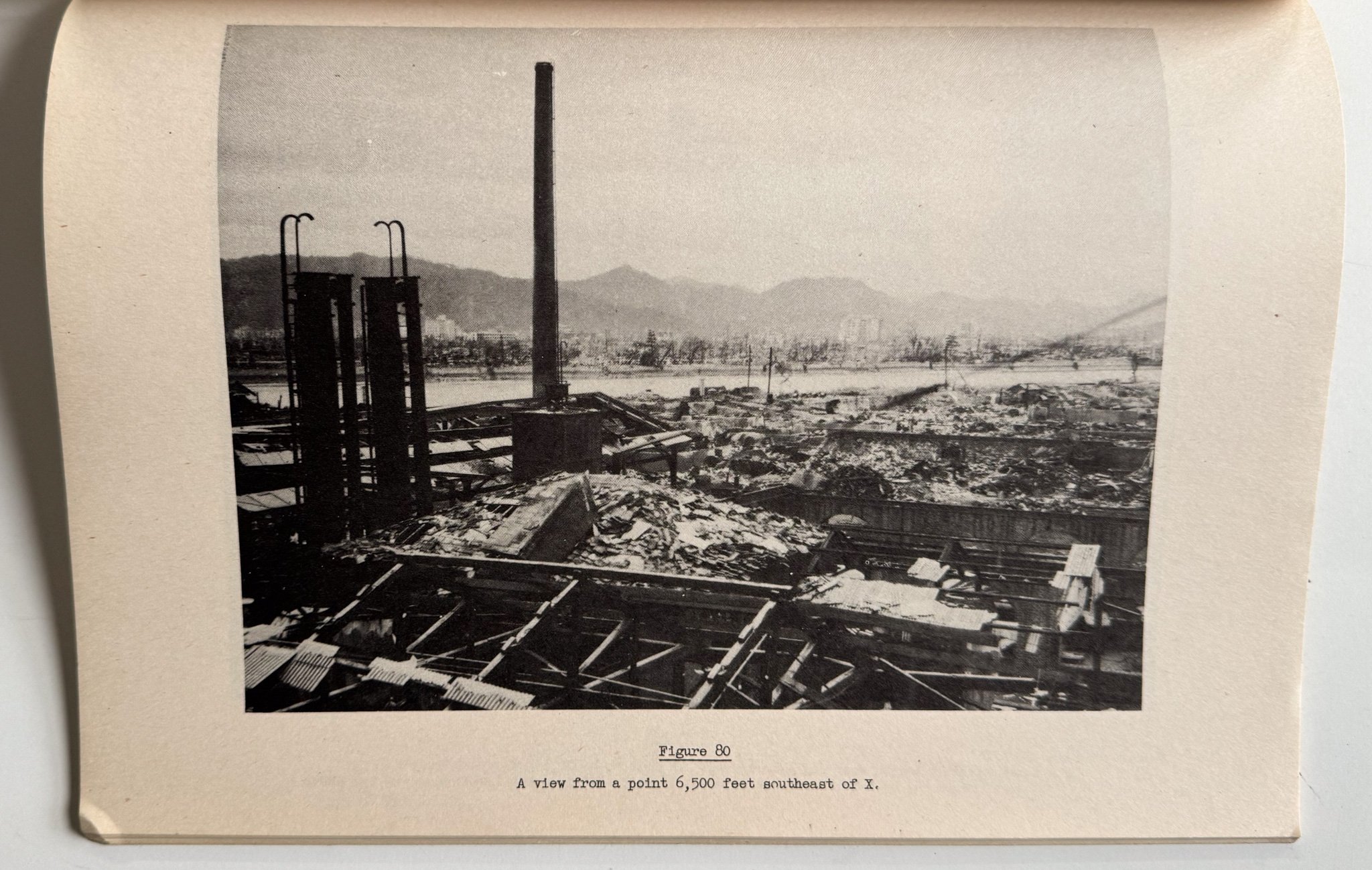 Image 11 of 13
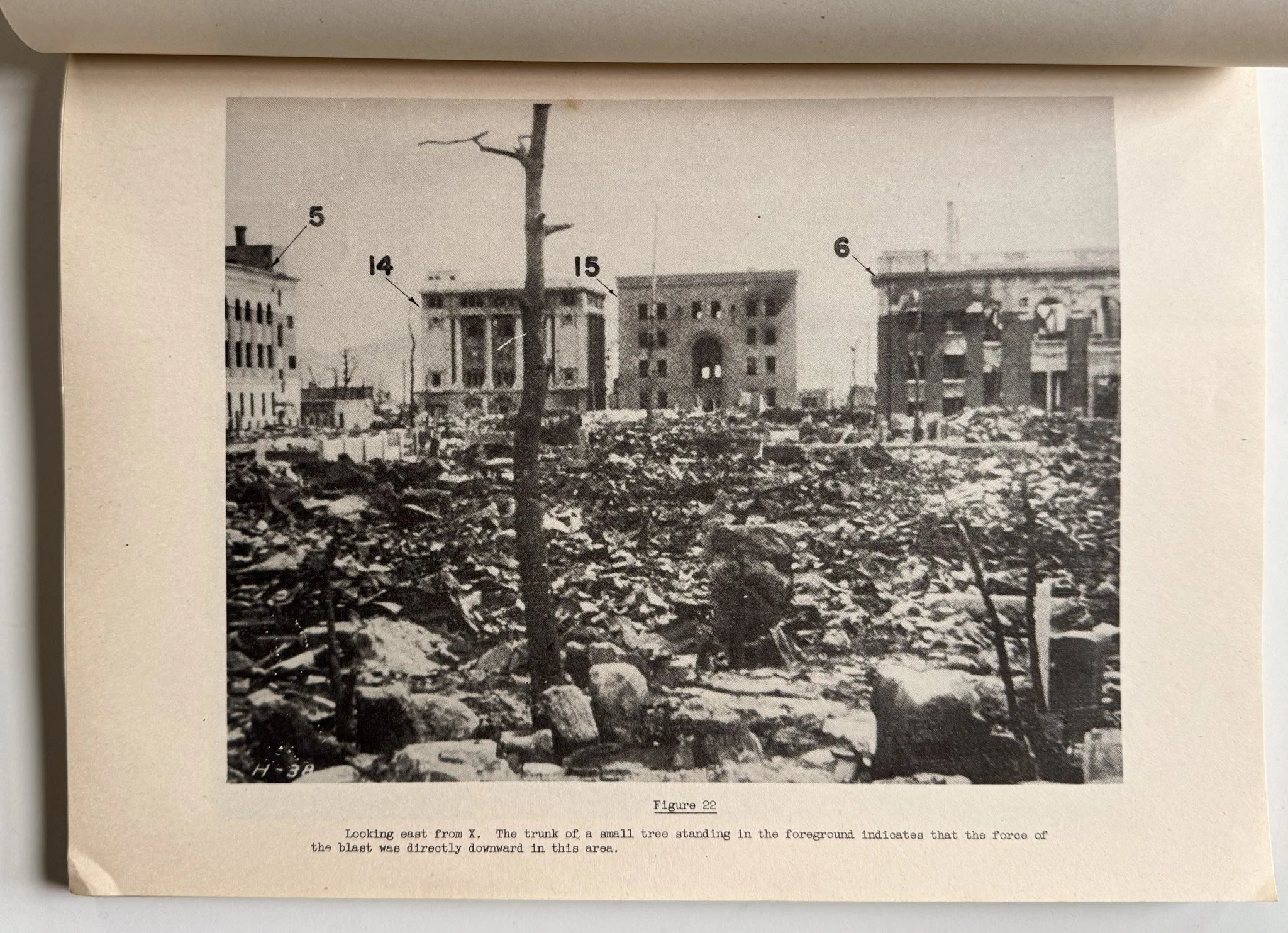 Image 12 of 13
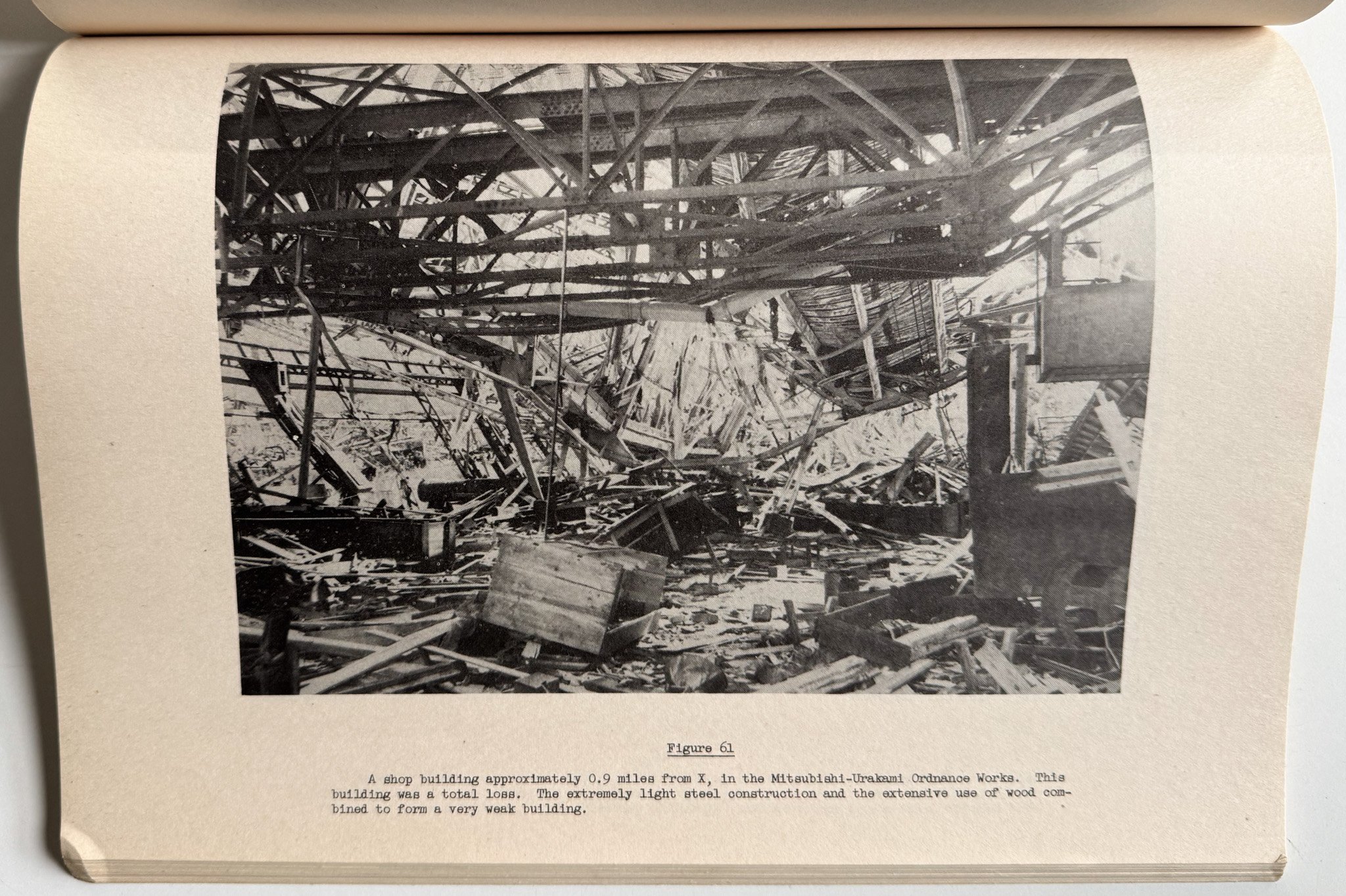 Image 13 of 13