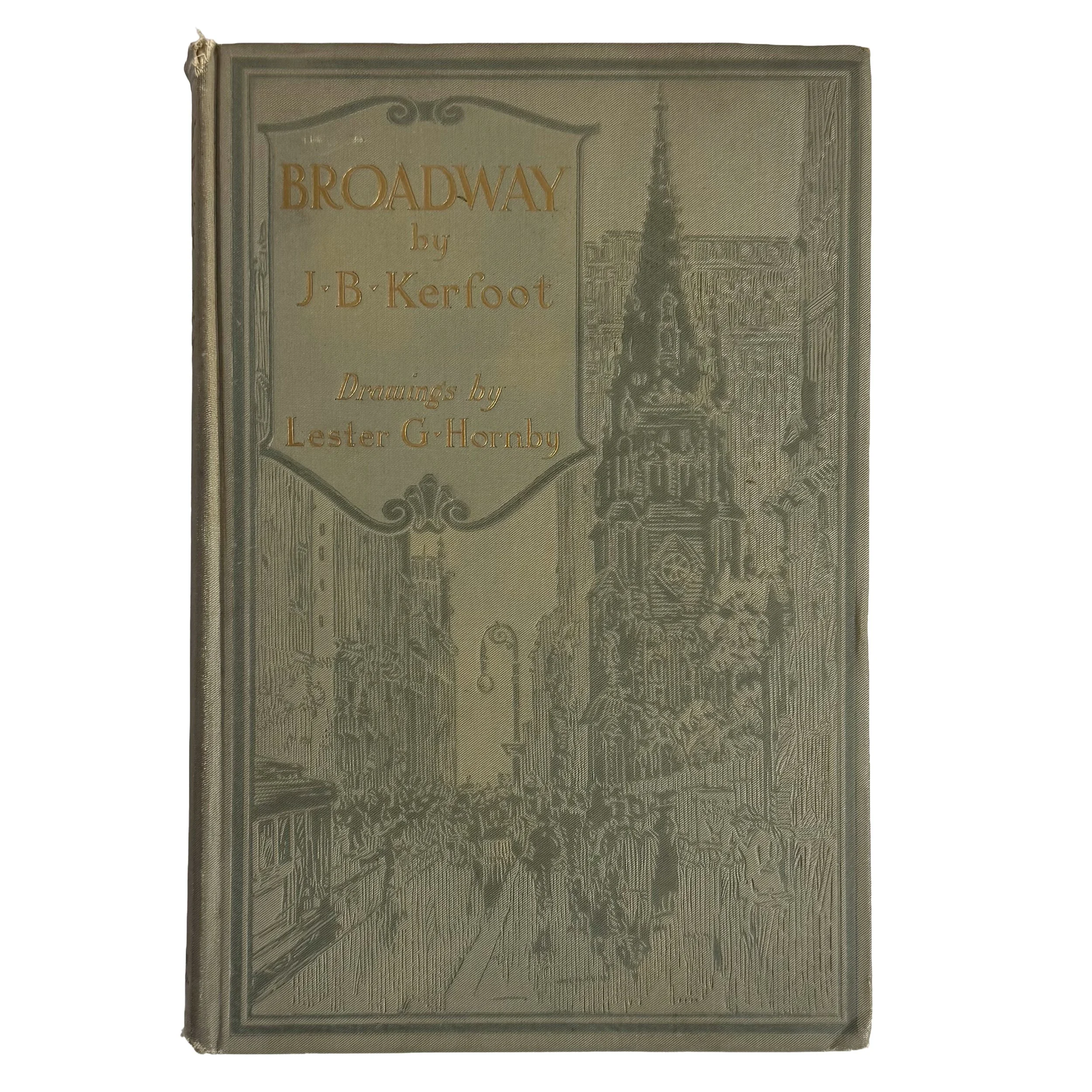
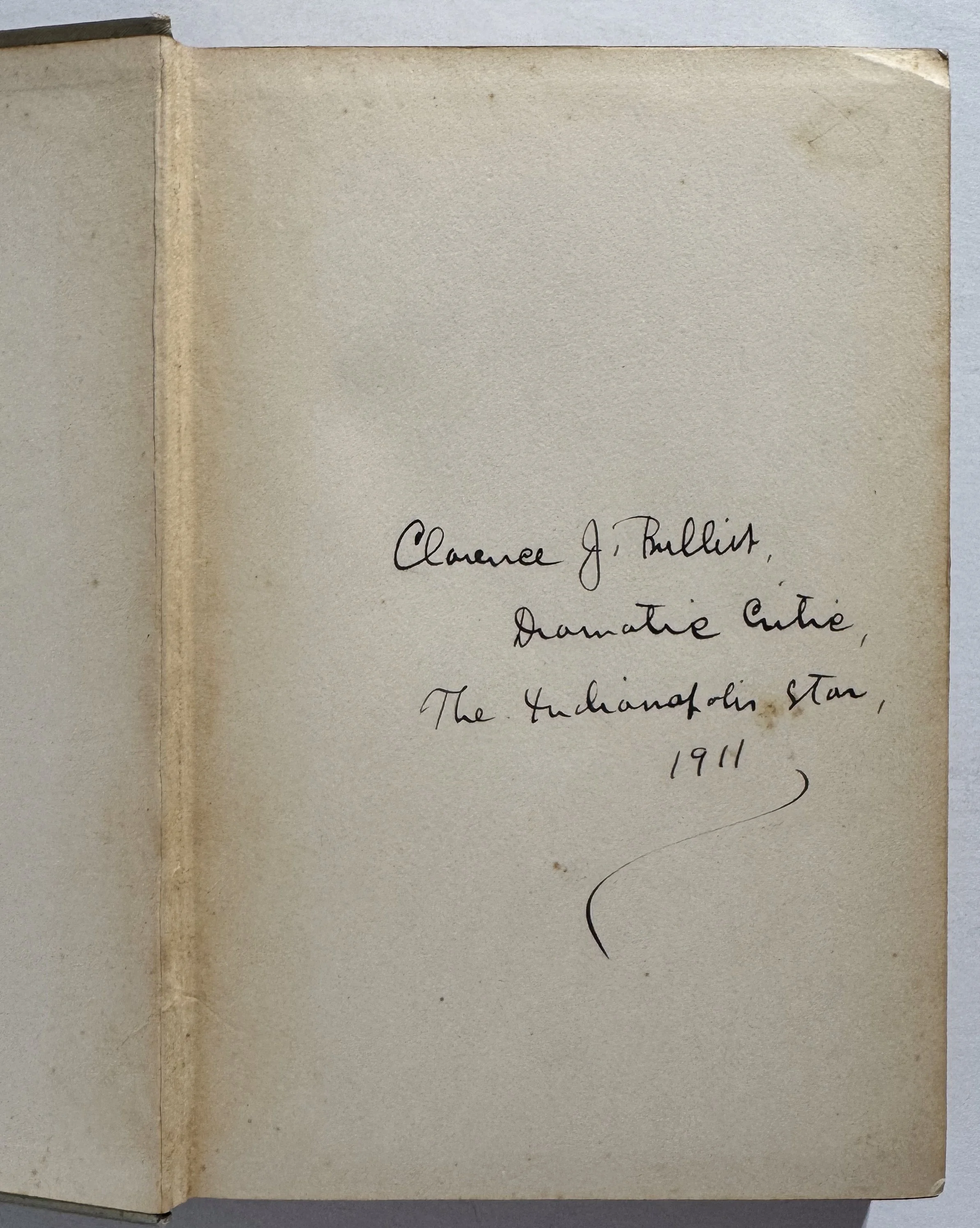
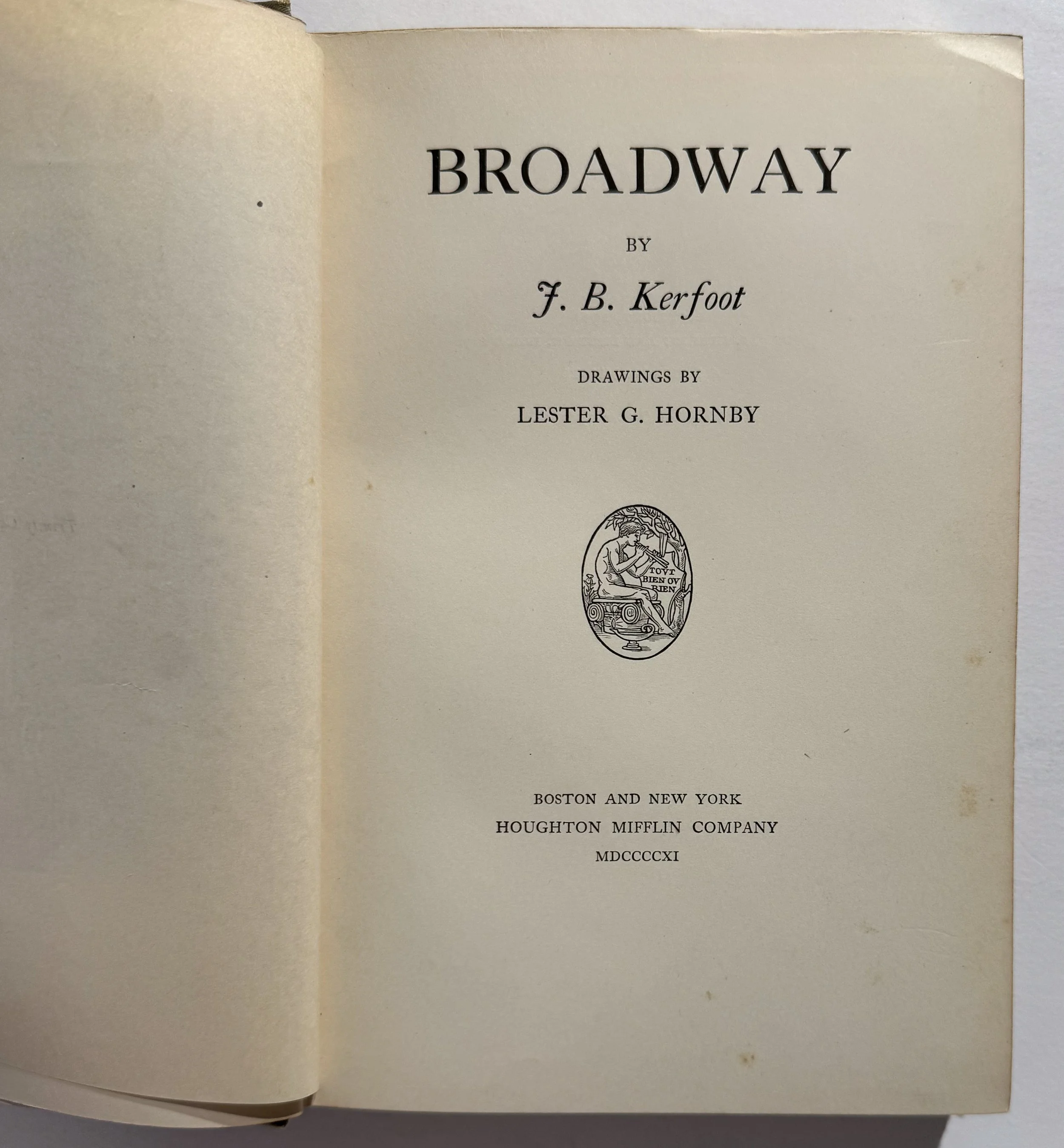
First edition of this important nineteenth-century history and polemic by Henry William Blair (1834–1920), United States senator from New Hampshire and an early congressional advocate of national prohibition. 8vo, original olive-green pictorial cloth with gilt and black decoration, 583 pages, Illustrated throughout with portraits of prominent temperance reformers, statistical diagrams, colored anatomical plates, and the large folding map of New York City locating its more than 9,000 licensed liquor establishments. Published in Boston in 1888 by William E. Smyth Company.
George Croft Cell's extensively annotated working-library copy, with his library stamp on the front pastedown and pencil acquisition inscription, "Purchased March 24, 1932 / G.C.C.," on the FFE. Cell (1875–1937), professor of historical theology at Boston University and author of the 1930 essay The Temperance Revolution, extensively underlined and annotated the text, particularly passages concerning the constitutional, economic, and moral foundations of prohibition. A substantive marginal note on p. 387 is initialed and dated March 1932. Additional annotations address federal and state authority, interstate commerce, capital and labor, and women's suffrage. A significant scholarly association, documenting Cell's engagement with nineteenth-century temperance thought during the final years of national Prohibition. Additional ink ownership inscription, "A. D. Stark / Manchester," possibly that of Alfred D. Stark (1827–1910), Manchester, New Hampshire photographer, Civil War veteran, and city marshal (1881–1882).
Binding somewhat loosened; hinges weakened. Rippling to cloth, with fraying to spine ends and corners. Light bumping and rubbing to extremities, with small damp stains and one pen mark to front board. Text age-toned. The folding map, an early example of persuasive cartography, is complete and well-preserved. An unusually compelling annotated association copy of a foundational American temperance history.

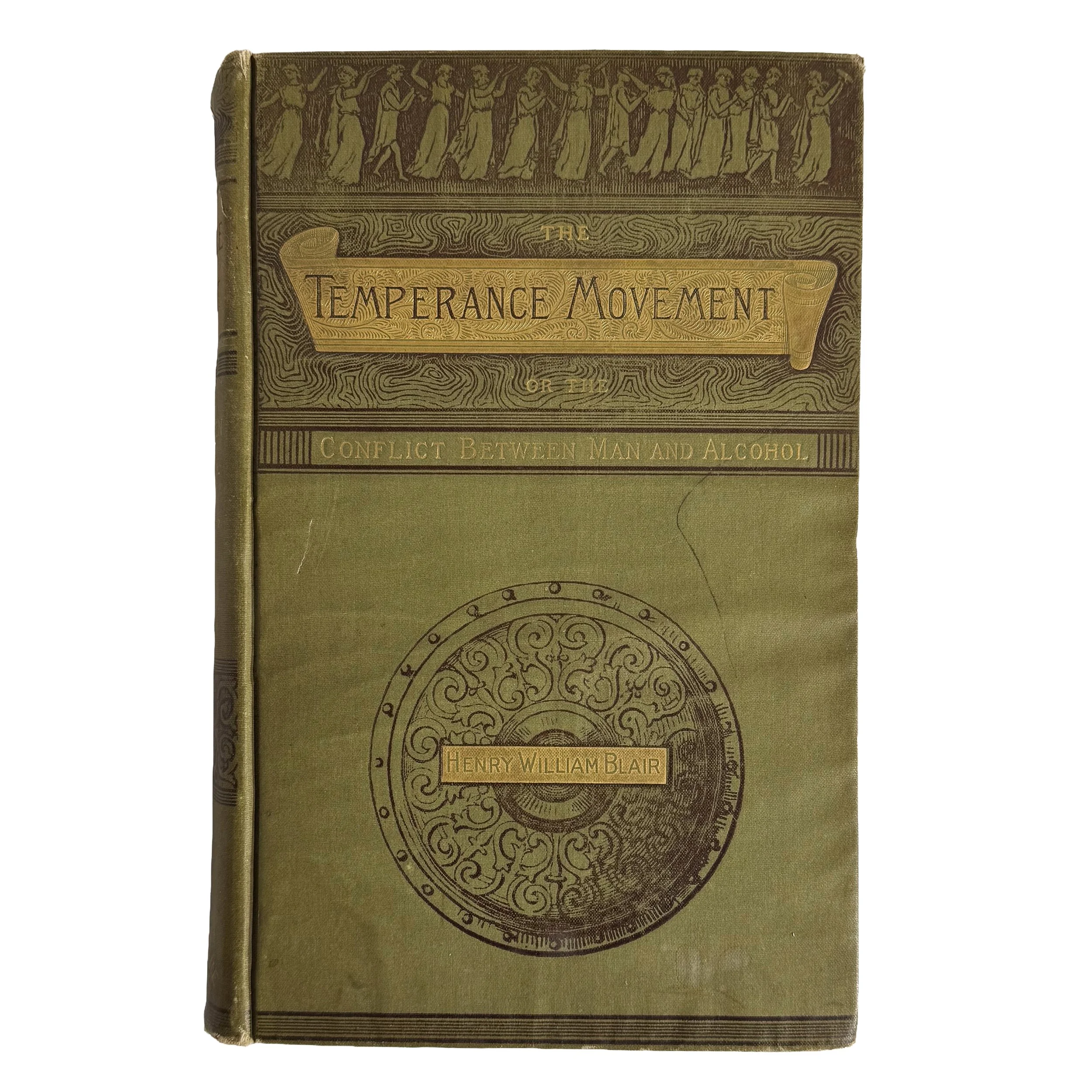 Image 1 of 16
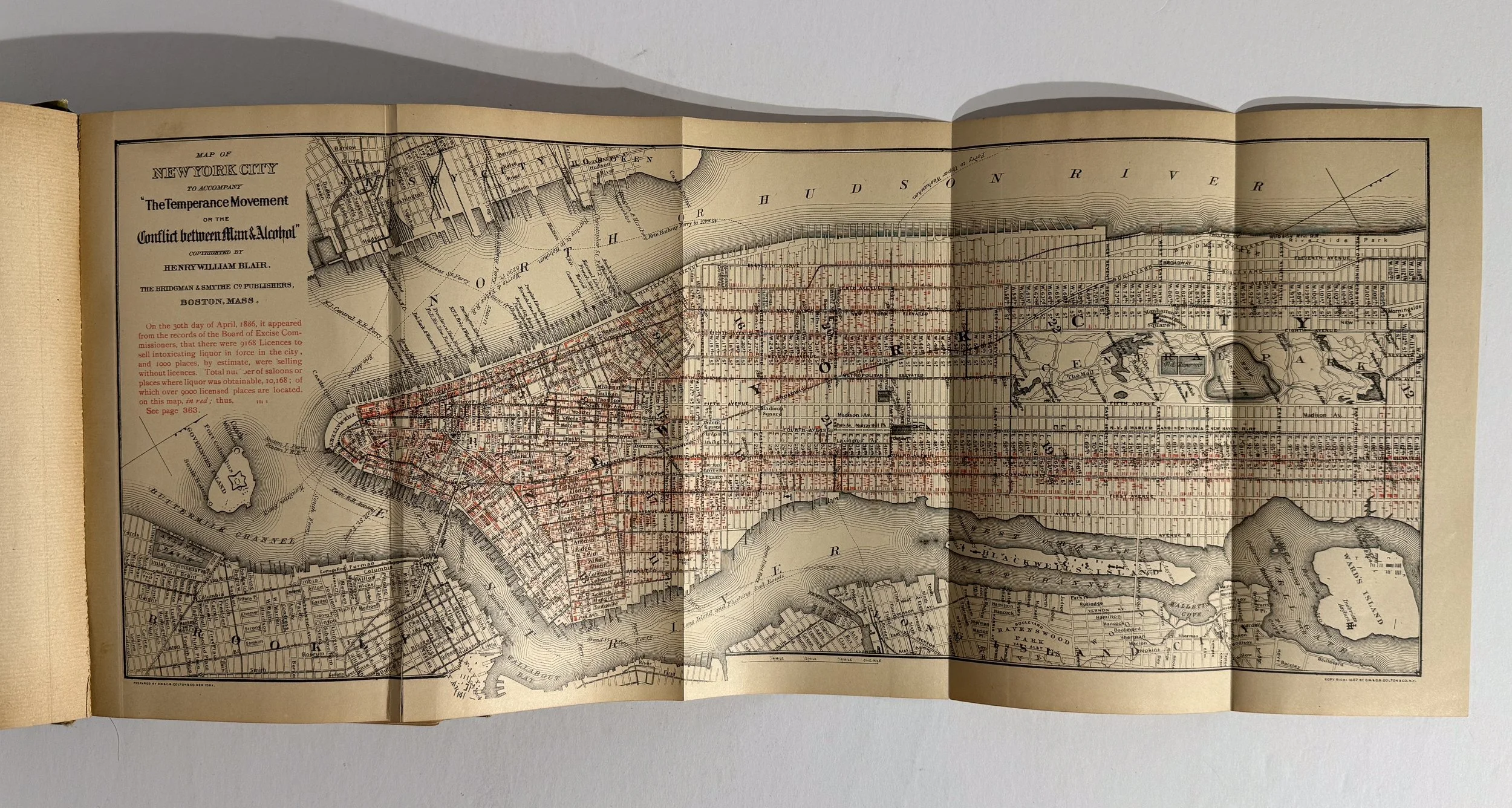 Image 2 of 16
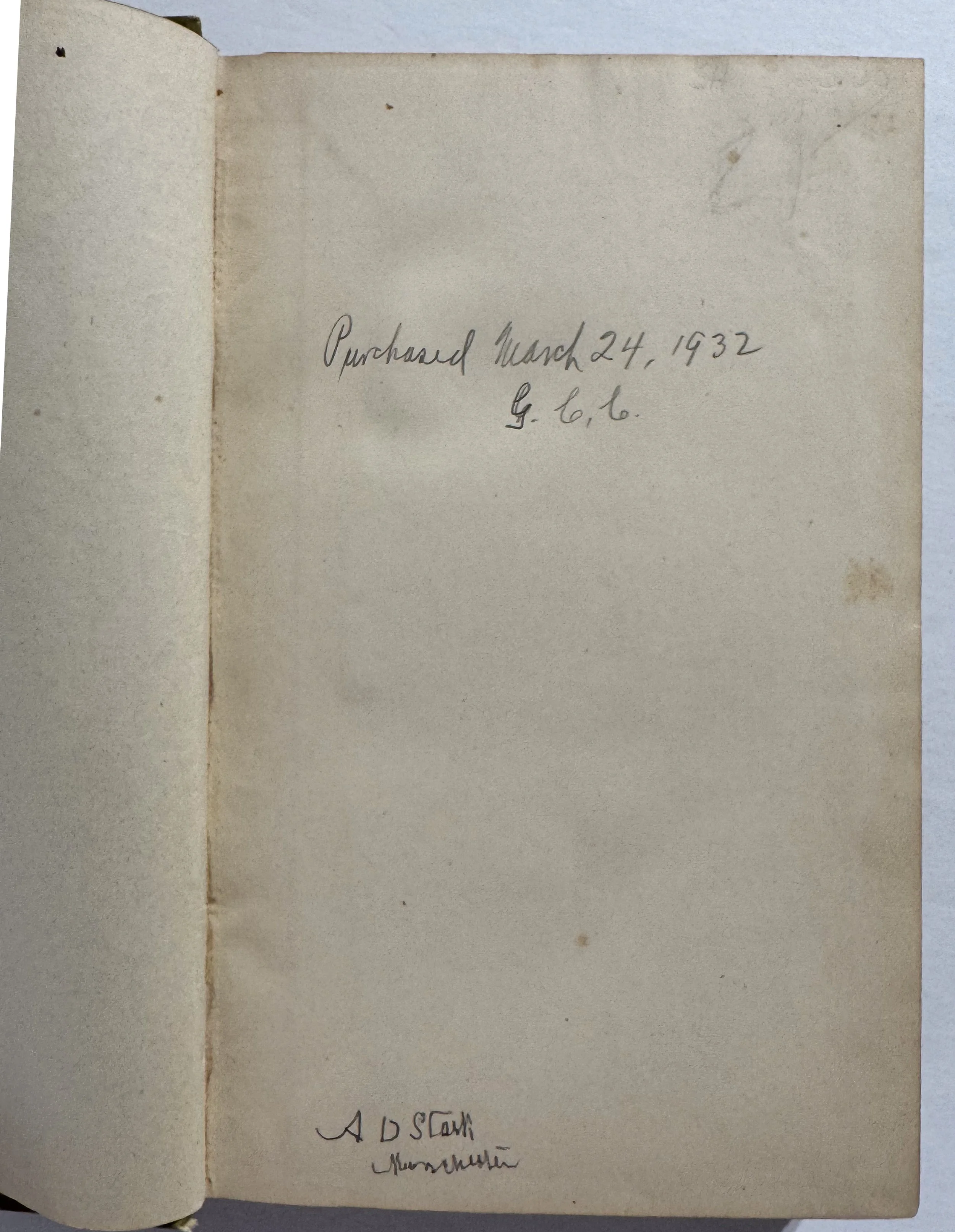 Image 3 of 16
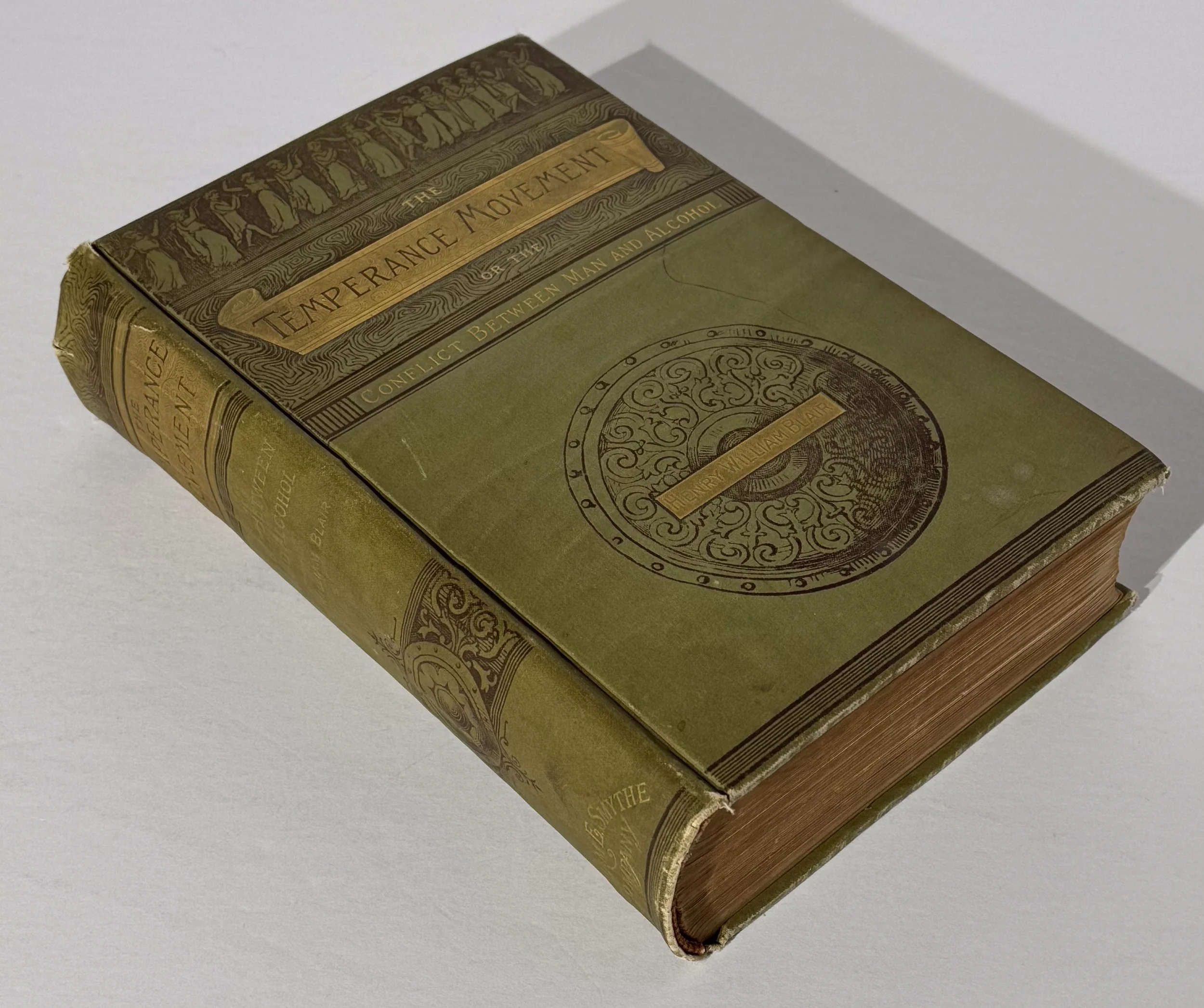 Image 4 of 16
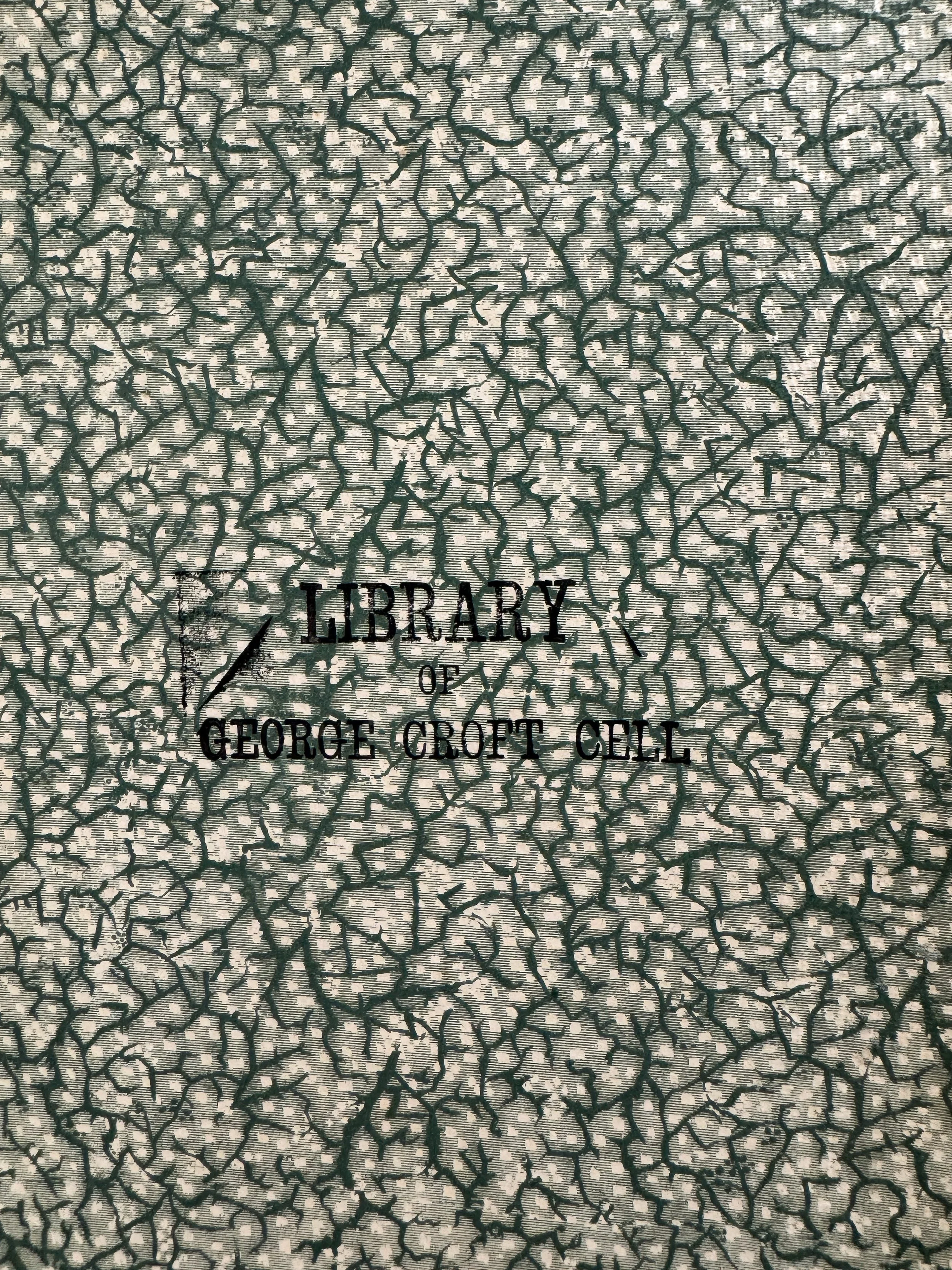 Image 5 of 16
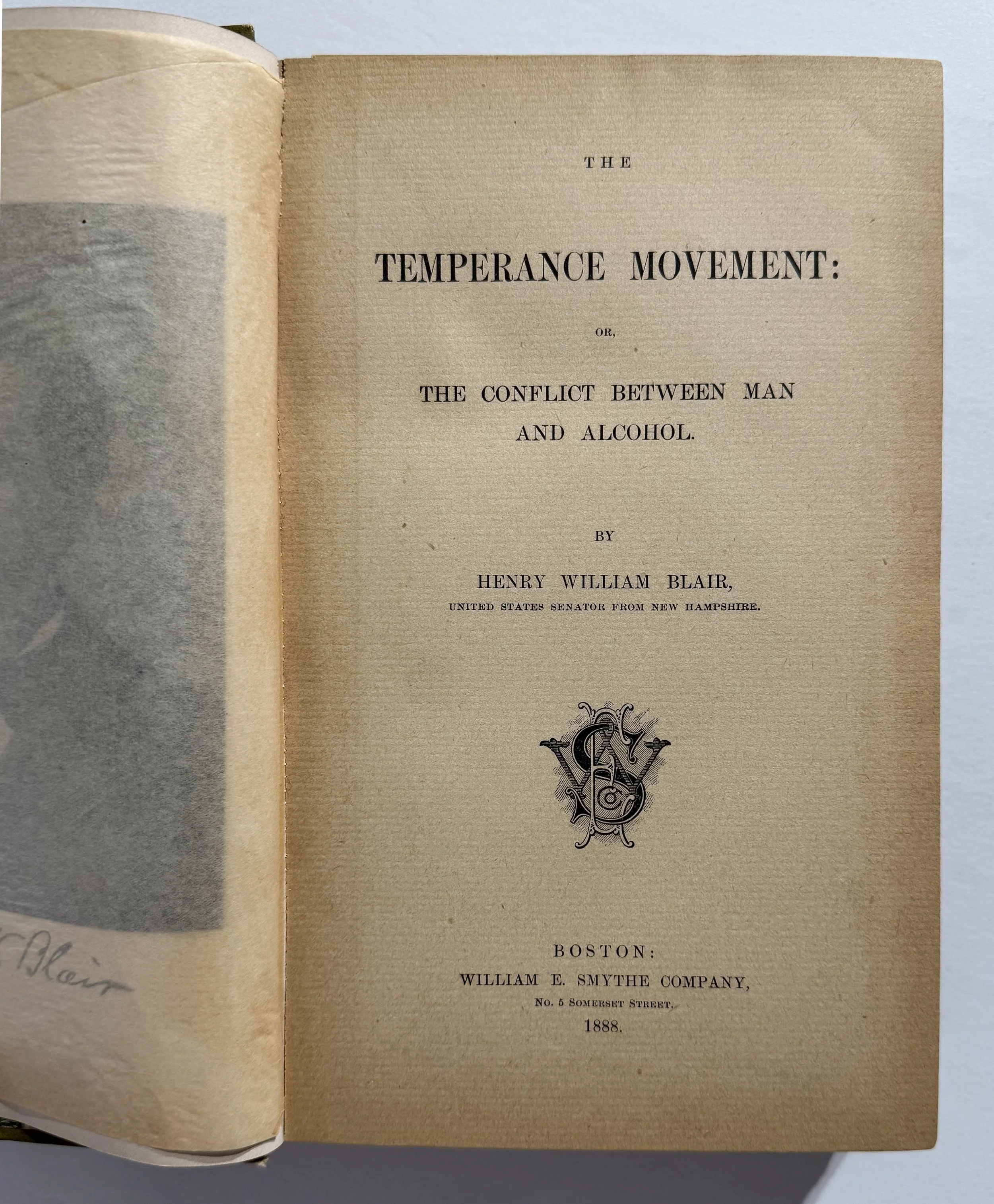 Image 6 of 16
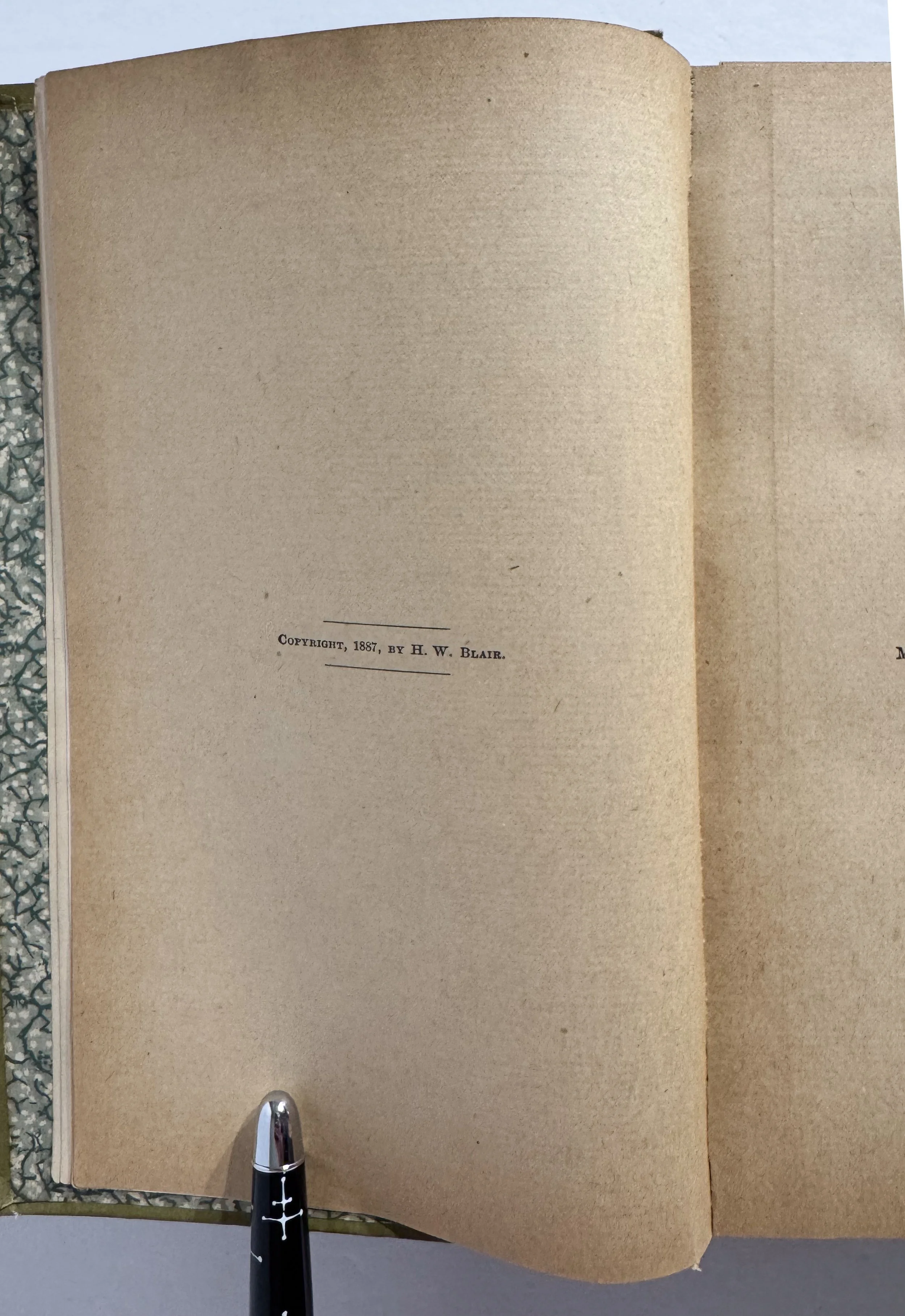 Image 7 of 16
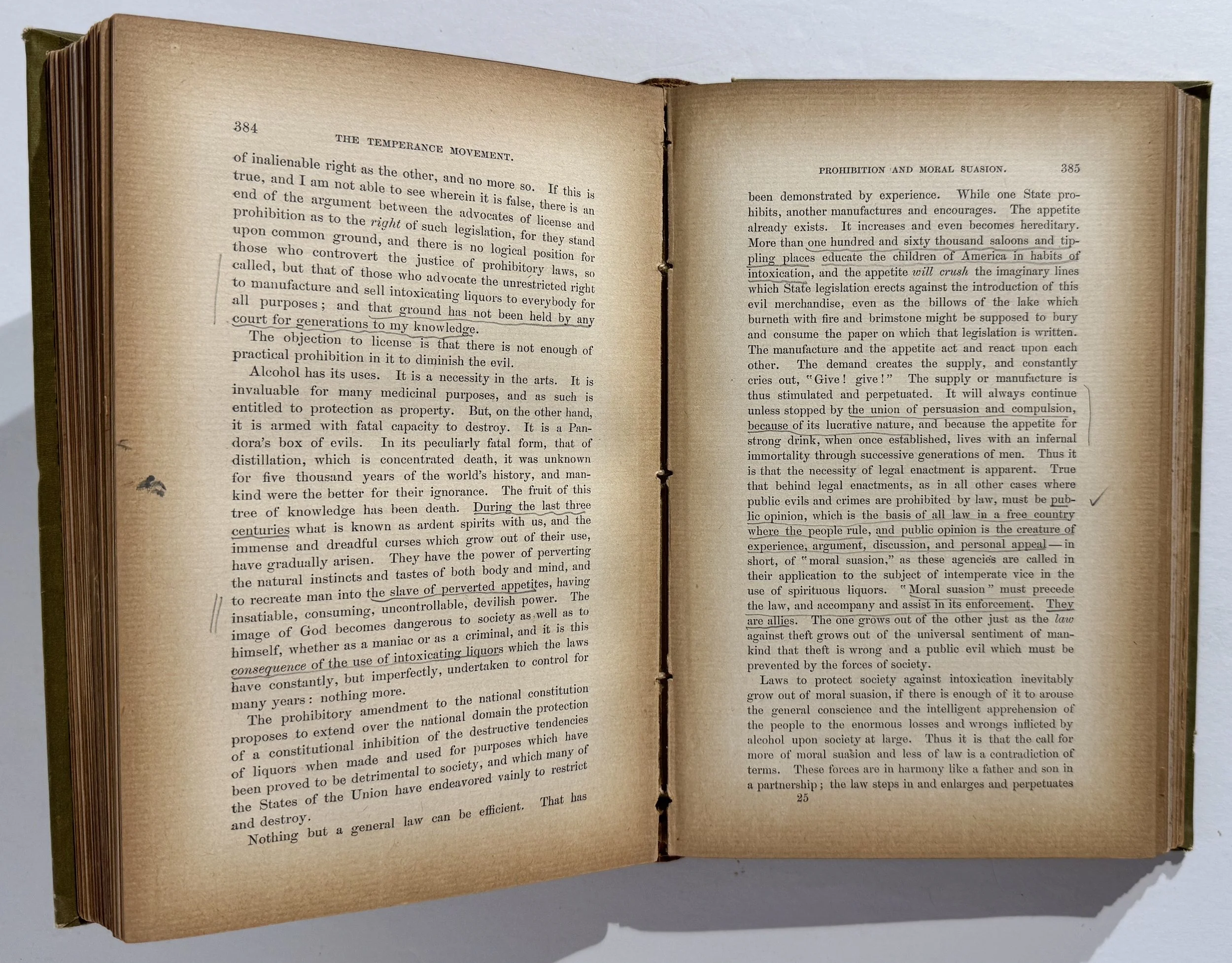 Image 8 of 16
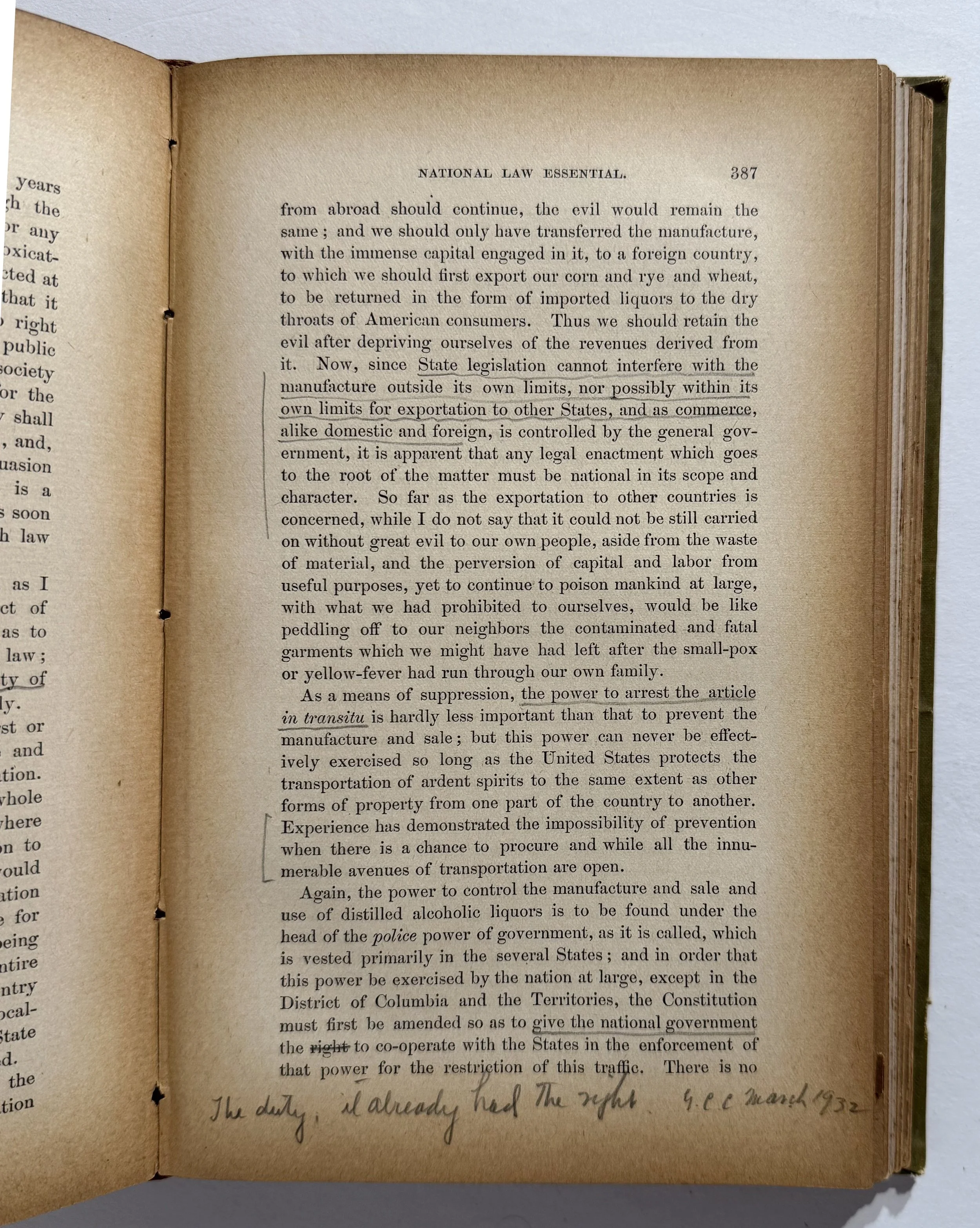 Image 9 of 16
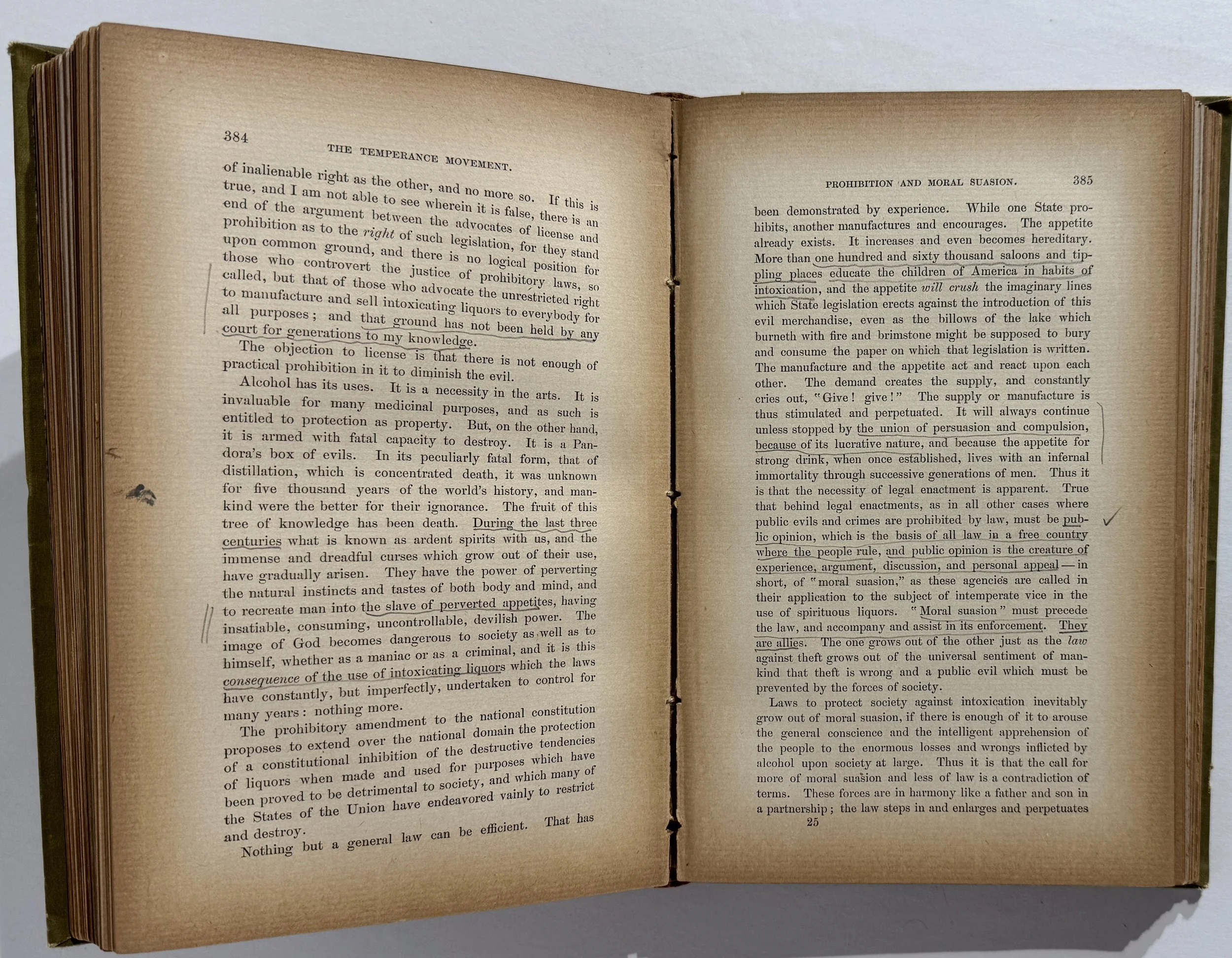 Image 10 of 16
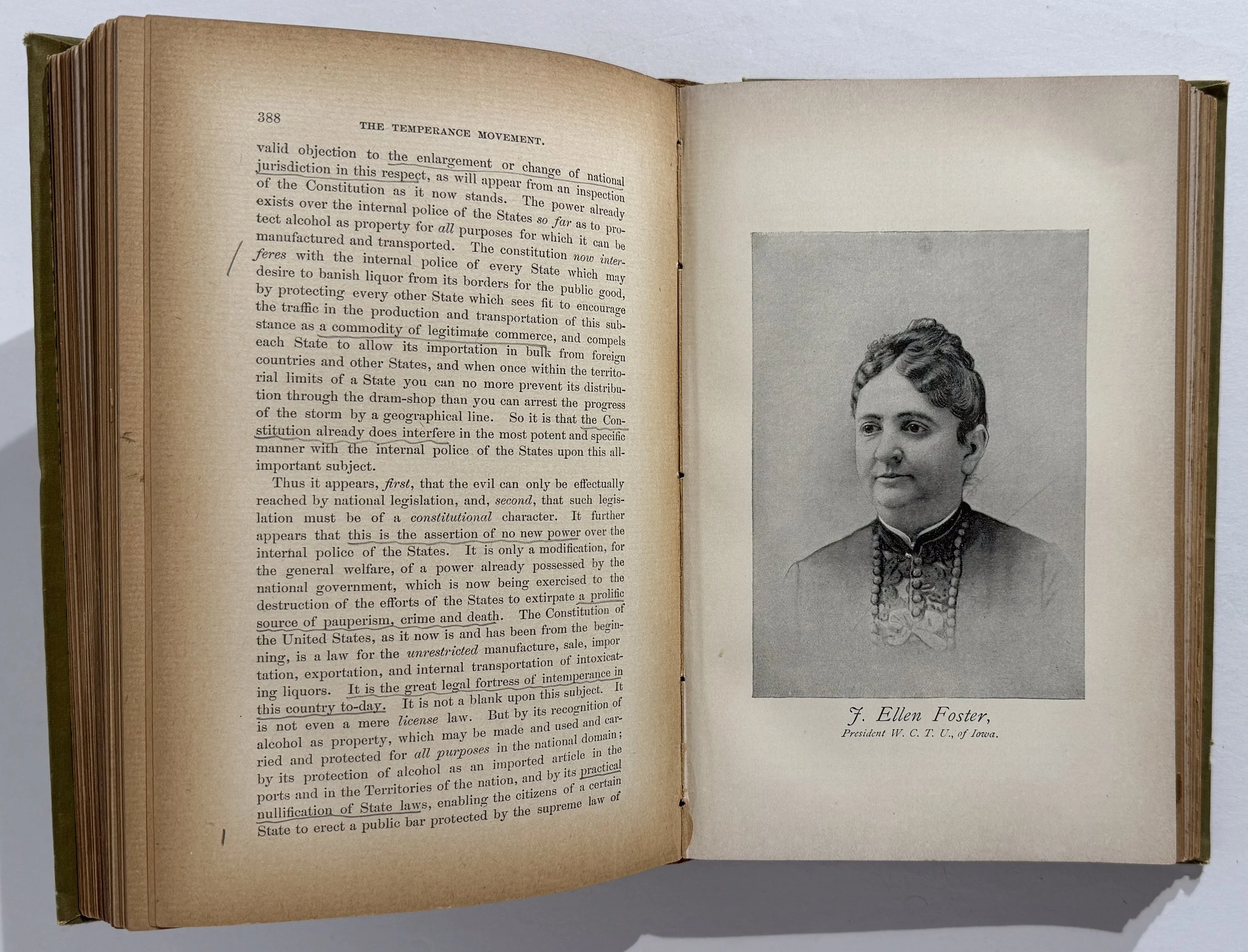 Image 11 of 16
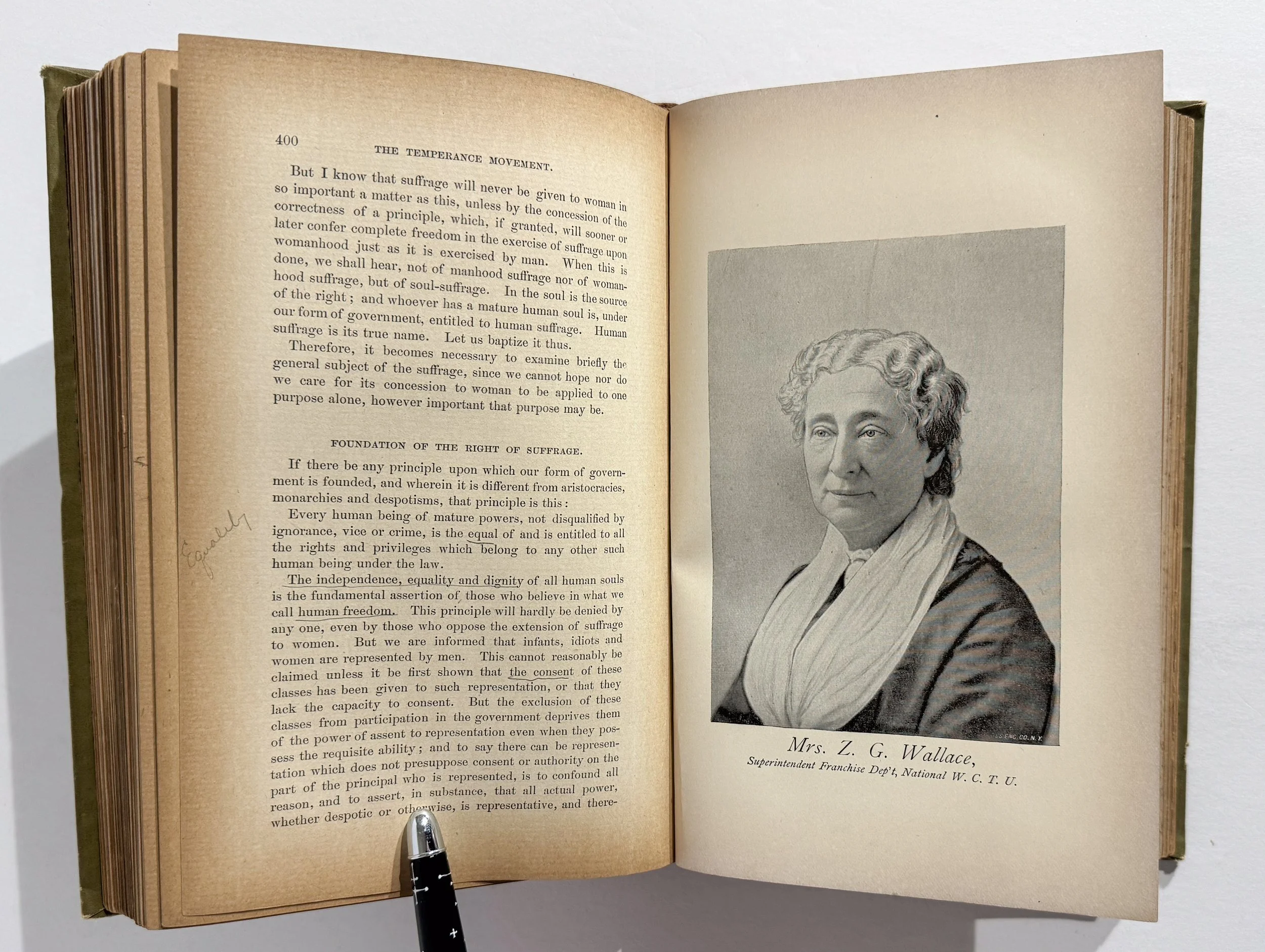 Image 12 of 16
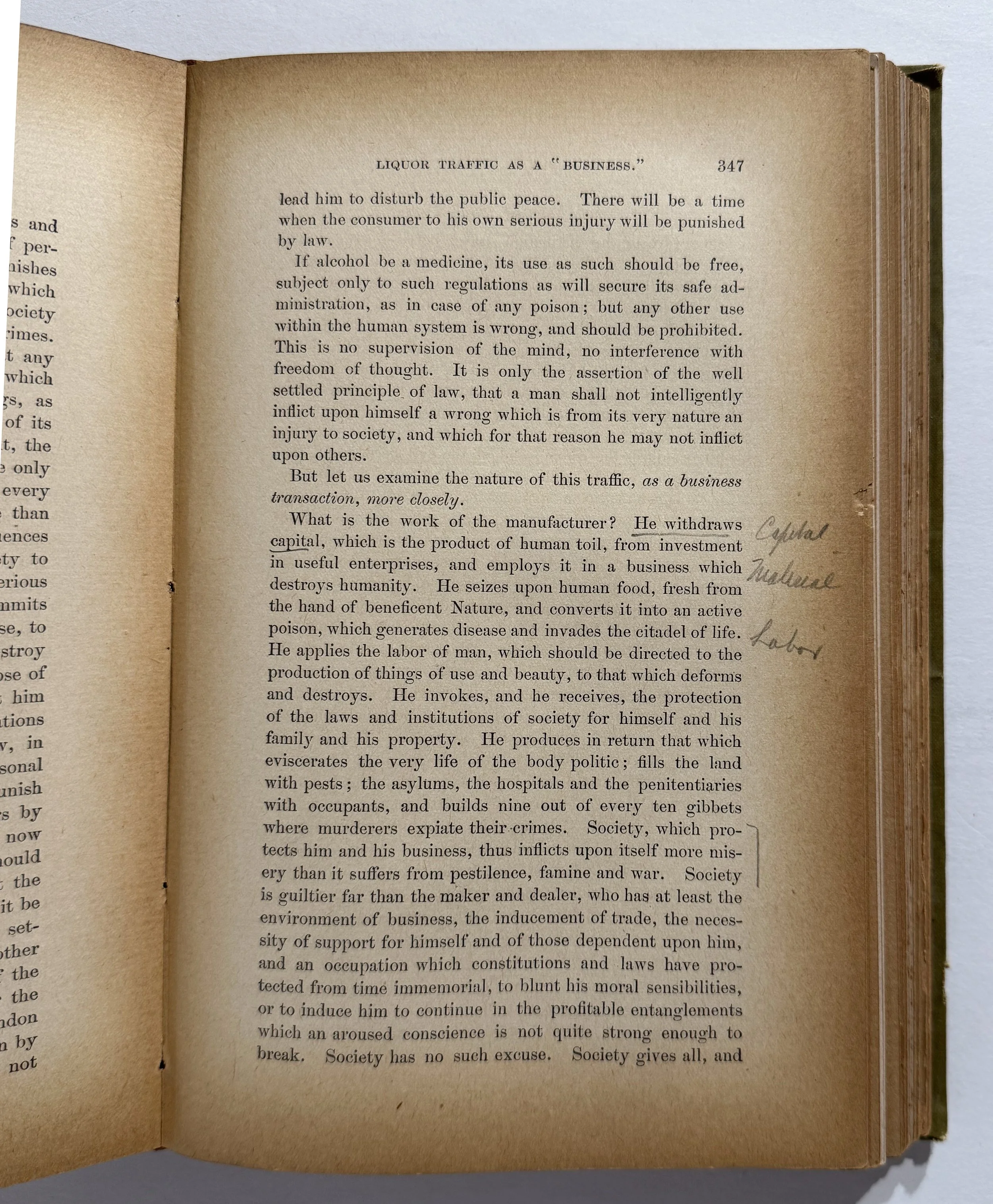 Image 13 of 16
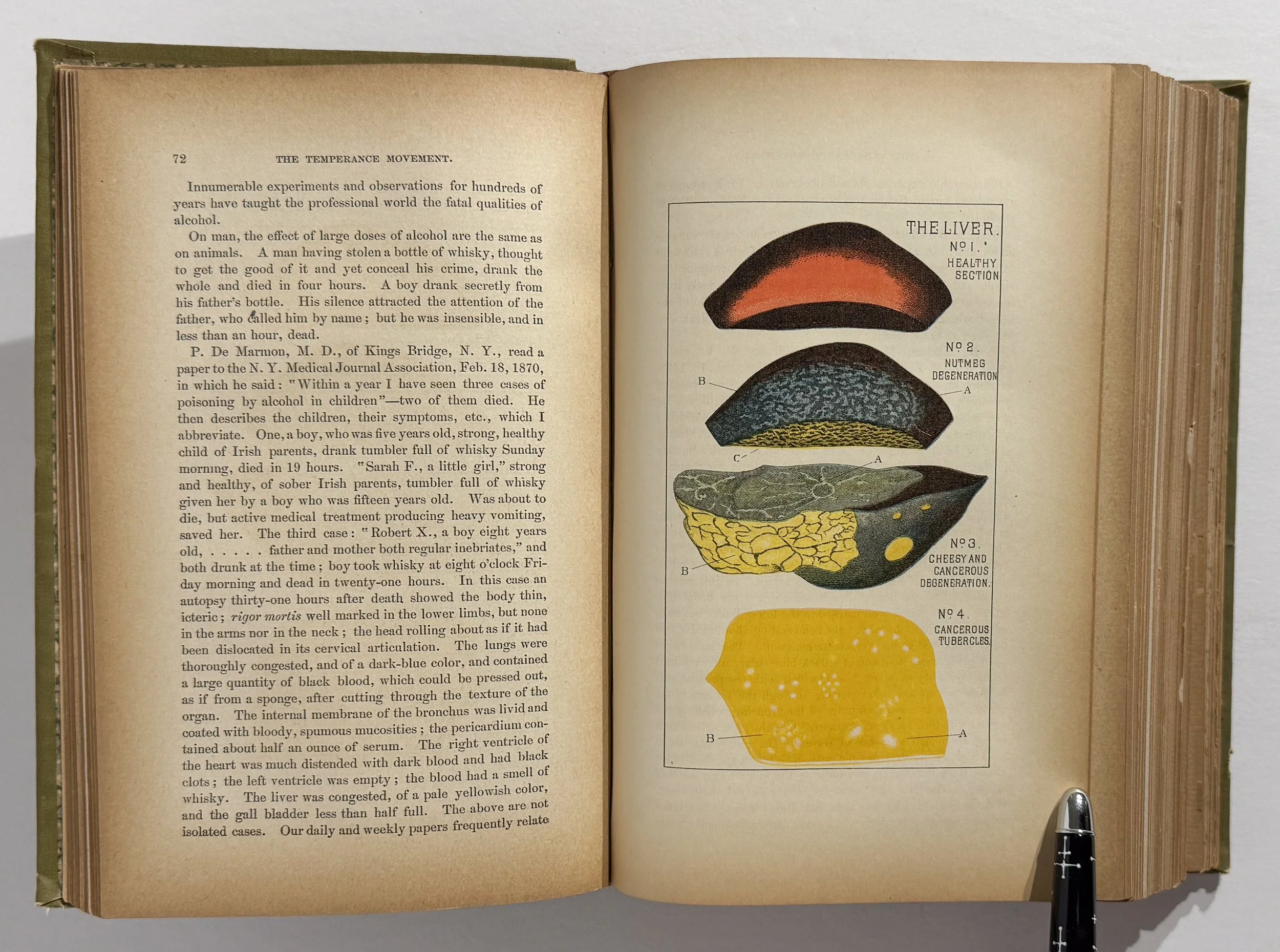 Image 14 of 16
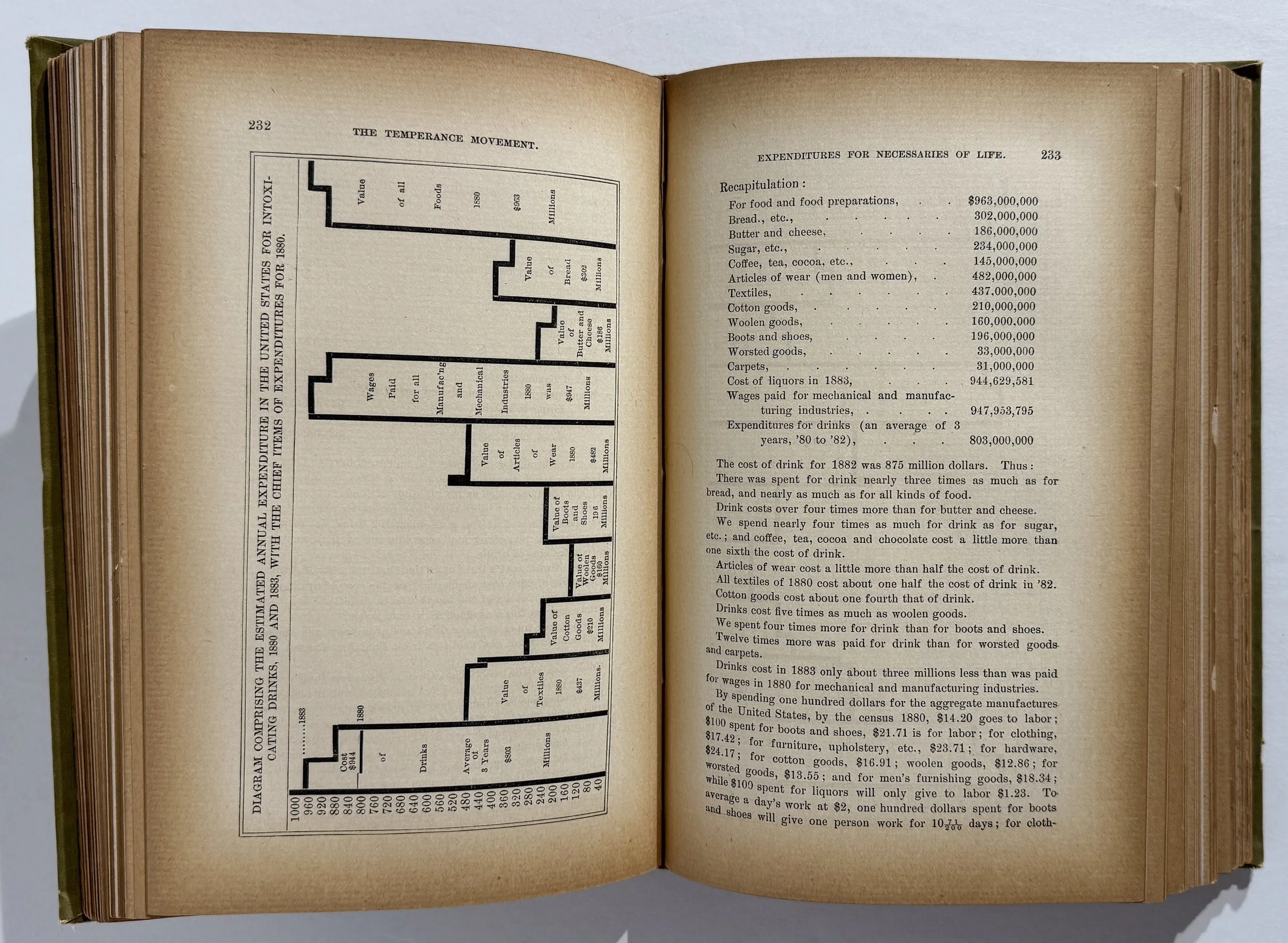 Image 15 of 16
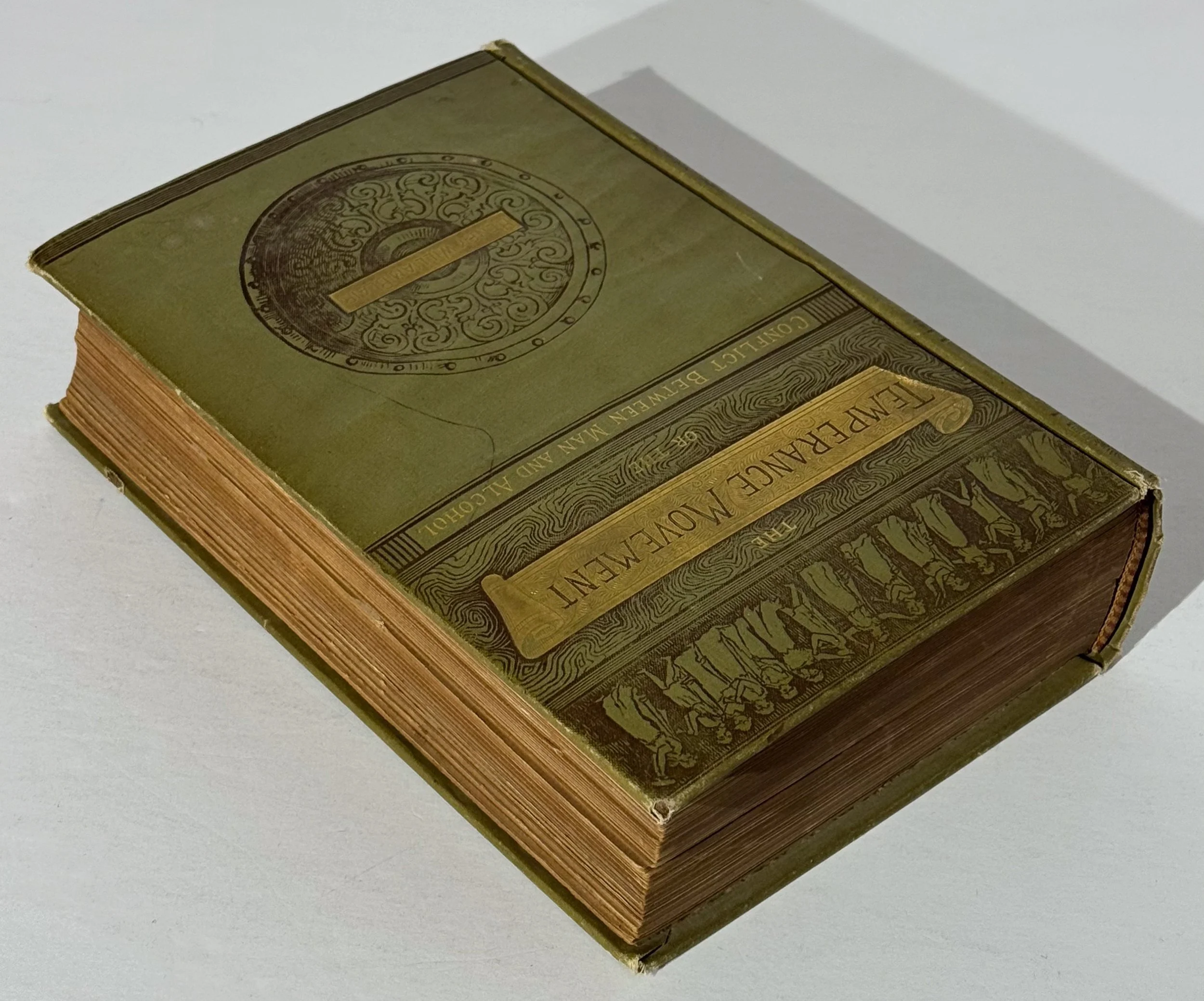 Image 16 of 16