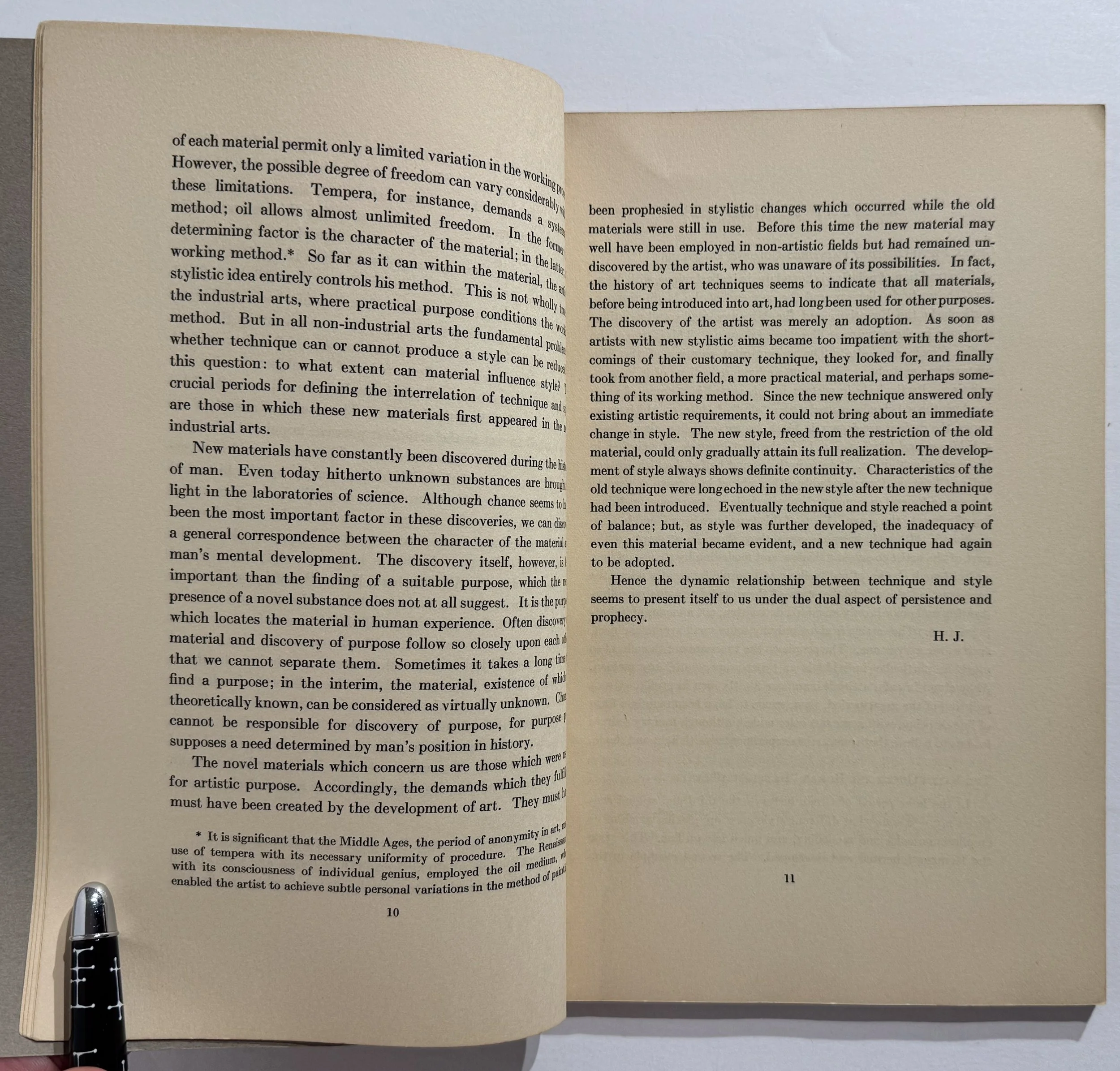
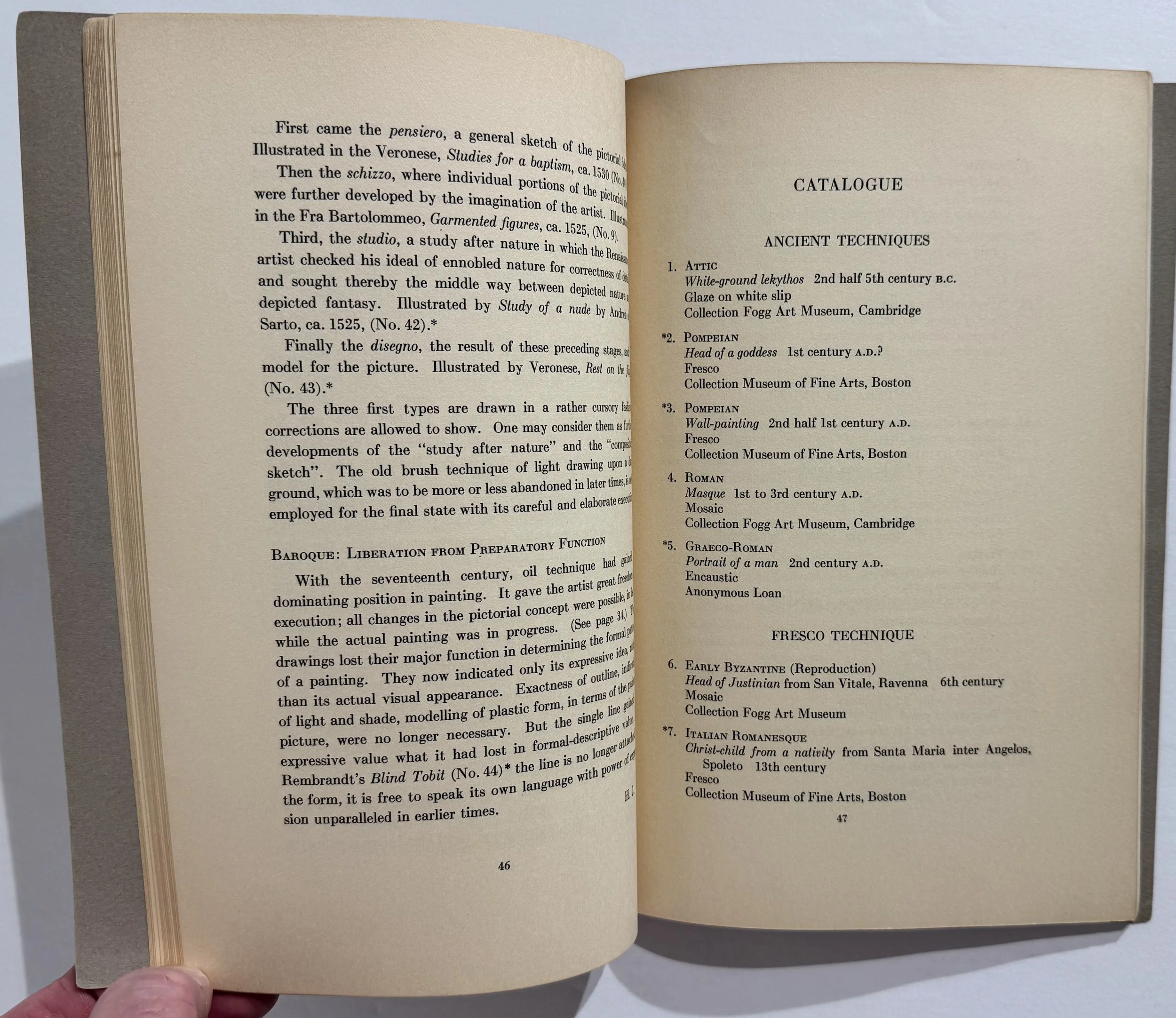
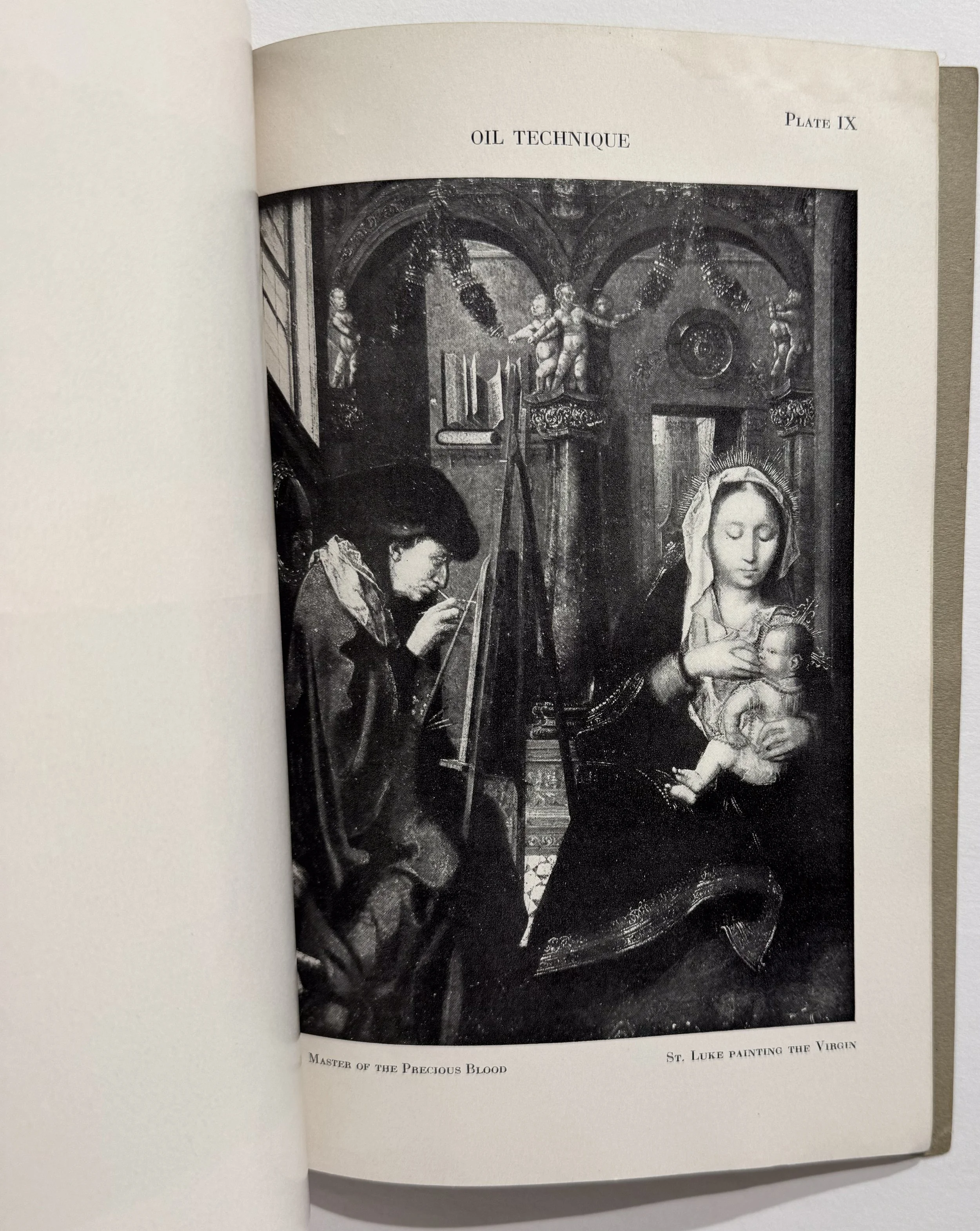
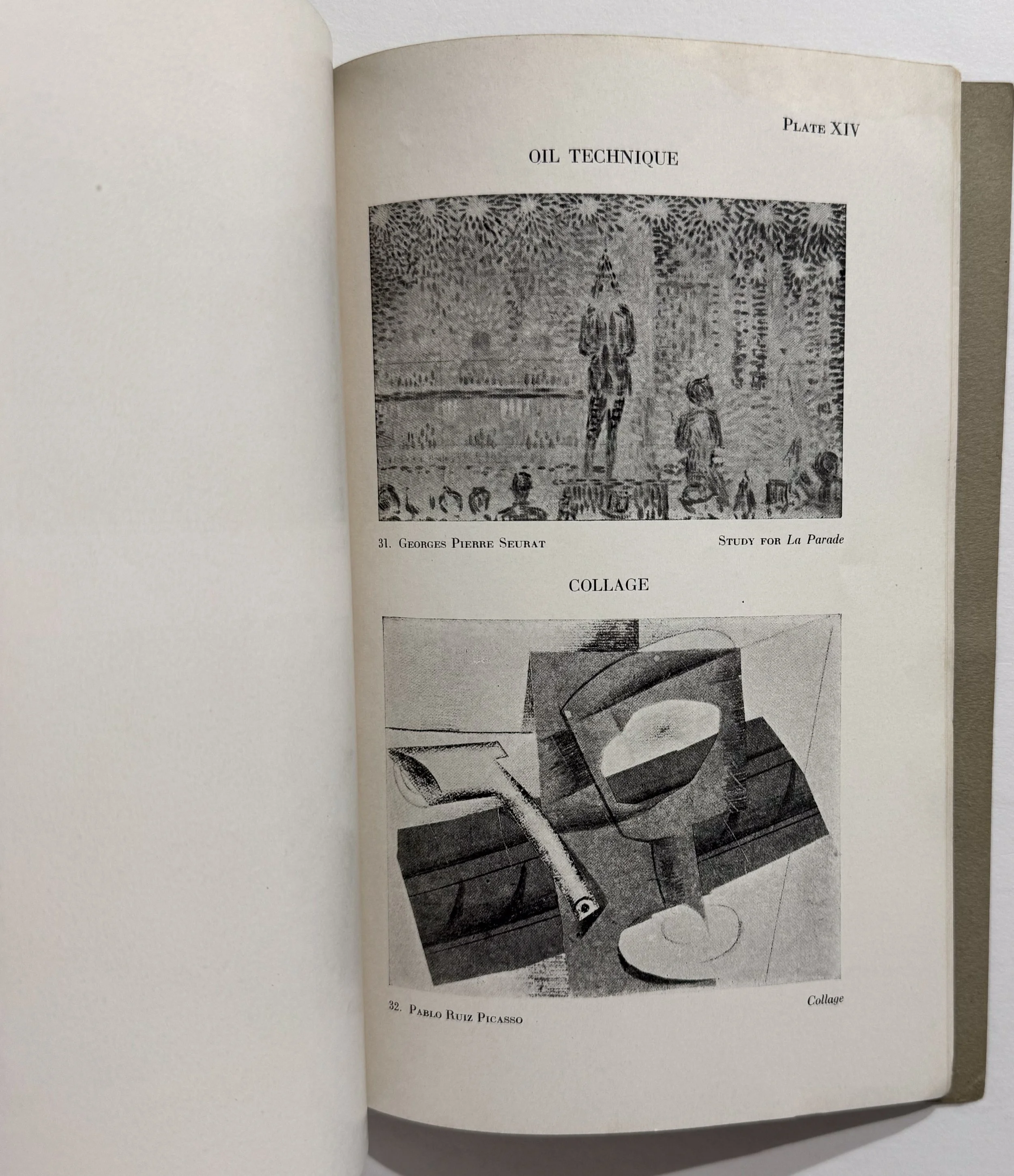
Volume VI, No. 5 (May, 1923) issue of the influential Christian Socialist and pacifist journal The World Tomorrow, published by The Fellowship Press and edited by Devere Allen. A special themed issue under the title “Making a Living: What the Negro Faces.” An important and influential survey of leading African American intellectuals, writers, clerics, and editors with an ideological bent toward radical pro-labor politics and a clear-eyed dialing down of racial tensions and segregationist impulses.National in scope, the issue is nonetheless an important precursor document of the Harlem Renaissance, with original contributions from W.E.B Dubois and Langston Hughes, along with Charles S.Johnson, editor of Opportunity: A Journal of Negro Life and a key institutional leader of the movement. Other contributors include Robert W. Bagnall, Leslie Pinckney Hill, Robert L. Mays, George A. Towns, and Robert R. Morton. Significantly, this is the first appearance in print of Dubois’s article “The Segregated Negro World” and of three short poems by Langston Hughes, later anthologized, including the two stanza poem Dreams (Hold fast to dreams, O Boy/For when dreams go/Life is a barren field/Frozen with snow), regarded as one of Hughes’s most important poems and an anthem for the Harlem Renaissance. The World Tomorrow was itself an important progressive interwar little magazine, emerging from the pacifist Fellowship of Reconciliation milieu and providing a forum for Christian socialism, internationalism, labor, racial equality, anti-imperialism, and social reform. 4to (8.75” x 11.75”), stapled newsprint with printed self-wrappers, 29 pages. Light bumping and rubbing to extremities; spine partially split from the bottom. Minor indentation down the length across all leaves. A scarce and consequential document, frequently cited in academic discourse.
Volume VI, No. 5 (May, 1923) issue of the influential Christian Socialist and pacifist journal The World Tomorrow, published by The Fellowship Press and edited by Devere Allen. A special themed issue under the title “Making a Living: What the Negro Faces.” An important and influential survey of leading African American intellectuals, writers, clerics, and editors with an ideological bent toward radical pro-labor politics and a clear-eyed dialing down of racial tensions and segregationist impulses.National in scope, the issue is nonetheless an important precursor document of the Harlem Renaissance, with original contributions from W.E.B Dubois and Langston Hughes, along with Charles S.Johnson, editor of Opportunity: A Journal of Negro Life and a key institutional leader of the movement. Other contributors include Robert W. Bagnall, Leslie Pinckney Hill, Robert L. Mays, George A. Towns, and Robert R. Morton. Significantly, this is the first appearance in print of Dubois’s article “The Segregated Negro World” and of three short poems by Langston Hughes, later anthologized, including the two stanza poem Dreams (Hold fast to dreams, O Boy/For when dreams go/Life is a barren field/Frozen with snow), regarded as one of Hughes’s most important poems and an anthem for the Harlem Renaissance. The World Tomorrow was itself an important progressive interwar little magazine, emerging from the pacifist Fellowship of Reconciliation milieu and providing a forum for Christian socialism, internationalism, labor, racial equality, anti-imperialism, and social reform. 4to (8.75” x 11.75”), stapled newsprint with printed self-wrappers, 29 pages. Light bumping and rubbing to extremities; spine partially split from the bottom. Minor indentation down the length across all leaves. A scarce and consequential document, frequently cited in academic discourse.

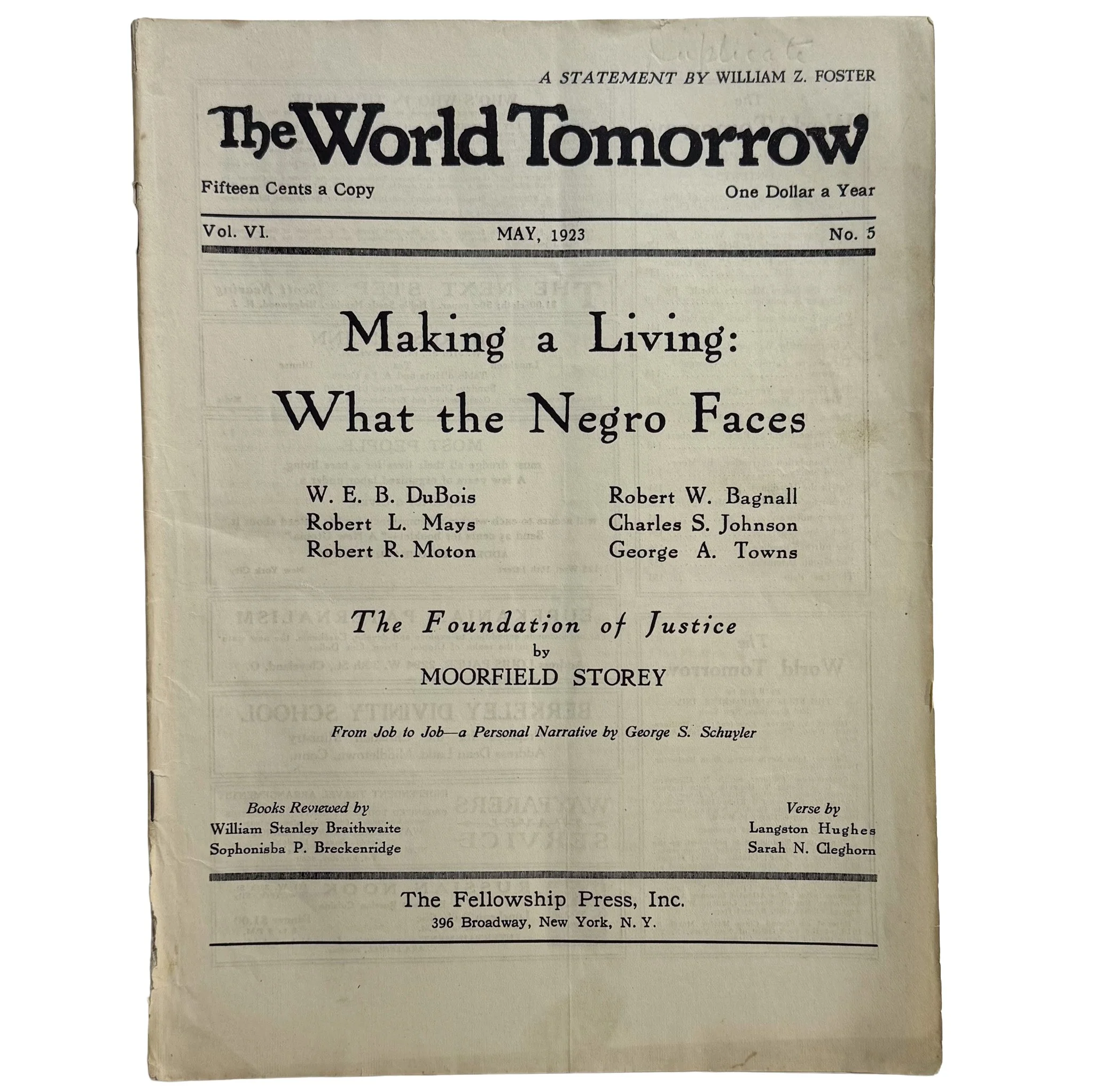 Image 1 of 10
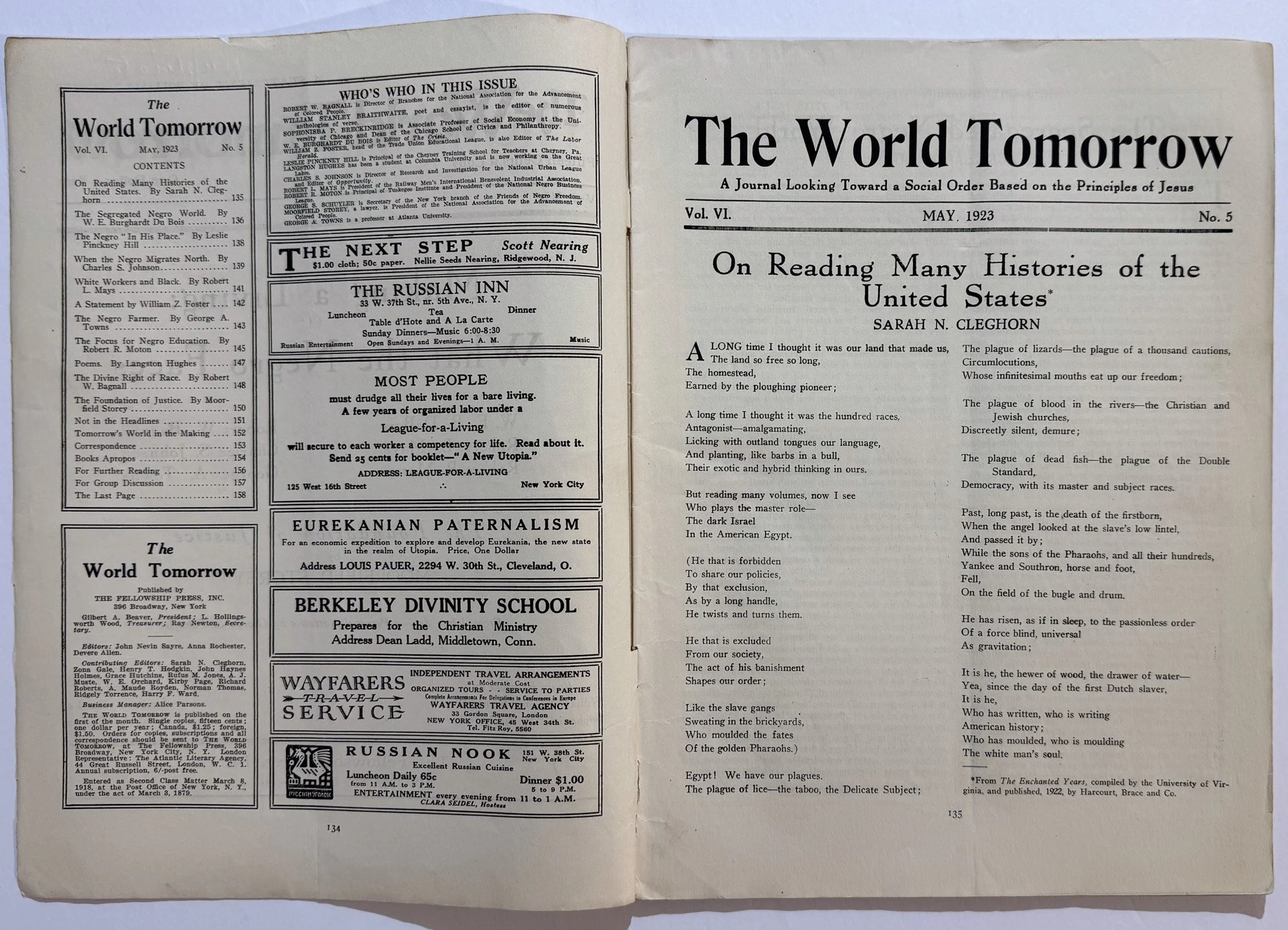 Image 2 of 10
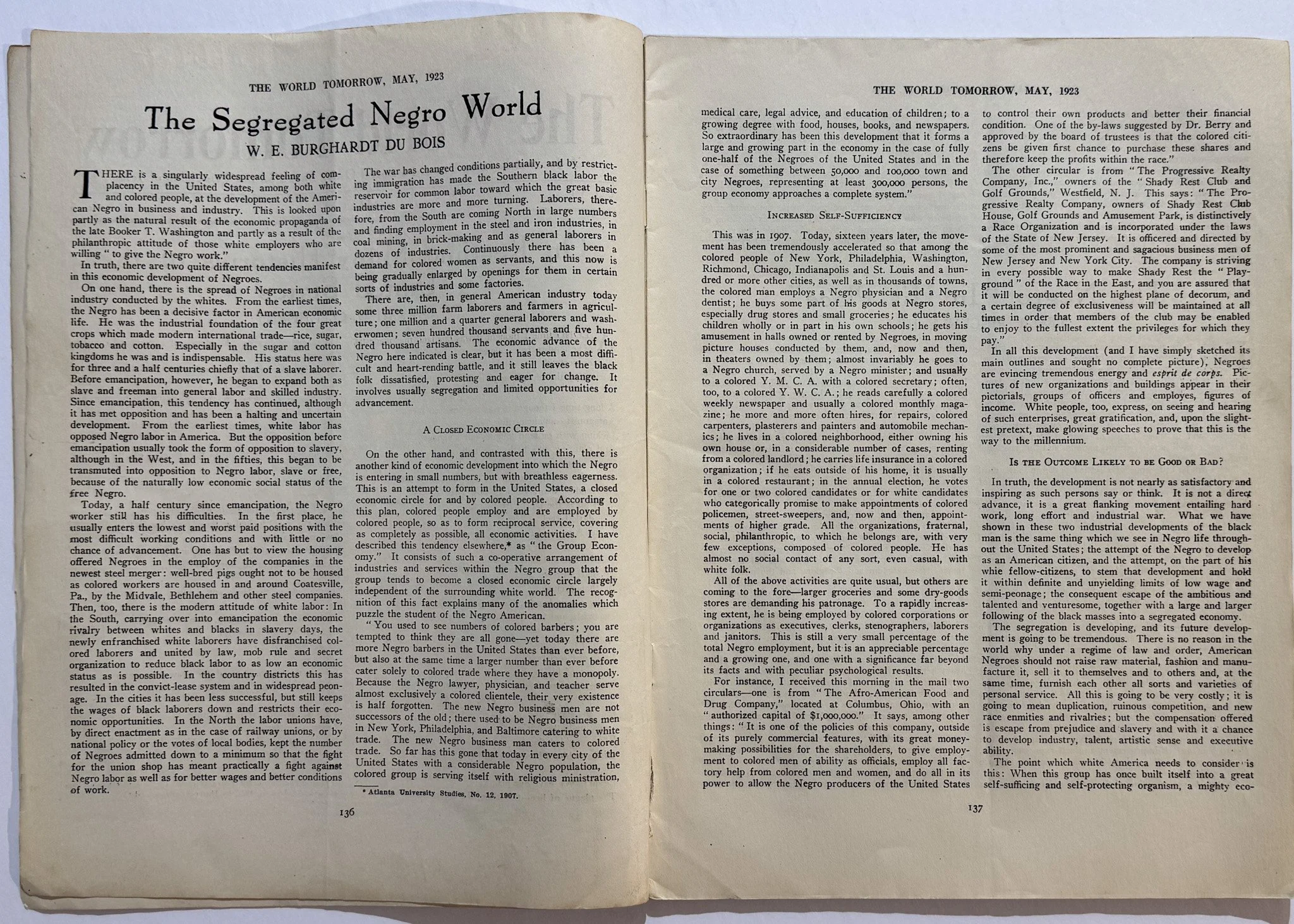 Image 3 of 10
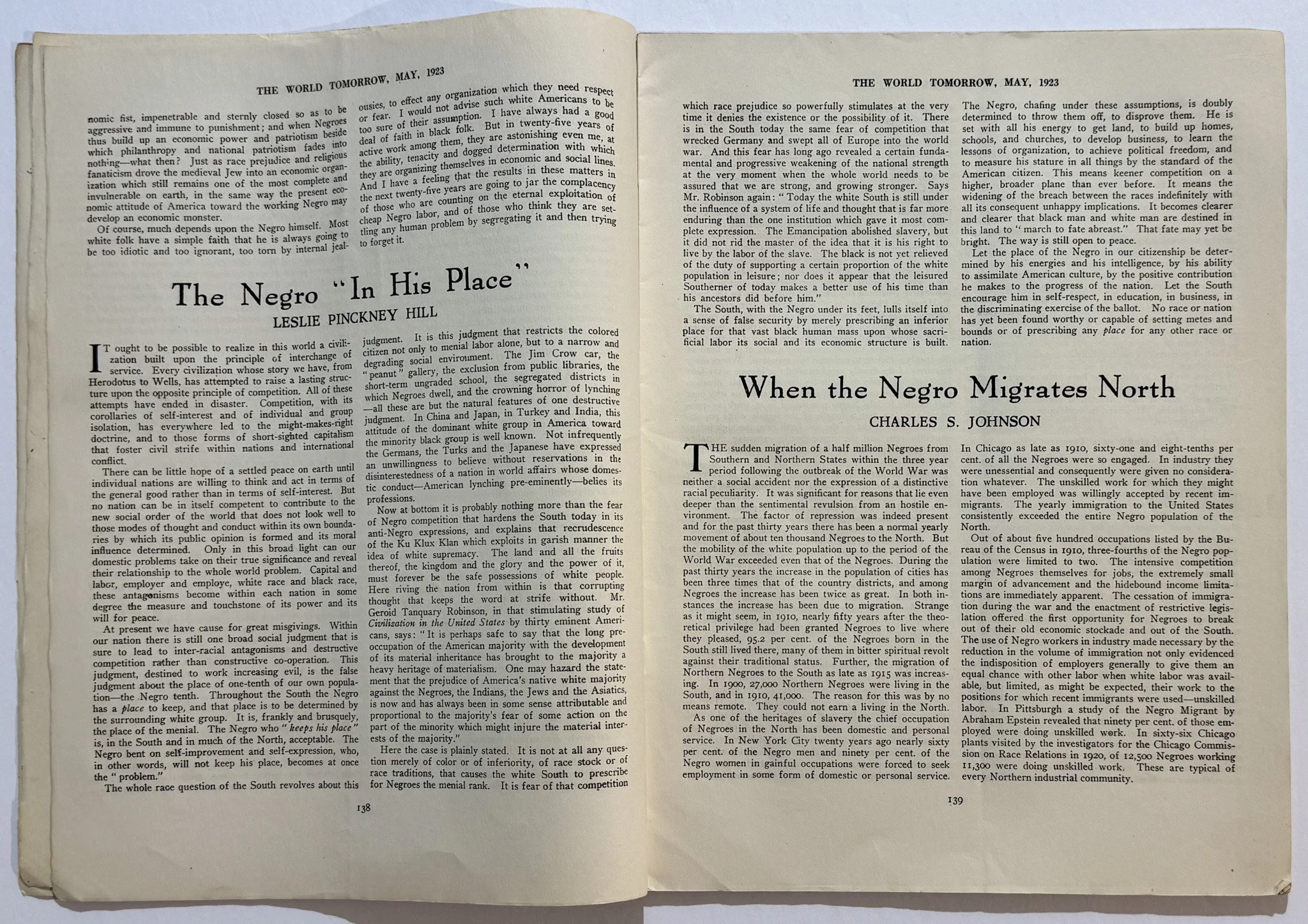 Image 4 of 10
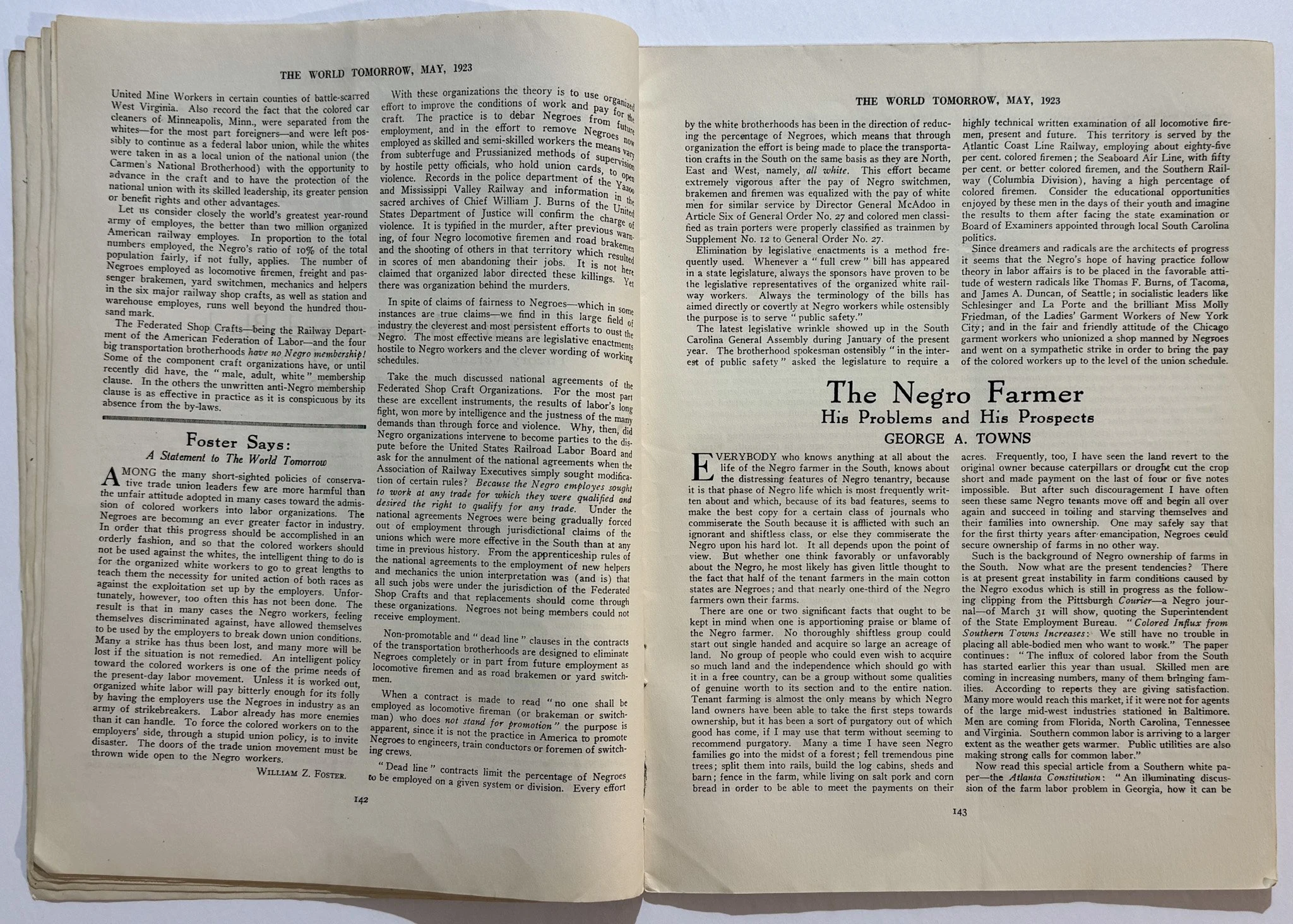 Image 5 of 10
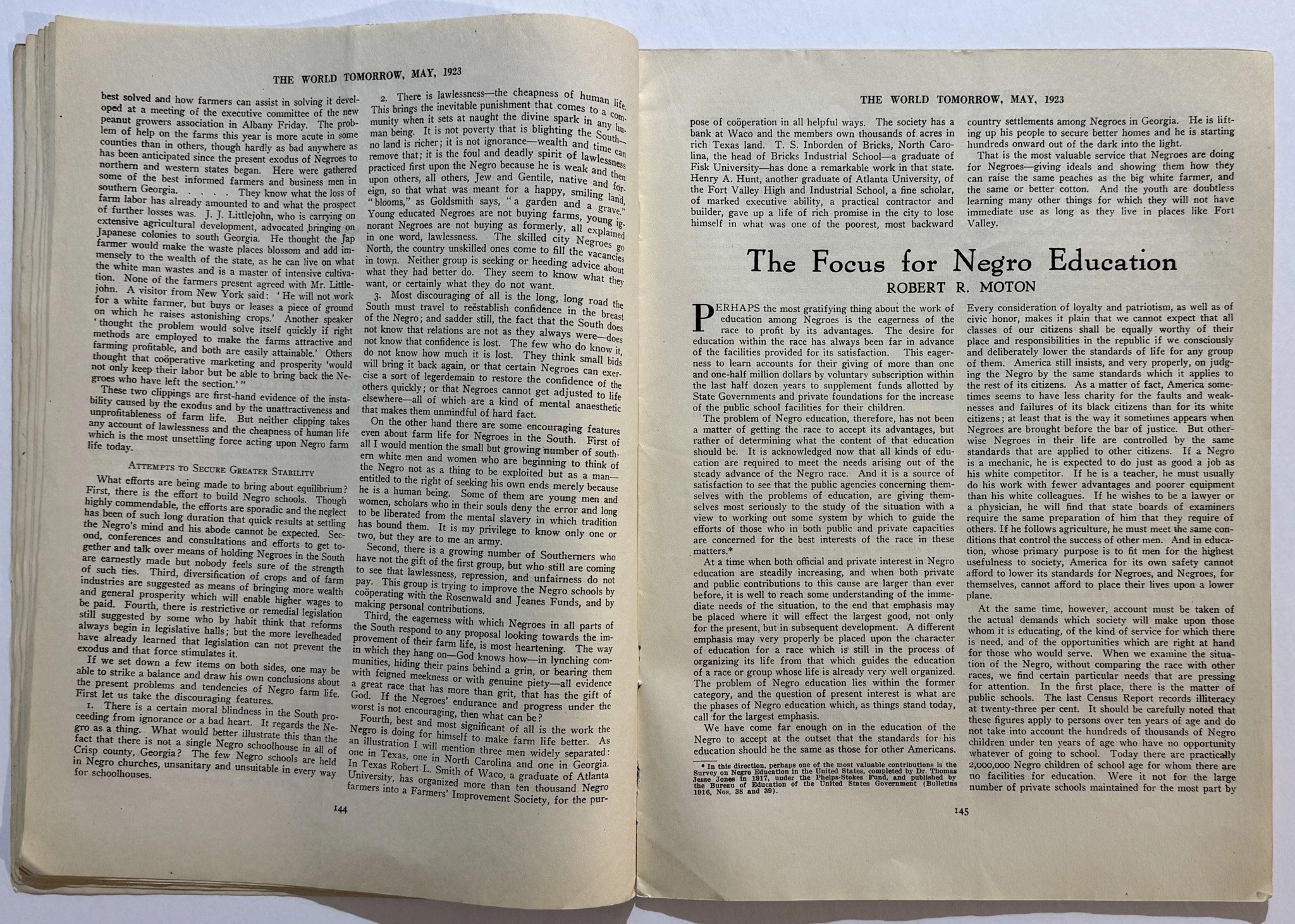 Image 6 of 10
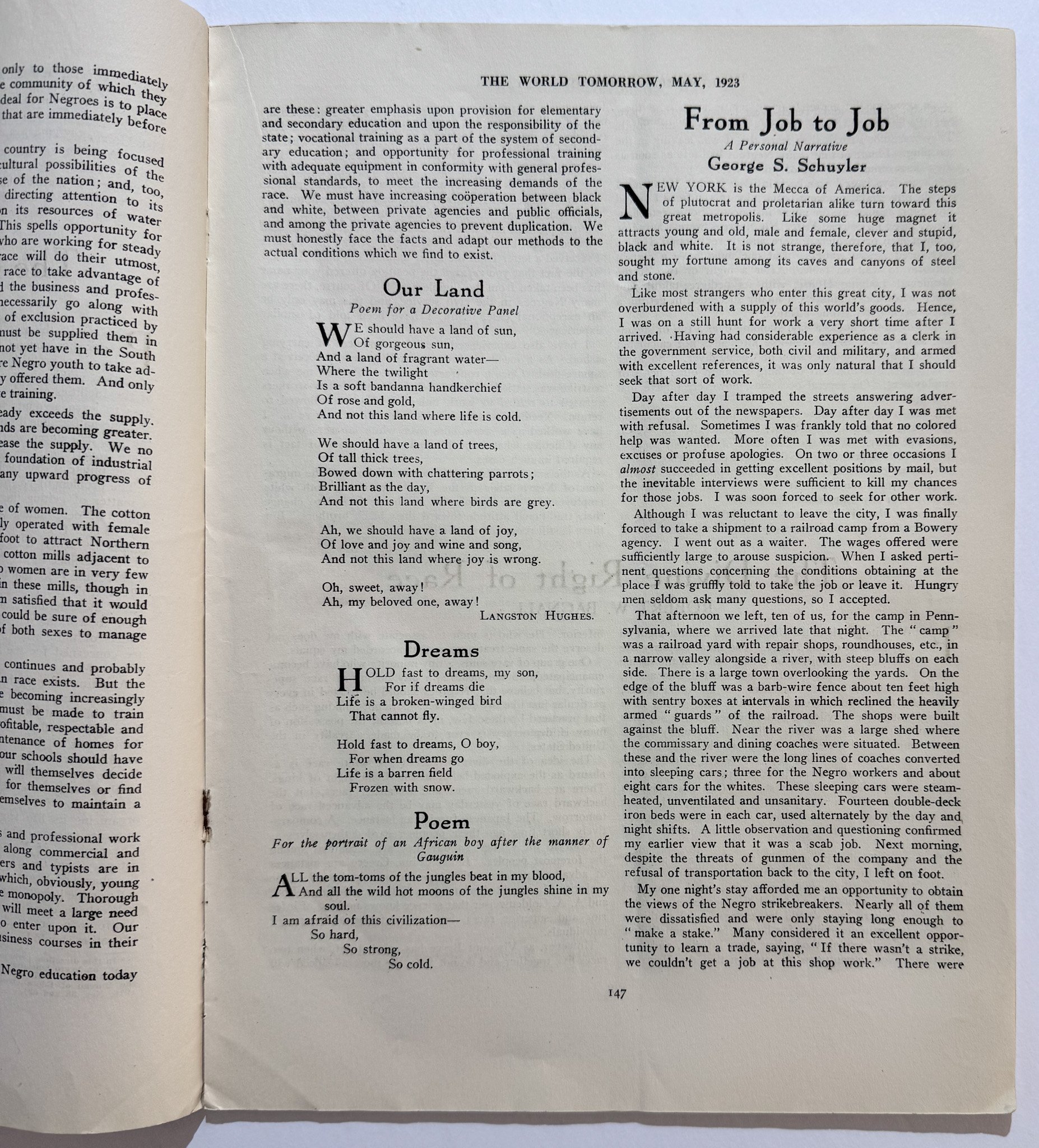 Image 7 of 10
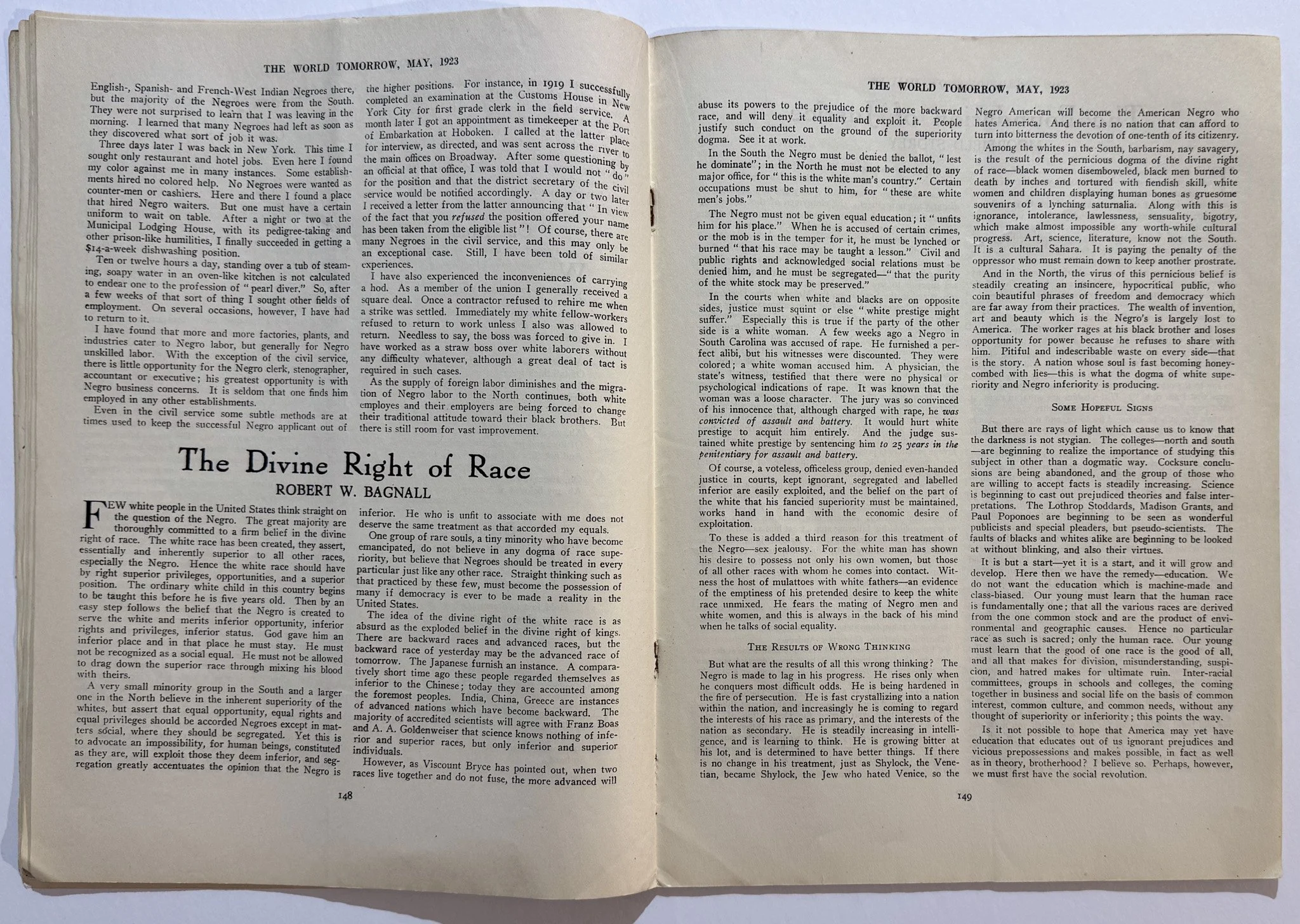 Image 8 of 10
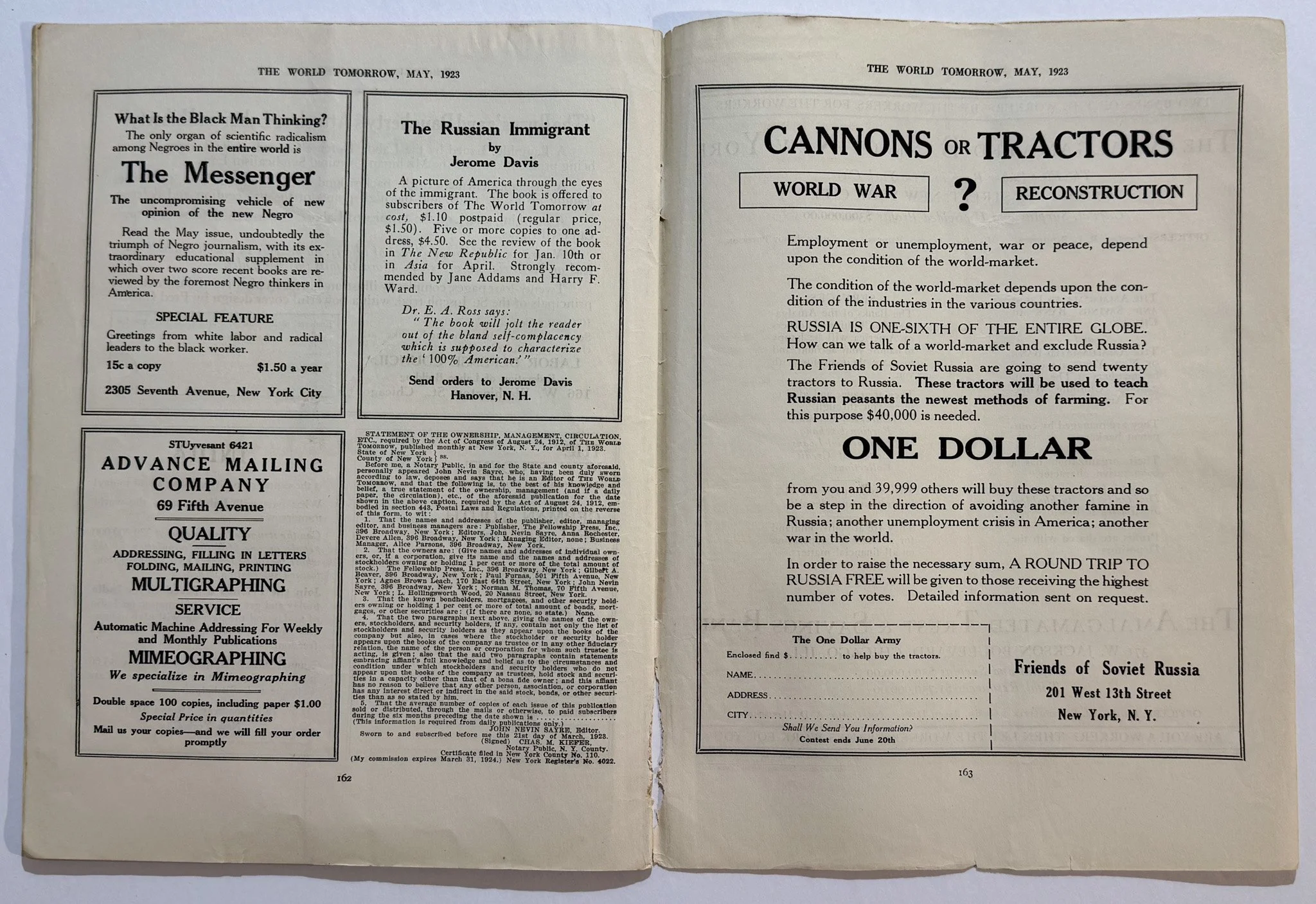 Image 9 of 10
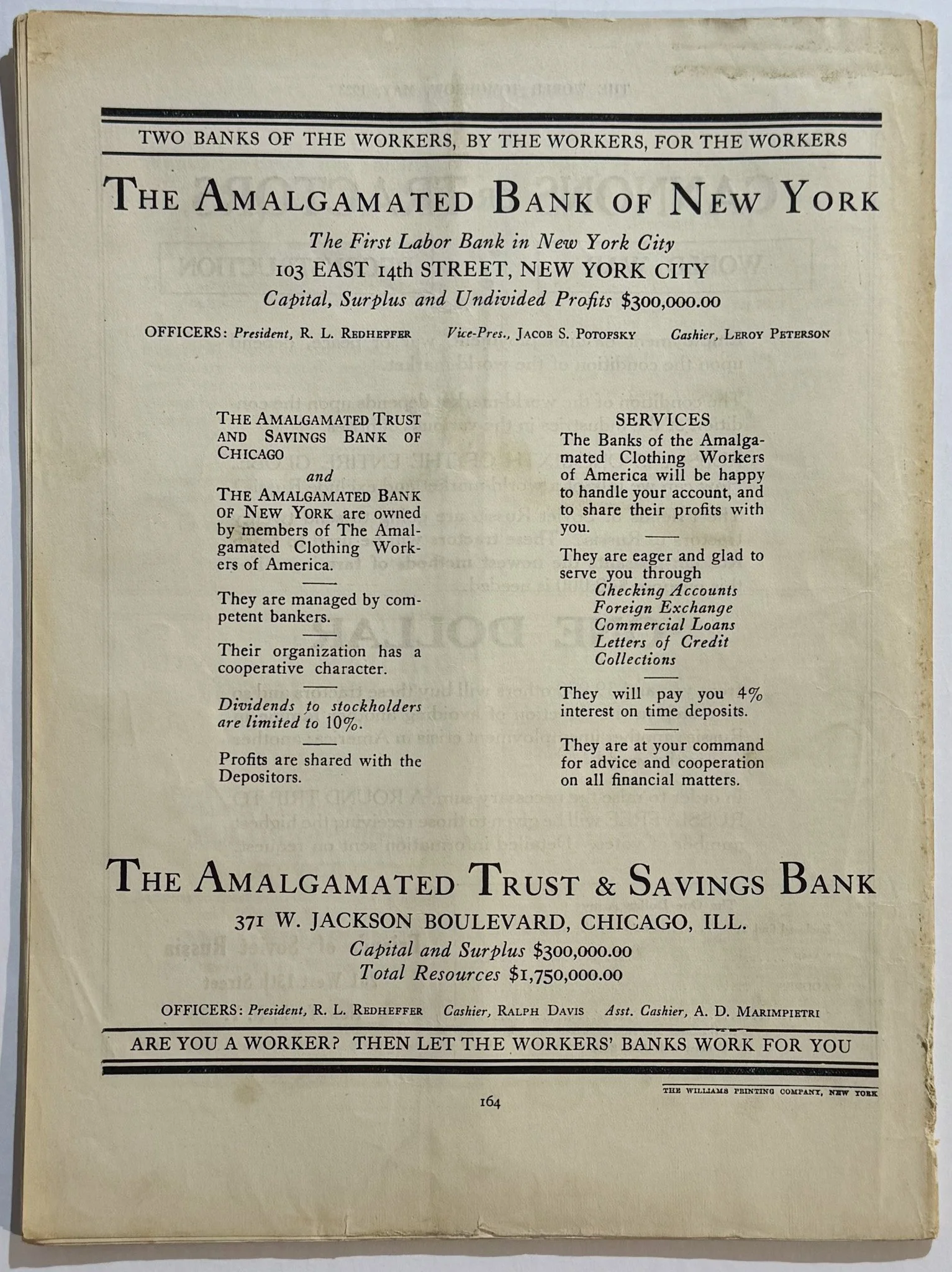 Image 10 of 10
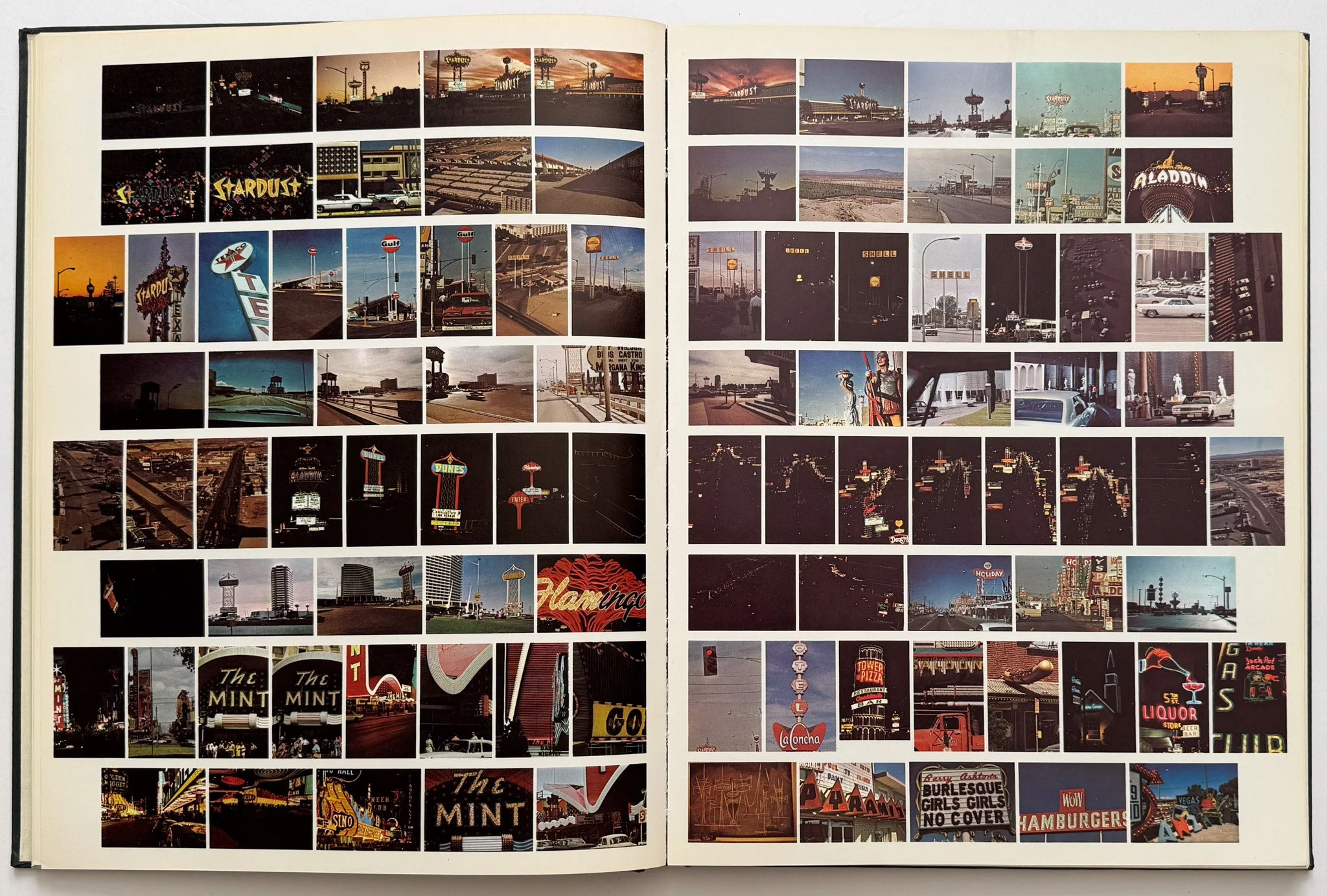
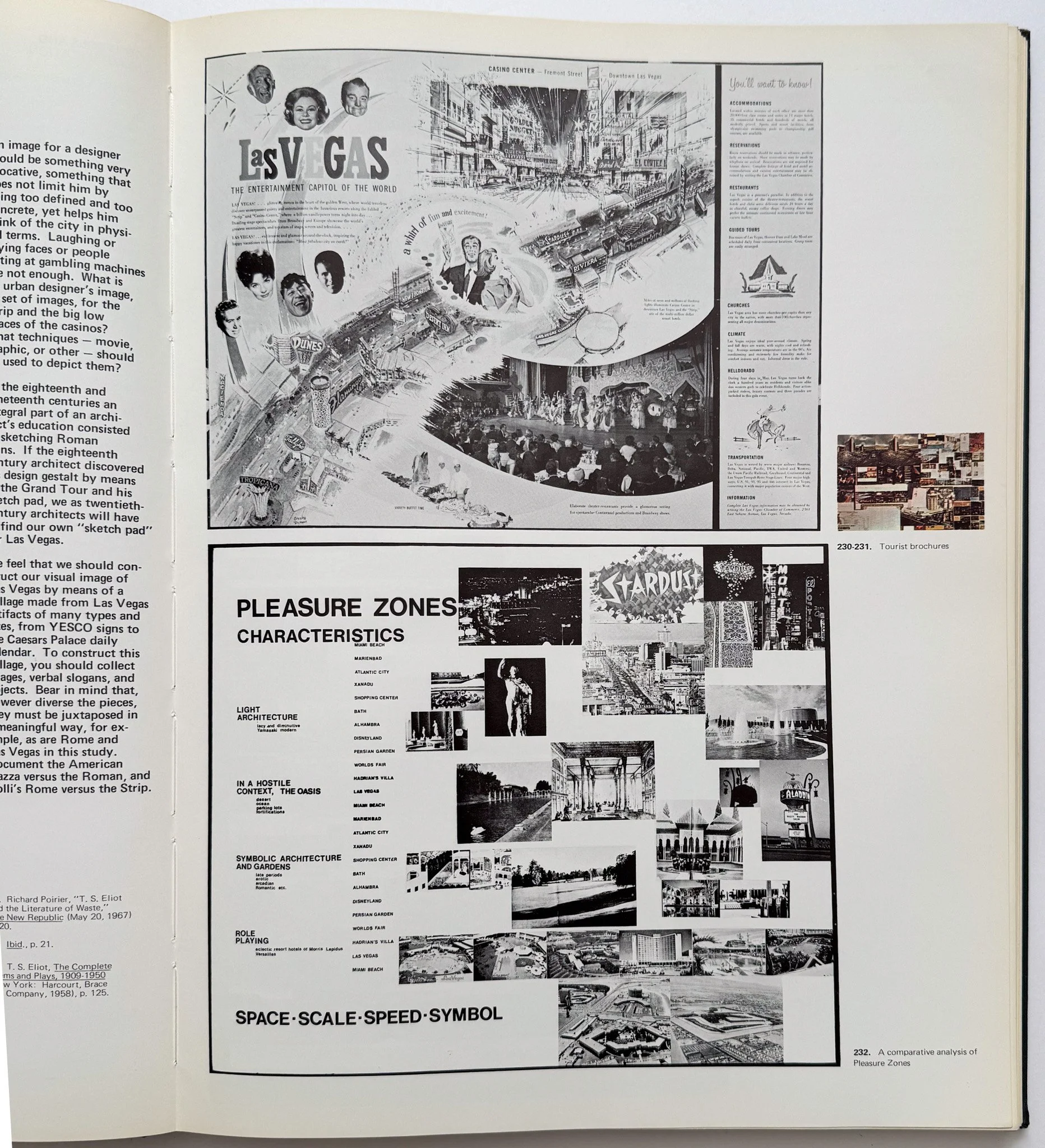
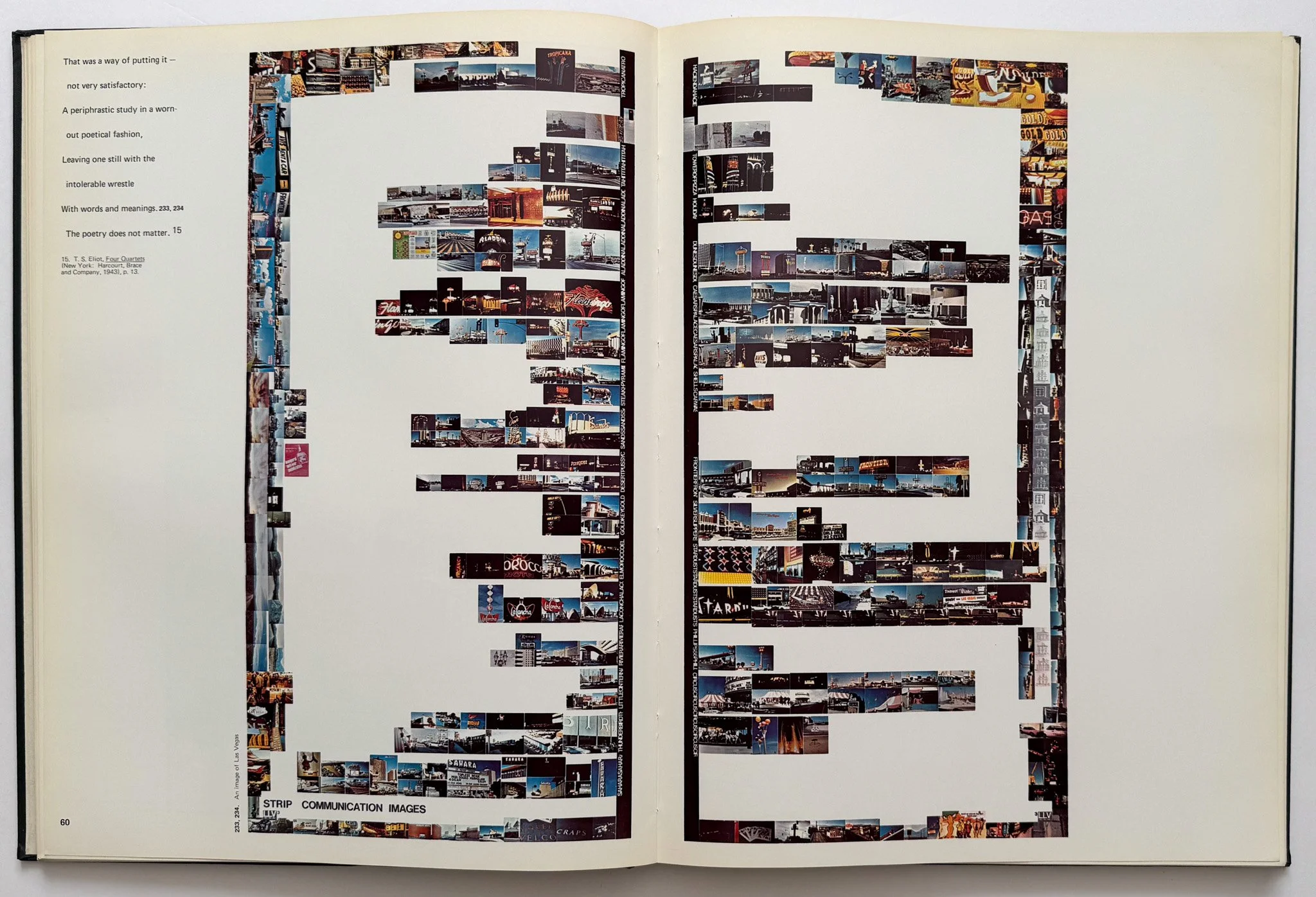
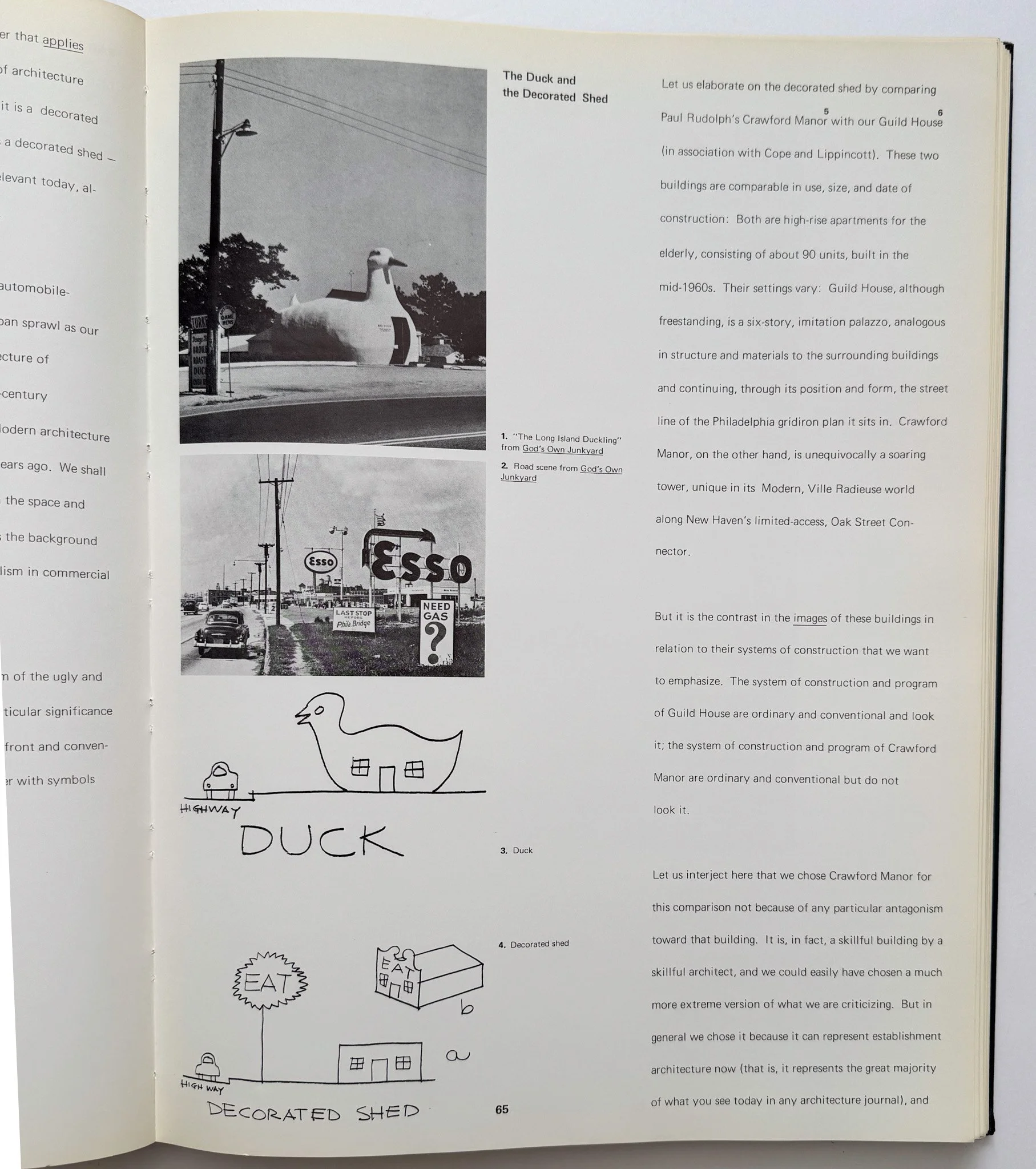
![[1st ed] Learning From Las Vegas](https://images.squarespace-cdn.com/content/v1/61dc97a529892d0e352a9423/3fd2558f-e084-42cc-bba5-73142b0fc5b5/f_46577292_1757352995819_bg_processed.jpg.webp)