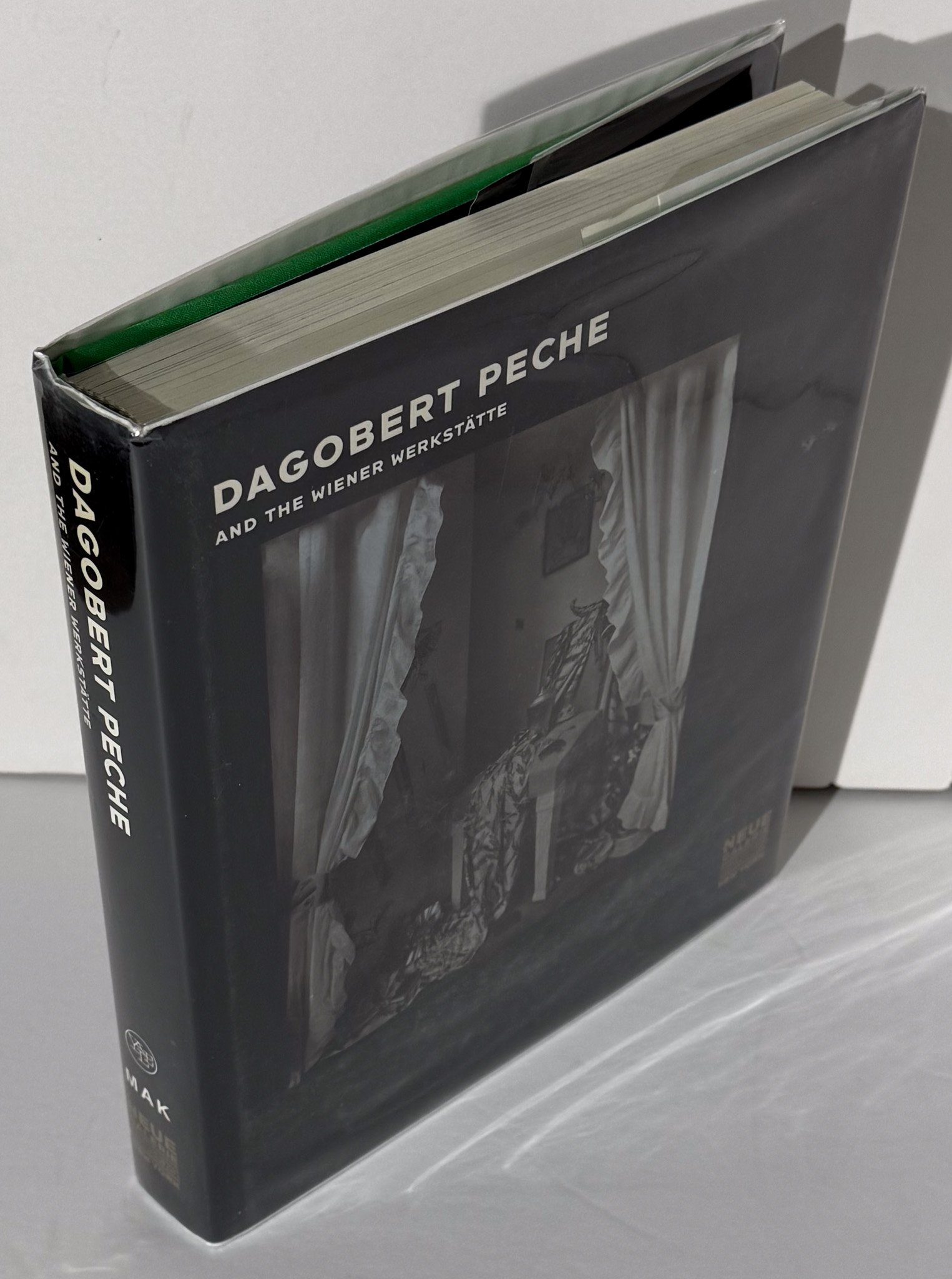
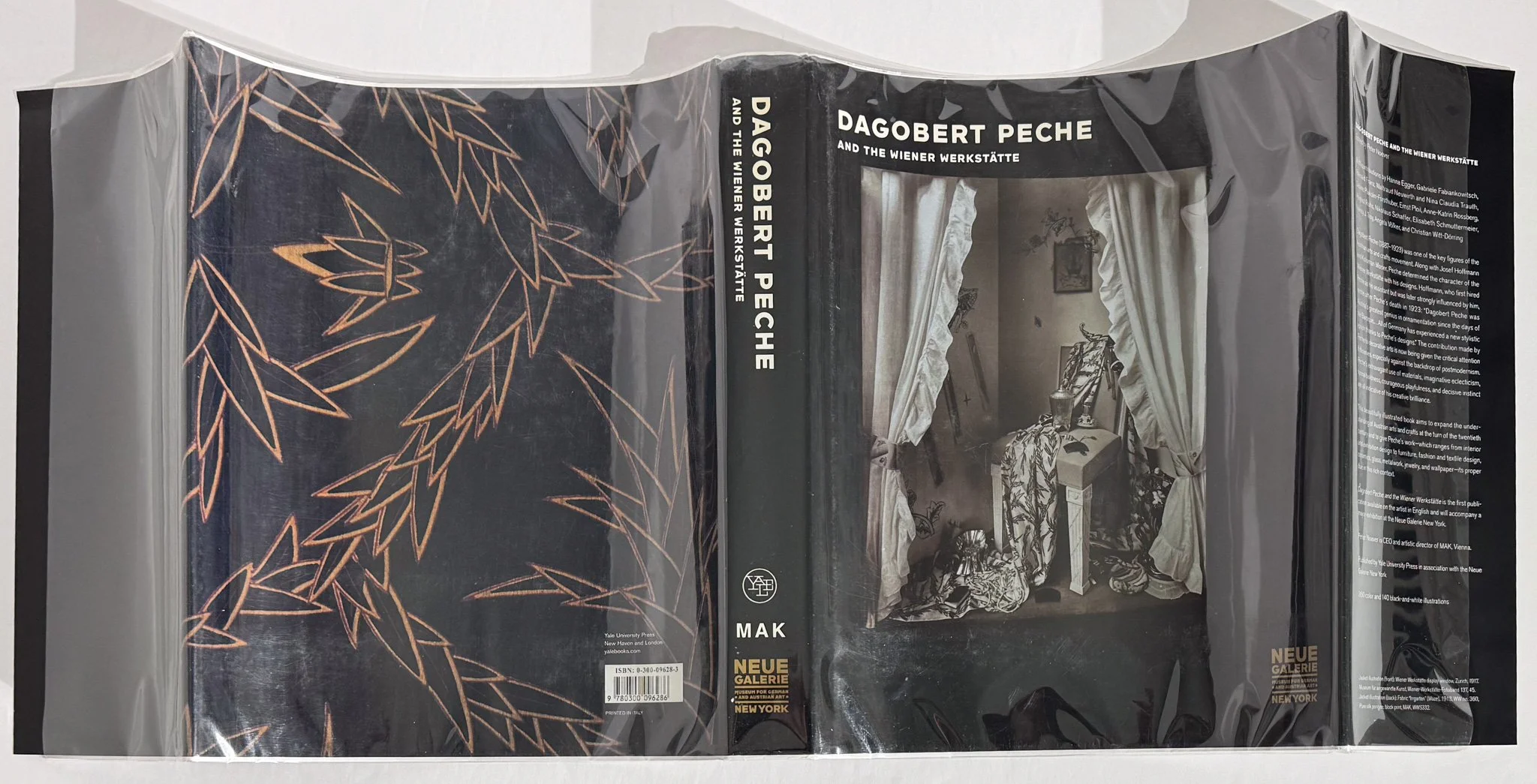
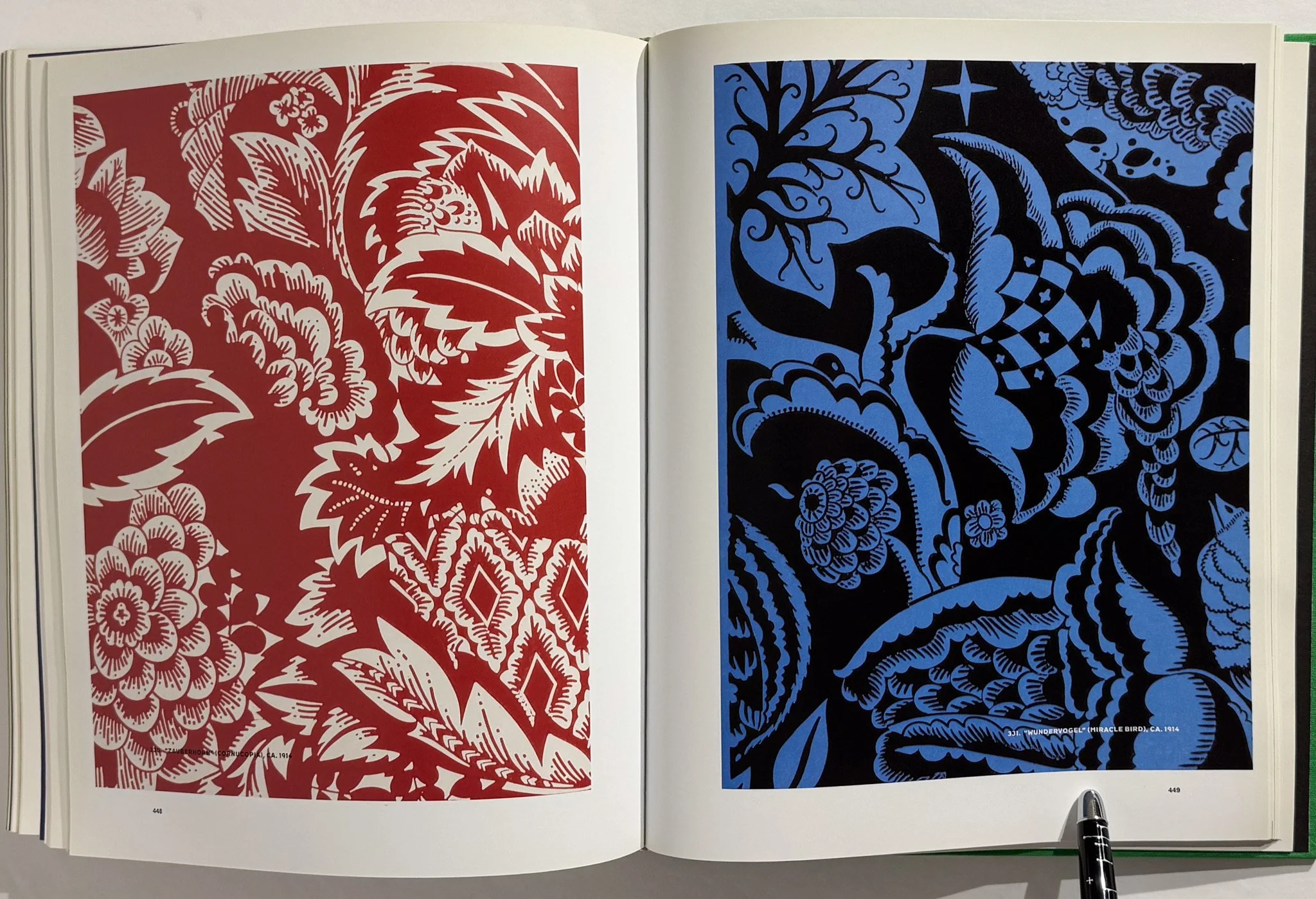
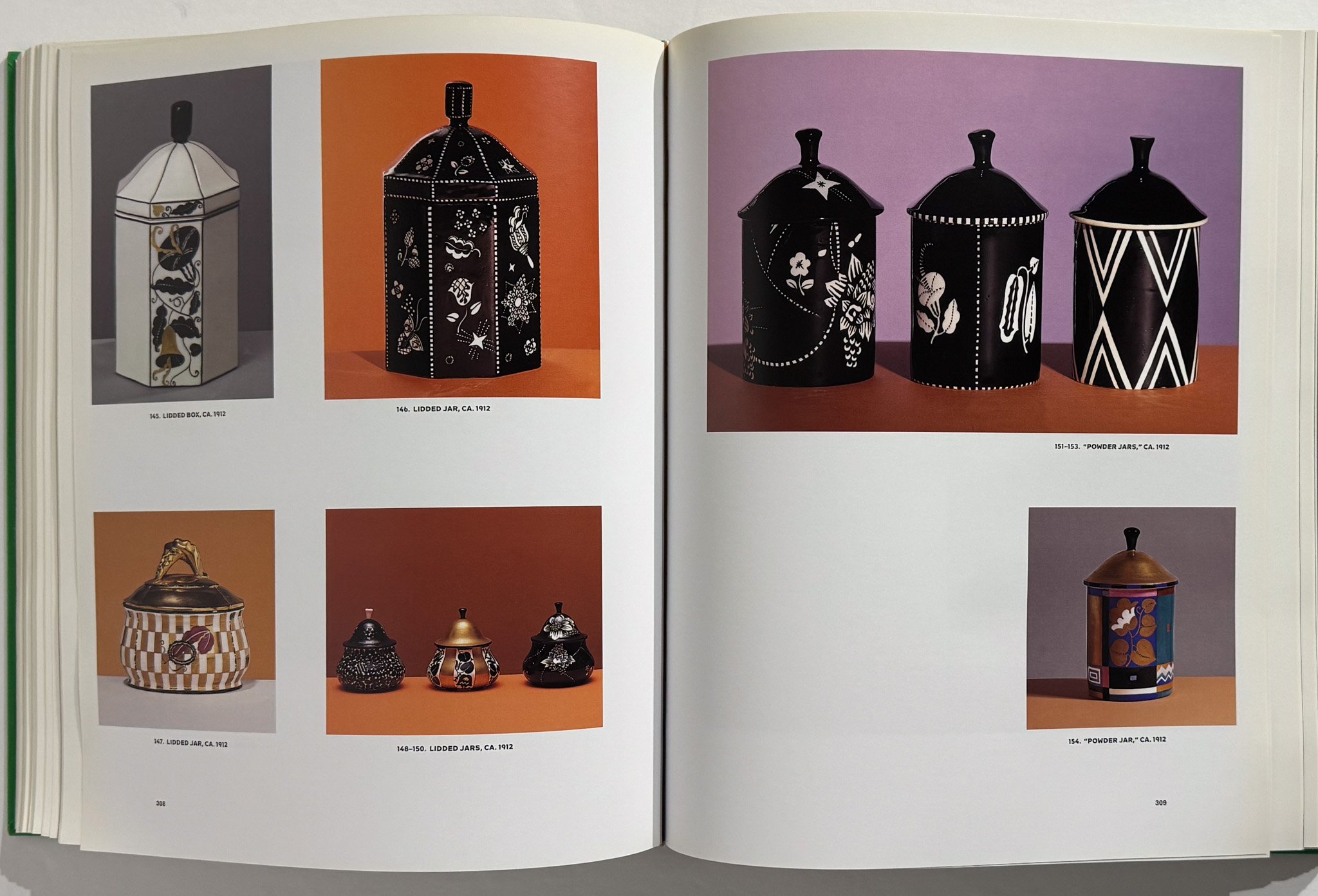
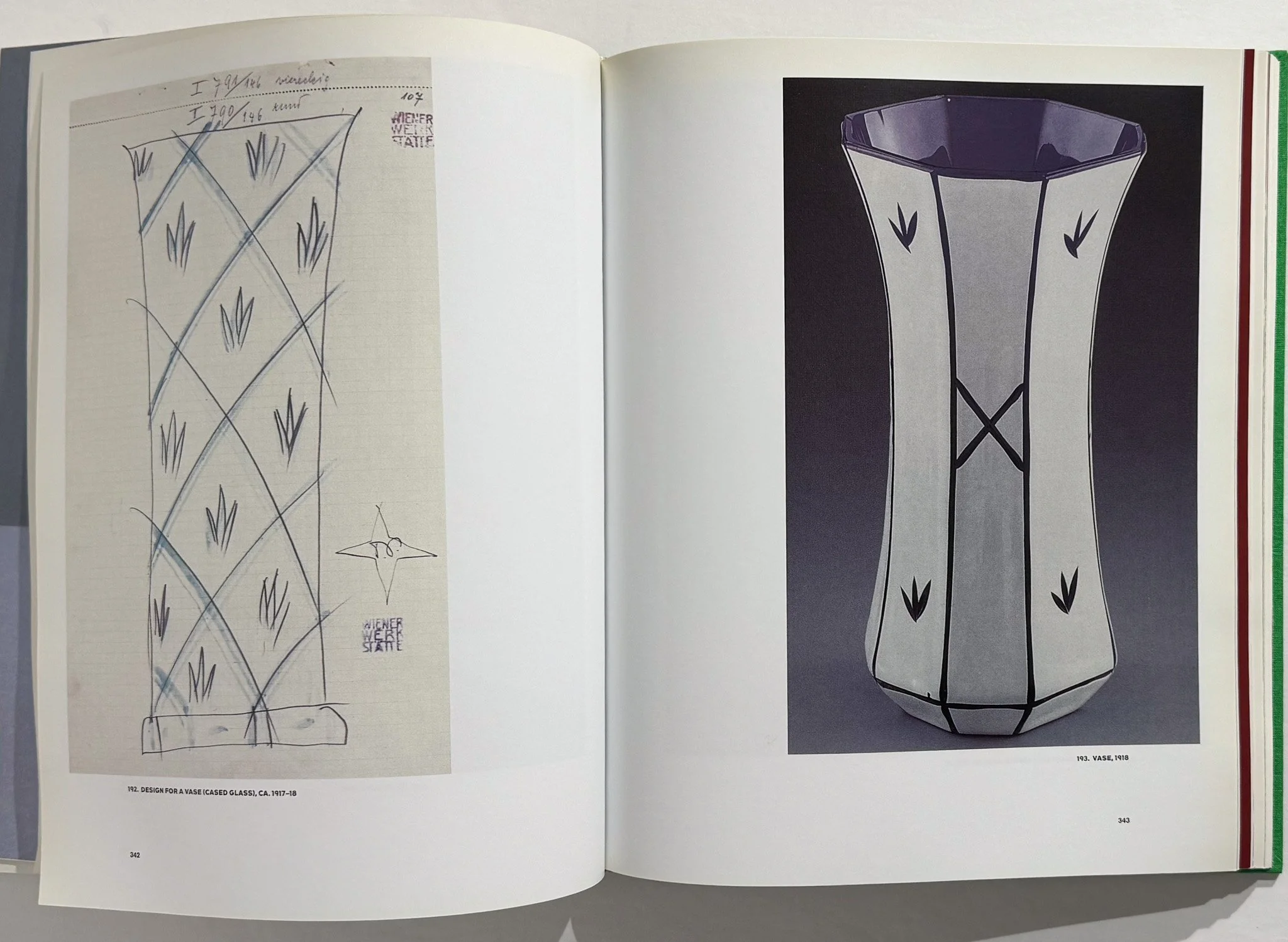
First edition of Laszlo Moholy-Nagy’s final book, posthumously published in 1947 in Chicago by Paul Theobald. A landmark work of modern design theory, the book presents Moholy-Nagy’s mature philosophy of art and education developed after his work at the Bauhaus and during his leadership of the New Bauhaus/Institute of Design in Chicago. 4to (9” x 11”), hardcover with the scarce photo-illustrated dust jacket, 376 pages profusely illustrated with [mostly] black-and-white photographs, diagrams, and reproductions of student and faculty work. Book design and typography by the author.
Minimal bumping and rubbing to extremities. Light rubbing and chipping to price-clipped dj, with limited open tears to spine ends. Front flap detached, though preserved in protective cover and remains visually seamless. Creasing down the length of both covers, as well as to top and bottoms edges, especially at the top of rear cover.
A foundational text of twentieth-century design pedagogy and an essential work for collectors of Bauhaus and modernist design history.
First edition of Laszlo Moholy-Nagy’s final book, posthumously published in 1947 in Chicago by Paul Theobald. A landmark work of modern design theory, the book presents Moholy-Nagy’s mature philosophy of art and education developed after his work at the Bauhaus and during his leadership of the New Bauhaus/Institute of Design in Chicago. 4to (9” x 11”), hardcover with the scarce photo-illustrated dust jacket, 376 pages profusely illustrated with [mostly] black-and-white photographs, diagrams, and reproductions of student and faculty work. Book design and typography by the author.
Minimal bumping and rubbing to extremities. Light rubbing and chipping to price-clipped dj, with limited open tears to spine ends. Front flap detached, though preserved in protective cover and remains visually seamless. Creasing down the length of both covers, as well as to top and bottoms edges, especially at the top of rear cover.
A foundational text of twentieth-century design pedagogy and an essential work for collectors of Bauhaus and modernist design history.

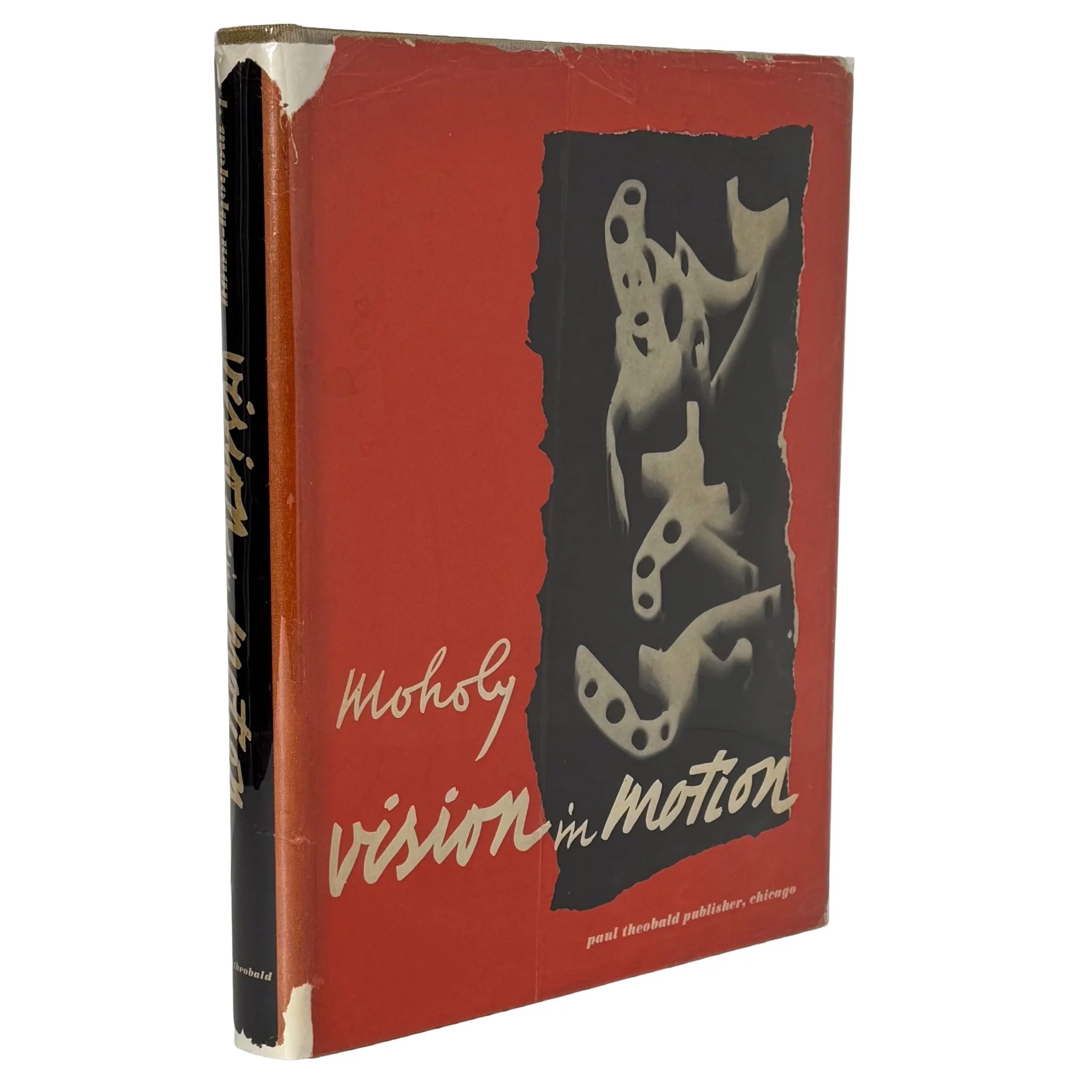 Image 1 of 15
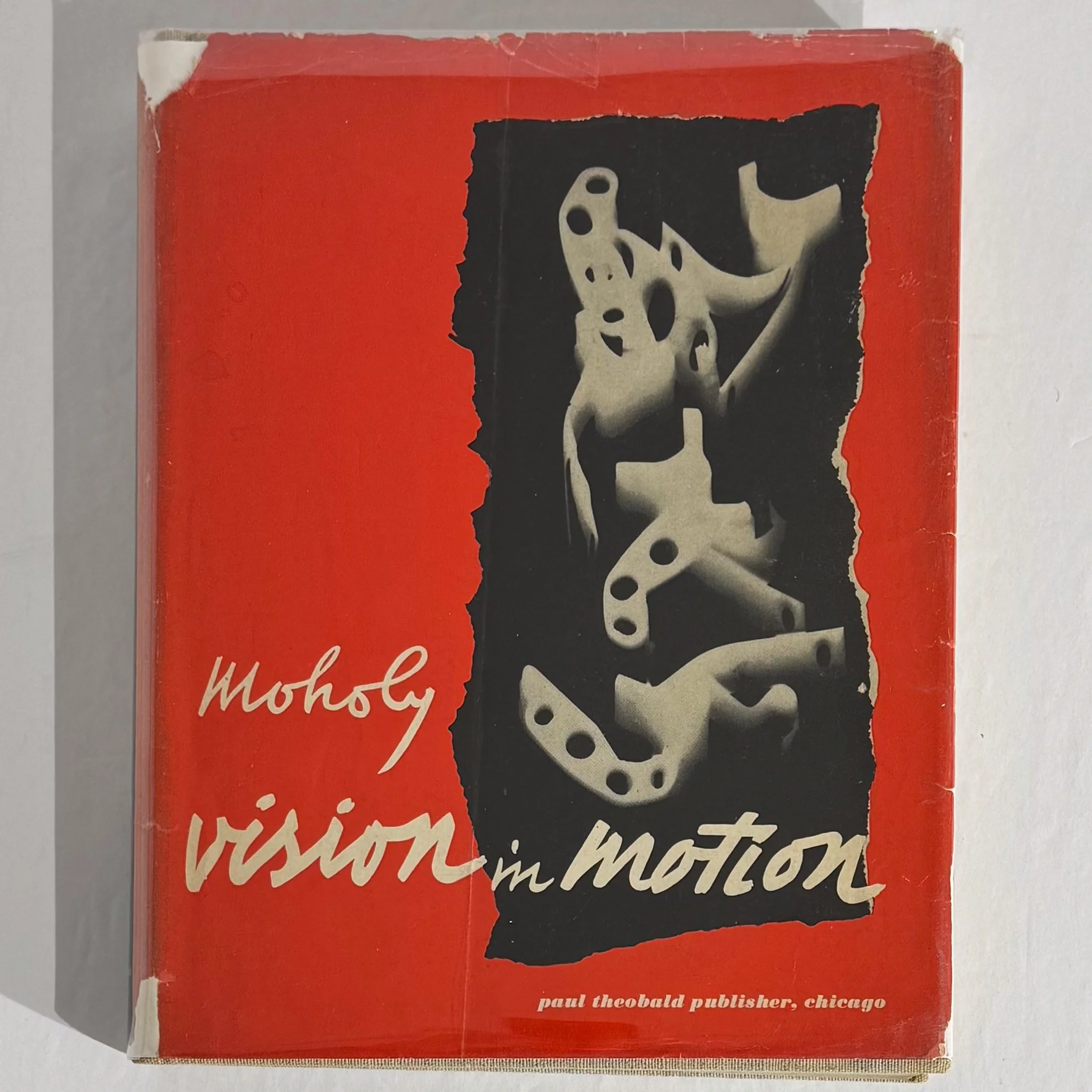 Image 2 of 15
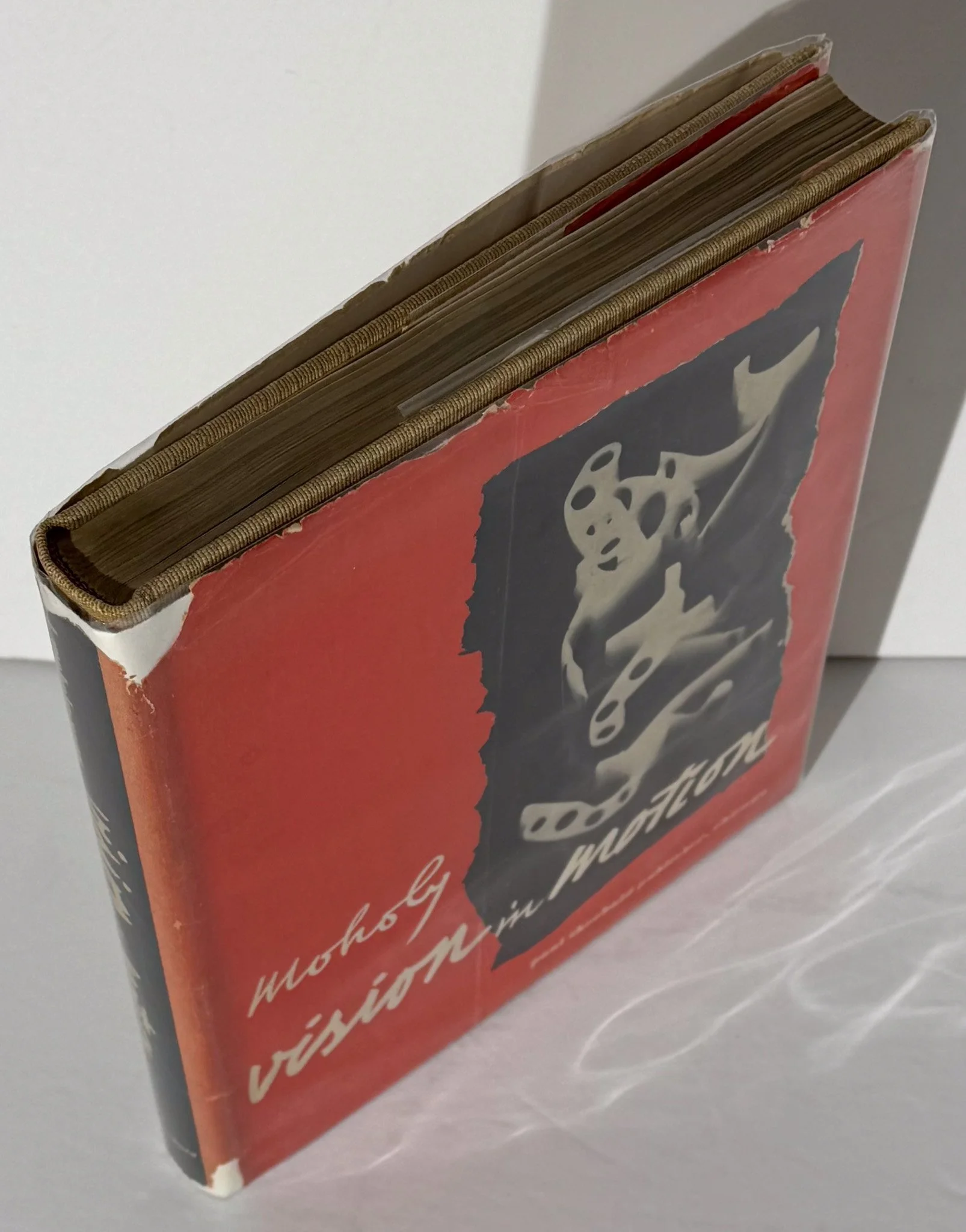 Image 3 of 15
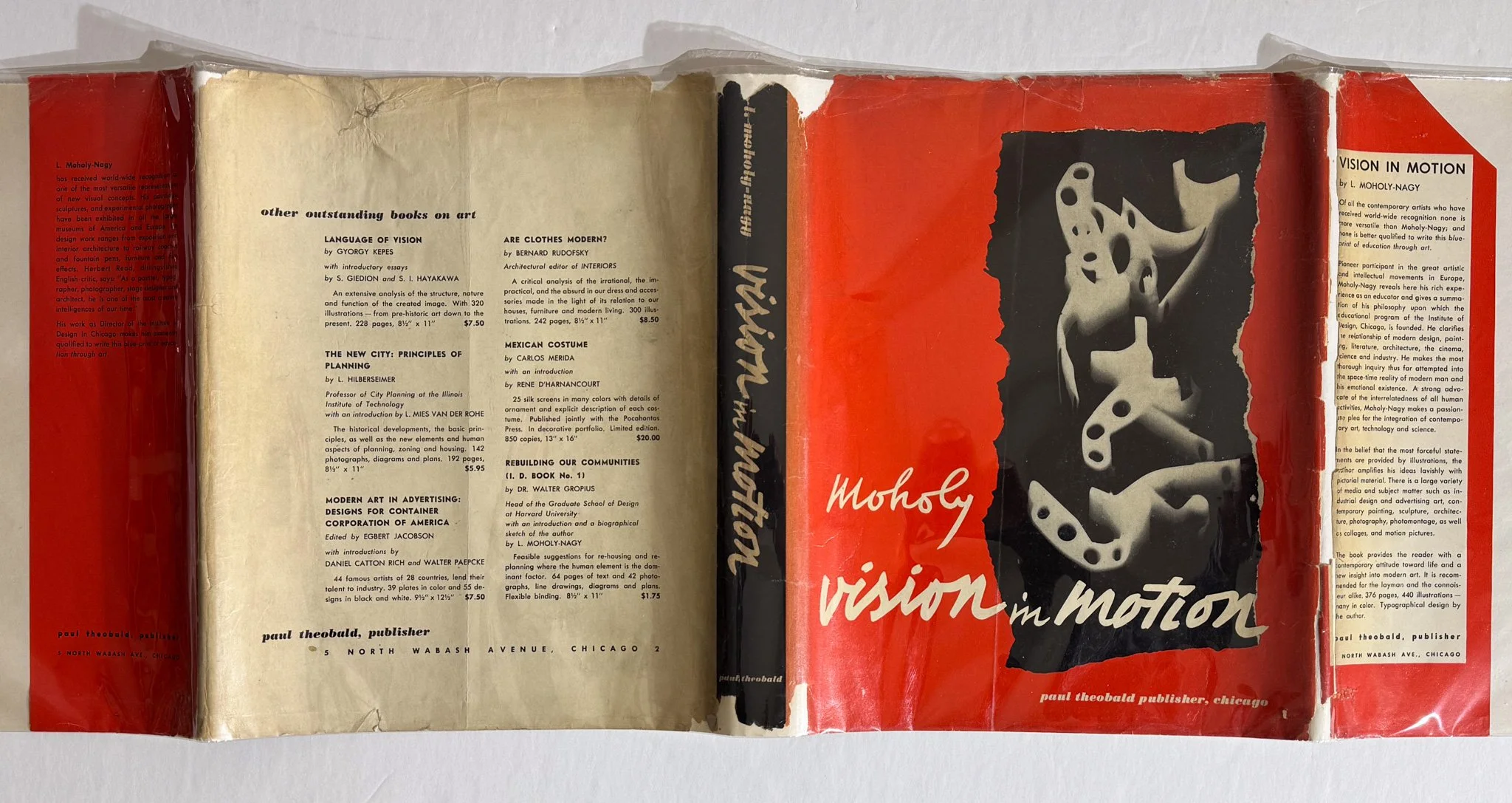 Image 4 of 15
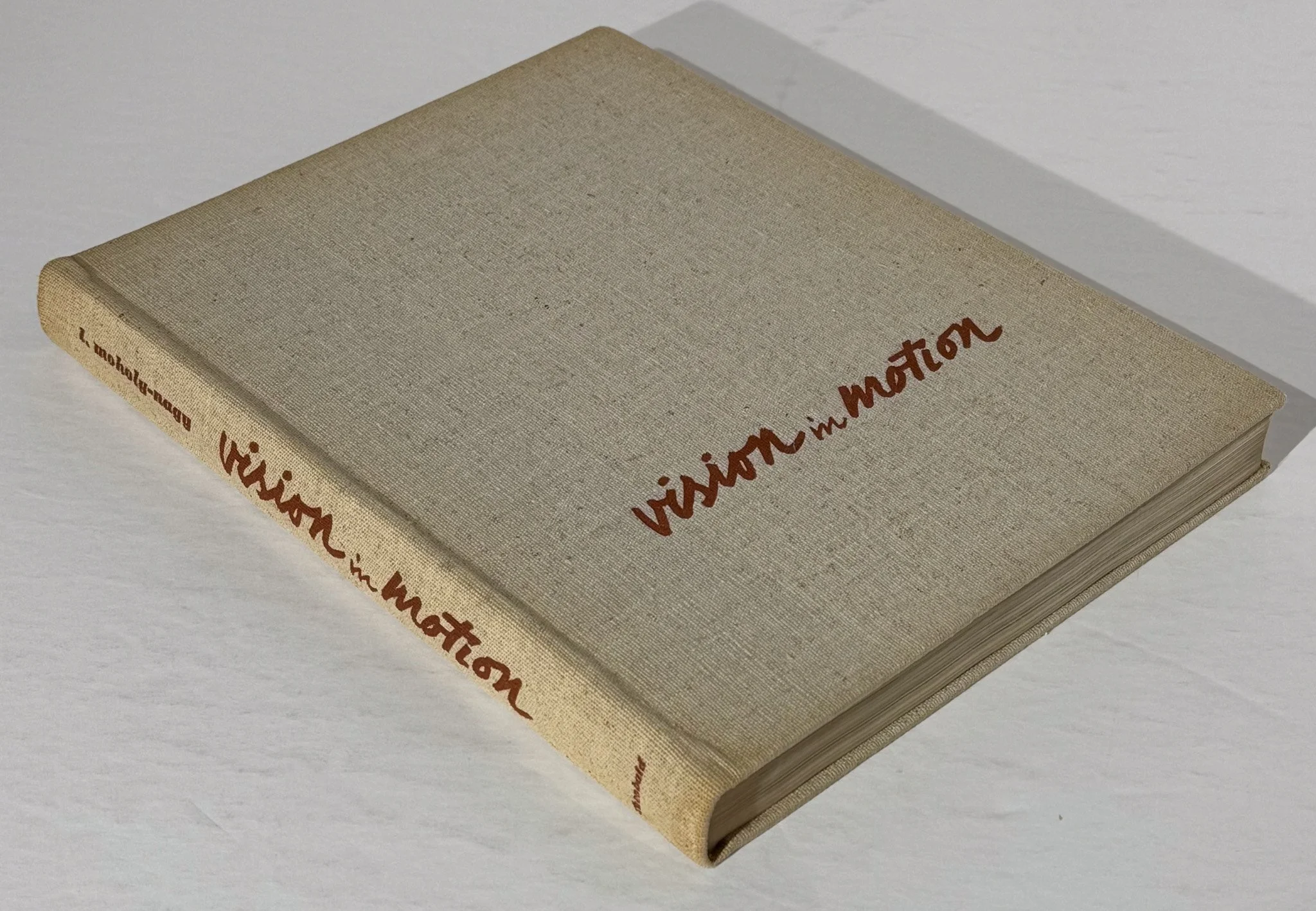 Image 5 of 15
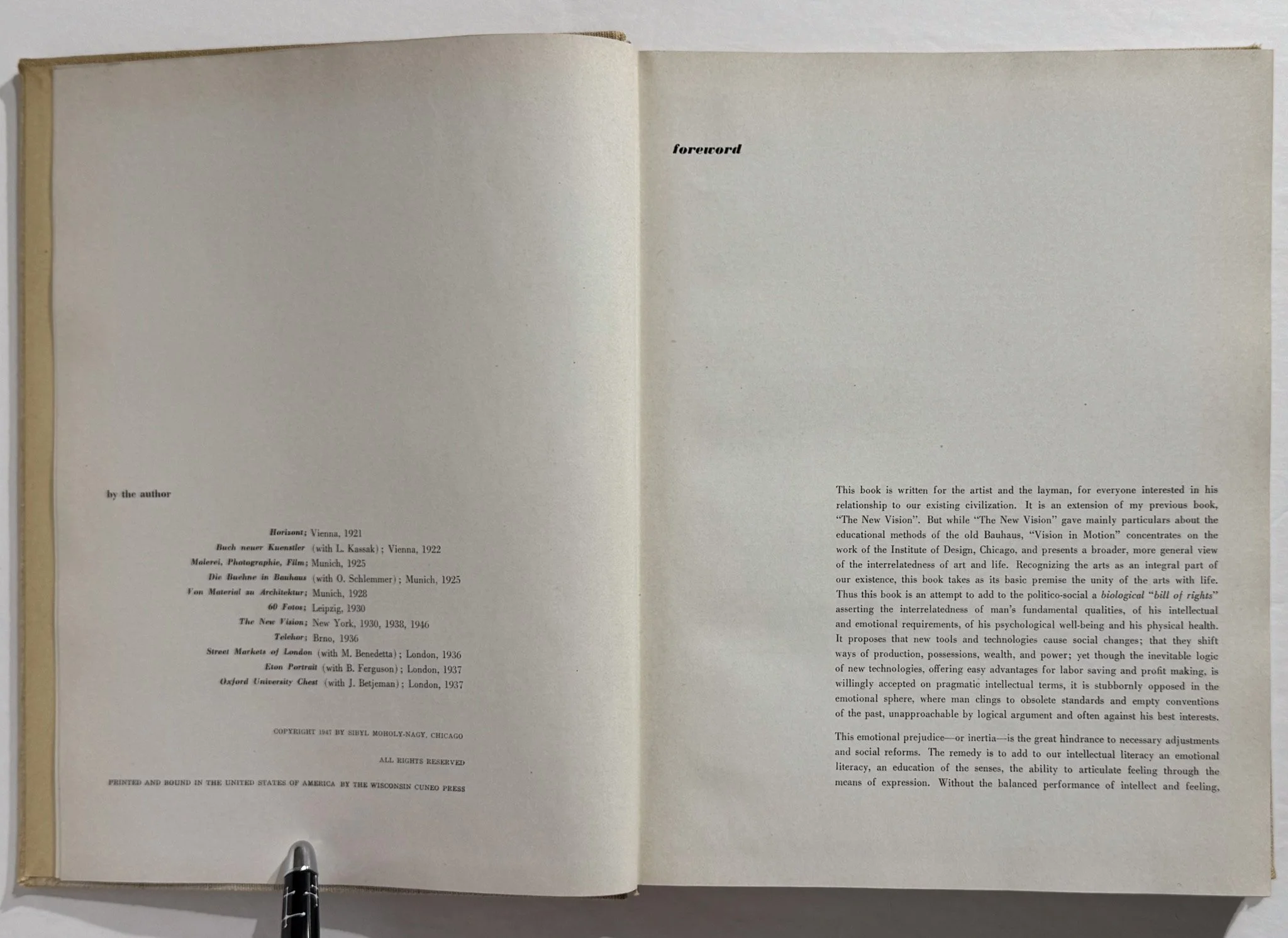 Image 6 of 15
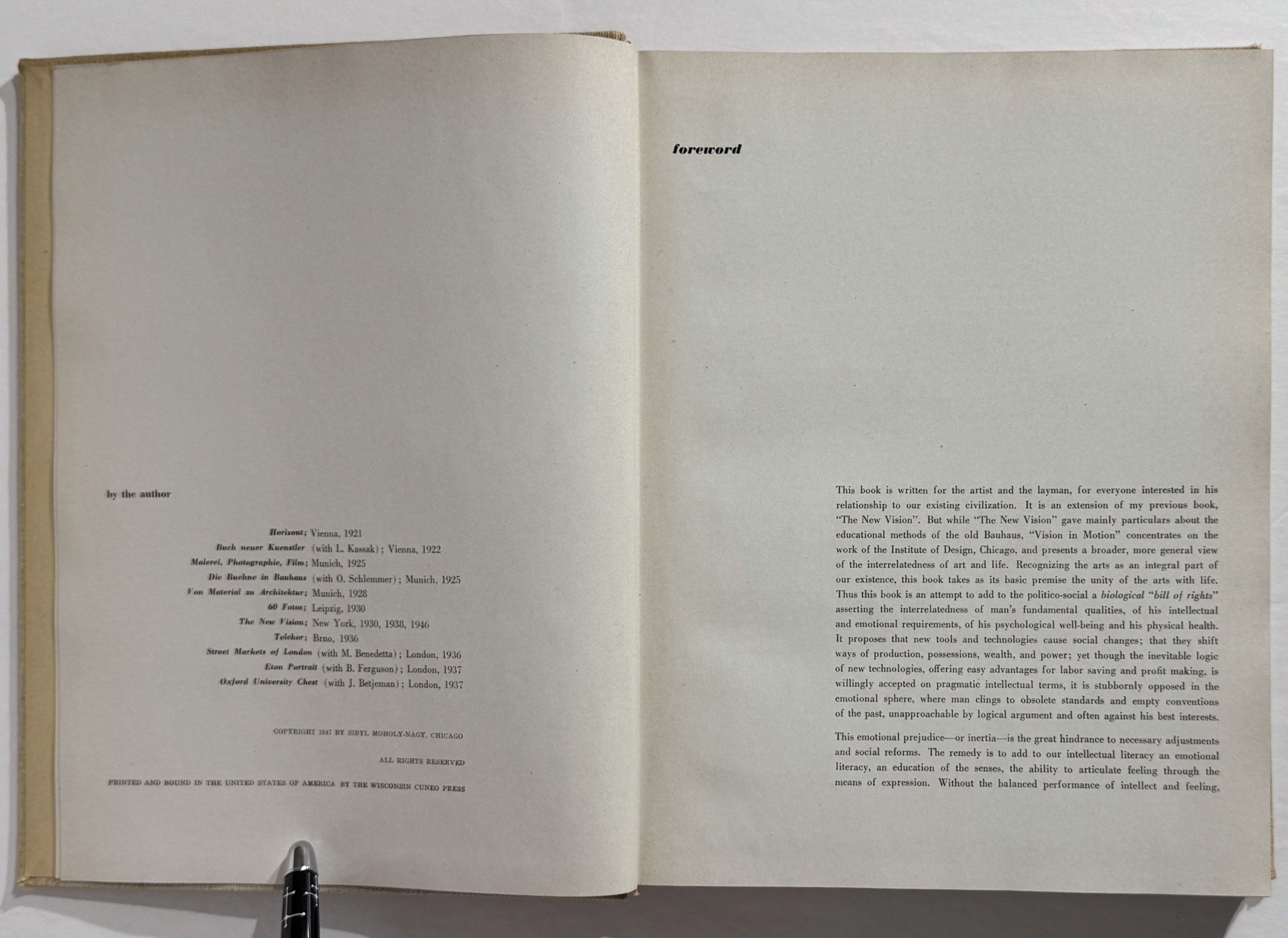 Image 7 of 15
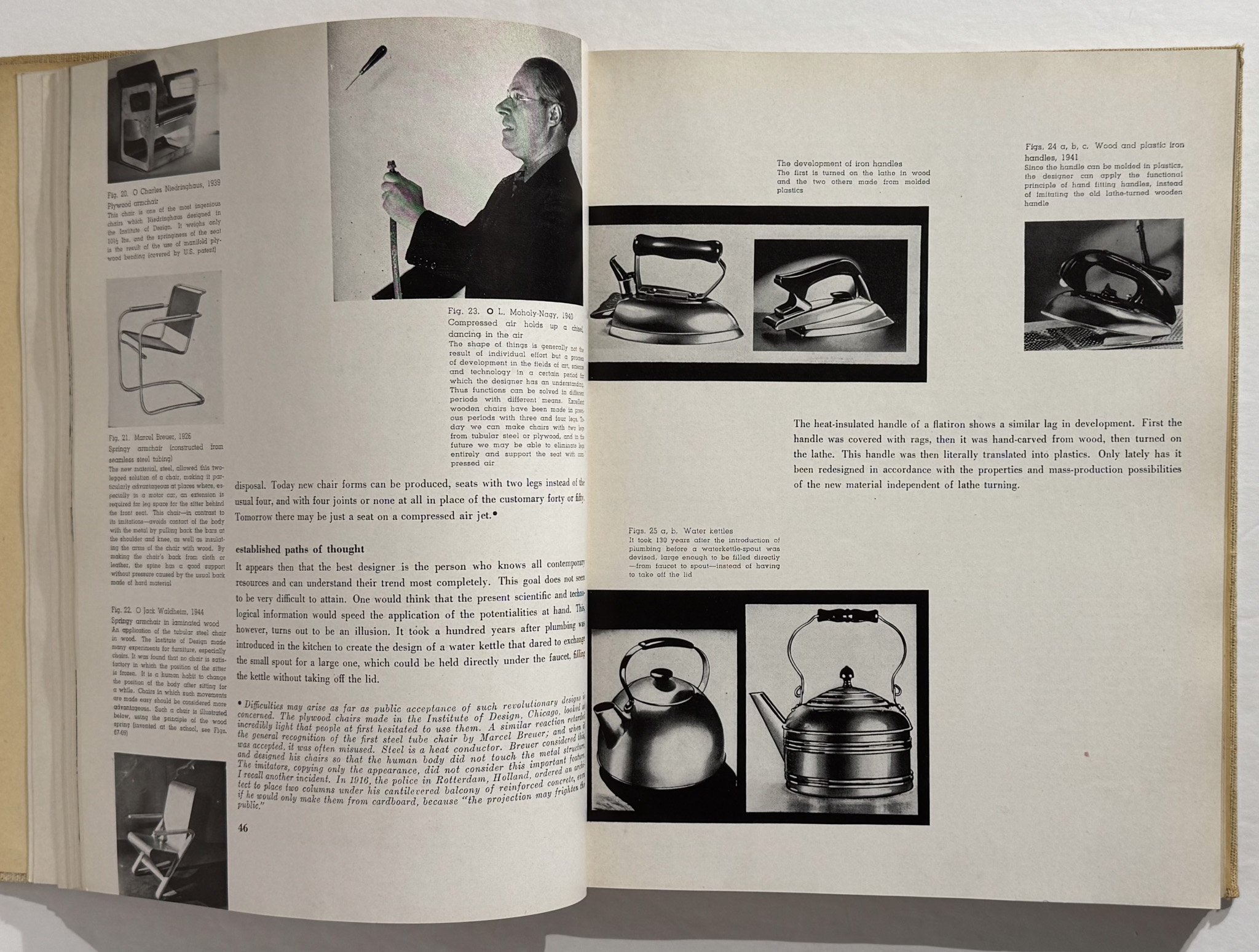 Image 8 of 15
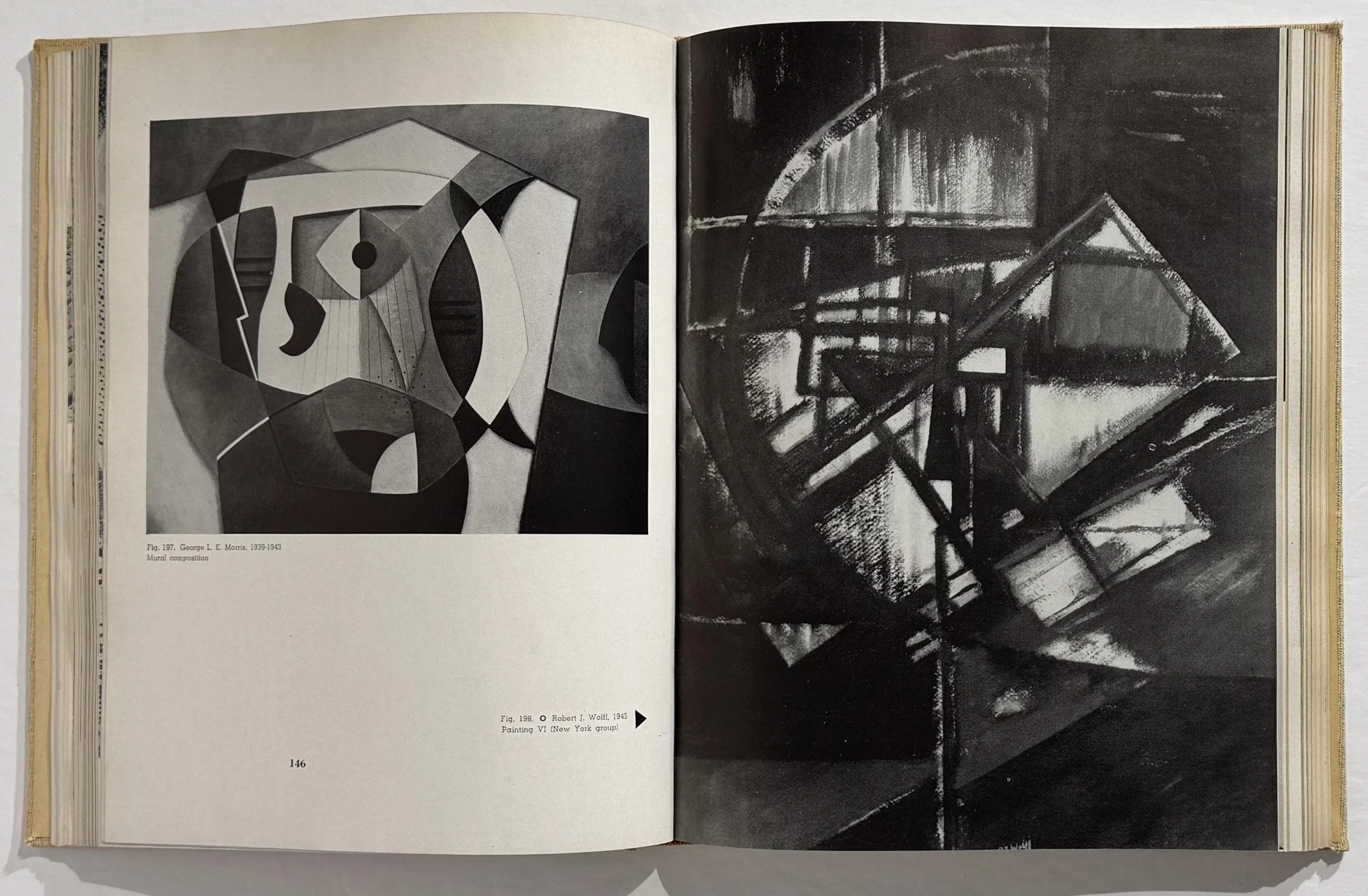 Image 9 of 15
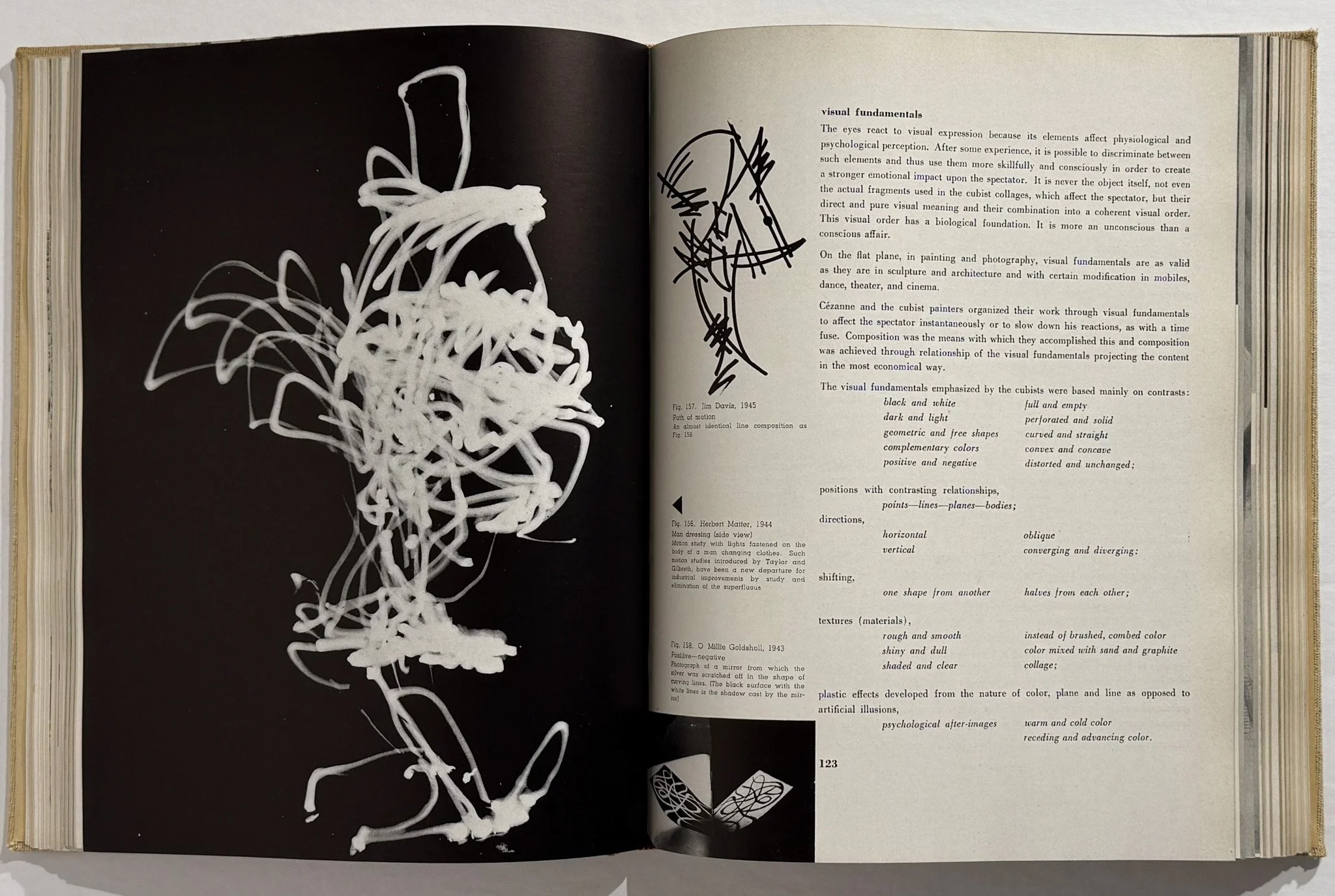 Image 10 of 15
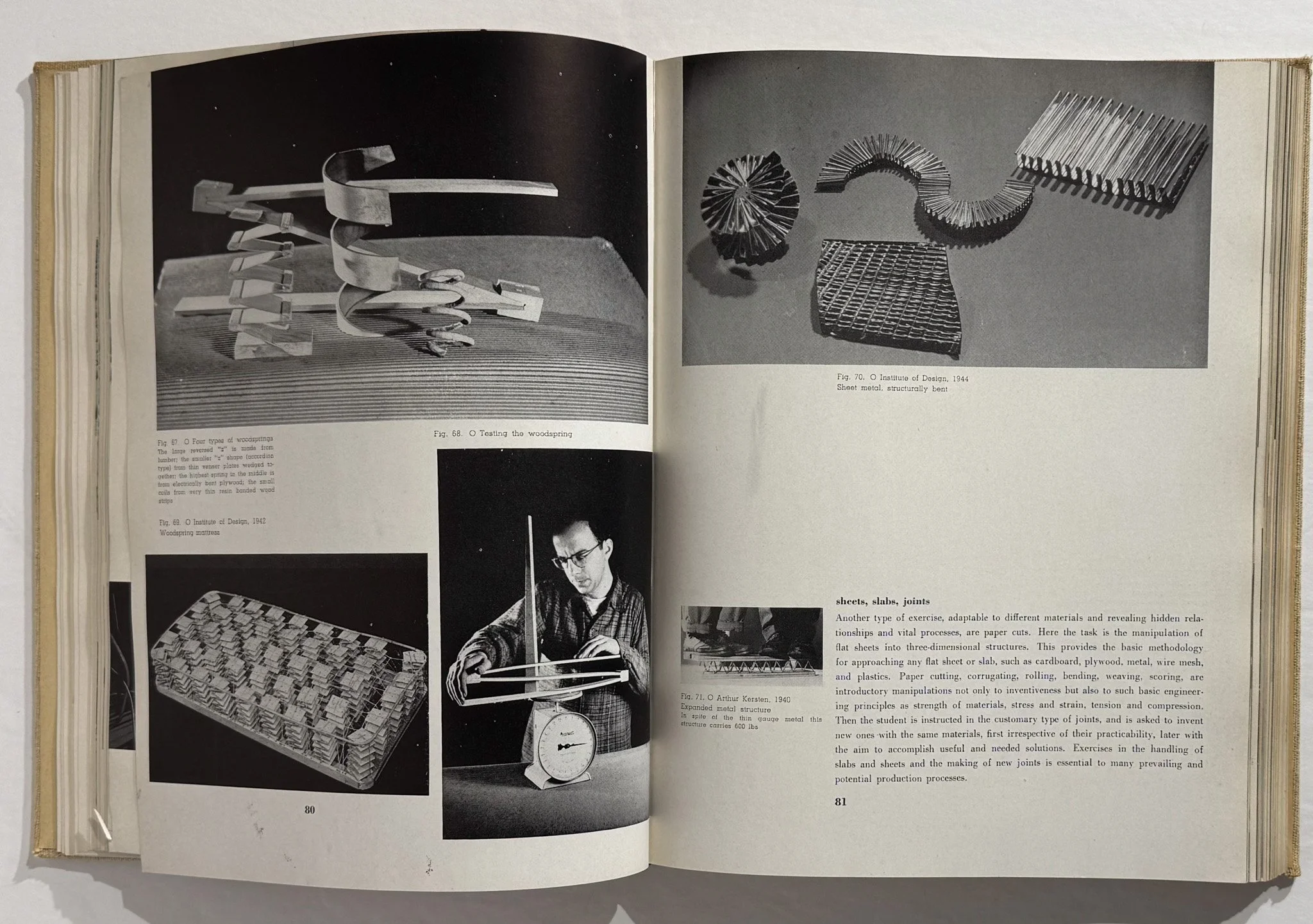 Image 11 of 15
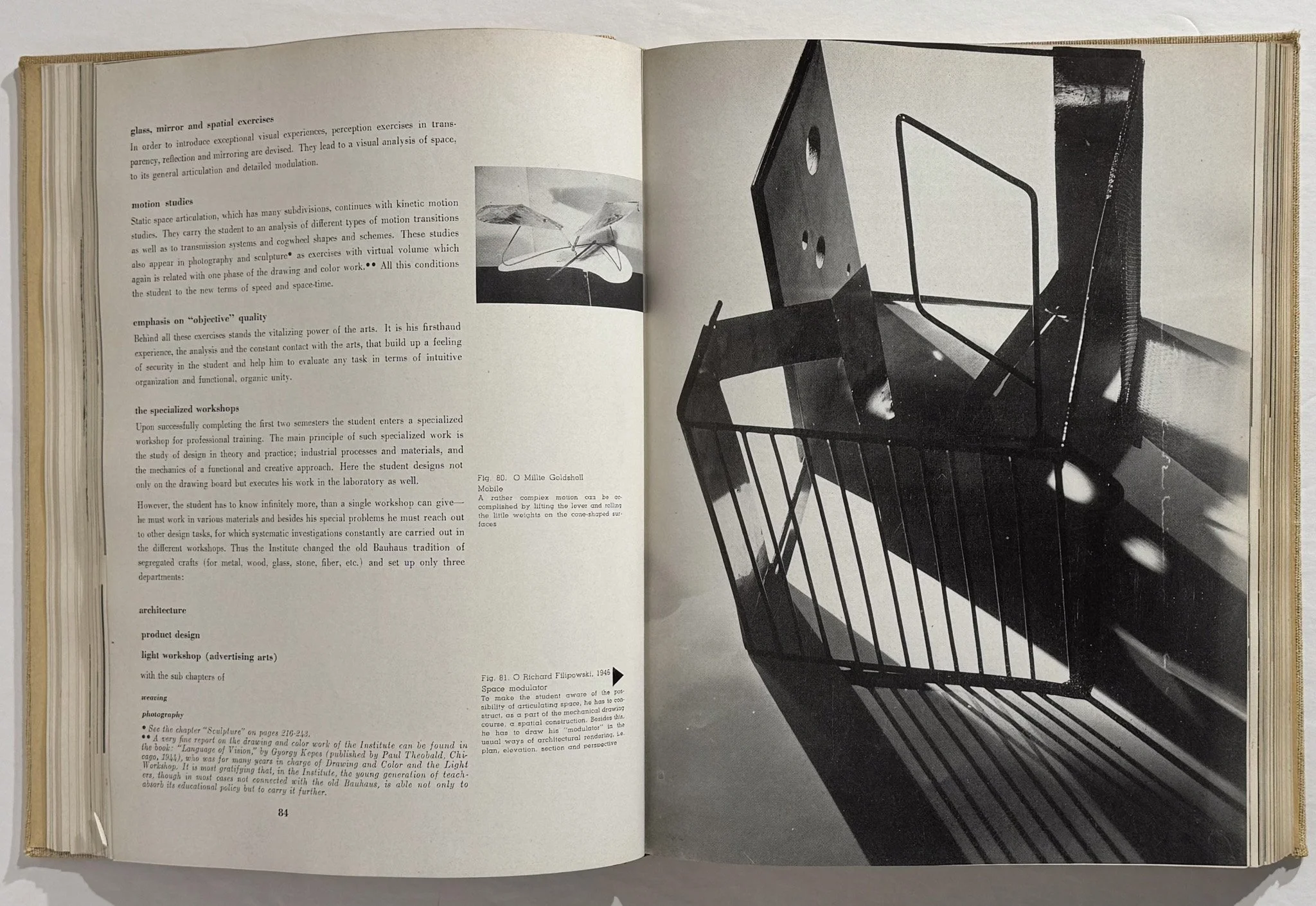 Image 12 of 15
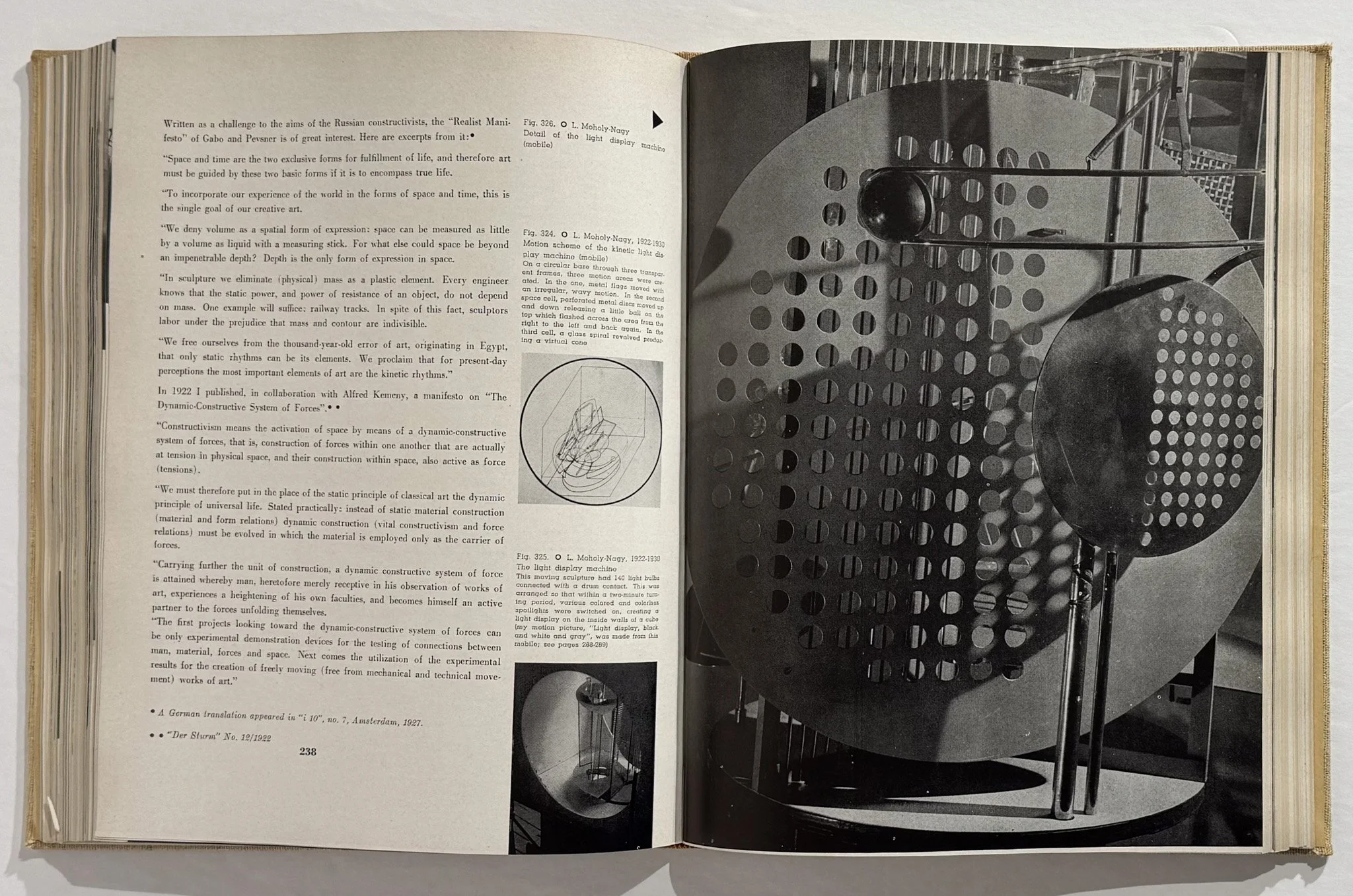 Image 13 of 15
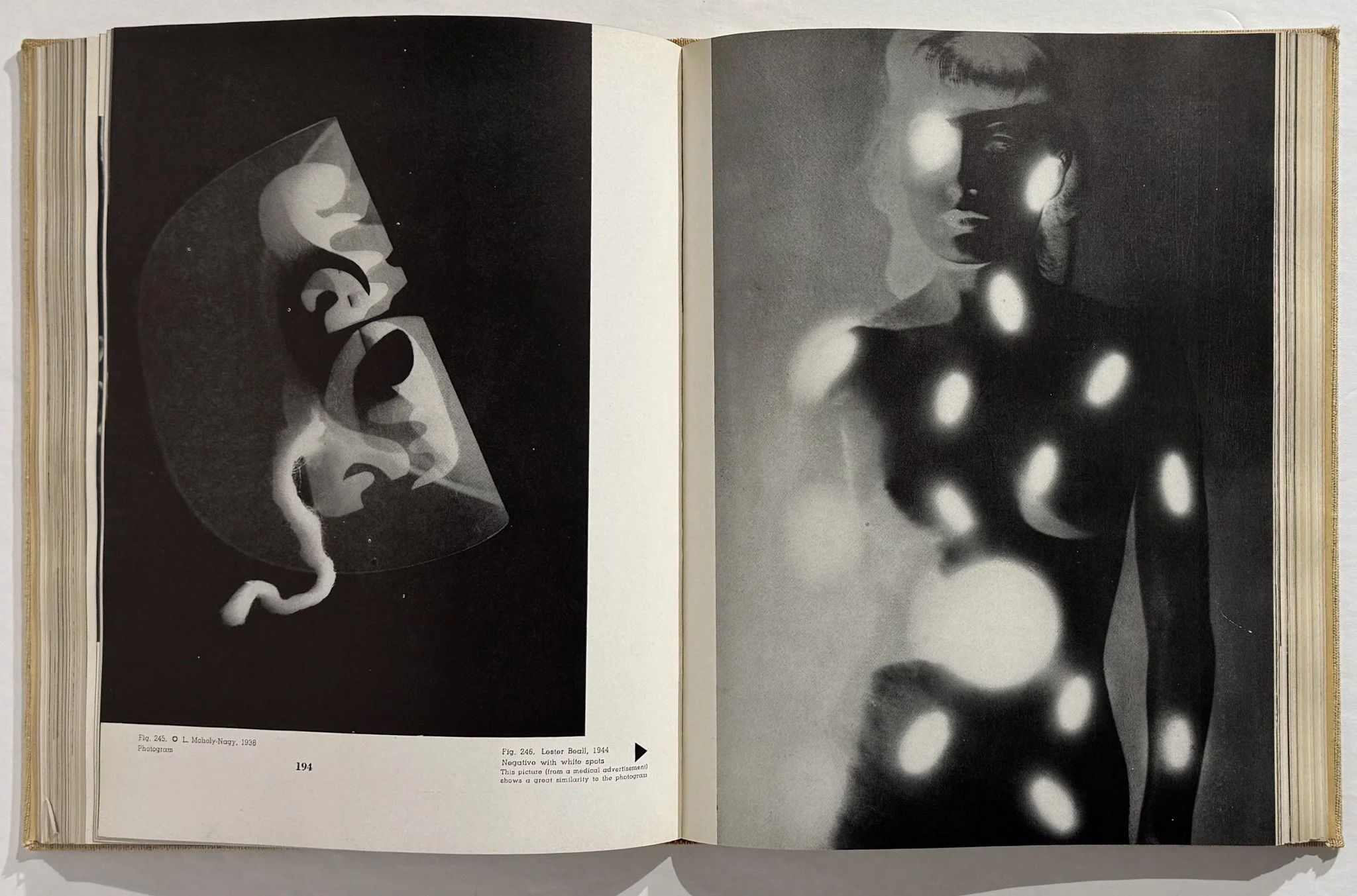 Image 14 of 15
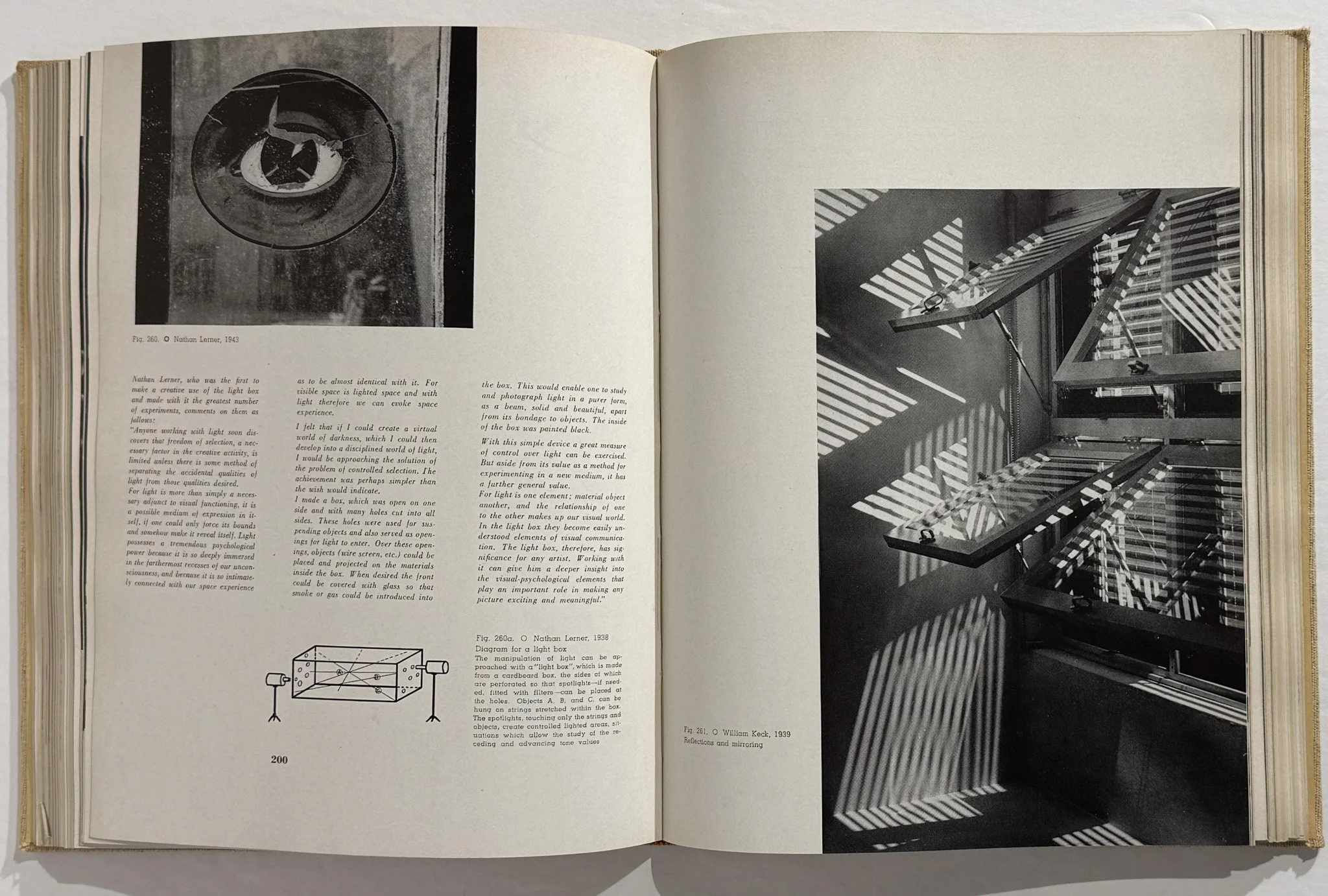 Image 15 of 15