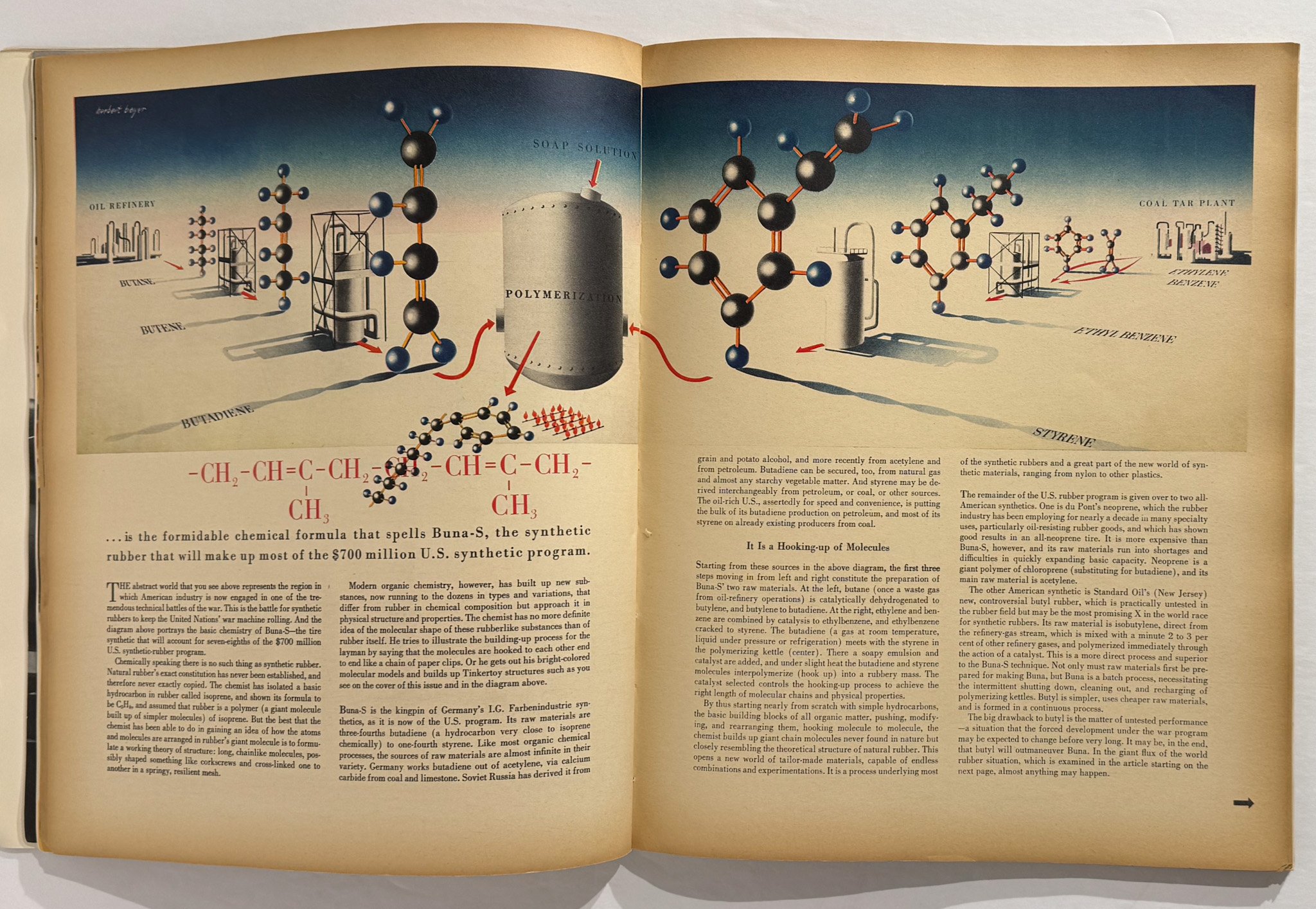
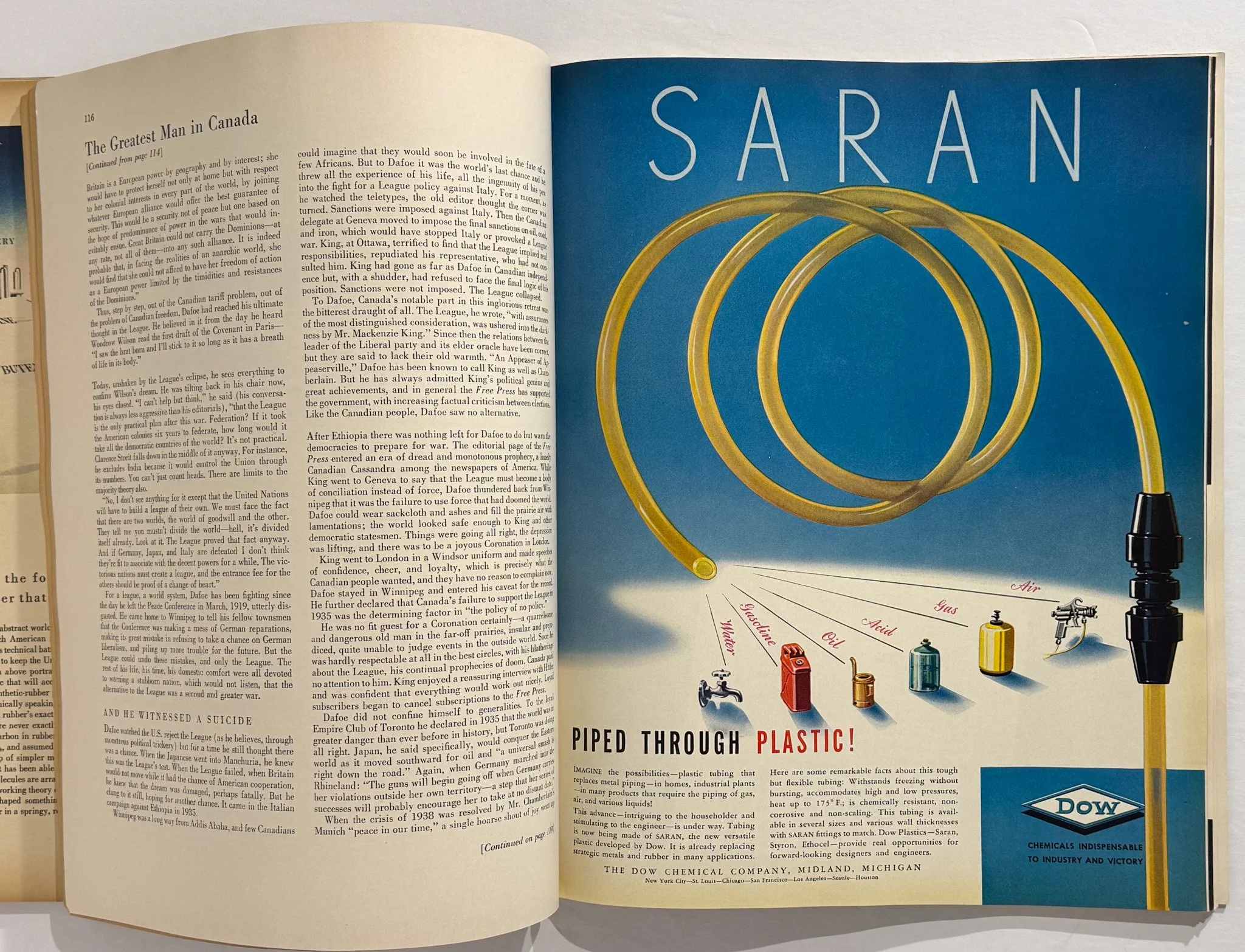
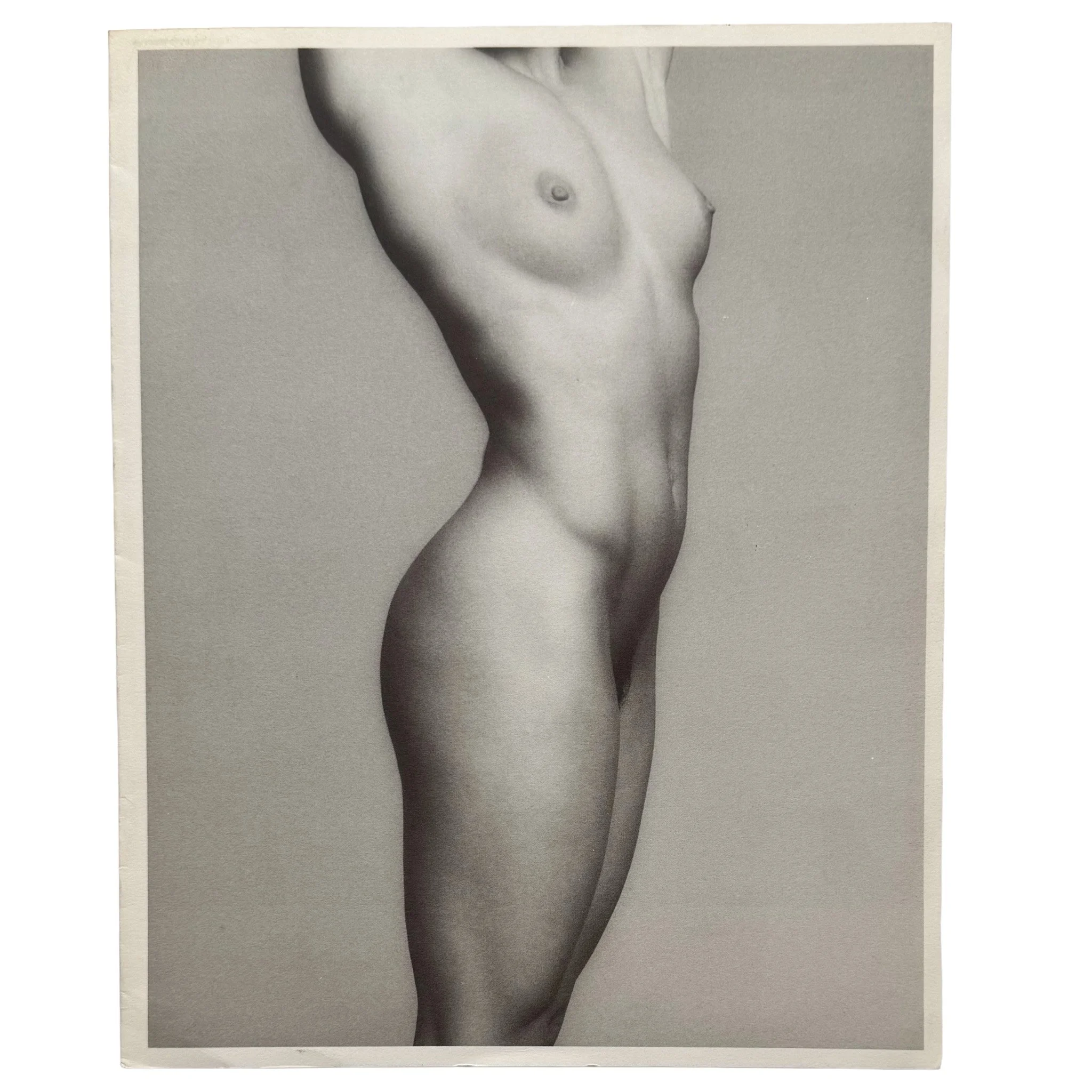
Original exhibition catalog accompanying An Exhibition of “Unpopular” Art, held November 7 to December 29, 1940 at the Walker Art Center in Minneapolis, MN and issued under the late WPA-era program of the Federal Art Project. Documents an especially thoughtful early Walker exhibition concerned with the problem of public taste in the visual arts.
More than a routine checklist, the catalog opens with a substantial introduction arguing that many forms of great art remain “unpopular” not because of inherent difficulty but because they are poorly encountered, badly reproduced, or inadequately presented. The text contrasts public familiarity with canonical music against resistance to modern painting, non-Western sculpture, ancient objects, and other works admired by specialists, and cites as prompts for the exhibition the distortion of modern art in mass-media reproduction, the example of the 1937 Munich “Degenerate Art” exhibition, and the enthusiastic reception of ancient Chinese bronzes at the Metropolitan Museum in 1939. The argument culminates in a notably forward-looking curatorial claim: that great art, however unfamiliar, can command admiration when intelligently installed and presented.
A genuinely early and scarce Walker publication, issued just after the institution’s transition to a public art center and reflecting a distinctly democratizing WPA-era effort to broaden aesthetic understanding while challenging inherited hierarchies of taste. An intellectually rich document of prewar American exhibition culture, and more substantial in conception than its modest format would suggest.
Square 8vo (8” x 8”), pictorial wrappers, 24 pages, b/w illustration. Foxing to the wrappers, somewhat more pronounced along the upper margin and right edge; contents clean, bright, and well-preserved. A sound, internally excellent copy of an unexpectedly sophisticated early Walker publication, seldom encountered in the trade.
Original exhibition catalog accompanying An Exhibition of “Unpopular” Art, held November 7 to December 29, 1940 at the Walker Art Center in Minneapolis, MN and issued under the late WPA-era program of the Federal Art Project. Documents an especially thoughtful early Walker exhibition concerned with the problem of public taste in the visual arts.
More than a routine checklist, the catalog opens with a substantial introduction arguing that many forms of great art remain “unpopular” not because of inherent difficulty but because they are poorly encountered, badly reproduced, or inadequately presented. The text contrasts public familiarity with canonical music against resistance to modern painting, non-Western sculpture, ancient objects, and other works admired by specialists, and cites as prompts for the exhibition the distortion of modern art in mass-media reproduction, the example of the 1937 Munich “Degenerate Art” exhibition, and the enthusiastic reception of ancient Chinese bronzes at the Metropolitan Museum in 1939. The argument culminates in a notably forward-looking curatorial claim: that great art, however unfamiliar, can command admiration when intelligently installed and presented.
A genuinely early and scarce Walker publication, issued just after the institution’s transition to a public art center and reflecting a distinctly democratizing WPA-era effort to broaden aesthetic understanding while challenging inherited hierarchies of taste. An intellectually rich document of prewar American exhibition culture, and more substantial in conception than its modest format would suggest.
Square 8vo (8” x 8”), pictorial wrappers, 24 pages, b/w illustration. Foxing to the wrappers, somewhat more pronounced along the upper margin and right edge; contents clean, bright, and well-preserved. A sound, internally excellent copy of an unexpectedly sophisticated early Walker publication, seldom encountered in the trade.

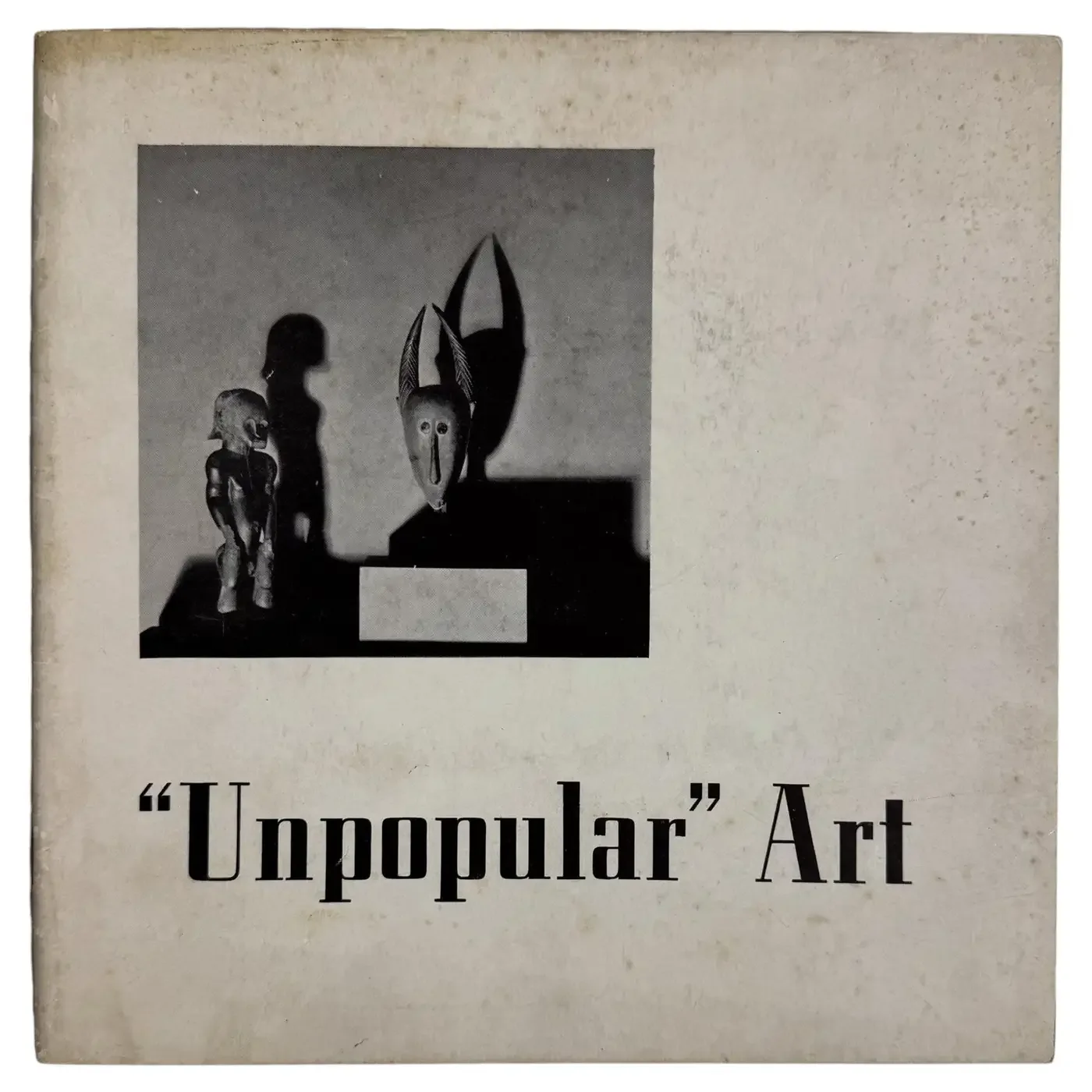 Image 1 of 11
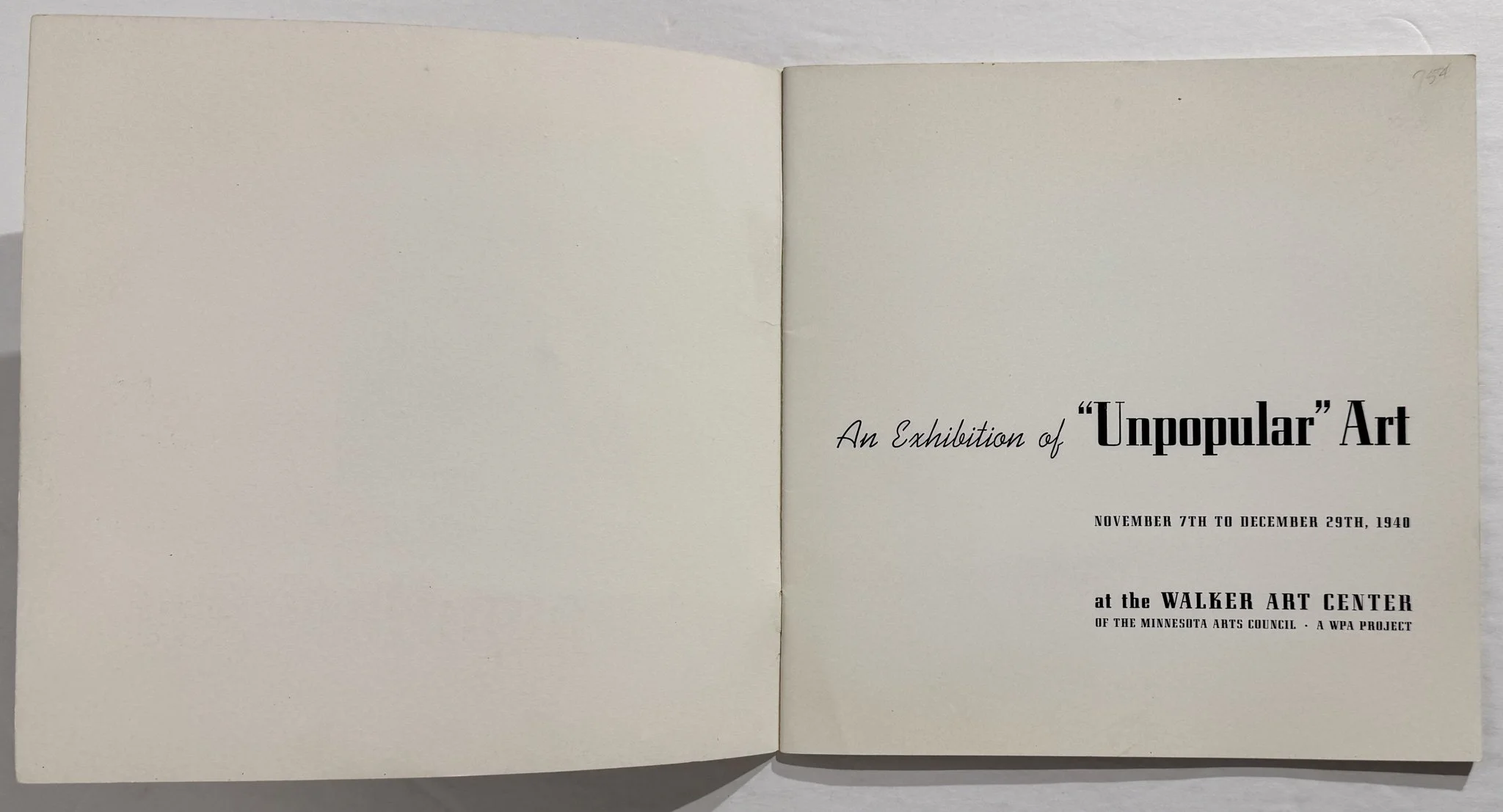 Image 2 of 11
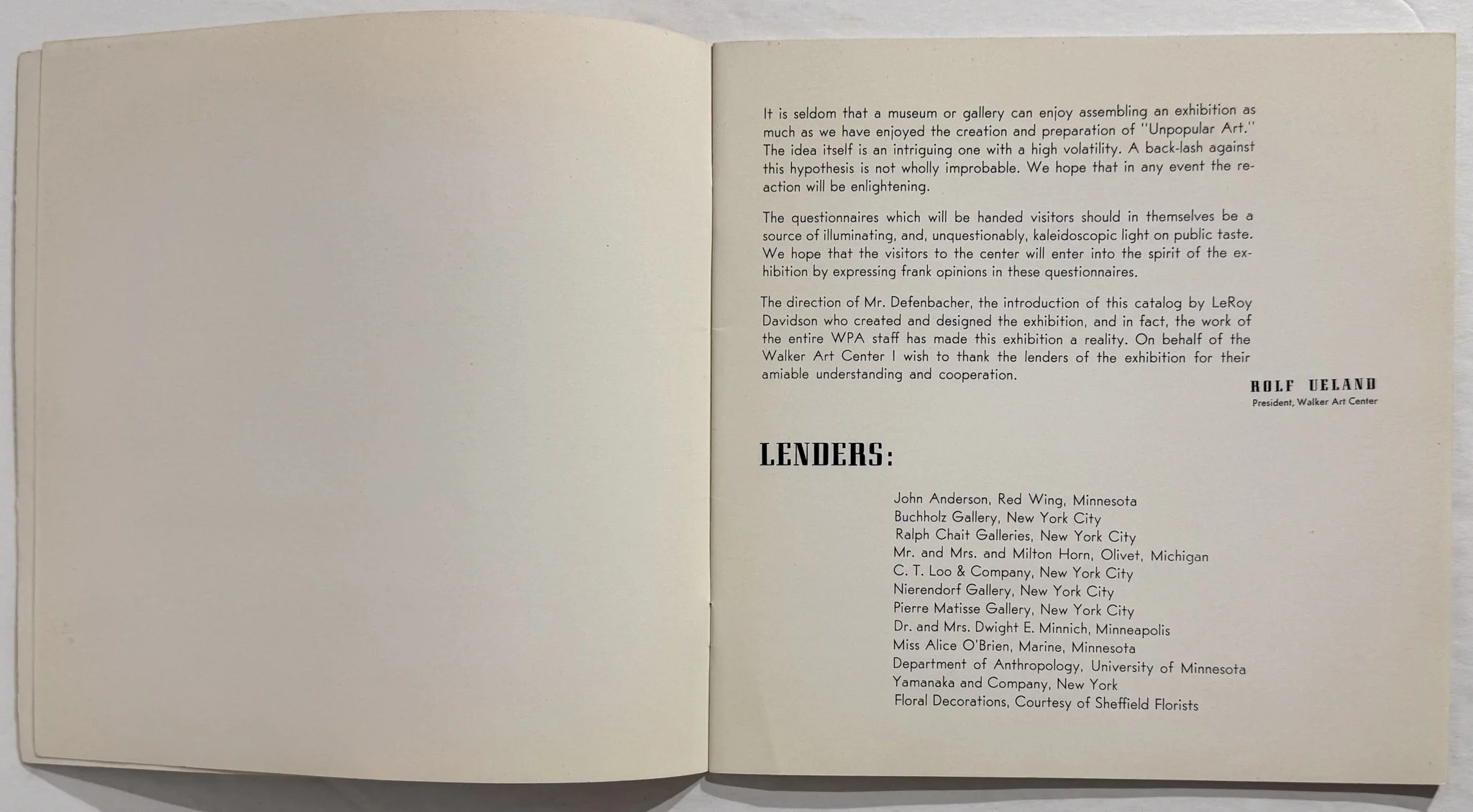 Image 3 of 11
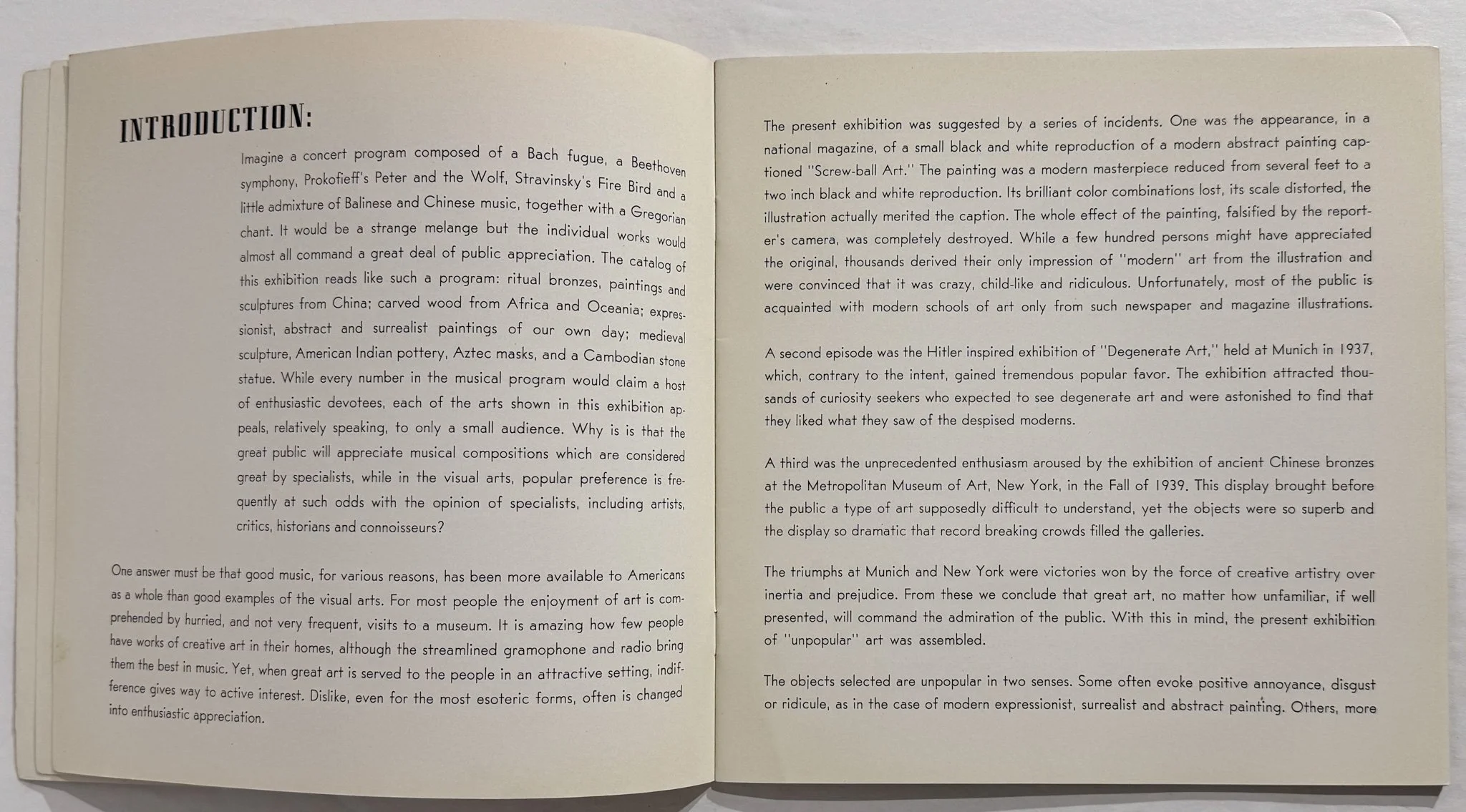 Image 4 of 11
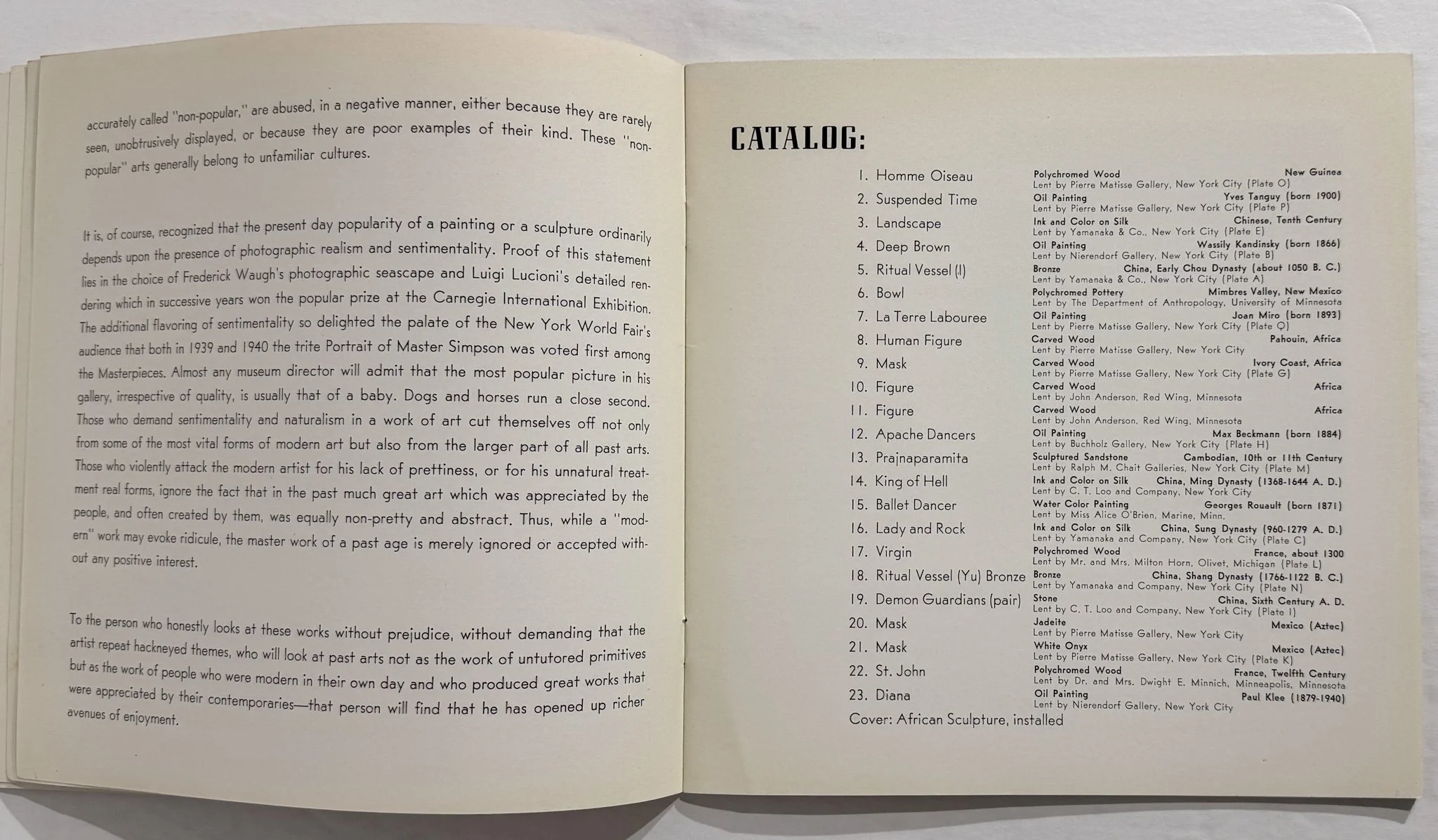 Image 5 of 11
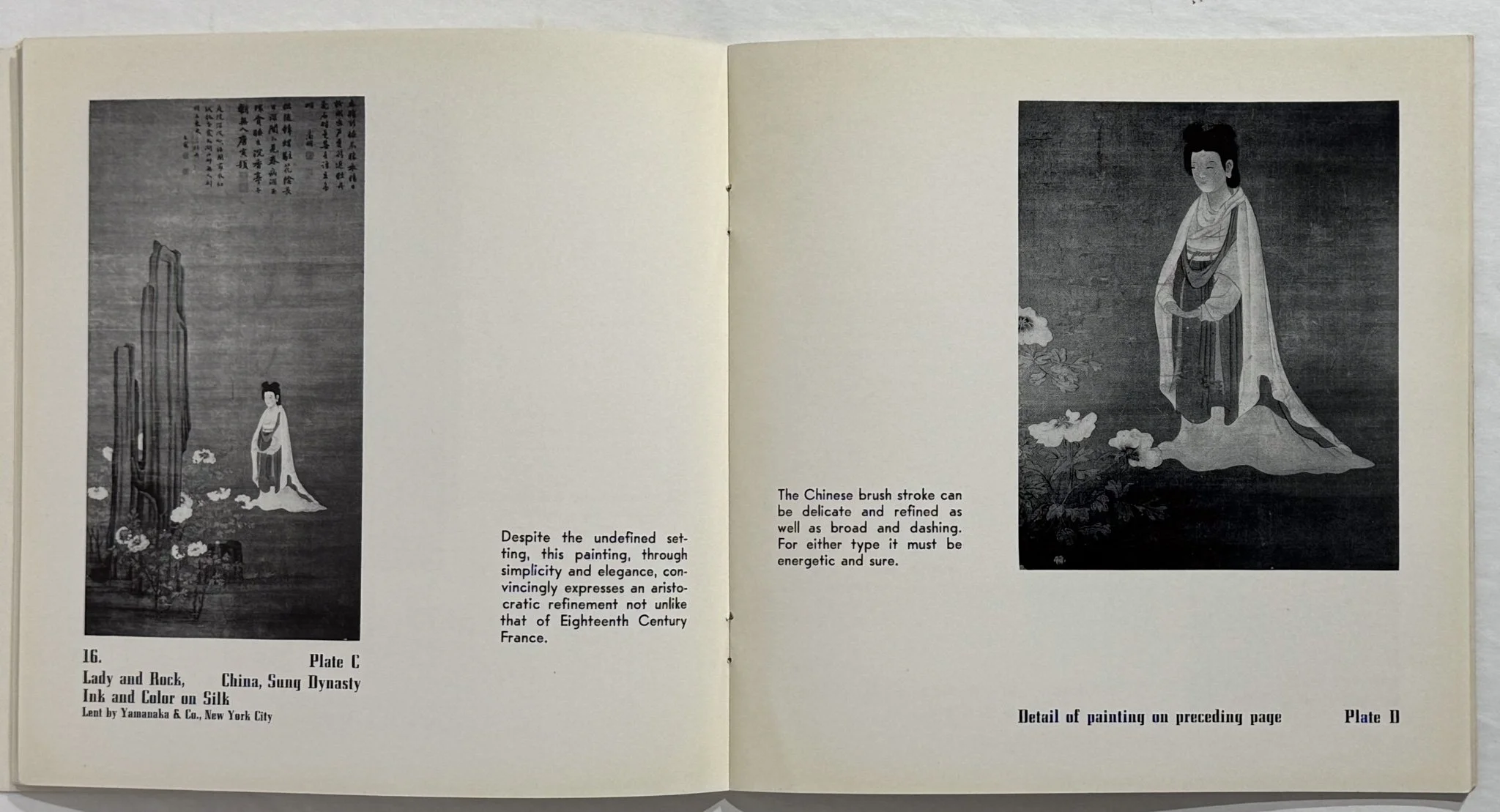 Image 6 of 11
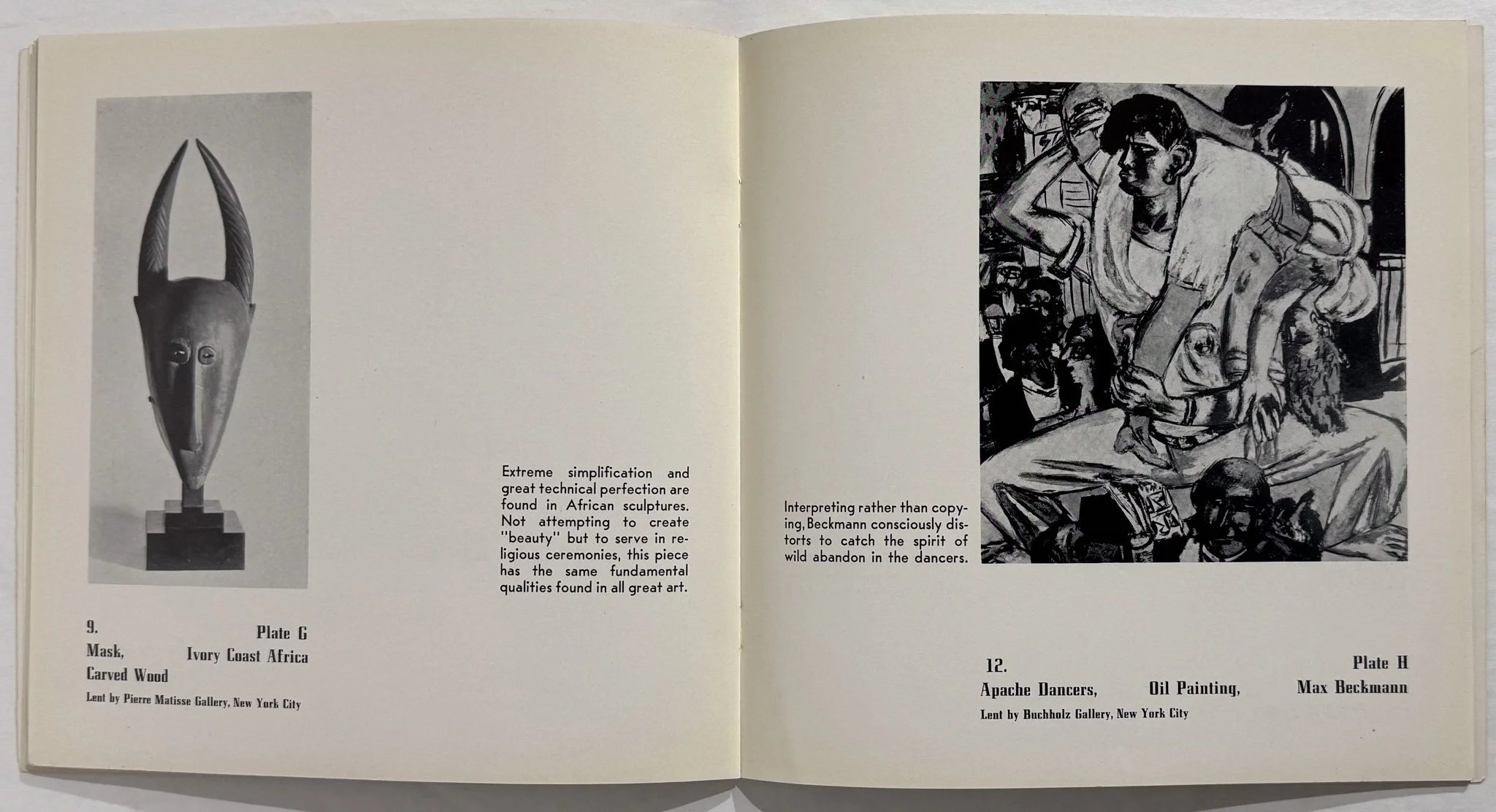 Image 7 of 11
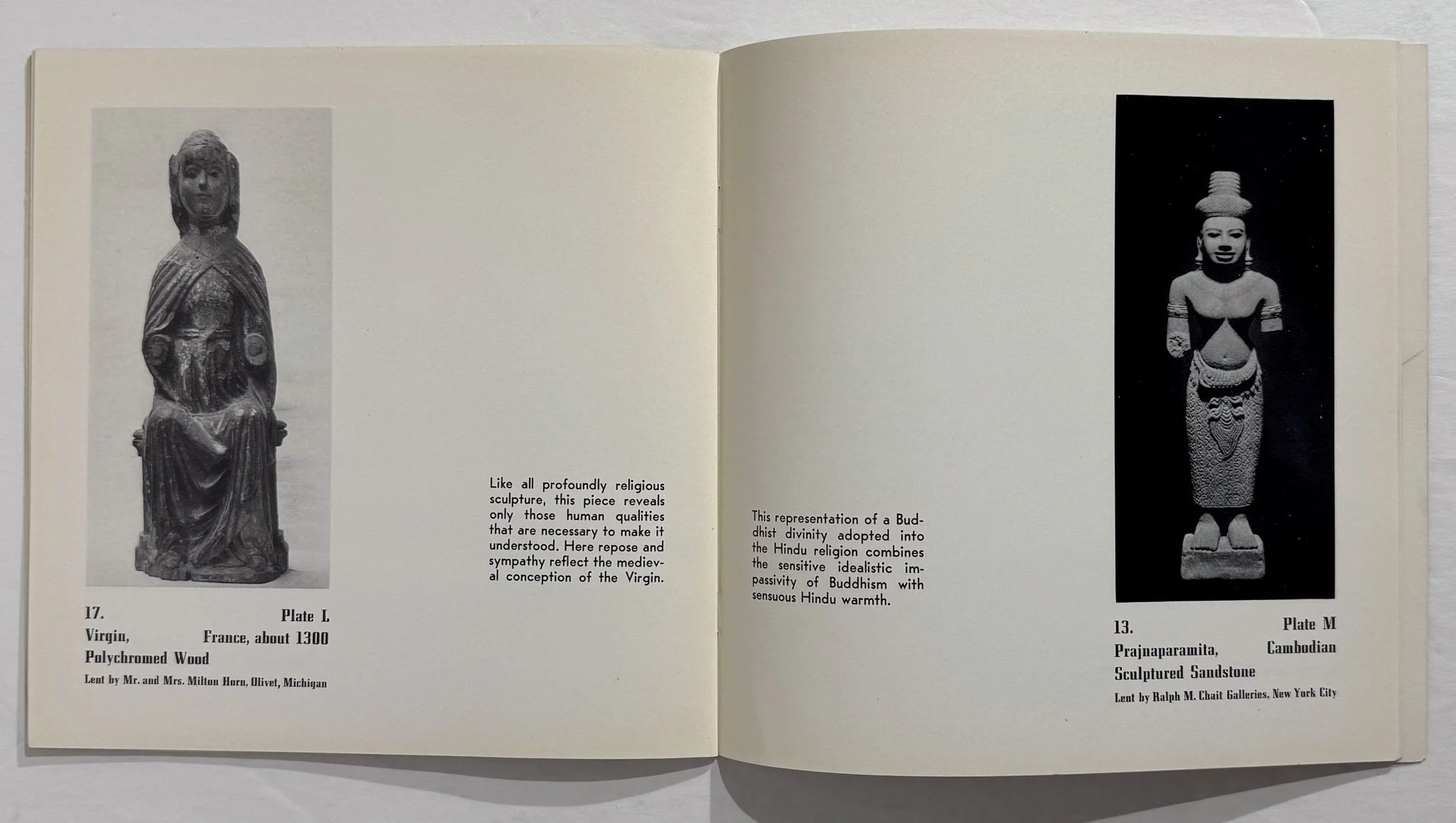 Image 8 of 11
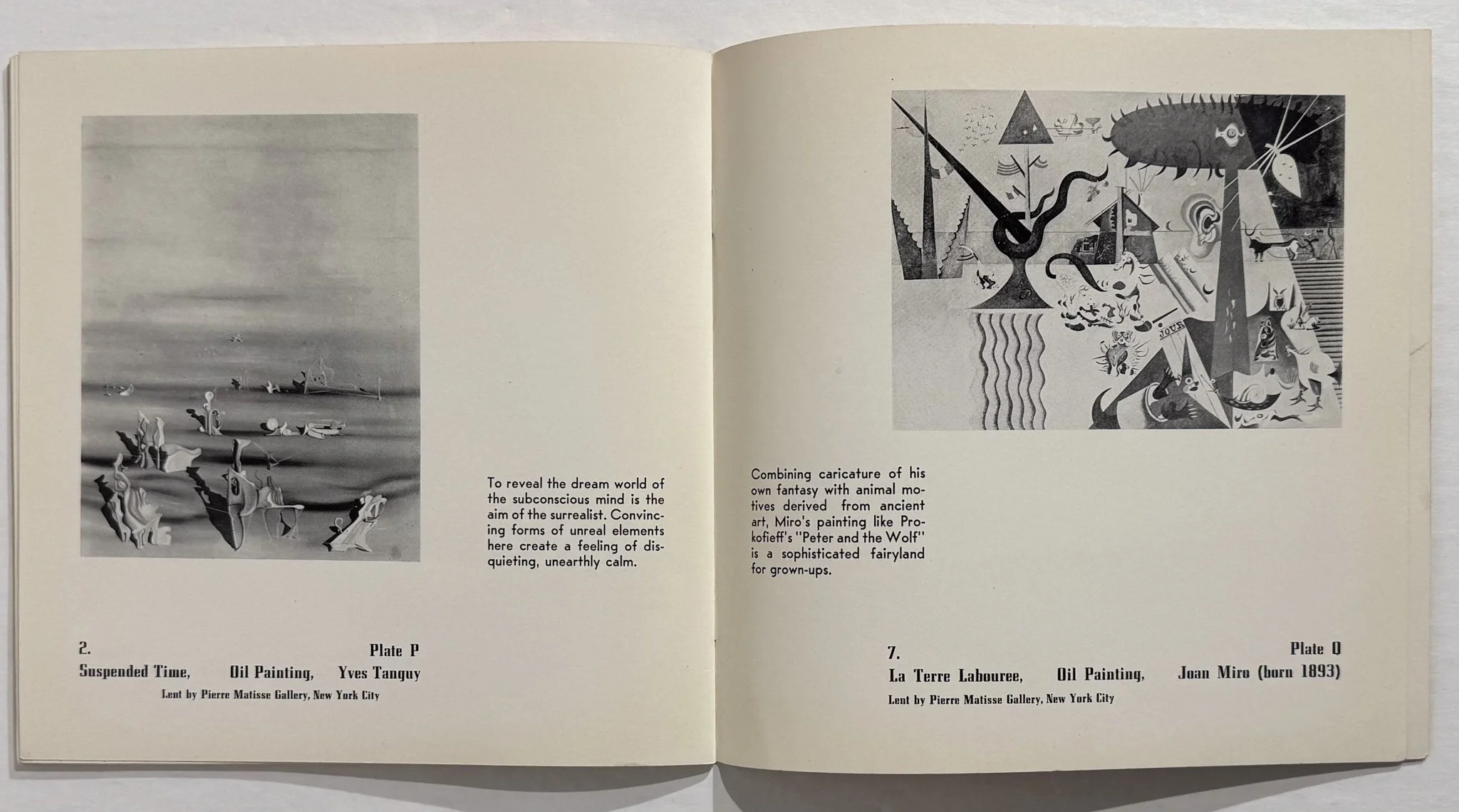 Image 9 of 11
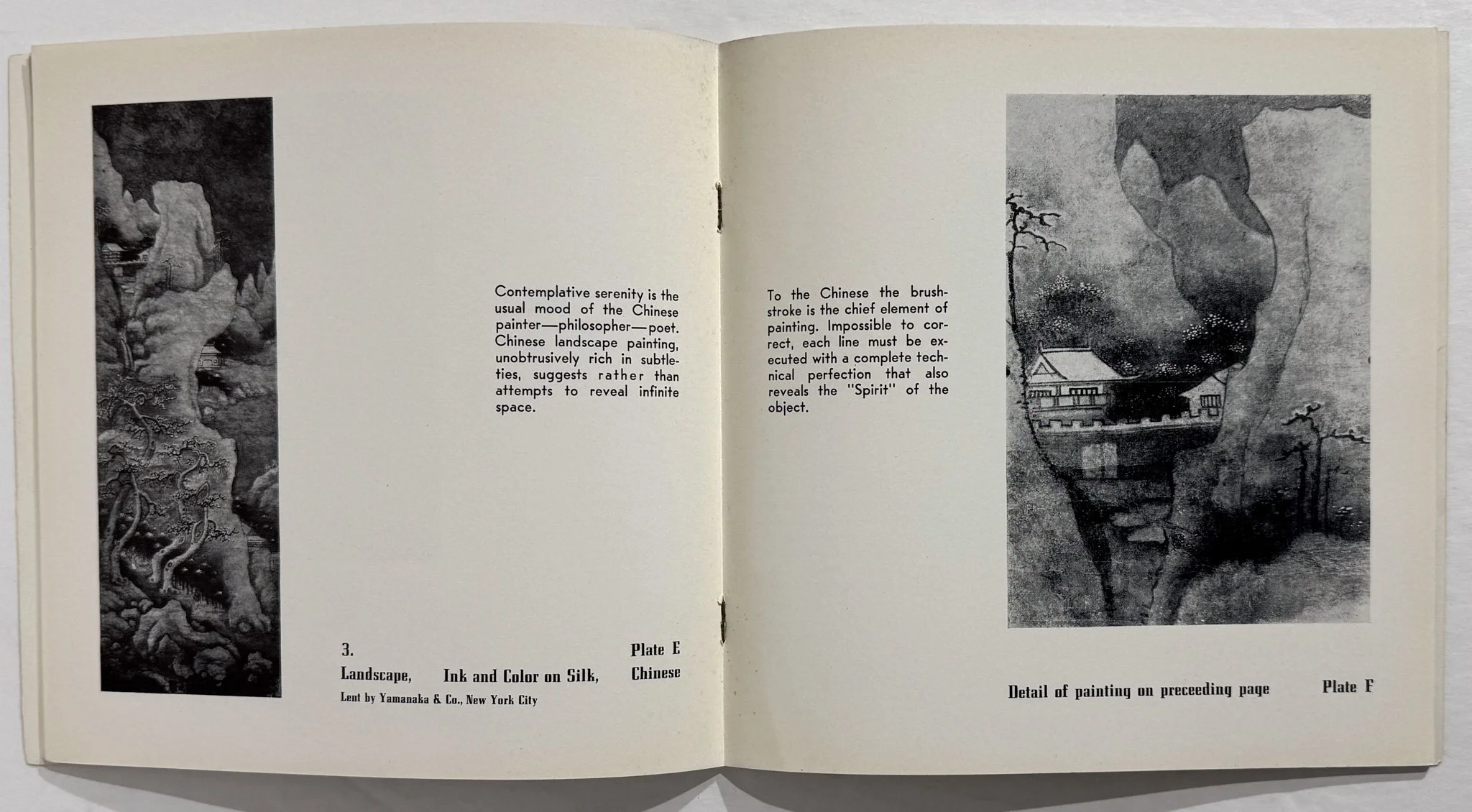 Image 10 of 11
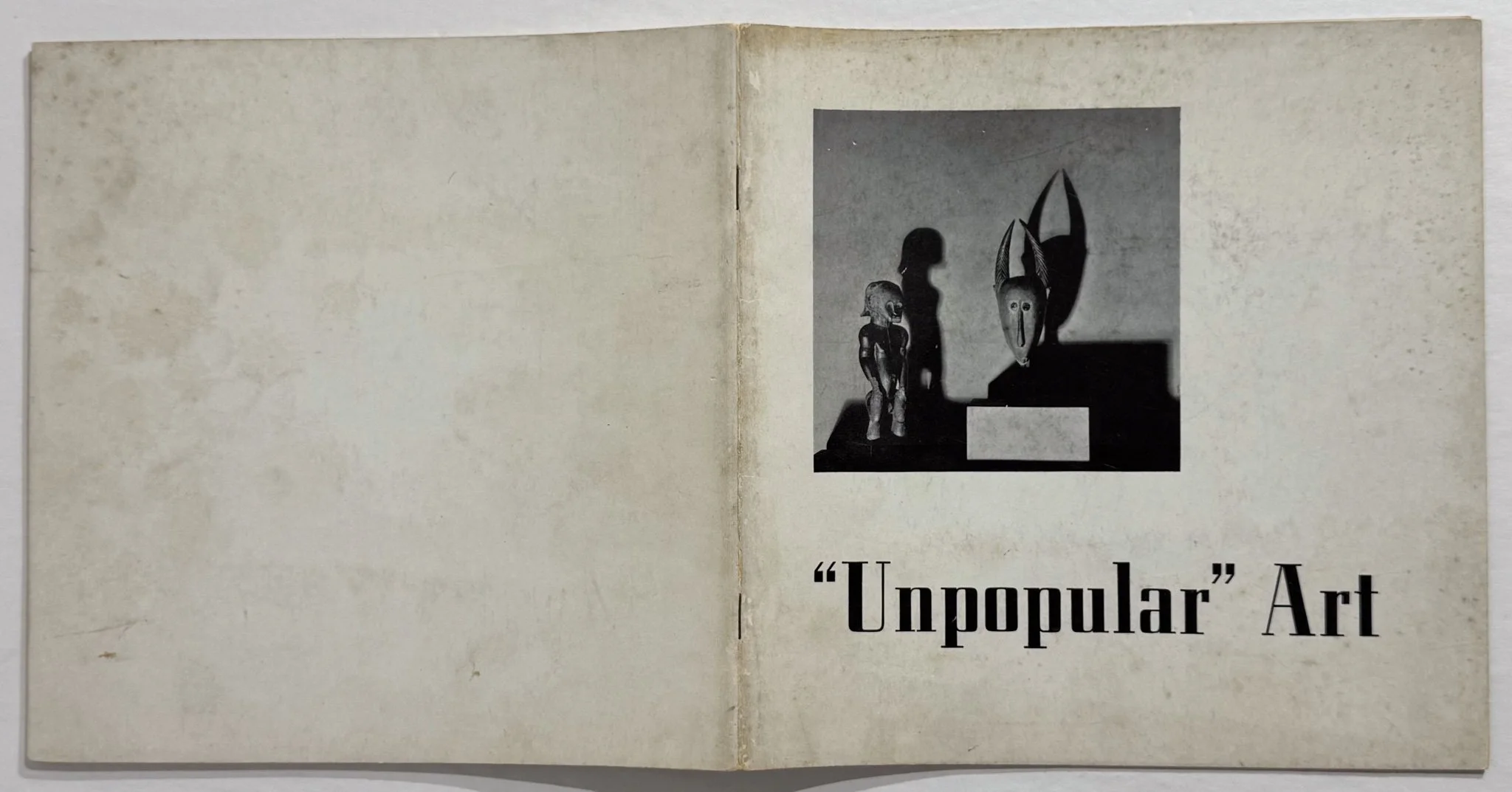 Image 11 of 11